


The Story
Plant Bio
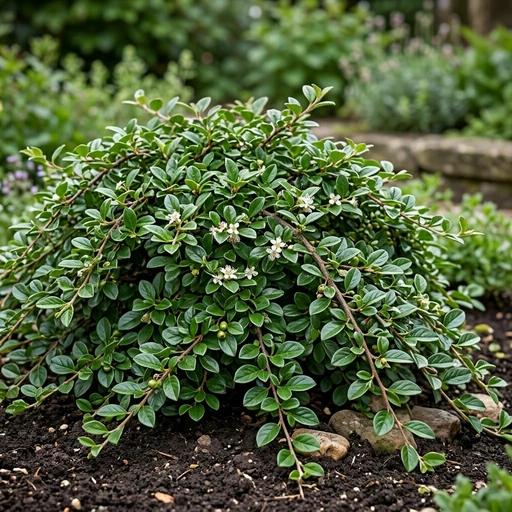
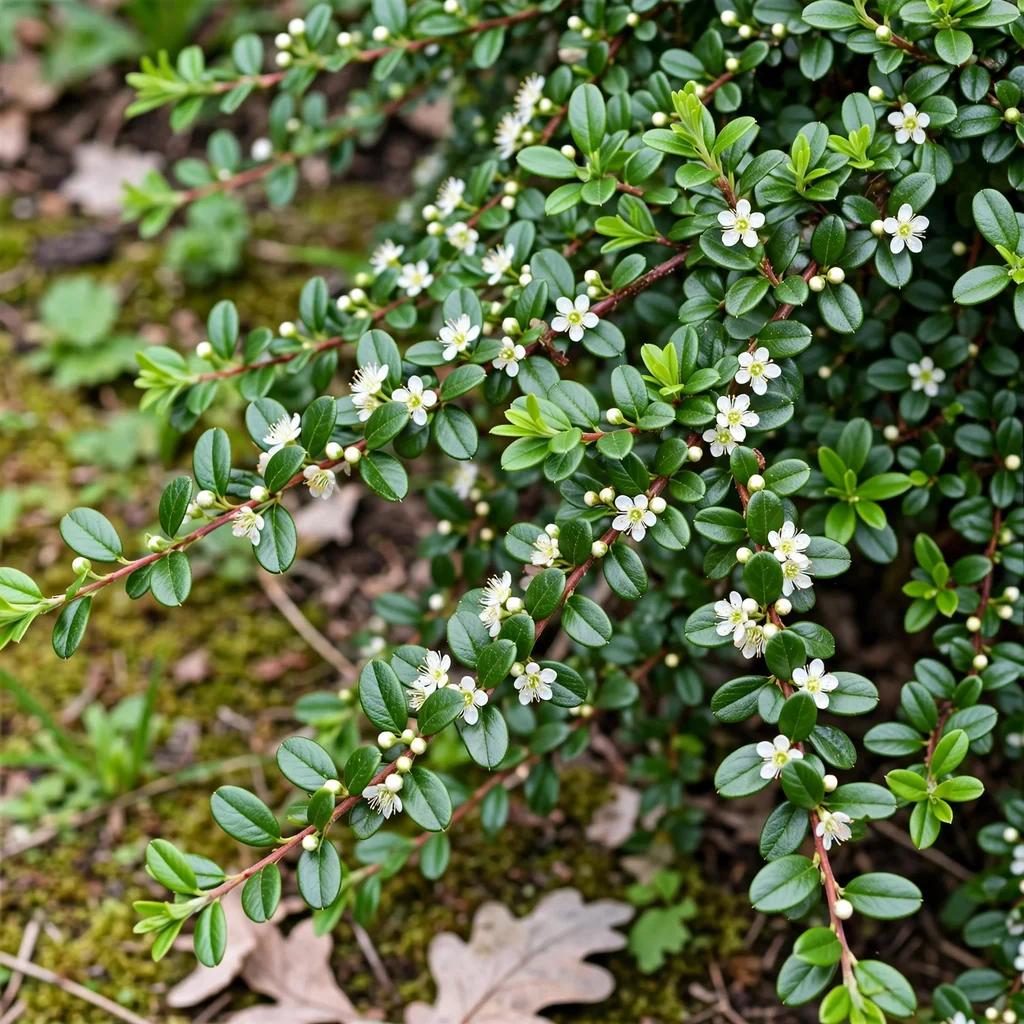
Cotoneaster dammeri, or bearberry cotoneaster, is a prostrate, spreading evergreen shrub valued for its ability to form a dense mat of foliage, making it an excellent groundcover.
'Streibs Findling' is a superior selection, noted for being even lower, flatter, and more compact than the species. It has smaller leaves and a very dense habit, creating a tight, weed-suppressing carpet.
Uses & Benefits:
Essentials
At a Glance
Plant Type
Groundcover
Height
3"
Width
54"
Light
Full Sun, Partial Sun
Zones
5, 6, 7, 8
Water
Low to Medium
Humidity
Adaptable
Lifespan
20-30 years
Native To
China (species)
Toxicity
Berries are mildly toxic if ingested in quantity
Bloom period
Late spring
In flower about 1 month of the year
Planting
How to Grow
- Select a sunny location with well-drained soil.
- Space plants 3 to 5 feet apart to allow for spread.
- Dig a hole as deep and twice as wide as the pot.
- Set the plant in the hole, ensuring the crown is at soil level.
- Backfill, firm the soil, and water in well.
- Water regularly for the first year to establish a deep root system.
Pro Tip
Plant it at the top of a wall or in a raised bed to allow its long, prostrate stems to cascade dramatically.
Keep It Thriving
Care Guide
Do
- Provide good drainage; it dislikes wet feet.
- Water during prolonged droughts, even when established.
- Allow stems to root where they touch the ground to create a denser mat.
- Shear back lightly in spring if needed to encourage fresh growth.
Don't
- Don't plant in shady, damp locations.
- Avoid over-watering, which can lead to root rot.
- Do not fertilize; it thrives in lean soil.
- Avoid planting where fire blight is a major problem for other Rosaceae family plants.
Seasonal Care Calendar
| Task | Jan | Feb | Mar | Apr | May | Jun | Jul | Aug | Sep | Oct | Nov | Dec |
|---|---|---|---|---|---|---|---|---|---|---|---|---|
| Mulch | ||||||||||||
| Pest Check | ||||||||||||
| Plant | ||||||||||||
| Prune |
Watch Out For
Pests & Diseases
Common Pests
Common Diseases
In the Garden
Landscape Uses & Companions
Landscape Uses
Multiply
Propagation Methods
Good to Know
Common Questions
Streibs Findling Cotoneaster questions
What zones can Streibs Findling Cotoneaster grow in?
Streibs Findling Cotoneaster is hardy in USDA Zones 5–8. Inside that range it survives winter in the ground; outside it, grow it as an annual or a container plant you protect.
Is Streibs Findling Cotoneaster deer resistant?
Yes — Streibs Findling Cotoneaster is rated deer-resistant. Deer typically pass it over, though extreme hunger can override any plant's defenses.
When does Streibs Findling Cotoneaster bloom?
Streibs Findling Cotoneaster typically blooms in late spring through late spring. Exact timing shifts a week or two with your zone — Sow's bloom calendar maps it to your garden.
Does Streibs Findling Cotoneaster need full sun?
Streibs Findling Cotoneaster does best in full sun to part shade. In hot climates, afternoon shade keeps blooms fresher longer.
Is Streibs Findling Cotoneaster drought tolerant?
Yes — once established (usually after the first full season), Streibs Findling Cotoneaster handles dry spells with minimal watering. Water deeply its first year to build the root system that makes that possible.
More Cotoneaster to compare
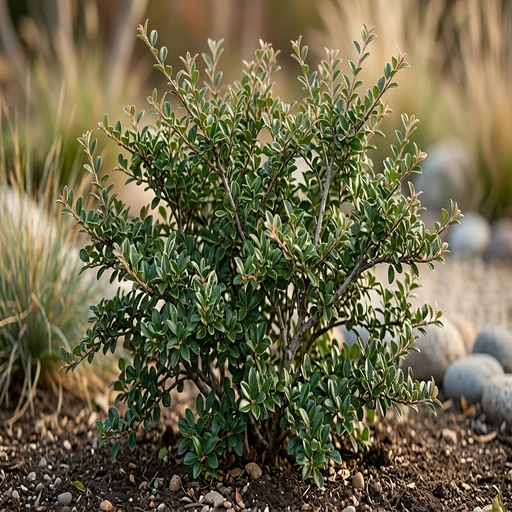
Autumn Inferno Cotoneaster
Cotoneaster salicifolius 'Autumn Inferno'
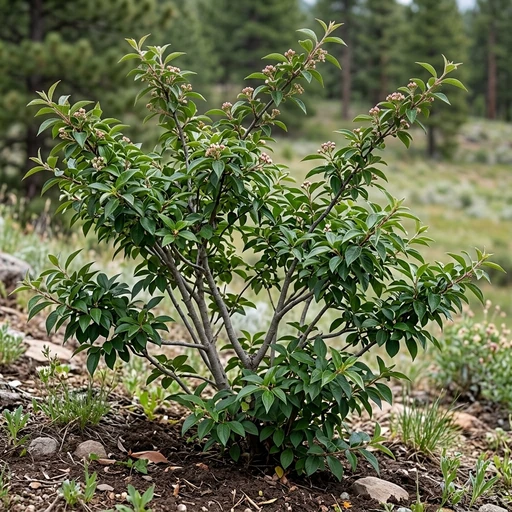
Peking Cotoneaster
Cotoneaster acutifolius
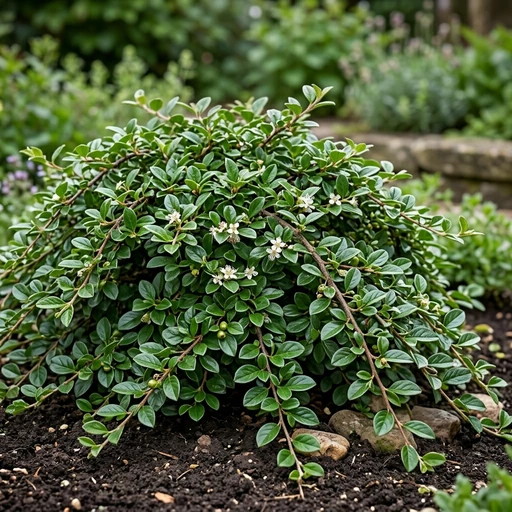
Lowfast Bearberry Cotoneaster
Cotoneaster dammeri 'Lowfast'
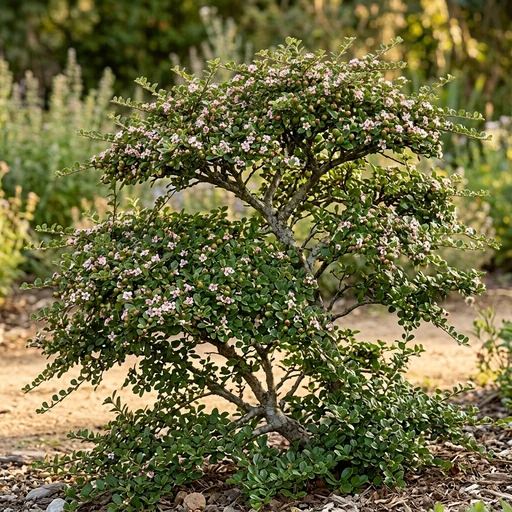
Rockspray Cotoneaster
Cotoneaster horizontalis
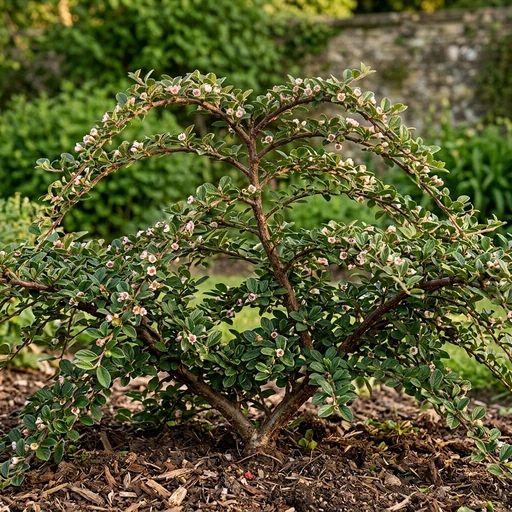
Hessei Rockspray Cotoneaster
Cotoneaster horizontalis 'Hessei'
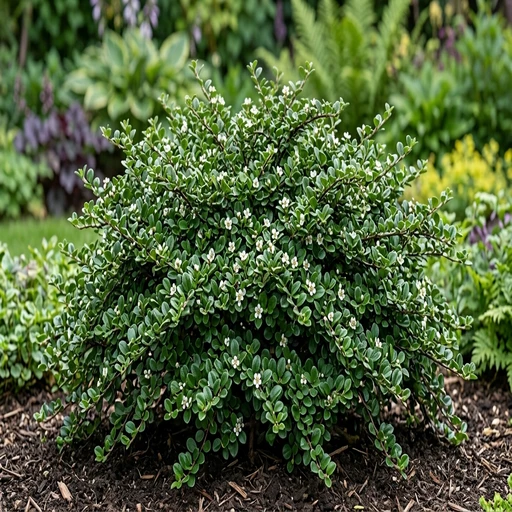
Tom Thumb Creeping Cotoneaster
Cotoneaster adpressus 'Tom Thumb'
Keep exploring
Explore the genus
Hardy in your zone?
Grow Streibs Findling Cotoneaster with confidence
See it in a design of your actual yard, get zone-matched care reminders, and track it season by season in your garden journal.