The Story
Plant Bio
Citrus is a genus of warm-climate evergreen shrubs and trees valued for their aromatic foliage, fragrant white flowers, and acidic, vitamin-rich fruits. These plants thrive in sun-drenched, well-draining environments and are highly sensitive to waterlogged soils and freezing temperatures.
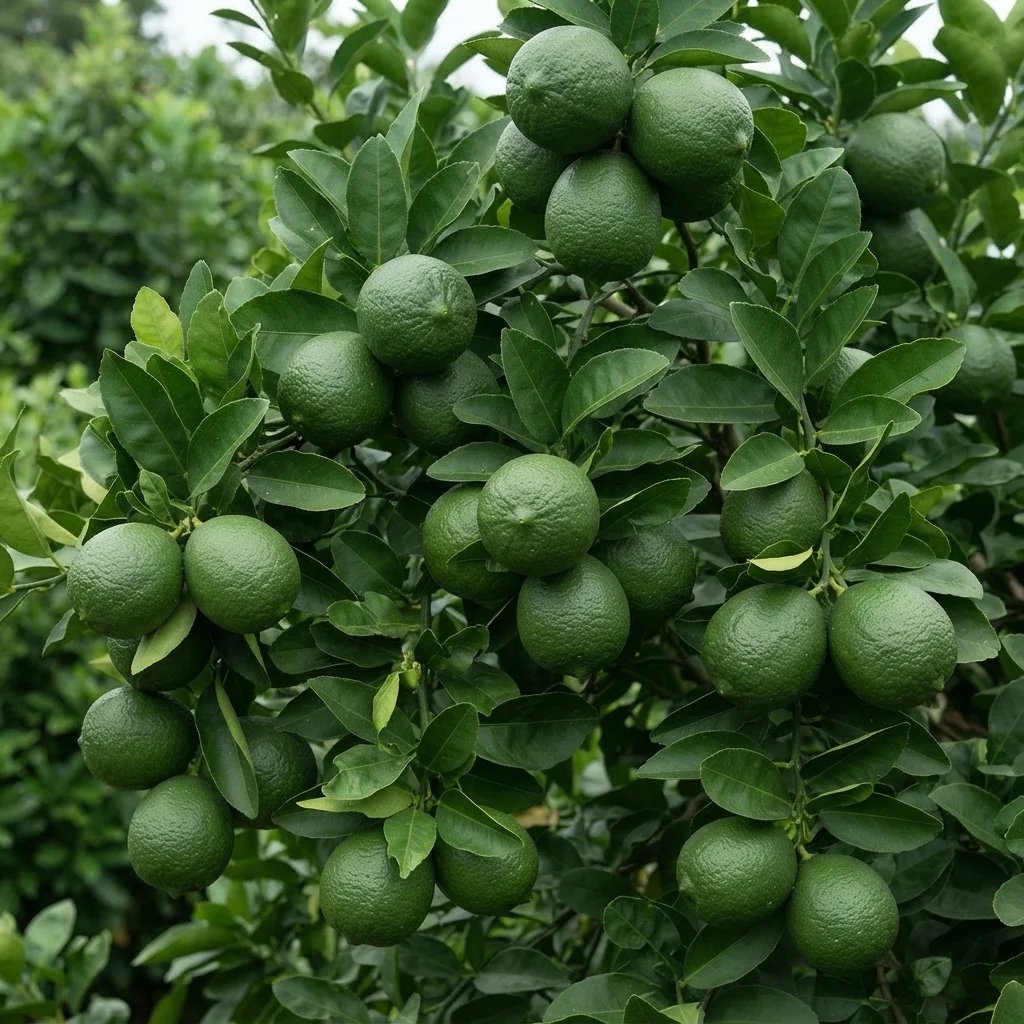
'Tahitian Lime' is a nearly thornless, wide-spreading cultivar that produces abundant, seedless green fruits with thin rinds and highly acidic juice. It forms a dense, rounded canopy of glossy, deep green leaves that release a rich citrus aroma when bruised.
Uses & Benefits:
Essentials
At a Glance
Plant Type
Tree
Height
144"
Width
120"
Light
Full Sun
Zones
9, 10
Water
Medium
Humidity
High
Lifespan
Long
Native To
Southeast Asia
Toxicity
Skin Irritant
Bloom period
Spring – Year round
In flower about 10 months of the year
Planting
How to Grow
- Select a planting site that receives at least six to eight hours of direct daily sunlight and has excellent soil drainage.
- Dig a hole twice as wide as the root ball but no deeper, ensuring the root flare sits slightly above the surrounding soil grade.
- Backfill with native soil, avoiding heavy clay amendments, and water deeply to settle the roots without compacting the soil.
- Apply a thick layer of organic mulch around the root zone, keeping it several inches away from the trunk to prevent rot.
Pro Tip
Avoid planting this lime too deep; burying the root flare traps moisture against the bark and triggers Phytophthora collar rot.
Keep It Thriving
Care Guide
Do
- Water deeply and regularly during dry spells to maintain consistent soil moisture and prevent fruit drop.
- Apply a balanced, slow-release citrus fertilizer high in nitrogen and trace elements three times a year.
- Prune away any suckers emerging from below the graft union as soon as they appear.
Don't
- Do not allow water to pool around the base of the tree or plant in heavy, poorly draining clay.
- Do not prune heavily into old, leafless wood, as citrus flushes poorly from aged timber.
- Do not over-correct minor seasonal leaf yellowing with heavy soil amendments, as this is often a natural growth phase.
Seasonal Care Calendar
| Task | Jan | Feb | Mar | Apr | May | Jun | Jul | Aug | Sep | Oct | Nov | Dec |
|---|---|---|---|---|---|---|---|---|---|---|---|---|
| Fertilize | ||||||||||||
| Harvest | ||||||||||||
| Pest Check | ||||||||||||
| Prune |
Watch Out For
Pests & Diseases
Common Pests
Common Diseases
In the Garden
Landscape Uses & Companions
Landscape Uses
Companion Plants
Multiply
Propagation Methods
Good to Know
Common Questions
Persian Lime questions
What zones can Persian Lime grow in?
Persian Lime is hardy in USDA Zones 9–10. Inside that range it survives winter in the ground; outside it, grow it as an annual or a container plant you protect.
When does Persian Lime bloom?
Persian Lime typically blooms in spring through year round. Exact timing shifts a week or two with your zone — Sow's bloom calendar maps it to your garden.
Does Persian Lime need full sun?
Persian Lime does best in full sun (6+ hours).
Is Persian Lime drought tolerant?
Yes — once established (usually after the first full season), Persian Lime handles dry spells with minimal watering. Water deeply its first year to build the root system that makes that possible.
More Citrus to compare
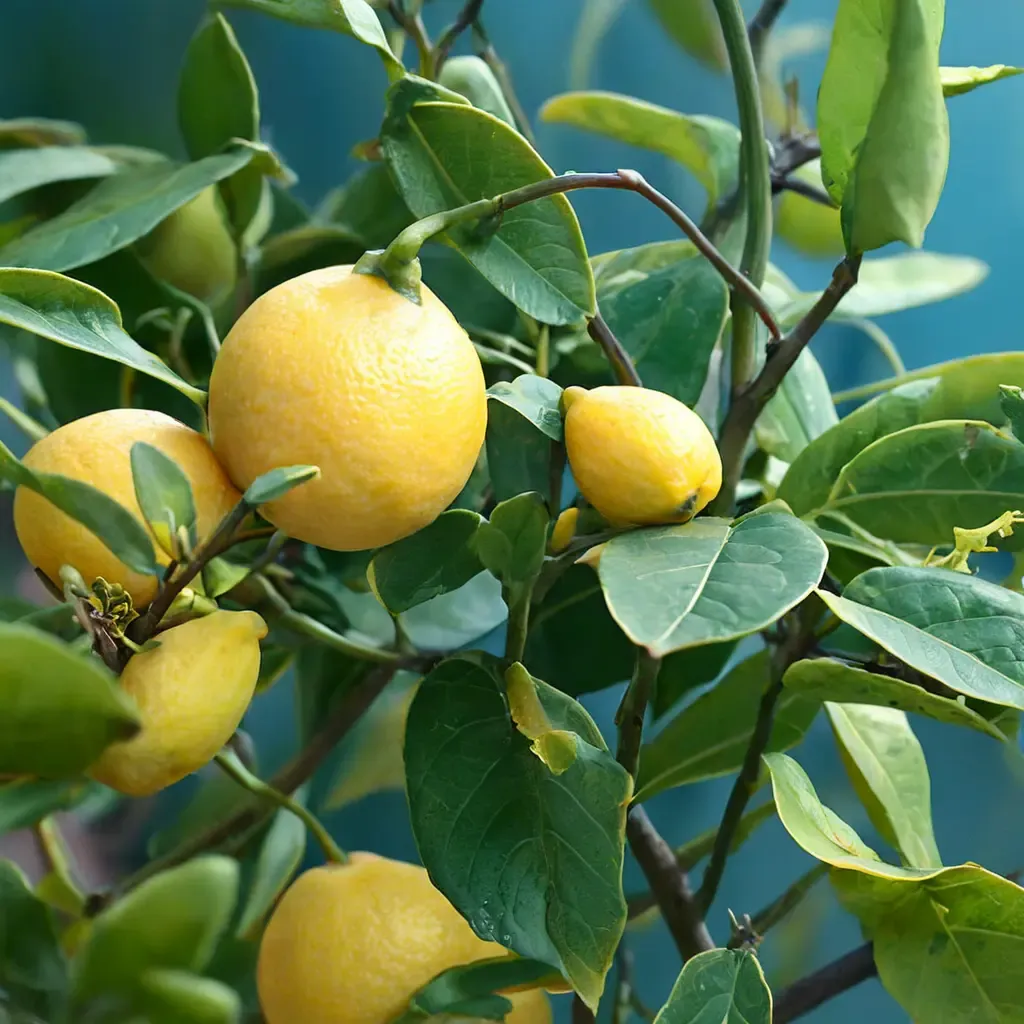
Meyer Lemon
Citrus limon 'Meyer'
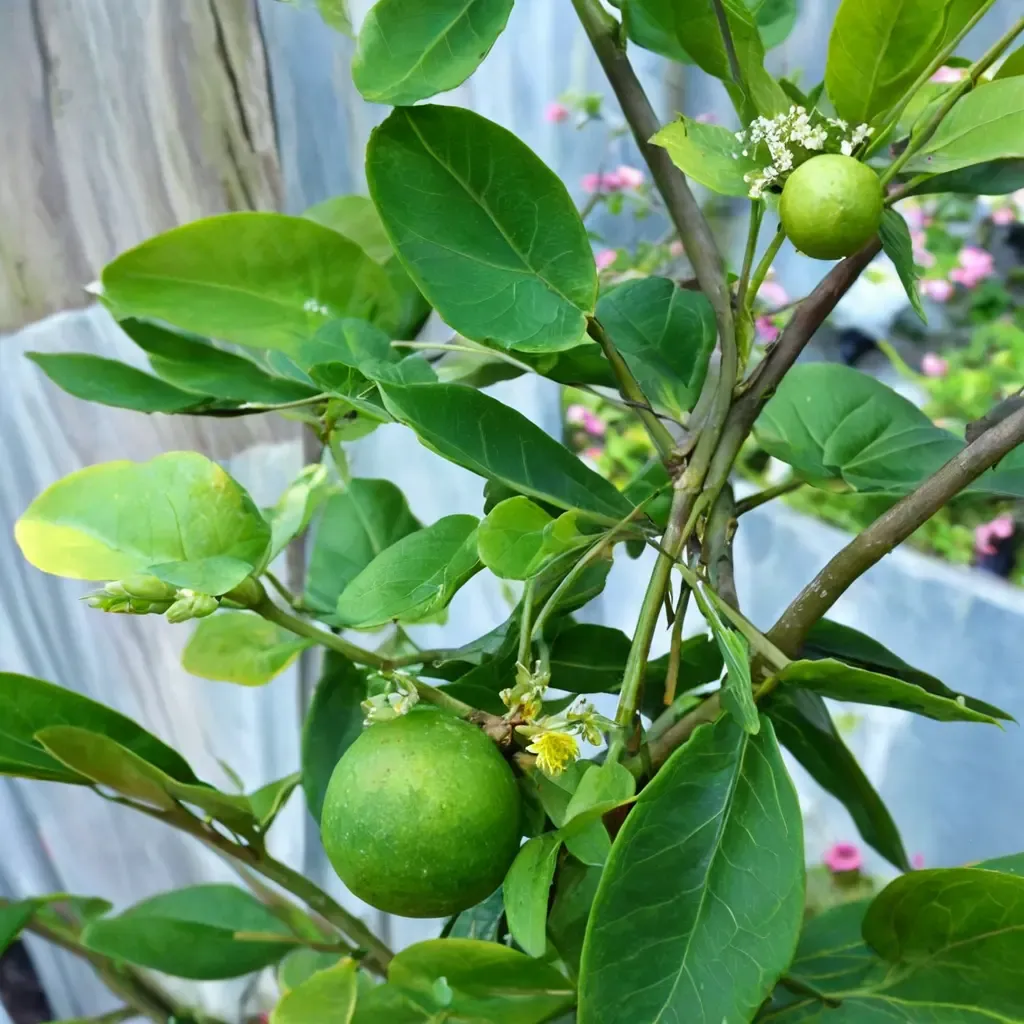
Key Lime
Citrus aurantiifolia
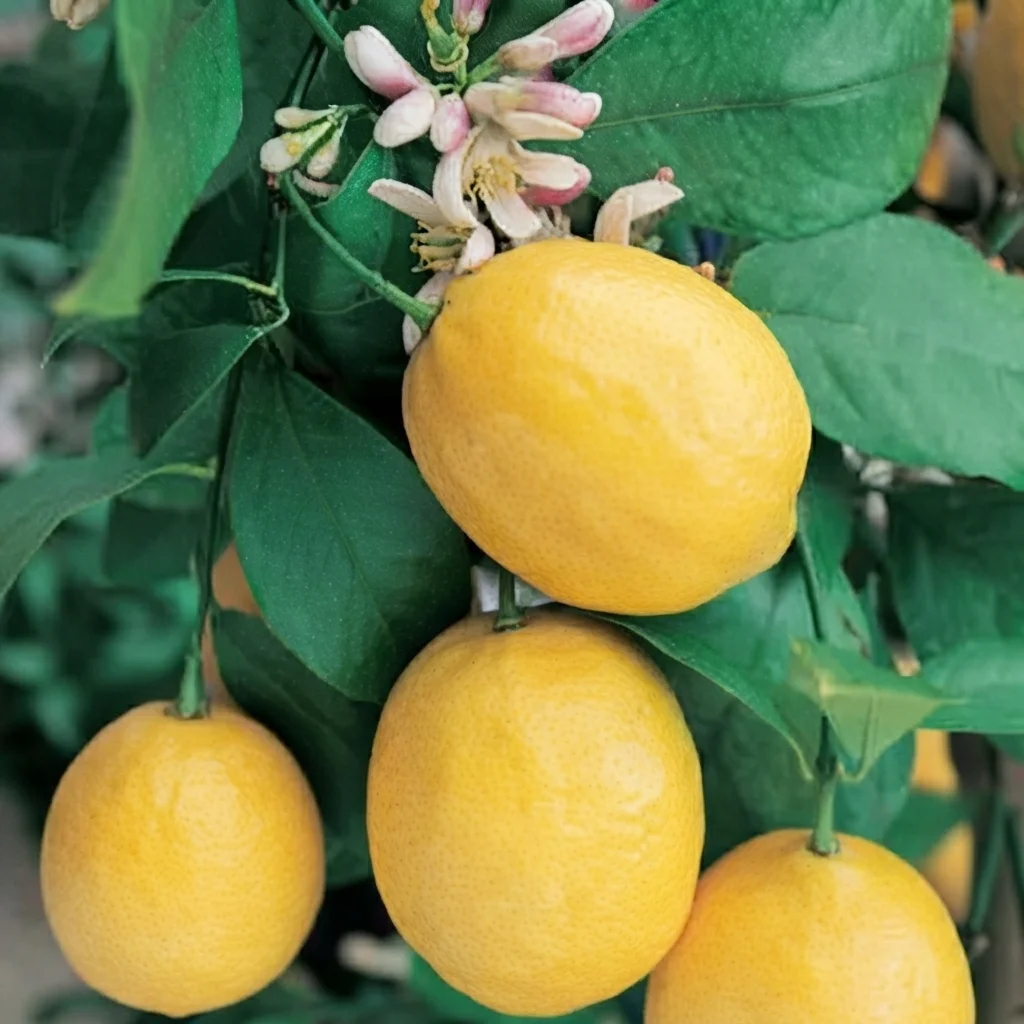
Eureka Lemon
Citrus limon 'Eureka'
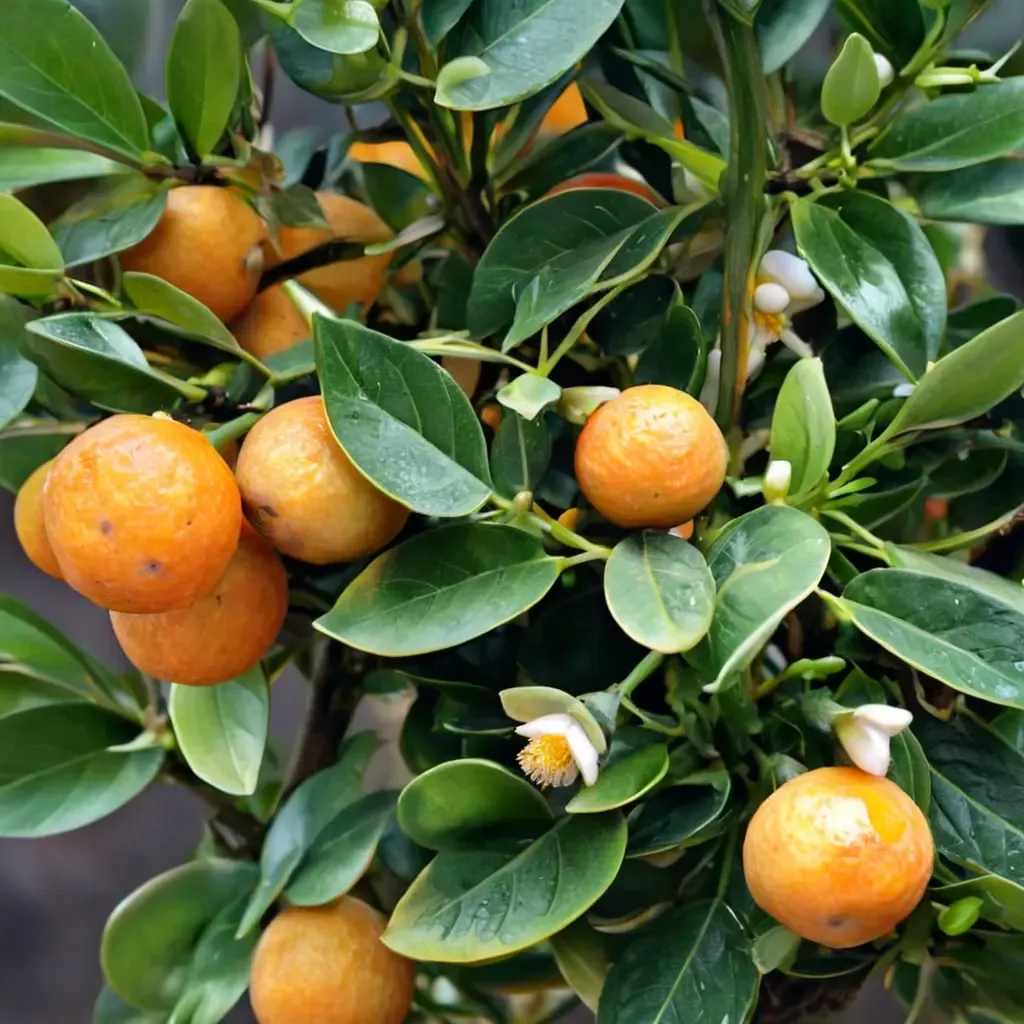
Calamondin
Citrus mitis
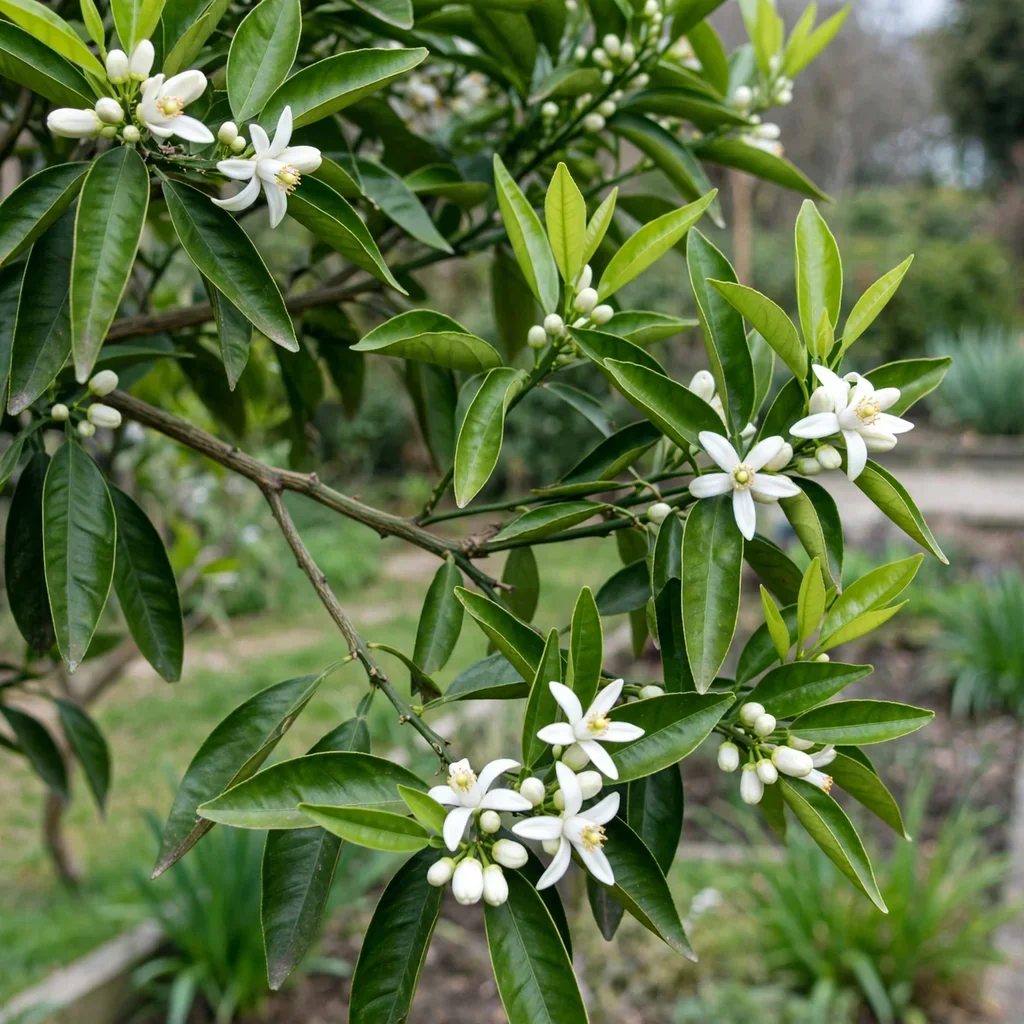
Sanguinello Orange
Citrus reticulata 'Sanguinea'
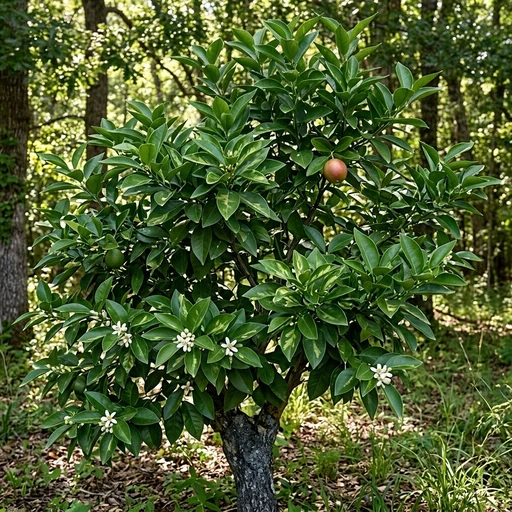
Moro Blood Orange
Citrus sinensis 'Moro'
Keep exploring
Explore the genus
Hardy in your zone?
Grow Persian Lime with confidence
See it in a design of your actual yard, get zone-matched care reminders, and track it season by season in your garden journal.