The Story
Plant Bio
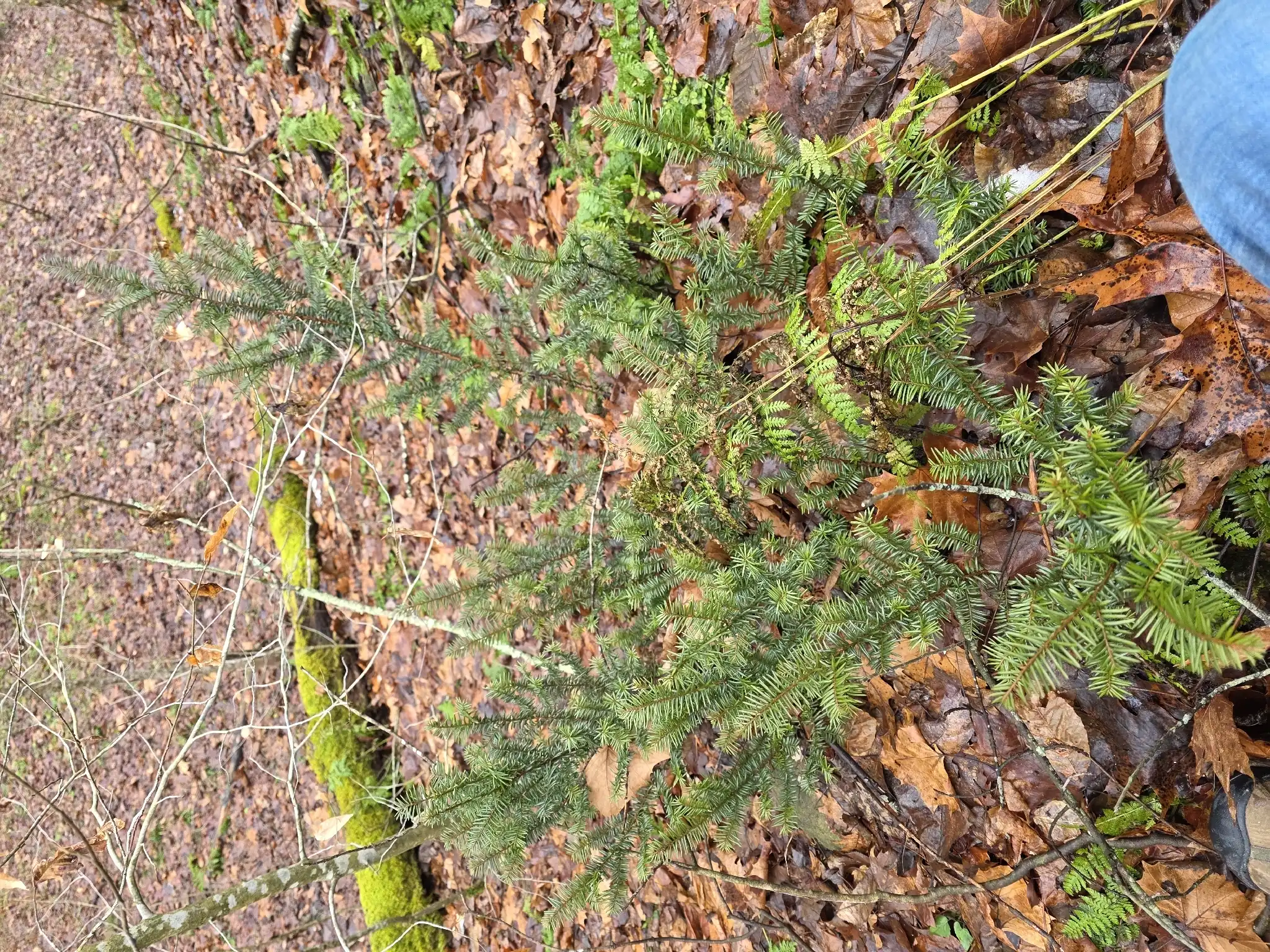
Taxus canadensis, commonly known as Canada yew, is a sprawling, low-growing evergreen shrub native to the cool, moist understories of eastern North American forests. Its flat, linear needles are arranged in two distinct rows along the twigs, showing dark green above and pale yellowish-green beneath.
Unlike upright ornamental yews, this species has a trailing habit with branches that frequently root where they contact the soil, eventually forming broad, loose colonies. In late summer, female plants produce conspicuous, fleshy red arils that cup a single toxic seed, contrasting sharply with the dark foliage.
Uses & Benefits:
Essentials
At a Glance
Plant Type
Shrub
Height
71"
Width
98"
Light
Partial Sun, Shade
Zones
4, 5, 6, 7
Water
Medium
Humidity
Moderate to high
Lifespan
Long-lived perennial
Native To
North America
Toxicity
Highly toxic to humans, pets, and livestock
Bloom period
Spring
In flower about 3 months of the year
Planting
How to Grow
- Select a planting site in partial to deep shade with rich, organic, well-drained soil.
- Dig a hole twice the width of the root ball and amend with compost to ensure high organic matter.
- Plant the shrub at the same depth as its container, backfill, and water thoroughly to settle the soil.
- Apply a thick layer of organic mulch to retain moisture and protect the shallow roots from temperature extremes.
Pro Tip
Avoid pruning back into old, leafless wood, as the stems lack latent buds and will fail to regenerate.
Keep It Thriving
Care Guide
Do
- Keep the soil consistently moist, especially during dry summer spells.
- Provide protection from sweeping winter winds to prevent foliage desiccation.
- Install physical barriers or netting if white-tailed deer are active in the area.
Don't
- Do not plant in poorly drained clay or areas prone to standing water.
- Avoid exposing the plant to full, hot afternoon sun.
- Never prune heavily into old, bare wood that lacks green needles.
Seasonal Care Calendar
| Task | Jan | Feb | Mar | Apr | May | Jun | Jul | Aug | Sep | Oct | Nov | Dec |
|---|---|---|---|---|---|---|---|---|---|---|---|---|
| Fertilize | ||||||||||||
| Mulch | ||||||||||||
| Pest Check | ||||||||||||
| Prune | ||||||||||||
| Winter Prep |
Watch Out For
Pests & Diseases
Common Pests
Common Diseases
In the Garden
Landscape Uses & Companions
Landscape Uses
Multiply
Propagation Methods
Good to Know
Common Questions
Canada Yew questions
What zones can Canada Yew grow in?
Canada Yew is hardy in USDA Zones 4–7. Inside that range it survives winter in the ground; outside it, grow it as an annual or a container plant you protect.
Is Canada Yew deer resistant?
Not reliably. Deer may browse Canada Yew, especially tender spring growth — plan on repellents or fencing where pressure is high.
When does Canada Yew bloom?
Canada Yew typically blooms in spring through spring. Exact timing shifts a week or two with your zone — Sow's bloom calendar maps it to your garden.
Does Canada Yew need full sun?
Canada Yew does best in part shade.
More Taxus to compare
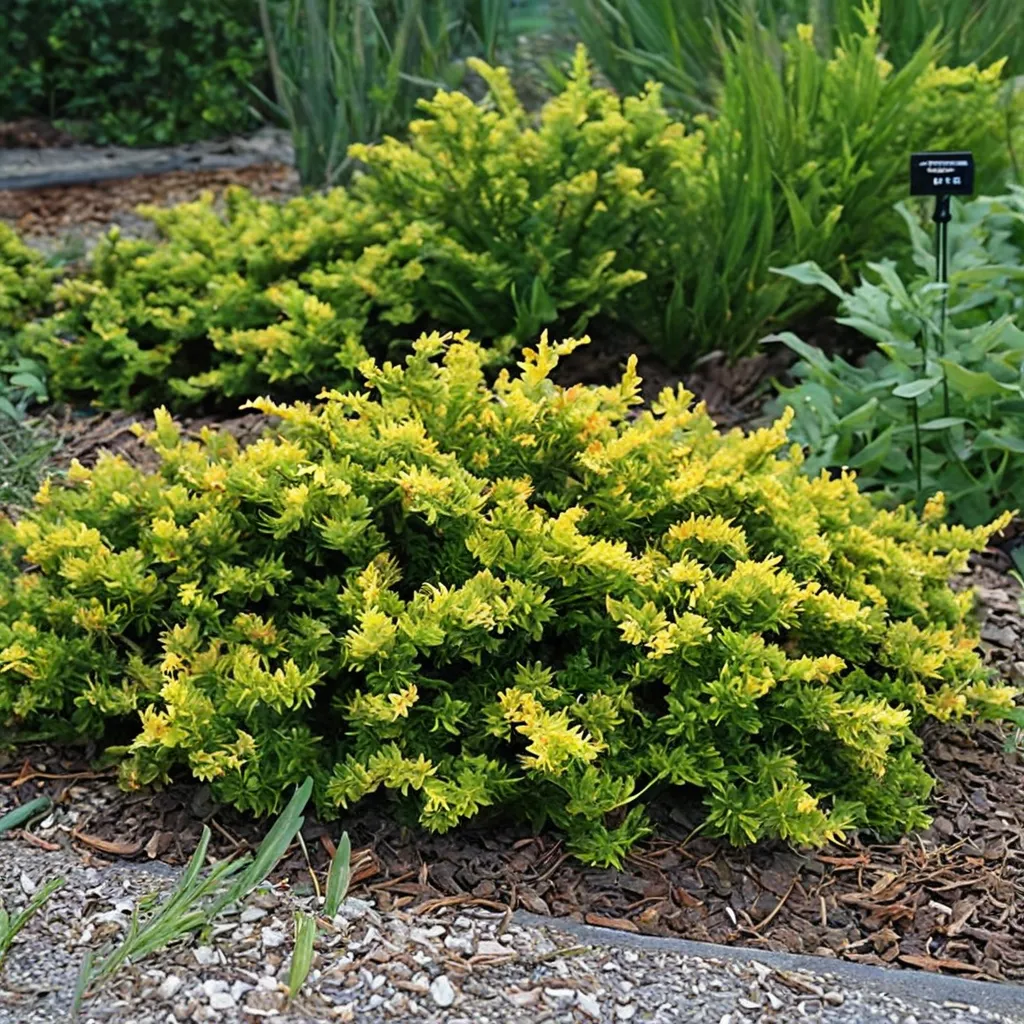
Golden Japanese Yew
Taxus cuspidata 'Aurescens'
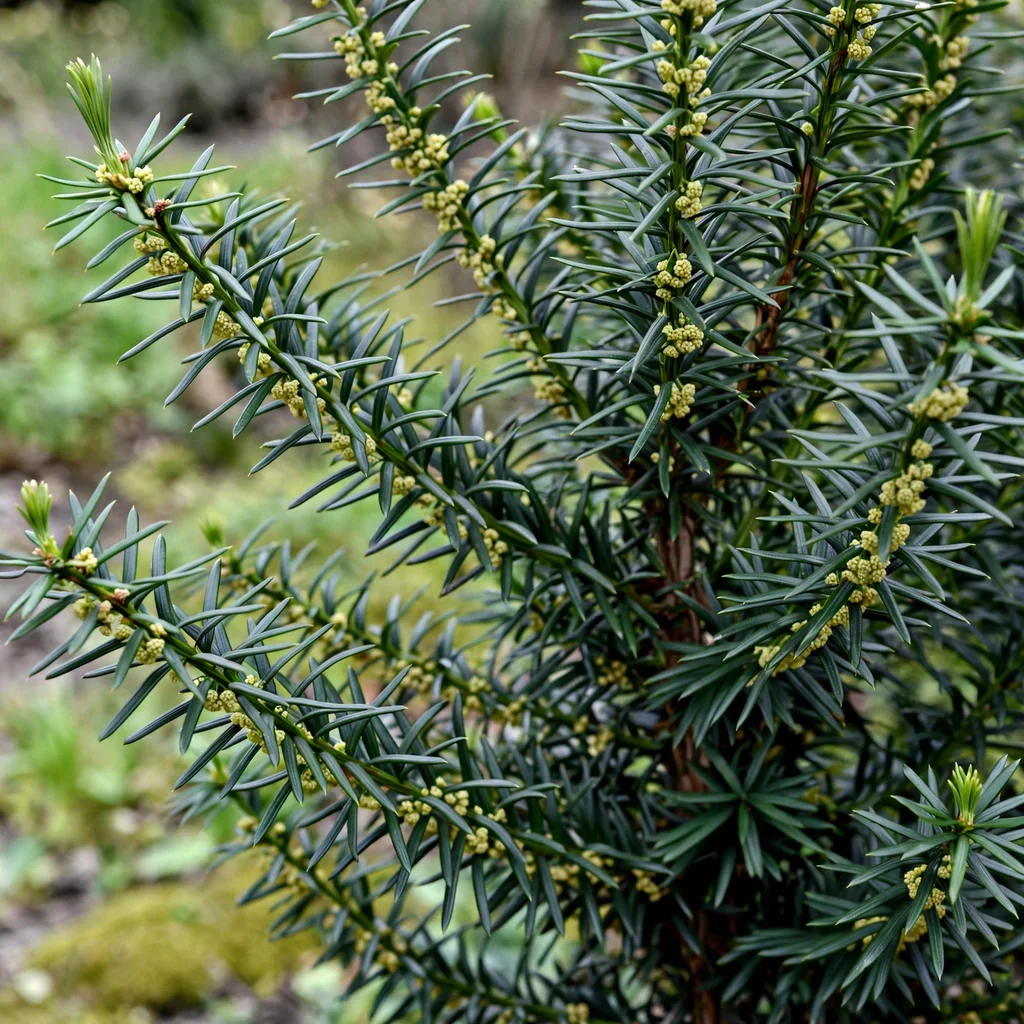
Hicks Yew
Taxus baccata 'Hicksii'
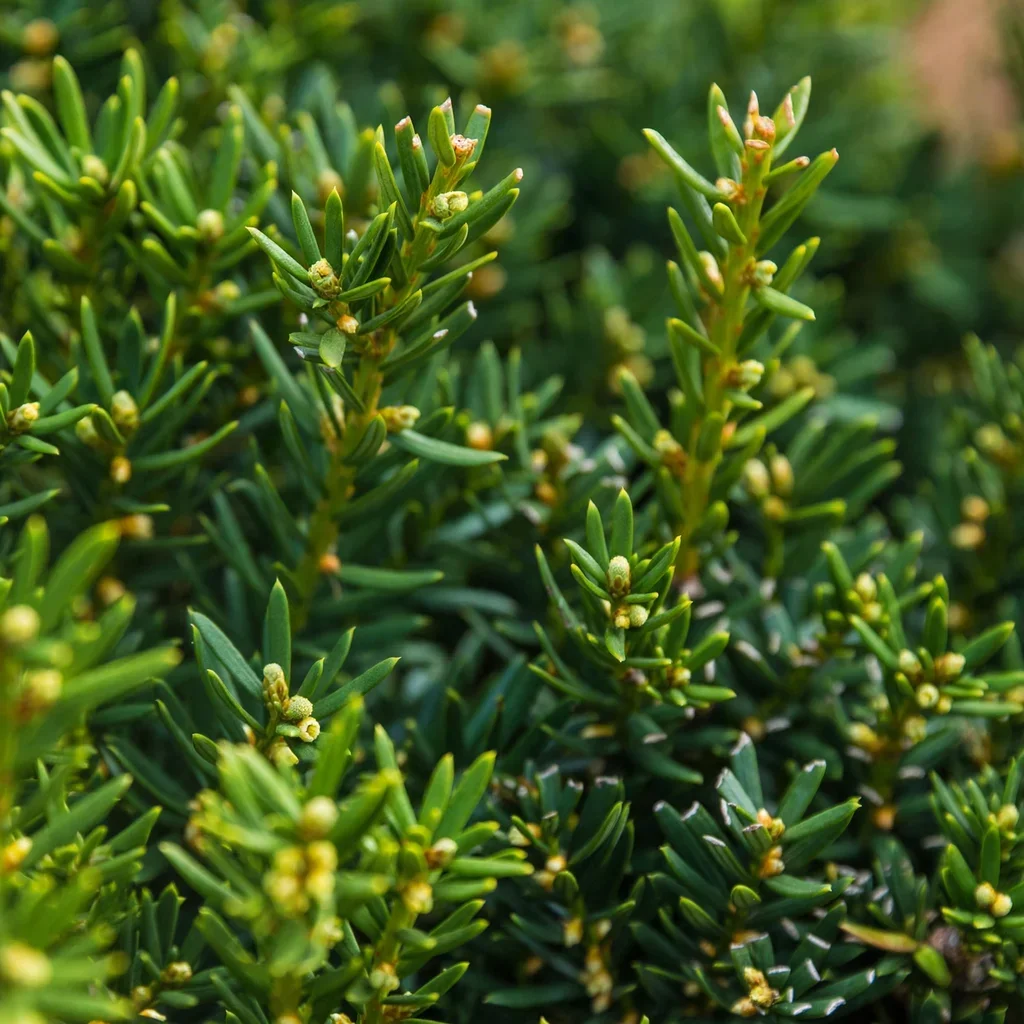
Dark Green Spreader Yew
Taxus baccata 'Dark Green Spreader'
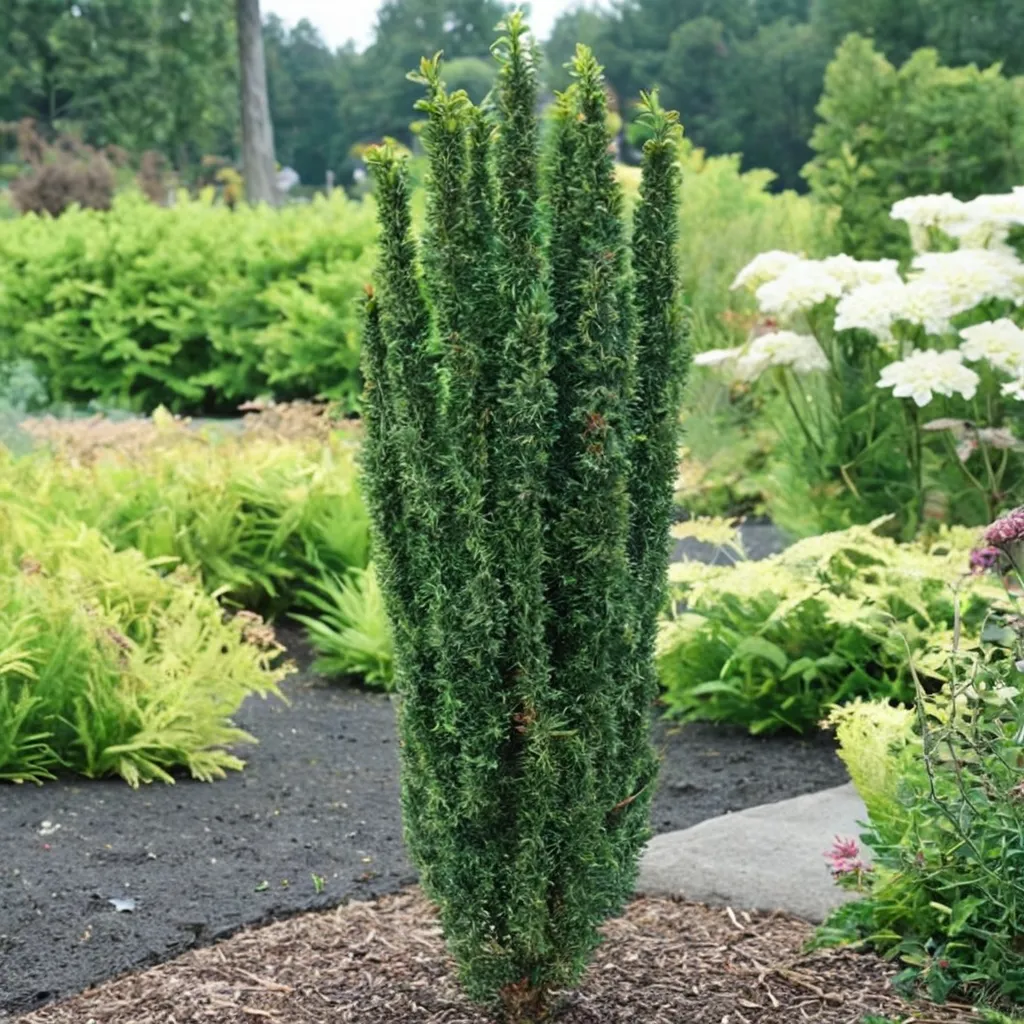
English Yew Skinny
Taxus baccata 'Skinny'
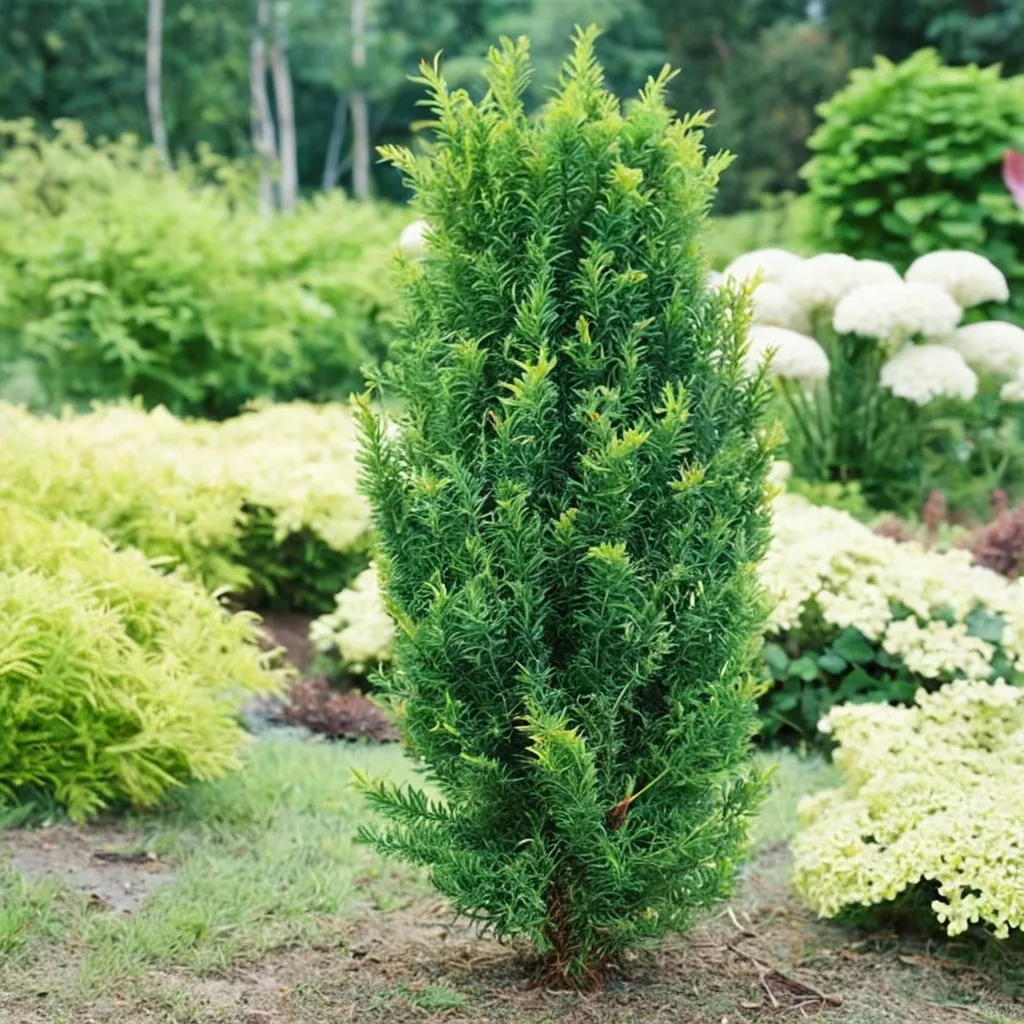
Stonehenge English Yew
Taxus baccata 'Stonehenge'
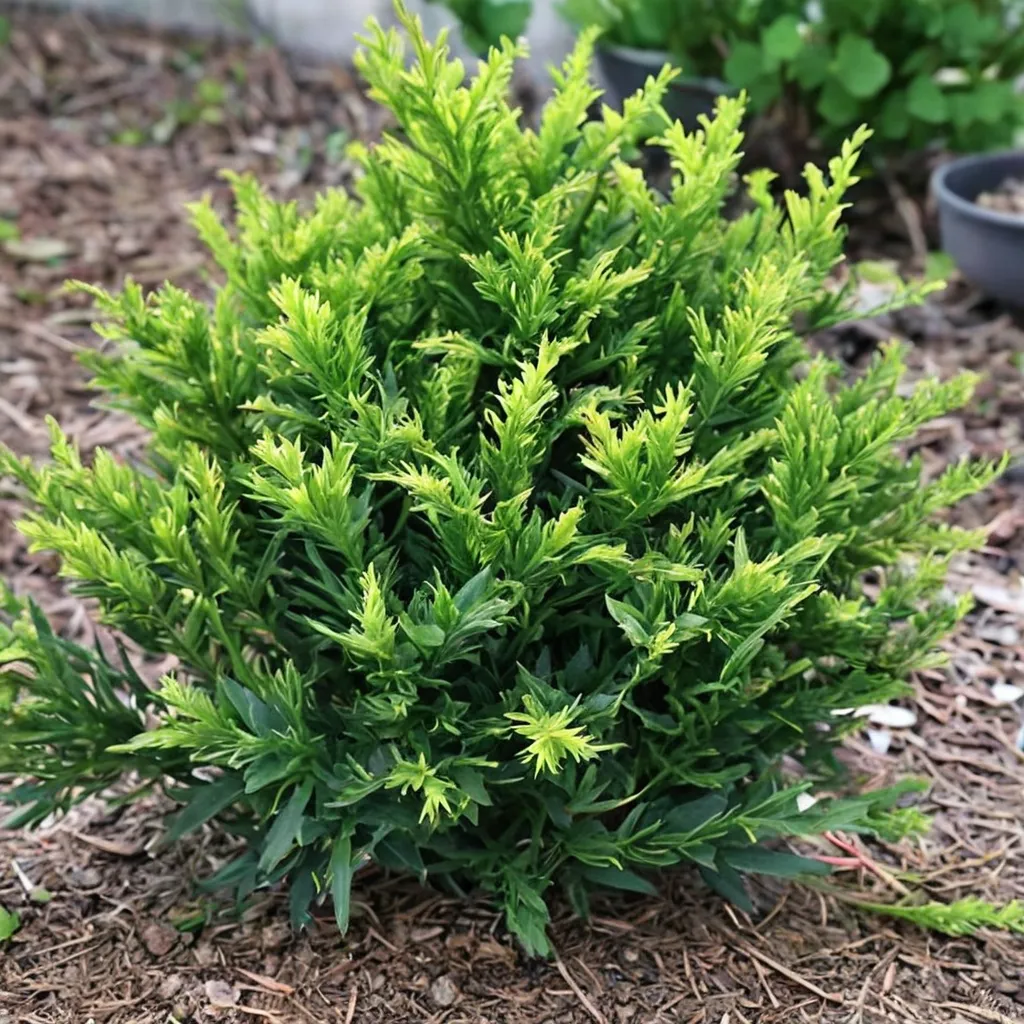
English Yew 'Dark Druid'
Taxus baccata 'Dark Druid'
Keep exploring
Explore the genus
Hardy in your zone?
Grow Canada Yew with confidence
See it in a design of your actual yard, get zone-matched care reminders, and track it season by season in your garden journal.