

The Story
Plant Bio
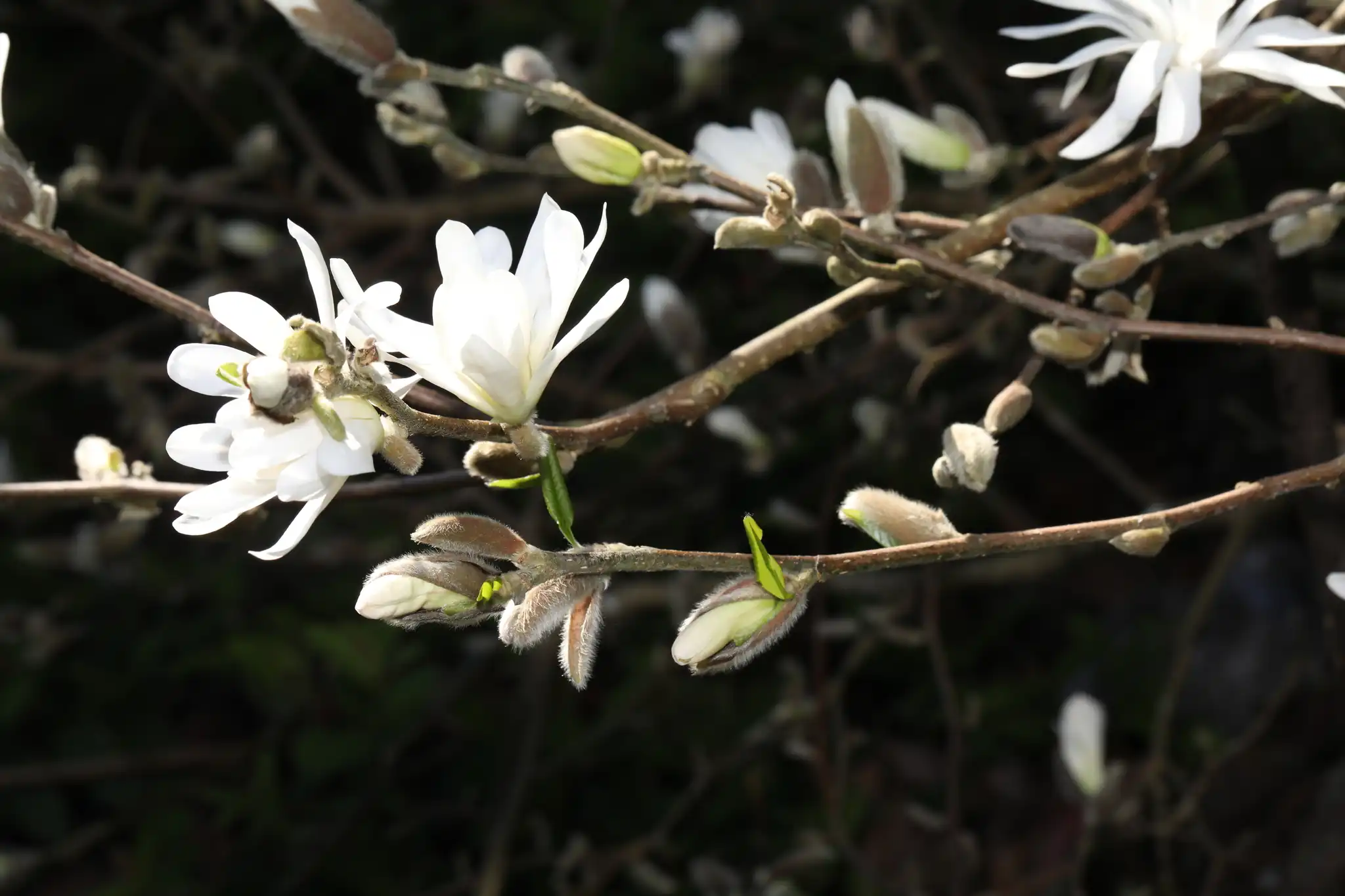
Magnolia stellata, the star magnolia, is a slow-growing multi-stemmed deciduous shrub or small tree from Honshu in Japan, reaching fifteen to twenty feet with a rounded to pyramidal outline. Smooth mottled grey bark carries furry buds through winter, and star-shaped flowers of twelve to twenty narrow white tepals open on bare stems in very early spring.
It flowers earlier than any other magnolia, which is both the attraction and the risk: a late frost turns the open blooms brown overnight. Plant it away from an east-facing wall, because it is not the frost itself but rapid thawing in early morning sun that does the damage — a north or west aspect lets frosted buds thaw slowly and often escape.
Uses & Benefits:
Essentials
At a Glance
Plant Type
Shrub
Height
180"
Width
144"
Light
Full Sun, Partial Sun
Zones
4, 5, 6, 7, 8, 9
Water
Moderate
Humidity
Moderate
Lifespan
Perennial
Native To
Honshu, Japan
Toxicity
Non-toxic
Planting
How to Grow
- Plant in full sun to partial shade, sheltered from wind.
- Avoid an east-facing position where sun hits early.
- Give it moist, humus-rich, slightly acid soil.
- Water through the first few summers to establish it.
- Mulch over the shallow roots but keep it off the trunk.
- Prune only to remove dead wood, straight after flowering.
Pro Tip
Frost damage comes from fast thawing, not the freeze — a north or west aspect lets frosted buds warm slowly and often saves the display.
Keep It Thriving
Care Guide
Do
- Shelter it from wind and early sun 🌤️
- Mulch over the shallow roots 🍂
- Water it through its first summers 💧
- Prune only just after flowering ✂️
Don't
- Plant it against an east-facing wall ❌
- Dig or cultivate over the root zone ❌
- Prune it in autumn or winter ❌
Seasonal Care Calendar
| Task | Jan | Feb | Mar | Apr | May | Jun | Jul | Aug | Sep | Oct | Nov | Dec |
|---|---|---|---|---|---|---|---|---|---|---|---|---|
| Mulch | ||||||||||||
| Prune |
Watch Out For
Pests & Diseases
Common Pests
Common Diseases
In the Garden
Landscape Uses & Companions
Landscape Uses
Companion Plants
Multiply
Propagation Methods
Good to Know
Common Questions
Star Magnolia questions
What zones can Star Magnolia grow in?
Star Magnolia is hardy in USDA Zones 4–9. Inside that range it survives winter in the ground; outside it, grow it as an annual or a container plant you protect.
Is Star Magnolia deer resistant?
Yes — Star Magnolia is rated deer-resistant. Deer typically pass it over, though extreme hunger can override any plant's defenses.
When does Star Magnolia bloom?
Star Magnolia typically blooms in very early spring through mid-spring. Exact timing shifts a week or two with your zone — Sow's bloom calendar maps it to your garden.
Does Star Magnolia need full sun?
Star Magnolia does best in full sun to part shade. In hot climates, afternoon shade keeps blooms fresher longer.
More Magnolia to compare
Felix Magnolia
Magnolia grandiflora 'Felix'
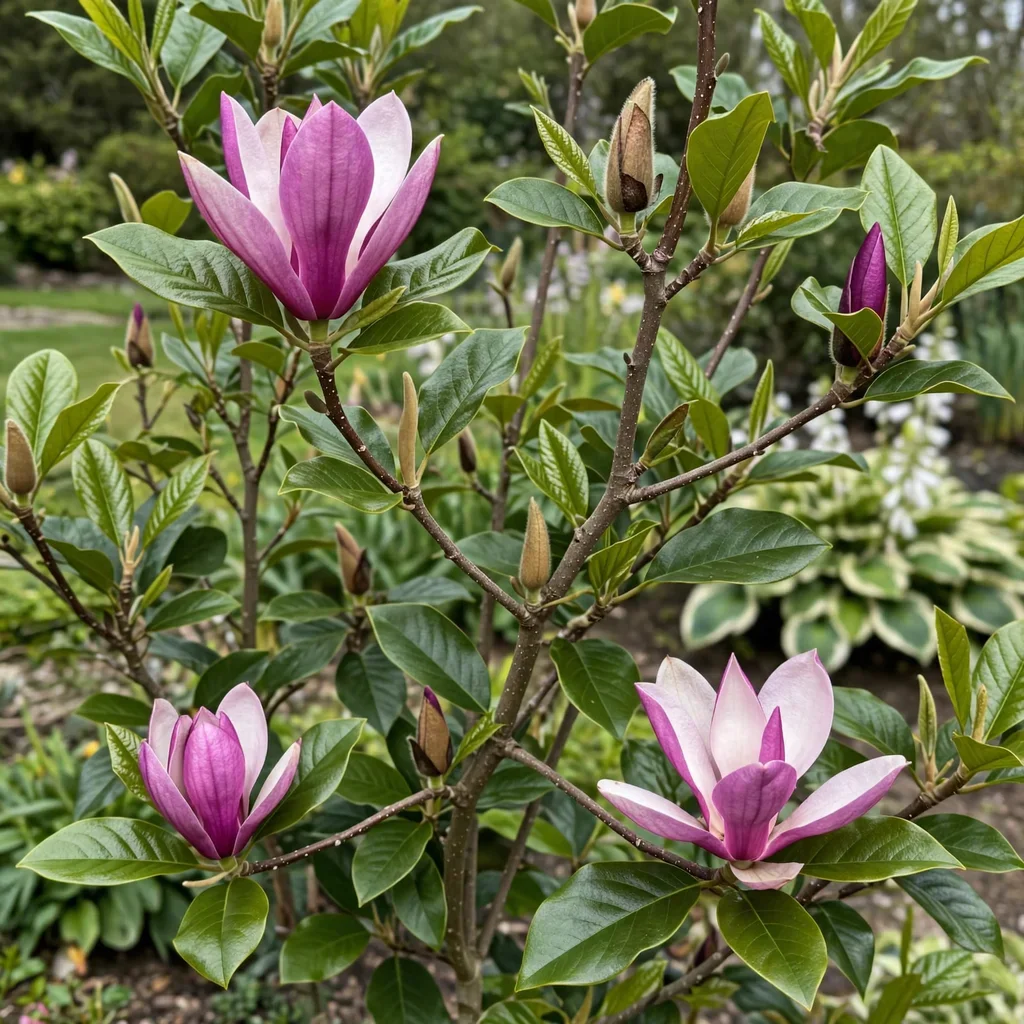
Saucer Magnolia Ann
Magnolia x soulangeana 'Ann'
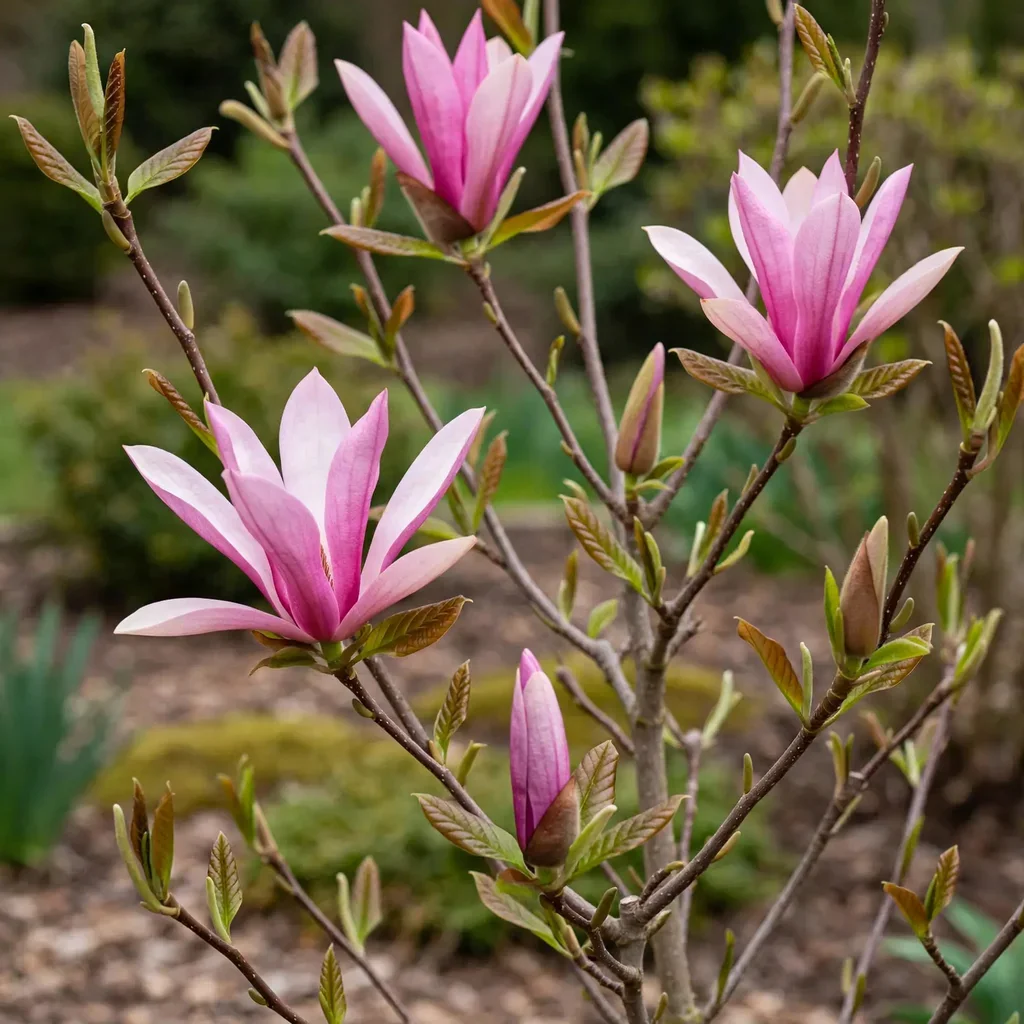
Daybreak Loebner Magnolia
Magnolia stellata 'Daybreak'
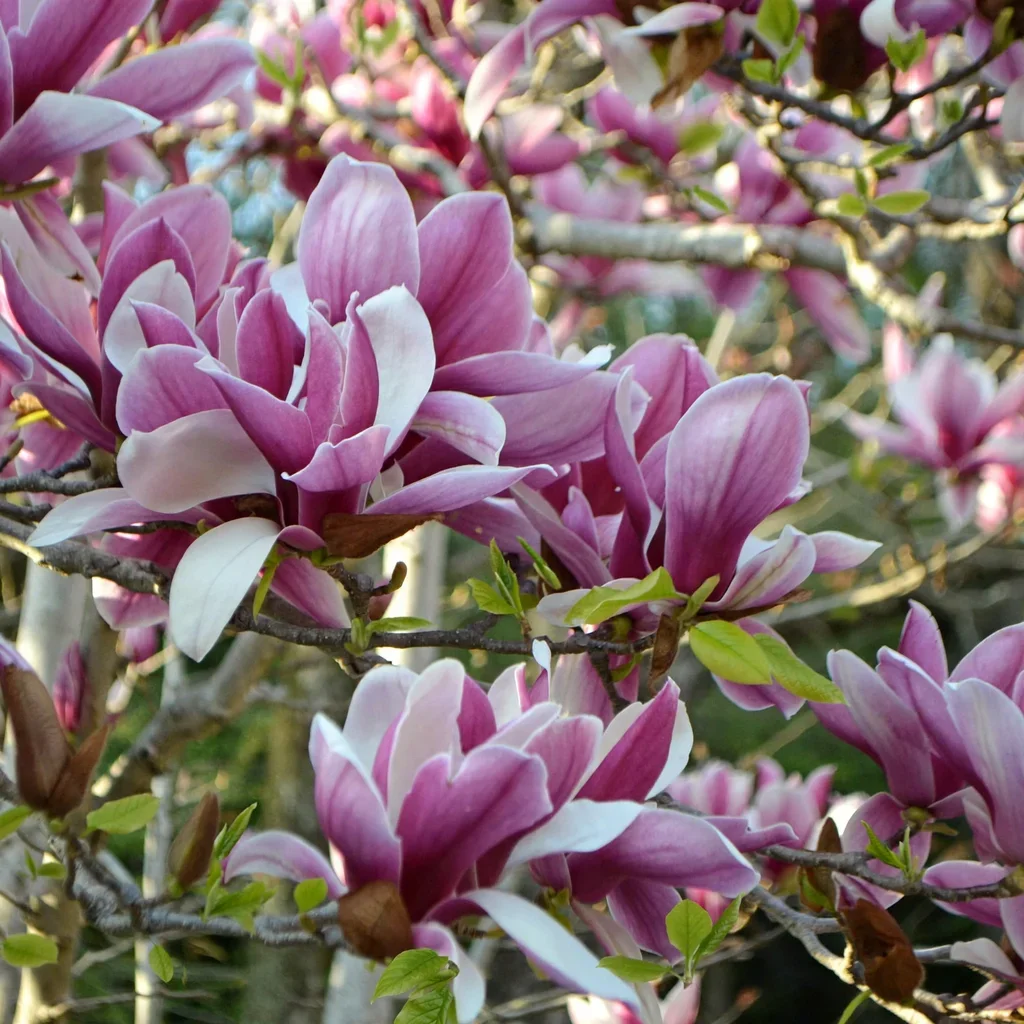
Coppertallica Saucer Magnolia
Magnolia x soulangeana 'Coppertallica'
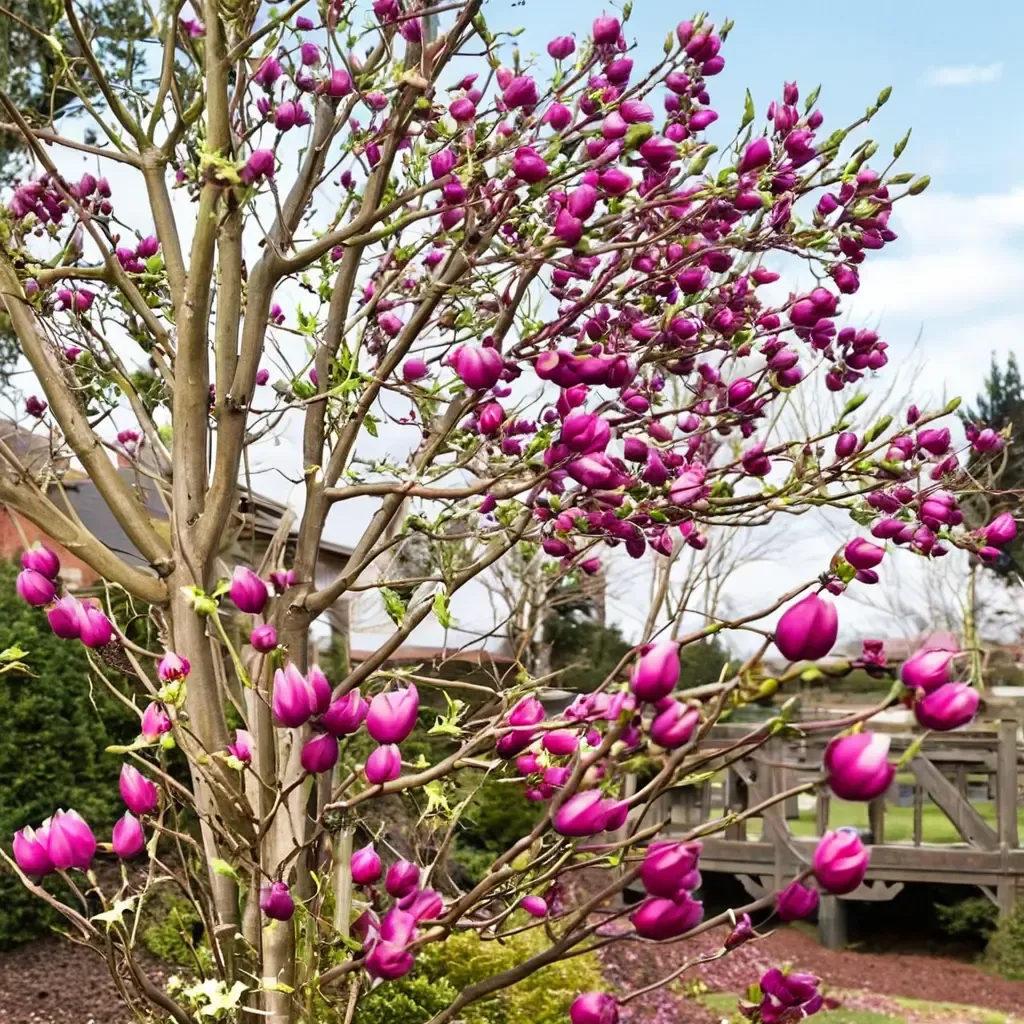
Black Tulip Magnolia
Magnolia x soulangeana 'Black Tulip'
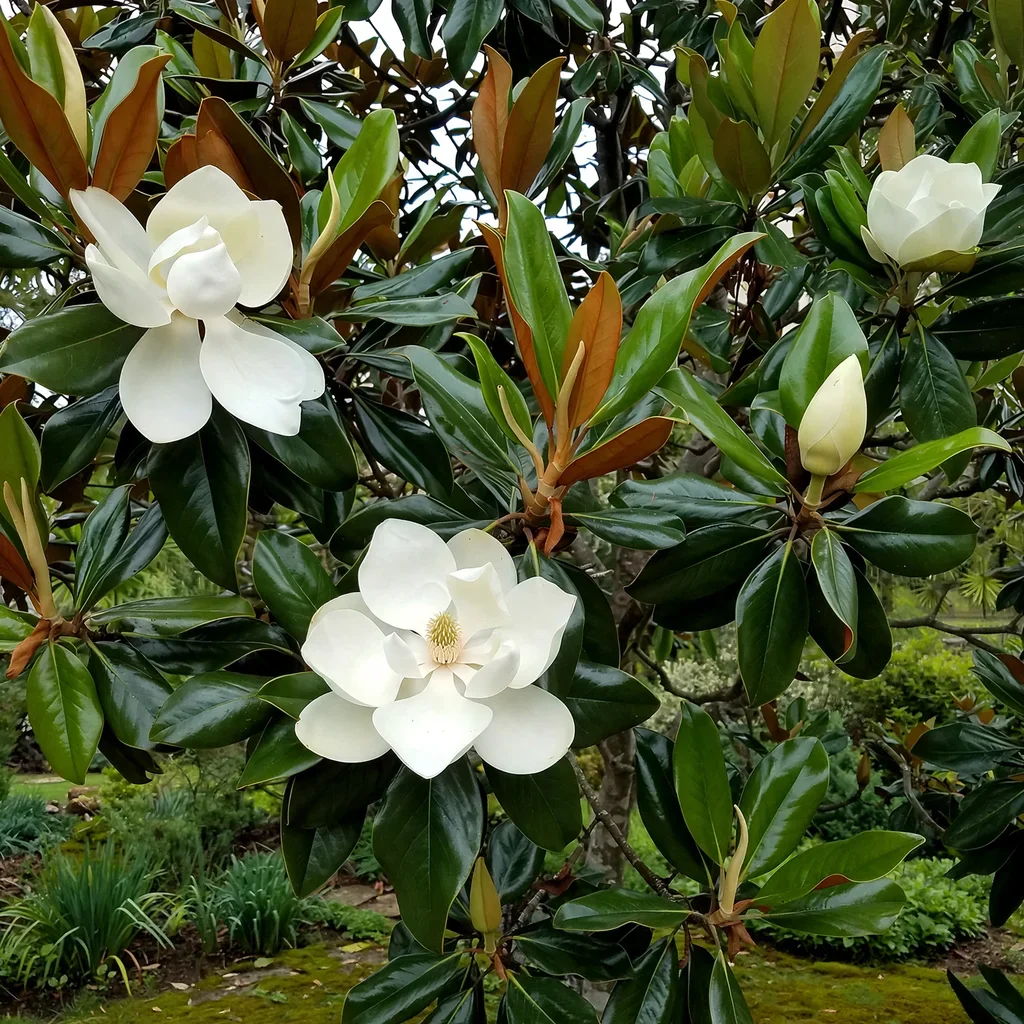
Southern Magnolia
Magnolia grandiflora
Keep exploring
Explore the genus
Grow Star Magnolia with confidence
See it in a design of your actual yard, get zone-matched care reminders, and track it season by season in your garden journal.