
Species
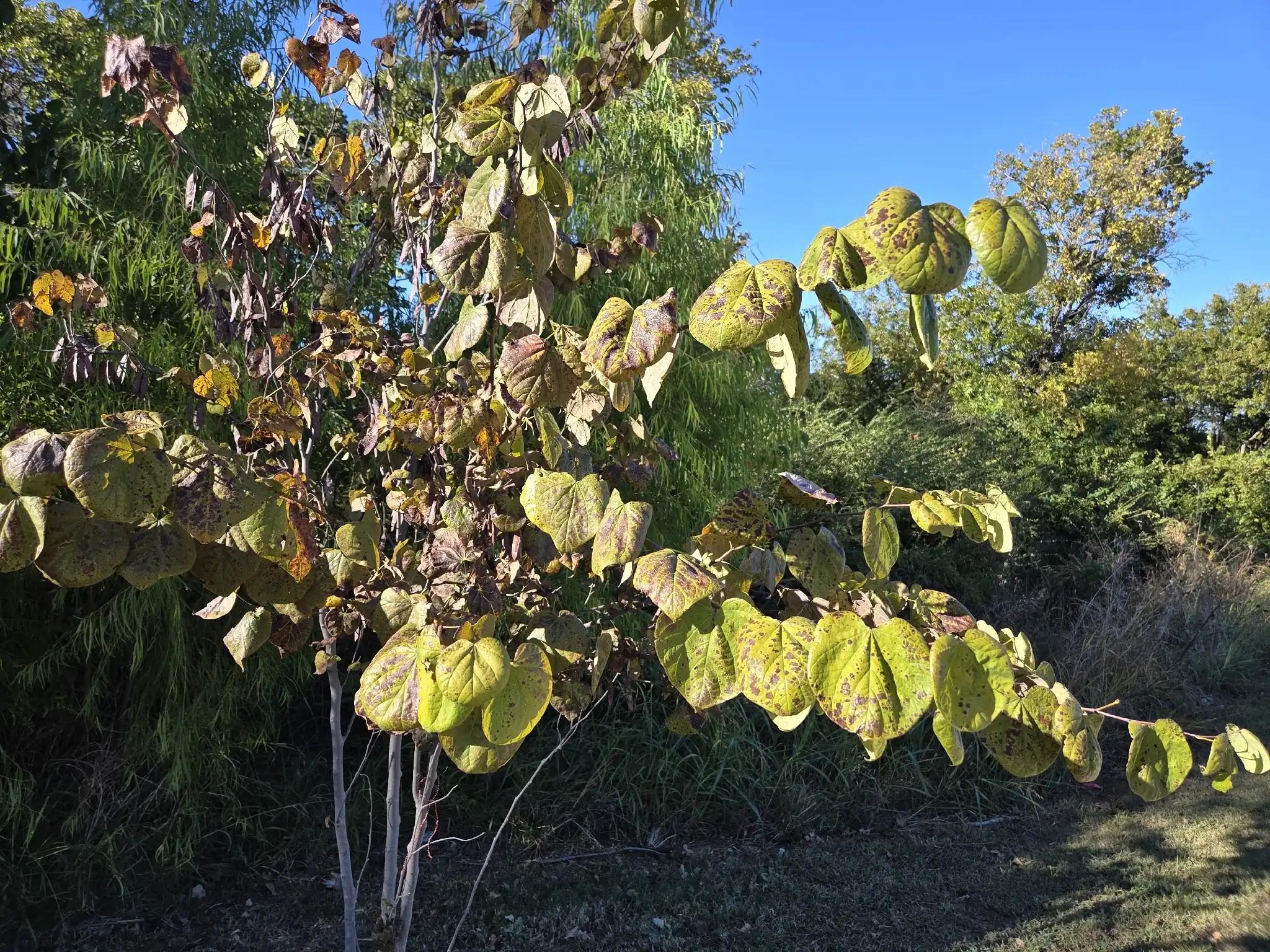 Cercis canadensisRedbud
22 other cultivars
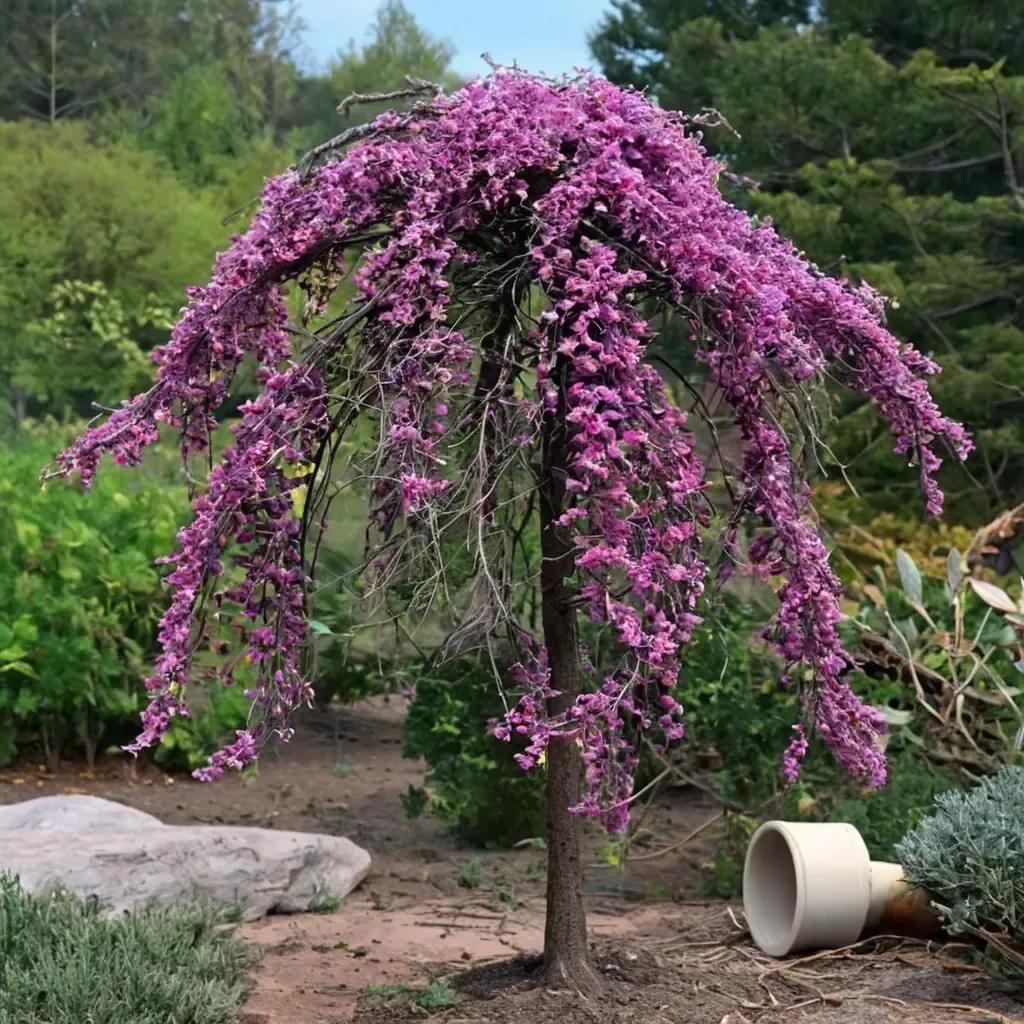 ‘Lavender Twist’Lavender Twist Redbud
 ‘Forest Pansy’Eastern Redbud Forest Pansy
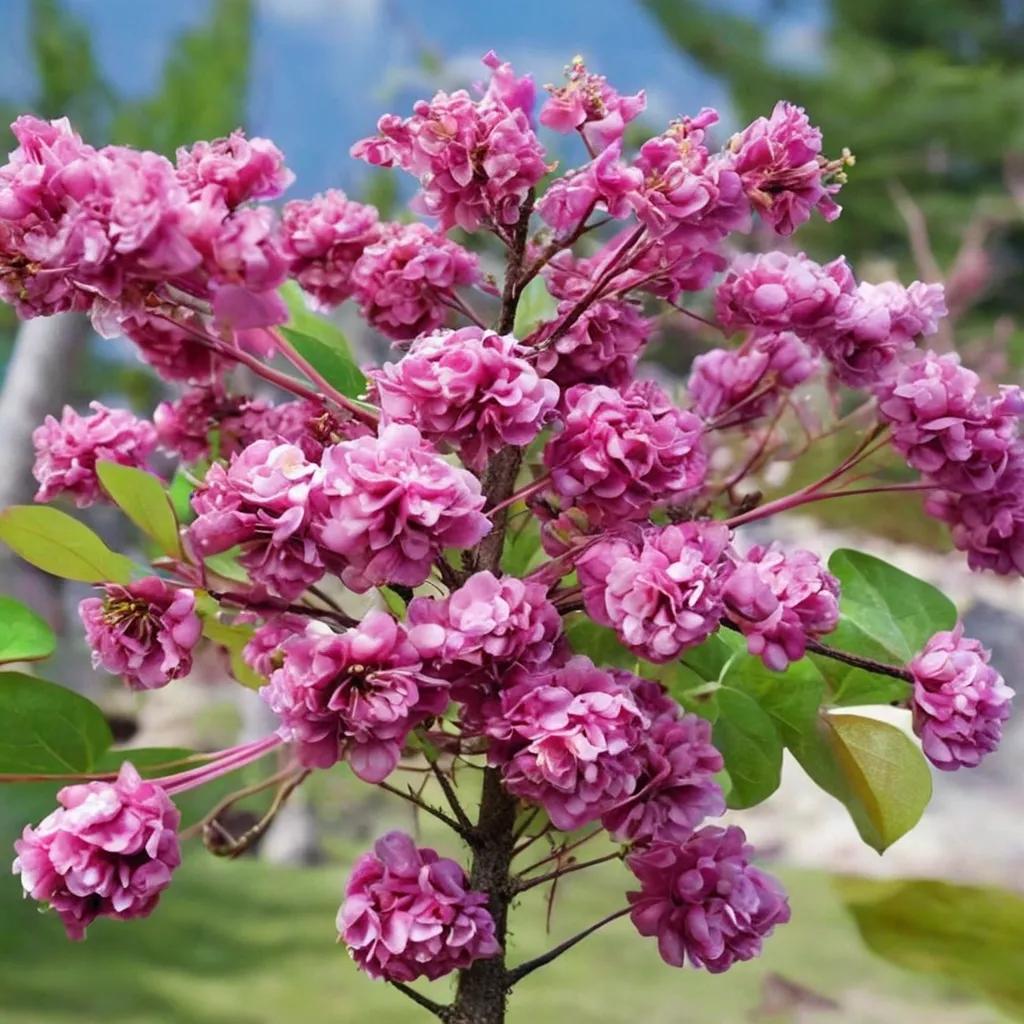 ‘Pink Pom Poms’Eastern Redbud Pink Pom Poms
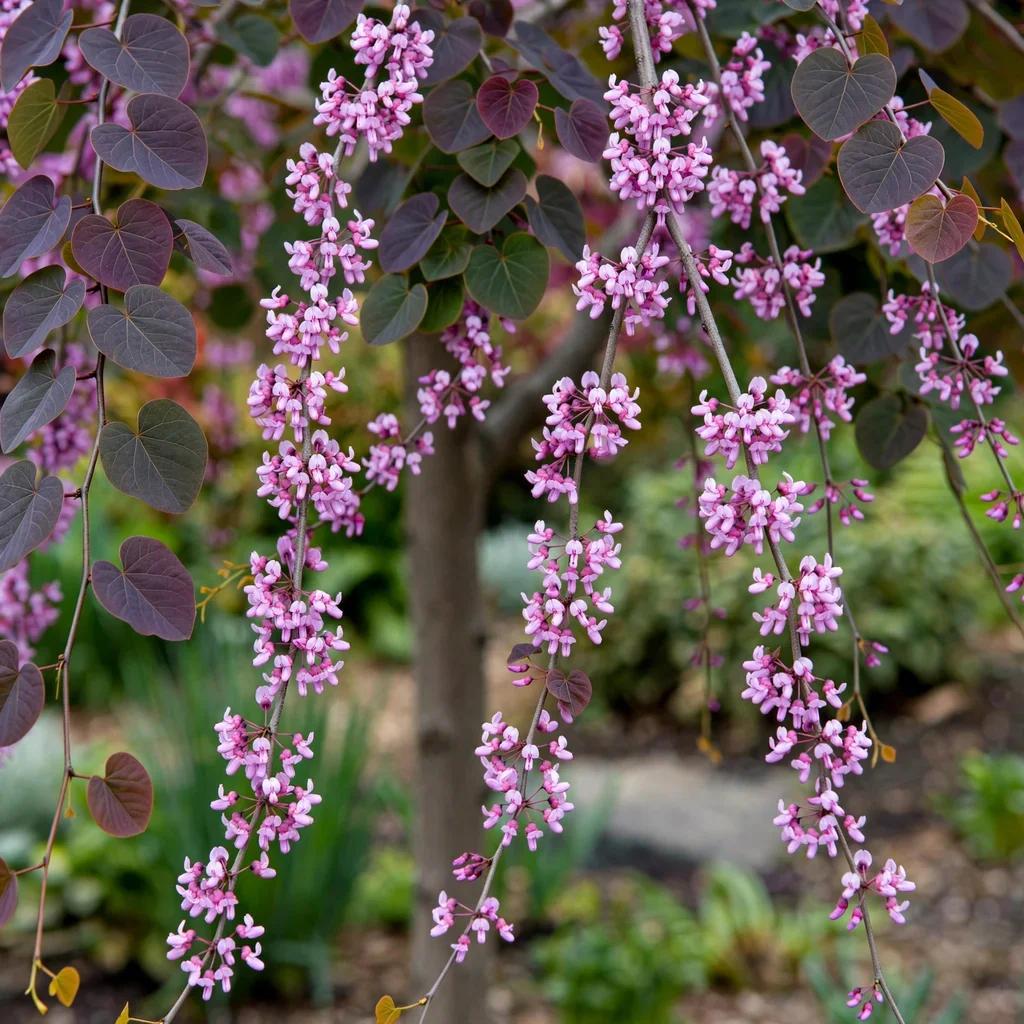 ‘Amethyst’Amethyst Mist Weeping Redbud
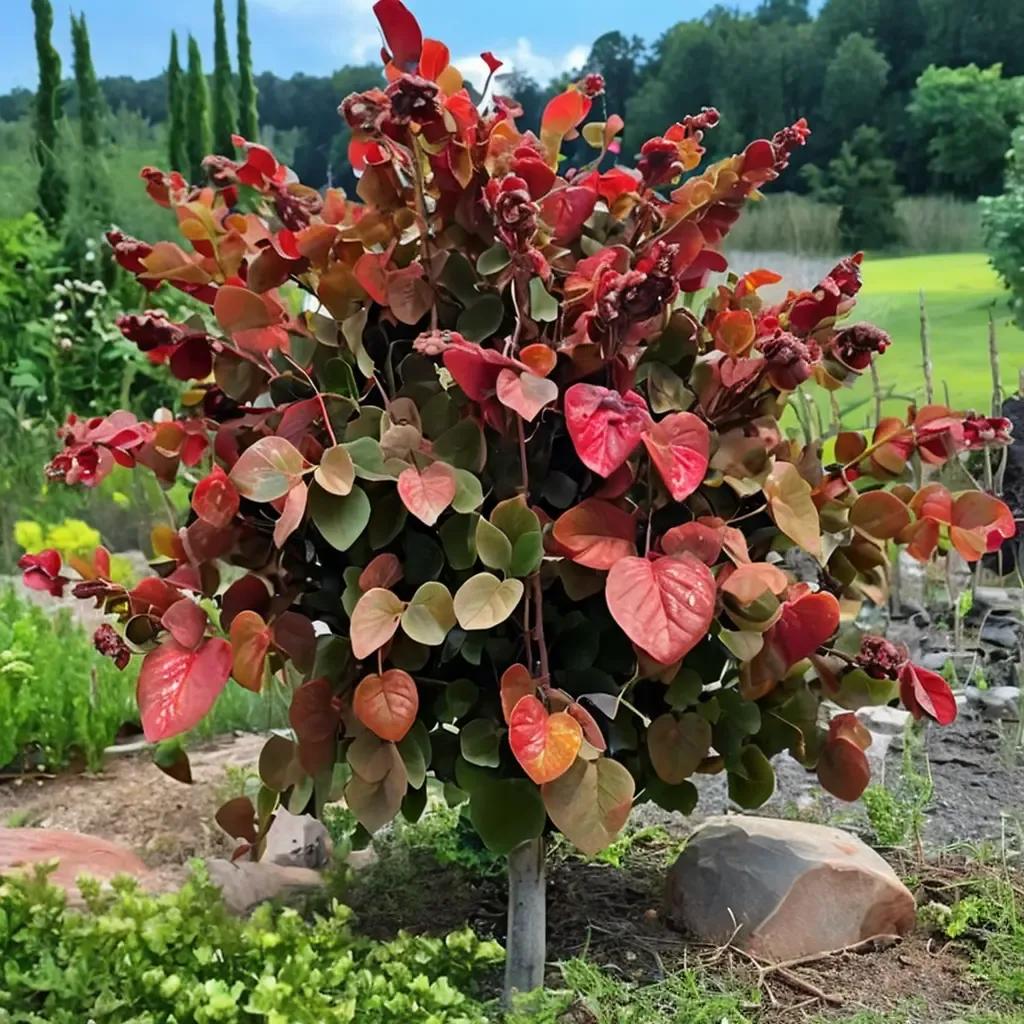 ‘Hearts A'Fire’Hearts A'Fire Redbud
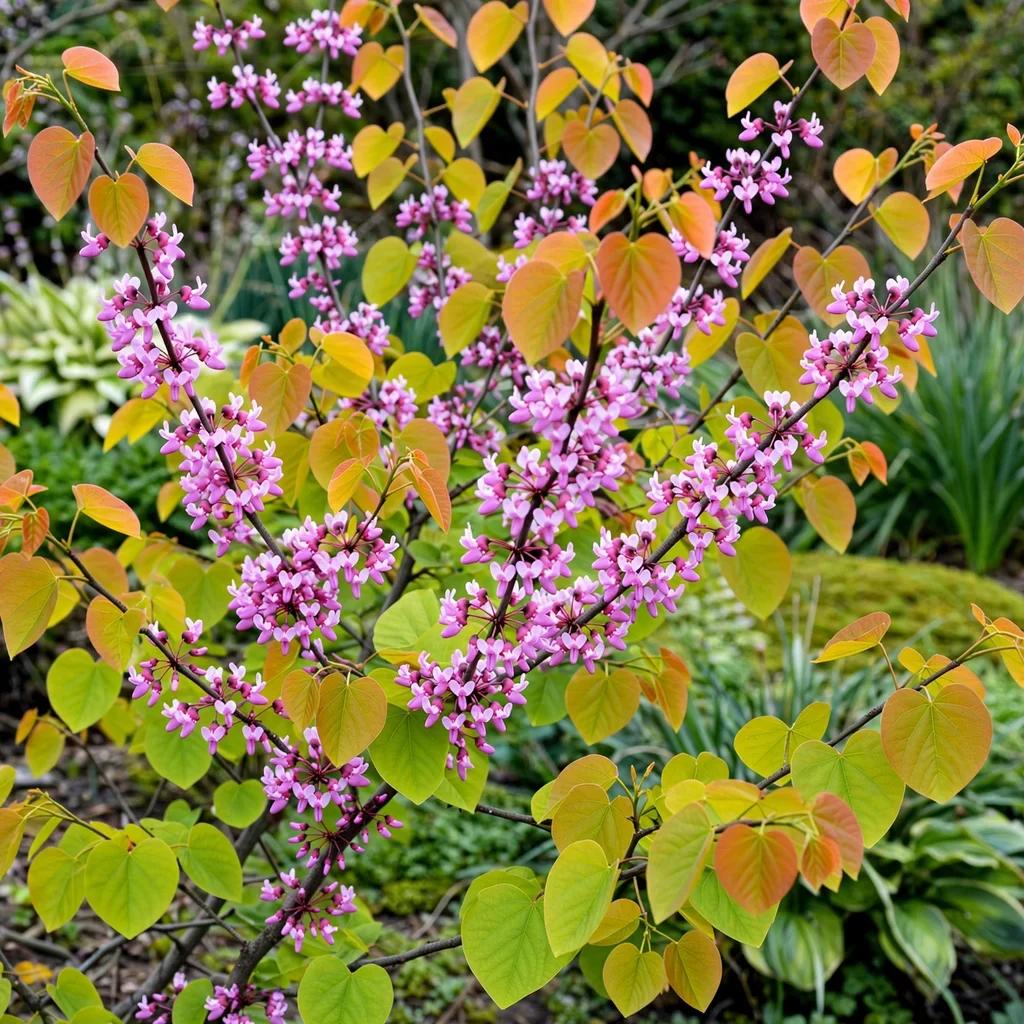 ‘Rise 'N Shine’Rise 'N Shine Eastern Redbud
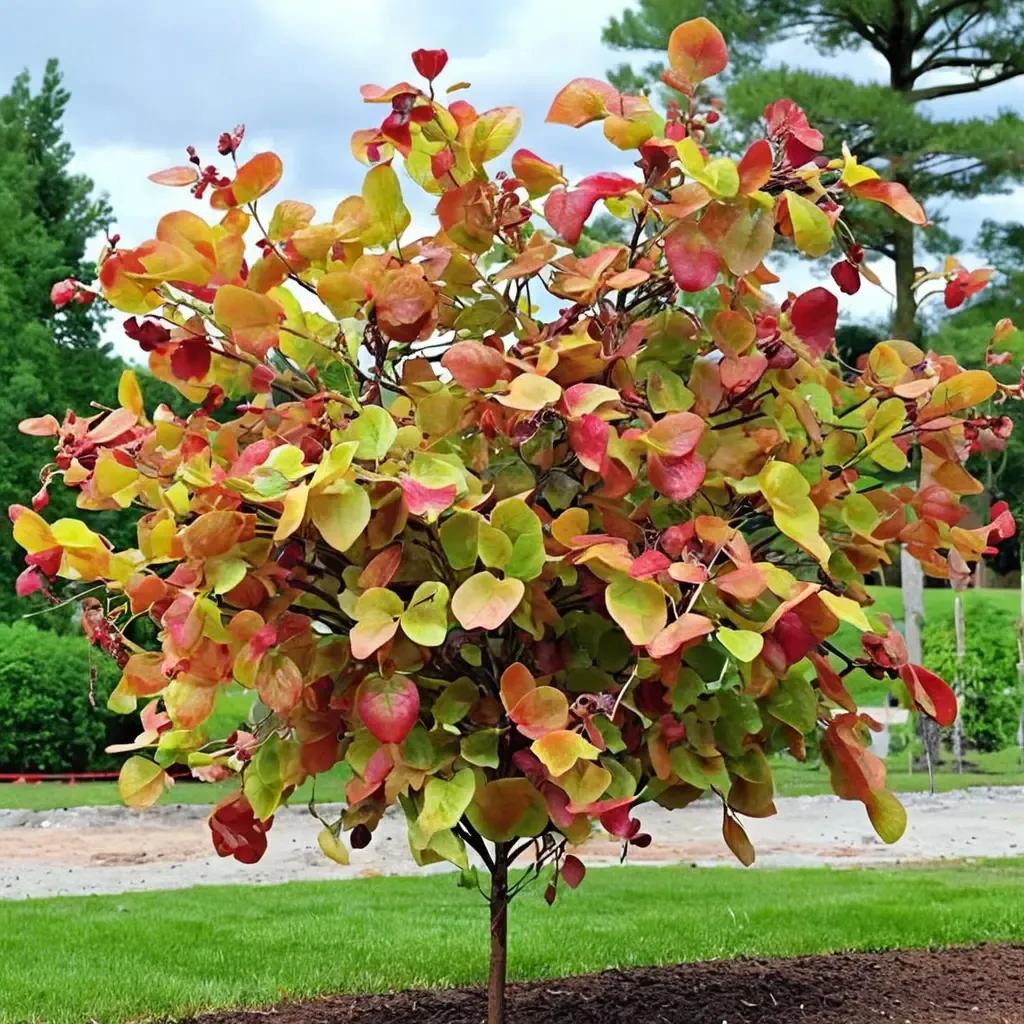 ‘Flame Thrower’Flame Thrower Redbud
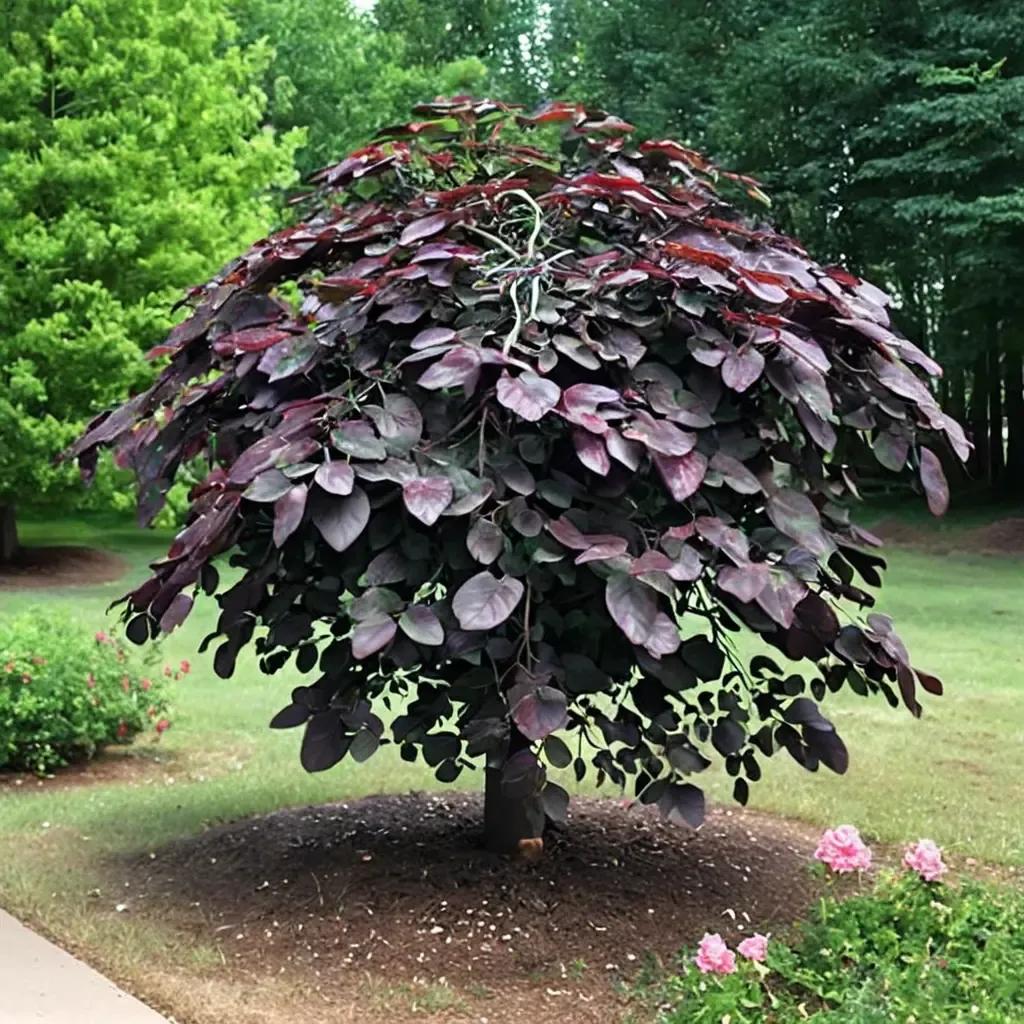 ‘Ruby Falls’Ruby Falls Redbud
 ‘Appalachian Red’Appalachian Red Eastern Redbud
 ‘Midnight Express’Midnight Express Redbud
 ‘Black Pearl’Black Pearl Eastern Redbud
 ‘Vanilla Twist’Weeping White Redbud
 ‘Hearts Of Gold’Hearts of Gold Redbud
 ‘Greswan’Burgundy Hearts Redbud
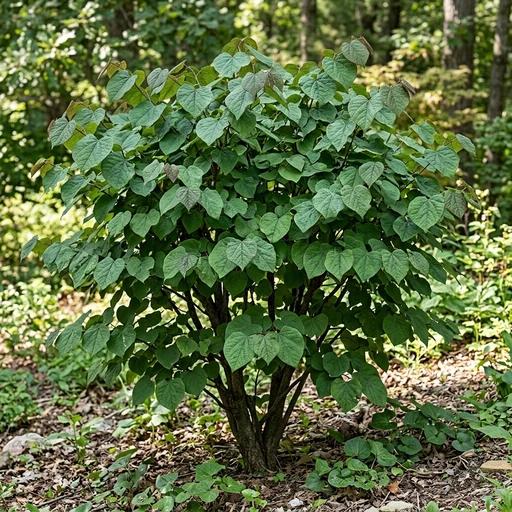 ‘Ace Of Hearts’Ace of Hearts Redbud
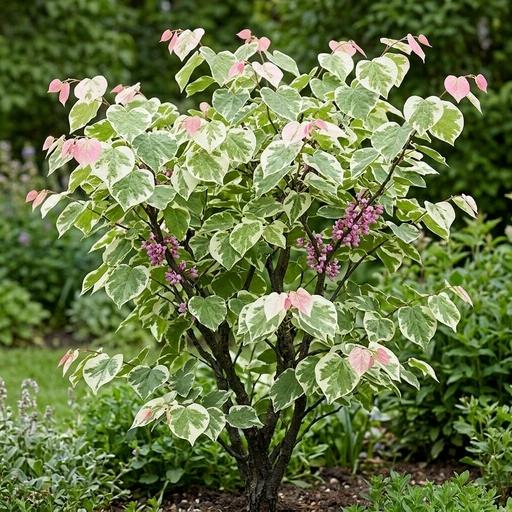 ‘Northern Lites’Northern Lites Redbud
 ‘Alba’White Redbud
 ‘Jn2’Jn2 The Rising Sun Redbud
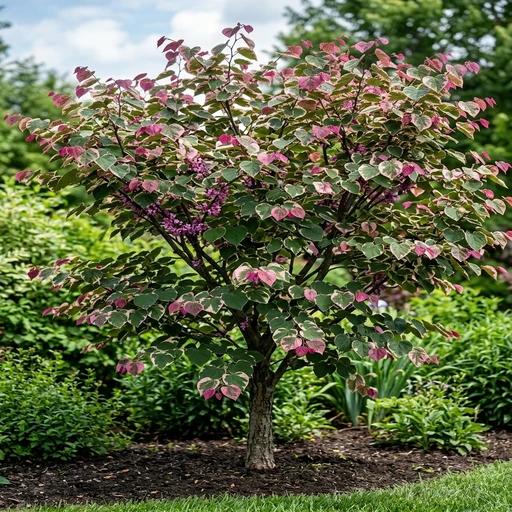 ‘Carolina Sweetheart’Carolina Sweetheart Redbud
 ‘Merlot’Merlot Redbud
 ‘Oklahoma’Oklahoma Redbud
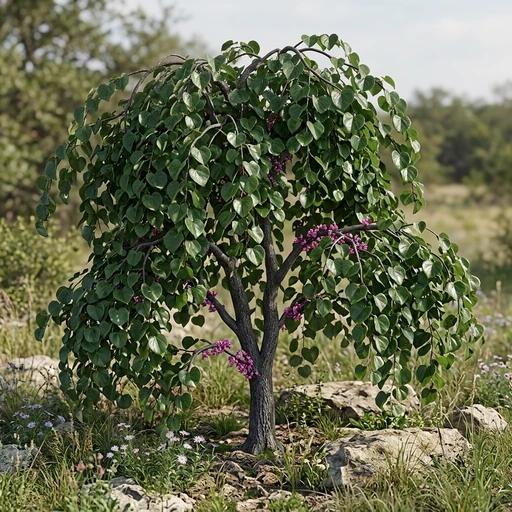 ‘Traveller’Traveller Redbud
The Story
Plant Bio
Cercis canadensis, or Eastern Redbud, is a small deciduous tree native to eastern North America, celebrated for its pea-like flowers that bloom on bare branches in early spring.
'Covey', sold as Lavender Twist®, is a unique weeping form with contorted branches, creating a dramatic, cascading silhouette that provides year-round interest.
Uses & Benefits:
Essentials
At a Glance
Plant Type
Tree
Height
96"
Width
84"
Light
Full Sun, Partial Sun
Zones
5, 6, 7, 8, 9
Water
Low to moderate
Humidity
Adaptable
Lifespan
20-40 years
Native To
Eastern North America
Toxicity
Non-toxic
Bloom period
Early spring – Mid-spring
In flower about 2 months of the year
Planting
How to Grow
- Choose a site with well-drained soil; redbuds hate wet feet.
- Dig a hole as deep as the root ball and twice as wide.
- Carefully place the tree in the hole, keeping the root flare at soil level.
- Backfill with native soil and water thoroughly to eliminate air pockets.
- Provide regular water during the first year of establishment.
- Mulch to conserve moisture but keep it away from the trunk.
Pro Tip
Plant it where its unique winter silhouette can be appreciated, such as against a wall or evergreen backdrop.
Keep It Thriving
Care Guide
Do
- Provide supplemental water during extended droughts.
- Protect the thin bark of young trees from mechanical damage.
- Allow the weeping branches to cascade naturally.
- Enjoy the early spring flower show on bare, twisting branches.
Don't
- Don't plant in a waterlogged or poorly drained location.
- Avoid major pruning, as it can ruin the natural form.
- Do not fertilize heavily; redbuds fix their own nitrogen.
- Don't transplant established trees, as they have a deep taproot.
Seasonal Care Calendar
| Task | Jan | Feb | Mar | Apr | May | Jun | Jul | Aug | Sep | Oct | Nov | Dec |
|---|---|---|---|---|---|---|---|---|---|---|---|---|
| Pest Check | ||||||||||||
| Plant | ||||||||||||
| Prune |
Watch Out For
Pests & Diseases
Common Pests
Common Diseases
In the Garden
Landscape Uses & Companions
Landscape Uses
Multiply
Propagation Methods
Good to Know
Common Questions
Covey Lavender Twist Redbud questions
What zones can Covey Lavender Twist Redbud grow in?
Covey Lavender Twist Redbud is hardy in USDA Zones 5–9. Inside that range it survives winter in the ground; outside it, grow it as an annual or a container plant you protect.
Is Covey Lavender Twist Redbud deer resistant?
Yes — Covey Lavender Twist Redbud is rated deer-resistant. Deer typically pass it over, though extreme hunger can override any plant's defenses.
When does Covey Lavender Twist Redbud bloom?
Covey Lavender Twist Redbud typically blooms in early spring through mid-spring. Exact timing shifts a week or two with your zone — Sow's bloom calendar maps it to your garden.
Does Covey Lavender Twist Redbud need full sun?
Covey Lavender Twist Redbud does best in full sun to part shade. In hot climates, afternoon shade keeps blooms fresher longer.
Is Covey Lavender Twist Redbud drought tolerant?
Yes — once established (usually after the first full season), Covey Lavender Twist Redbud handles dry spells with minimal watering. Water deeply its first year to build the root system that makes that possible.
More Cercis to compare
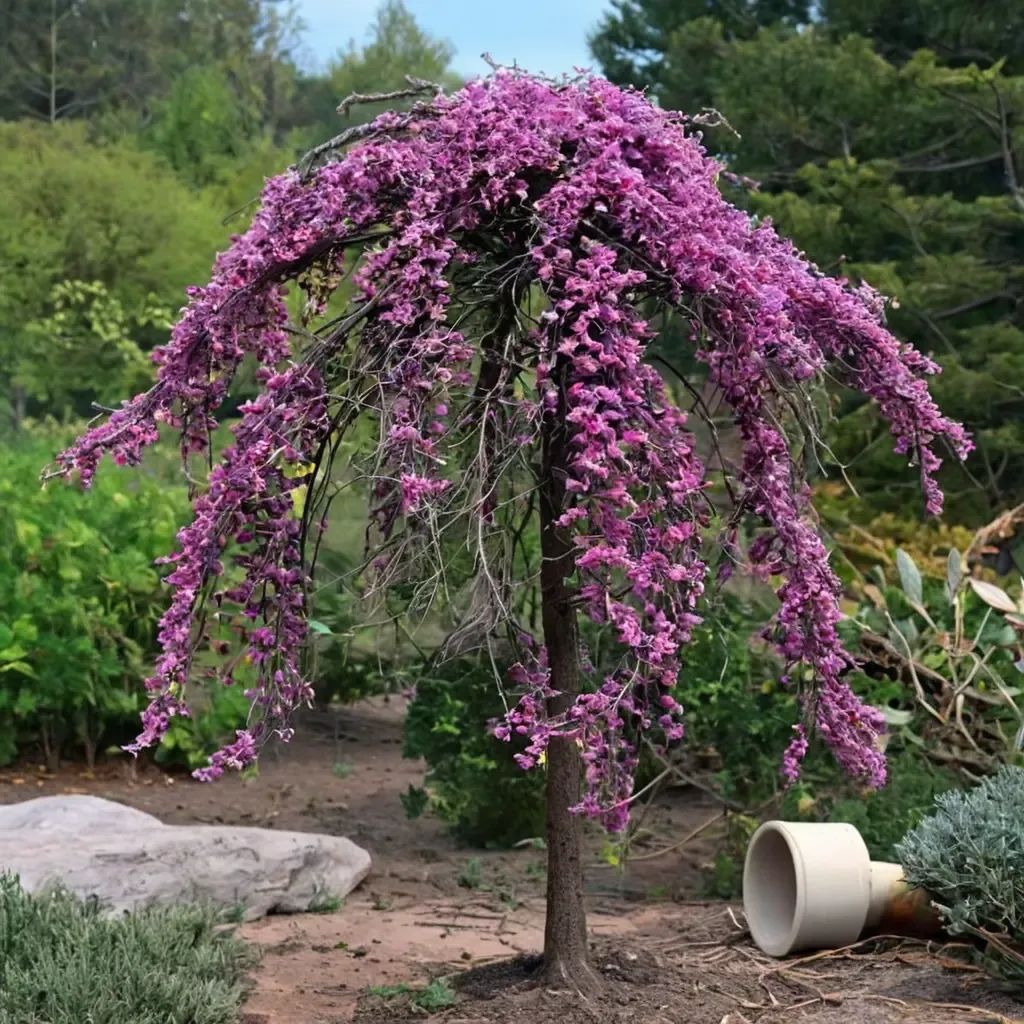
Lavender Twist Redbud
Cercis canadensis 'Lavender Twist'
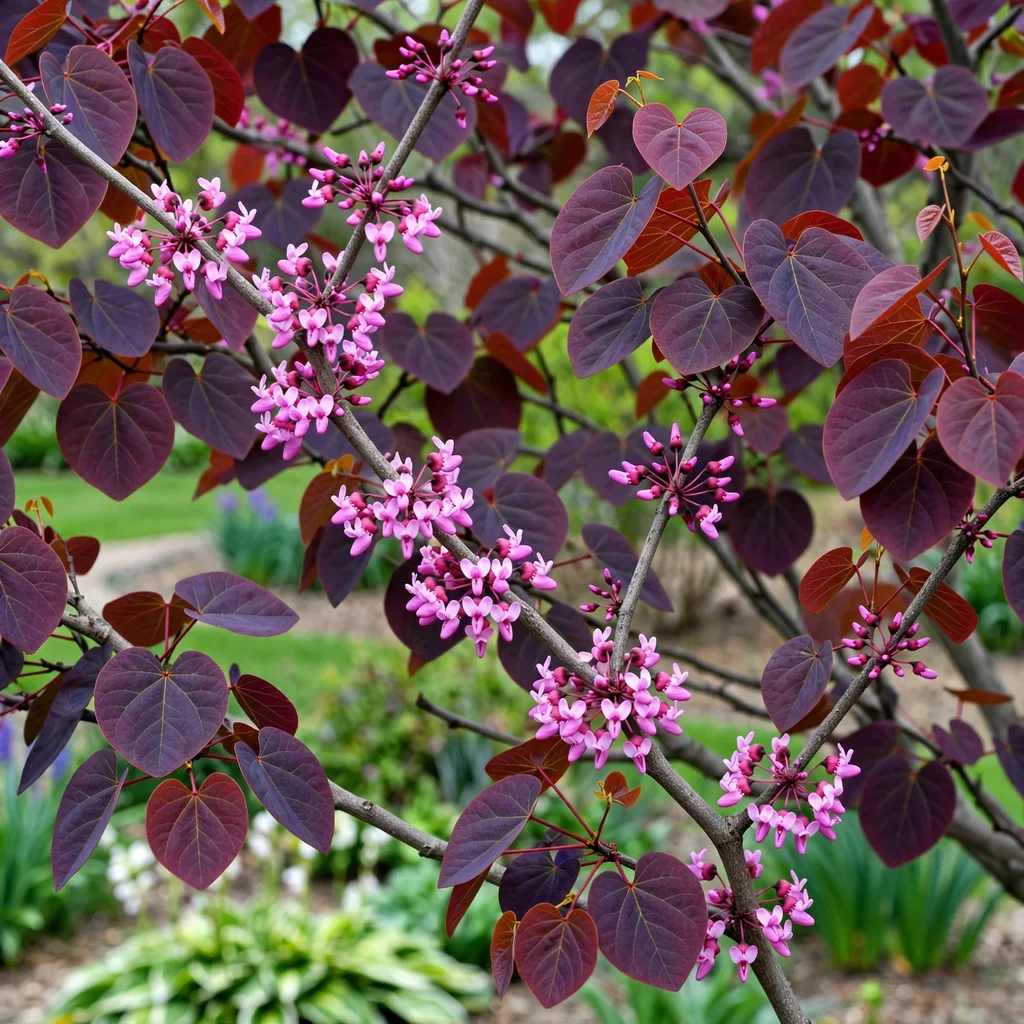
Eastern Redbud Forest Pansy
Cercis canadensis 'Forest Pansy'
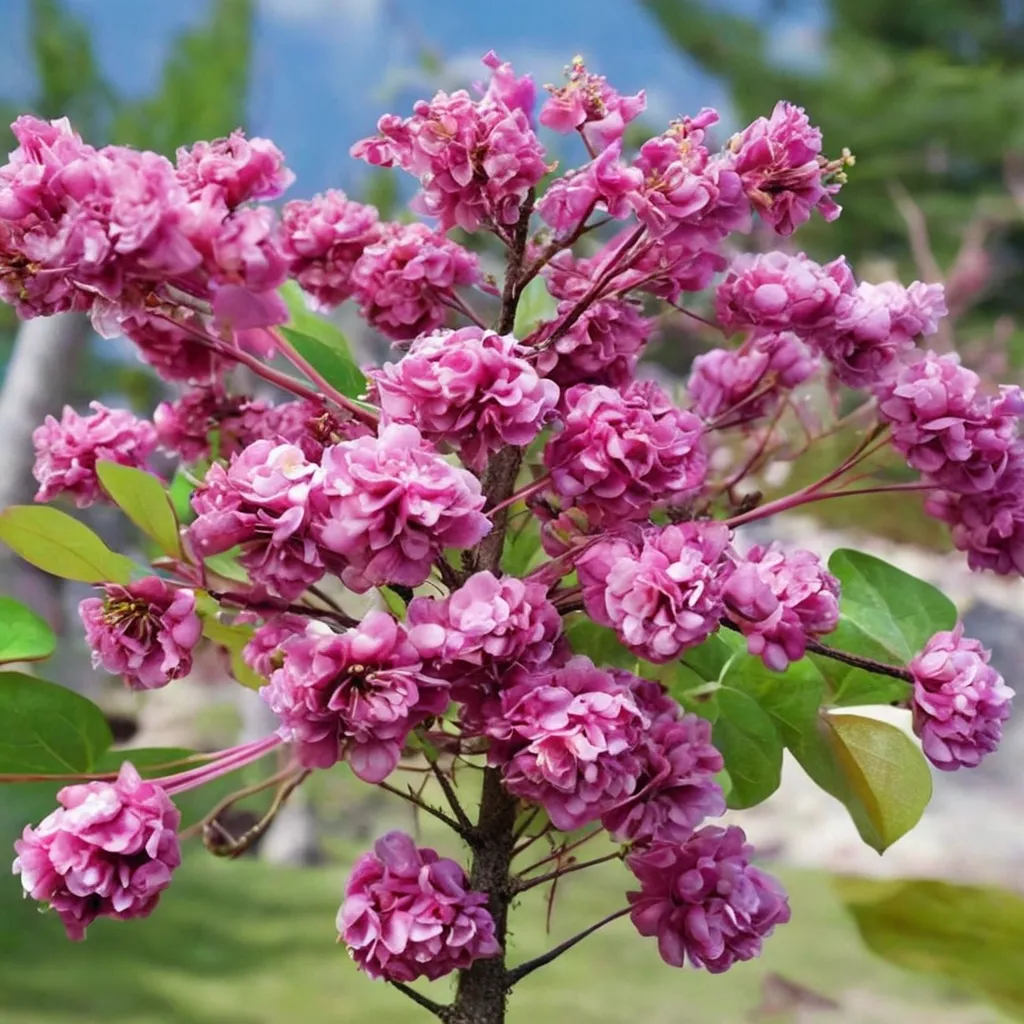
Eastern Redbud Pink Pom Poms
Cercis canadensis 'Pink Pom Poms'
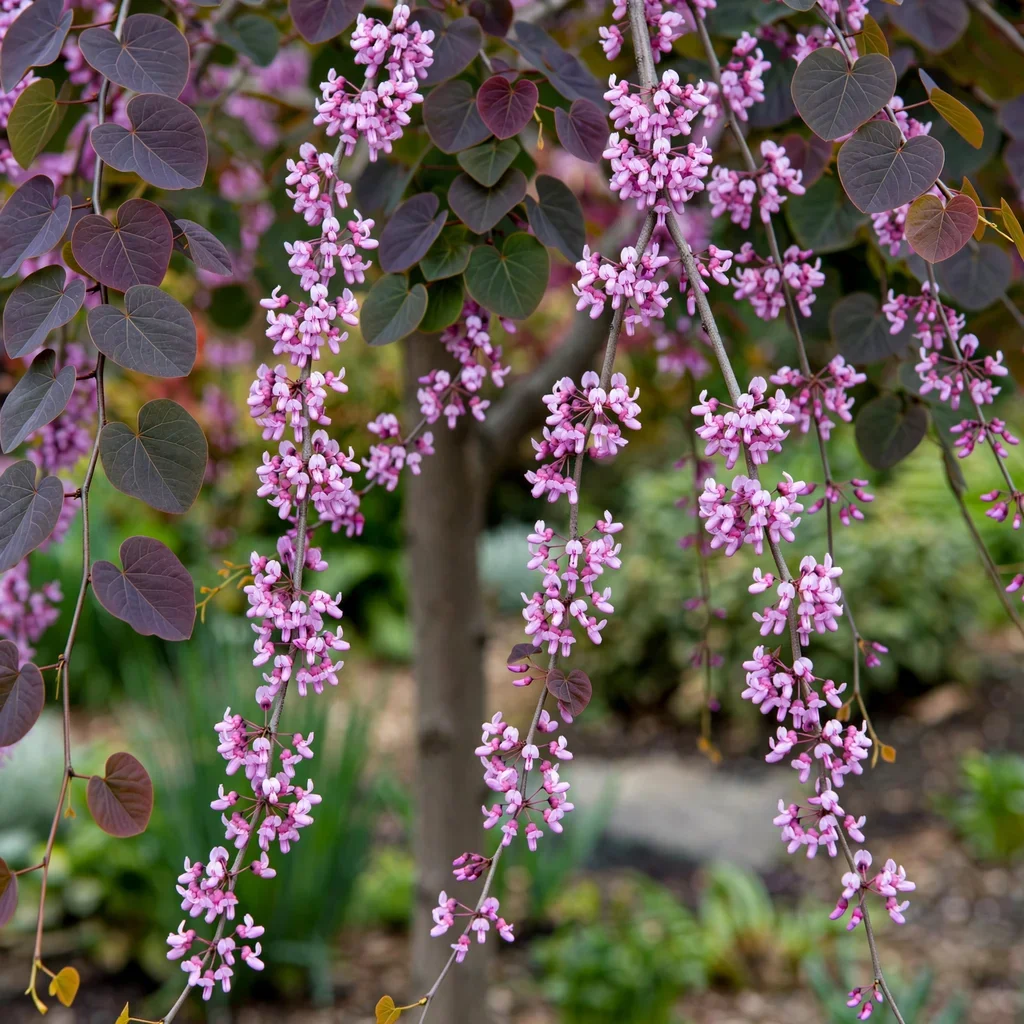
Amethyst Mist Weeping Redbud
Cercis canadensis 'Amethyst'
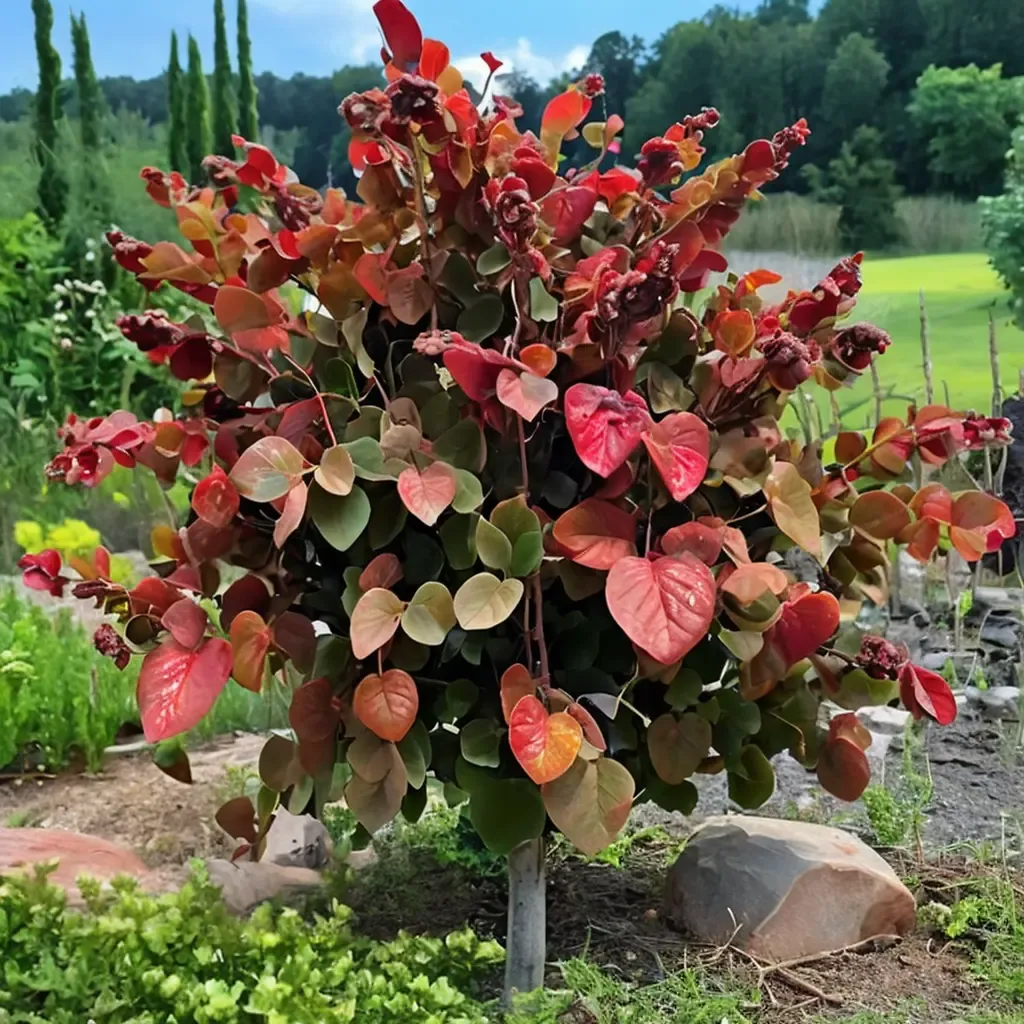
Hearts A'Fire Redbud
Cercis canadensis 'Hearts A'Fire'
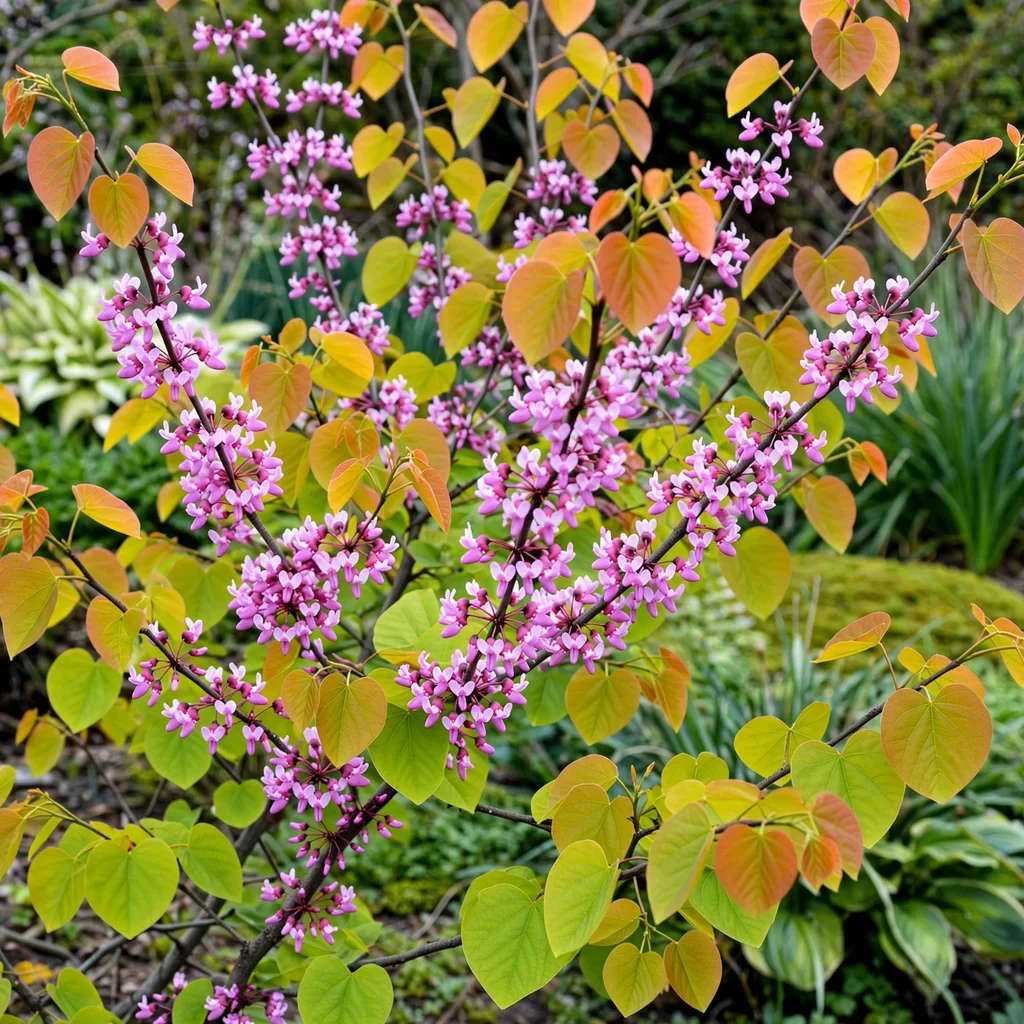
Rise 'N Shine Eastern Redbud
Cercis canadensis 'Rise 'N Shine'
Keep exploring
Explore the genus
Hardy in your zone?
Grow Covey Lavender Twist Redbud with confidence
See it in a design of your actual yard, get zone-matched care reminders, and track it season by season in your garden journal.