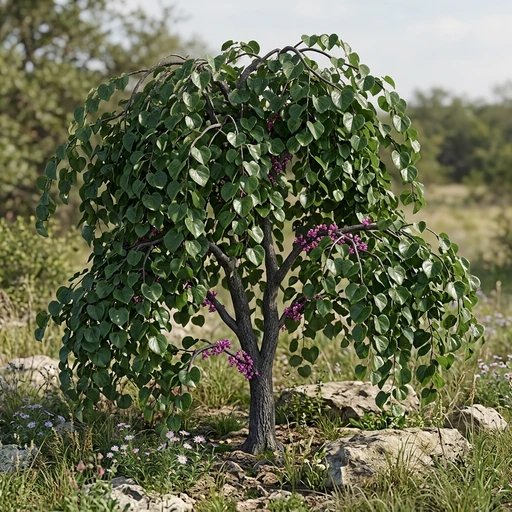
Species
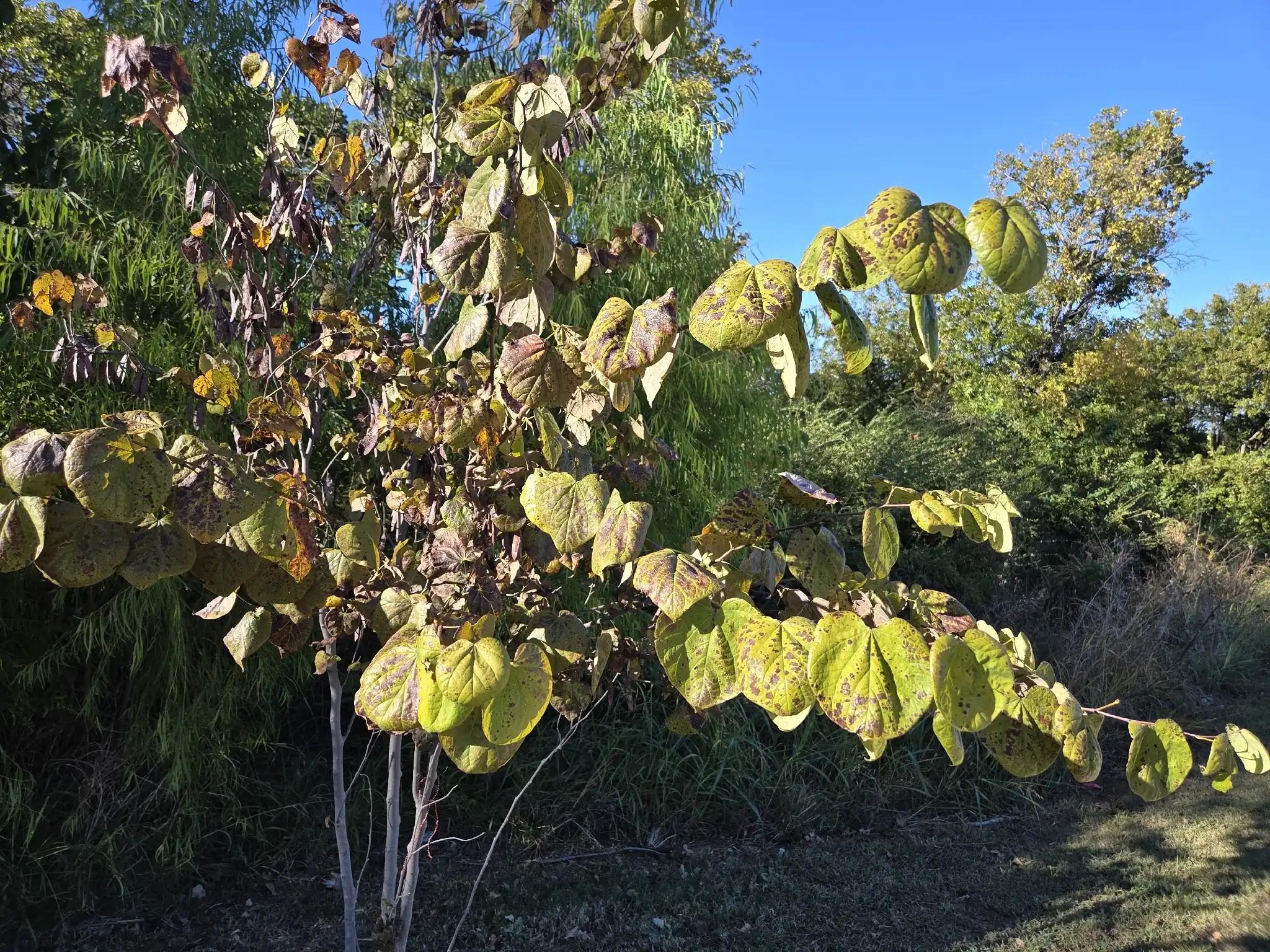 Cercis canadensisRedbud
22 other cultivars
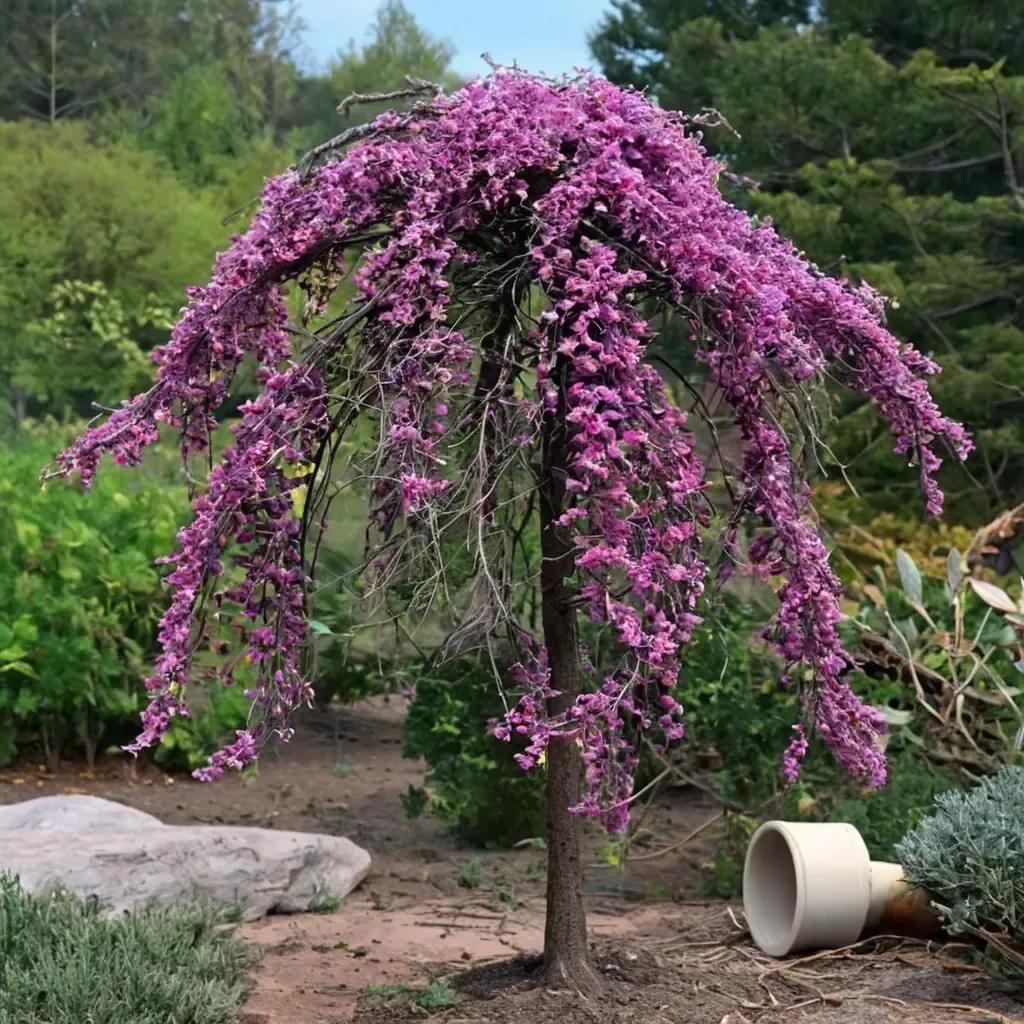 ‘Lavender Twist’Lavender Twist Redbud
 ‘Forest Pansy’Eastern Redbud Forest Pansy
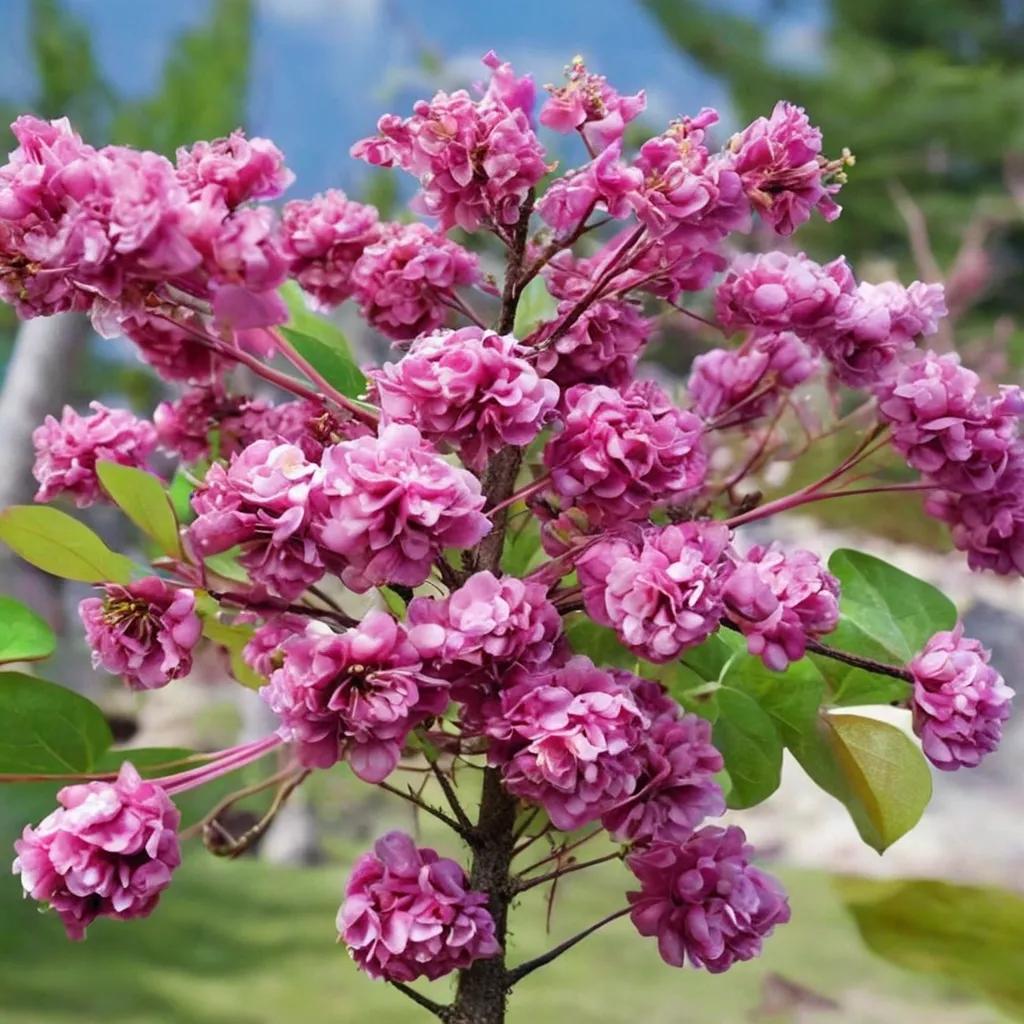 ‘Pink Pom Poms’Eastern Redbud Pink Pom Poms
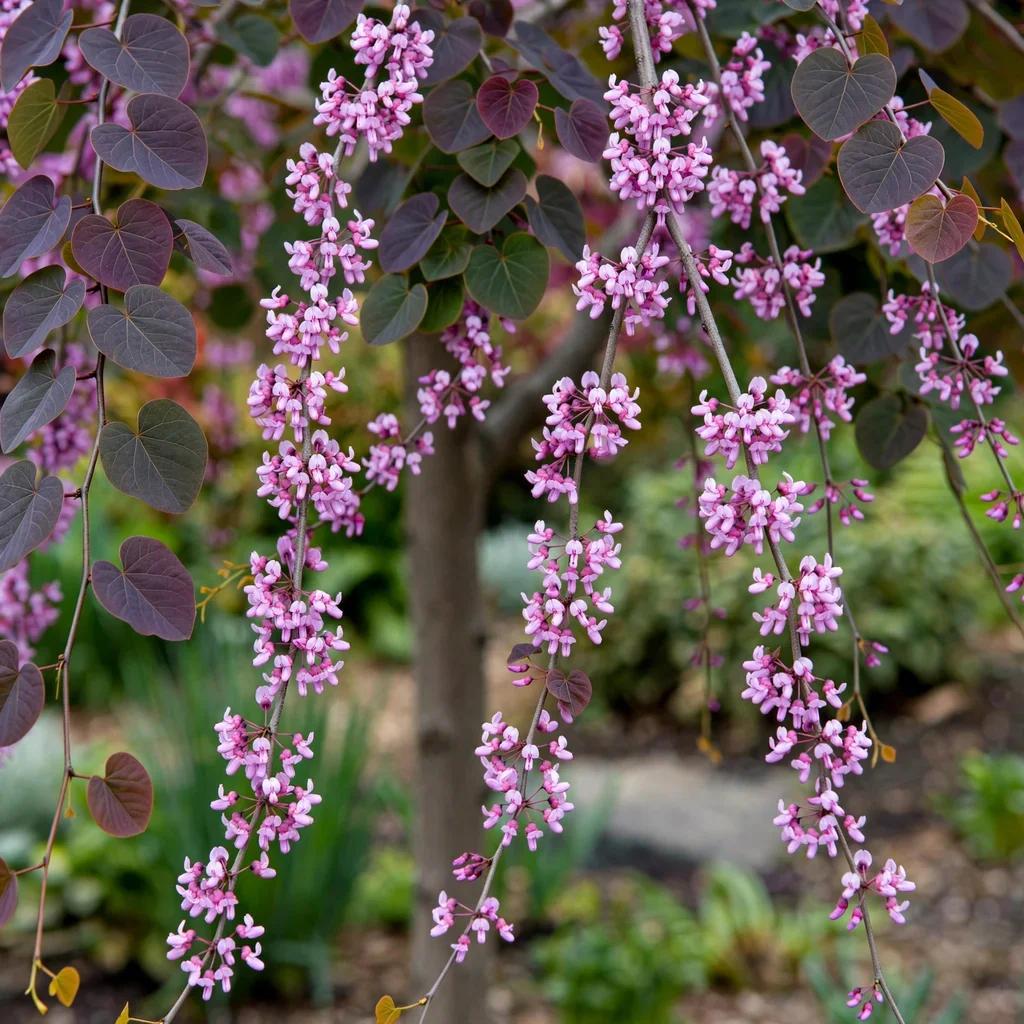 ‘Amethyst’Amethyst Mist Weeping Redbud
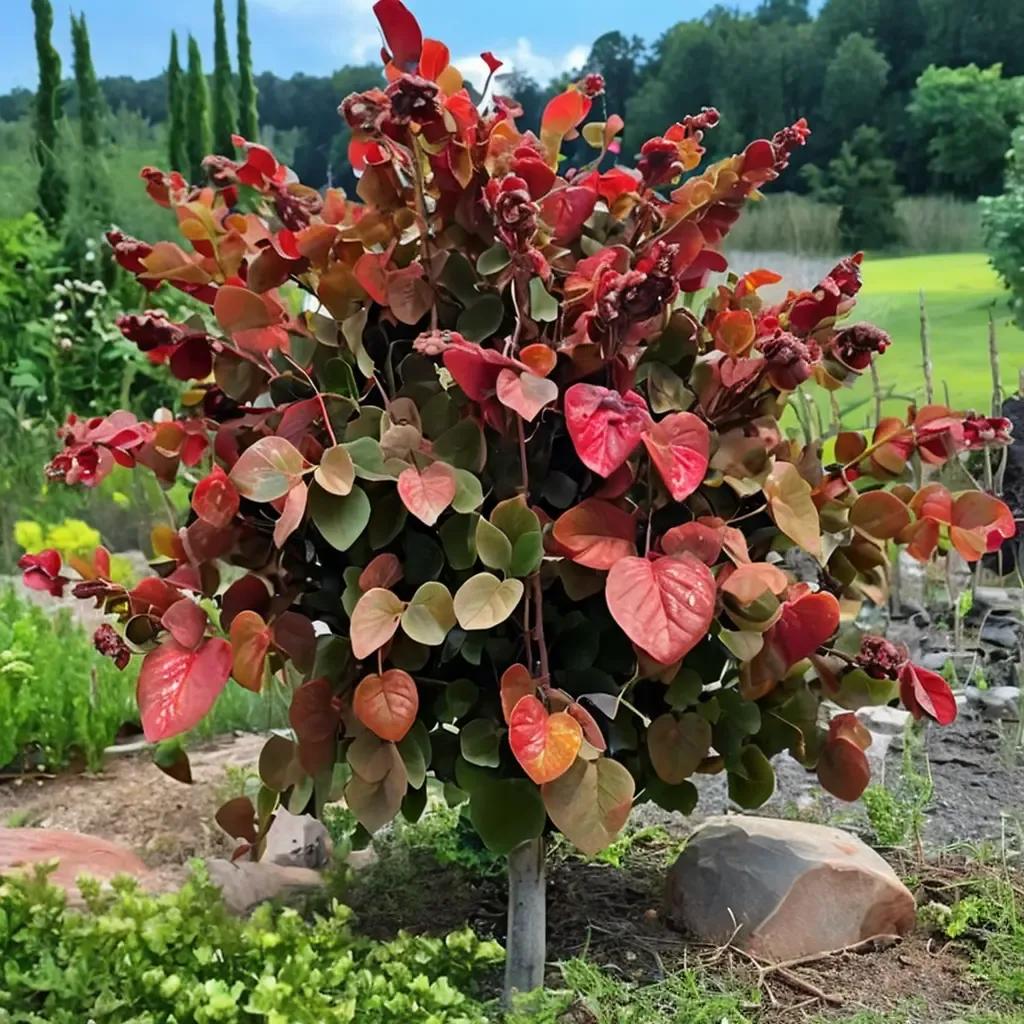 ‘Hearts A'Fire’Hearts A'Fire Redbud
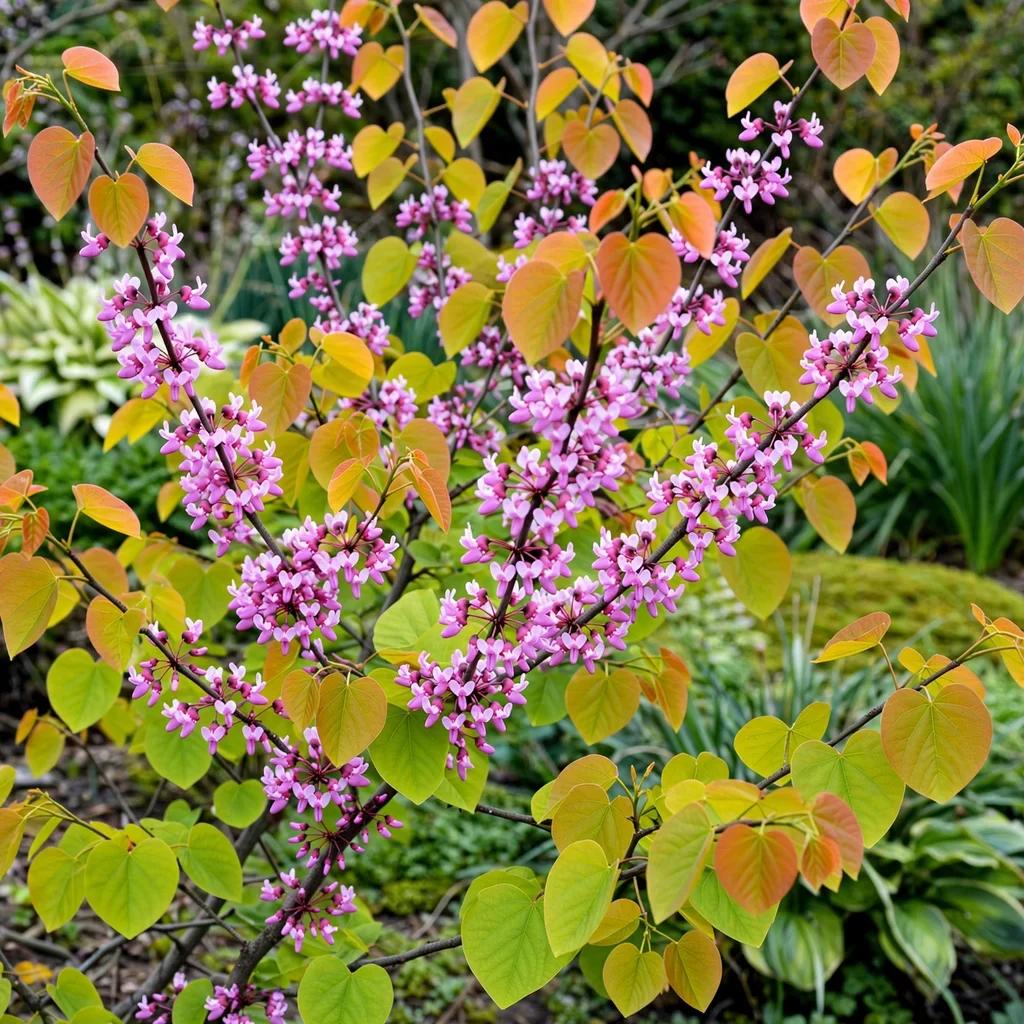 ‘Rise 'N Shine’Rise 'N Shine Eastern Redbud
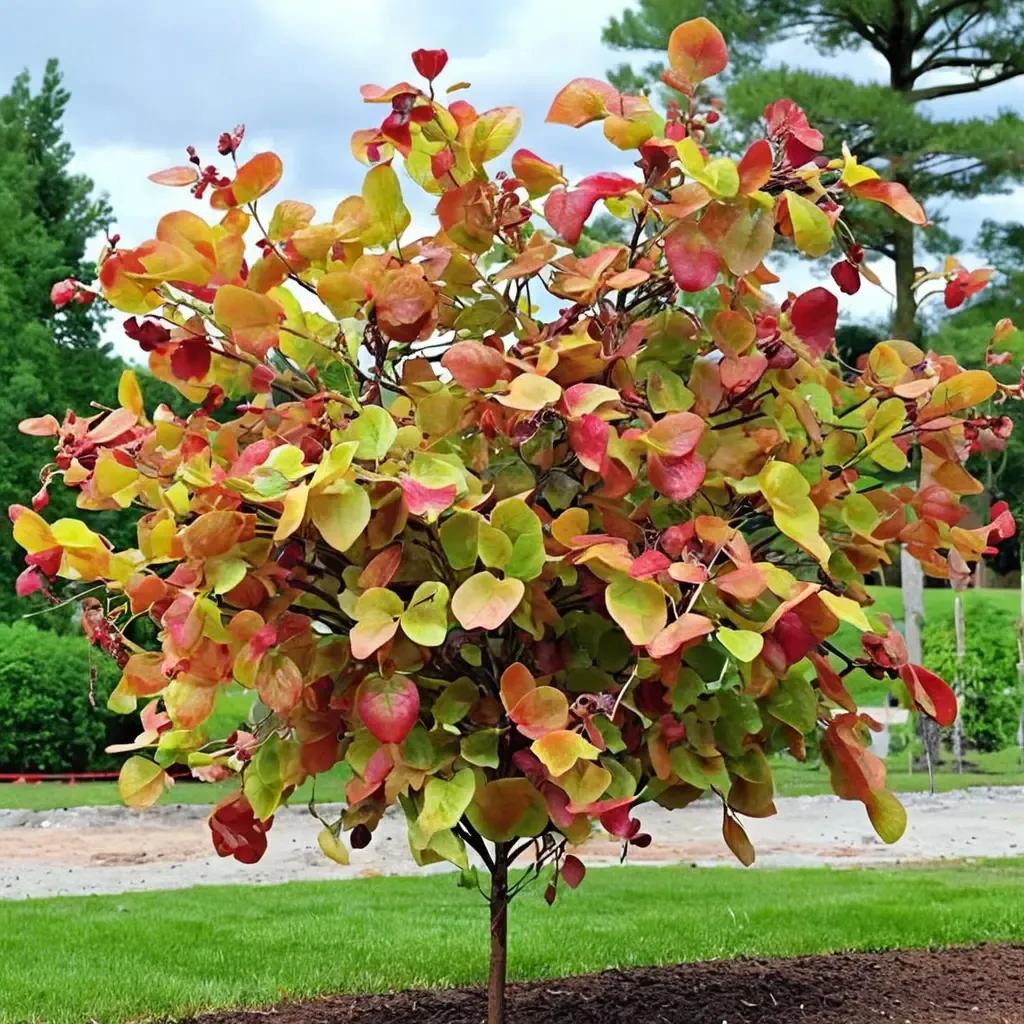 ‘Flame Thrower’Flame Thrower Redbud
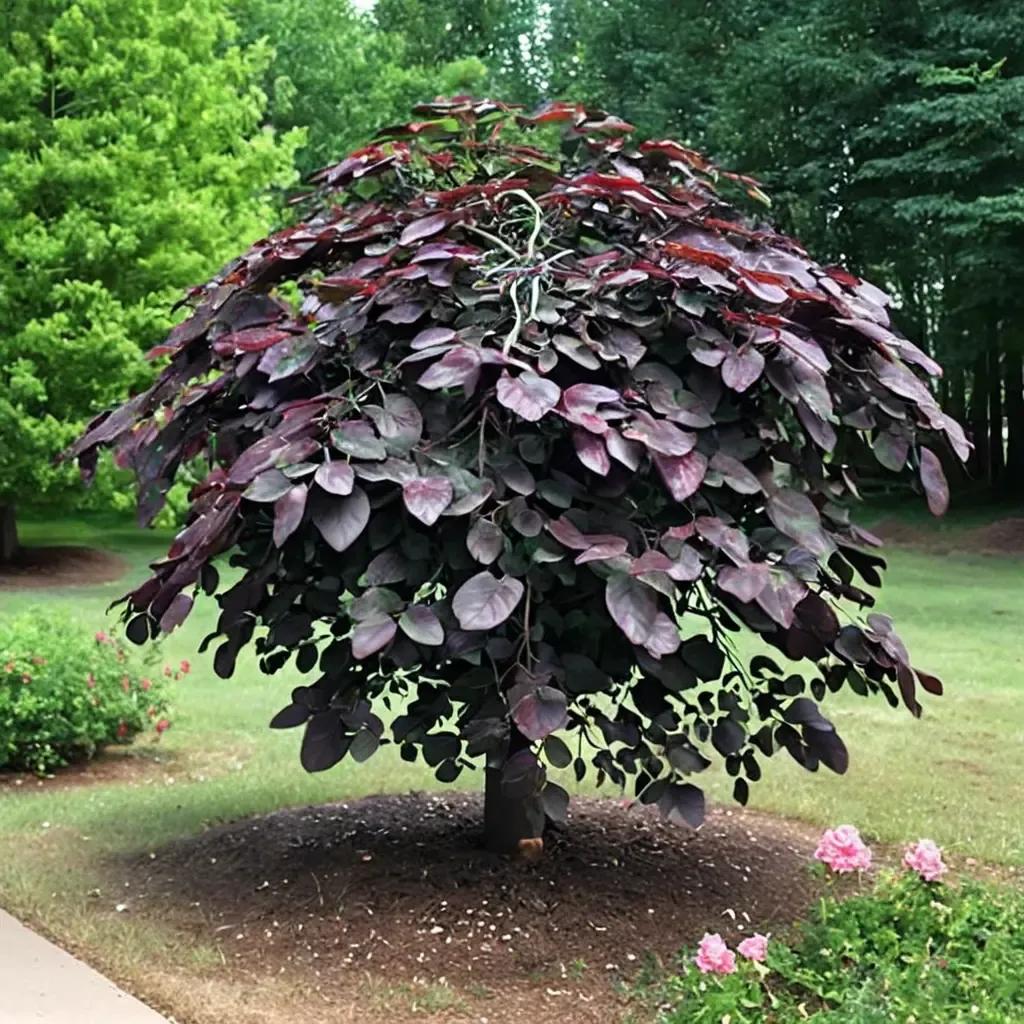 ‘Ruby Falls’Ruby Falls Redbud
 ‘Covey’Covey Lavender Twist Redbud
 ‘Appalachian Red’Appalachian Red Eastern Redbud
 ‘Midnight Express’Midnight Express Redbud
 ‘Black Pearl’Black Pearl Eastern Redbud
 ‘Vanilla Twist’Weeping White Redbud
 ‘Hearts Of Gold’Hearts of Gold Redbud
 ‘Greswan’Burgundy Hearts Redbud
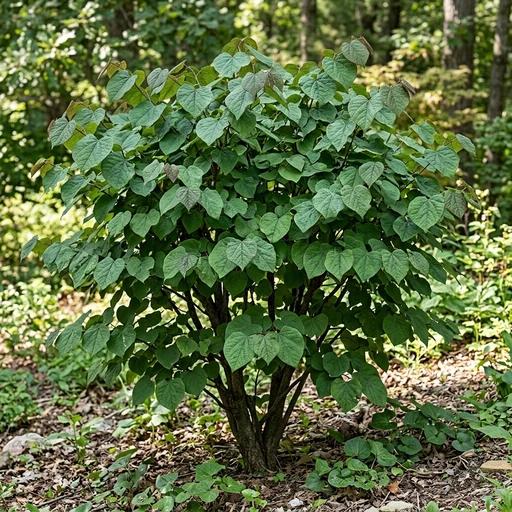 ‘Ace Of Hearts’Ace of Hearts Redbud
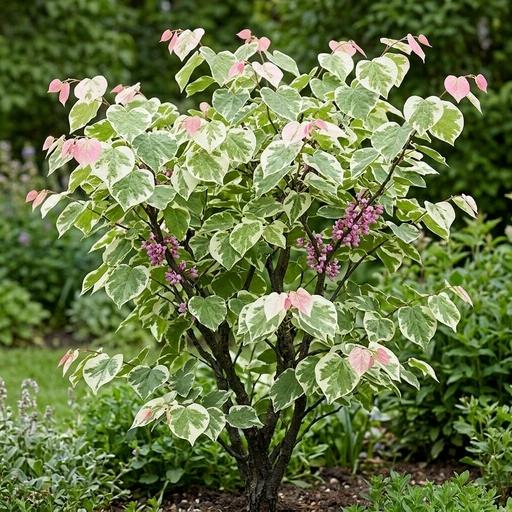 ‘Northern Lites’Northern Lites Redbud
 ‘Alba’White Redbud
 ‘Jn2’Jn2 The Rising Sun Redbud
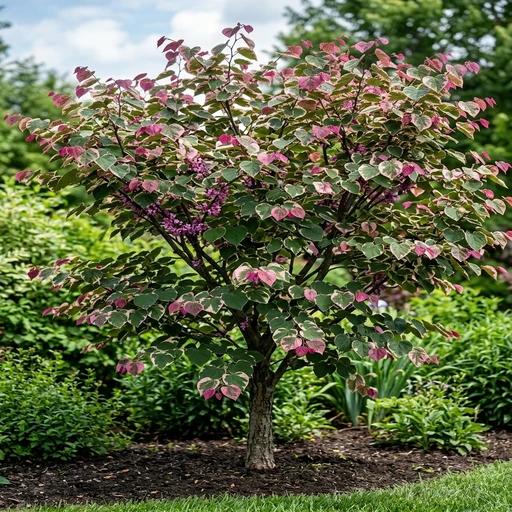 ‘Carolina Sweetheart’Carolina Sweetheart Redbud
 ‘Merlot’Merlot Redbud
 ‘Oklahoma’Oklahoma Redbud
The Story
Plant Bio
The Texas Redbud subspecies is noted for its smaller size, thicker, glossier leaves, and greater heat and drought tolerance than the species.
'Traveller' is a distinct weeping form with a dense, mounding habit and gracefully cascading branches, creating a living sculpture. Its glossy, leathery leaves are also a key feature.
Uses & Benefits:
Essentials
At a Glance
Plant Type
Shrub
Height
60"
Width
108"
Light
Full Sun, Partial Sun
Zones
6, 7, 8, 9
Water
Low to Medium
Humidity
Low to Average
Lifespan
Short-lived (20-30 years)
Native To
Southwestern US, Mexico
Toxicity
Non-toxic
Bloom period
Early spring – Mid-spring
In flower about 2 months of the year
Planting
How to Grow
- Select a site in full sun with excellent drainage.
- Amend heavy clay soils with grit or expanded shale to improve drainage.
- Dig a hole twice as wide as the container.
- Set the plant so the top of the root ball is slightly above soil level.
- Backfill with soil, creating a slight mound.
- Water well at planting and provide infrequent, deep waterings thereafter.
- Stake the main stem until it reaches the desired height.
Pro Tip
Stake young plants to the desired height to establish a trunk before allowing the branches to weep naturally.
Keep It Thriving
Care Guide
Do
- Provide excellent drainage; this is critical for its survival.
- Plant in full sun for best flowering and leaf quality.
- Allow its natural weeping form to develop.
- Appreciate its heat and drought tolerance once established.
Don't
- Don't overwater or plant in a low, wet spot.
- Avoid planting in acidic soils; it prefers neutral to alkaline pH.
- Don't perform heavy pruning, which can ruin its natural form.
- Don't fertilize with high-nitrogen formulas.
Seasonal Care Calendar
| Task | Jan | Feb | Mar | Apr | May | Jun | Jul | Aug | Sep | Oct | Nov | Dec |
|---|---|---|---|---|---|---|---|---|---|---|---|---|
| Fertilize | ||||||||||||
| Plant | ||||||||||||
| Prune |
Watch Out For
Pests & Diseases
Common Pests
Common Diseases
In the Garden
Landscape Uses & Companions
Landscape Uses
Multiply
Propagation Methods
Good to Know
Common Questions
Traveller Redbud questions
What zones can Traveller Redbud grow in?
Traveller Redbud is hardy in USDA Zones 6–9. Inside that range it survives winter in the ground; outside it, grow it as an annual or a container plant you protect.
Is Traveller Redbud deer resistant?
Yes — Traveller Redbud is rated deer-resistant. Deer typically pass it over, though extreme hunger can override any plant's defenses.
When does Traveller Redbud bloom?
Traveller Redbud typically blooms in early spring through mid-spring. Exact timing shifts a week or two with your zone — Sow's bloom calendar maps it to your garden.
Does Traveller Redbud need full sun?
Traveller Redbud does best in full sun to part shade. In hot climates, afternoon shade keeps blooms fresher longer.
Is Traveller Redbud drought tolerant?
Yes — once established (usually after the first full season), Traveller Redbud handles dry spells with minimal watering. Water deeply its first year to build the root system that makes that possible.
More Cercis to compare
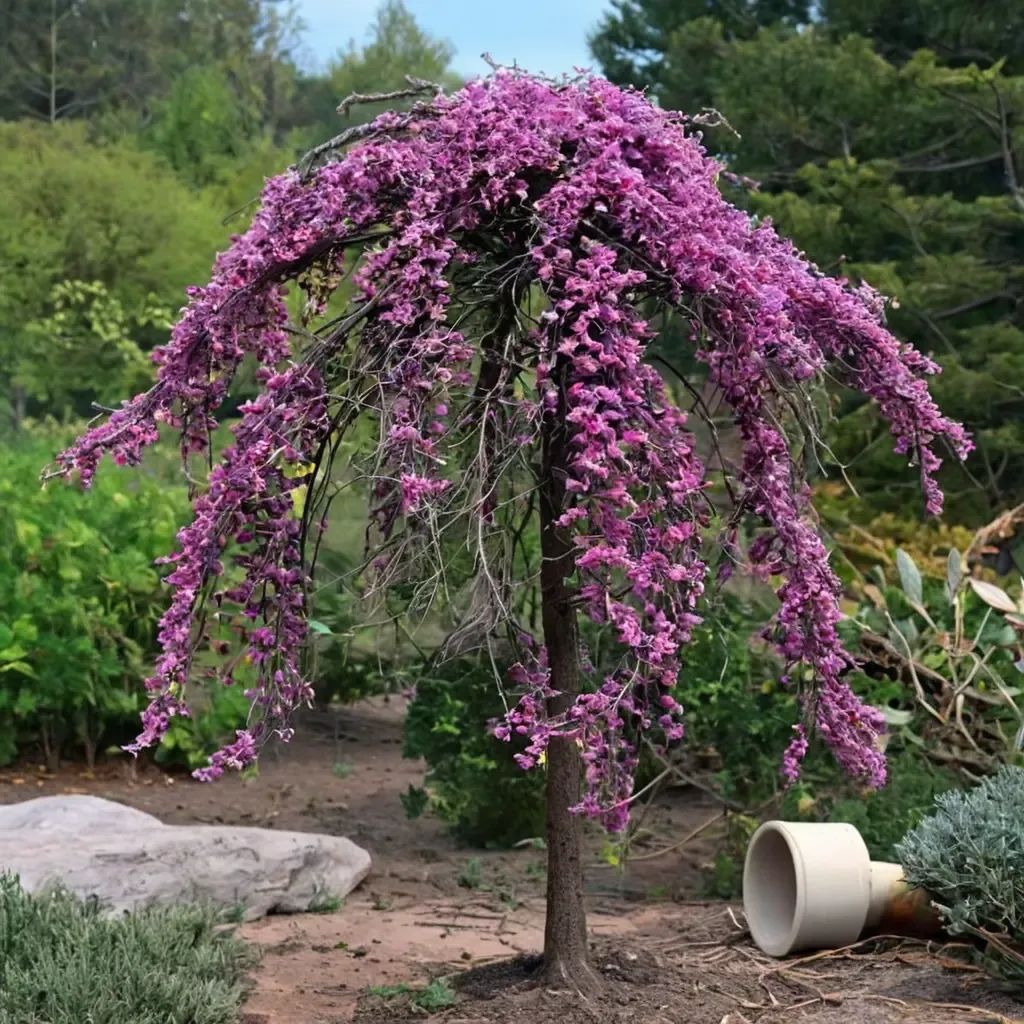
Lavender Twist Redbud
Cercis canadensis 'Lavender Twist'
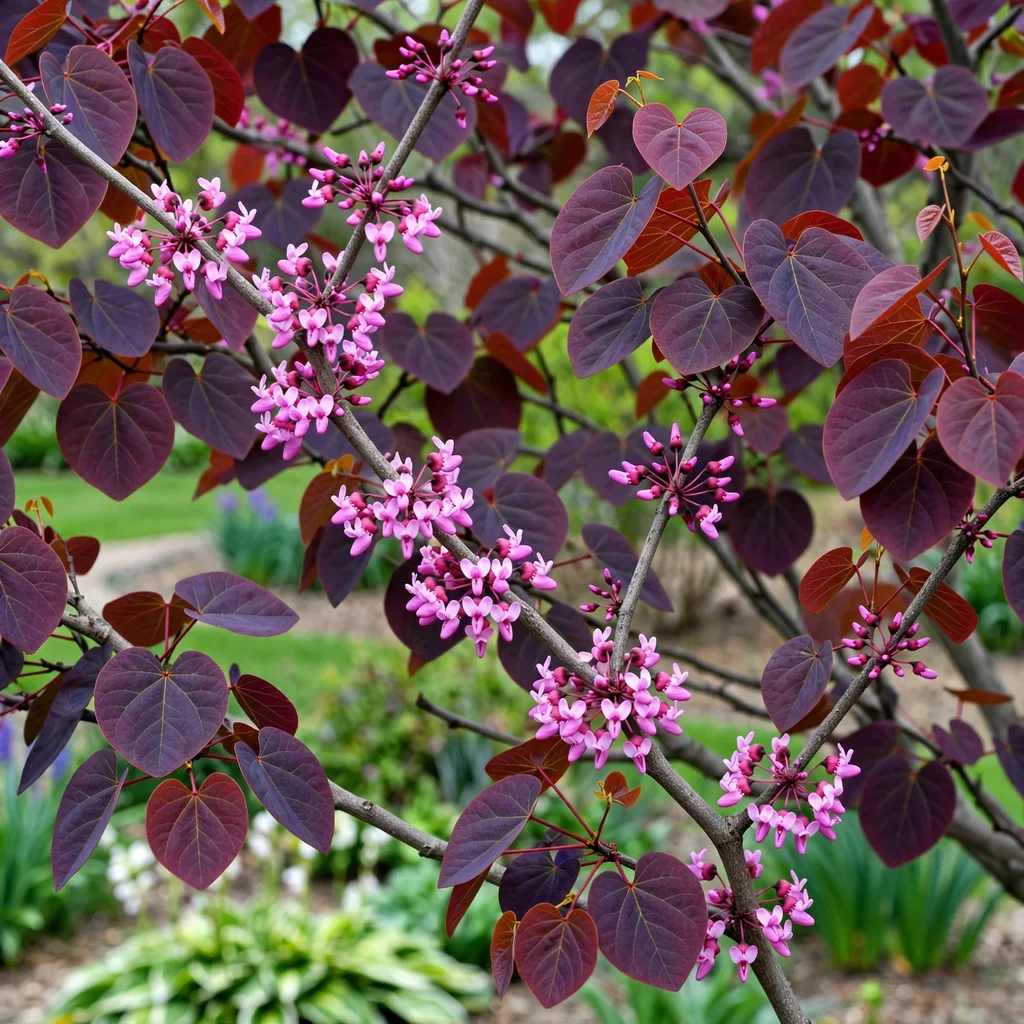
Eastern Redbud Forest Pansy
Cercis canadensis 'Forest Pansy'
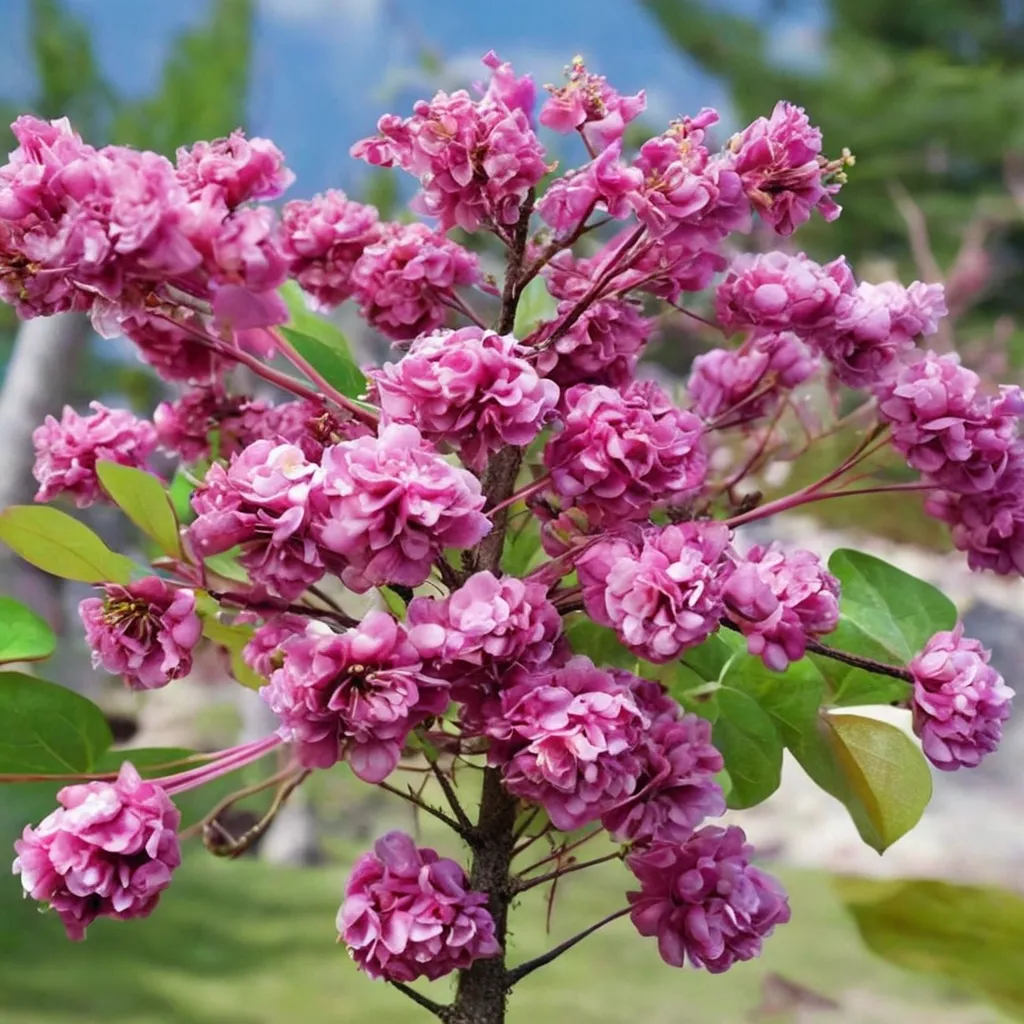
Eastern Redbud Pink Pom Poms
Cercis canadensis 'Pink Pom Poms'
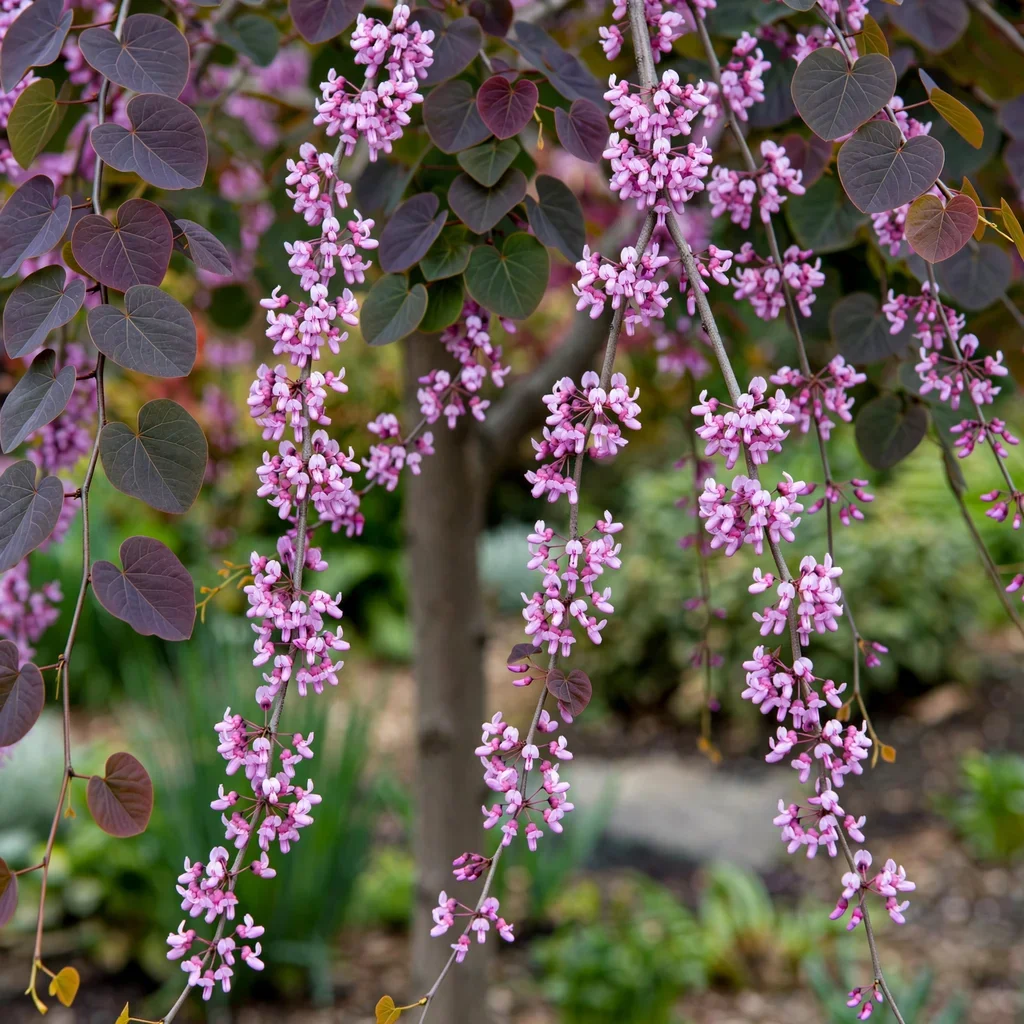
Amethyst Mist Weeping Redbud
Cercis canadensis 'Amethyst'
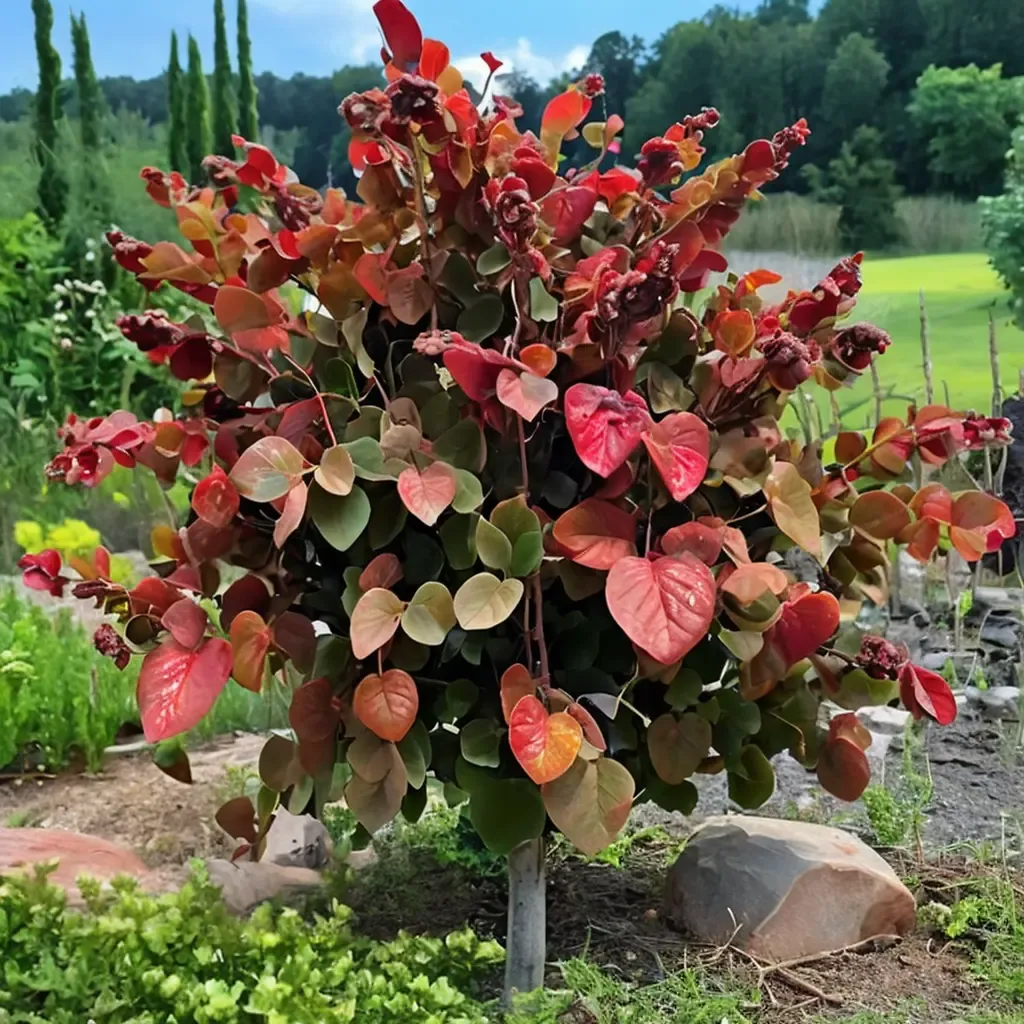
Hearts A'Fire Redbud
Cercis canadensis 'Hearts A'Fire'
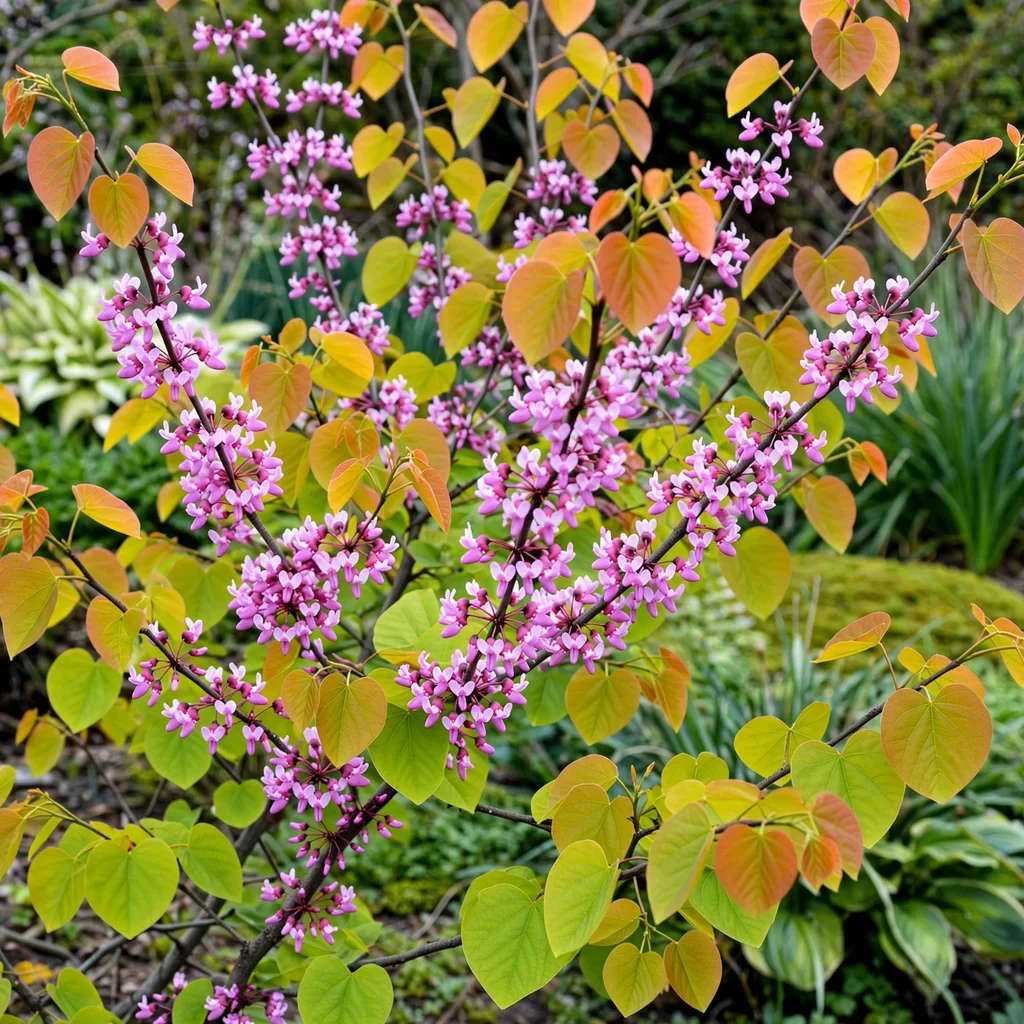
Rise 'N Shine Eastern Redbud
Cercis canadensis 'Rise 'N Shine'
Keep exploring
Explore the genus
Hardy in your zone?
Grow Traveller Redbud with confidence
See it in a design of your actual yard, get zone-matched care reminders, and track it season by season in your garden journal.