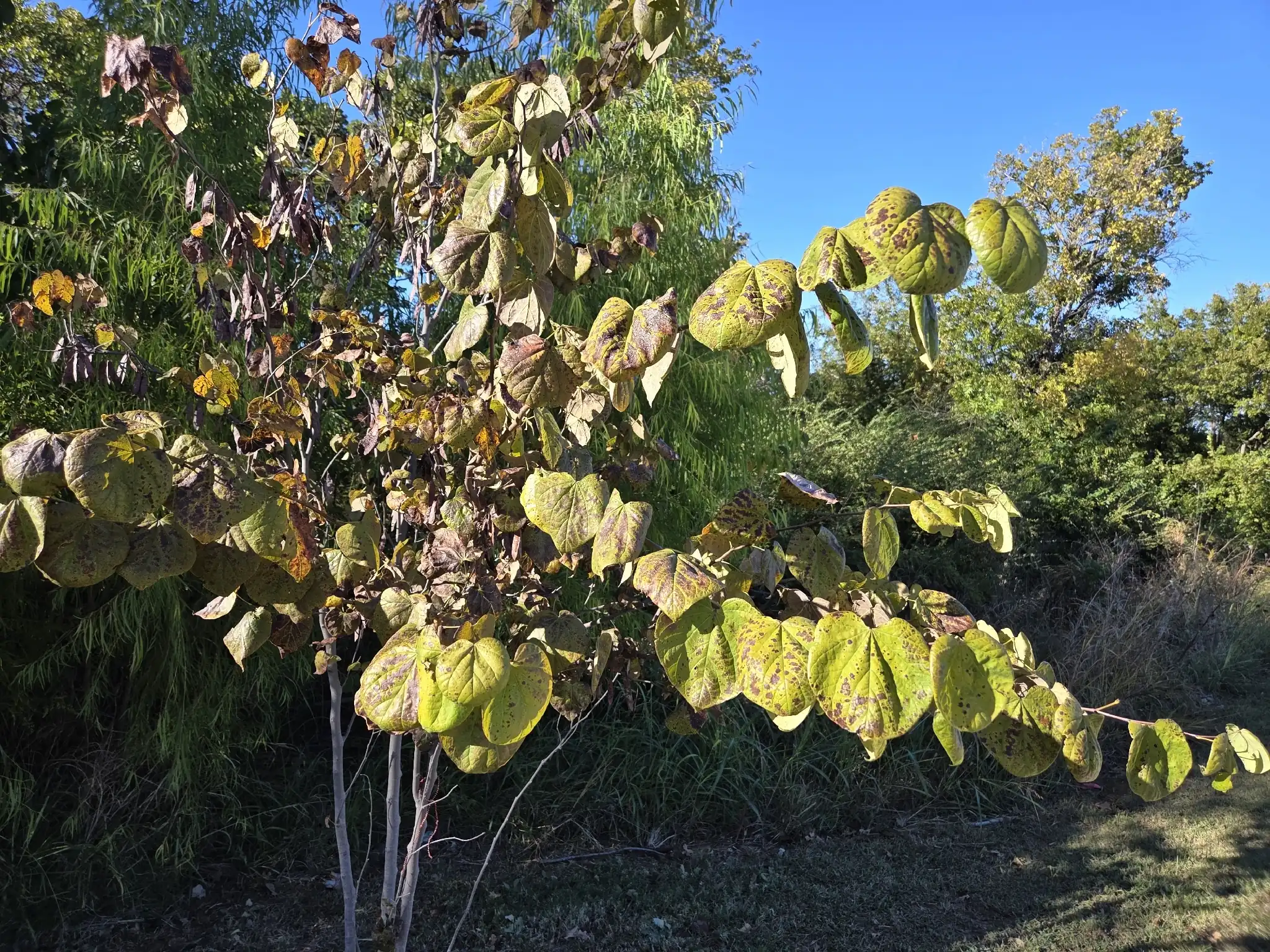
23 named cultivars
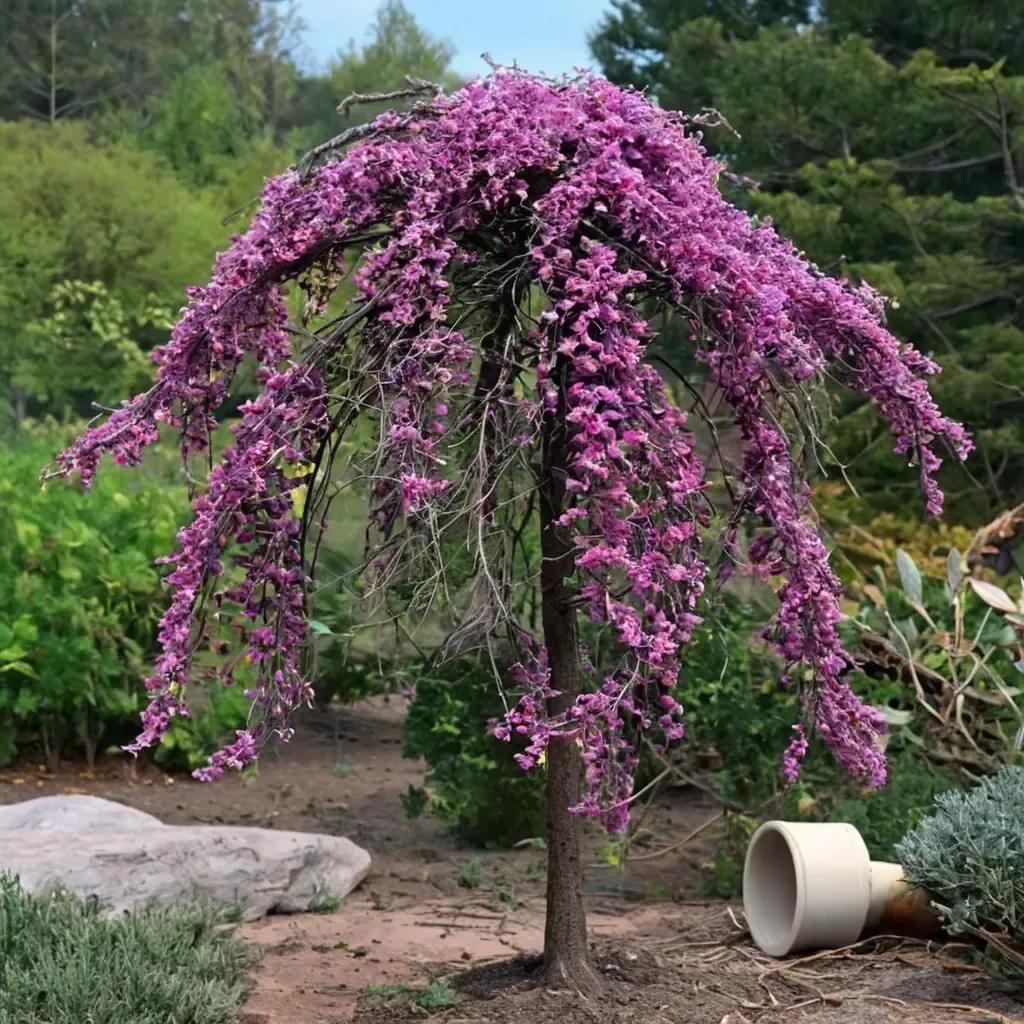 ‘Lavender Twist’Lavender Twist Redbud
 ‘Forest Pansy’Eastern Redbud Forest Pansy
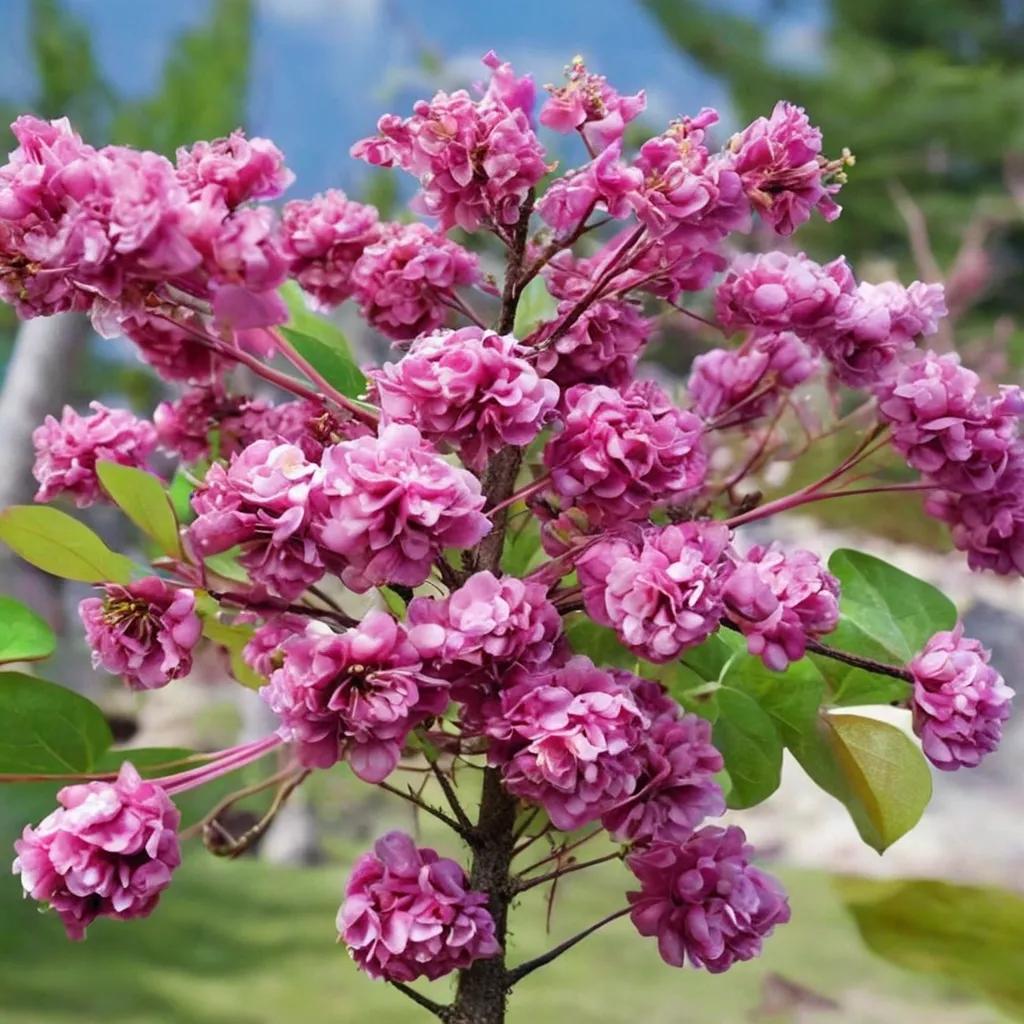 ‘Pink Pom Poms’Eastern Redbud Pink Pom Poms
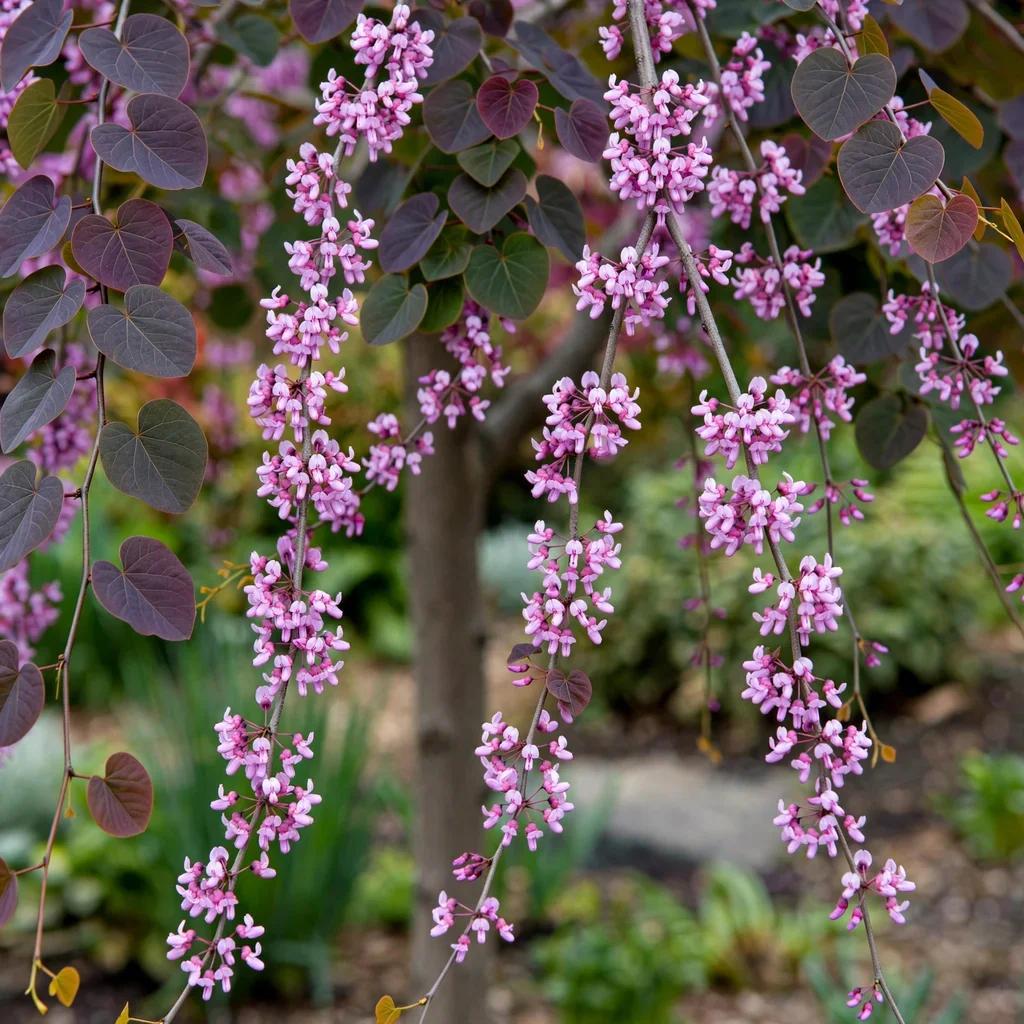 ‘Amethyst’Amethyst Mist Weeping Redbud
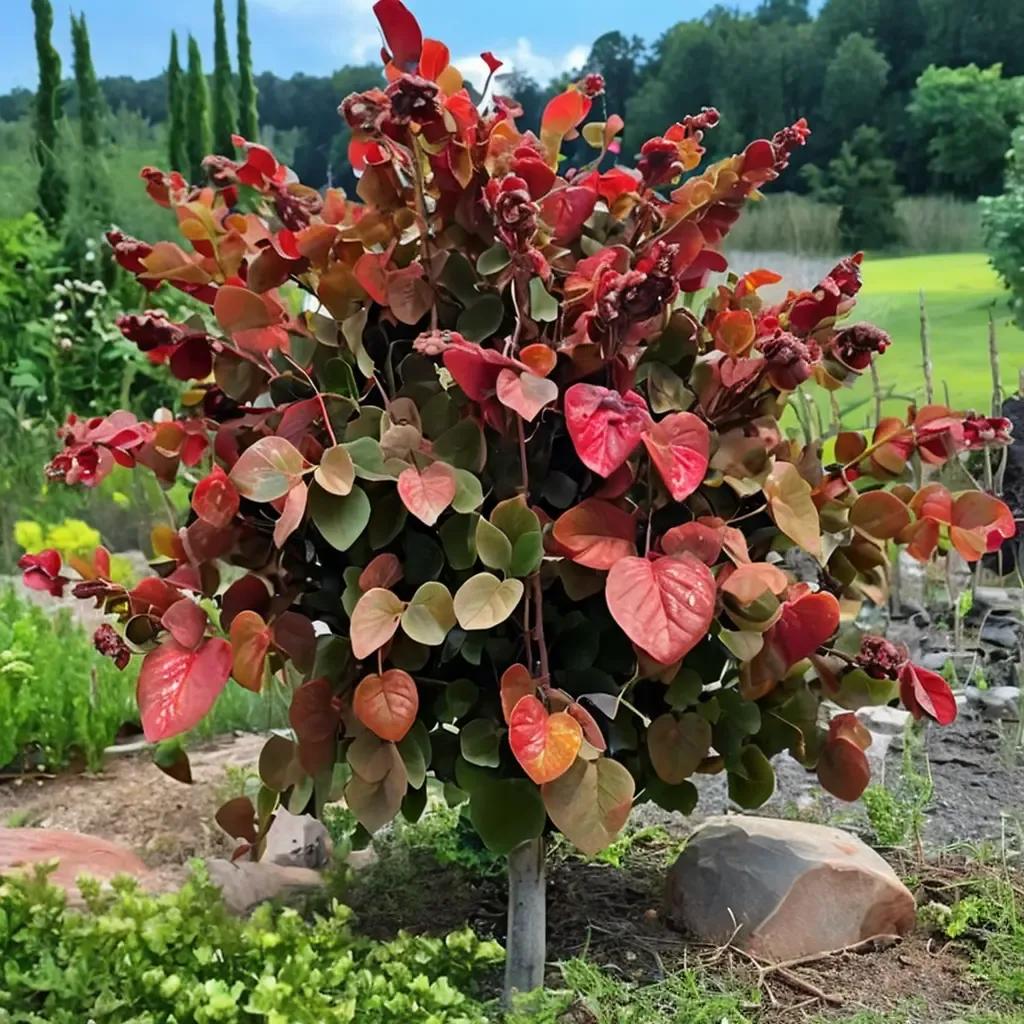 ‘Hearts A'Fire’Hearts A'Fire Redbud
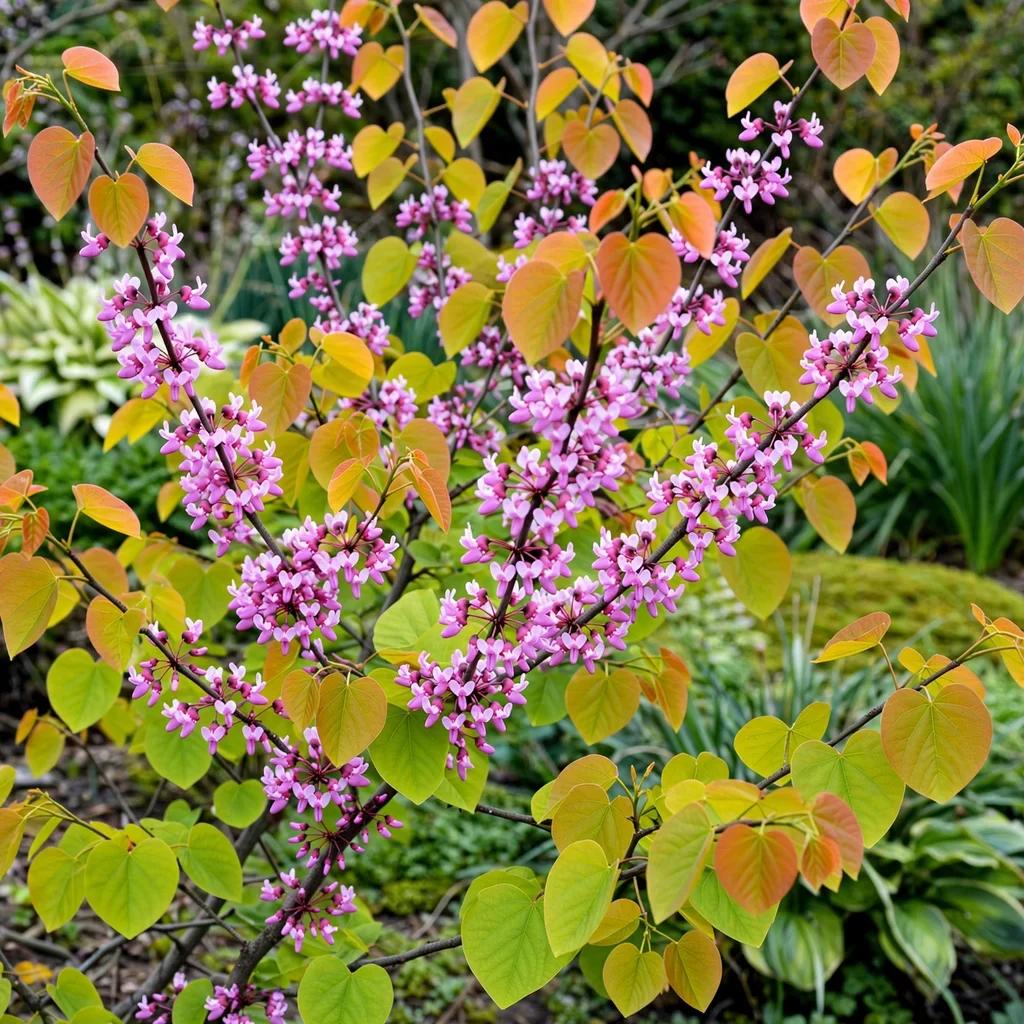 ‘Rise 'N Shine’Rise 'N Shine Eastern Redbud
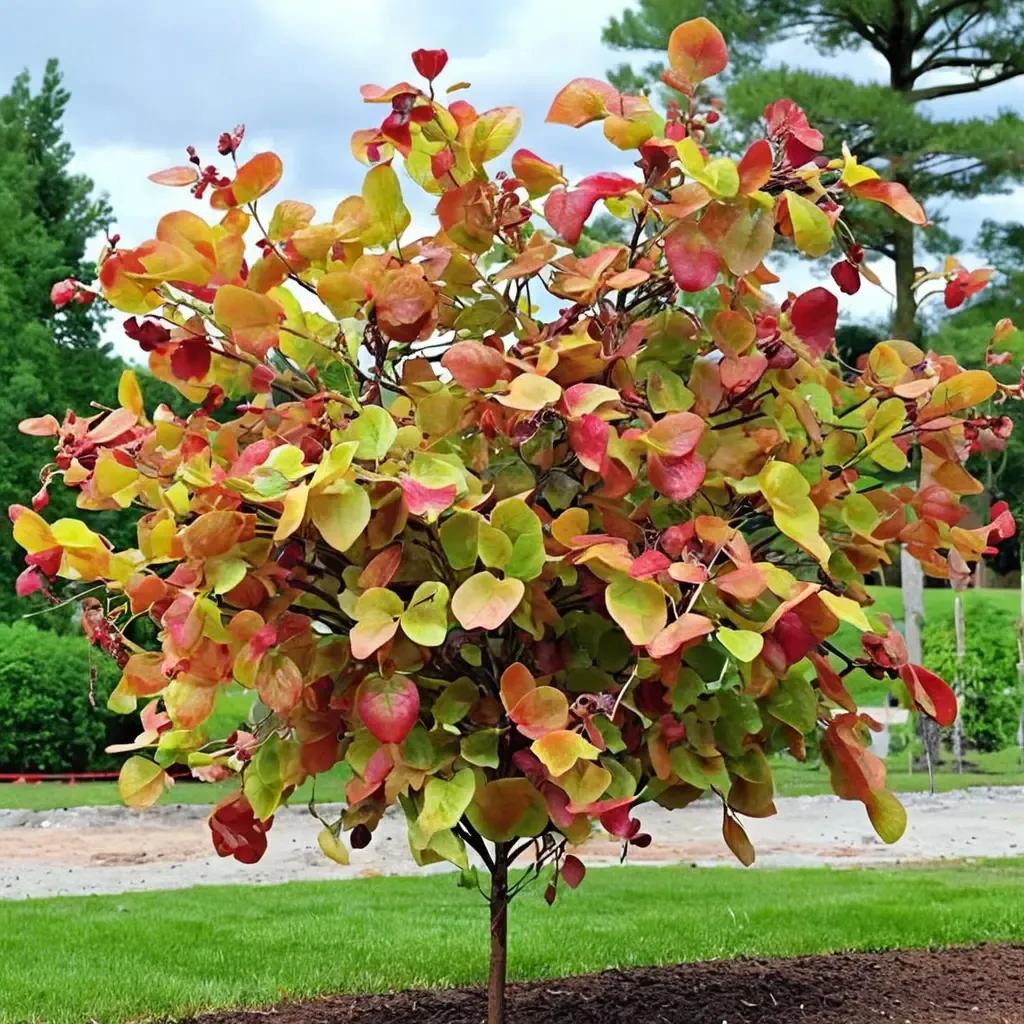 ‘Flame Thrower’Flame Thrower Redbud
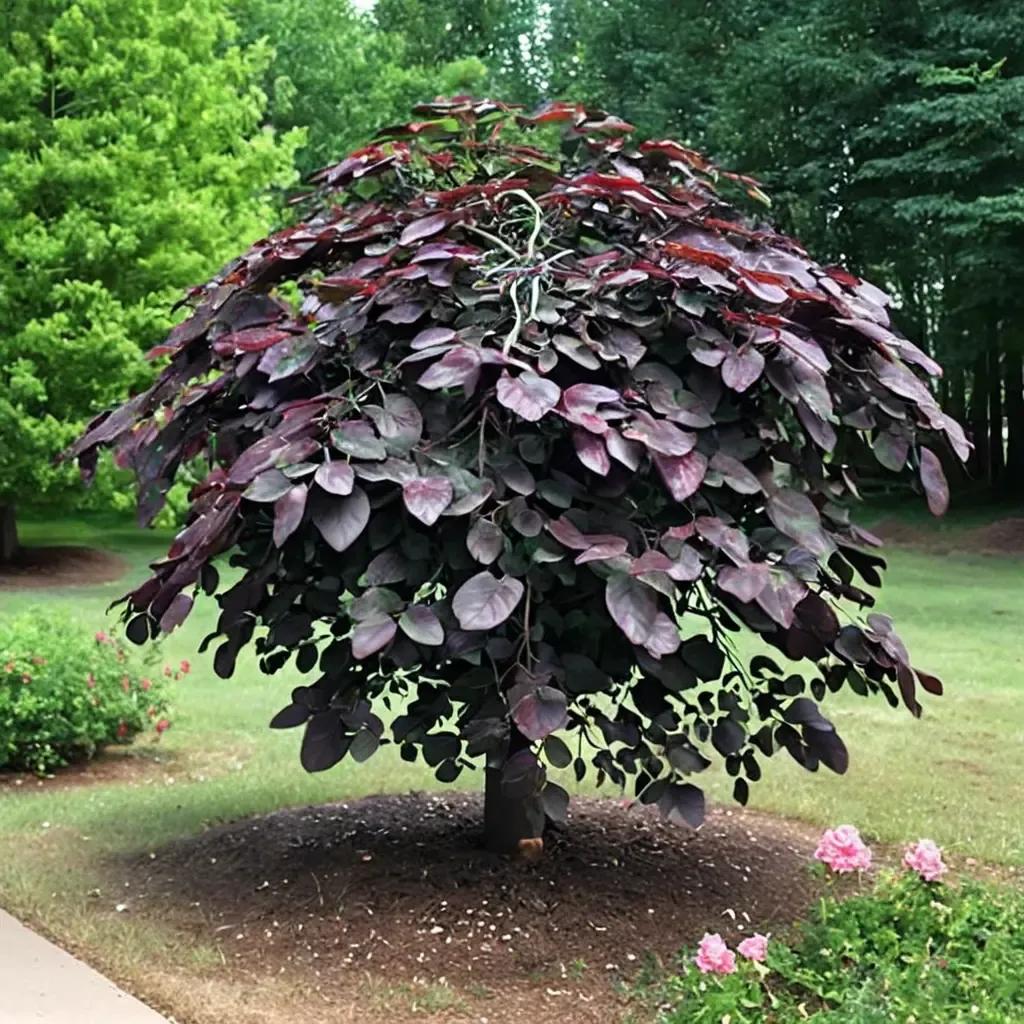 ‘Ruby Falls’Ruby Falls Redbud
 ‘Covey’Covey Lavender Twist Redbud
 ‘Appalachian Red’Appalachian Red Eastern Redbud
 ‘Midnight Express’Midnight Express Redbud
 ‘Black Pearl’Black Pearl Eastern Redbud
 ‘Vanilla Twist’Weeping White Redbud
 ‘Hearts Of Gold’Hearts of Gold Redbud
 ‘Greswan’Burgundy Hearts Redbud
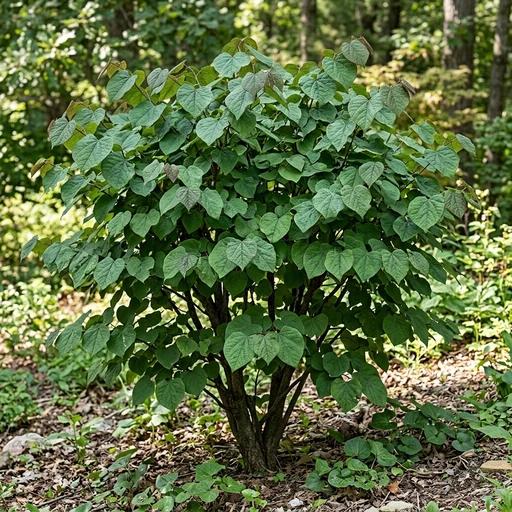 ‘Ace Of Hearts’Ace of Hearts Redbud
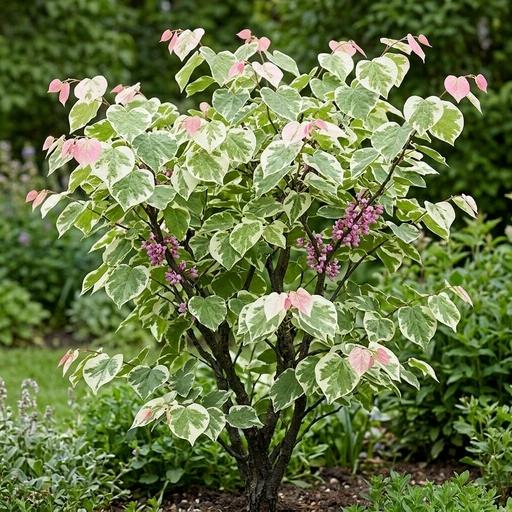 ‘Northern Lites’Northern Lites Redbud
 ‘Alba’White Redbud
 ‘Jn2’Jn2 The Rising Sun Redbud
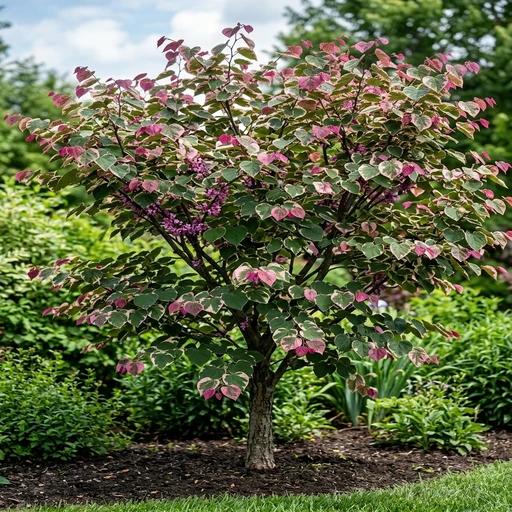 ‘Carolina Sweetheart’Carolina Sweetheart Redbud
 ‘Merlot’Merlot Redbud
 ‘Oklahoma’Oklahoma Redbud
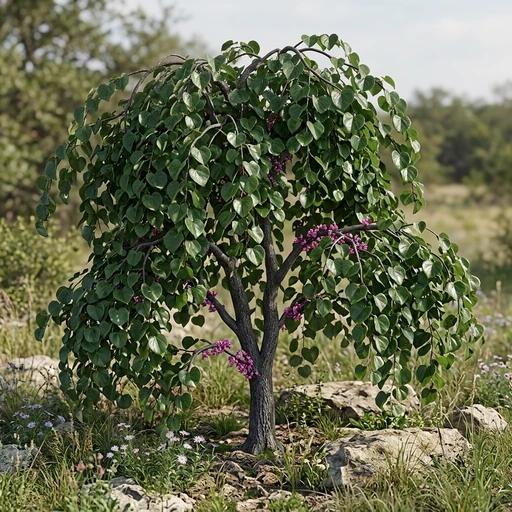 ‘Traveller’Traveller Redbud
The Story
Plant Bio
Cercis canadensis, eastern redbud, is a small deciduous tree native to eastern and central North America, usually found at woodland edges. Rosy-pink pea-shaped flowers open directly on the bare branches and even the trunk in early spring, before any leaves appear. Heart-shaped leaves follow, emerging bronze and maturing to blue-green.
Flowering on old wood is what makes it distinctive: the blossom clings to bare grey branches rather than sitting among foliage, which is why it reads so strongly against a woodland background. Flat brown seedpods hang on well into winter, and the flowers are edible, with a mild sweet-pea flavour.
Uses & Benefits:
Essentials
At a Glance
Plant Type
Tree
Height
300"
Width
360"
Light
Full Sun, Partial Sun
Zones
5, 6, 7, 8, 9
Water
Moderate
Humidity
Moderate
Lifespan
Perennial
Native To
Eastern and central North America
Toxicity
Non-toxic
Marketplace
Where to Buy
Shipping costs Year-round shipping Free shipping
Planting
How to Grow
- Plant in spring or autumn in moist, well-drained soil.
- Choose full sun to partial shade; it flowers well in both.
- Set the root ball level with the soil and stake only if exposed.
- Water regularly for the first two seasons while it establishes.
- Mulch to keep the root zone cool, clear of the trunk.
- Prune only to remove dead or crossing wood, straight after flowering.
Pro Tip
Plant it where you will see the bare branches against something dark; the spring flowers are lost against a busy background.
Keep It Thriving
Care Guide
Do
- Give it moist, well-drained soil 🌱
- Prune immediately after flowering, on old wood ✂️
- Site it against a dark backdrop for the spring display 🌸
- Water through the first two summers 💧
Don't
- Prune in late winter and cut off the flower buds ❌
- Plant in soil that stays waterlogged ❌
- Move an established tree; it resents root disturbance ❌
Seasonal Care Calendar
| Task | Jan | Feb | Mar | Apr | May | Jun | Jul | Aug | Sep | Oct | Nov | Dec |
|---|---|---|---|---|---|---|---|---|---|---|---|---|
| Prune |
Watch Out For
Pests & Diseases
Common Pests
Common Diseases
In the Garden
Landscape Uses & Companions
Landscape Uses
Multiply
Propagation Methods
Good to Know
Common Questions
Redbud questions
What zones can Redbud grow in?
Redbud is hardy in USDA Zones 5–9. Inside that range it survives winter in the ground; outside it, grow it as an annual or a container plant you protect.
Is Redbud deer resistant?
Yes — Redbud is rated deer-resistant. Deer typically pass it over, though extreme hunger can override any plant's defenses.
When does Redbud bloom?
Redbud typically blooms in early spring through mid-spring. Exact timing shifts a week or two with your zone — Sow's bloom calendar maps it to your garden.
Does Redbud need full sun?
Redbud does best in full sun to part shade. In hot climates, afternoon shade keeps blooms fresher longer.
Is Redbud drought tolerant?
Yes — once established (usually after the first full season), Redbud handles dry spells with minimal watering. Water deeply its first year to build the root system that makes that possible.
More Cercis to compare
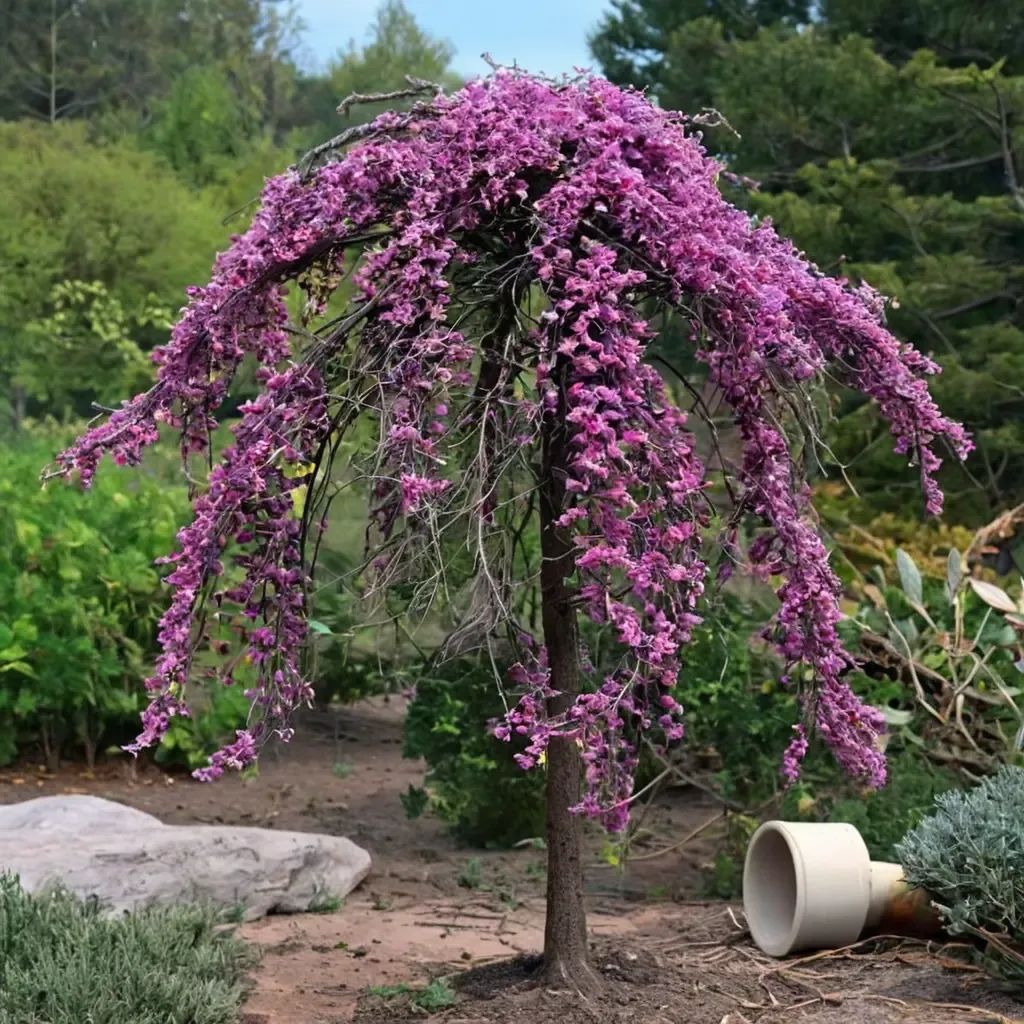
Lavender Twist Redbud
Cercis canadensis 'Lavender Twist'
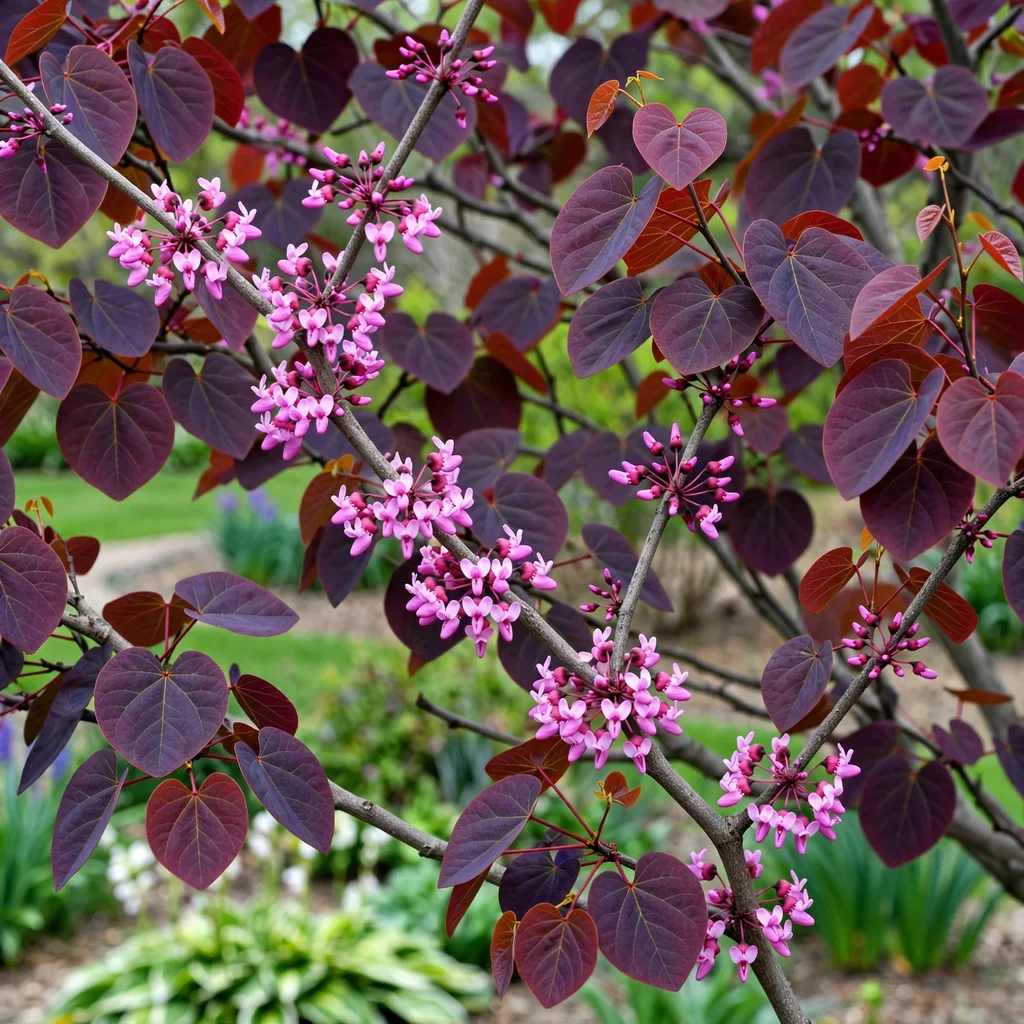
Eastern Redbud Forest Pansy
Cercis canadensis 'Forest Pansy'
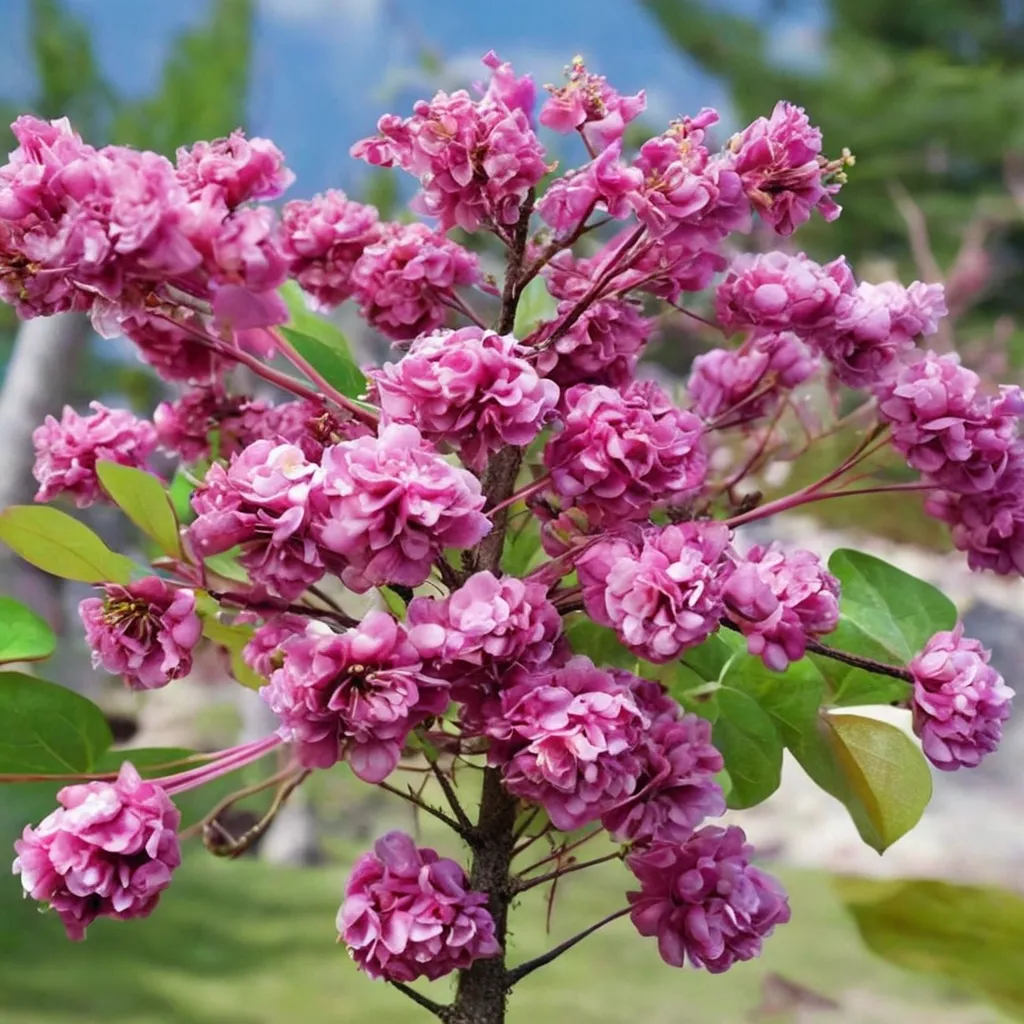
Eastern Redbud Pink Pom Poms
Cercis canadensis 'Pink Pom Poms'
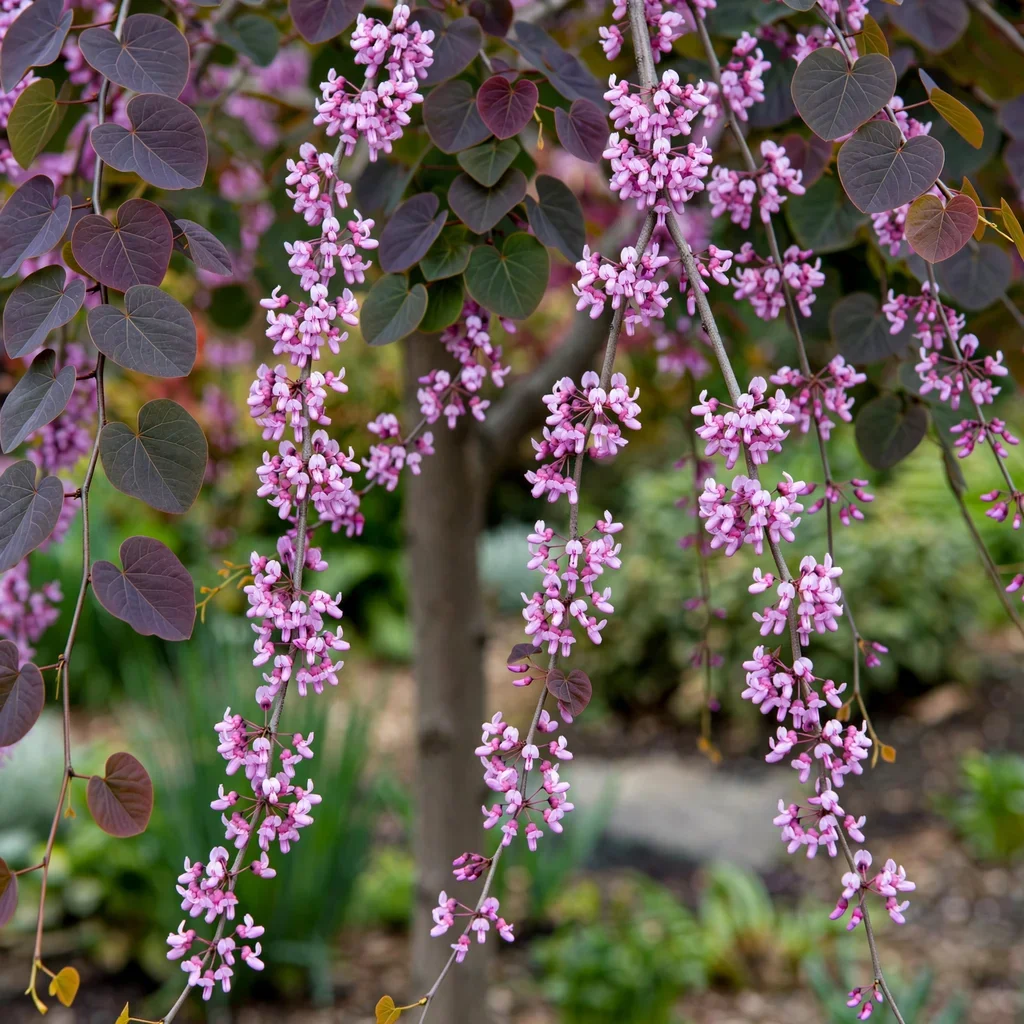
Amethyst Mist Weeping Redbud
Cercis canadensis 'Amethyst'
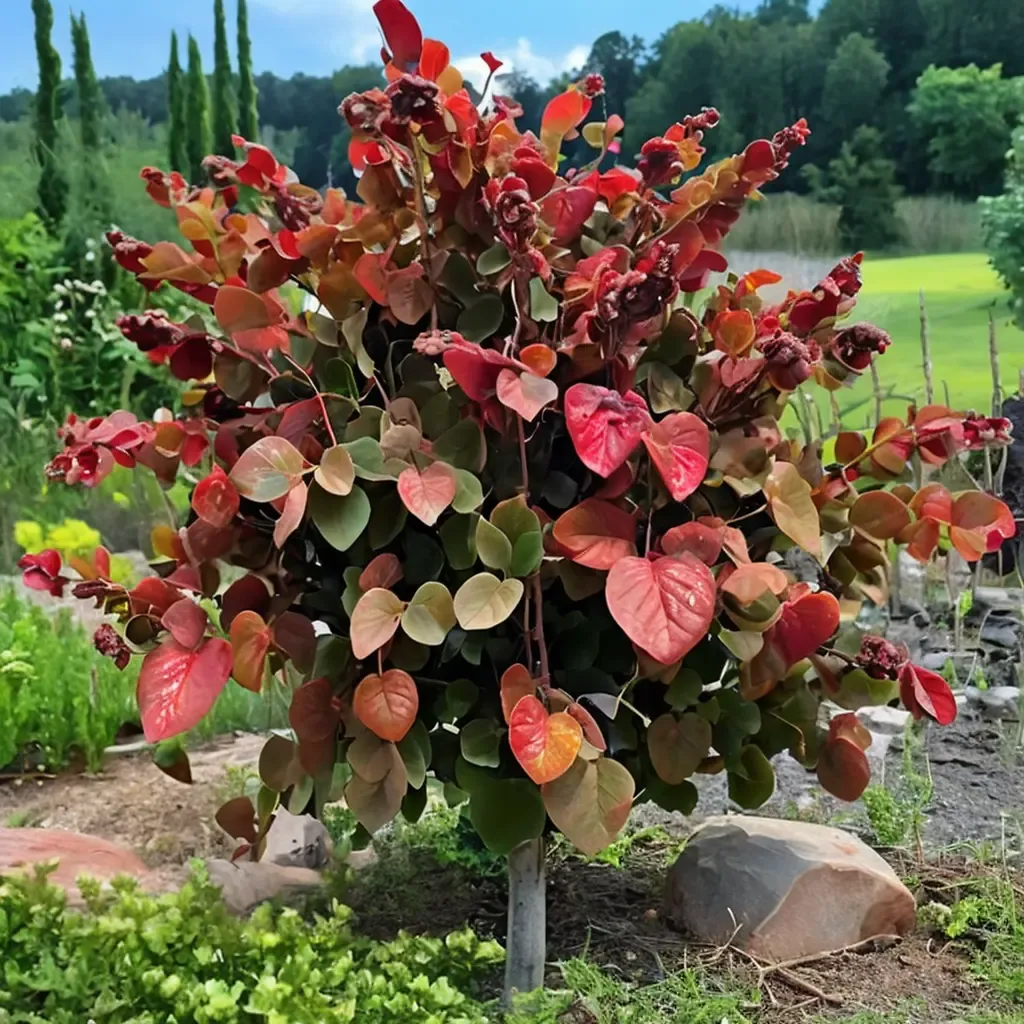
Hearts A'Fire Redbud
Cercis canadensis 'Hearts A'Fire'
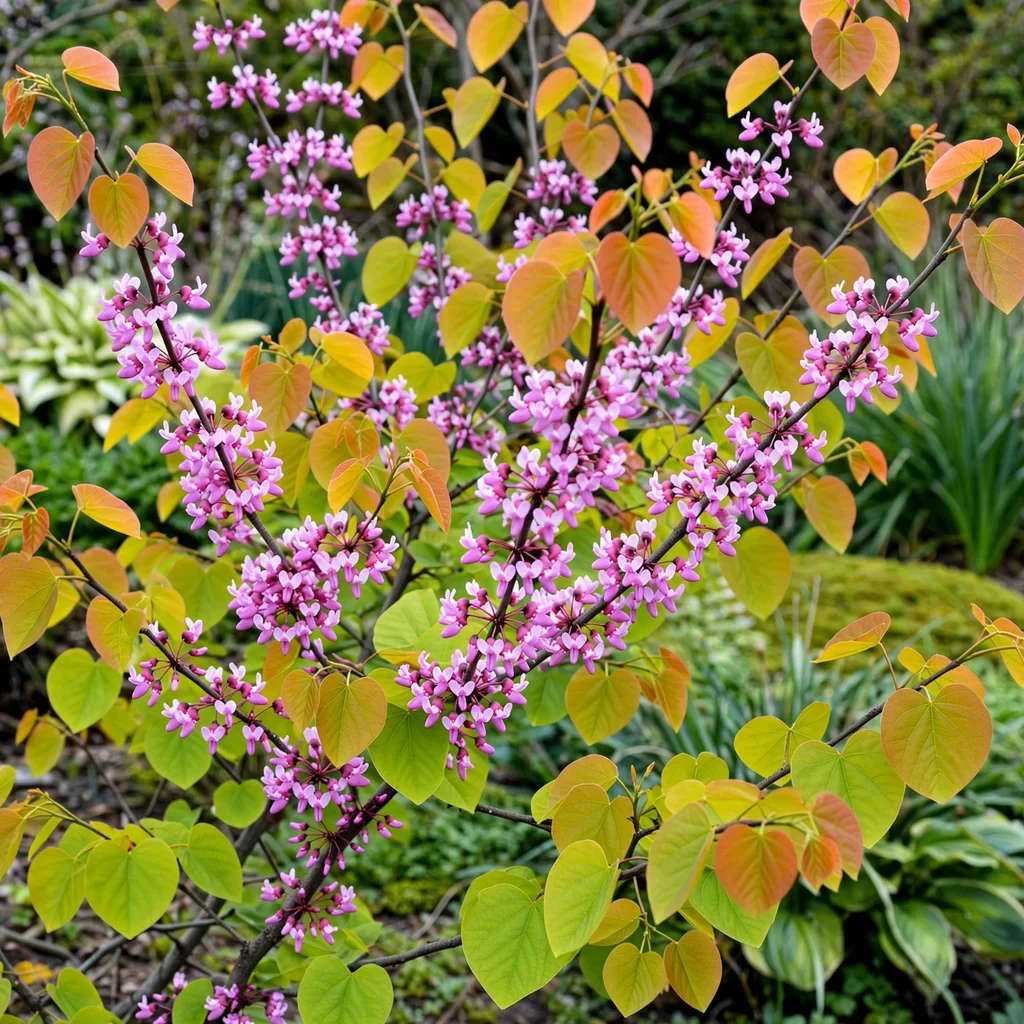
Rise 'N Shine Eastern Redbud
Cercis canadensis 'Rise 'N Shine'
Keep exploring
Explore the genus
Hardy in your zone?
Grow Redbud with confidence
See it in a design of your actual yard, get zone-matched care reminders, and track it season by season in your garden journal.