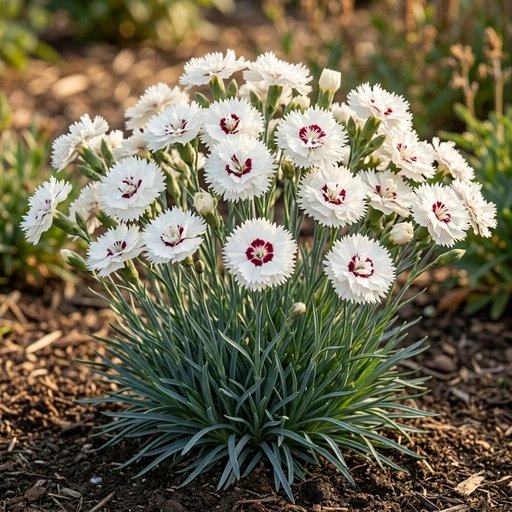
Garden hybrid
 Dianthus x hybridaGarden Pinks
22 other cultivars
 ‘Paint the Town Magenta’Paint the Town Magenta Pinks
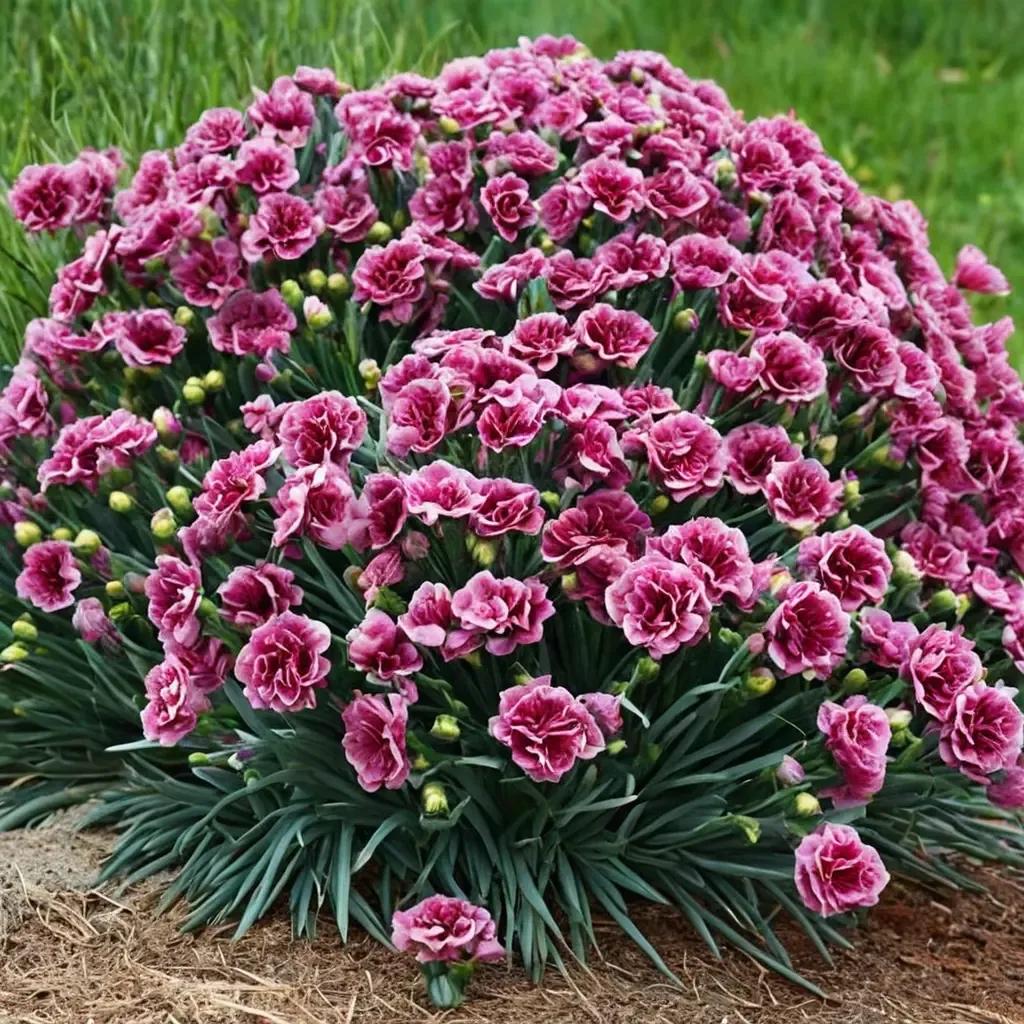 ‘Cherry Vanilla’Cherry Vanilla Dianthus
 ‘Passion’Passion Garden Pinks
 ‘Greystone’Greystone Dianthus
 ‘Spiked Punch’Spiked Punch Garden Pink Dianthus
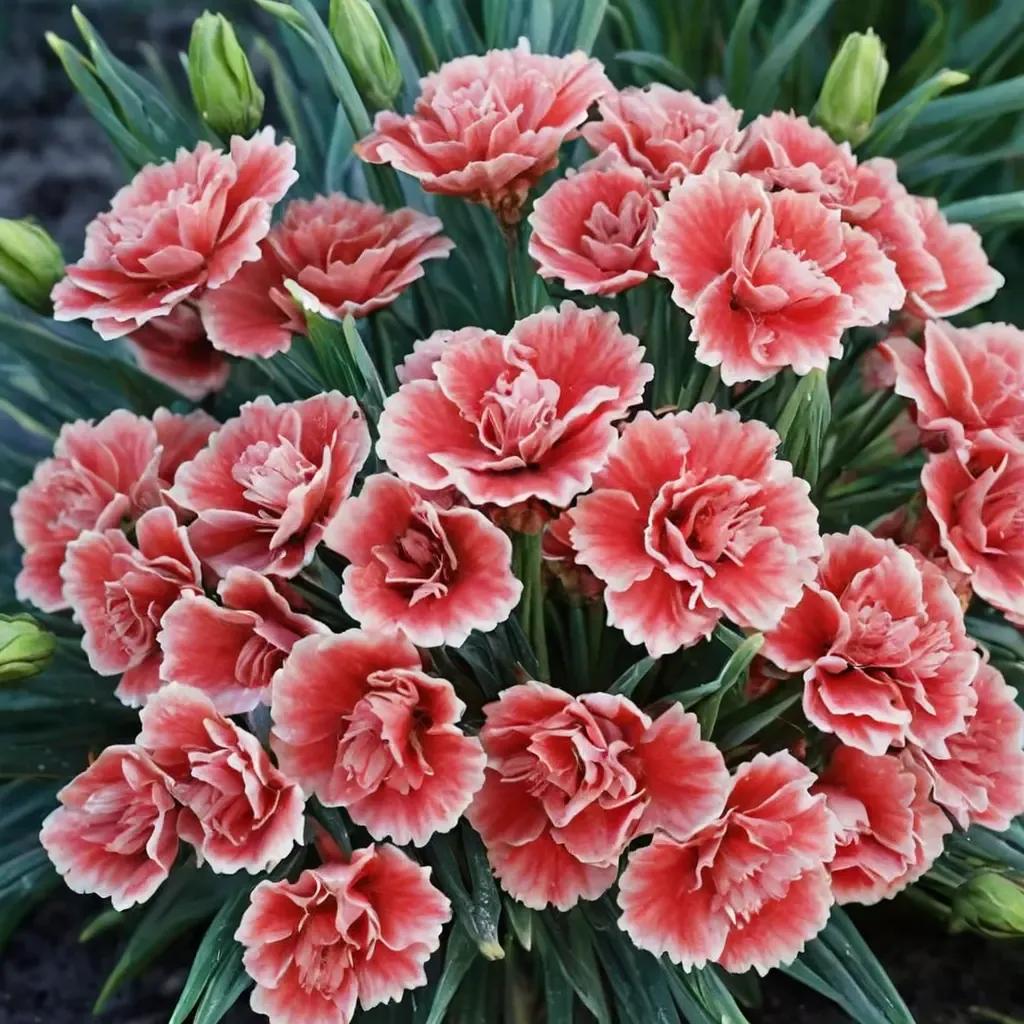 ‘Coral Reef’Coral Reef Dianthus
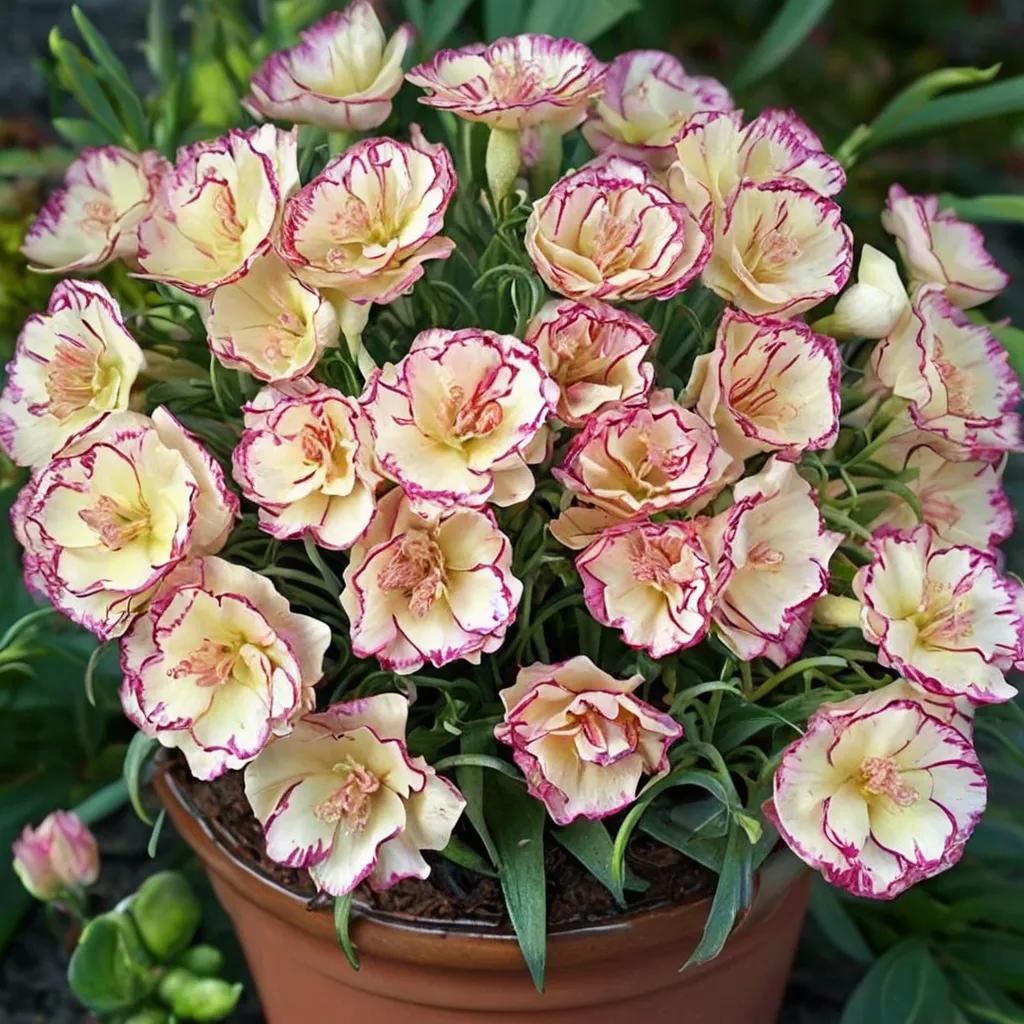 ‘Grace Bay’Dianthus Grace Bay
 ‘Black Cherry Frost’Dianthus Black Cherry Frost
 ‘Kahori’Pink
 ‘Raspberry Swirl’Raspberry Swirl Pinks
 ‘Cranberry Cocktail’Cranberry Cocktail Dianthus
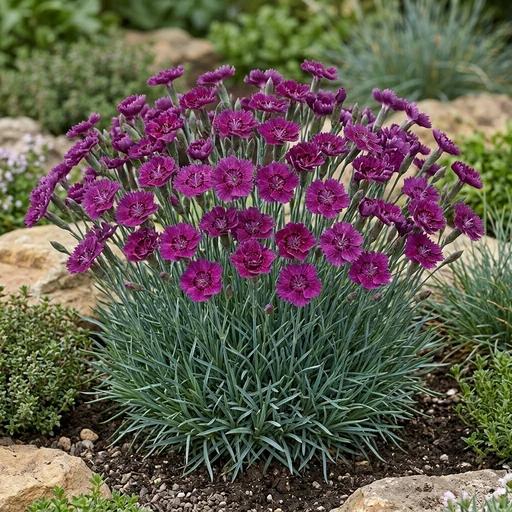 ‘Plum Glory’EverBloom Plum Glory Pinks
 ‘Sweetie Pie’Sweetie Pie Dianthus
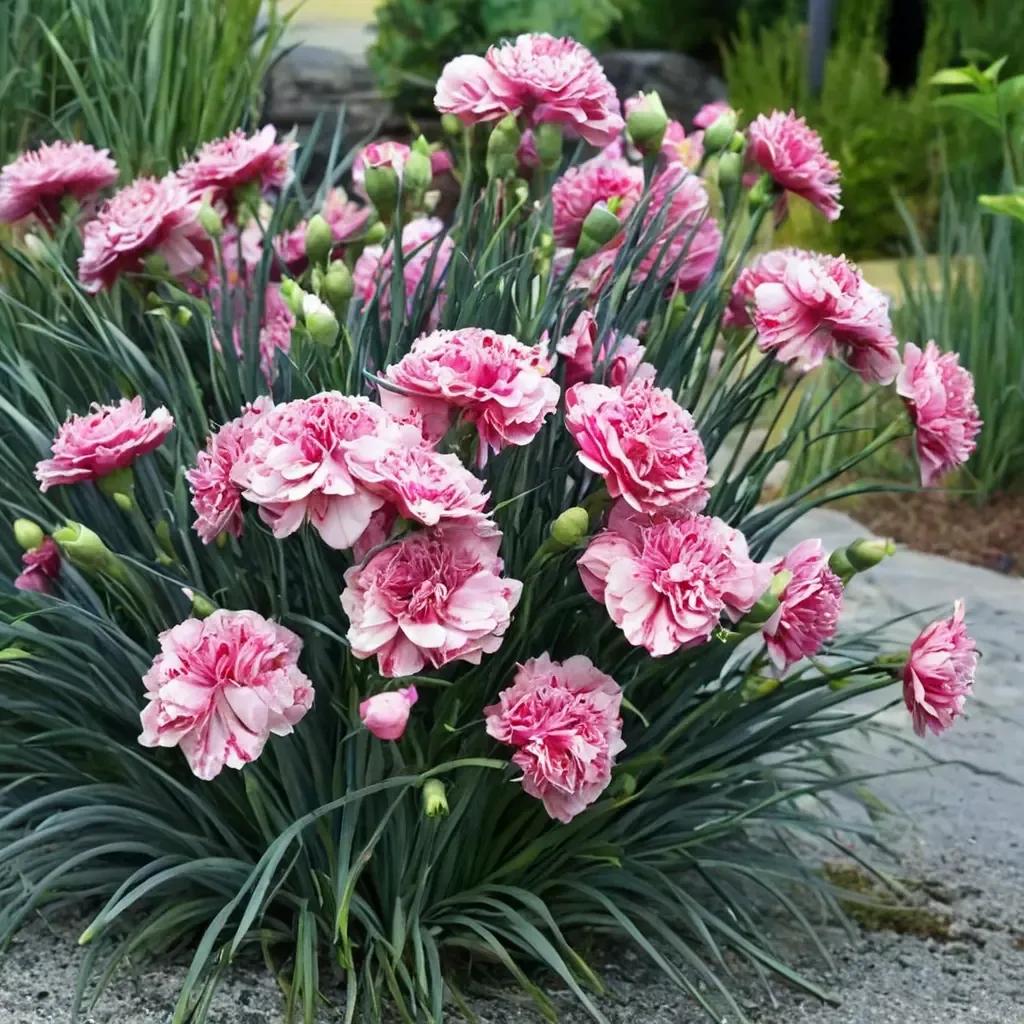 ‘Pinball Wizard’Pinball Wizard Pinks
 ‘Frosty’Frosty Dianthus
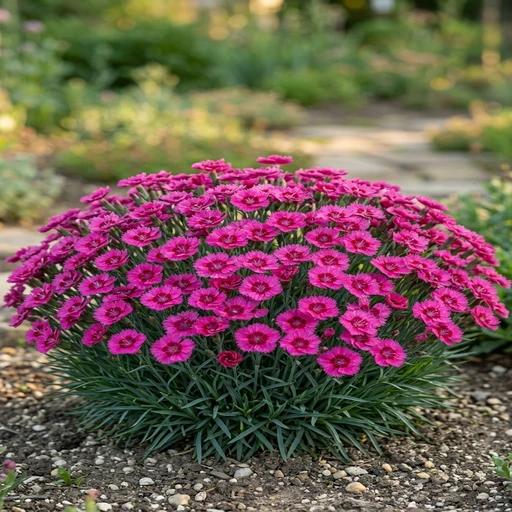 ‘Paint The Town Fancy’Dianthus Paint the Town Fancy
 ‘Raspberry Surprise’Scent First Raspberry Surprise Pinks
 ‘Luminitzeri’Lumnitzer's Pink
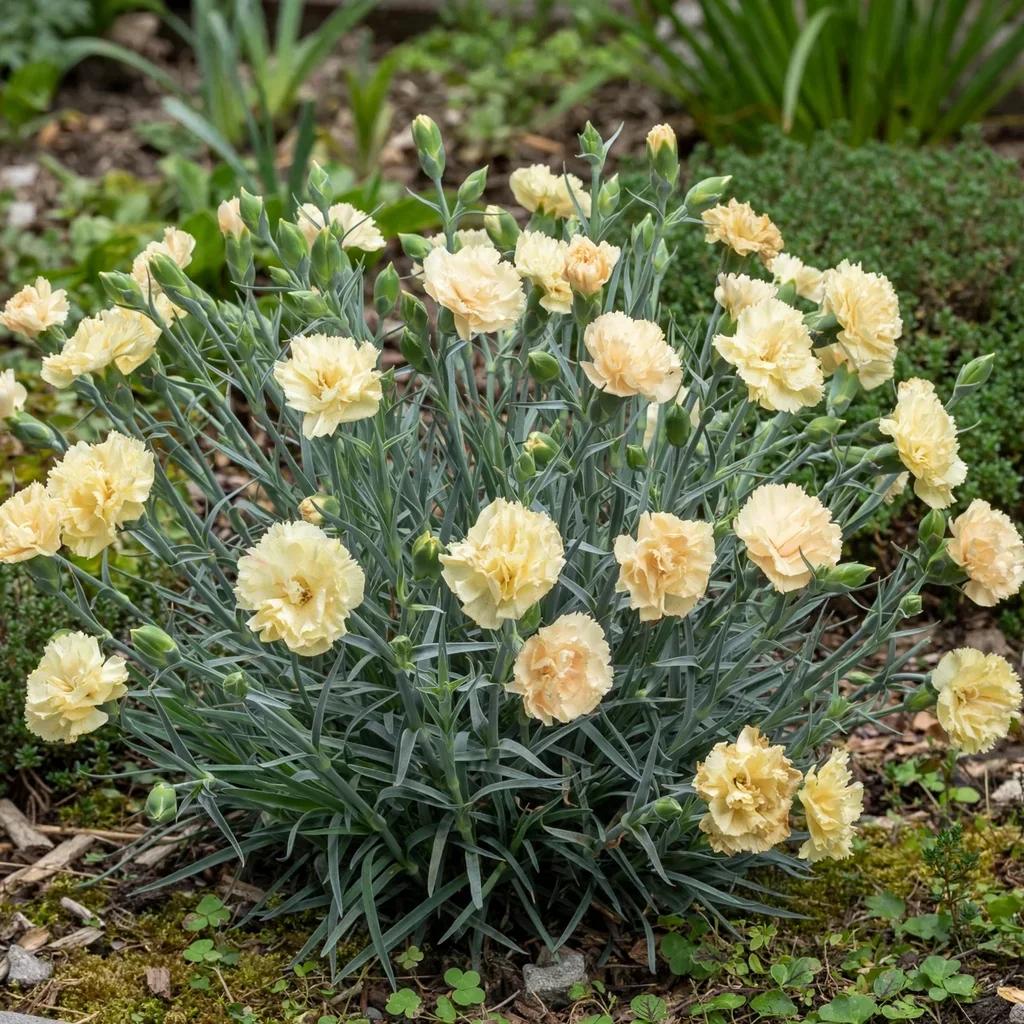 ‘Hello Yellow’Hello Yellow Dianthus
 ‘Key Lime Pie’Key Lime Pie Dianthus
 ‘Romance’Scent First Romance Pinks
 ‘Paint the Town Fuchsia’Paint the Town Fuchsia Dianthus
The Story
Plant Bio
Dianthus, commonly known as 'Pinks', are cherished for their mounding, grass-like blue-green foliage and abundant, often fragrant, carnation-like flowers.
'Coconut Surprise' is part of the Scent First series, noted for its strong spicy fragrance, compact habit, and striking pure white double flowers with a deep raspberry-red eye.
Uses & Benefits:
Essentials
At a Glance
Plant Type
Perennial
Height
10"
Width
10"
Light
Full Sun
Zones
5, 6, 7, 8, 9
Water
Low to moderate
Humidity
Low to moderate
Lifespan
Short-lived perennial
Native To
Hybrid
Toxicity
Mildly toxic if ingested
Bloom period
Late spring – Mid-summer
In flower about 3 months of the year
Planting
How to Grow
- Select a site with at least 6 hours of full sun.
- Amend soil to ensure excellent drainage, adding grit if necessary.
- Dig a hole as deep and twice as wide as the pot.
- Set the plant so the crown is slightly above soil level.
- Backfill with soil and water in well.
- Apply a thin layer of gravel mulch to keep the crown dry.
Pro Tip
Ensure sharp drainage and avoid heavy mulch around the crown to prevent rot, especially in winter.
Keep It Thriving
Care Guide
Do
- Provide excellent drainage; they hate wet feet.
- Plant in full sun for the best flower production.
- Deadhead spent blooms to promote continuous flowering.
- Amend soil to be neutral or slightly alkaline.
Don't
- Do not overwater or plant in soggy soil.
- Avoid applying thick organic mulch directly against the plant's crown.
- Don't plant in deep shade, which leads to sparse flowering.
- Avoid high-nitrogen fertilizers, which promote foliage over flowers.
Seasonal Care Calendar
| Task | Jan | Feb | Mar | Apr | May | Jun | Jul | Aug | Sep | Oct | Nov | Dec |
|---|---|---|---|---|---|---|---|---|---|---|---|---|
| Deadhead | ||||||||||||
| Fertilize | ||||||||||||
| Plant | ||||||||||||
| Spring Cleanup |
Watch Out For
Pests & Diseases
Common Pests
Common Diseases
In the Garden
Landscape Uses & Companions
Landscape Uses
Multiply
Propagation Methods
Good to Know
Common Questions
Scent First Coconut Surprise Pinks questions
What zones can Scent First Coconut Surprise Pinks grow in?
Scent First Coconut Surprise Pinks is hardy in USDA Zones 5–9. Inside that range it survives winter in the ground; outside it, grow it as an annual or a container plant you protect.
Is Scent First Coconut Surprise Pinks deer resistant?
Yes — Scent First Coconut Surprise Pinks is rated deer-resistant. Deer typically pass it over, though extreme hunger can override any plant's defenses.
When does Scent First Coconut Surprise Pinks bloom?
Scent First Coconut Surprise Pinks typically blooms in late spring through mid-summer. Exact timing shifts a week or two with your zone — Sow's bloom calendar maps it to your garden.
Does Scent First Coconut Surprise Pinks need full sun?
Scent First Coconut Surprise Pinks does best in full sun (6+ hours).
Is Scent First Coconut Surprise Pinks drought tolerant?
Yes — once established (usually after the first full season), Scent First Coconut Surprise Pinks handles dry spells with minimal watering. Water deeply its first year to build the root system that makes that possible.
More Dianthus to compare
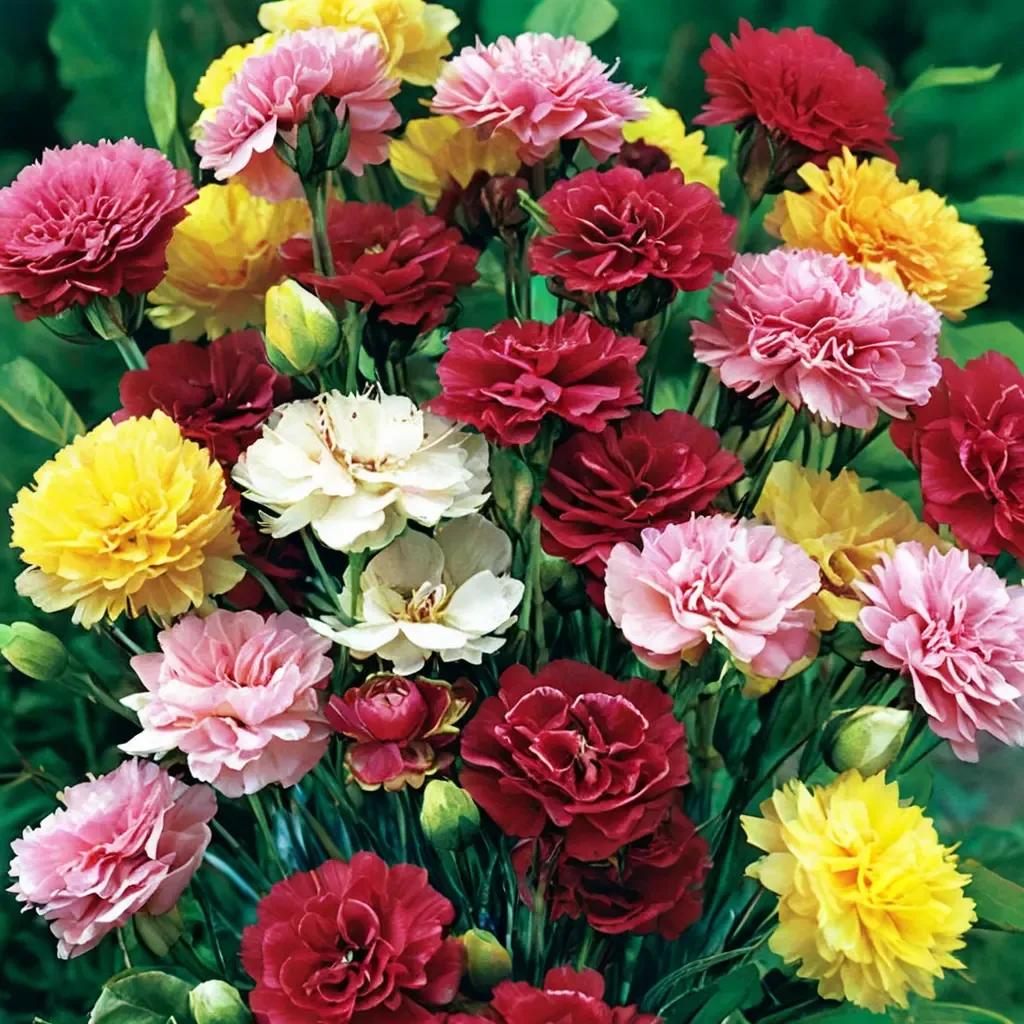
Hardy Carnation
Dianthus caryophyllus 'Hardy Mixed'
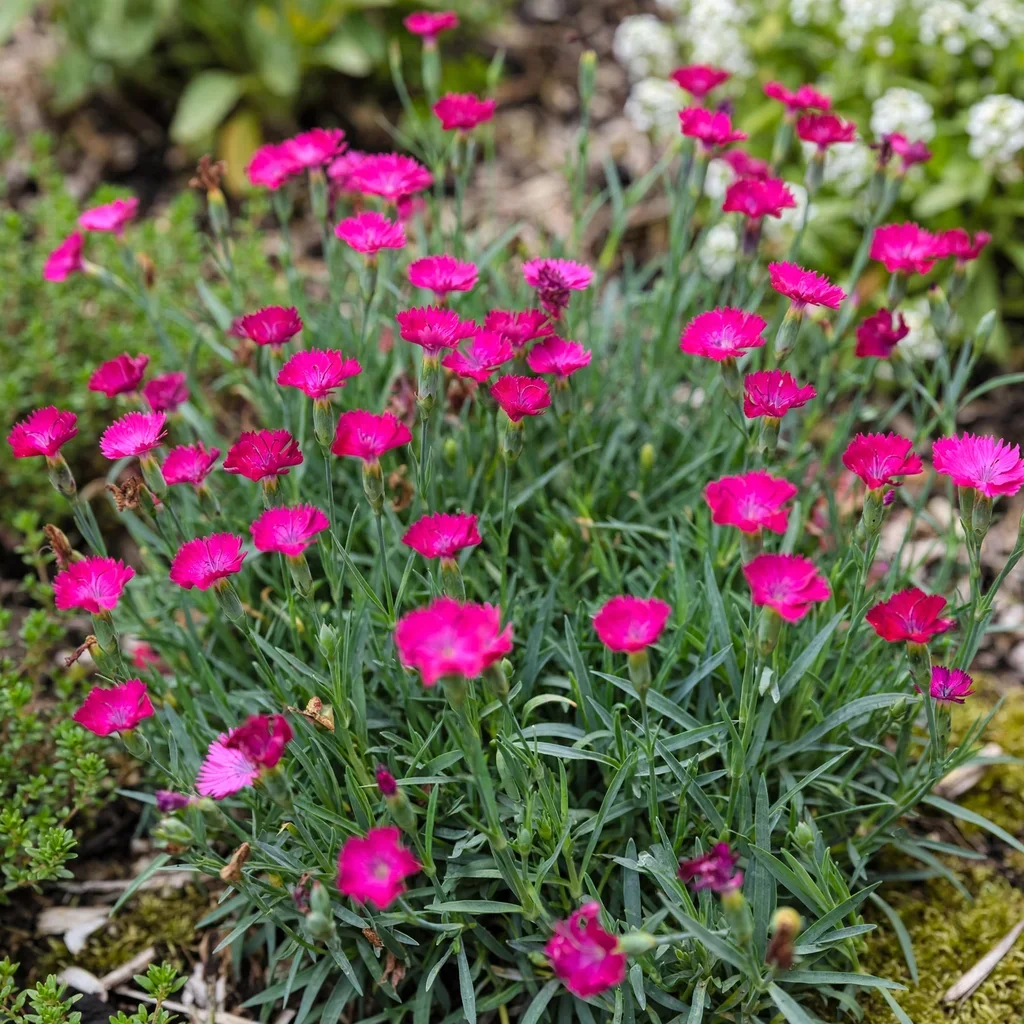
Paint the Town Magenta Pinks
Dianthus x hybrida 'Paint the Town Magenta'
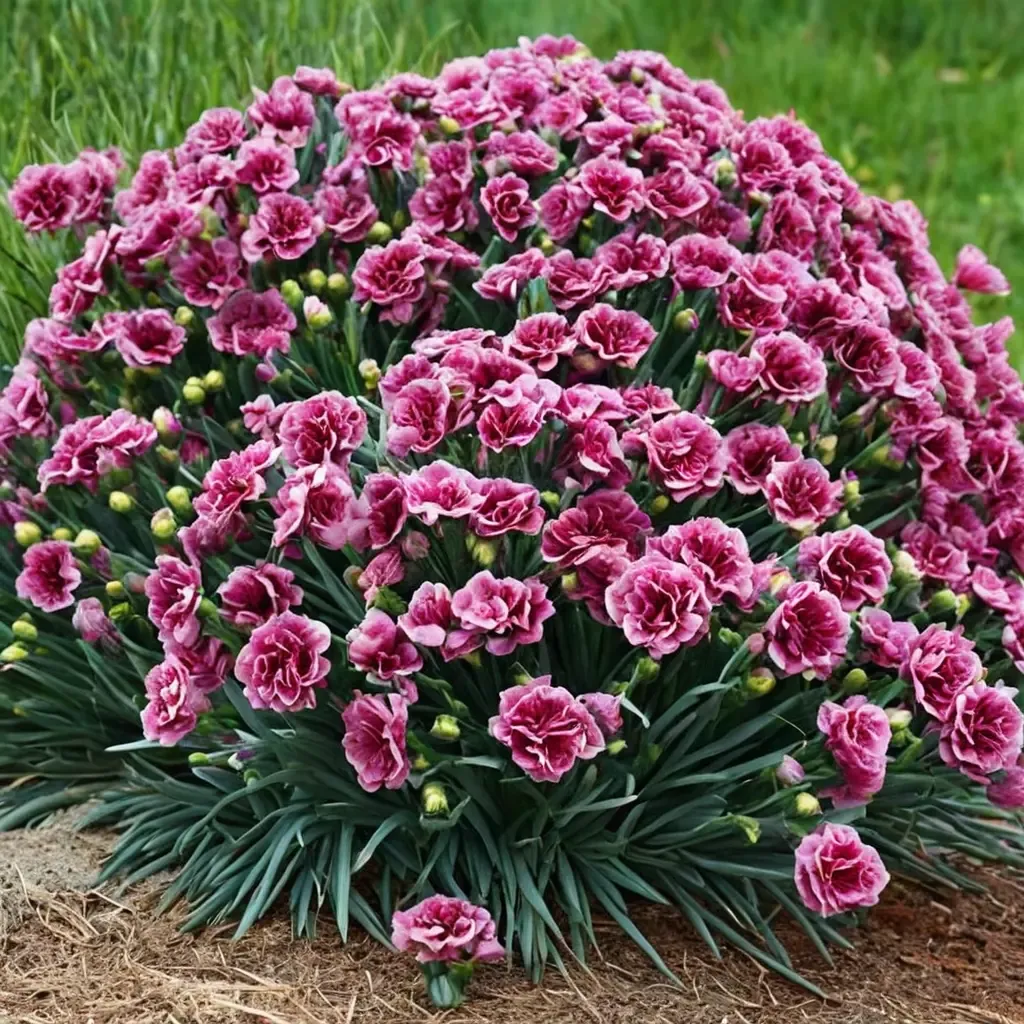
Cherry Vanilla Dianthus
Dianthus x hybrida 'Cherry Vanilla'
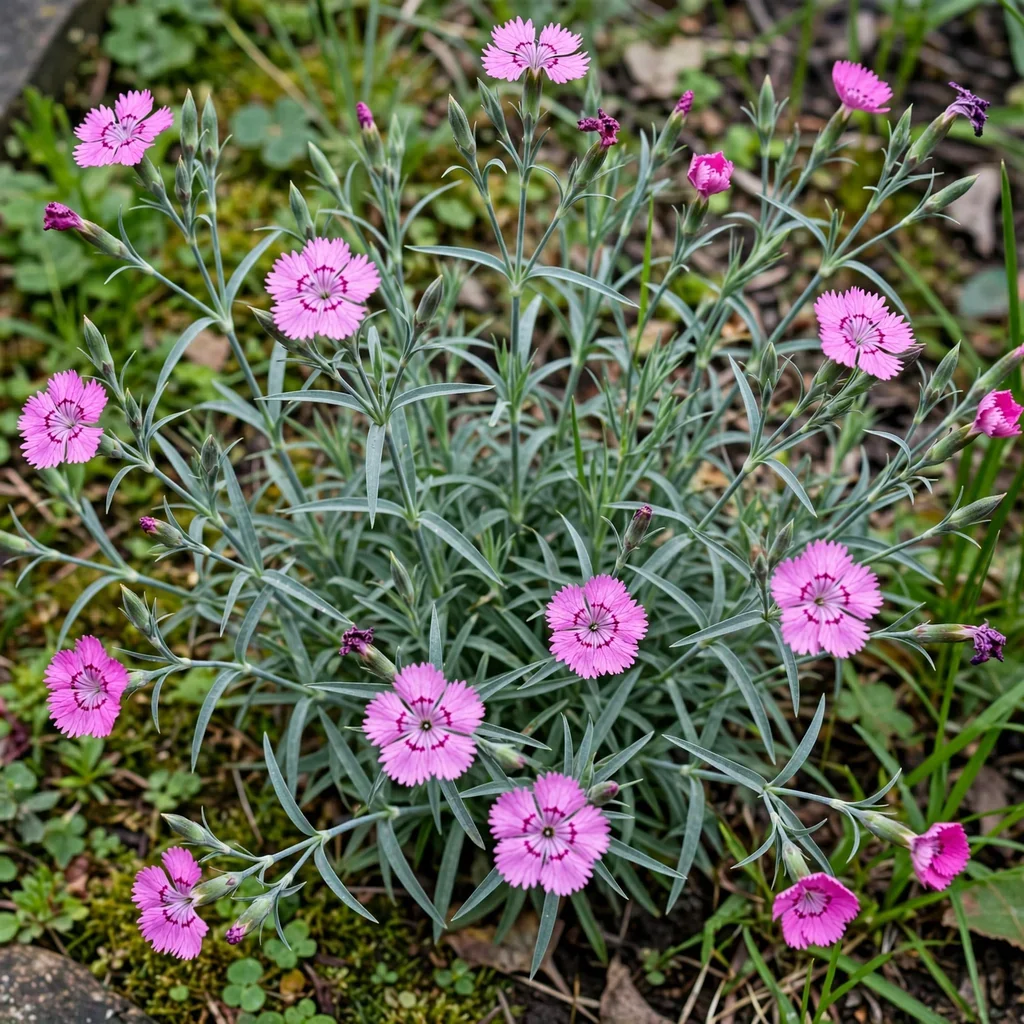
Maiden Pink
Dianthus deltoides
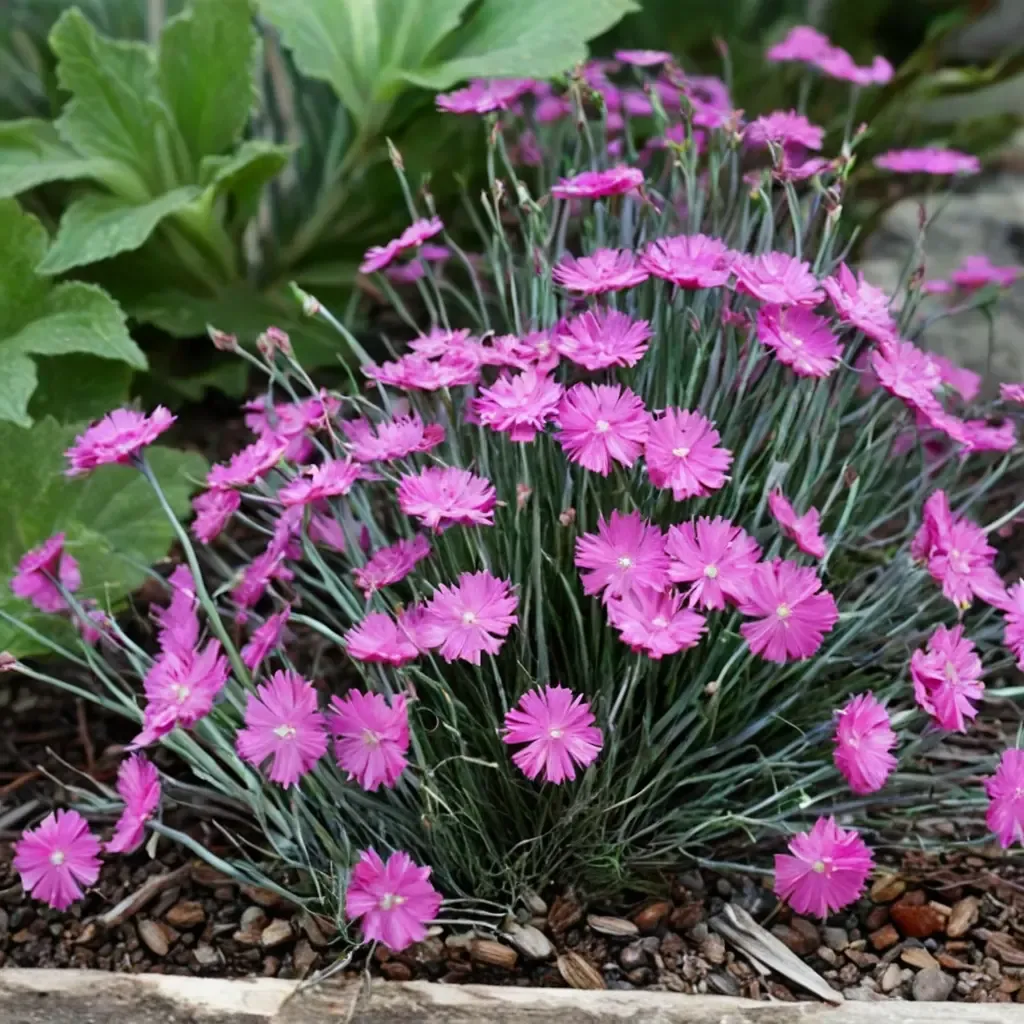
Cheddar Pinks Firewitch
Dianthus gratianopolitanus 'Firewitch'
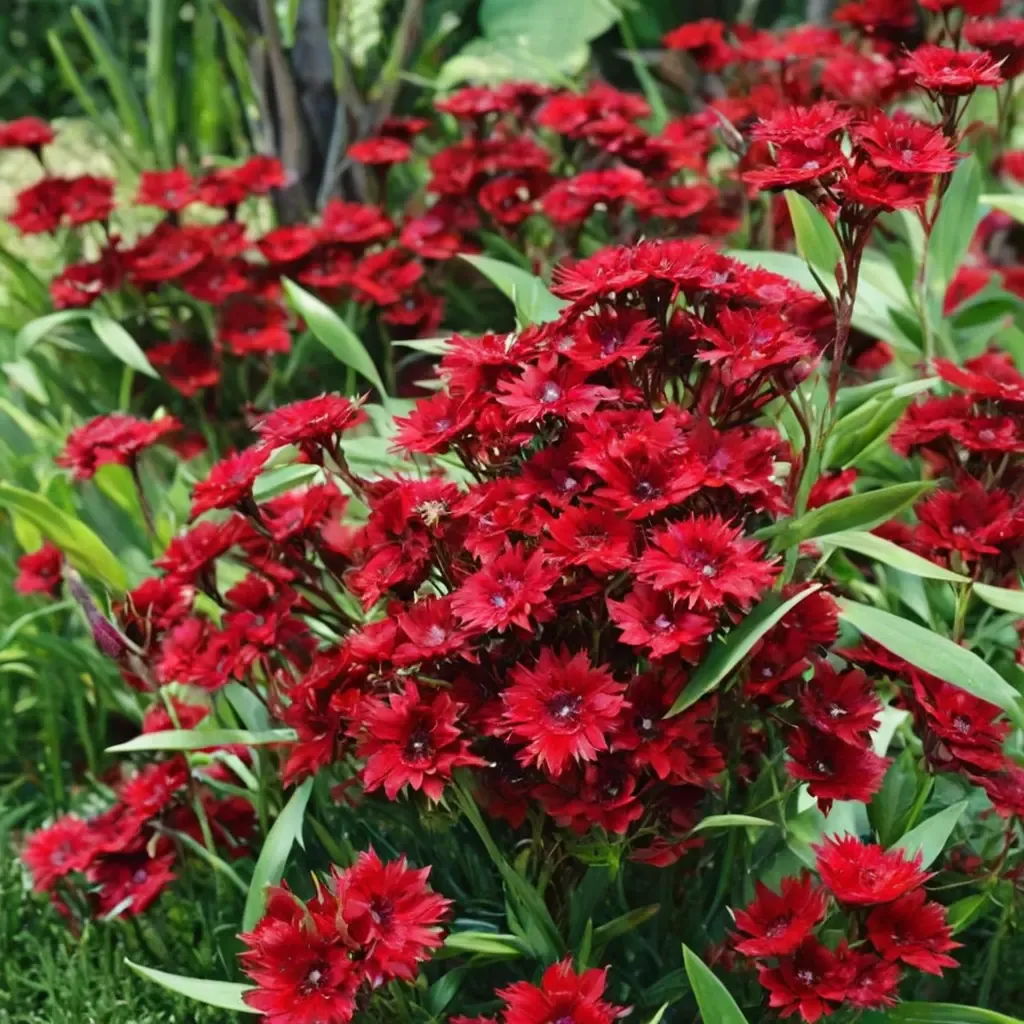
Chinese Pink Rockin' Red Dianthus
Dianthus chinensis 'Rockin' Red'
Keep exploring
Explore the genus
Hardy in your zone?
Grow Scent First Coconut Surprise Pinks with confidence
See it in a design of your actual yard, get zone-matched care reminders, and track it season by season in your garden journal.