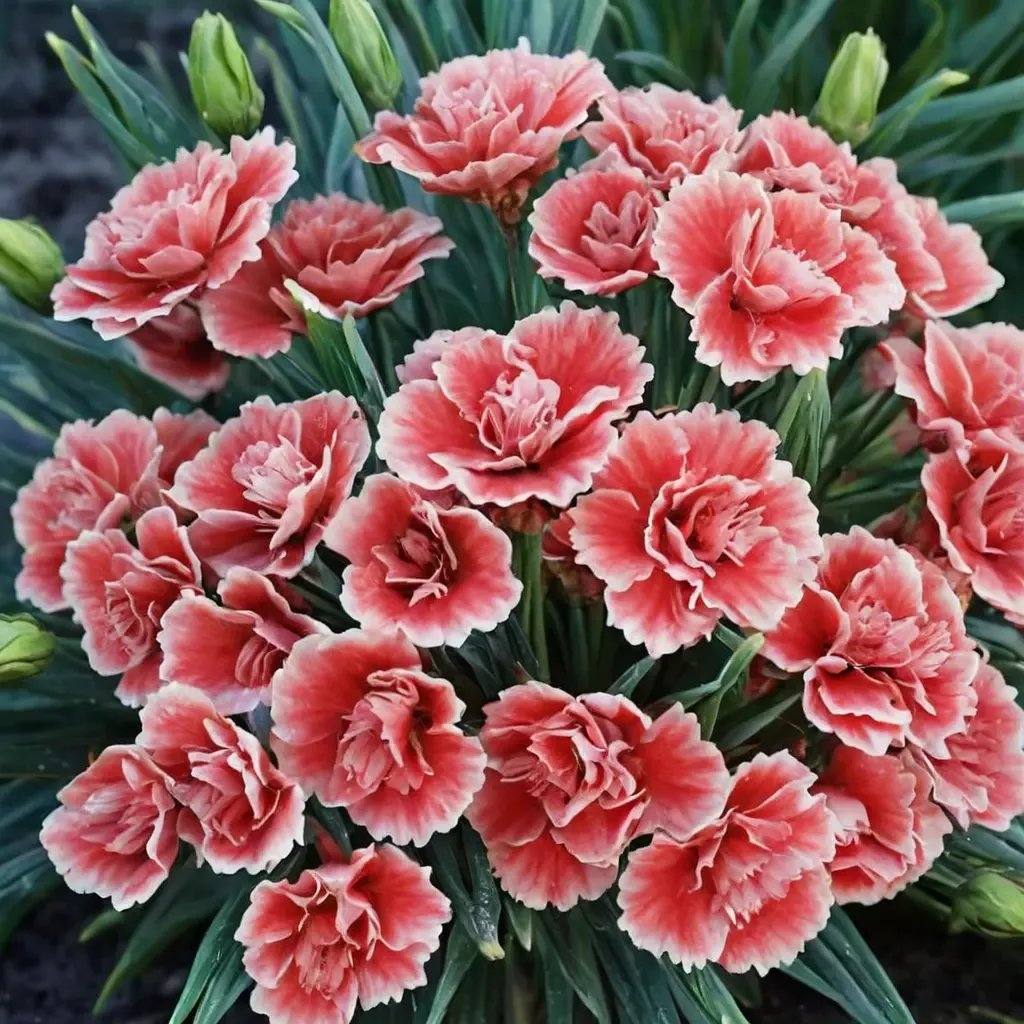
Garden hybrid
 Dianthus x hybridaGarden Pinks
22 other cultivars
 ‘Paint the Town Magenta’Paint the Town Magenta Pinks
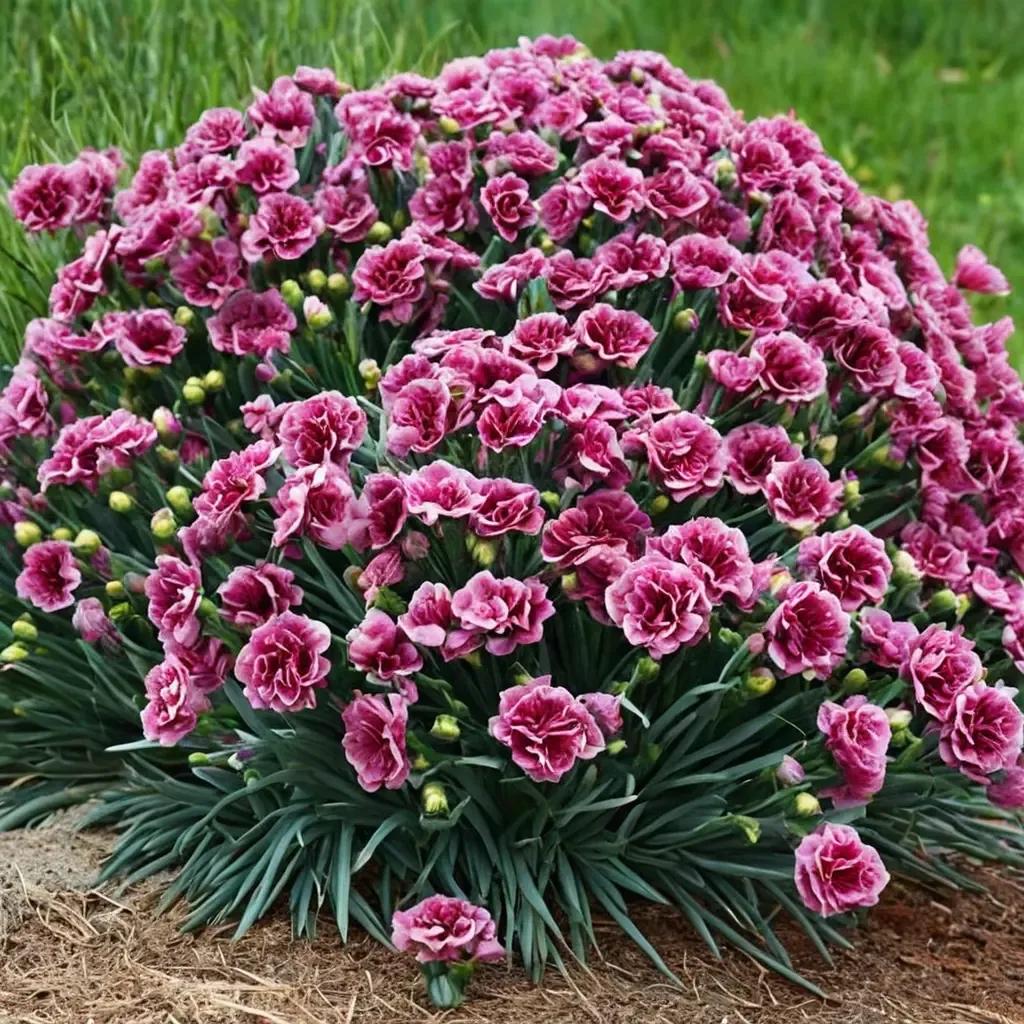 ‘Cherry Vanilla’Cherry Vanilla Dianthus
 ‘Passion’Passion Garden Pinks
 ‘Greystone’Greystone Dianthus
 ‘Spiked Punch’Spiked Punch Garden Pink Dianthus
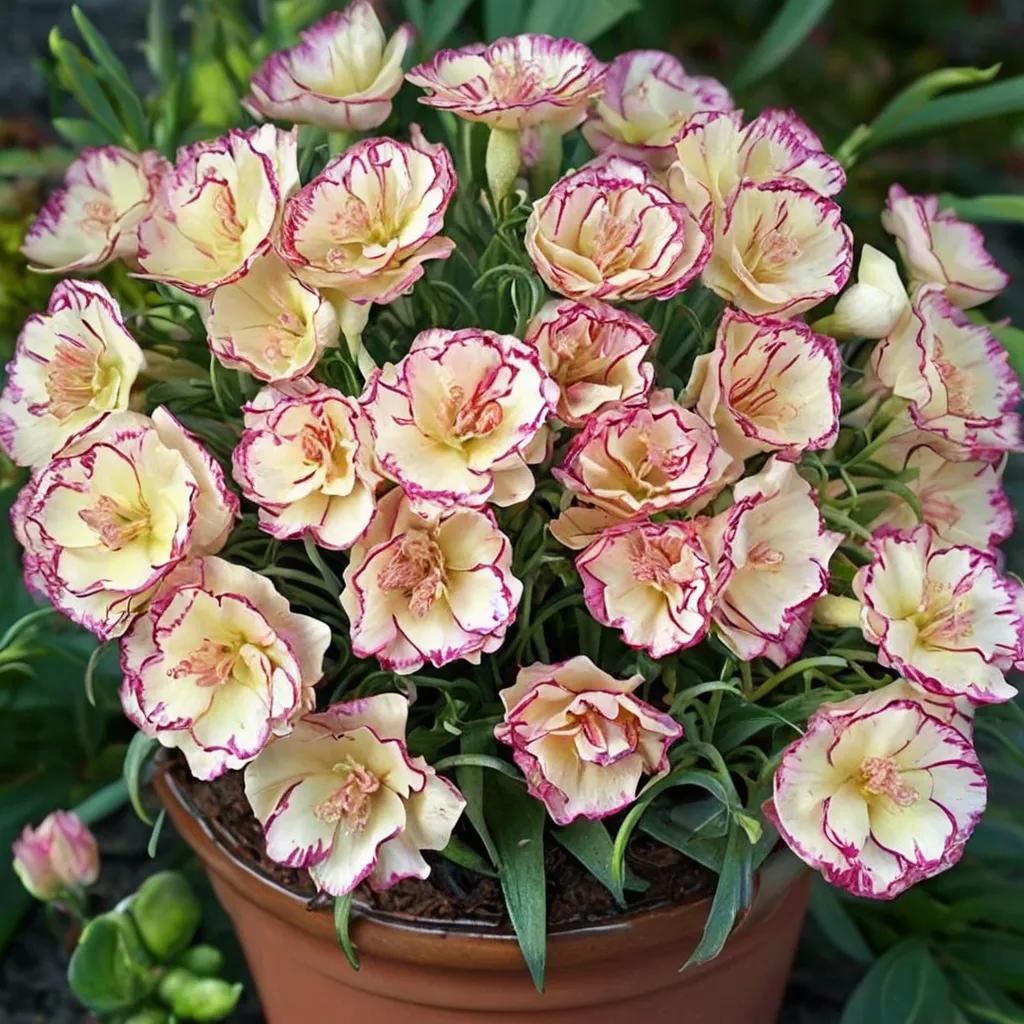 ‘Grace Bay’Dianthus Grace Bay
 ‘Black Cherry Frost’Dianthus Black Cherry Frost
 ‘Kahori’Pink
 ‘Raspberry Swirl’Raspberry Swirl Pinks
 ‘Cranberry Cocktail’Cranberry Cocktail Dianthus
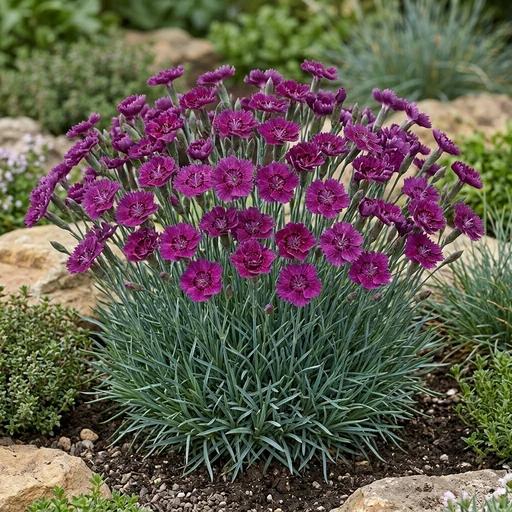 ‘Plum Glory’EverBloom Plum Glory Pinks
 ‘Sweetie Pie’Sweetie Pie Dianthus
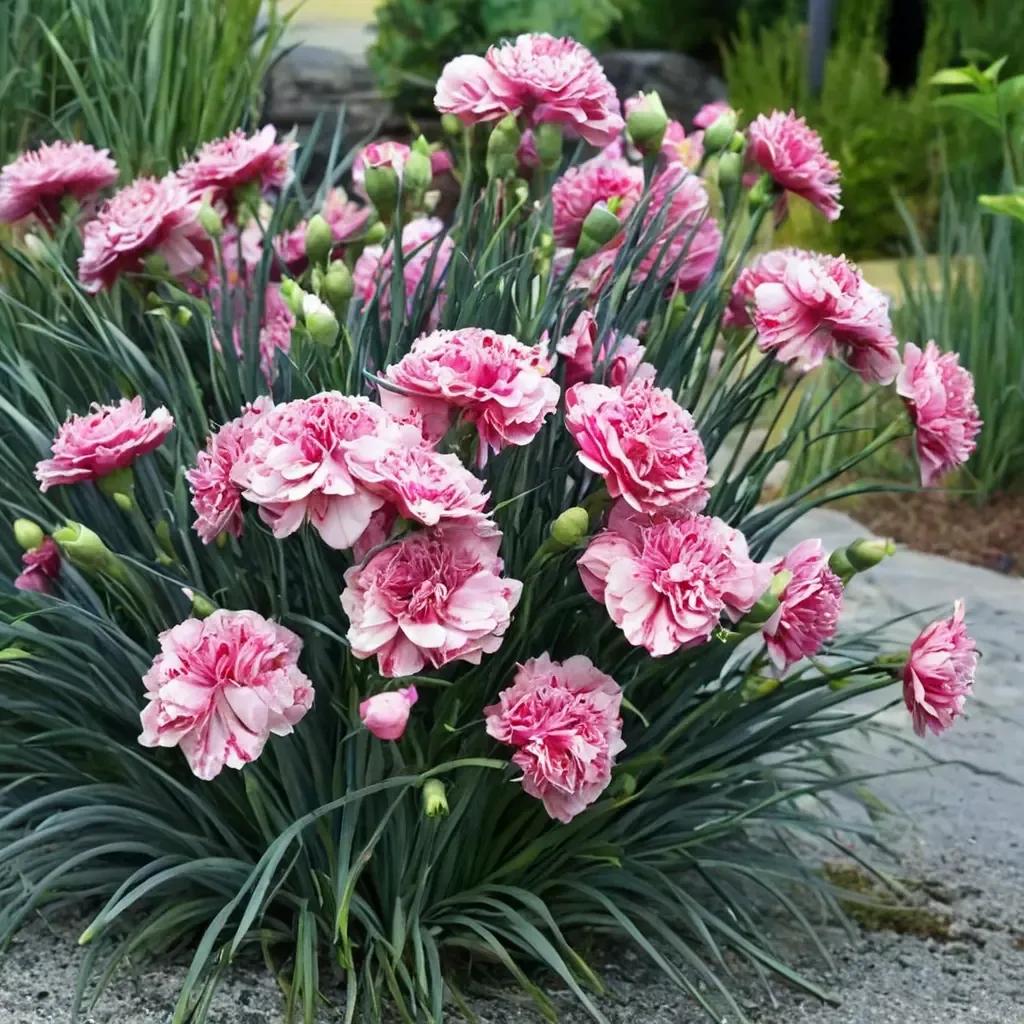 ‘Pinball Wizard’Pinball Wizard Pinks
 ‘Frosty’Frosty Dianthus
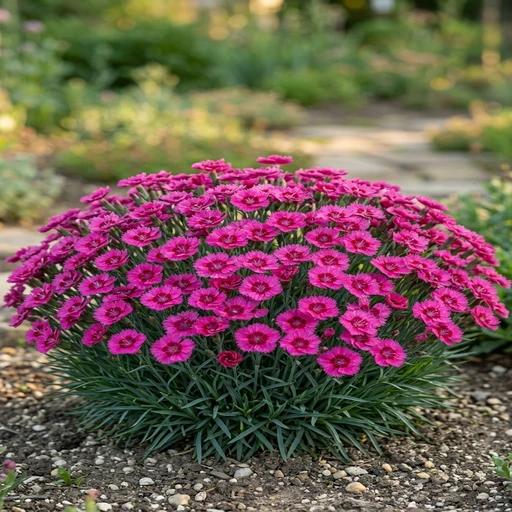 ‘Paint The Town Fancy’Dianthus Paint the Town Fancy
 ‘Raspberry Surprise’Scent First Raspberry Surprise Pinks
 ‘Luminitzeri’Lumnitzer's Pink
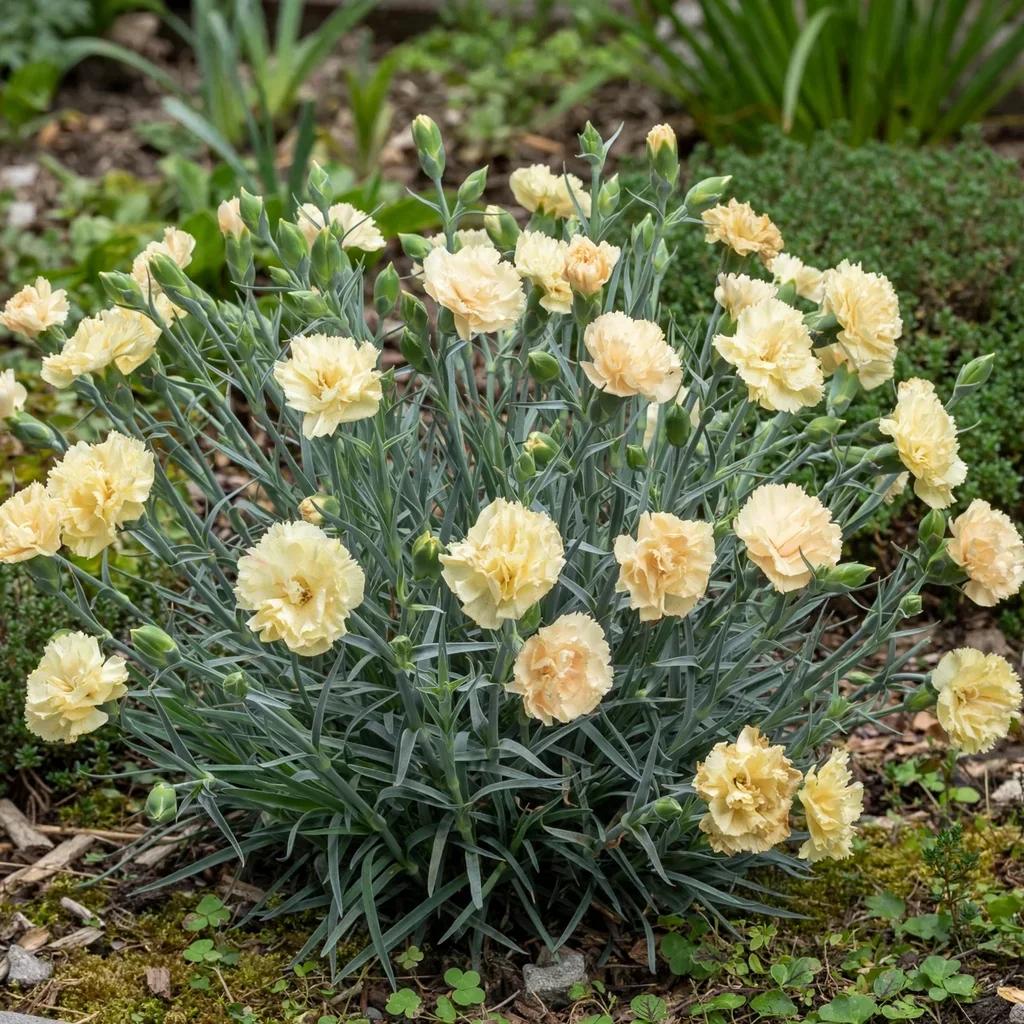 ‘Hello Yellow’Hello Yellow Dianthus
 ‘Key Lime Pie’Key Lime Pie Dianthus
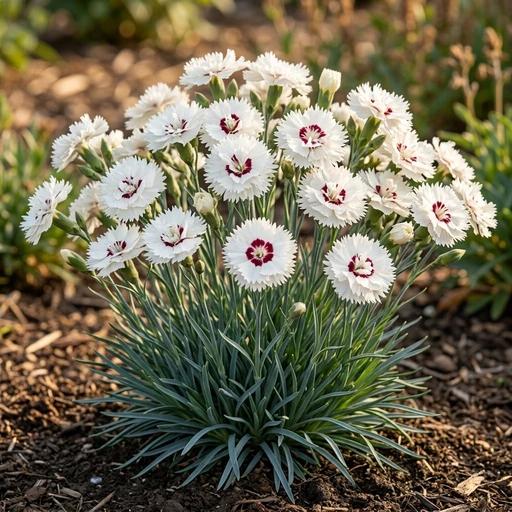 ‘Coconut Surprise’Scent First Coconut Surprise Pinks
 ‘Romance’Scent First Romance Pinks
 ‘Paint the Town Fuchsia’Paint the Town Fuchsia Dianthus
The Story
Plant Bio
Compact, with a clumping habit and grassy foliage.
Vibrant coral flowers that are highly fragrant.
Uses & Benefits:
Essentials
At a Glance
Plant Type
Perennial
Height
9"
Width
10"
Light
Full Sun, Partial Sun
Zones
5, 6, 7, 8, 9
Water
Moderate, drought tolerant once established
Humidity
Low to moderate
Lifespan
Perennial
Native To
Mediterranean region
Toxicity
Mildly toxic to pets if ingested
Bloom period
Early summer – Late summer
In flower about 3 months of the year
Marketplace
Where to Buy
Shipping costs Year-round shipping Free shipping
Planting
How to Grow
- Tuck seeds into well-draining soil in early spring for best germination.
- Mist cuttings regularly to maintain humidity and encourage root growth.
- Plant in full sun for vibrant blooms and healthy development.
- Water deeply but infrequently to prevent root rot, especially in hot weather.
- Fertilize monthly with a balanced, water-soluble fertilizer during the growing season.
- Divide mature plants in early spring or fall to promote vigorous growth.
Pro Tip
Use well-draining soil and avoid overwatering to prevent root rot.
Keep It Thriving
Care Guide
Do
- Ensure full sun exposure for optimal flowering 🌞
- Water at the base to keep foliage dry and prevent diseases 💧
- Deadhead spent flowers to encourage more blooms 🌺
- Apply a light, balanced fertilizer monthly during the growing season
- Divide crowded clumps every 2-3 years for rejuvenation
Don't
- Avoid overwatering, which can cause root rot ❌
- Don’t plant in dense, poorly-draining soil 🌱
- Refrain from excessive fertilizing, which can lead to leggy growth
- Don’t prune back after flowering to maintain shape
- Avoid planting in full shade, as it reduces flowering
Seasonal Care Calendar
| Task | Jan | Feb | Mar | Apr | May | Jun | Jul | Aug | Sep | Oct | Nov | Dec |
|---|---|---|---|---|---|---|---|---|---|---|---|---|
| Deadhead | ||||||||||||
| Divide | ||||||||||||
| Mulch |
Watch Out For
Pests & Diseases
Common Pests
Common Diseases
In the Garden
Landscape Uses & Companions
Landscape Uses
Multiply
Propagation Methods
Good to Know
Common Questions
Coral Reef Dianthus questions
What zones can Coral Reef Dianthus grow in?
Coral Reef Dianthus is hardy in USDA Zones 5–9. Inside that range it survives winter in the ground; outside it, grow it as an annual or a container plant you protect.
Is Coral Reef Dianthus deer resistant?
Yes — Coral Reef Dianthus is rated deer-resistant. Deer typically pass it over, though extreme hunger can override any plant's defenses.
When does Coral Reef Dianthus bloom?
Coral Reef Dianthus typically blooms in early summer through late summer. Exact timing shifts a week or two with your zone — Sow's bloom calendar maps it to your garden.
Does Coral Reef Dianthus need full sun?
Coral Reef Dianthus does best in full sun to part shade. In hot climates, afternoon shade keeps blooms fresher longer.
Is Coral Reef Dianthus drought tolerant?
Yes — once established (usually after the first full season), Coral Reef Dianthus handles dry spells with minimal watering. Water deeply its first year to build the root system that makes that possible.
More Dianthus to compare
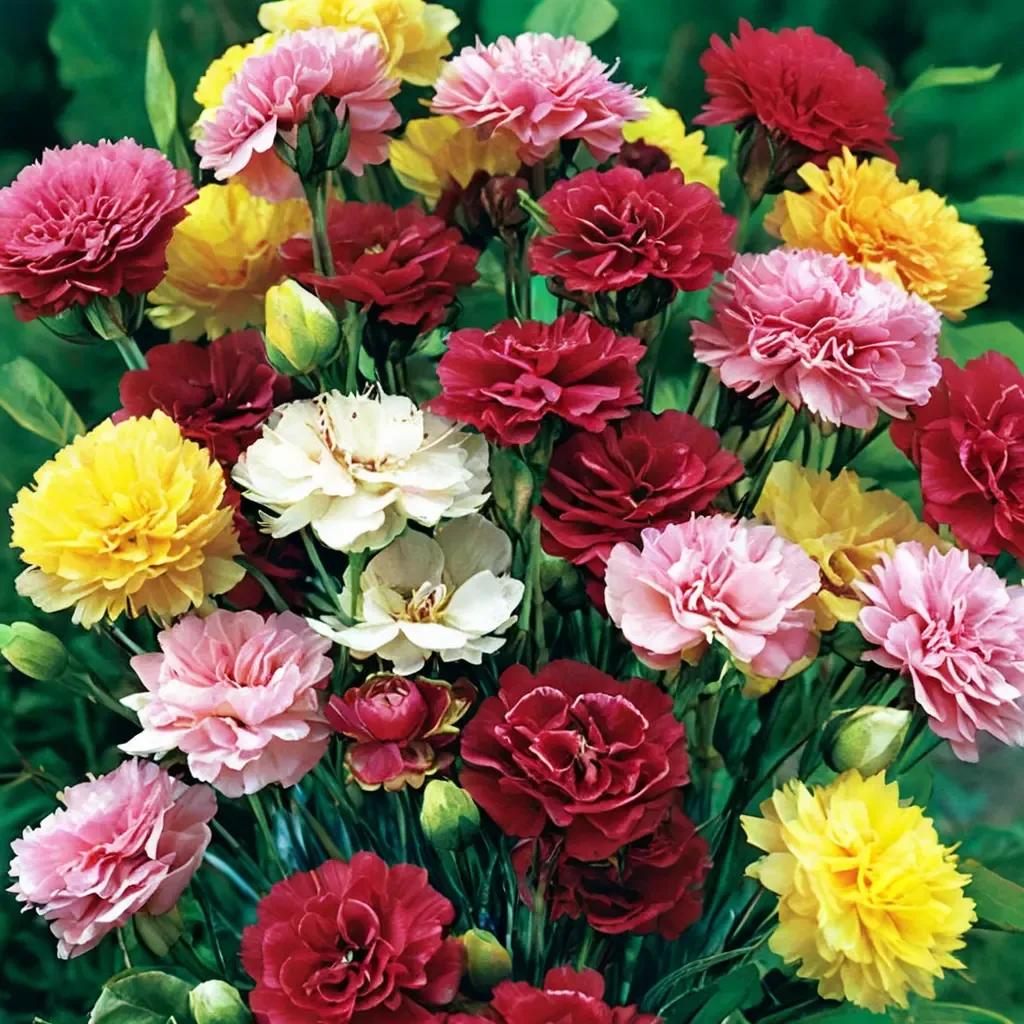
Hardy Carnation
Dianthus caryophyllus 'Hardy Mixed'
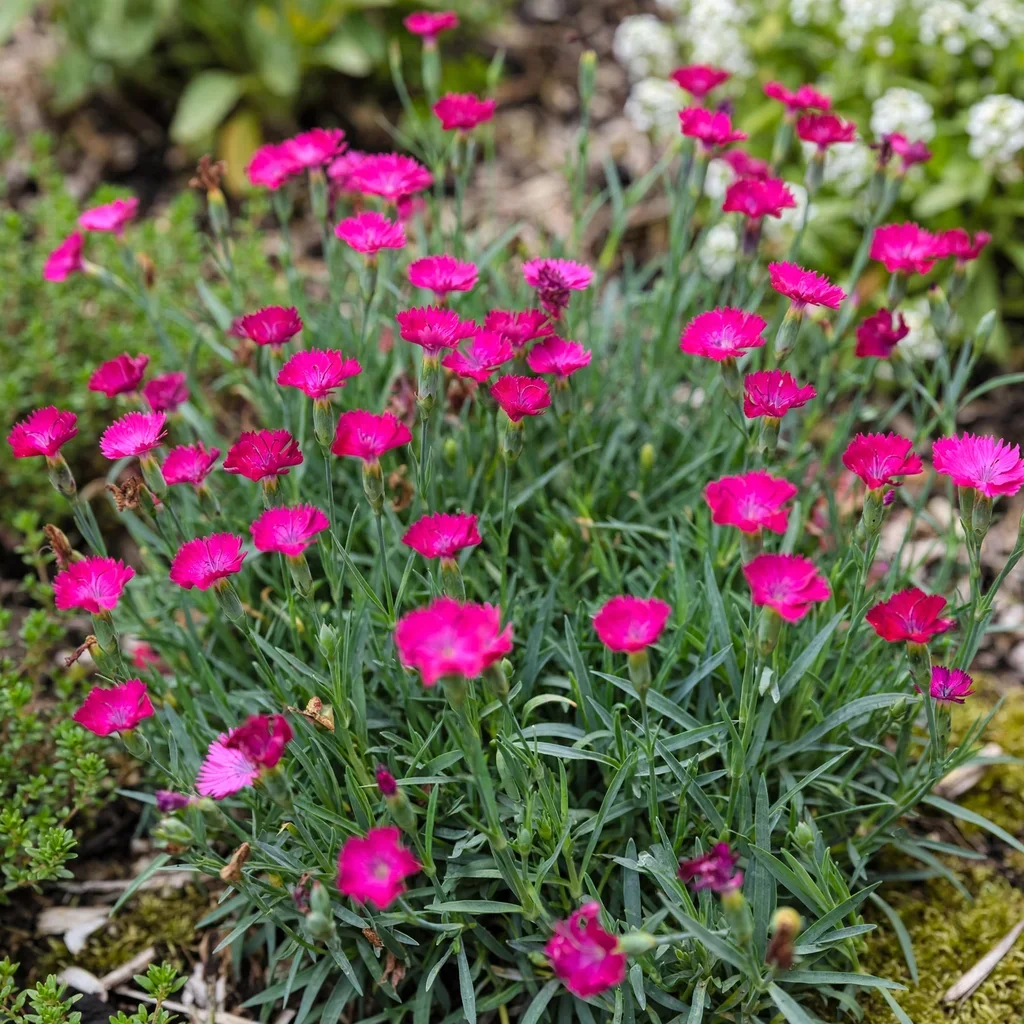
Paint the Town Magenta Pinks
Dianthus x hybrida 'Paint the Town Magenta'
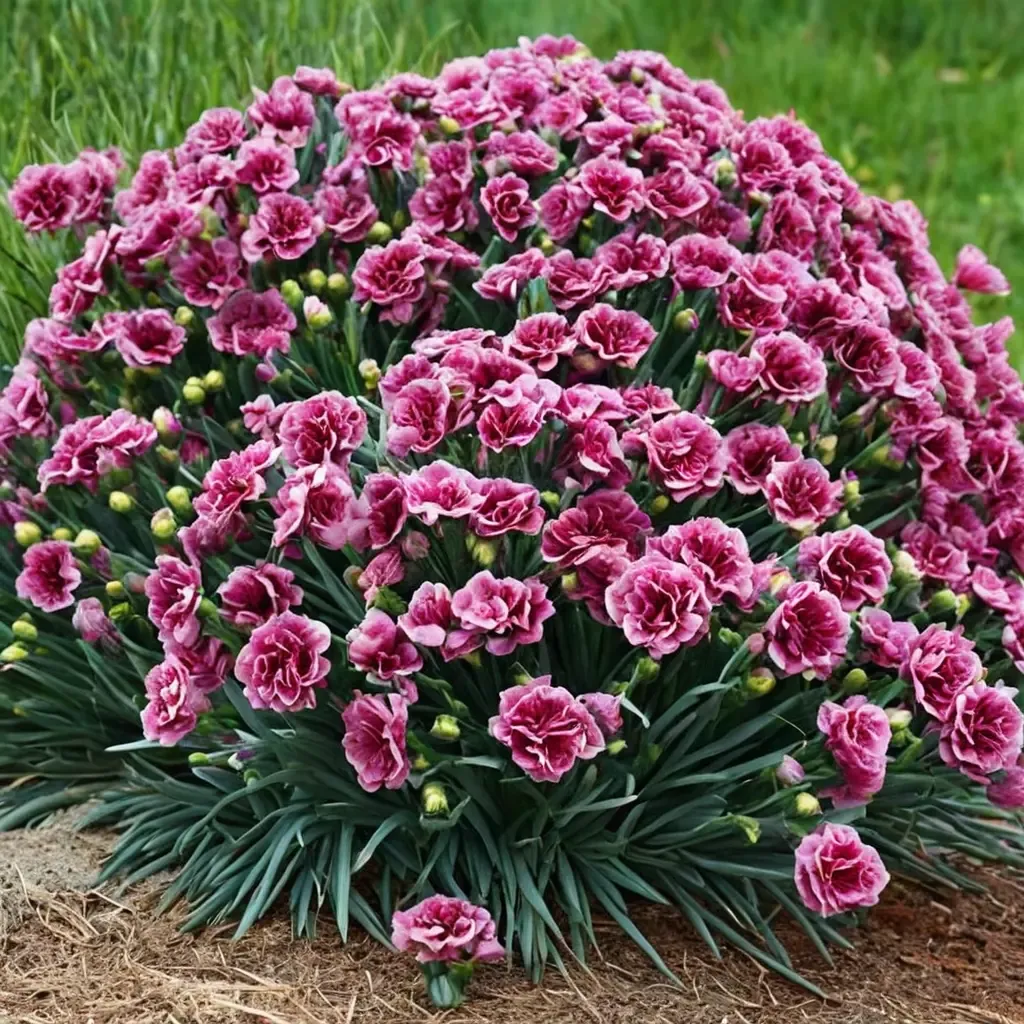
Cherry Vanilla Dianthus
Dianthus x hybrida 'Cherry Vanilla'
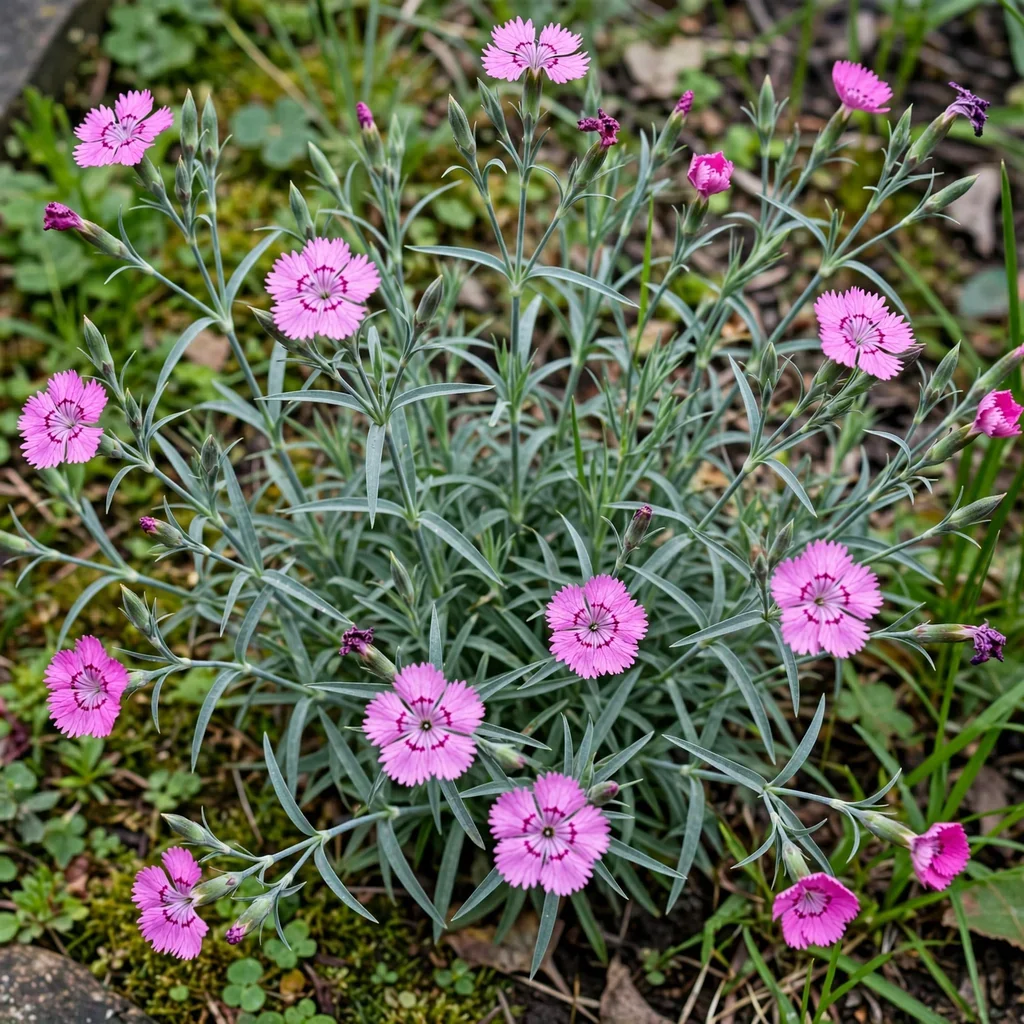
Maiden Pink
Dianthus deltoides
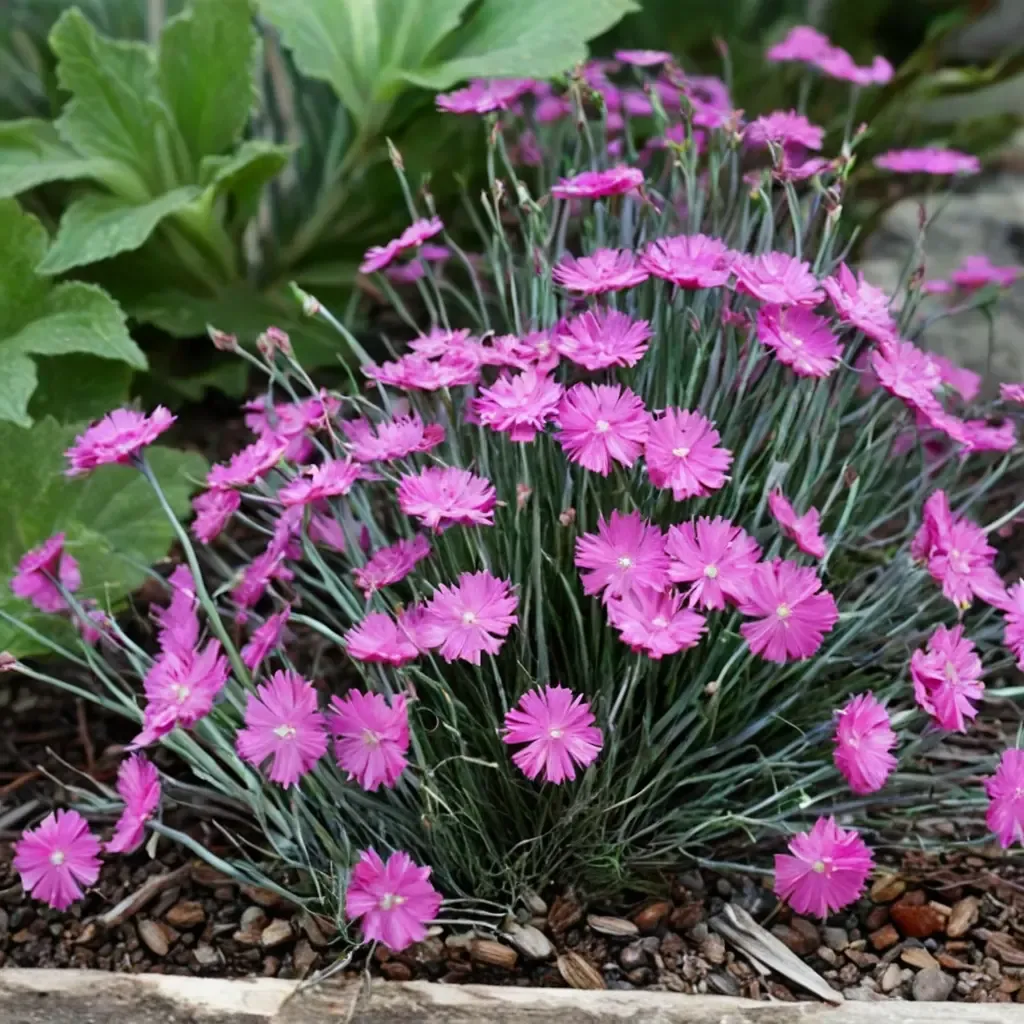
Cheddar Pinks Firewitch
Dianthus gratianopolitanus 'Firewitch'
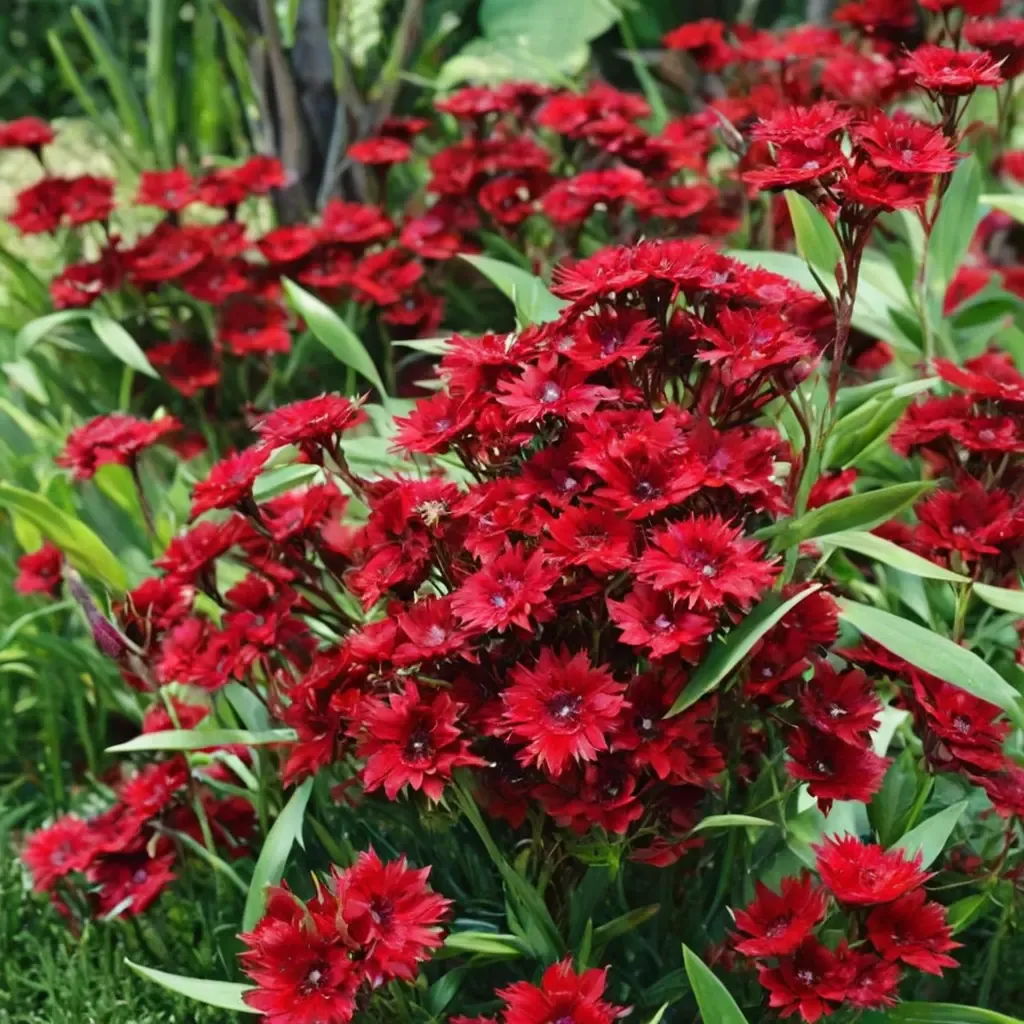
Chinese Pink Rockin' Red Dianthus
Dianthus chinensis 'Rockin' Red'
Keep exploring
Explore the genus
Hardy in your zone?
Grow Coral Reef Dianthus with confidence
See it in a design of your actual yard, get zone-matched care reminders, and track it season by season in your garden journal.