The Story
Plant Bio
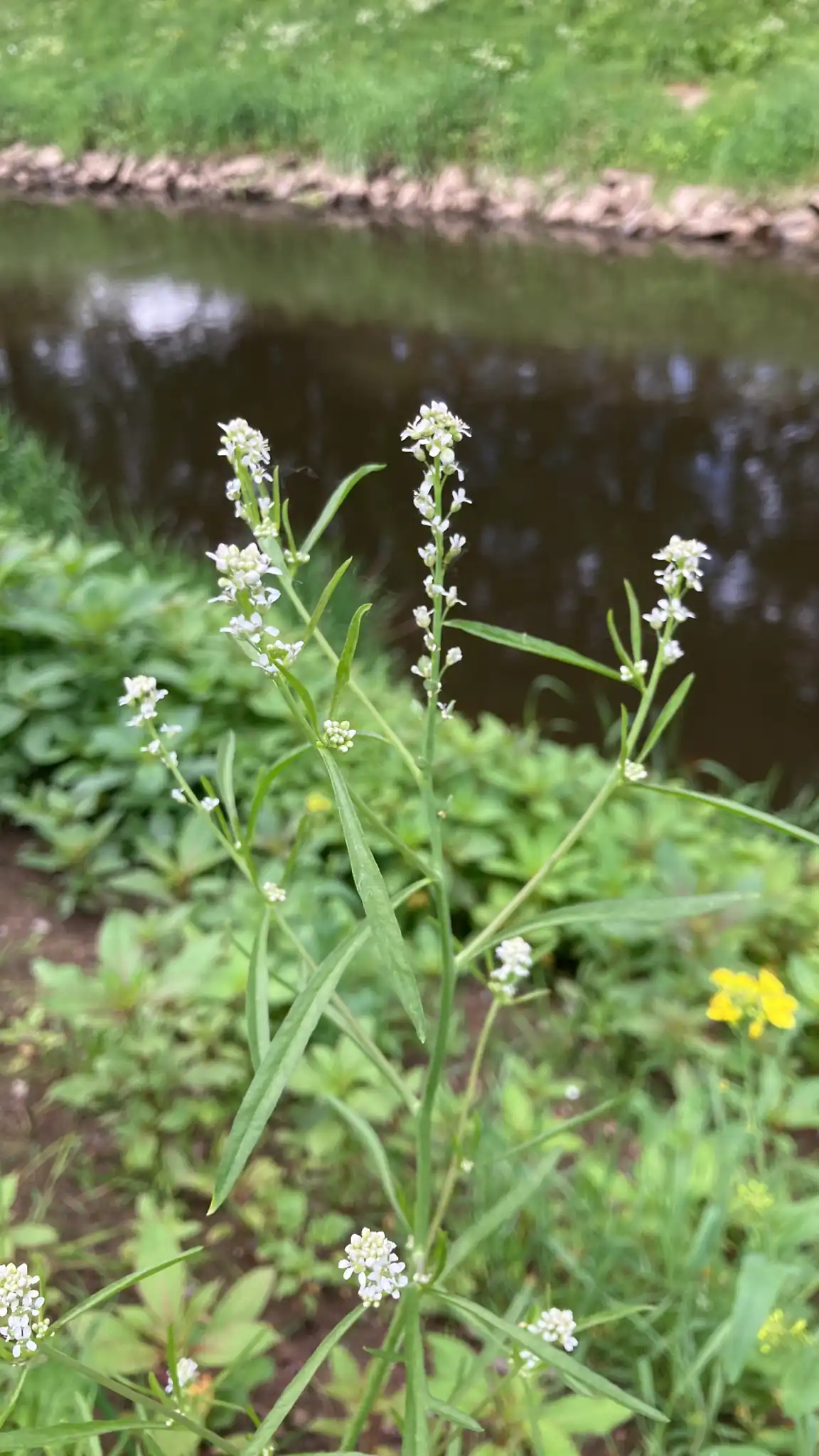
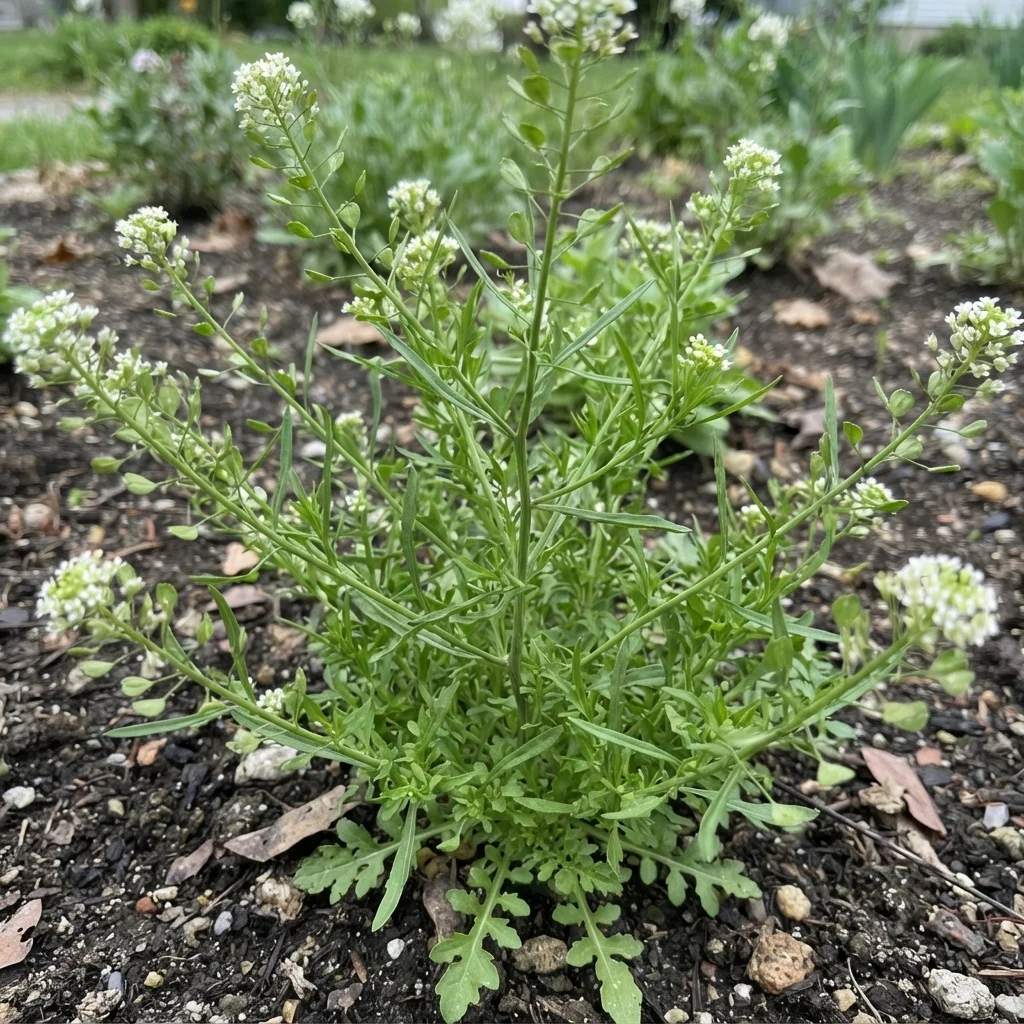
Lepidium sativum is a fast-growing herbaceous annual characterized by an erect, branched upper stem and alternate leaves that transition from compound-lobed at the base to nearly linear at the top. The species produces small, four-petaled white to pinkish flowers arranged in elongating racemes during the spring and summer.
Widely grown as a peppery salad green or microgreen, this species is distinguished by its rapid seed-to-harvest cycle of just a few weeks and its bright green, smooth foliage that occasionally carries a bluish-green cast on the stems. The leaves contain a distinct, pungent flavor that intensifies and becomes unpalatably bitter once the plant initiates its flowering cycle.
Uses & Benefits:
Essentials
At a Glance
Plant Type
Annual
Height
20"
Width
8"
Light
Full Sun, Partial Sun
Zones
4, 5, 6, 7, 8, 9, 10
Water
Medium
Humidity
Moderate
Lifespan
Annual
Native To
Africa and Asia
Toxicity
Non-toxic
Bloom period
Spring – Summer
In flower about 6 months of the year
Planting
How to Grow
- Select a site with full sun to partial shade and loose, well-draining loamy soil.
- Sow seeds directly onto the soil surface or cover shallowly to a depth of one-quarter inch.
- Water gently but consistently to keep the soil moist, as dry conditions cause immediate bolting.
- Harvest outer leaves continuously once they reach edible size, or shear the entire plant back before flower buds emerge.
Pro Tip
Sow seeds in tight successions every 10 to 14 days during cool weather; lengthening days and summer heat trigger rapid bolting, which ruins the flavor of the foliage.
Keep It Thriving
Care Guide
Do
- Sow seeds in successive intervals of two to three weeks for a continuous harvest.
- Ensure high soil drainage to prevent root rot and damping-off in young seedlings.
- Maintain consistent soil moisture to preserve the tender texture of the leaves.
Don't
- Do not allow the soil to dry out completely, which triggers premature flowering.
- Do not plant in waterlogged or heavy clay soils that hold excessive moisture.
- Do not attempt to transplant established seedlings, as they do not recover well.
Seasonal Care Calendar
| Task | Jan | Feb | Mar | Apr | May | Jun | Jul | Aug | Sep | Oct | Nov | Dec |
|---|---|---|---|---|---|---|---|---|---|---|---|---|
| Fertilize | ||||||||||||
| Harvest | ||||||||||||
| Pest Check | ||||||||||||
| Plant |
Watch Out For
Pests & Diseases
Common Pests
Common Diseases
In the Garden
Landscape Uses & Companions
Landscape Uses
Companion Plants
Multiply
Propagation Methods
Good to Know
Common Questions
Garden Cress questions
What zones can Garden Cress grow in?
Garden Cress is hardy in USDA Zones 4–10. Inside that range it survives winter in the ground; outside it, grow it as an annual or a container plant you protect.
Is Garden Cress deer resistant?
Not reliably. Deer may browse Garden Cress, especially tender spring growth — plan on repellents or fencing where pressure is high.
When does Garden Cress bloom?
Garden Cress typically blooms in spring through summer. Exact timing shifts a week or two with your zone — Sow's bloom calendar maps it to your garden.
Does Garden Cress need full sun?
Garden Cress does best in full sun to part shade. In hot climates, afternoon shade keeps blooms fresher longer.
More Lepidium to compare
Keep exploring
Explore the genus
Grow Garden Cress with confidence
See it in a design of your actual yard, get zone-matched care reminders, and track it season by season in your garden journal.