Also known as Cress · 6 saves
Lepidium
Lepidium, the genus most gardeners know as cress. We track 3 varieties; the ones most used by real gardeners.
The 3 most-saved Lepidium varieties
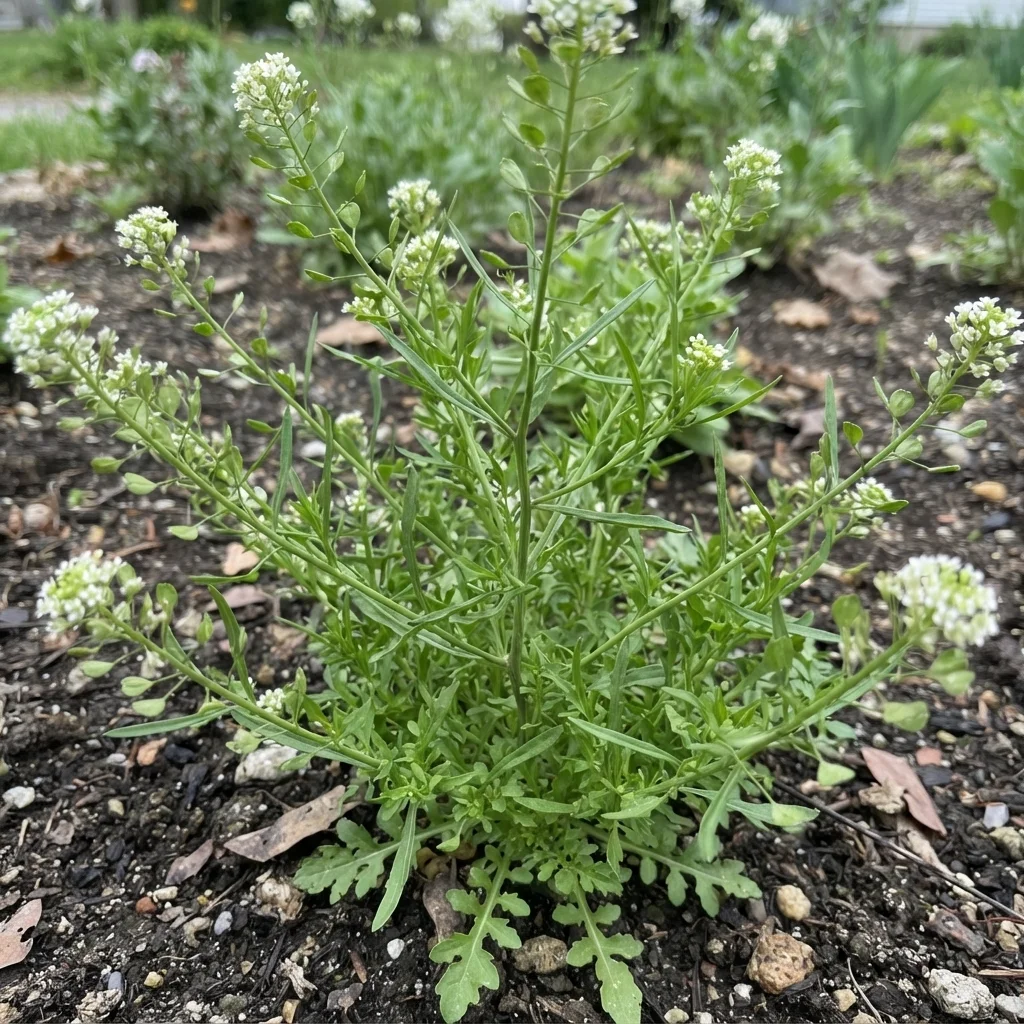
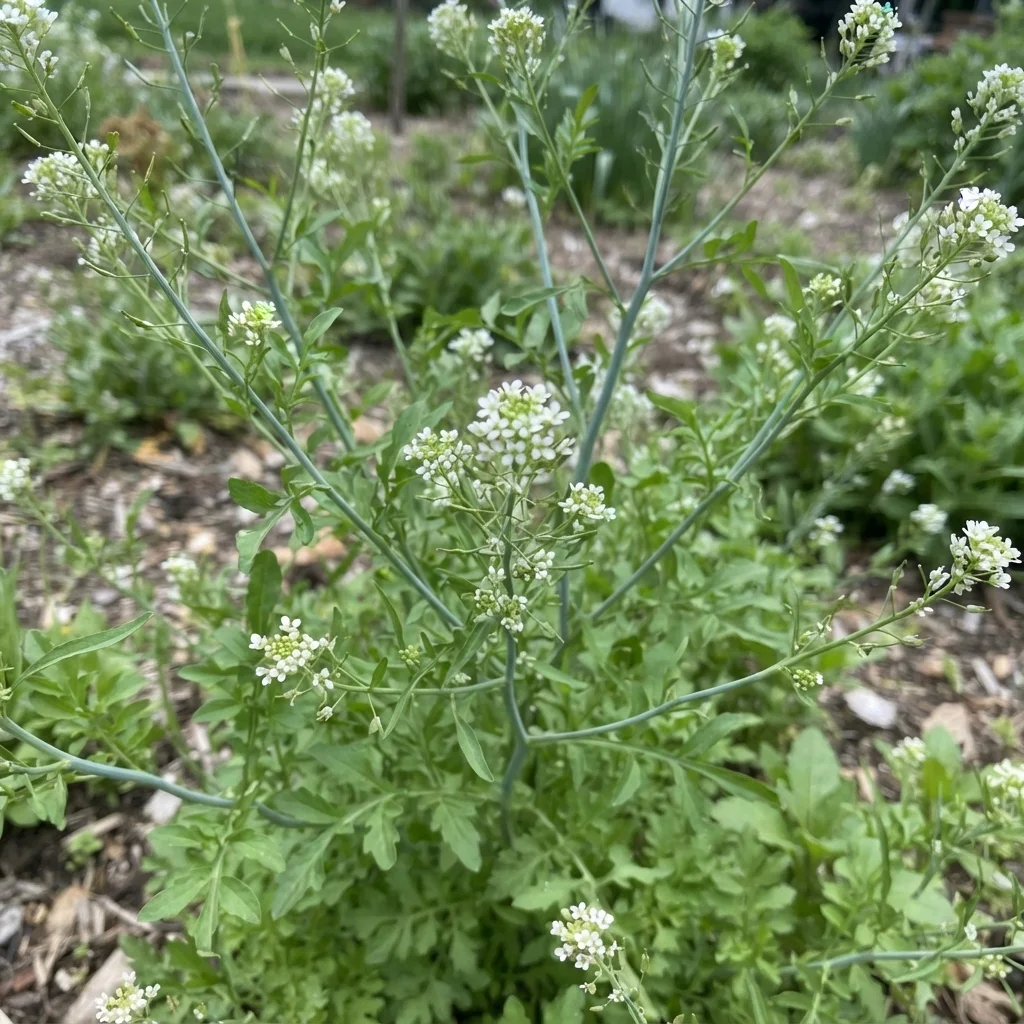
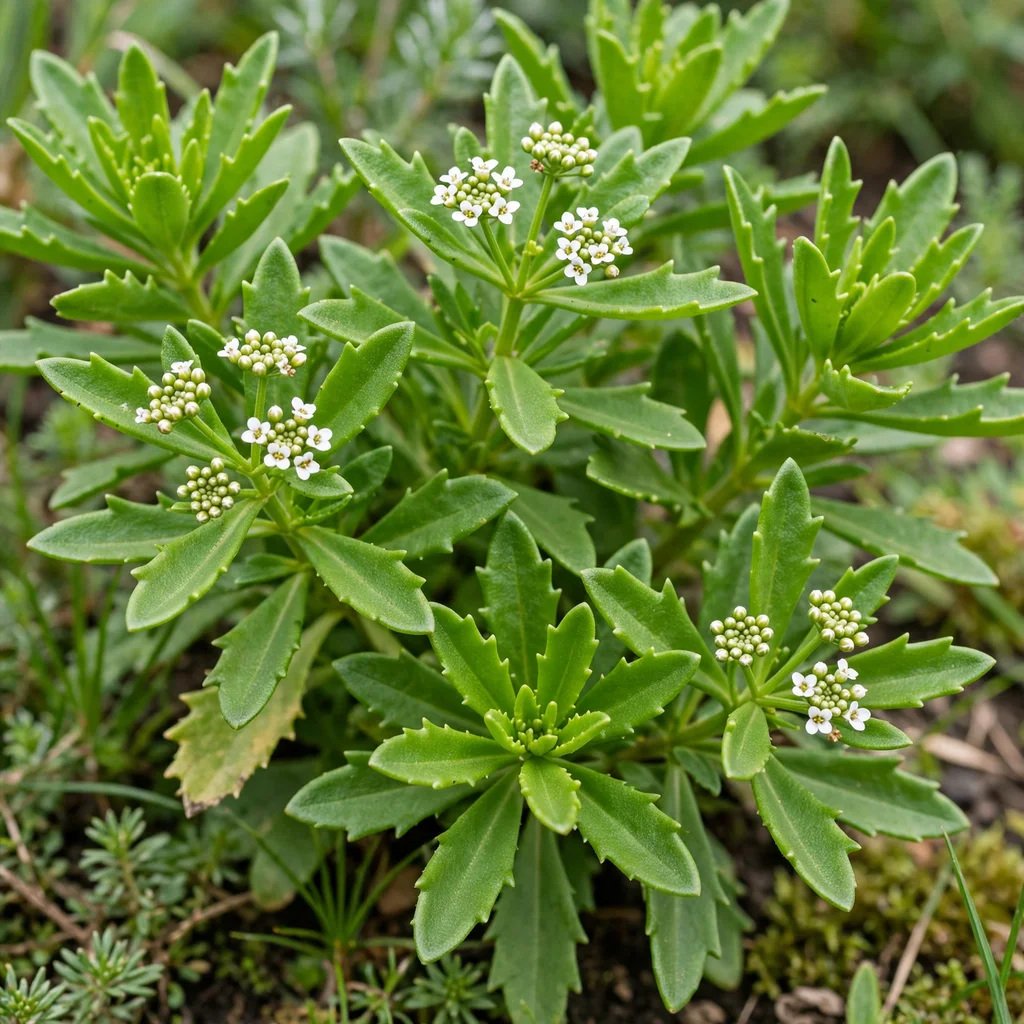
3 species of Lepidium
Each one is a parent of the varieties above.
Track your Lepidium in Sow
Save the Lepidium you grow and get care reminders timed to your zone.
How to grow Lepidium
Whats common across all Lepidium varieties in our catalog — drawn from the care records of the 3 most-grown of them.
The Lepidium year
- Check for PestsMay and June100% of varieties
Inspect leaf undersides for aphids and check for flea beetle shot-holes.

Do
- Sow seeds in successive intervals of two to three weeks for a continuous harvest.
- Ensure high soil drainage to prevent root rot and damping-off in young seedlings.
- Maintain consistent soil moisture to preserve the tender texture of the leaves.
- Sow seeds in poor, well-draining soil to maintain a compact growth habit.
- Allow the seed heads to mature if you want to attract finches and sparrows to the garden.
Avoid
- Do not allow the soil to dry out completely, which triggers premature flowering.
- Do not plant in waterlogged or heavy clay soils that hold excessive moisture.
- Do not attempt to transplant established seedlings, as they do not recover well.
- Do not fertilize, as excess nutrients trigger weak, floppy stem growth.
What goes wrong with Lepidium
| Problem | What you'll see | What to do |
|---|---|---|
| Aphids | Clustered on new growth with sticky honeydew. | Apply insecticidal soap or knock loose with a strong water spray. |
| Flea beetles | Small shot-holes chewed into the leaves. | Protect young crops with floating row covers or apply pyrethrin-based sprays. |
| Rabbits and deer | Browsing damage on tender foliage. | Install physical fencing around the planting area. |
| Cabbage loopers | Large, ragged holes in the foliage caused by green, crawling caterpillars. | Handpick the caterpillars from the leaves, or apply Bacillus thuringiensis (Bt) if a severe infestation occurs. |
| Powdery mildew | White powdery fungal growth on leaf surfaces. | Increase plant spacing and apply sulfur or copper fungicide if infection is severe. |
| Root rot | Wilting and yellowing of foliage in poorly drained soils. | Improve soil drainage and reduce watering frequency. |
| Damping-off | Seedling stems rot and collapse at the soil line. | Improve air circulation and avoid overwatering. |
Making more Lepidium
Seed
- Sow seeds directly into loose, fertile soil in spring or late summer.
- Cover seeds shallowly with approximately one-quarter inch of soil.
- Keep the soil surface consistently moist until germination occurs in three to five days.
- Thin seedlings if necessary, though dense plantings are acceptable for microgreen harvesting.
Lepidium questions
How many types of Lepidium are there?
The Sow catalog tracks 3 distinct Lepidium varieties. The most popular — ranked by 6 real gardeners — are shown first above.
What zones does Lepidium grow in?
Across its varieties, Lepidium covers USDA Zones 4–10. Individual varieties differ — each plant page lists its exact range, and Sow filters the catalog to your zone automatically.
When does Lepidium bloom?
Most Lepidium varieties bloom from spring to summer.
Which Lepidium should I choose?
Start from the most-saved varieties above — popularity across thousands of gardens is a strong signal of reliability — then filter by your zone and sun. In the Sow app you can preview any of them in a photo of your actual yard before you buy.