




The Story
Plant Bio
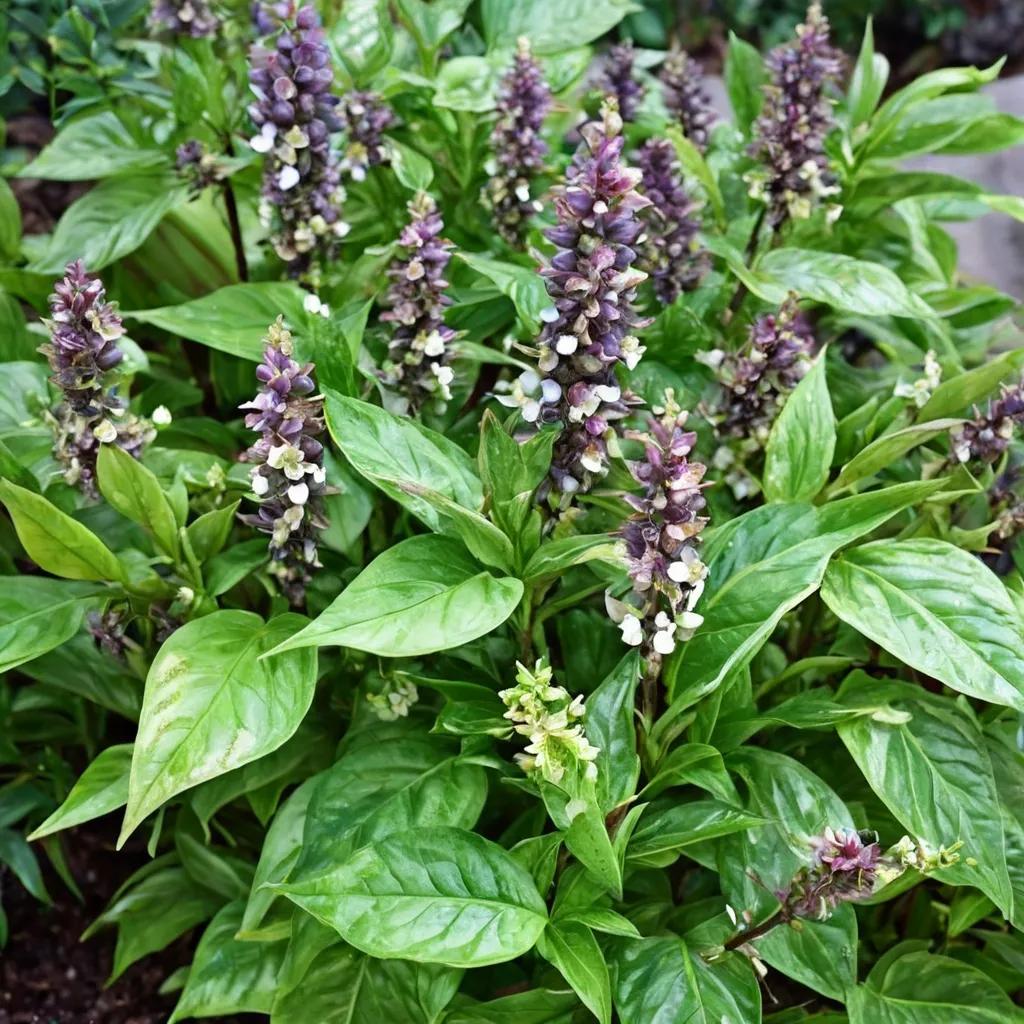
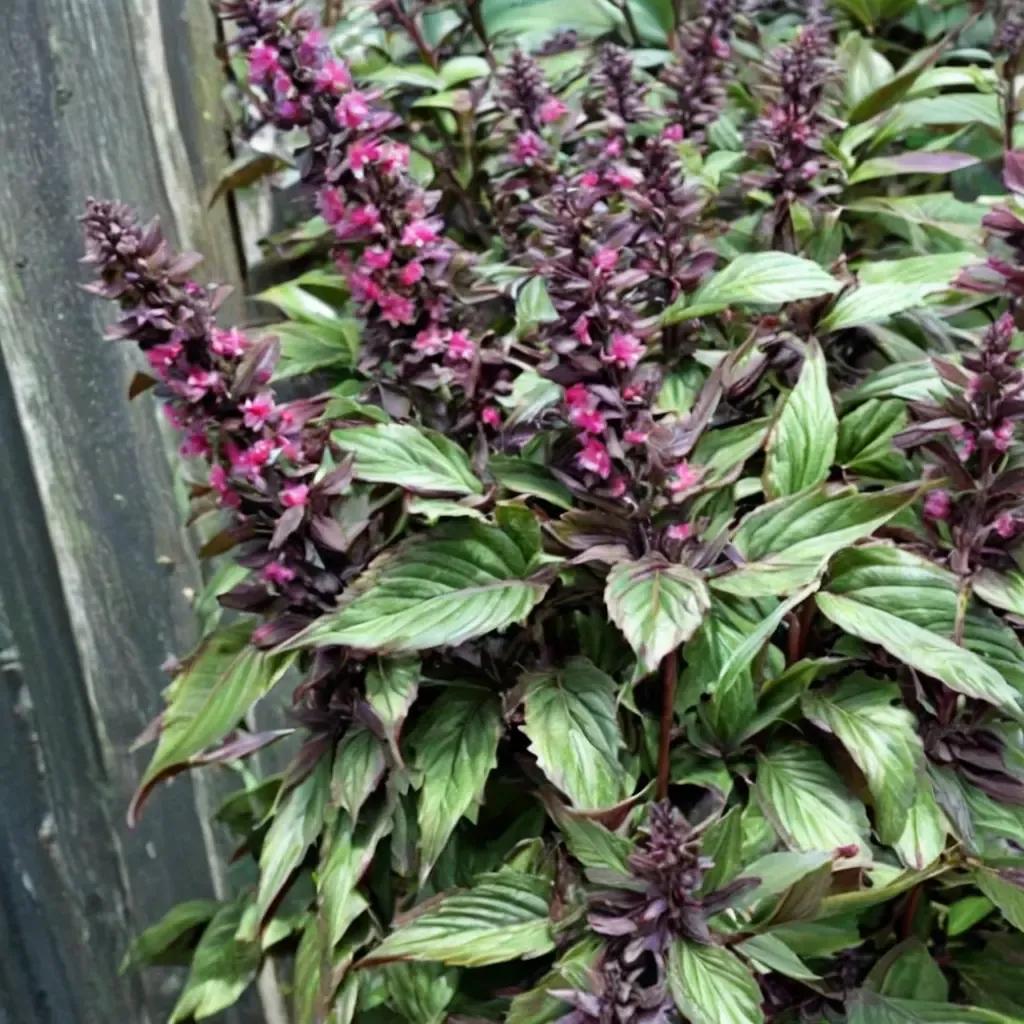
Ocimum basilicum is a tender herbaceous annual native to tropical regions from central Africa to Southeast Asia, widely cultivated for its aromatic foliage. The species produces upright, branching stems with terminal whorled flower spikes of white to pale pink flowers in summer.
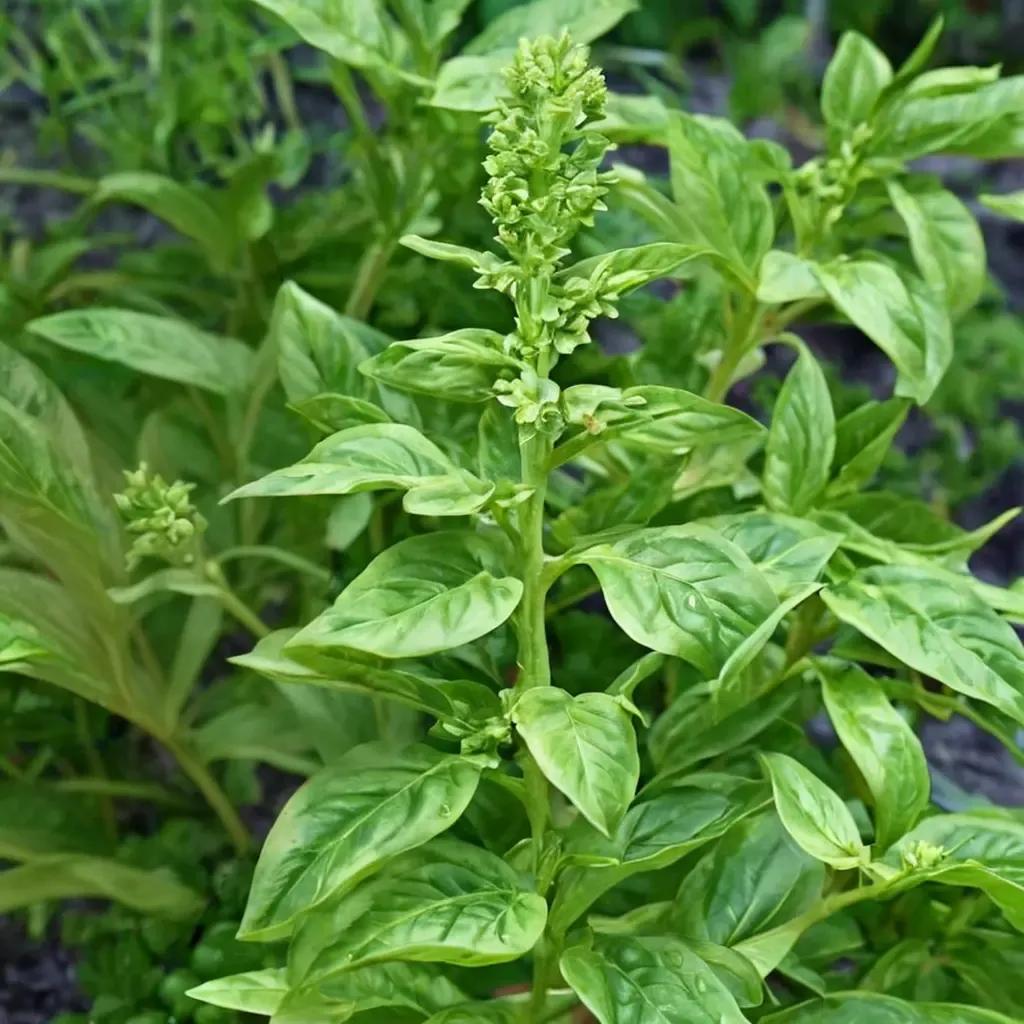
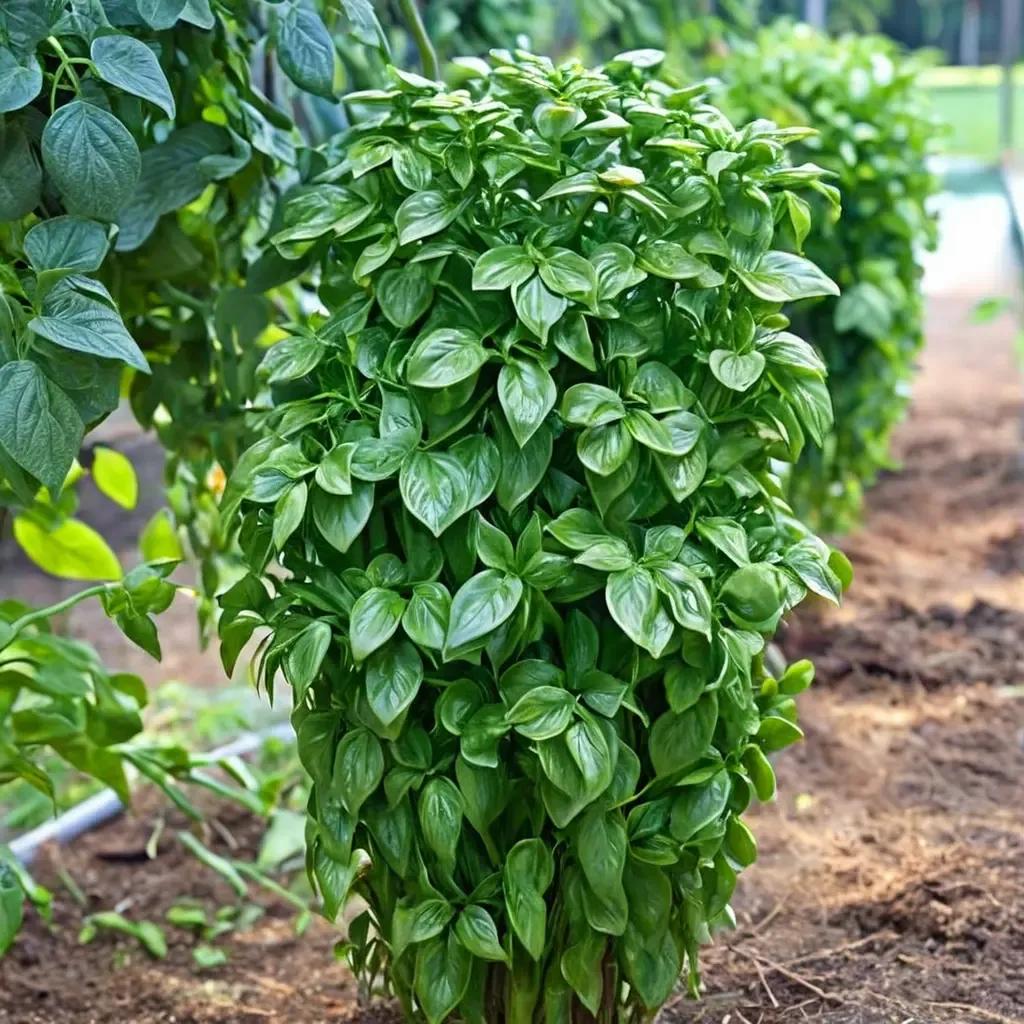
'Sweet Genovese' is distinguished by its large, glossy, dark green leaves that cup downward and carry an intense, sweet aroma. This selection maintains a compact, mounded form reaching up to two feet tall, making it the standard choice for culinary pesto production.
Uses & Benefits:
Essentials
At a Glance
Plant Type
Annual
Height
24"
Width
18"
Light
Full Sun
Zones
4, 5, 6, 7, 8, 9, 10
Water
Medium
Humidity
Moderate
Lifespan
Annual
Native To
Central Africa to Southeast Asia
Toxicity
Non-toxic
Bloom period
Summer – Fall
In flower about 6 months of the year
Planting
How to Grow
- Plant in a location receiving at least six to eight hours of direct sunlight daily, using rich, well-draining loamy soil.
- Space plants 12 to 18 inches apart to ensure adequate air circulation, which helps prevent fungal leaf diseases.
- Water consistently at the base of the plant to keep the soil evenly moist but never waterlogged, as wet roots trigger rot.
- Pinch back the growing tips regularly and harvest leaves from the top down to maintain a bushy, productive habit.
Pro Tip
Pinch out the central growing tips every one to two weeks from an early stage to force lateral branching and prevent premature flowering, which turns the foliage bitter.
Keep It Thriving
Care Guide
Do
- Pinch off flower buds as soon as they appear to preserve leaf flavor and prolong the harvest.
- Water the soil directly rather than wetting the foliage to minimize downy mildew risks.
- Apply a balanced organic fertilizer sparingly every three to four weeks.
Don't
- Do not plant outdoors until soil temperatures consistently exceed 60°F (15°C).
- Do not overfertilize, as excessive nutrients dilute the concentration of essential oils in the leaves.
- Do not allow the soil to dry out completely or remain soggy for extended periods.
Seasonal Care Calendar
| Task | Jan | Feb | Mar | Apr | May | Jun | Jul | Aug | Sep | Oct | Nov | Dec |
|---|---|---|---|---|---|---|---|---|---|---|---|---|
| Fertilize | ||||||||||||
| Harvest | ||||||||||||
| Pest Check | ||||||||||||
| Pinch | ||||||||||||
| Plant |
Watch Out For
Pests & Diseases
Common Pests
Common Diseases
In the Garden
Landscape Uses & Companions
Landscape Uses
Companion Plants
Multiply
Propagation Methods
Good to Know
Common Questions
Sweet Genovese Basil questions
What zones can Sweet Genovese Basil grow in?
Sweet Genovese Basil is hardy in USDA Zones 4–10. Inside that range it survives winter in the ground; outside it, grow it as an annual or a container plant you protect.
Is Sweet Genovese Basil deer resistant?
Not reliably. Deer may browse Sweet Genovese Basil, especially tender spring growth — plan on repellents or fencing where pressure is high.
When does Sweet Genovese Basil bloom?
Sweet Genovese Basil typically blooms in summer through fall. Exact timing shifts a week or two with your zone — Sow's bloom calendar maps it to your garden.
Does Sweet Genovese Basil need full sun?
Sweet Genovese Basil does best in full sun (6+ hours).
More Ocimum to compare
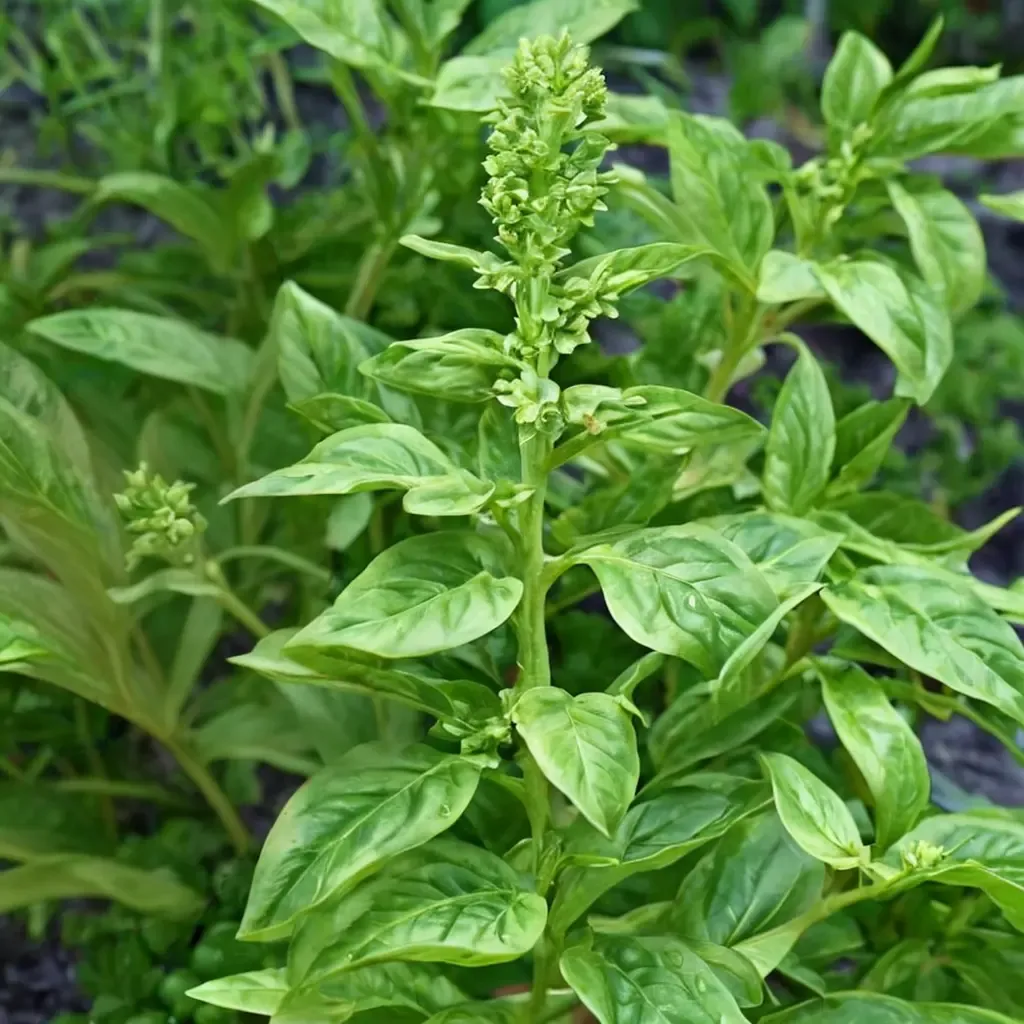
Sweet Basil
Ocimum basilicum 'Sweet Basil'
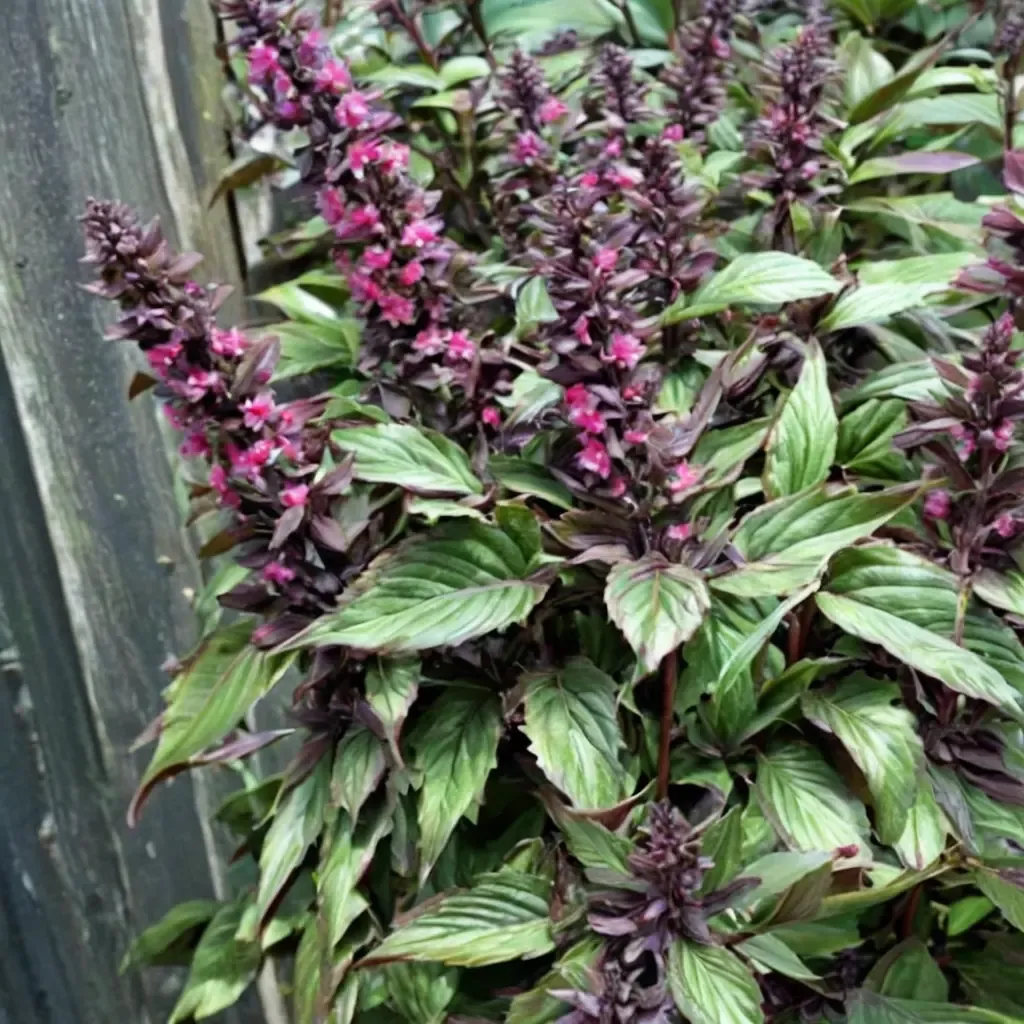
Wild Magic Basil
Ocimum basilicum 'Wild Magic'
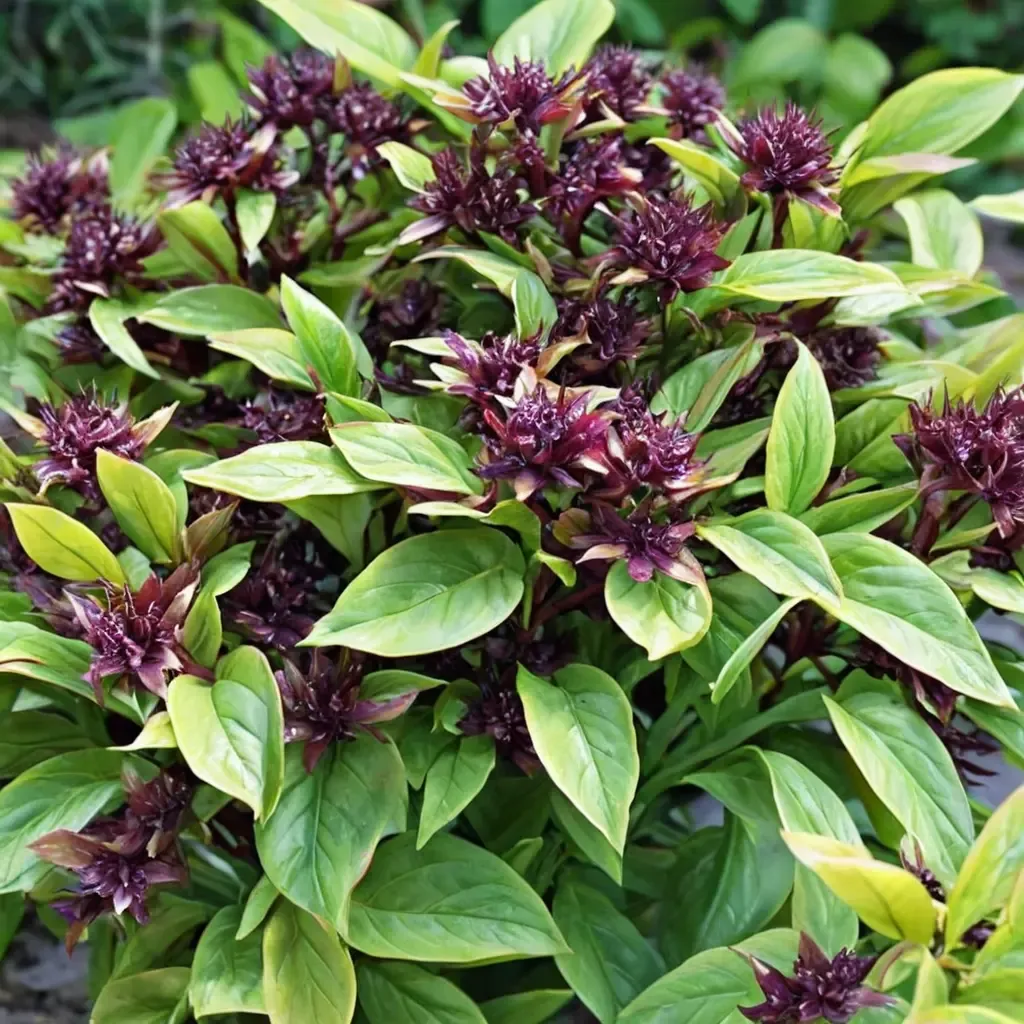
Thai Basil
Ocimum basilicum 'Thai Siam Queen'
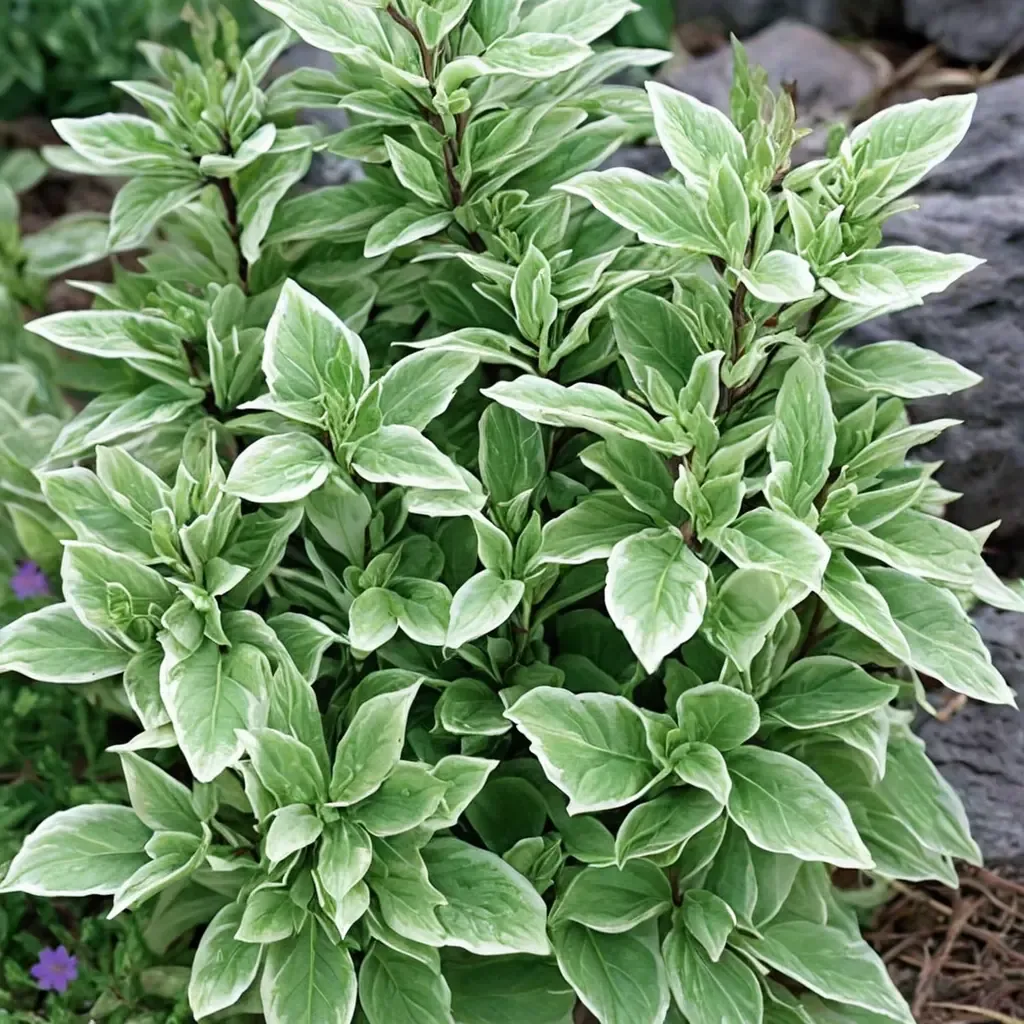
Pesto Perpetuo Basil
Ocimum basilicum 'Pesto Perpetuo'
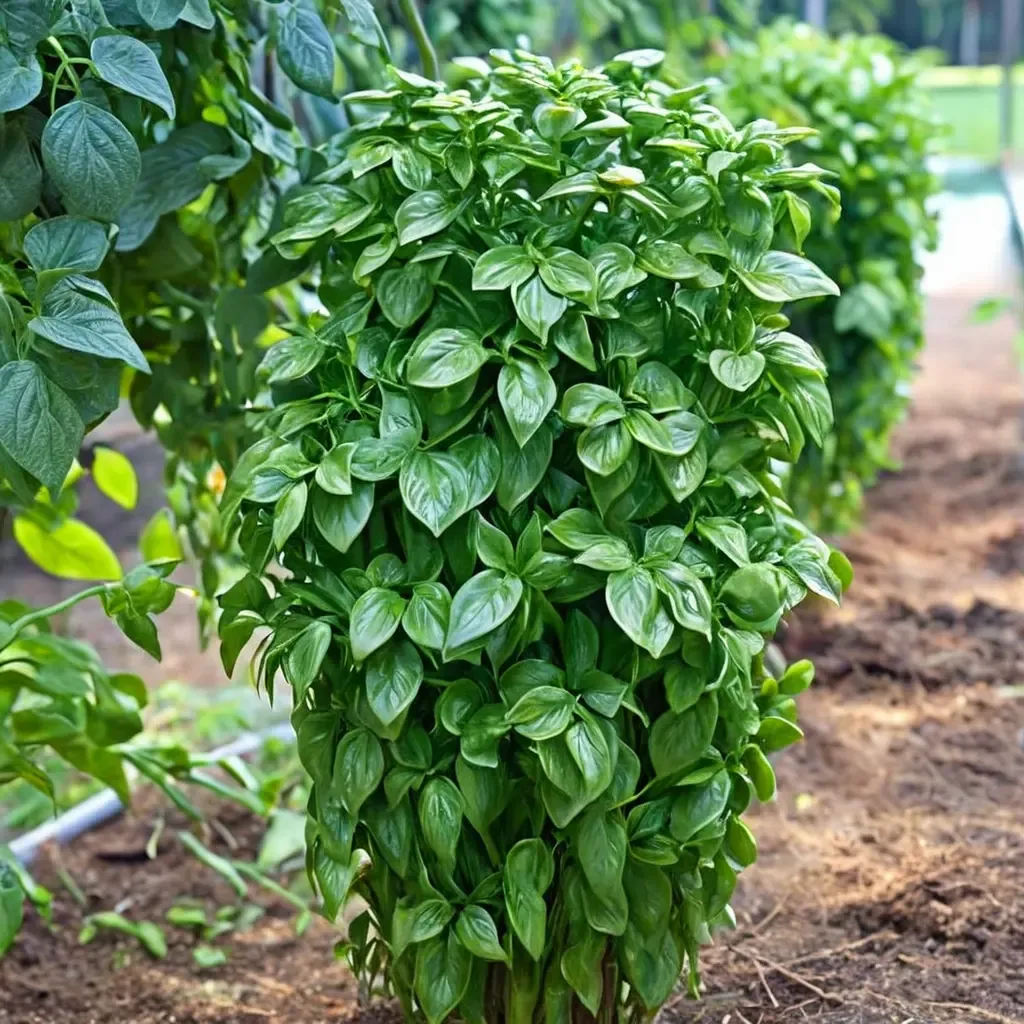
Emerald Towers Basil
Ocimum basilicum 'Emerald Towers'
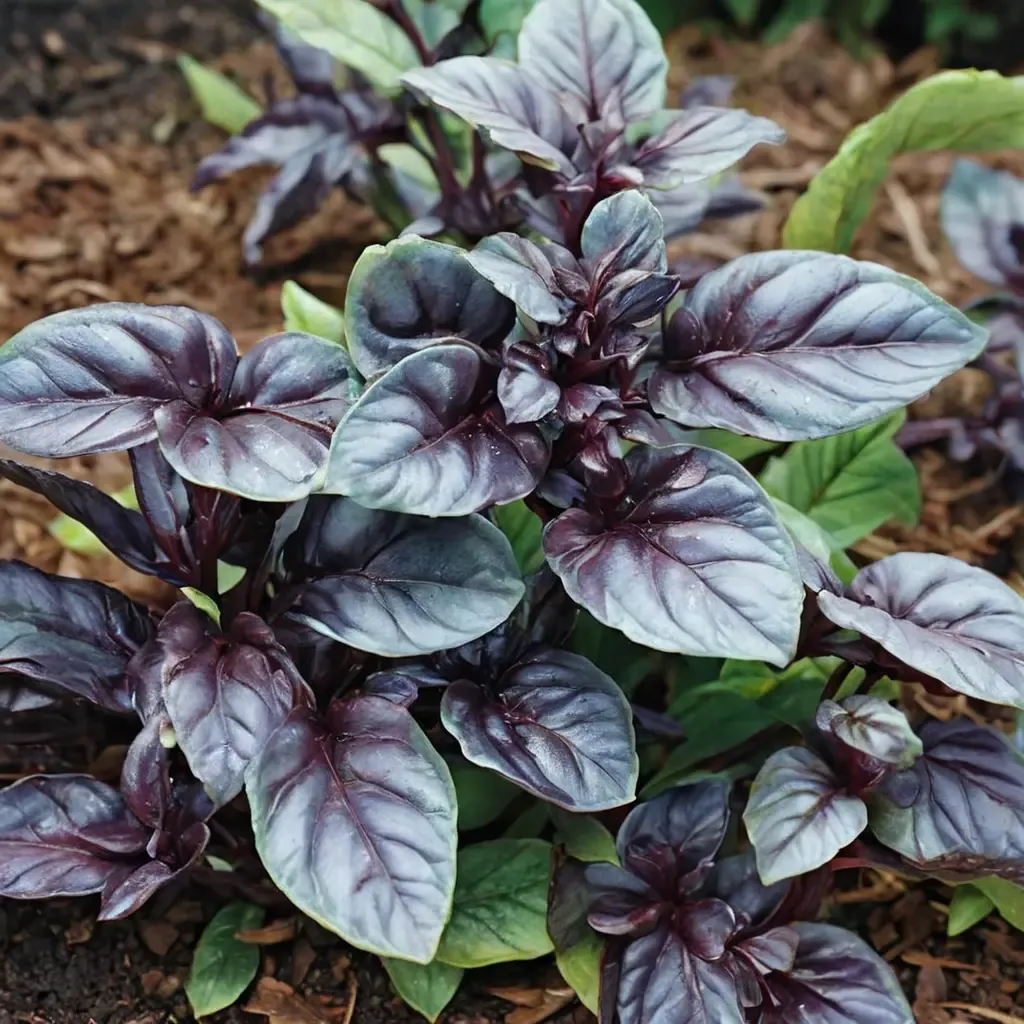
Amethyst Improved Basil
Ocimum basilicum 'Amethyst Improved'
Keep exploring
Explore the genus
Grow Sweet Genovese Basil with confidence
See it in a design of your actual yard, get zone-matched care reminders, and track it season by season in your garden journal.