
Species
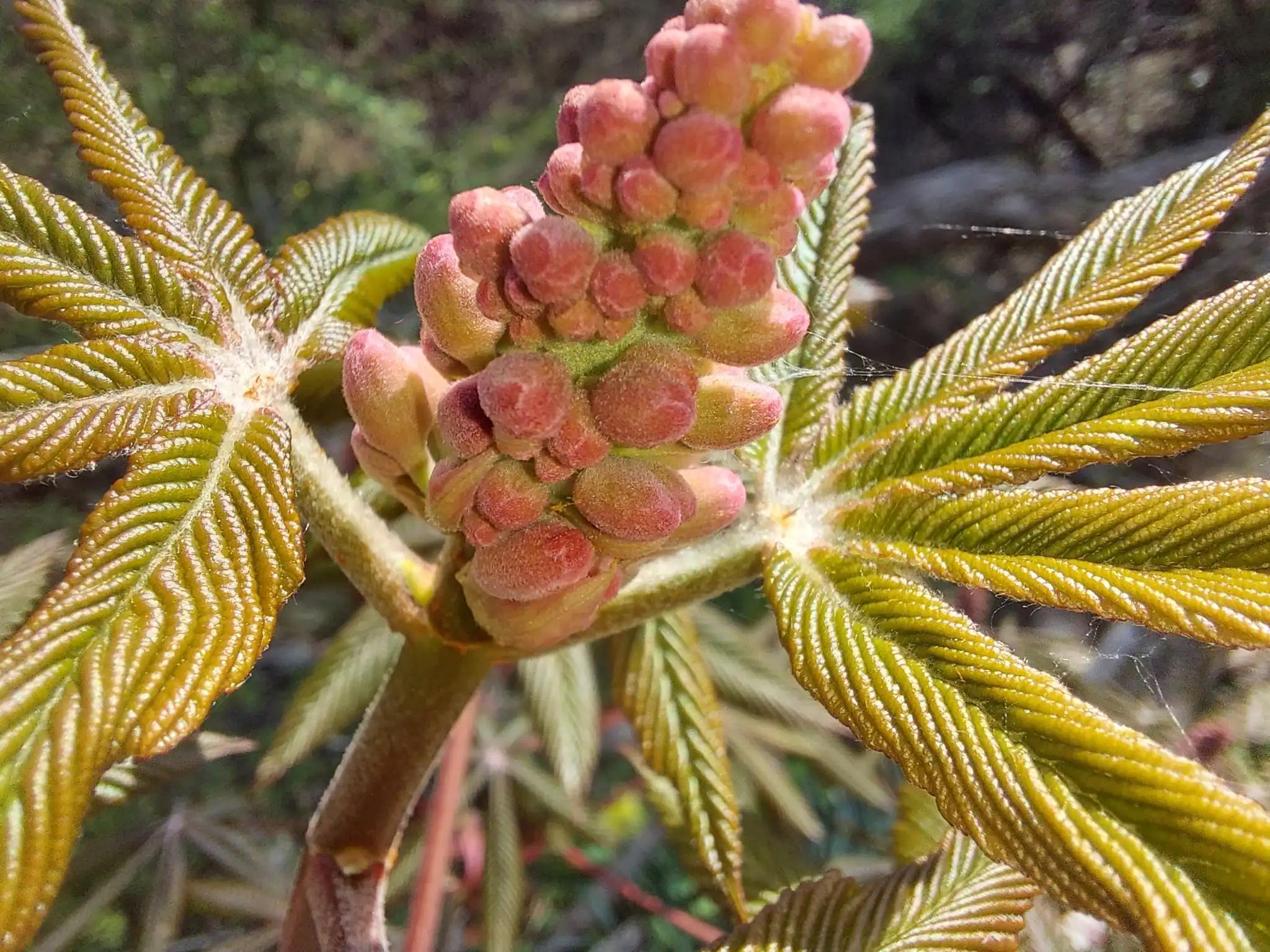 Aesculus carneaRed Horsechestnut
1 other cultivar
The Story
Plant Bio
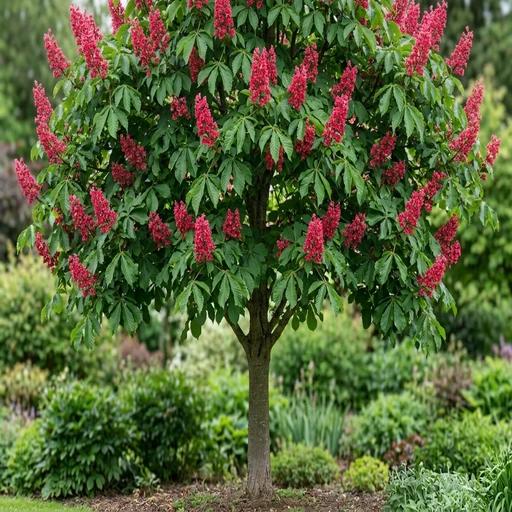
Aesculus x carnea is a hybrid deciduous tree known for its dense, rounded canopy and large, palmate leaves. It produces spectacular upright panicles of flowers in late spring.
'Fort McNair' is noted for its resistance to leaf blotch and scorch, which commonly plague the species. It produces large, showy panicles of deep pink flowers with yellow throats.
Uses & Benefits:
Essentials
At a Glance
Plant Type
Tree
Height
360"
Width
300"
Light
Full Sun, Partial Sun
Zones
4, 5, 6, 7
Water
Medium to wet
Humidity
Average to high
Lifespan
Medium
Native To
Hybrid Origin
Toxicity
All parts are toxic if ingested
Bloom period
Late spring – Early summer
In flower about 2 months of the year
Planting
How to Grow
- Select a location with full sun and moist, well-drained soil.
- Dig a hole twice the width of the root ball.
- Place the tree in the hole, ensuring the root flare is at soil level.
- Backfill with the original soil, watering to settle.
- Apply a 3-inch layer of mulch around the base.
- Water regularly, especially during dry periods, to prevent leaf scorch.
Pro Tip
Provide consistent moisture and good air circulation to maintain healthy foliage and minimize leaf scorch, especially in hotter climates.
Keep It Thriving
Care Guide
Do
- Water deeply and consistently through summer.
- Rake up and dispose of fallen leaves in autumn to reduce disease.
- Prune in late winter to remove dead or crossing branches.
Don't
- Don't plant in hot, dry, or windy sites.
- Avoid letting the soil dry out completely.
- Don't plant where falling fruit (conkers) will be a nuisance.
Seasonal Care Calendar
| Task | Jan | Feb | Mar | Apr | May | Jun | Jul | Aug | Sep | Oct | Nov | Dec |
|---|---|---|---|---|---|---|---|---|---|---|---|---|
| Plant | ||||||||||||
| Prune | ||||||||||||
| Spring Cleanup |
Watch Out For
Pests & Diseases
Common Pests
Common Diseases
In the Garden
Landscape Uses & Companions
Landscape Uses
Multiply
Propagation Methods
Good to Know
Common Questions
Fort McNair Red Horse Chestnut questions
What zones can Fort McNair Red Horse Chestnut grow in?
Fort McNair Red Horse Chestnut is hardy in USDA Zones 4–7. Inside that range it survives winter in the ground; outside it, grow it as an annual or a container plant you protect.
Is Fort McNair Red Horse Chestnut deer resistant?
Yes — Fort McNair Red Horse Chestnut is rated deer-resistant. Deer typically pass it over, though extreme hunger can override any plant's defenses.
When does Fort McNair Red Horse Chestnut bloom?
Fort McNair Red Horse Chestnut typically blooms in late spring through early summer. Exact timing shifts a week or two with your zone — Sow's bloom calendar maps it to your garden.
Does Fort McNair Red Horse Chestnut need full sun?
Fort McNair Red Horse Chestnut does best in full sun to part shade. In hot climates, afternoon shade keeps blooms fresher longer.
More Aesculus to compare
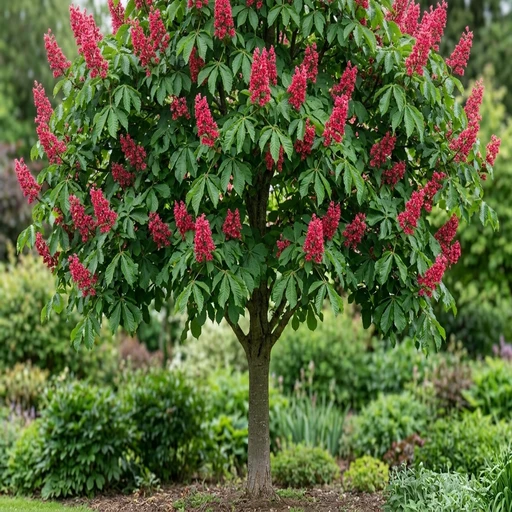
Briotii Red Horsechestnut
Aesculus carnea 'Briotii'
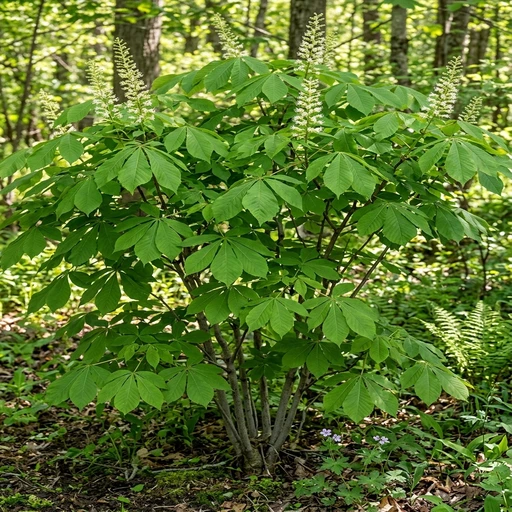
Bottlebrush Buckeye
Aesculus parviflora
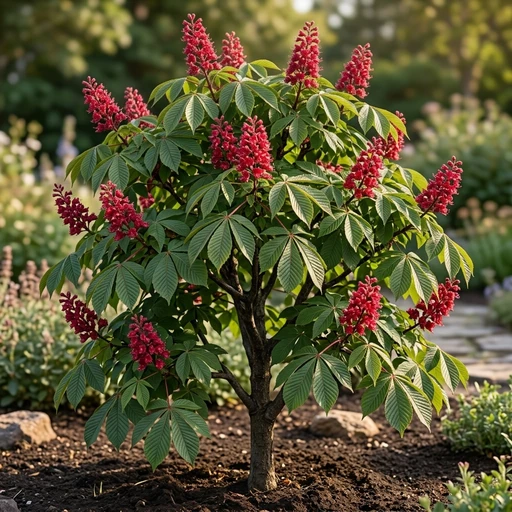
Red Buckeye
Aesculus pavia
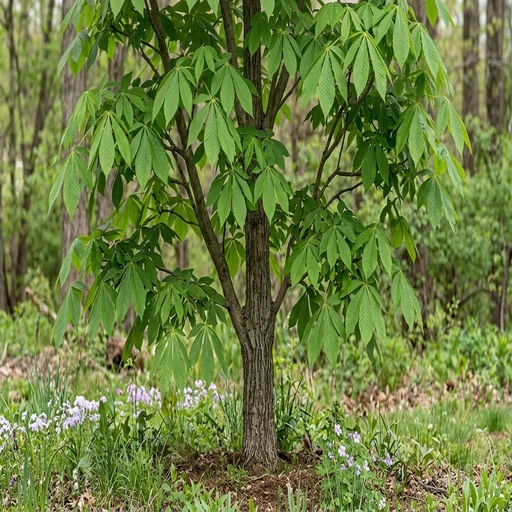
Early Glow Ohio Buckeye
Aesculus glabra 'Early Glow'
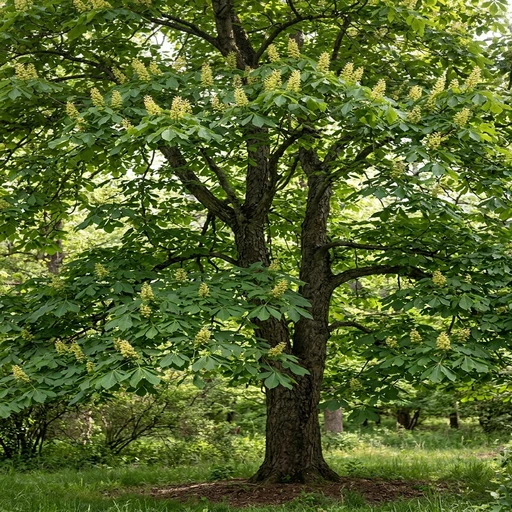
Yellow Buckeye
Aesculus flava
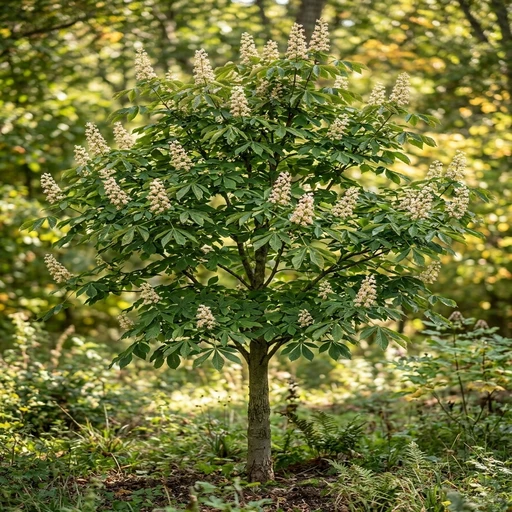
Autumn Splendor Buckeye
Aesculus arnoldiana 'Autumn Splendor'
Keep exploring
Explore the genus
Hardy in your zone?
Grow Fort McNair Red Horse Chestnut with confidence
See it in a design of your actual yard, get zone-matched care reminders, and track it season by season in your garden journal.