The Story
Plant Bio
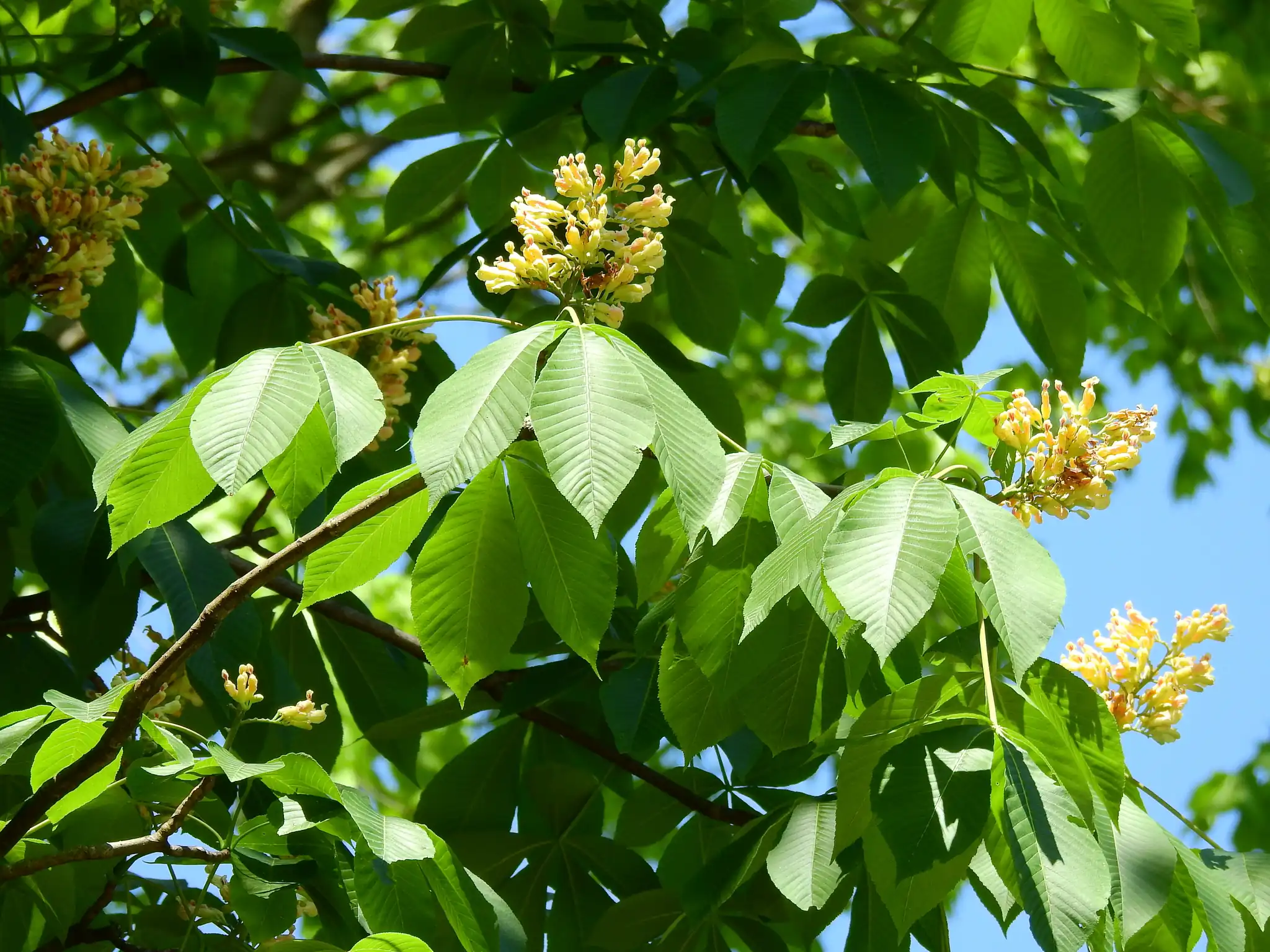
Aesculus flava is a large, deciduous North American native tree with distinctive palmate leaves and showy upright panicles of yellow flowers in spring. It develops a beautiful, broad-rounded crown with age.
Unlike many other buckeyes, its leaves are more resistant to the leaf blotch and scorch that can make them look ragged by late summer. The smooth, light gray bark is also an attractive feature.
Uses & Benefits:
Essentials
At a Glance
Plant Type
Tree
Height
720"
Width
480"
Light
Full Sun, Partial Sun
Zones
4, 5, 6, 7, 8
Water
Medium
Humidity
Moderate
Lifespan
Over 100 years
Native To
Eastern North America
Toxicity
All parts, especially seeds, are toxic if ingested.
Bloom period
Late spring – Early summer
In flower about 2 months of the year
Planting
How to Grow
- Select a site with full sun or part shade and moist, rich soil.
- Dig a hole two to three times the width of the root ball.
- Place the tree in the hole, ensuring the root flare is at soil level.
- Backfill with the excavated soil and water in well.
- Apply a 2-3 inch layer of mulch around the base.
- Water regularly during the first few growing seasons to establish.
Pro Tip
Provide ample space for this large tree to reach its full potential; avoid planting near pavement due to falling nuts.
Keep It Thriving
Care Guide
Do
- Provide consistent moisture, especially during dry spells.
- Allow plenty of room for its large mature size.
- Rake up fallen nuts in autumn to prevent unwanted seedlings.
- Plant in slightly acidic soil for best performance.
Don't
- Don't plant in dry, compacted soils.
- Avoid planting in high-traffic areas where falling nuts could be a hazard.
- Don't over-fertilize; it typically doesn't require it in good soil.
- Avoid wounding the thin bark with lawn equipment.
Seasonal Care Calendar
| Task | Jan | Feb | Mar | Apr | May | Jun | Jul | Aug | Sep | Oct | Nov | Dec |
|---|---|---|---|---|---|---|---|---|---|---|---|---|
| Pest Check | ||||||||||||
| Plant | ||||||||||||
| Prune |
Watch Out For
Pests & Diseases
Common Pests
Common Diseases
In the Garden
Landscape Uses & Companions
Landscape Uses
Multiply
Propagation Methods
Good to Know
Common Questions
Yellow Buckeye questions
What zones can Yellow Buckeye grow in?
Yellow Buckeye is hardy in USDA Zones 4–8. Inside that range it survives winter in the ground; outside it, grow it as an annual or a container plant you protect.
Is Yellow Buckeye deer resistant?
Not reliably. Deer may browse Yellow Buckeye, especially tender spring growth — plan on repellents or fencing where pressure is high.
When does Yellow Buckeye bloom?
Yellow Buckeye typically blooms in late spring through early summer. Exact timing shifts a week or two with your zone — Sow's bloom calendar maps it to your garden.
Does Yellow Buckeye need full sun?
Yellow Buckeye does best in full sun to part shade. In hot climates, afternoon shade keeps blooms fresher longer.
More Aesculus to compare
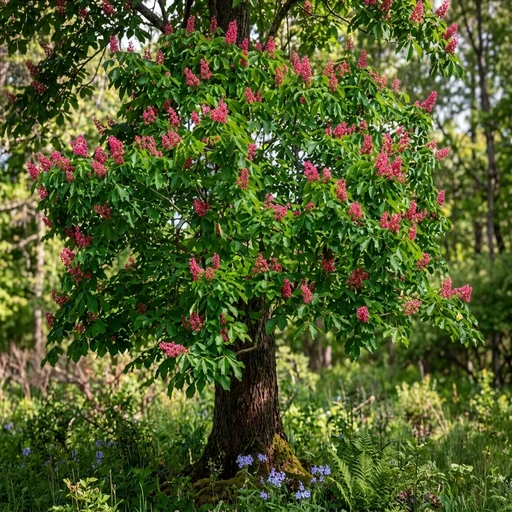
Fort McNair Red Horse Chestnut
Aesculus carnea 'Fort Mcnair'
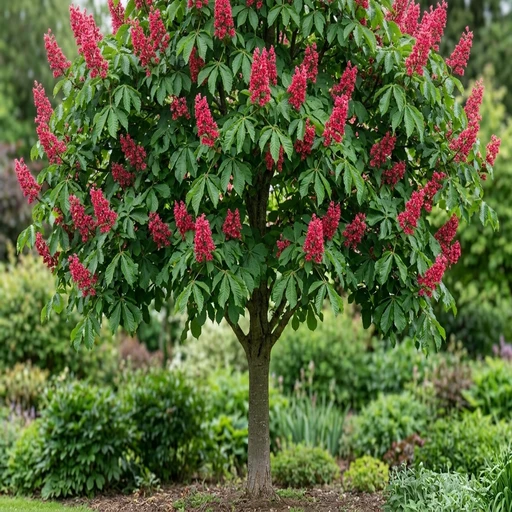
Briotii Red Horsechestnut
Aesculus carnea 'Briotii'
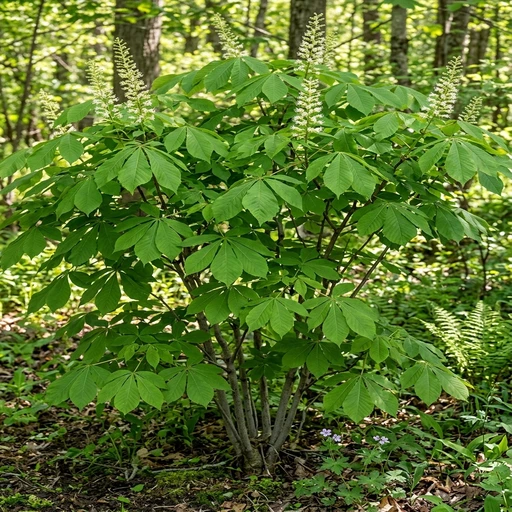
Bottlebrush Buckeye
Aesculus parviflora
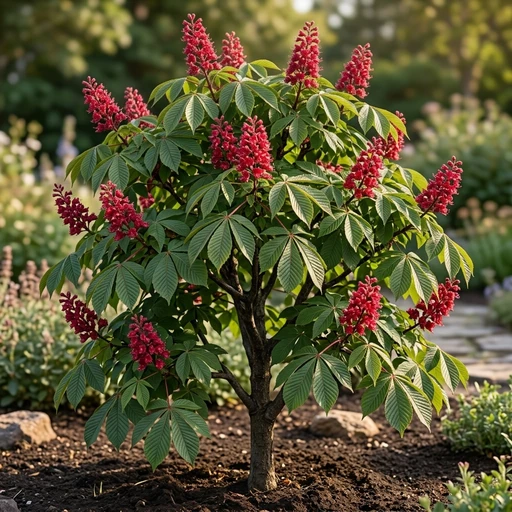
Red Buckeye
Aesculus pavia
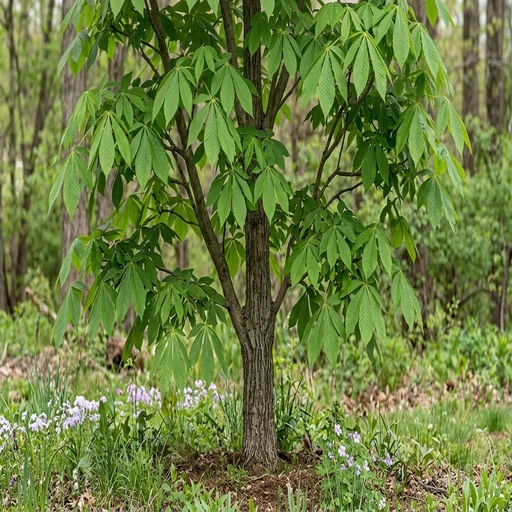
Early Glow Ohio Buckeye
Aesculus glabra 'Early Glow'
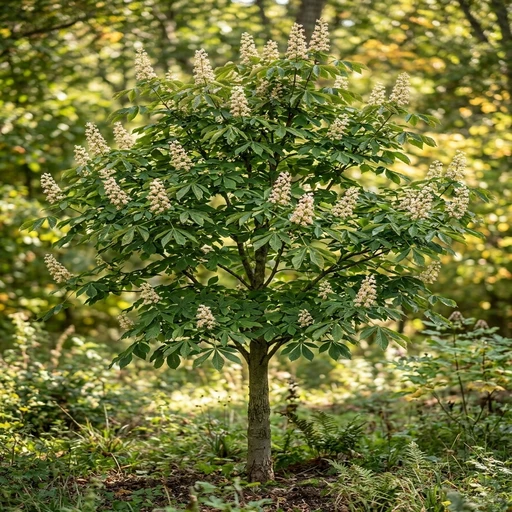
Autumn Splendor Buckeye
Aesculus arnoldiana 'Autumn Splendor'
Keep exploring
Explore the genus
Hardy in your zone?
Grow Yellow Buckeye with confidence
See it in a design of your actual yard, get zone-matched care reminders, and track it season by season in your garden journal.