Also known as Buckeye · 167 saves
Aesculus
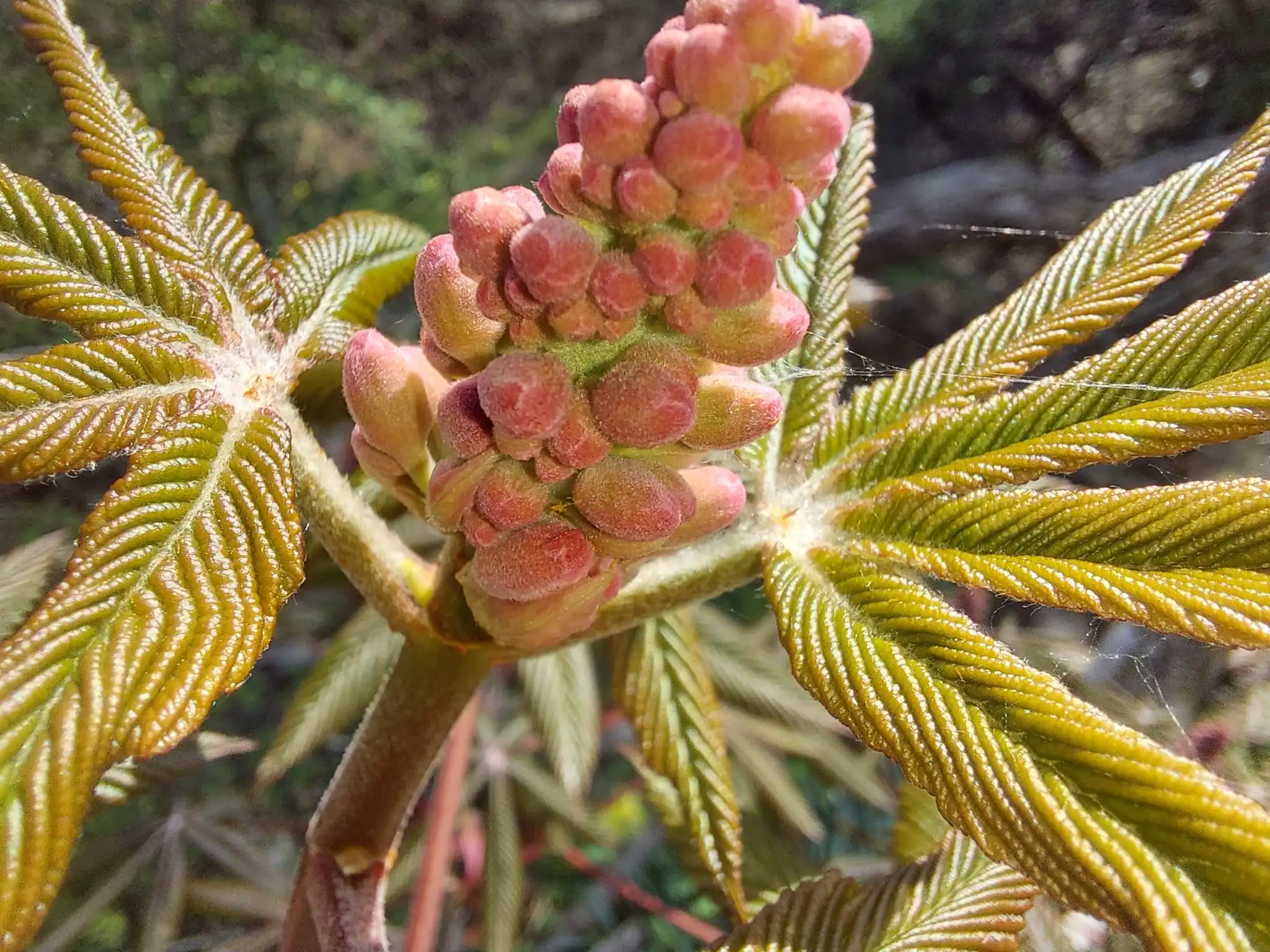
Aesculus, the genus most gardeners know as buckeye. We track 10 varieties; the ones most used by real gardeners.
The 10 most-saved Aesculus varieties
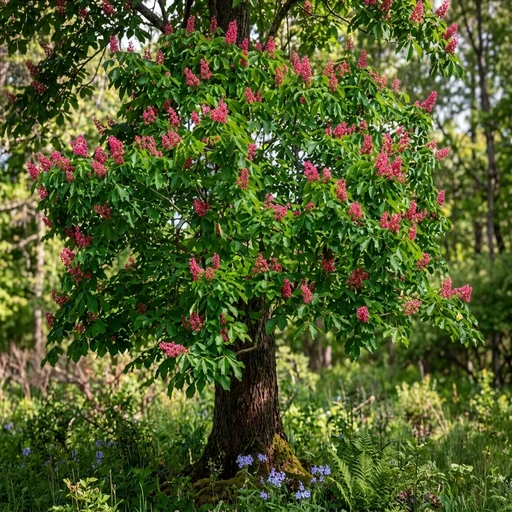
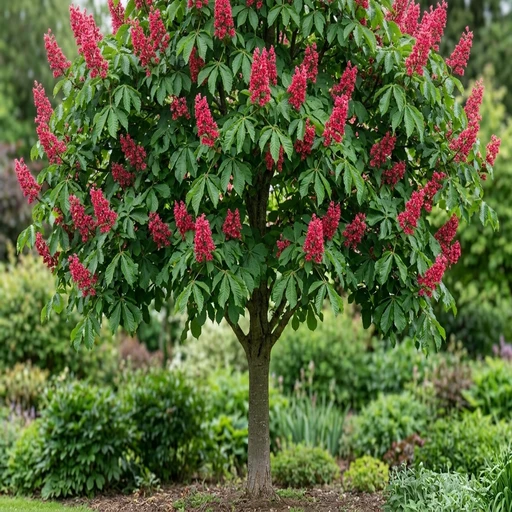
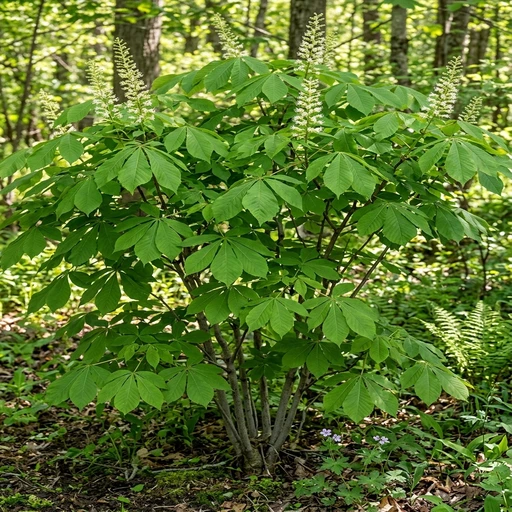
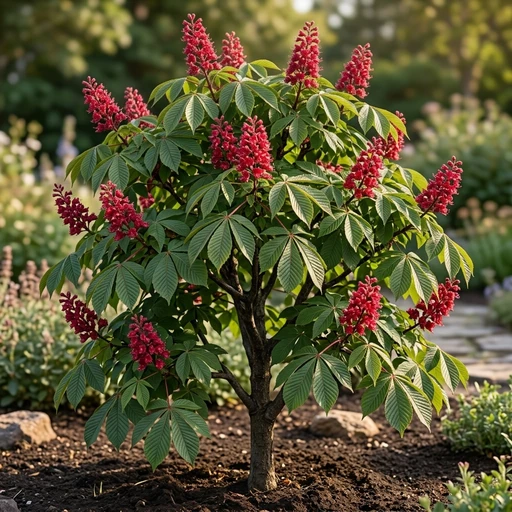
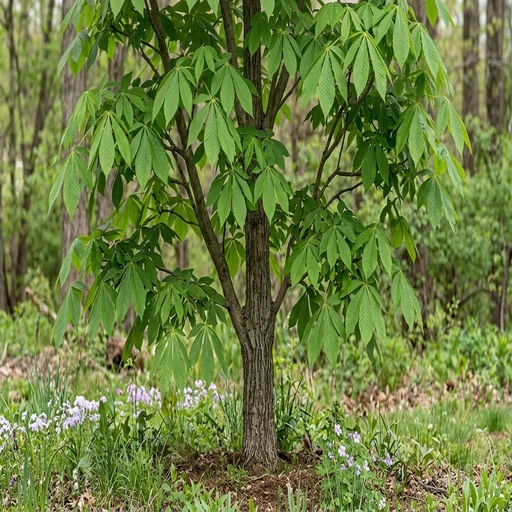
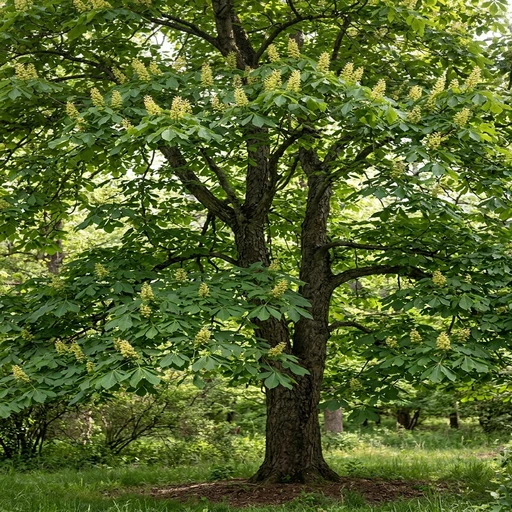
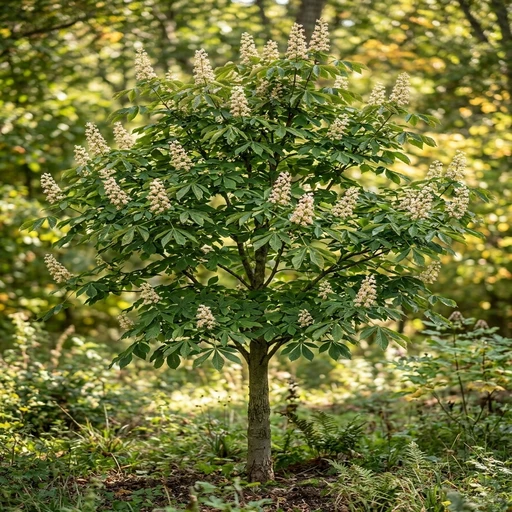
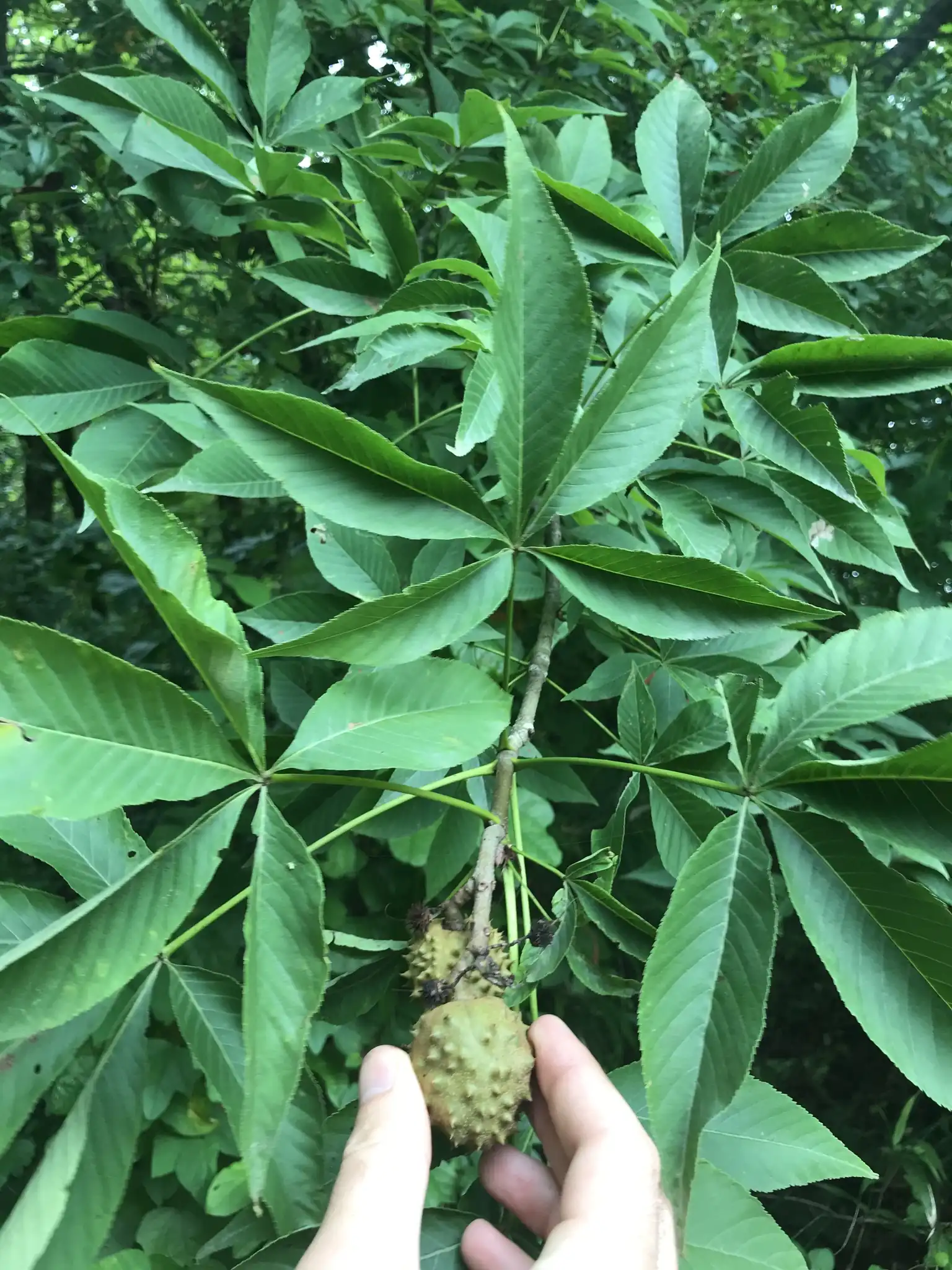

3 species of Aesculus
Each one is a parent of the varieties above.
Track your Aesculus in Sow
Save the Aesculus you grow and get care reminders timed to your zone.
How to grow Aesculus
Whats common across all Aesculus varieties in our catalog — drawn from the care records of the 10 most-grown of them.
The Aesculus year
- PruneFebruary and March80% of varieties
Prune in winter to remove dead, damaged, or crossing branches.
- MulchApril and May70% of varieties
Renew mulch over the root zone in spring, kept clear of the trunk.
- PlantApril, May, October and November60% of varieties
Plant in spring or fall in a spacious location.


Do
- Water deeply while establishing 💧
- Provide consistent moisture, especially during dry spells.
- Allow plenty of room for its large mature size.
- Rake up fallen nuts in autumn to prevent unwanted seedlings.
- Plant in slightly acidic soil for best performance.
Avoid
- Don't plant in dry, compacted soils.
- Avoid planting in high-traffic areas where falling nuts could be a hazard.
- Don't over-fertilize; it typically doesn't require it in good soil.
- Avoid wounding the thin bark with lawn equipment.
What goes wrong with Aesculus
| Problem | What you'll see | What to do |
|---|---|---|
| Japanese Beetle | Adults skeletonize leaves, eating the tissue between the veins. | Hand-pick beetles in the morning. Use pheromone traps away from the tree. Neem oil can deter feeding. |
| Generally pest-free | No significant insect damage is typical | Monitor only; buckeye hybrids are generally less troubled than horse chestnuts |
| Japanese Beetles | Skeletonized leaves, with only the veins remaining. | Hand-pick beetles and drop them into soapy water. Use pheromone traps away from the plant. Apply neem oil or insecticides containing carbaryl for severe infestations. |
| Scale Insects | Small, hard bumps on stems and leaves, often with sticky honeydew. | Spray with horticultural oil during the dormant season. Use insecticidal soap on active crawlers. |
| Powdery Mildew | White, powdery coating on leaves, especially in humid conditions. | Improve air circulation. Apply horticultural oil or potassium bicarbonate sprays. |
| Guignardia Leaf Blotch | Large, irregular reddish-brown blotches on leaves, causing them to scorch. | This species is highly resistant. Rake and destroy fallen leaves. Fungicide sprays are rarely warranted. |
| Leaf Blotch | Brown or reddish-brown blotches on leaves, causing them to look scorched and drop early. | Aesculus pavia is more resistant than others, but good sanitation helps. Rake up and destroy fallen leaves. Ensure good air circulation. |
Making more Aesculus
Seed
- Collect nuts in early autumn as soon as they fall.
- Sow immediately outdoors in a protected bed.
- Alternatively, stratify in a bag of moist sand in the fridge.
- Germination occurs in spring after 120 days of cold stratification.
Grafting
- Graft onto a compatible Aesculus rootstock in late winter.
- Keep the union clean and above soil level.
- Grow on two seasons before planting out.
Aesculus questions
How many types of Aesculus are there?
The Sow catalog tracks 10 distinct Aesculus varieties. The most popular — ranked by 167 real gardeners — are shown first above.
What zones does Aesculus grow in?
Across its varieties, Aesculus covers USDA Zones 4–8. Individual varieties differ — each plant page lists its exact range, and Sow filters the catalog to your zone automatically.
When does Aesculus bloom?
Most Aesculus varieties bloom in late spring, early summer, mid-spring. Staggering early, mid, and late varieties extends the genus's season in one bed.
Which Aesculus should I choose?
Start from the most-saved varieties above — popularity across thousands of gardens is a strong signal of reliability — then filter by your zone and sun. In the Sow app you can preview any of them in a photo of your actual yard before you buy.