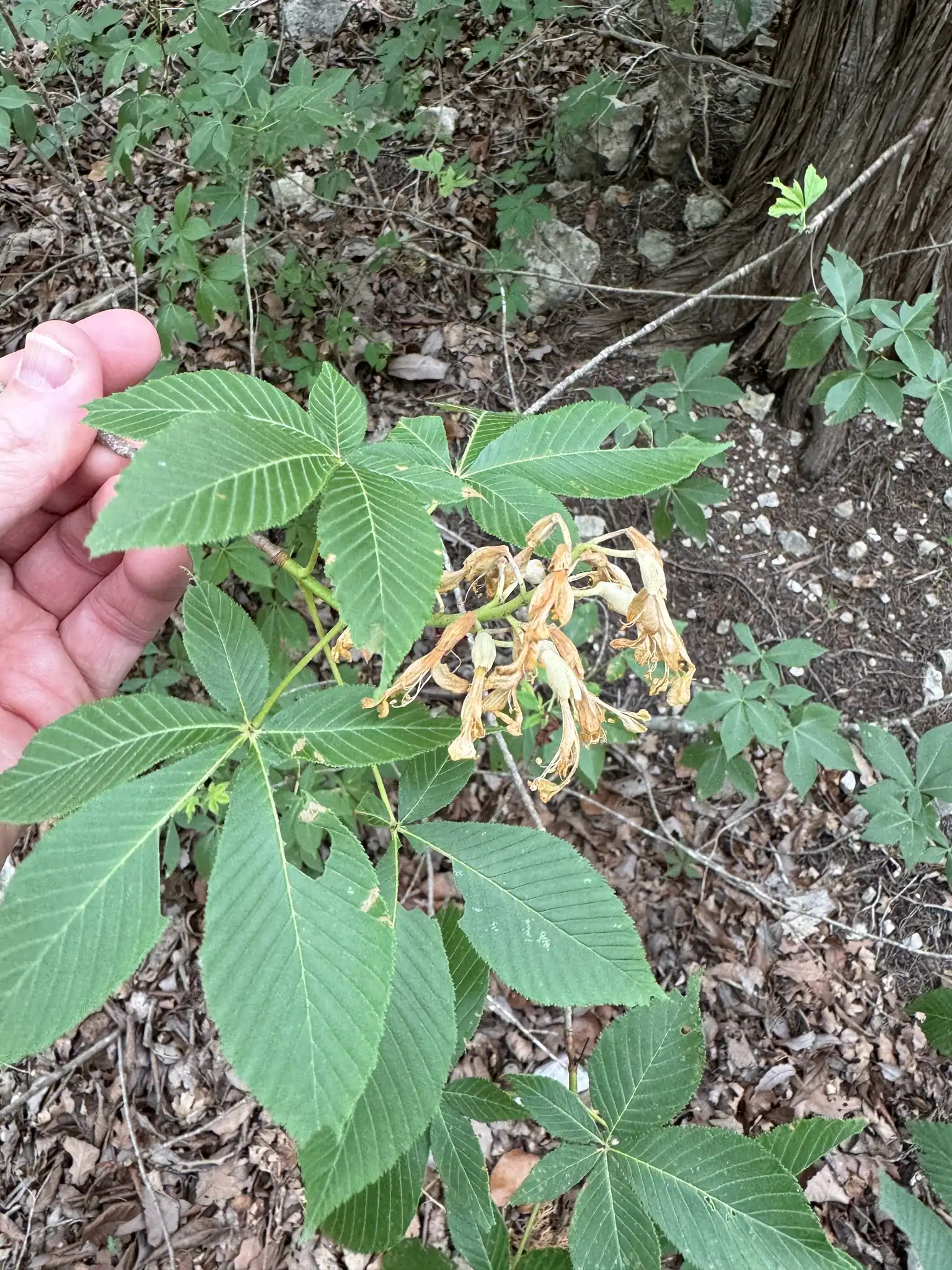
The Story
Plant Bio
Aesculus pavia, the red buckeye, is a deciduous shrub or small understory tree native to the southeastern United States. It is celebrated for its showy panicles of red, tubular flowers that appear in spring and are a magnet for hummingbirds.
Unlike its larger relatives, the red buckeye maintains a manageable size, making it suitable for smaller landscapes. Its early spring bloom provides a vital nectar source for returning ruby-throated hummingbirds, and it is more resistant to the leaf blotch that plagues other buckeyes.
Uses & Benefits:
Essentials
At a Glance
Plant Type
Tree
Height
180"
Width
180"
Light
Full Sun, Partial Sun, Shade
Zones
4, 5, 6, 7, 8
Water
Medium
Humidity
Average to high
Lifespan
Medium
Native To
Southeastern United States
Toxicity
All parts, especially seeds, are highly toxic if ingested
Bloom period
Mid-spring – Late spring
In flower about 2 months of the year
Marketplace
Where to Buy
Shipping costs Year-round shipping Free shipping
Planting
How to Grow
- Select a site with moist, well-drained soil and partial shade.
- Dig a hole two to three times wider than the root ball.
- Set the tree in the hole, with the root flare at or slightly above ground level.
- Backfill with native soil, watering gently to settle.
- Water deeply and regularly during the first growing season.
- Apply a 2-3 inch layer of mulch around the base, avoiding the trunk.
Pro Tip
Plant in a location with morning sun and afternoon shade to promote the best flowering while preventing summer leaf scorch.
Keep It Thriving
Care Guide
Do
- Provide consistent moisture, especially during dry periods.
- Plant in a location protected from harsh afternoon sun.
- Allow it to develop its natural, multi-stemmed form.
- Remove the seed capsules if you are concerned about toxicity or self-seeding.
Don't
- Do not plant in poorly drained, waterlogged soils.
- Avoid letting the soil dry out completely, which can cause leaf scorch.
- Do not ingest any part of the plant; the seeds are particularly poisonous.
- Avoid heavy pruning, which can spoil its natural form.
Seasonal Care Calendar
| Task | Jan | Feb | Mar | Apr | May | Jun | Jul | Aug | Sep | Oct | Nov | Dec |
|---|---|---|---|---|---|---|---|---|---|---|---|---|
| Mulch | ||||||||||||
| Plant | ||||||||||||
| Prune |
Watch Out For
Pests & Diseases
Common Pests
Common Diseases
In the Garden
Landscape Uses & Companions
Landscape Uses
Multiply
Propagation Methods
Good to Know
Common Questions
Red Buckeye questions
What zones can Red Buckeye grow in?
Red Buckeye is hardy in USDA Zones 4–8. Inside that range it survives winter in the ground; outside it, grow it as an annual or a container plant you protect.
Is Red Buckeye deer resistant?
Yes — Red Buckeye is rated deer-resistant. Deer typically pass it over, though extreme hunger can override any plant's defenses.
When does Red Buckeye bloom?
Red Buckeye typically blooms in mid-spring through late spring. Exact timing shifts a week or two with your zone — Sow's bloom calendar maps it to your garden.
Does Red Buckeye need full sun?
Red Buckeye does best in full sun to part shade. In hot climates, afternoon shade keeps blooms fresher longer.
More Aesculus to compare
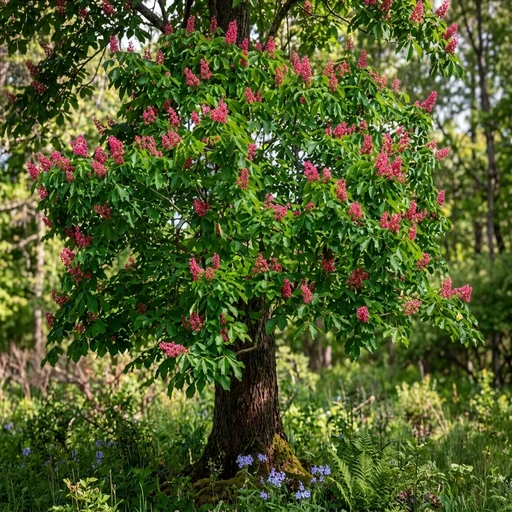
Fort McNair Red Horse Chestnut
Aesculus carnea 'Fort Mcnair'
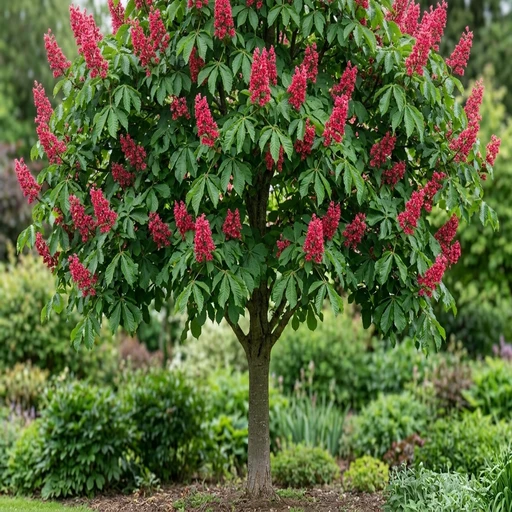
Briotii Red Horsechestnut
Aesculus carnea 'Briotii'
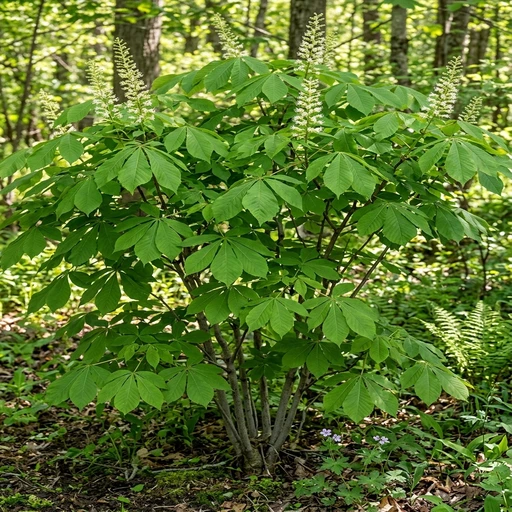
Bottlebrush Buckeye
Aesculus parviflora
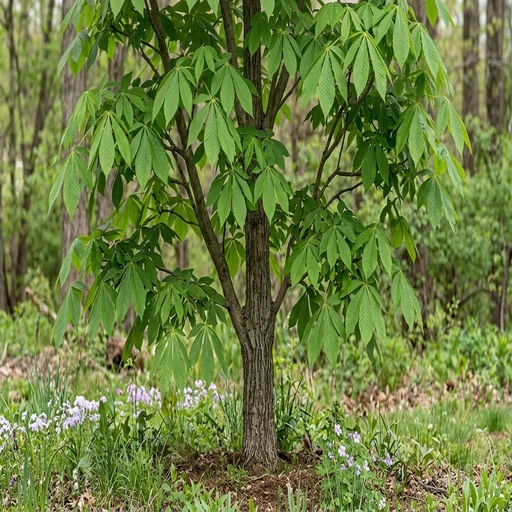
Early Glow Ohio Buckeye
Aesculus glabra 'Early Glow'
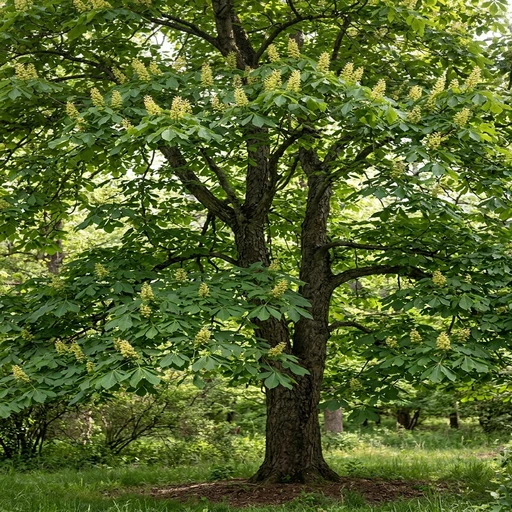
Yellow Buckeye
Aesculus flava
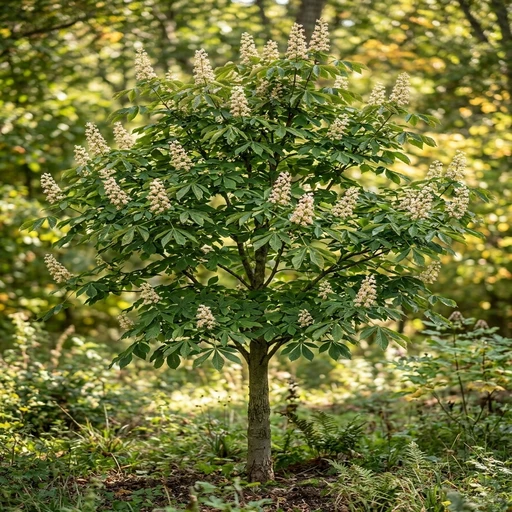
Autumn Splendor Buckeye
Aesculus arnoldiana 'Autumn Splendor'
Keep exploring
Explore the genus
Hardy in your zone?
Grow Red Buckeye with confidence
See it in a design of your actual yard, get zone-matched care reminders, and track it season by season in your garden journal.