2 named cultivars

The Story
Plant Bio
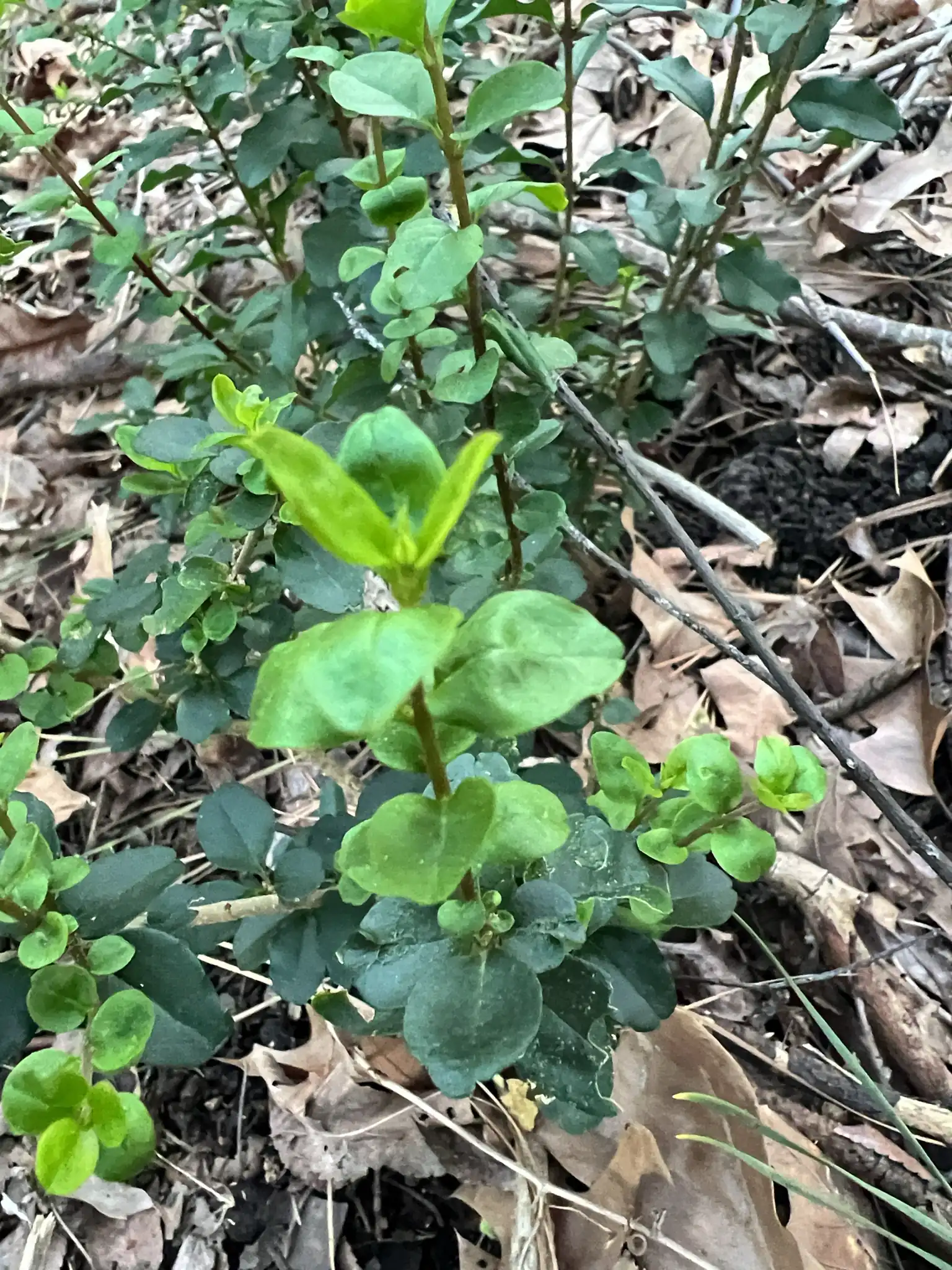
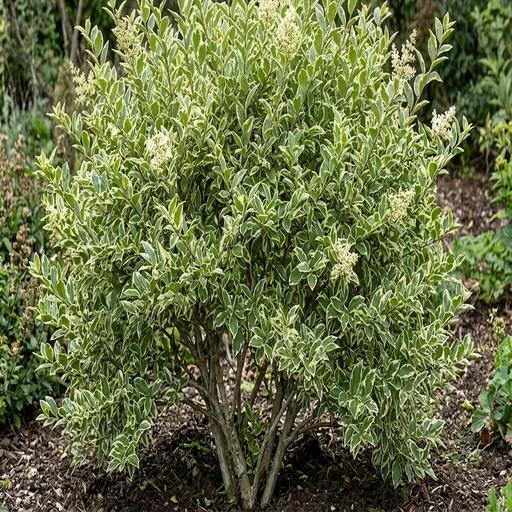
Ligustrum sinense, Chinese privet, is a fast semi-evergreen shrub or small tree from Asia, six to fifteen feet tall and often wider. Small oval leaves cover grey-yellow downy stems, panicles of small white flowers with a heavy scent open in late spring, and clusters of blue-black berries follow and are eaten and spread by birds.
It is one of the most damaging invasive shrubs in the southeastern United States, forming dense thickets that shade out entire forest understoreys, and birds carry the seed far beyond any garden. The flower scent is also a recognised allergen. Do not plant it — for an evergreen hedge of similar habit, use native wax myrtle, inkberry or yaupon holly.
Uses & Benefits:
Essentials
At a Glance
Plant Type
Shrub
Height
129"
Width
150"
Light
Full Sun, Partial Sun
Zones
7, 8, 9, 10
Water
Moderate
Humidity
Moderate
Lifespan
Perennial
Native To
China and Southeast Asia
Toxicity
Berries are toxic; pollen is allergenic
Marketplace
Where to Buy
Shipping costs Year-round shipping Free shipping
Planting
How to Grow
- Do not plant it; choose a native evergreen instead.
- Learn to identify it in existing hedges and woodland.
- Cut established stems at the base to release trees.
- Treat or dig the stumps, which resprout vigorously.
- Remove berried growth before birds spread it.
- Bag all fruiting material rather than composting it.
Pro Tip
Cutting alone makes it worse — privet resprouts hard from the stump, so the cut has to be followed up or you get a denser thicket.
Keep It Thriving
Care Guide
Do
- Plant wax myrtle or inkberry instead 🌱
- Cut and treat stumps together ✂️
- Remove berries before birds take them 🐦
- Bag fruiting material for disposal 🗑️
Don't
- Plant it as a hedge ❌
- Cut it and leave the stump ❌
- Let it fruit near woodland ❌
Seasonal Care Calendar
| Task | Jan | Feb | Mar | Apr | May | Jun | Jul | Aug | Sep | Oct | Nov | Dec |
|---|---|---|---|---|---|---|---|---|---|---|---|---|
| Control | ||||||||||||
| Identify |
Watch Out For
Pests & Diseases
Common Pests
Common Diseases
In the Garden
Landscape Uses & Companions
Landscape Uses
Multiply
Propagation Methods
Good to Know
Common Questions
Variegated Chinese Privet questions
What zones can Variegated Chinese Privet grow in?
Variegated Chinese Privet is hardy in USDA Zones 7–10. Inside that range it survives winter in the ground; outside it, grow it as an annual or a container plant you protect.
Is Variegated Chinese Privet deer resistant?
Yes — Variegated Chinese Privet is rated deer-resistant. Deer typically pass it over, though extreme hunger can override any plant's defenses.
When does Variegated Chinese Privet bloom?
Variegated Chinese Privet typically blooms in late spring through early summer. Exact timing shifts a week or two with your zone — Sow's bloom calendar maps it to your garden.
Does Variegated Chinese Privet need full sun?
Variegated Chinese Privet does best in full sun to part shade. In hot climates, afternoon shade keeps blooms fresher longer.
Is Variegated Chinese Privet drought tolerant?
Yes — once established (usually after the first full season), Variegated Chinese Privet handles dry spells with minimal watering. Water deeply its first year to build the root system that makes that possible.
More Ligustrum to compare
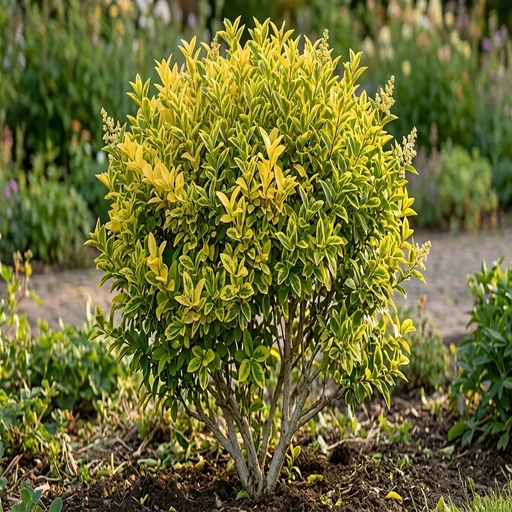
Golden Privet
Ligustrum vicaryi
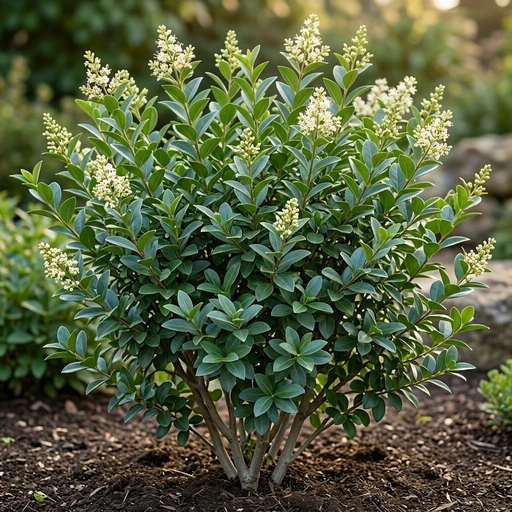
California Privet
Ligustrum ovalifolium
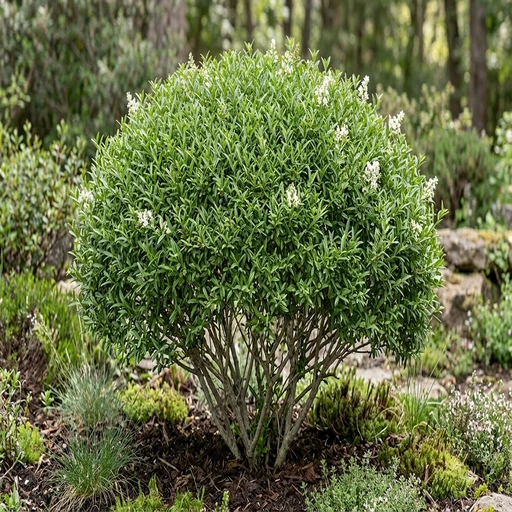
Lodense European Privet
Ligustrum vulgare 'Lodense'
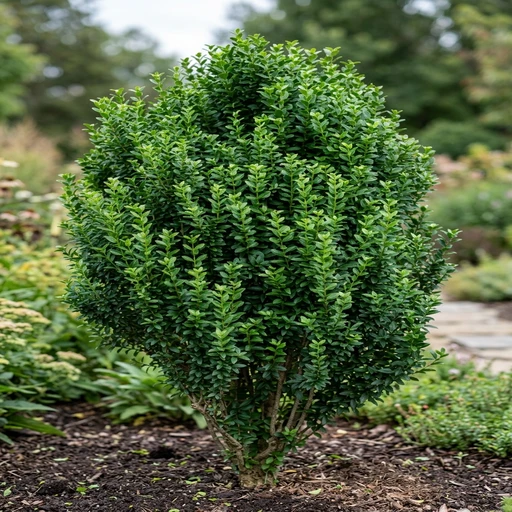
Straight Talk Privet
Ligustrum vulgare 'Straight Talk'
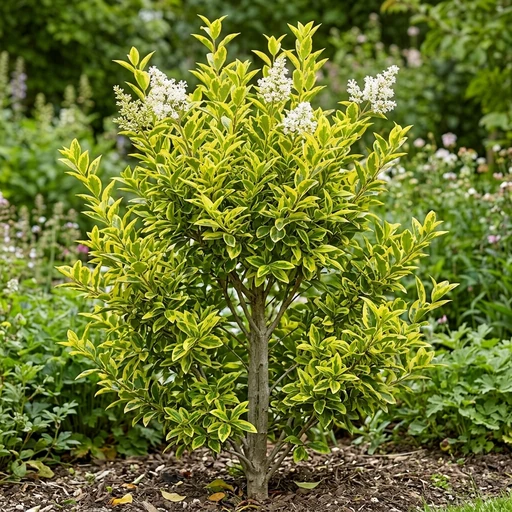
Howard's Ligustrum
Ligustrum japonicum 'Howardi'
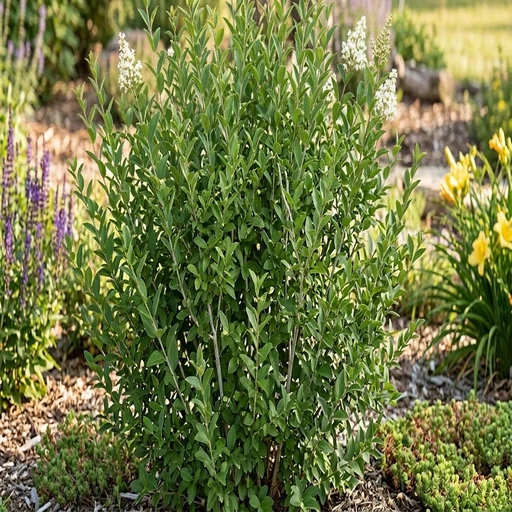
Cheyenne Privet
Ligustrum vulgare 'Cheyenne'
Keep exploring
Explore the genus
Hardy in your zone?
Grow Variegated Chinese Privet with confidence
See it in a design of your actual yard, get zone-matched care reminders, and track it season by season in your garden journal.