Also known as Beautyberry · 266 saves
Callicarpa
Callicarpa, the genus most gardeners know as beautyberry. We track 7 varieties; the ones most used by real gardeners.
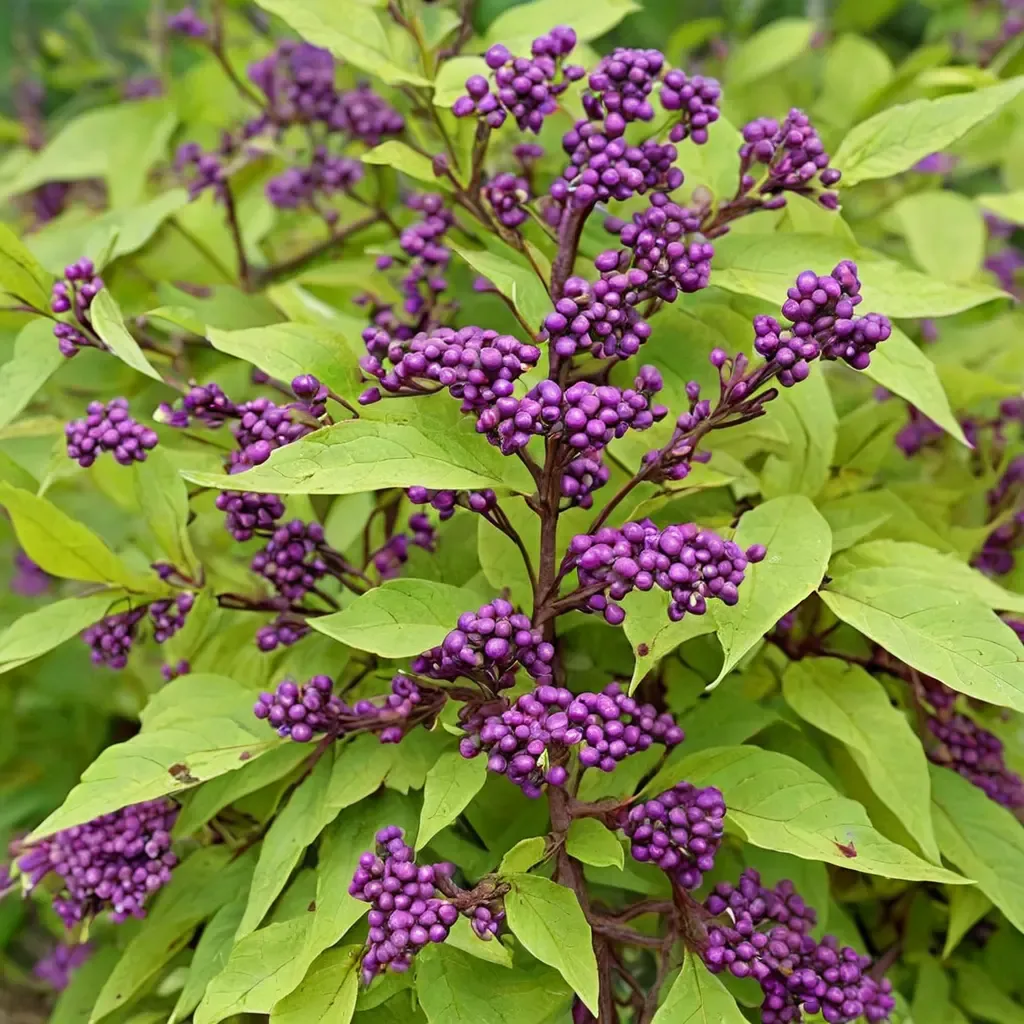
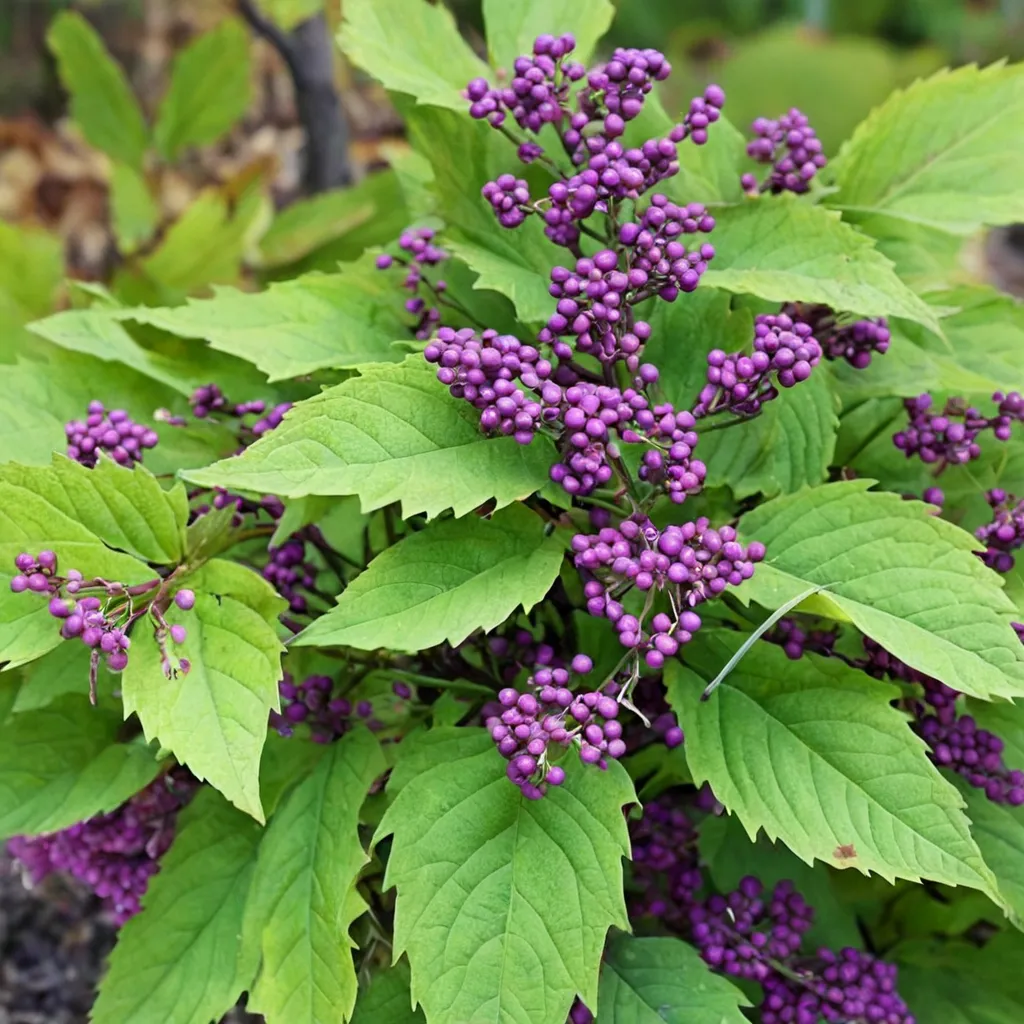
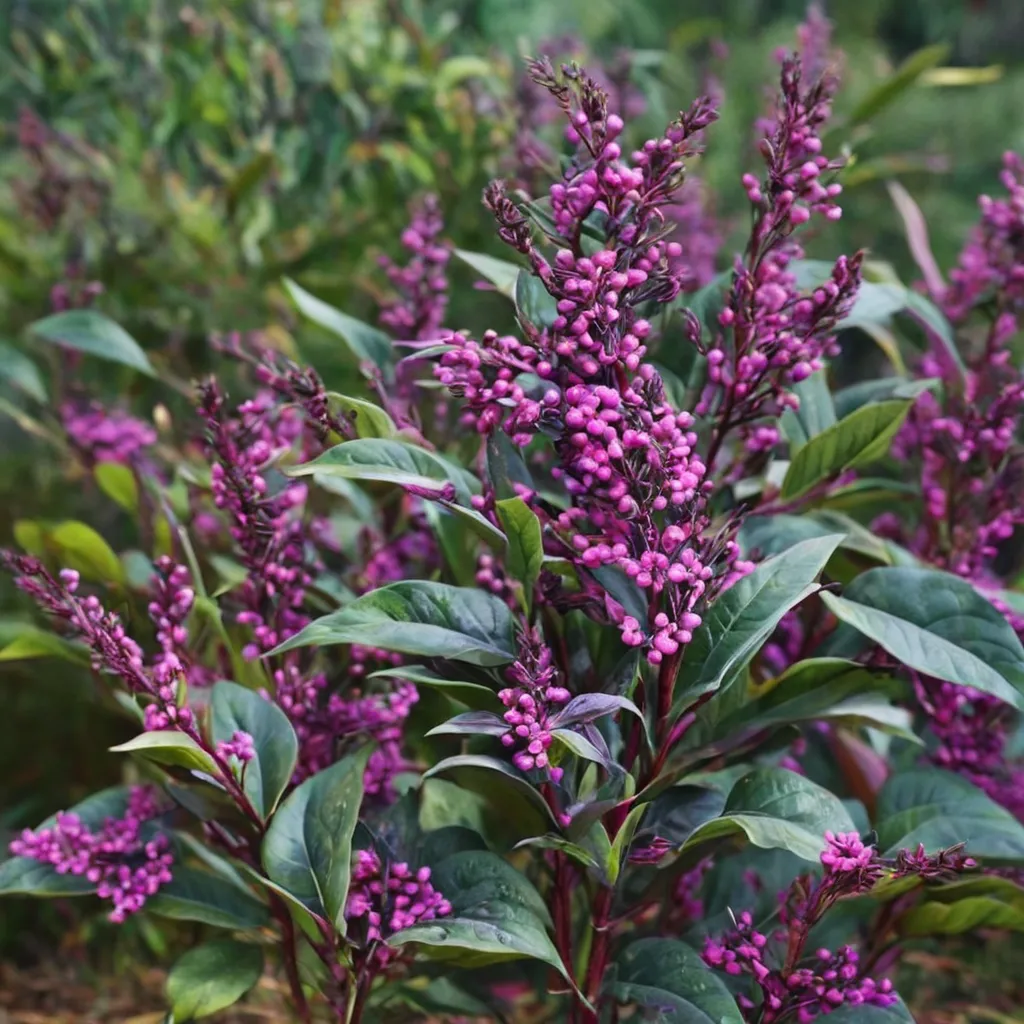
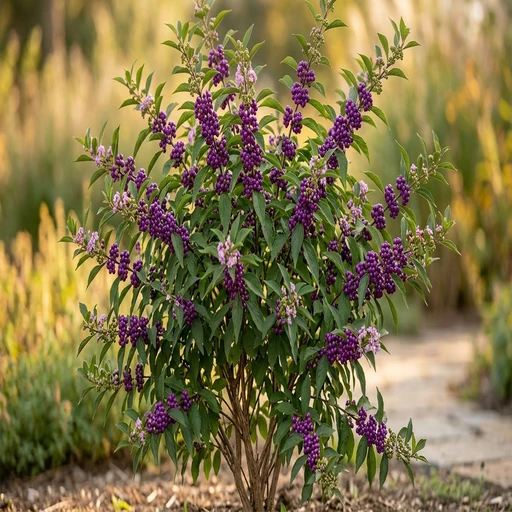
The 6 most-saved Callicarpa varieties
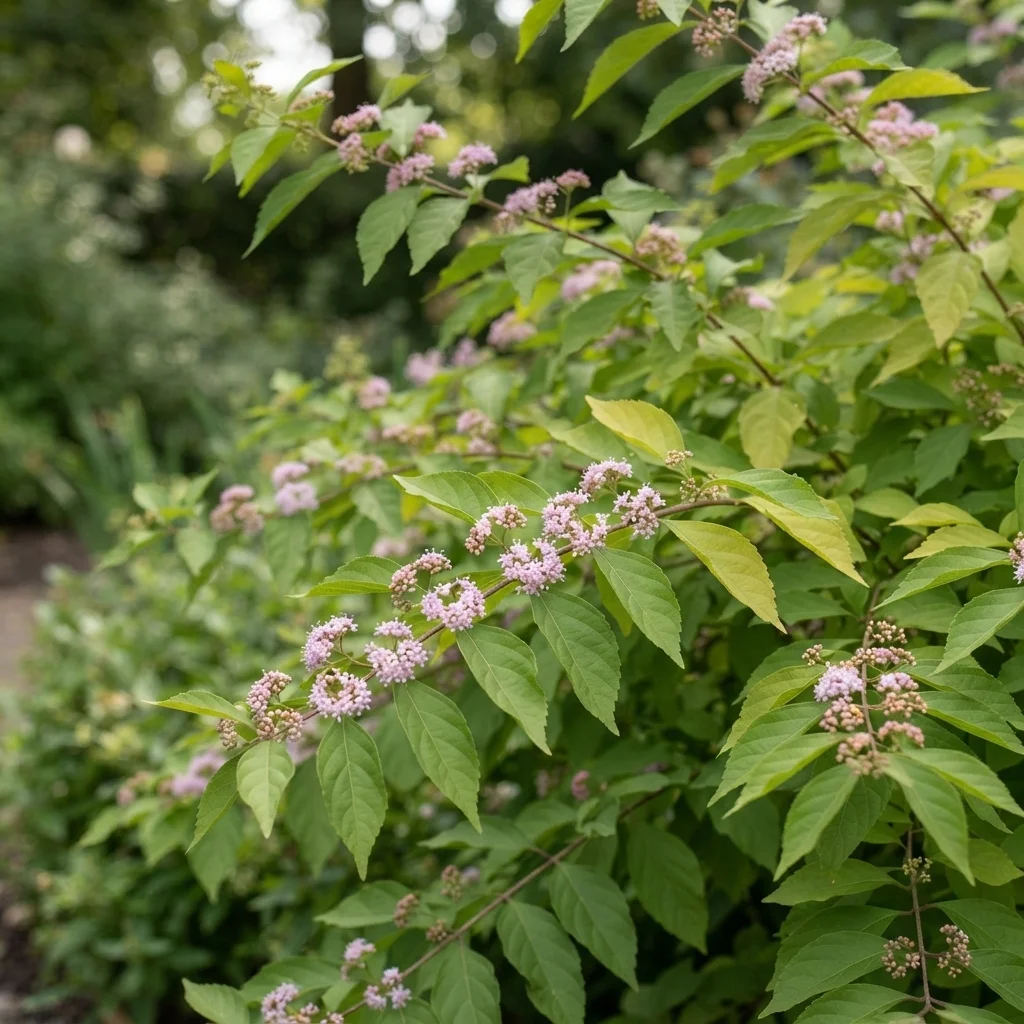

Browse all 7 Callicarpa varieties →
2 species of Callicarpa
Each one is a parent of the varieties above.
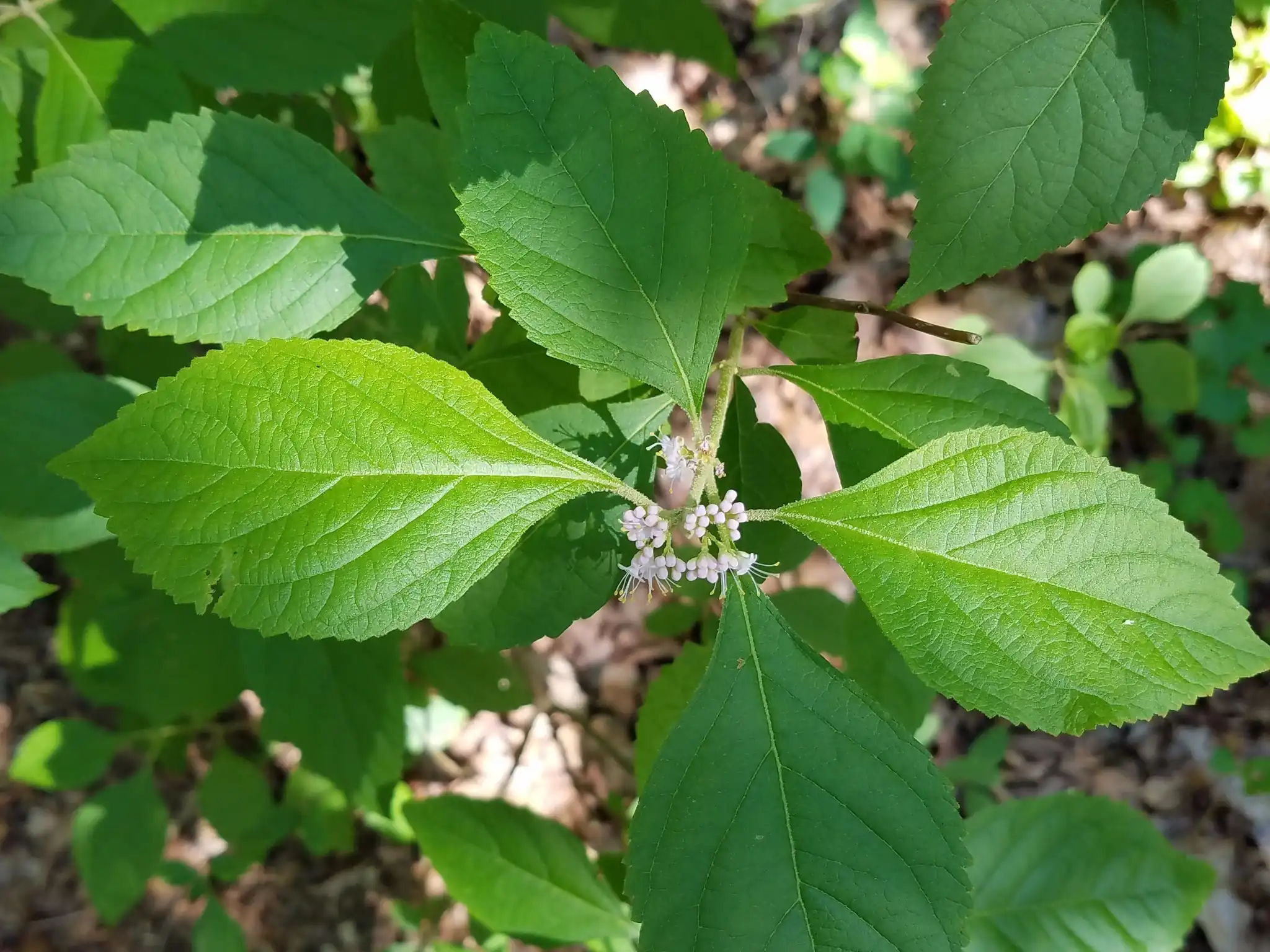
Track your Callicarpa in Sow
Save the Callicarpa you grow and get care reminders timed to your zone.
How to grow Callicarpa
Whats common across all Callicarpa varieties in our catalog — drawn from the care records of the 7 most-grown of them.
The Callicarpa year
- PruneFebruary and March100% of varieties
Prune back hard in late winter to 6-12 inches to encourage vigorous new growth.
- FertilizeApril57% of varieties
Apply a balanced fertilizer in early spring as new growth begins.
- HarvestOctober and November43% of varieties
Cut stems with berries for long-lasting fall floral arrangements.


Do
- Prune to maintain shape after flowering
- Provide full sun for the most prolific berry production.
- Water regularly during dry periods, especially in the first year.
- Prune annually in late winter or early spring.
- Plant in groups of three or more for a truly spectacular fall show.
Avoid
- Overwater to prevent root rot ❌
- Do not plant in heavy, waterlogged soil.
- Avoid high-nitrogen fertilizers, which can promote leaves at the expense of flowers.
- Do not prune after new growth begins in spring, or you will remove flower buds.
What goes wrong with Callicarpa
| Problem | What you'll see | What to do |
|---|---|---|
| Aphids | Small insects clustered on new growth. | Usually not a serious problem. A strong jet of water or insecticidal soap can control them. |
| Scale insects | Yellowing or wilting leaves | Apply horticultural oil in early spring |
| Generally pest-free | No significant insect damage is typical | Monitor only; NCSU notes it is seldom damaged |
| Scale Insects | Small waxy bumps along stems and leaf midribs accompanied by sticky honeydew. | Apply horticultural oil during dormant late winter periods or spray with insecticidal soap during the crawler stage. |
| Root rot | Wilting and blackened roots | Ensure well-draining soil and reduce watering |
| Generally disease-free | No significant disease issues are typical | Monitor only; no routine treatment needed |
| Leaf Spot | Brown or black spots on leaves, usually in wet weather. | Improve air circulation. Rake up and destroy fallen leaves. Generally cosmetic. |
Making more Callicarpa
Cuttings
- Take semi-hardwood cuttings in late summer.
- Dip cuttings in rooting hormone.
- Plant in moist, well-drained soil.
- Keep soil consistently moist for 6 weeks until roots develop.
Seeds
- Collect ripe seeds in fall.
- Stratify seeds in moist sand for 8 weeks at 4°C.
- Sow in spring in well-draining soil.
- Water regularly until seedlings establish.
Callicarpa questions
How many types of Callicarpa are there?
The Sow catalog tracks 7 distinct Callicarpa varieties. The most popular — ranked by 266 real gardeners — are shown first above.
What zones does Callicarpa grow in?
Across its varieties, Callicarpa covers USDA Zones 5–10. Individual varieties differ — each plant page lists its exact range, and Sow filters the catalog to your zone automatically.
When does Callicarpa bloom?
Most Callicarpa varieties bloom in mid summer, summer, mid-summer. Staggering early, mid, and late varieties extends the genus's season in one bed.
Which Callicarpa should I choose?
Start from the most-saved varieties above — popularity across thousands of gardens is a strong signal of reliability — then filter by your zone and sun. In the Sow app you can preview any of them in a photo of your actual yard before you buy.