Species
 Cenchrus alopecuroidesFountain Grass
7 other cultivars

The Story
Plant Bio
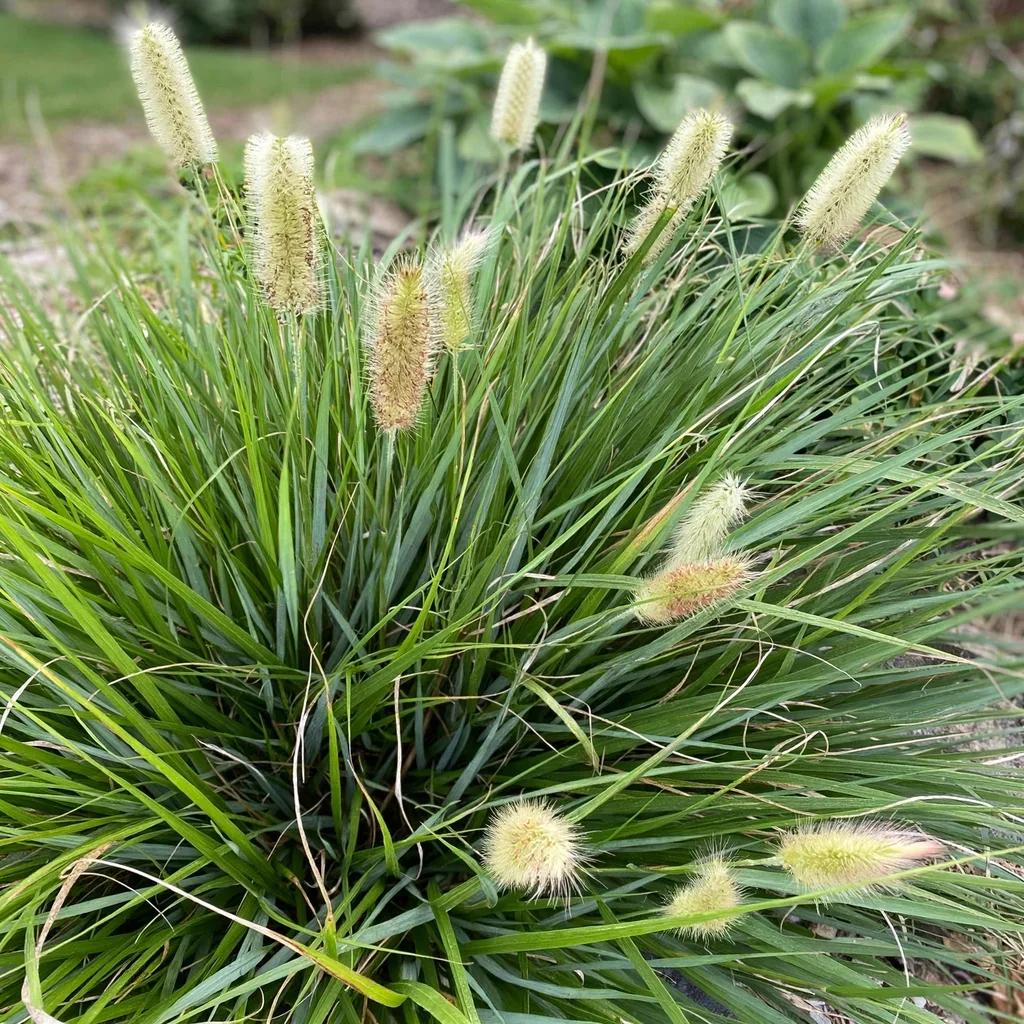
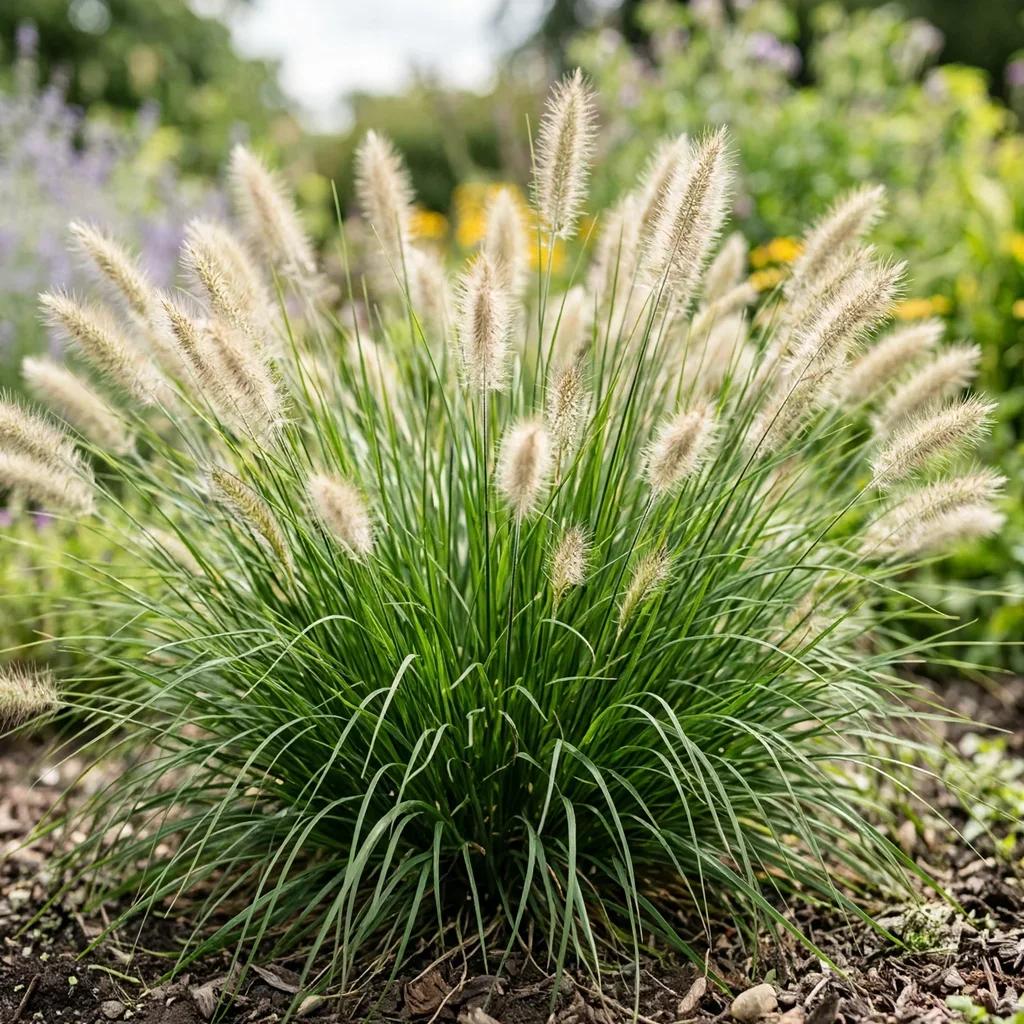
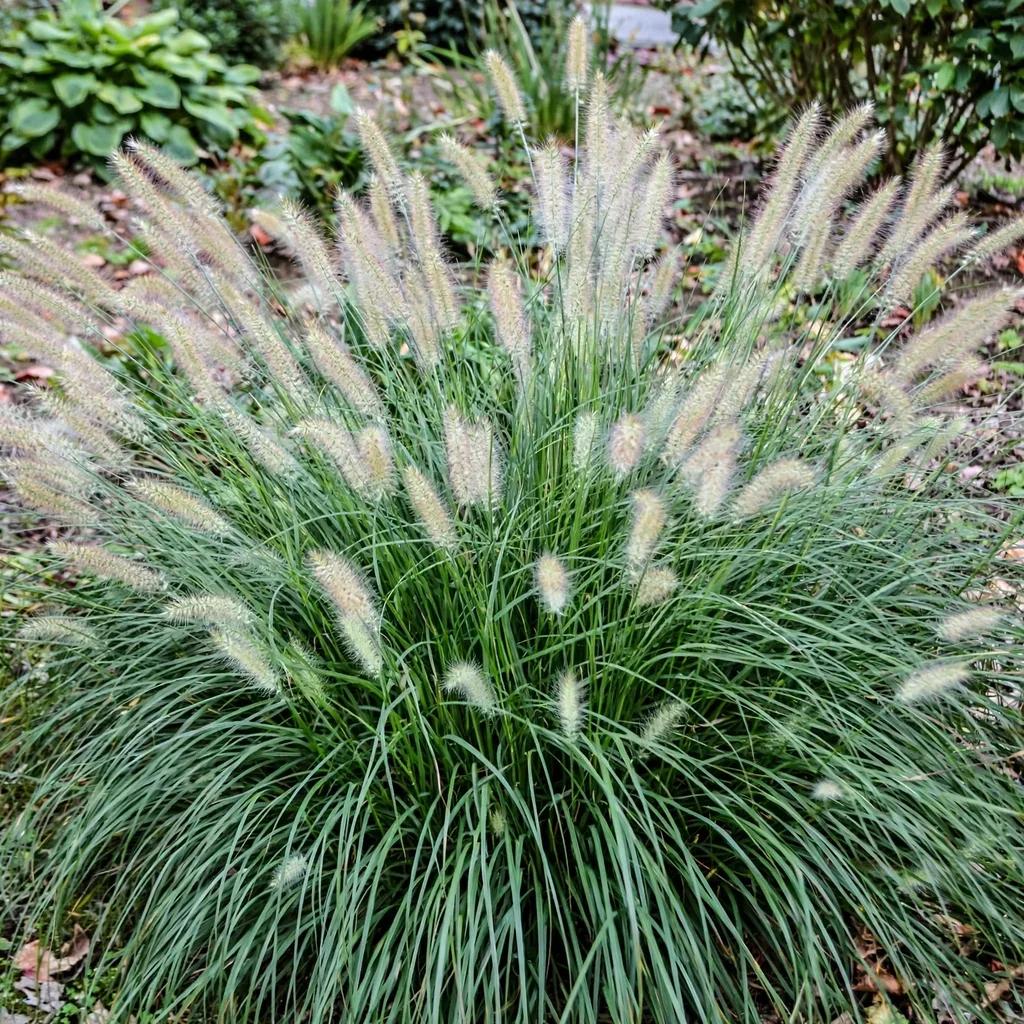
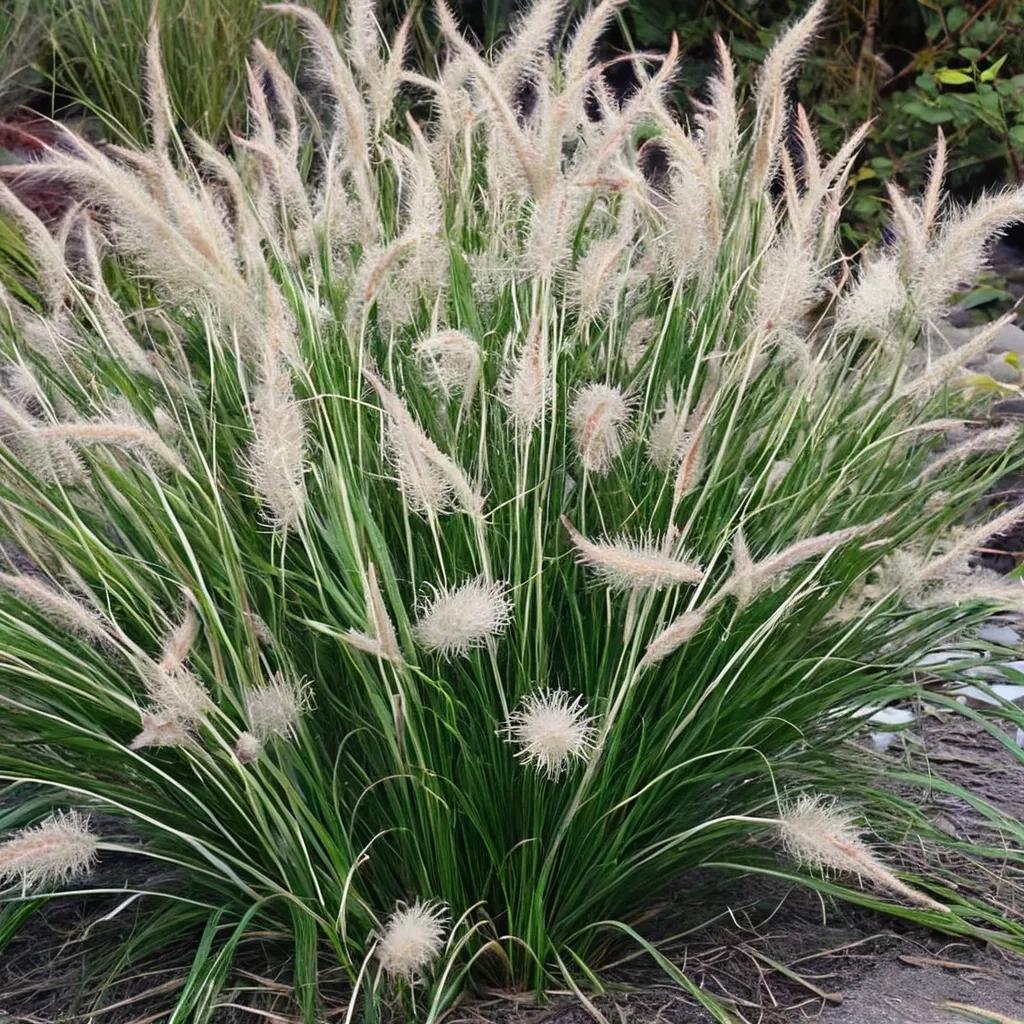
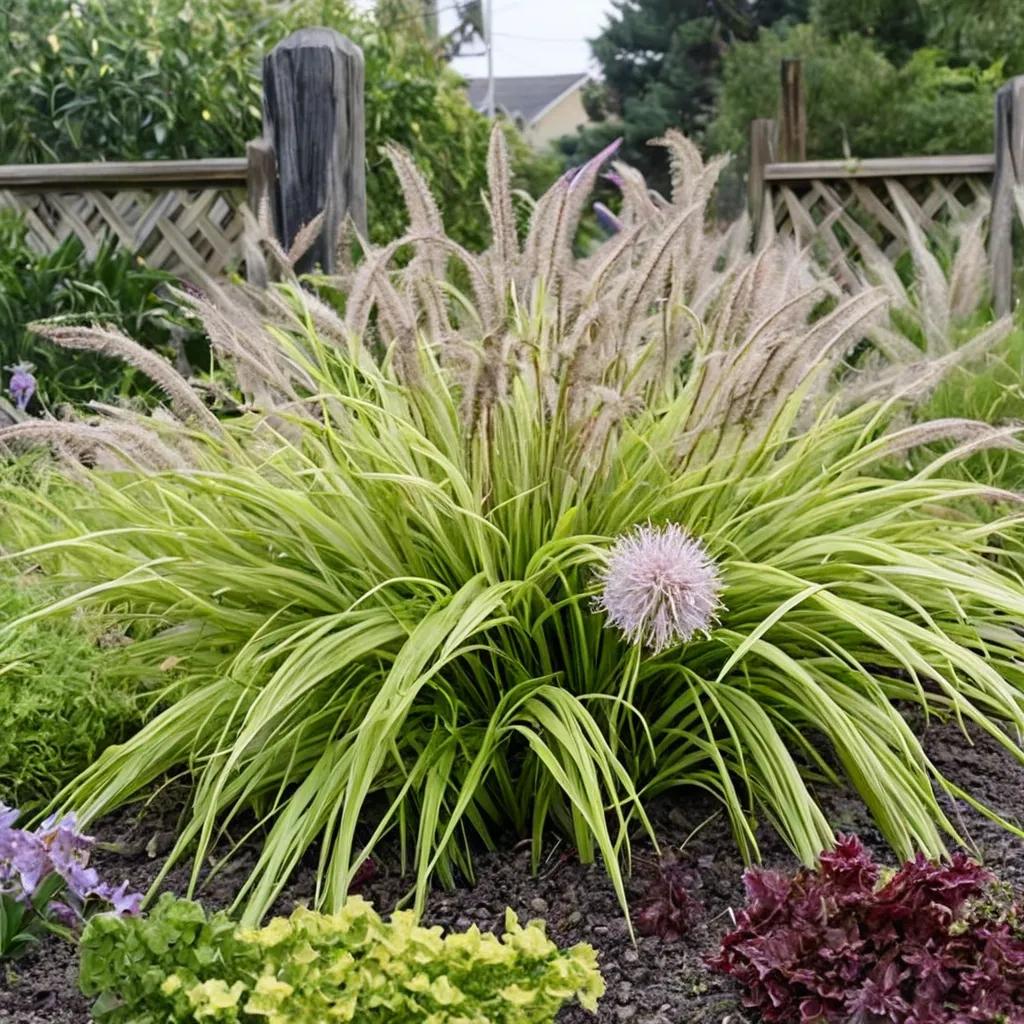
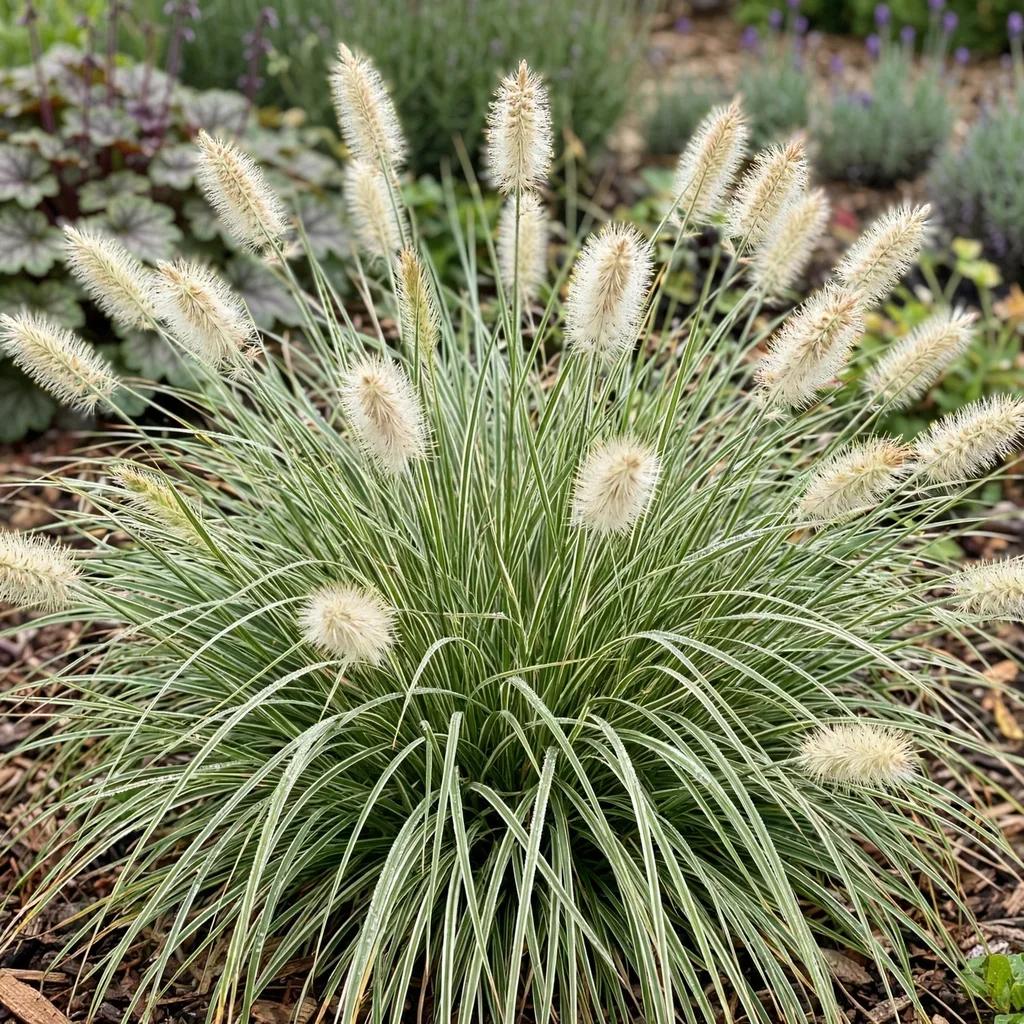
Cenchrus alopecuroides is an upright, clump-forming warm-season grass characterized by its dense, fine-textured green foliage that arches gracefully to create a fountain-like habit. The species produces narrow, bottlebrush-like flower spikes that emerge in summer and persist into autumn, eventually drying to a pale brown that provides winter interest.
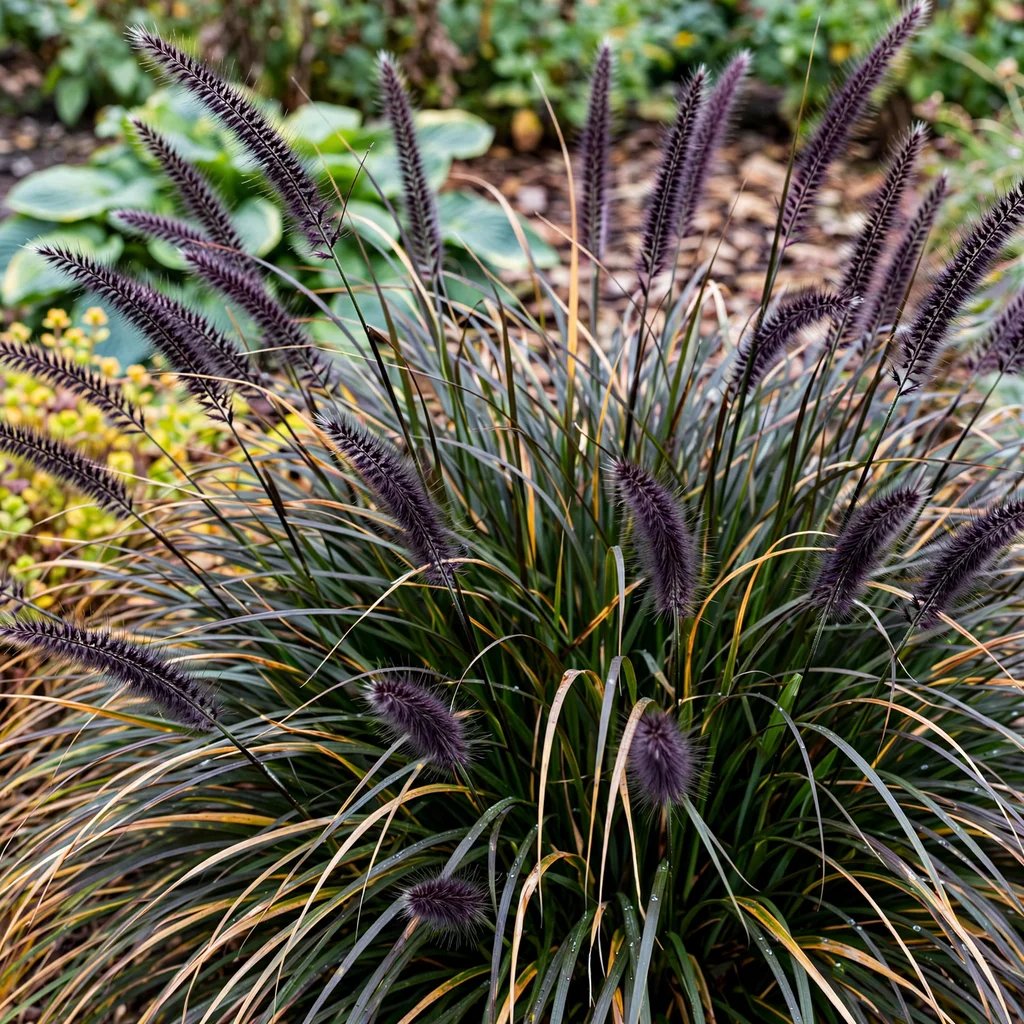
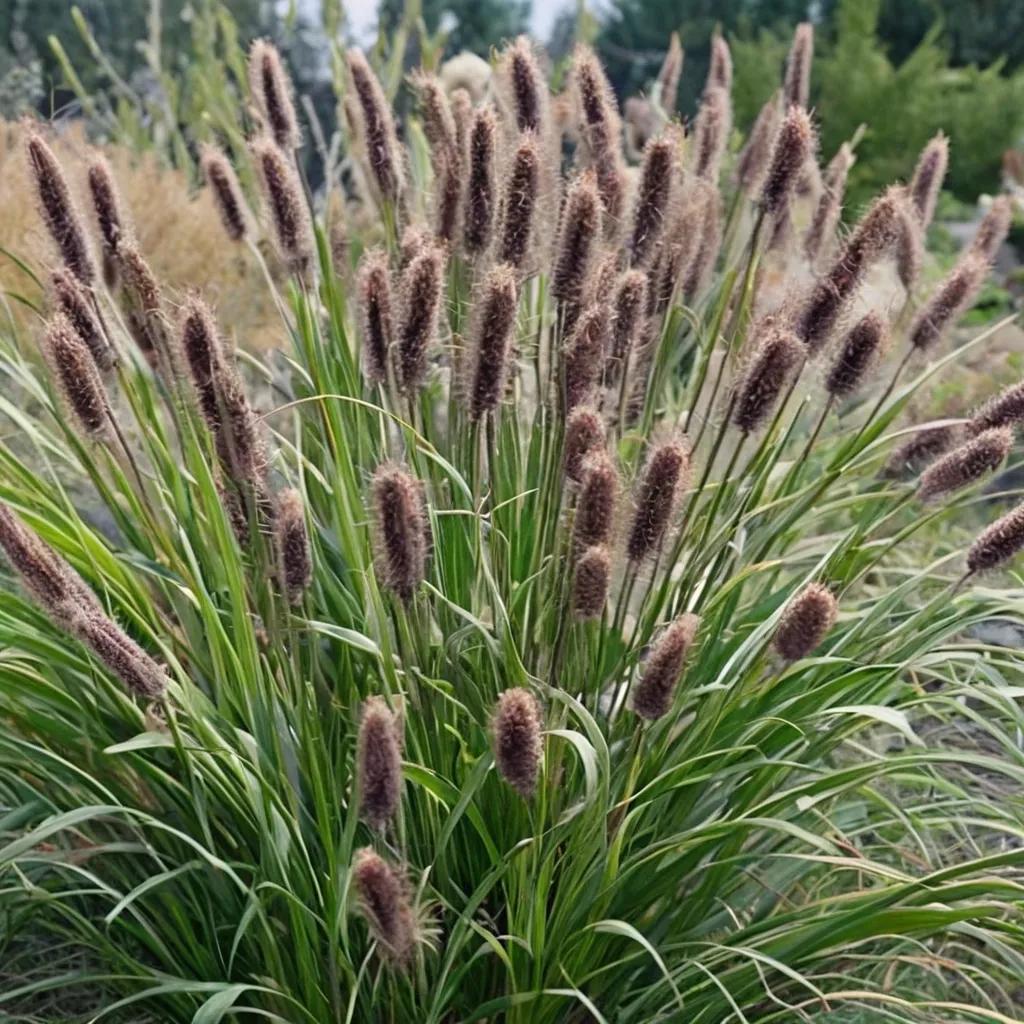
'Black Beauty' is distinguished by its exceptionally dark, deep purple-black flower bristles that stand out sharply against the dark green foliage. This cultivar maintains a compact, uniform mound, with leaves that turn a rich golden-bronze in fall before fading to beige for the winter.
Uses & Benefits:
Essentials
At a Glance
Plant Type
Grass
Height
39"
Width
30"
Light
Full Sun, Partial Sun
Zones
5, 6, 7, 8, 9
Water
Moderate
Humidity
High tolerance
Lifespan
Perennial
Native To
Asia, Australia
Toxicity
Non-toxic (leaf margins can cause minor skin cuts)
Bloom period
Summer – Autumn
In flower about 6 months of the year
Planting
How to Grow
- Select a planting site in full sun to ensure the deepest purple-black flower coloration and maximum bloom production.
- Dig a hole twice the width of the root ball and set the plant so the crown sits level with the surrounding soil.
- Water thoroughly after planting and maintain consistent moisture until the root system is fully established.
- Apply a balanced, slow-release fertilizer in late winter or early spring as the first new green shoots begin to emerge.
Pro Tip
Cut the entire clump back to two to four inches above the ground in late winter before new spring shoots emerge; shearing the foliage mid-season ruins the natural arching form and delays flowering.
Keep It Thriving
Care Guide
Do
- Cut the foliage back to the ground in late winter before spring growth begins.
- Plant in full sun to achieve the darkest flower color.
- Provide well-drained soil to prevent winter root rot.
Don't
- Do not shear or trim the foliage during the summer growing season.
- Do not allow the roots to sit in stagnant, waterlogged soil during winter.
- Do not plant this cultivar from seed, as it will not come true to type.
Seasonal Care Calendar
| Task | Jan | Feb | Mar | Apr | May | Jun | Jul | Aug | Sep | Oct | Nov | Dec |
|---|---|---|---|---|---|---|---|---|---|---|---|---|
| Divide | ||||||||||||
| Fertilize | ||||||||||||
| Pest Check | ||||||||||||
| Spring Cleanup |
Watch Out For
Pests & Diseases
Common Pests
Common Diseases
In the Garden
Landscape Uses & Companions
Landscape Uses
Multiply
Propagation Methods
Good to Know
Common Questions
Chinese Fountain Grass questions
What zones can Chinese Fountain Grass grow in?
Chinese Fountain Grass is hardy in USDA Zones 5–9. Inside that range it survives winter in the ground; outside it, grow it as an annual or a container plant you protect.
Is Chinese Fountain Grass deer resistant?
Yes — Chinese Fountain Grass is rated deer-resistant. Deer typically pass it over, though extreme hunger can override any plant's defenses.
When does Chinese Fountain Grass bloom?
Chinese Fountain Grass typically blooms in summer through autumn. Exact timing shifts a week or two with your zone — Sow's bloom calendar maps it to your garden.
Does Chinese Fountain Grass need full sun?
Chinese Fountain Grass does best in full sun to part shade. In hot climates, afternoon shade keeps blooms fresher longer.
Is Chinese Fountain Grass drought tolerant?
Yes — once established (usually after the first full season), Chinese Fountain Grass handles dry spells with minimal watering. Water deeply its first year to build the root system that makes that possible.
More Cenchrus to compare
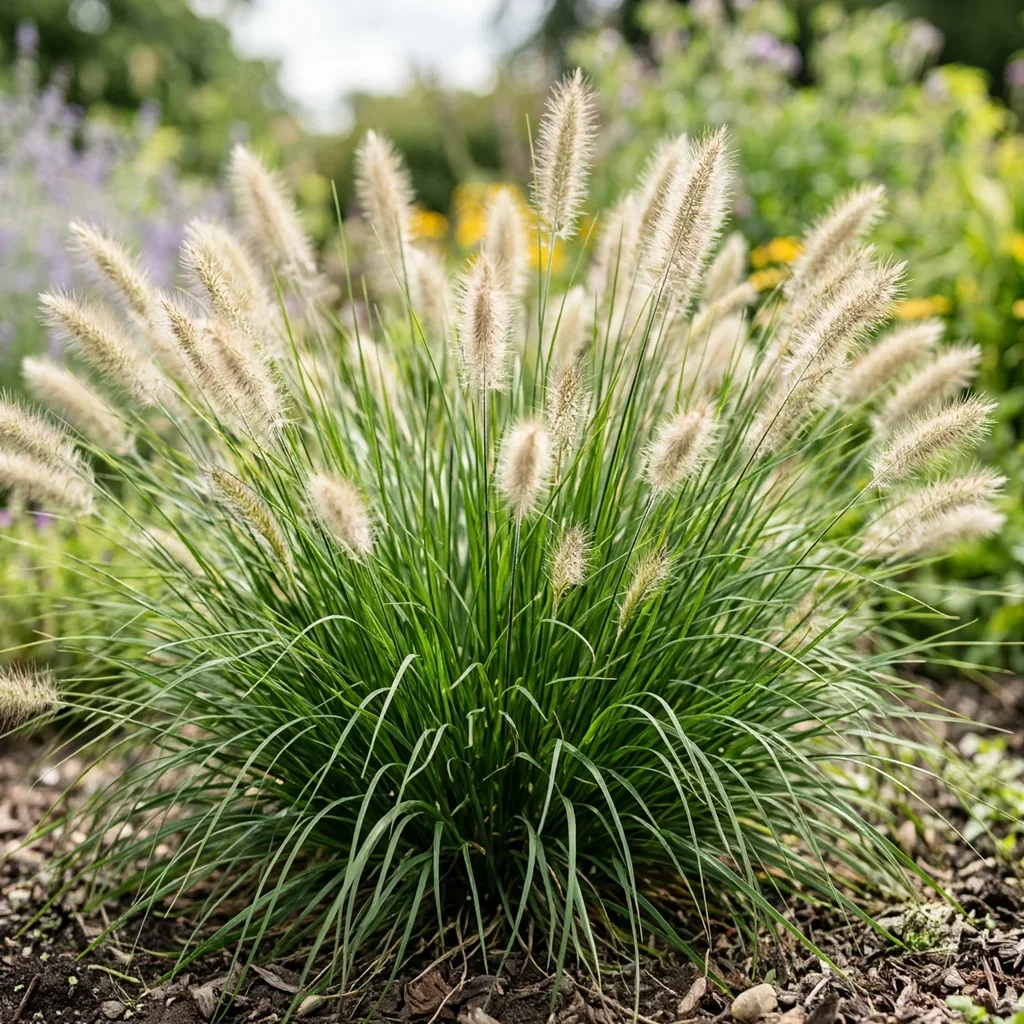
Little Bunny Dwarf Fountain Grass
Cenchrus alopecuroides 'Little Bunny'
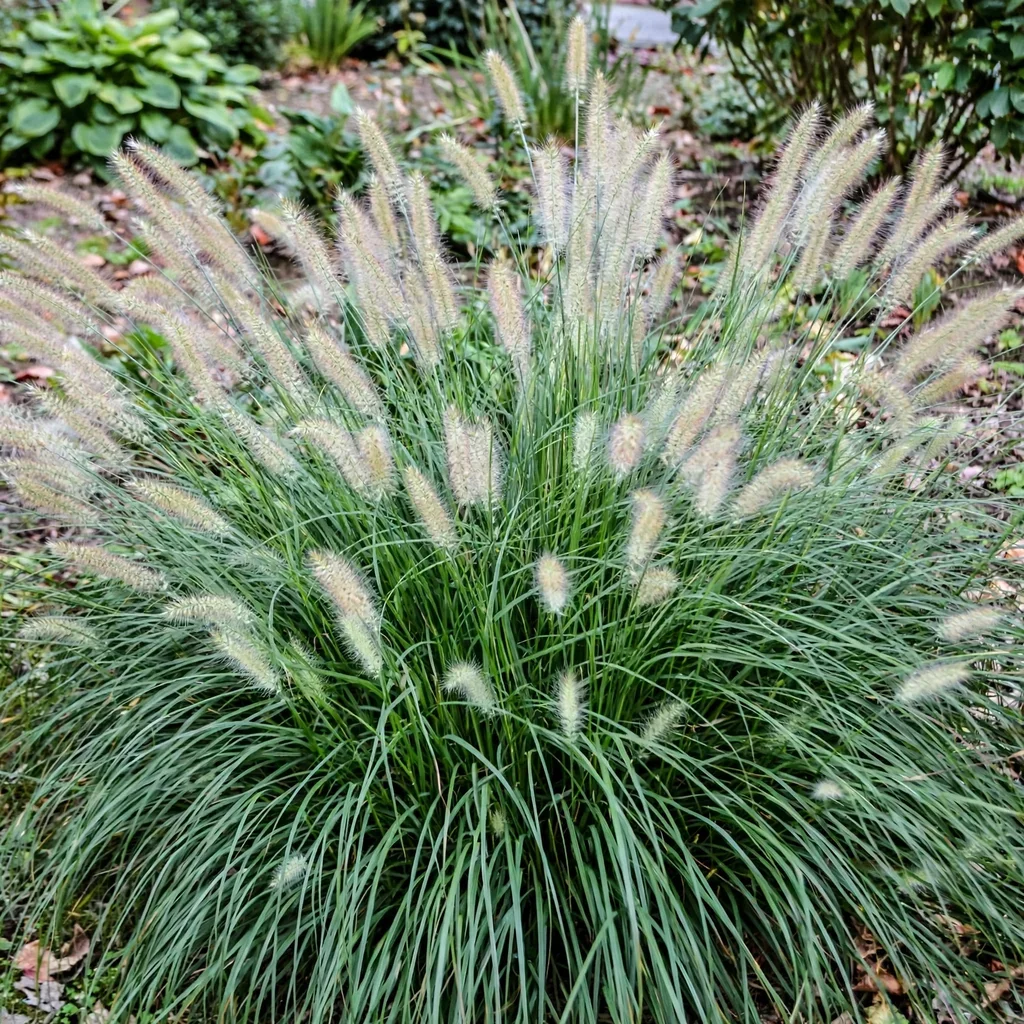
Hameln Dwarf Fountain Grass
Cenchrus alopecuroides 'Hameln'
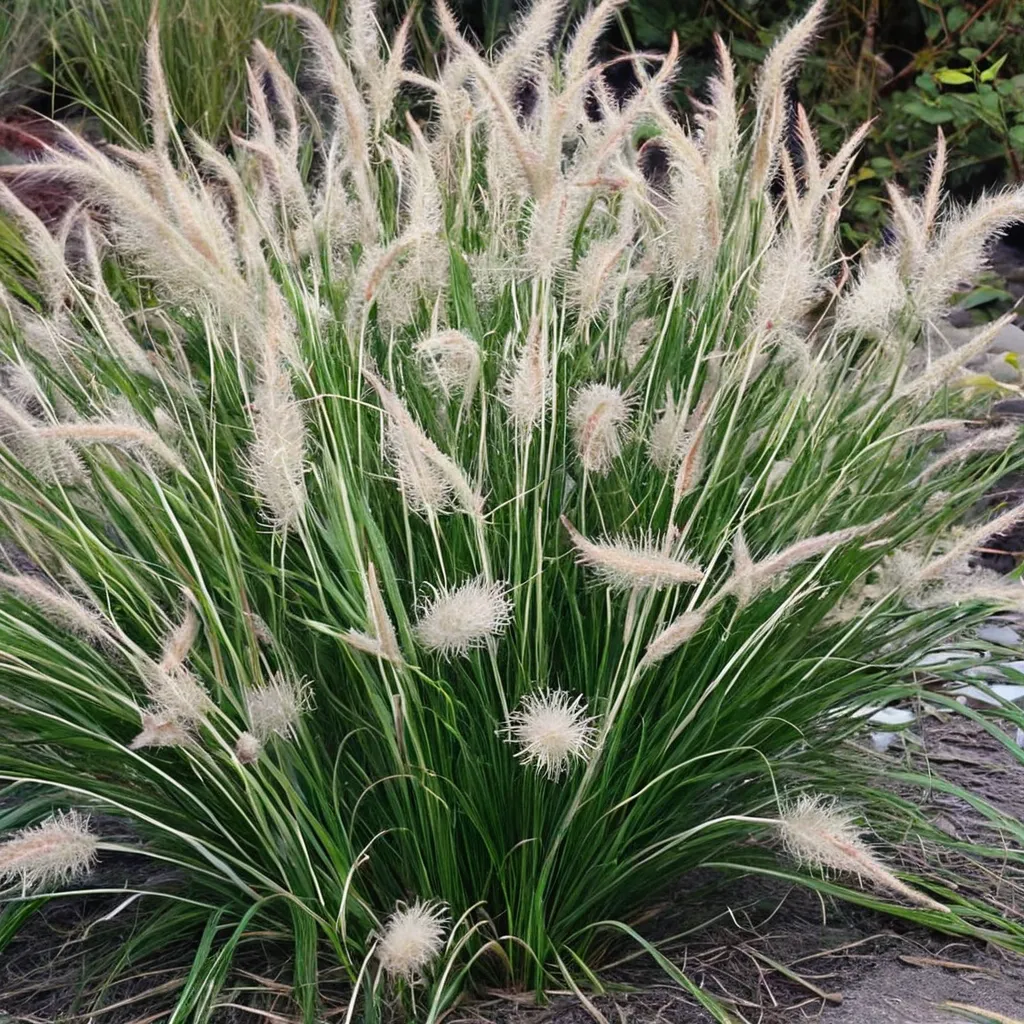
Dwarf Fountain Grass 'Piglet'
Cenchrus alopecuroides 'Piglet'
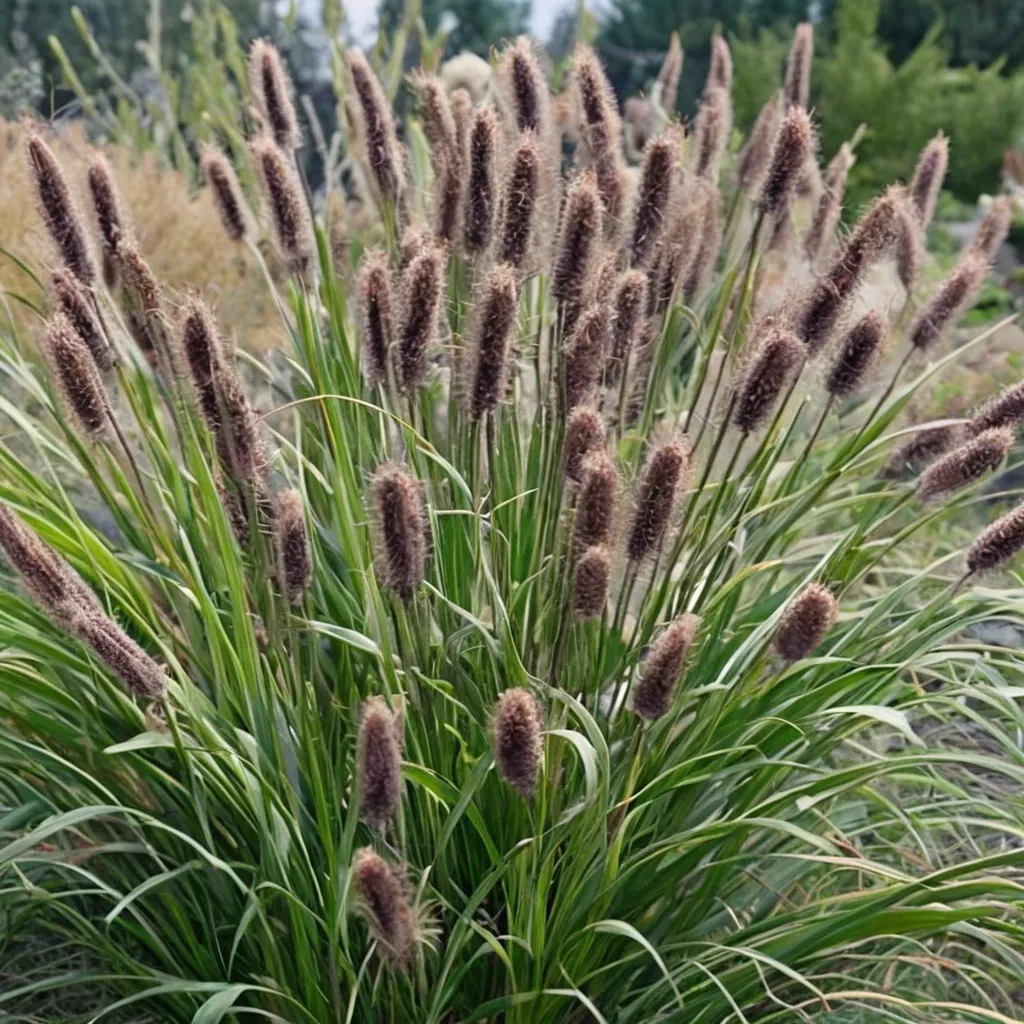
Ginger Love Fountain Grass
Cenchrus alopecuroides 'Ginger Love'
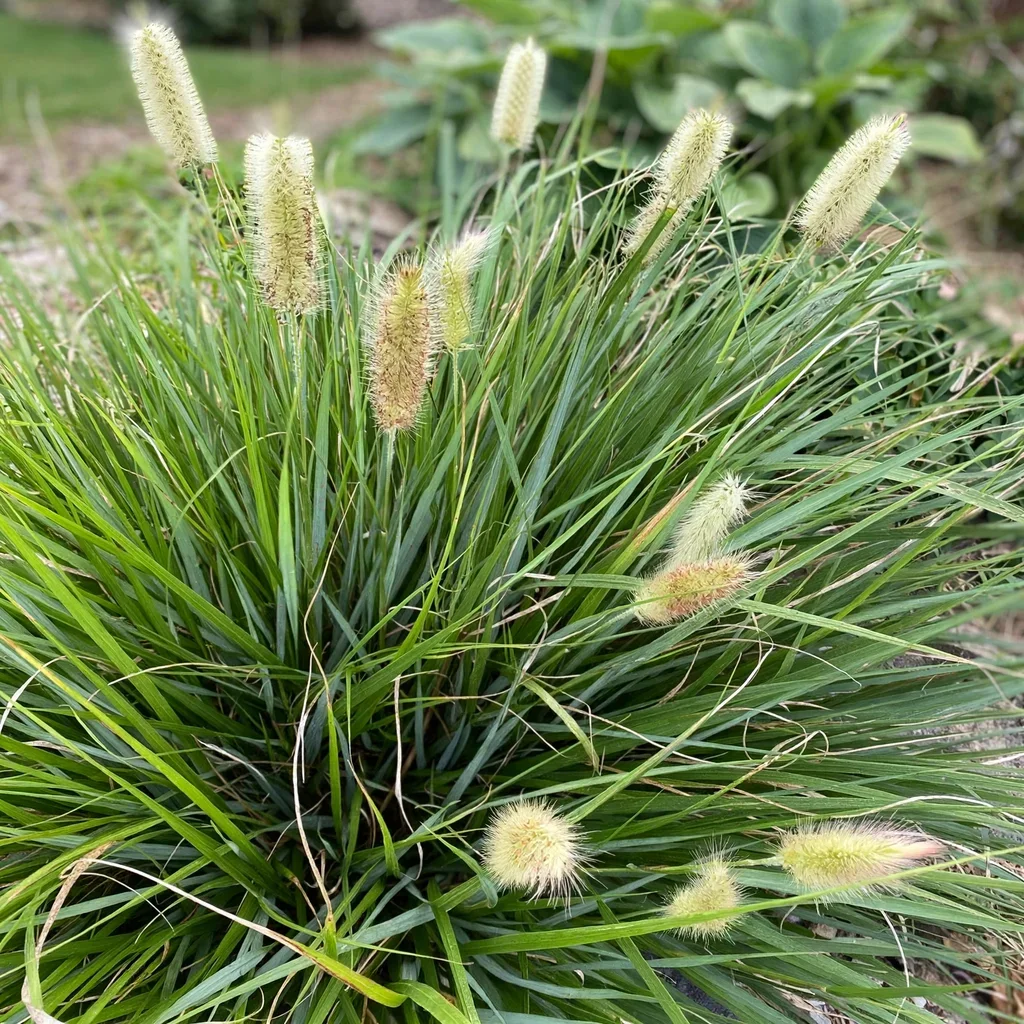
Fountain Grass
Cenchrus alopecuroides
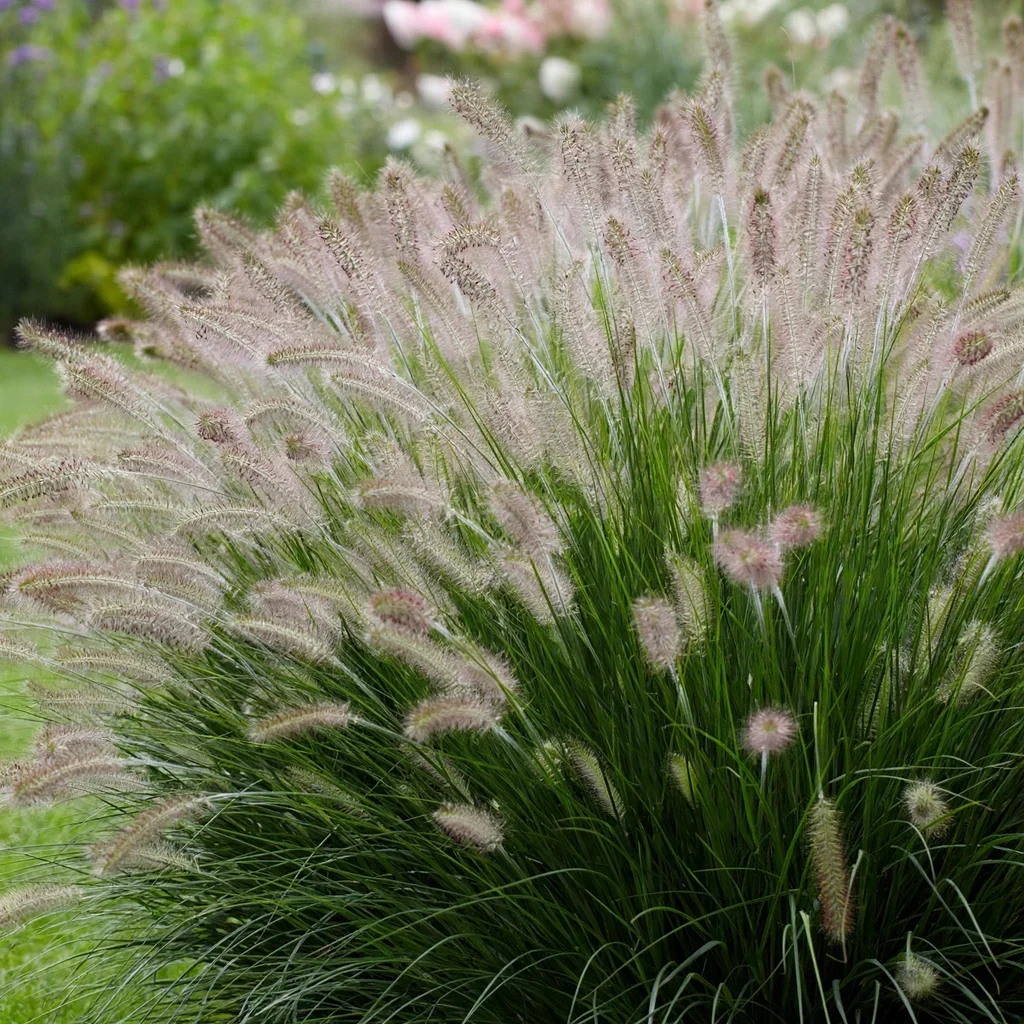
Fox Trot Fountain Grass
Cenchrus alopecuroides 'Fox Trot'
Keep exploring
Explore the genus
Hardy in your zone?
Grow Chinese Fountain Grass with confidence
See it in a design of your actual yard, get zone-matched care reminders, and track it season by season in your garden journal.