The Story
Plant Bio
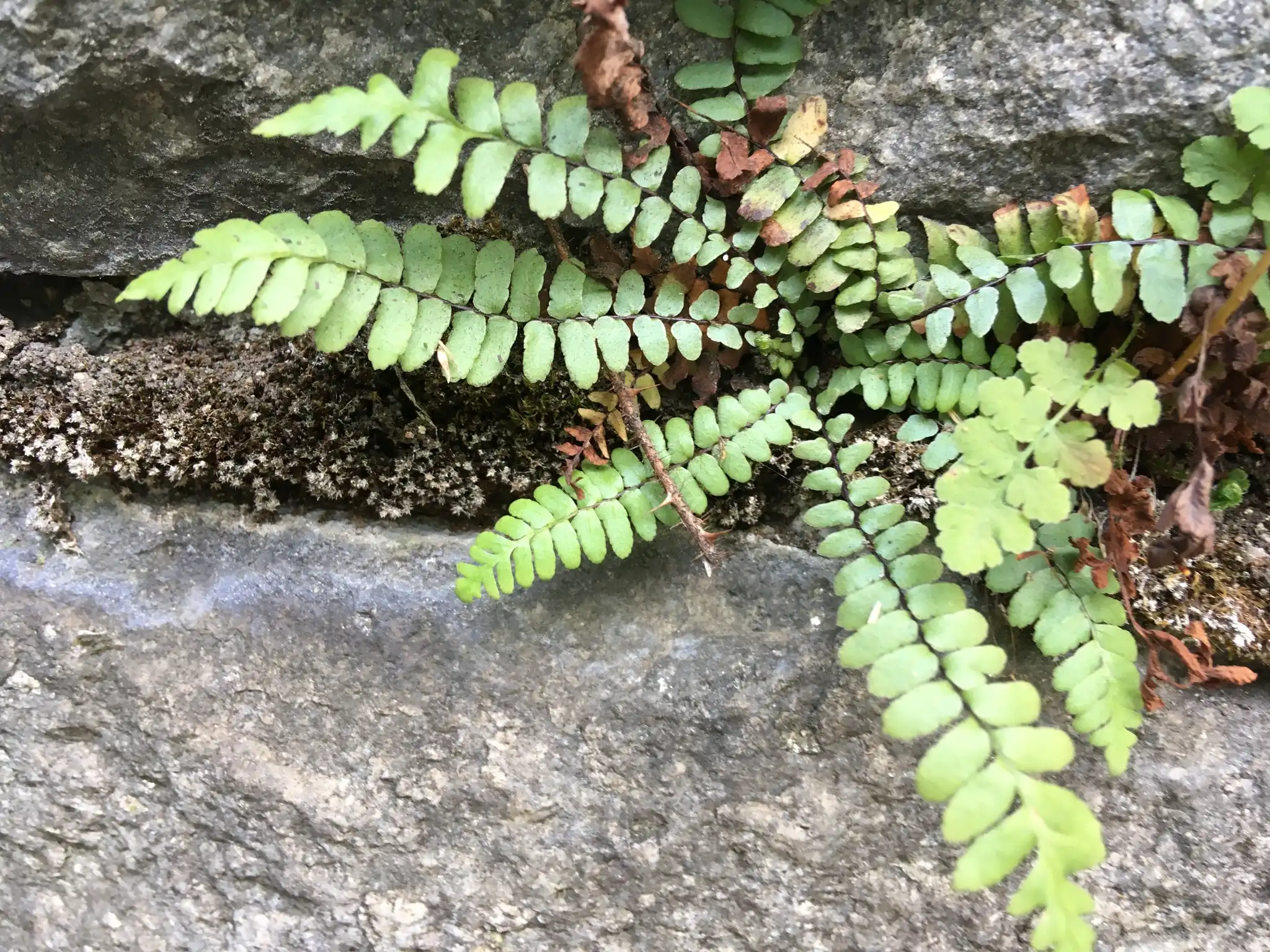
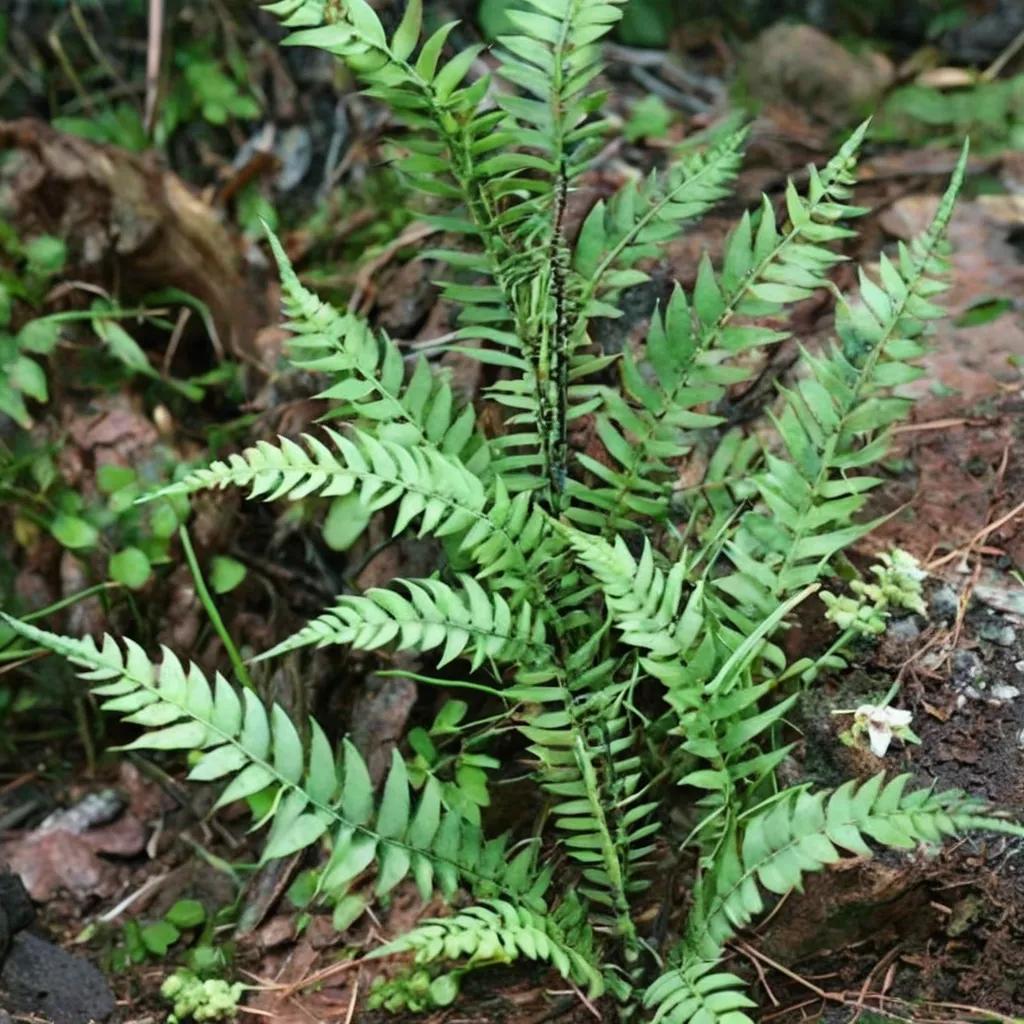
Asplenium platyneuron, ebony spleenwort, is a small evergreen fern native to North America east of the Rocky Mountains, with a disjunct population in southern Africa. Once-divided fronds carry many small alternate leaflets along a glossy dark purple-brown stalk, which is the feature that names it. Fertile fronds stand upright to about fifteen inches while sterile ones spread flat in a low rosette.
It is unusually tolerant for a fern, growing in dry rocky ground, old walls and thin woodland soil where most ferns will not persist, and it stays green through winter. The two frond types are worth knowing: the flat spreading rosette is not a struggling plant but the sterile form, which behaves quite differently from the erect fertile fronds.
Uses & Benefits:
Essentials
At a Glance
Plant Type
Fern
Height
15"
Width
15"
Light
Partial Sun, Shade
Zones
4, 5, 6, 7, 8, 9
Water
Low
Humidity
Moderate
Lifespan
Perennial
Native To
North America east of the Rocky Mountains
Toxicity
Non-toxic
Planting
How to Grow
- Plant in spring in well-drained soil with plenty of leaf mould.
- Choose dappled to deep shade.
- Set the crown at soil level, never buried.
- Water to establish, then only in extended drought.
- Mulch lightly with leaf litter each autumn.
- Remove damaged fronds in early spring, leaving healthy ones.
Pro Tip
Give it sharp drainage rather than constant moisture — this is a rock and wall fern, and it rots in heavy wet soil.
Keep It Thriving
Care Guide
Do
- Plant in shade with good drainage 🌱
- Mulch with leaf litter each autumn 🍂
- Use it in rock crevices and wall pockets 🪨
- Leave the evergreen fronds over winter ❄️
Don't
- Plant it in heavy, wet soil ❌
- Bury the crown ❌
- Cut all the fronds back; it is evergreen ❌
Seasonal Care Calendar
| Task | Jan | Feb | Mar | Apr | May | Jun | Jul | Aug | Sep | Oct | Nov | Dec |
|---|---|---|---|---|---|---|---|---|---|---|---|---|
| Monitor | ||||||||||||
| Prune |
Watch Out For
Pests & Diseases
Common Pests
Common Diseases
In the Garden
Landscape Uses & Companions
Landscape Uses
Companion Plants
Multiply
Propagation Methods
Good to Know
Common Questions
Ebony Spleenwort questions
What zones can Ebony Spleenwort grow in?
Ebony Spleenwort is hardy in USDA Zones 4–9. Inside that range it survives winter in the ground; outside it, grow it as an annual or a container plant you protect.
Is Ebony Spleenwort deer resistant?
Yes — Ebony Spleenwort is rated deer-resistant. Deer typically pass it over, though extreme hunger can override any plant's defenses.
Does Ebony Spleenwort need full sun?
Ebony Spleenwort does best in part shade.
More Asplenium to compare
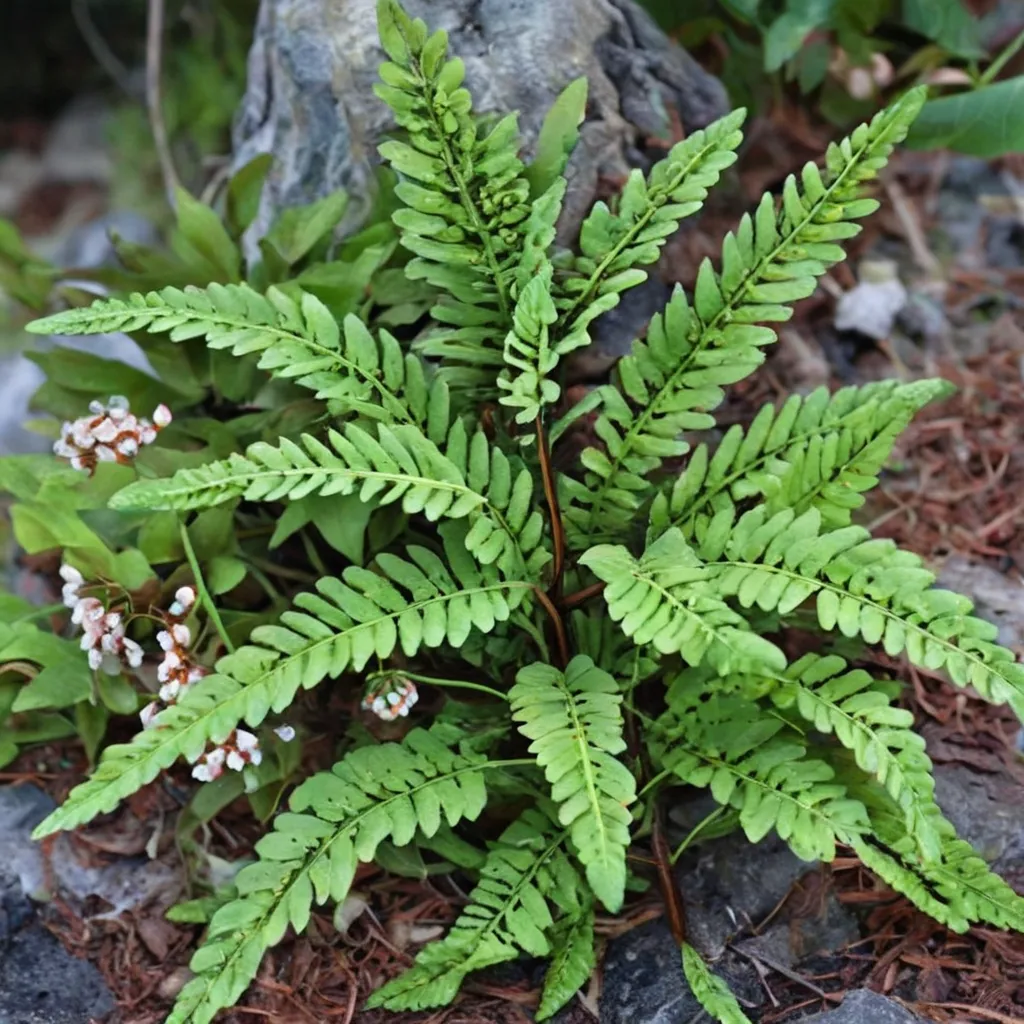
Maidenhair Spleenwort
Asplenium trichomanes
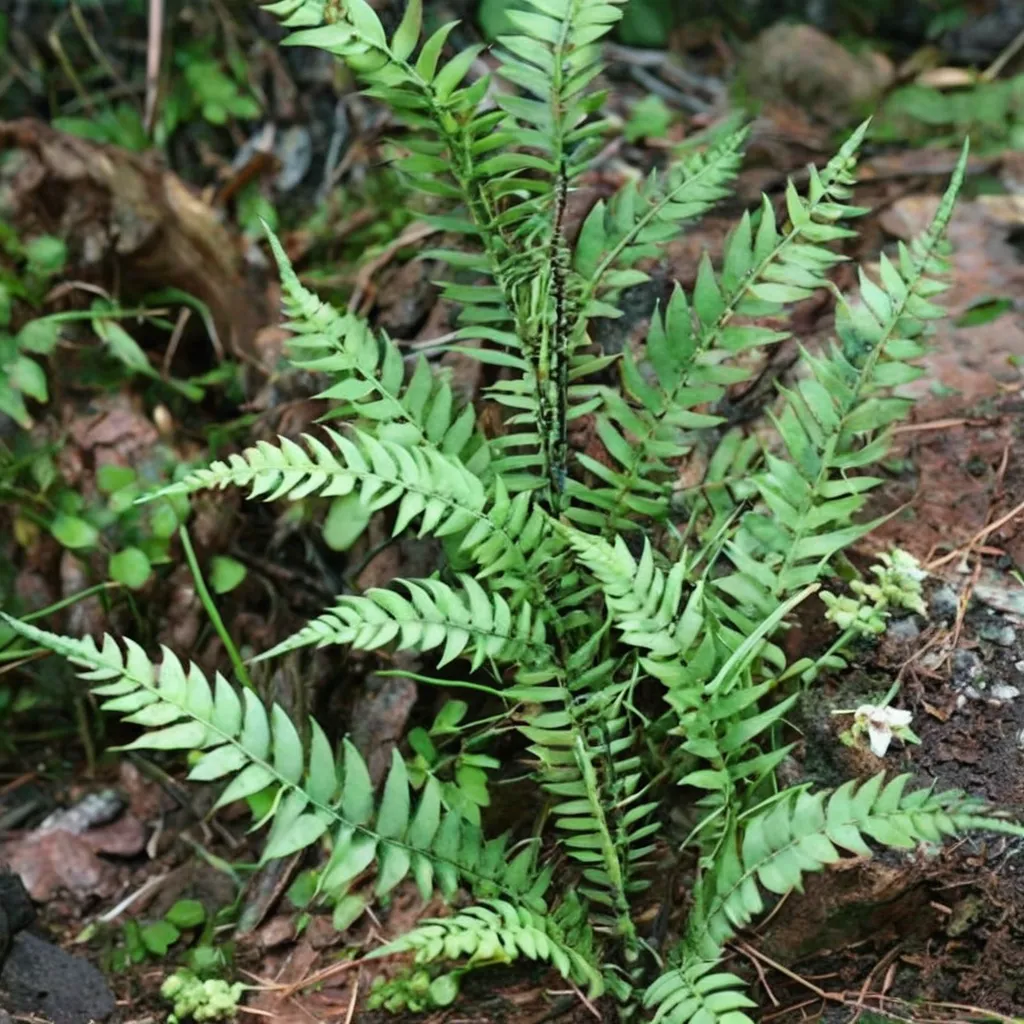
Brunswick Giant Ebony Spleenwort
Asplenium platyneuron 'Brunswick Giant'
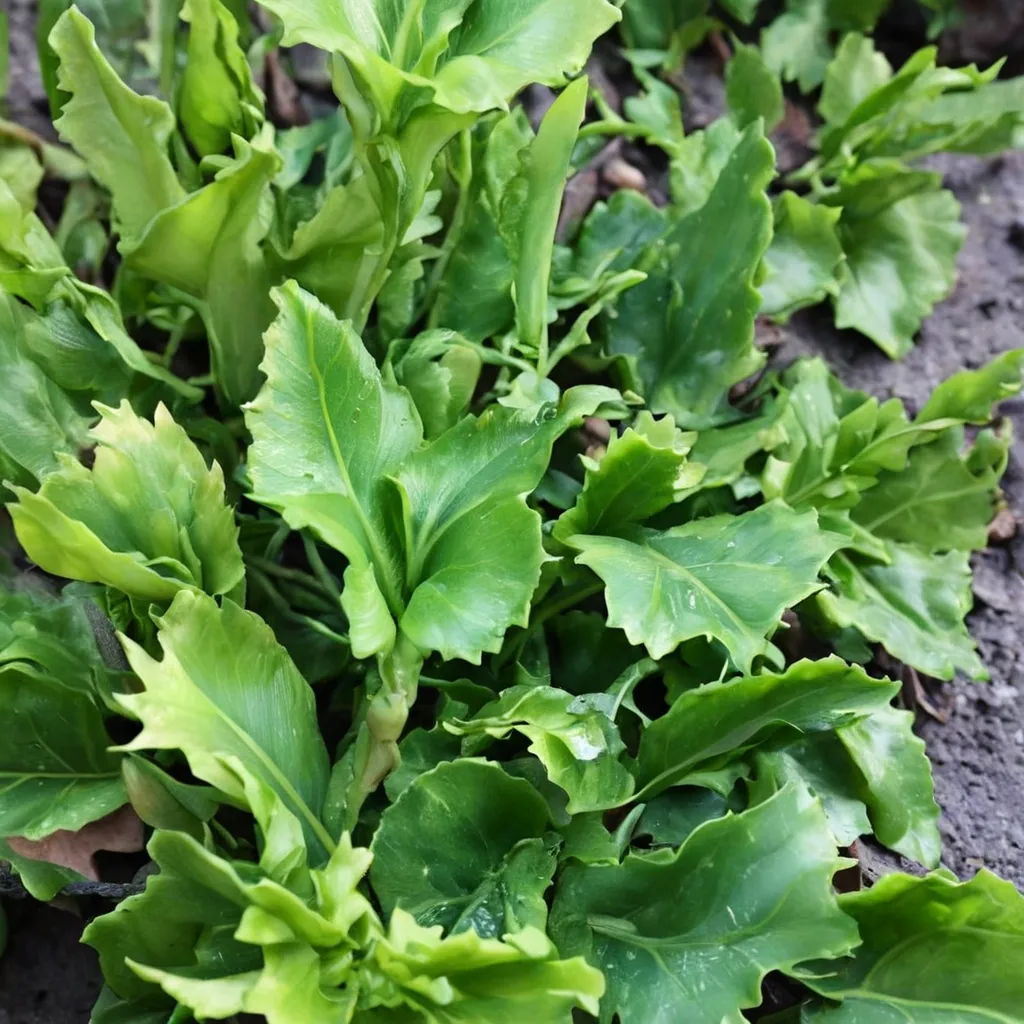
Cristatum Hart's Tongue Fern
Asplenium scolopendrium 'Cristatum'
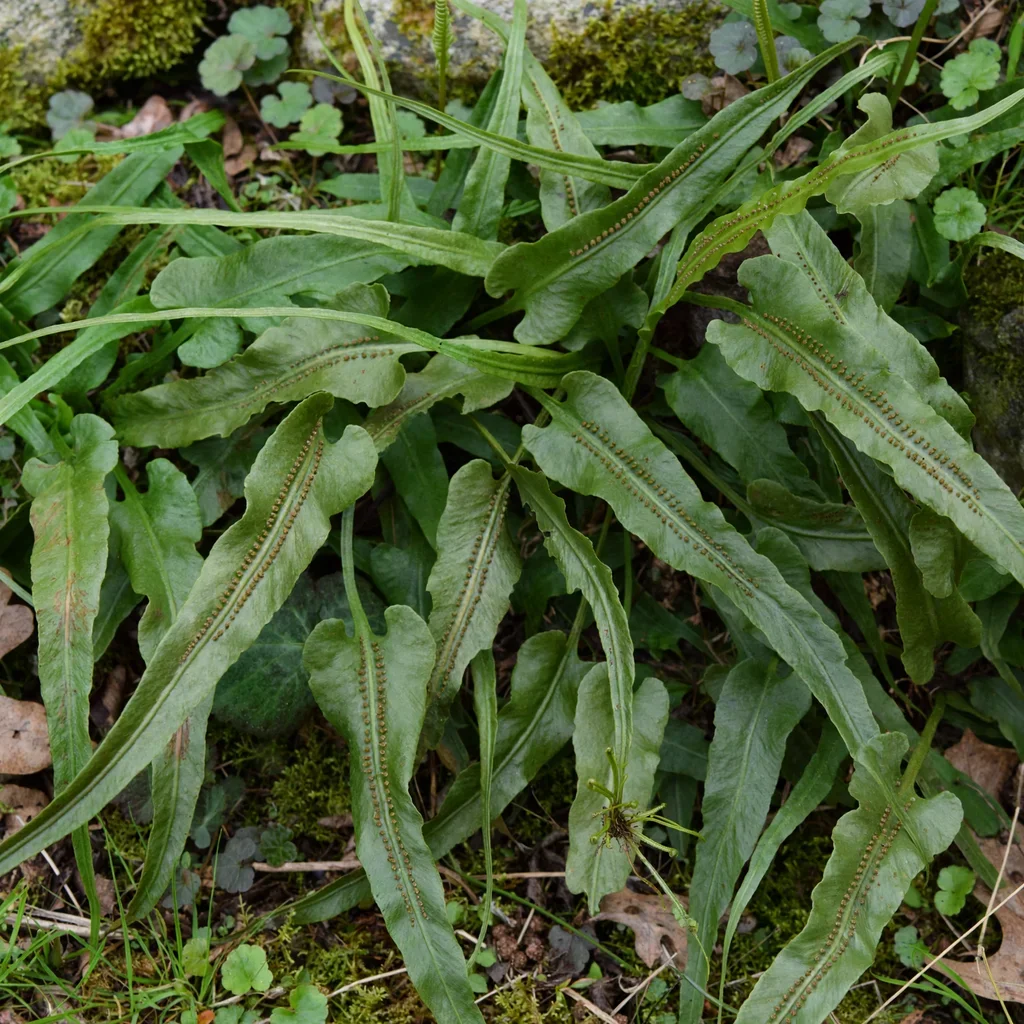
Walking Fern
Asplenium rhizophyllum
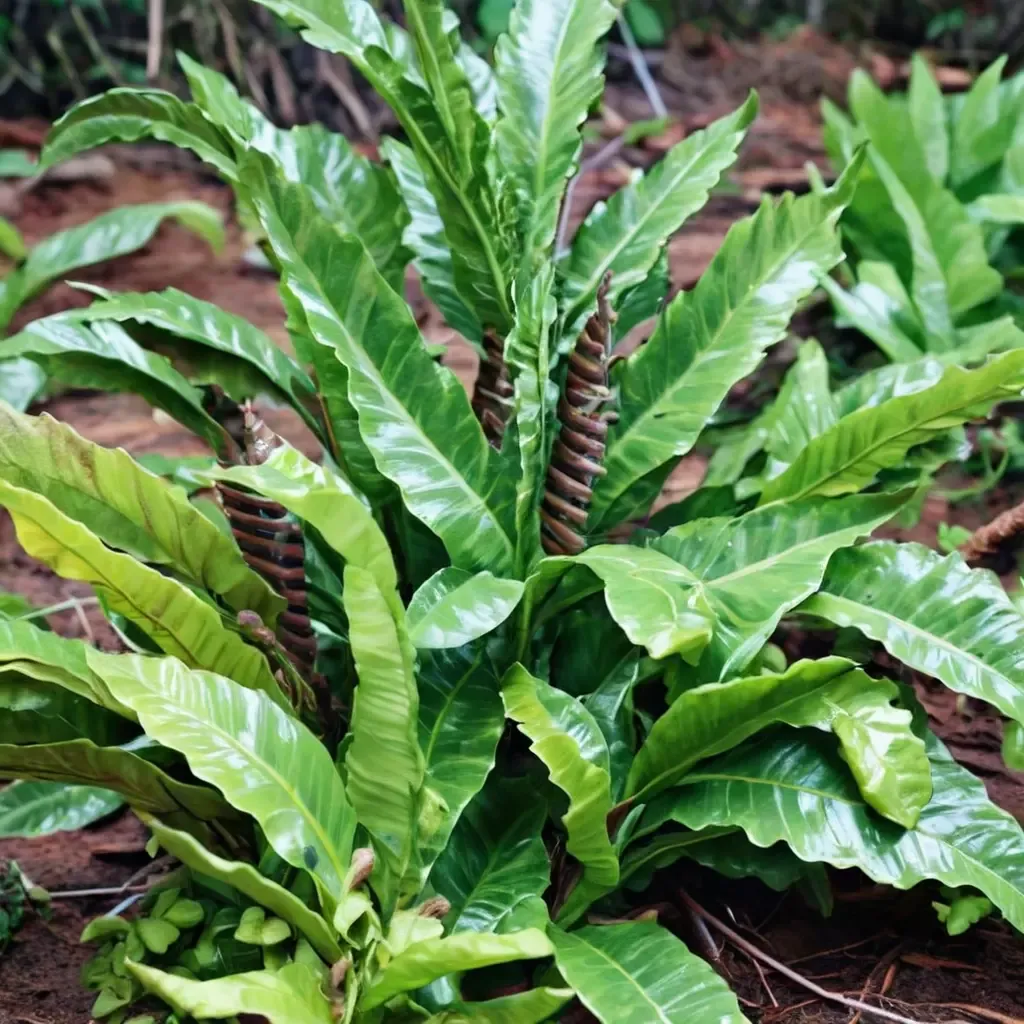
Hart's Tongue Fern
Asplenium scolopendrium
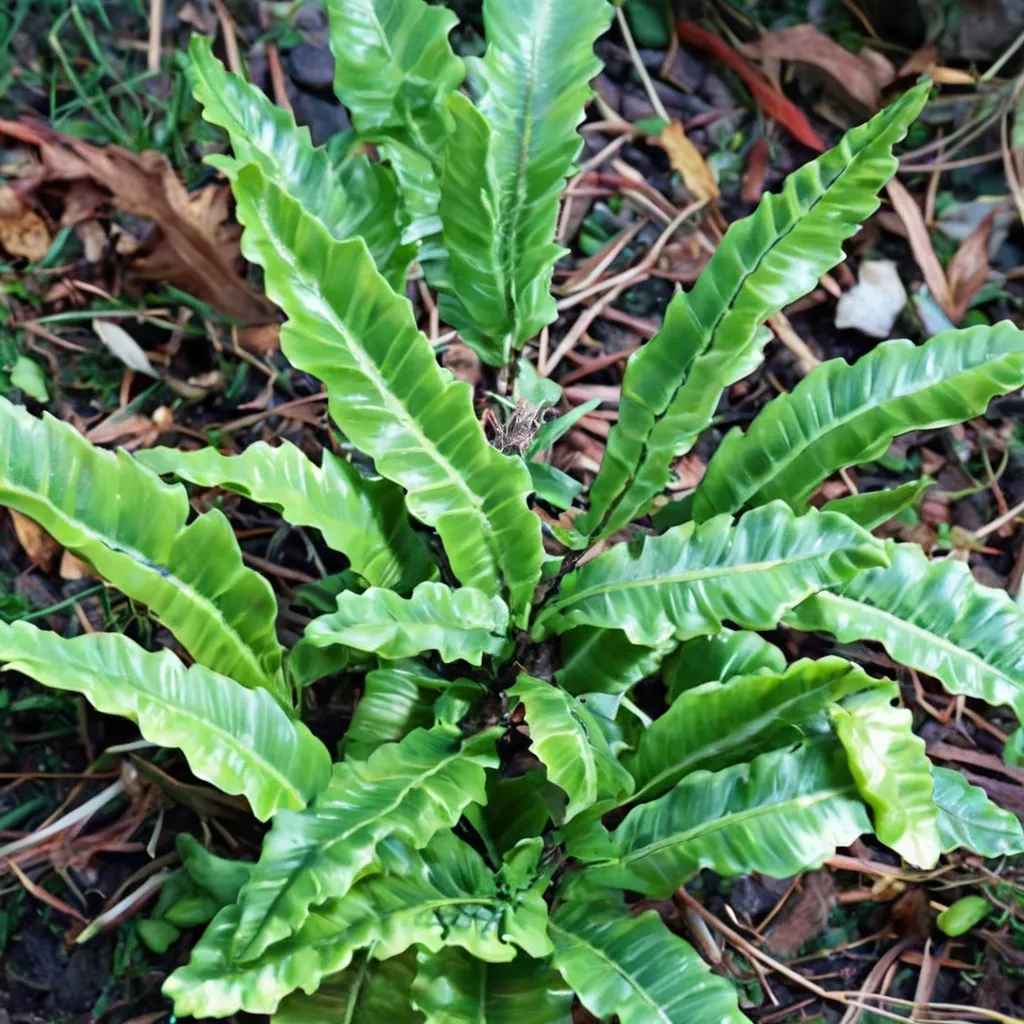
Ulleung Island Hart's-tongue Fern
Asplenium scolopendrium 'Ulleung Island'
Keep exploring
Explore the genus
Grow Ebony Spleenwort with confidence
See it in a design of your actual yard, get zone-matched care reminders, and track it season by season in your garden journal.