The Story
Plant Bio
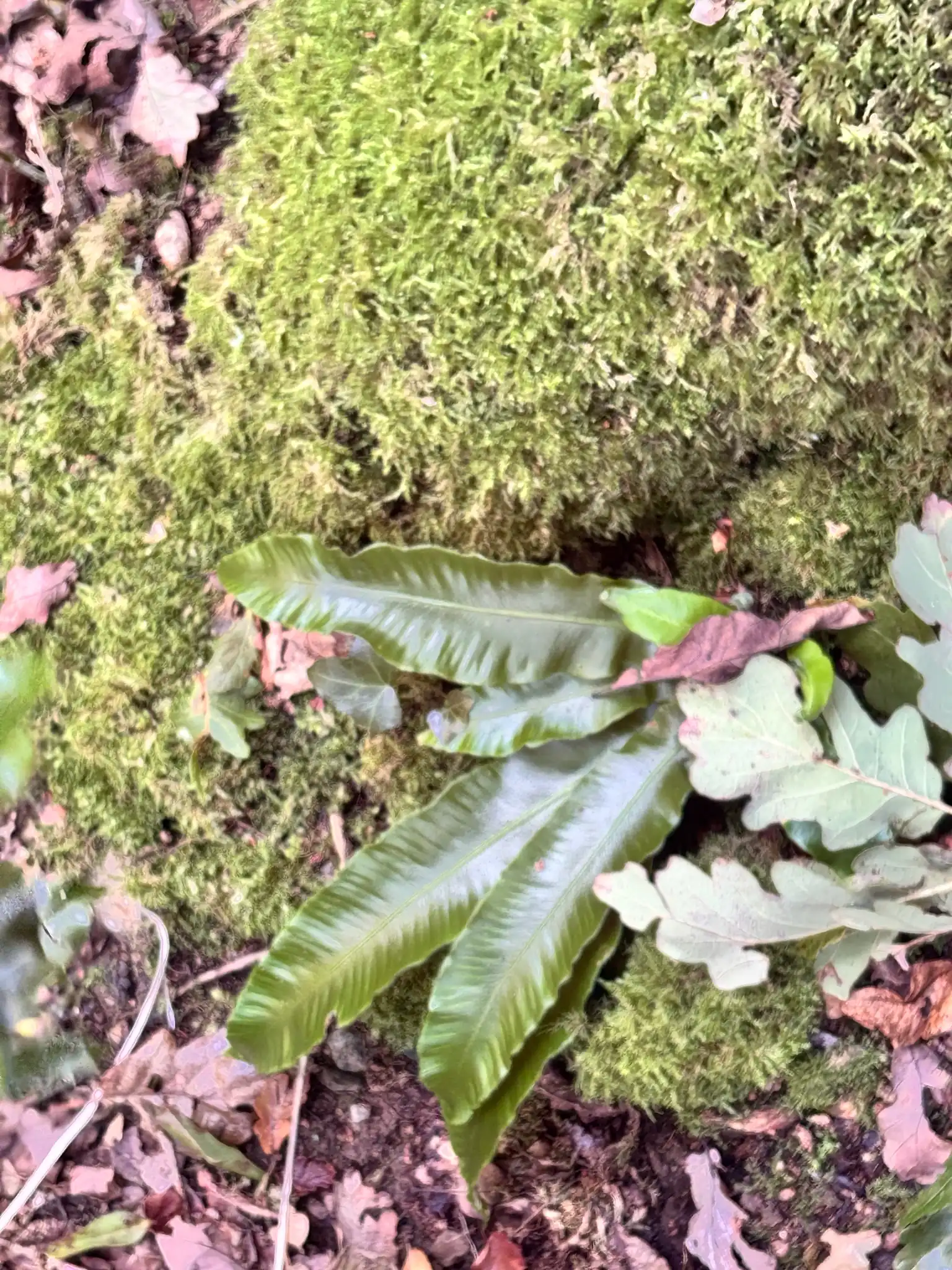
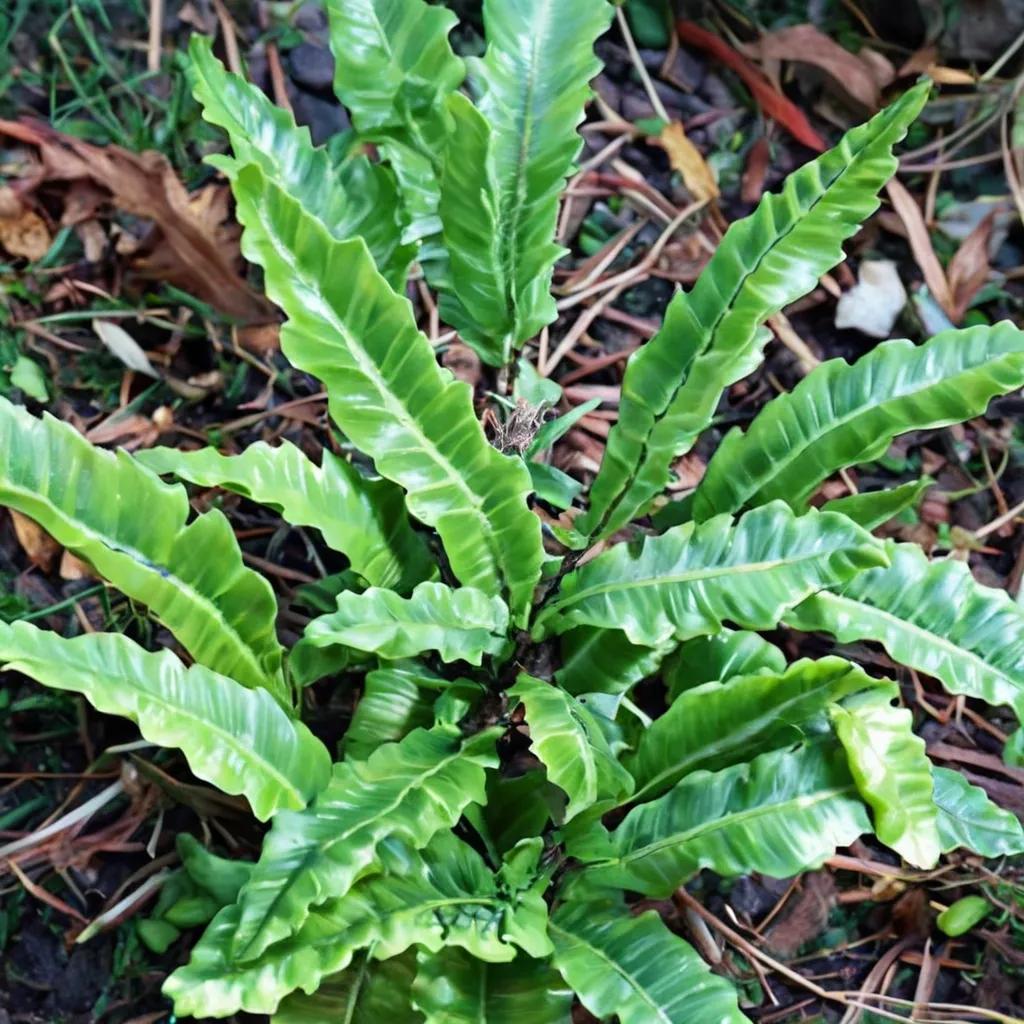
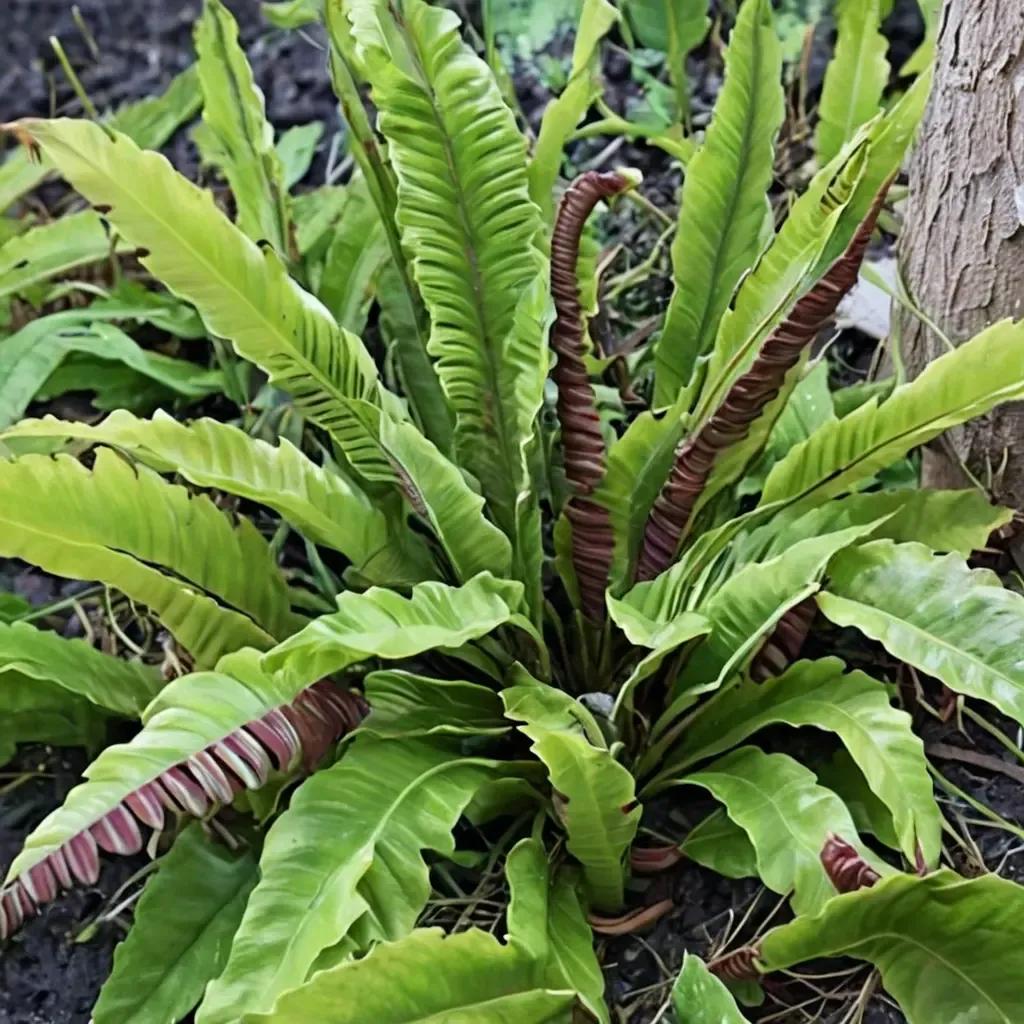
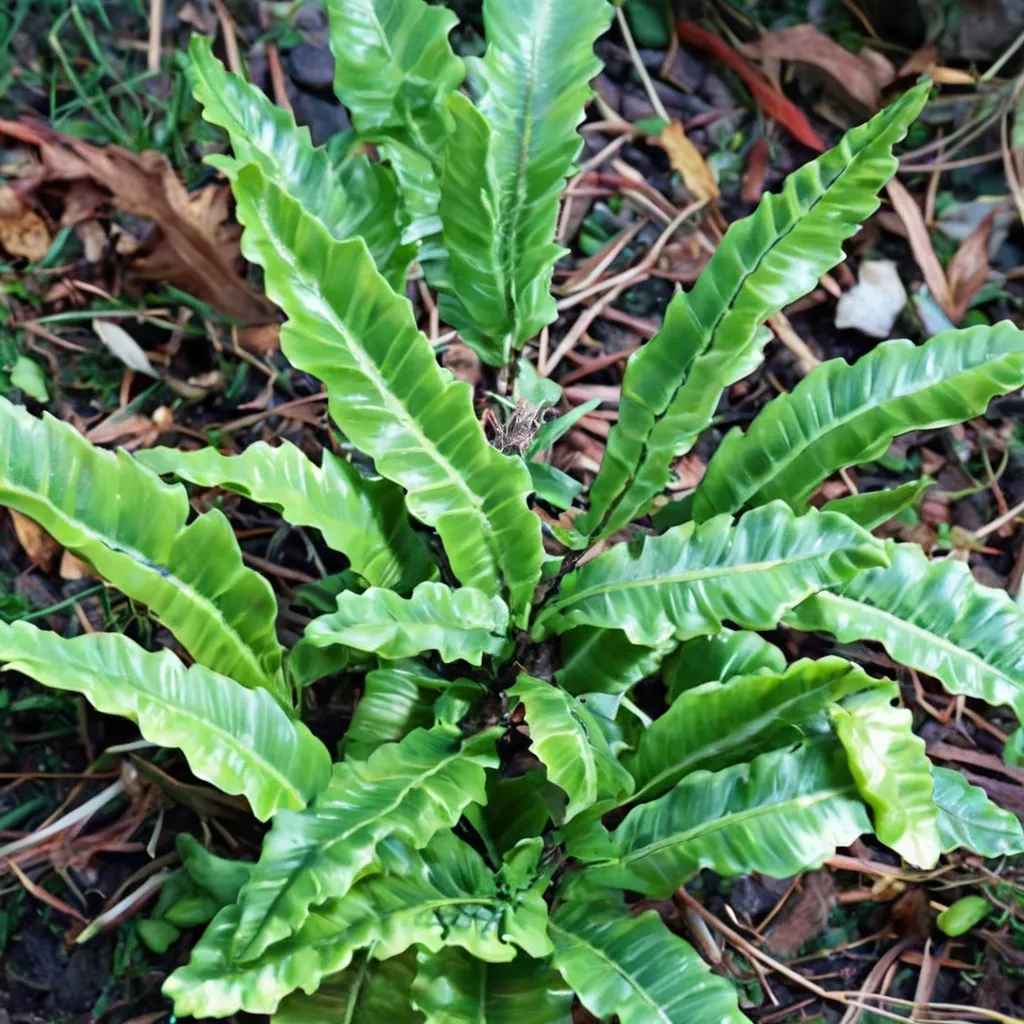
This fern features strap-like leaves that form a rosette and can thrive in shaded, moist environments.
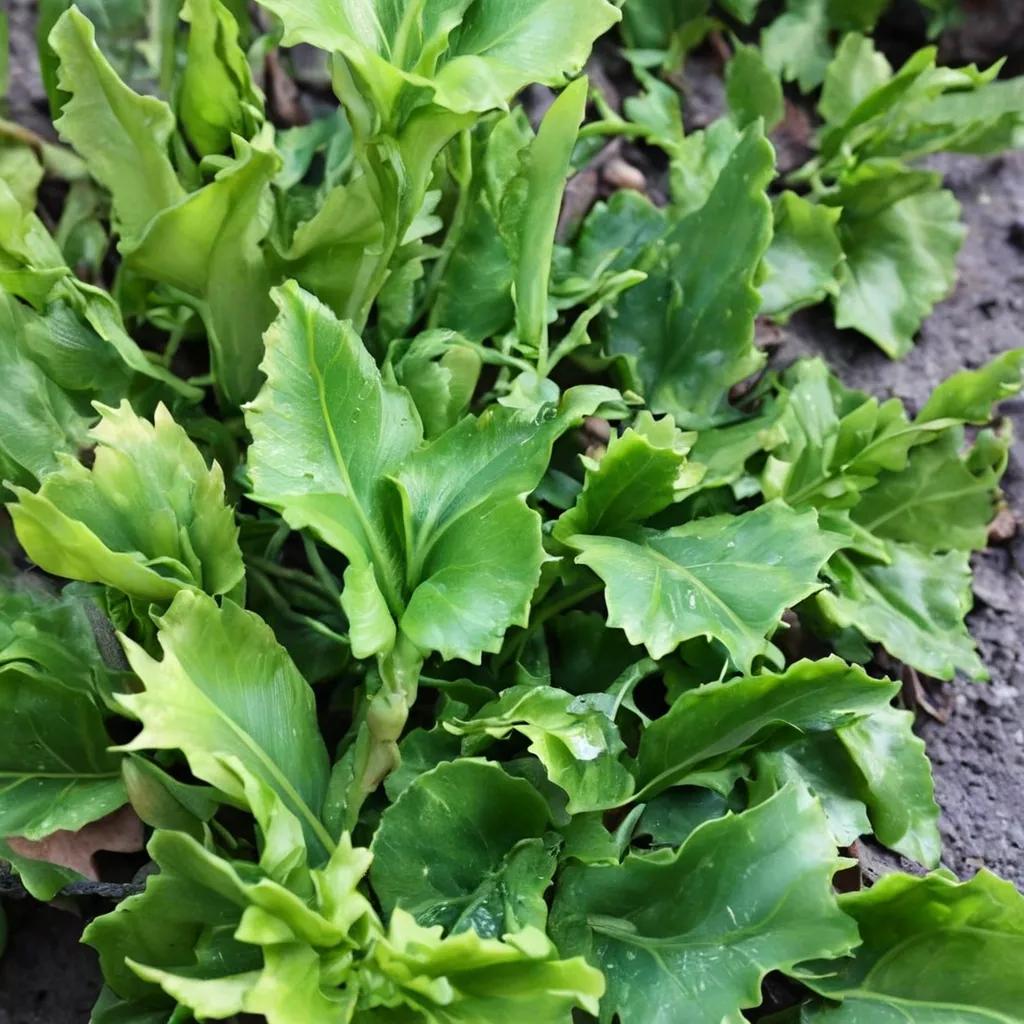
Known for its unique, broad, tongue-shaped leaves that can create an ensemble of foliage textures.
Uses & Benefits:
Essentials
At a Glance
Plant Type
Fern
Height
15"
Width
24"
Light
Partial Sun, Shade
Zones
5, 6, 7, 8, 9
Water
Consistently moist soil
Humidity
High humidity preferred
Lifespan
Perennial
Native To
Europe, Asia, eastern North America
Toxicity
Non-toxic to humans and pets
Planting
How to Grow
- Tuck spores into moist, well-draining soil in early spring.
- Mist fronds regularly to maintain humidity levels.
- Keep soil consistently moist but not waterlogged.
- Provide indirect light or partial shade for optimal growth.
- Transplant when roots are established, usually after 6 weeks.
- Mulch around base to retain soil moisture and suppress weeds.
Pro Tip
Maintain high humidity and avoid direct sunlight for lush fronds.
Keep It Thriving
Care Guide
Do
- Keep soil moist with regular watering 🌱
- Provide indirect light or partial shade
- Maintain high humidity around the plant
- Use organic compost for fertilizing during growing season
Don't
- Avoid direct sunlight which can scorch fronds ❌
- Do not let soil dry out completely
- Avoid over-fertilizing to prevent root rot
- Do not disturb roots during dormancy
Seasonal Care Calendar
| Task | Jan | Feb | Mar | Apr | May | Jun | Jul | Aug | Sep | Oct | Nov | Dec |
|---|---|---|---|---|---|---|---|---|---|---|---|---|
| Divide | ||||||||||||
| Mulch | ||||||||||||
| Plant | ||||||||||||
| Spring Cleanup |
Watch Out For
Pests & Diseases
Common Pests
Common Diseases
In the Garden
Landscape Uses & Companions
Landscape Uses
Multiply
Propagation Methods
Good to Know
Common Questions
Hart's Tongue Fern questions
What zones can Hart's Tongue Fern grow in?
Hart's Tongue Fern is hardy in USDA Zones 5–9. Inside that range it survives winter in the ground; outside it, grow it as an annual or a container plant you protect.
Is Hart's Tongue Fern deer resistant?
Yes — Hart's Tongue Fern is rated deer-resistant. Deer typically pass it over, though extreme hunger can override any plant's defenses.
Does Hart's Tongue Fern need full sun?
Hart's Tongue Fern does best in part shade.
More Asplenium to compare
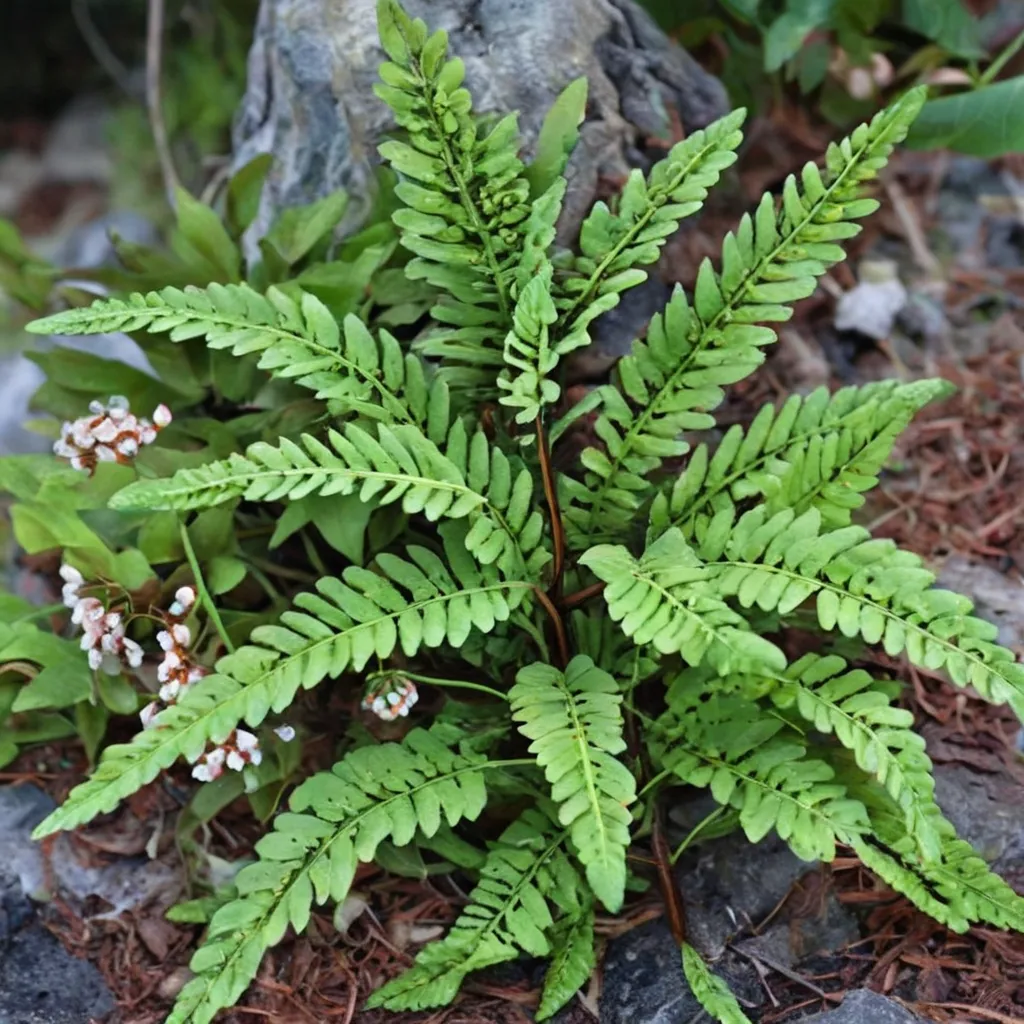
Maidenhair Spleenwort
Asplenium trichomanes
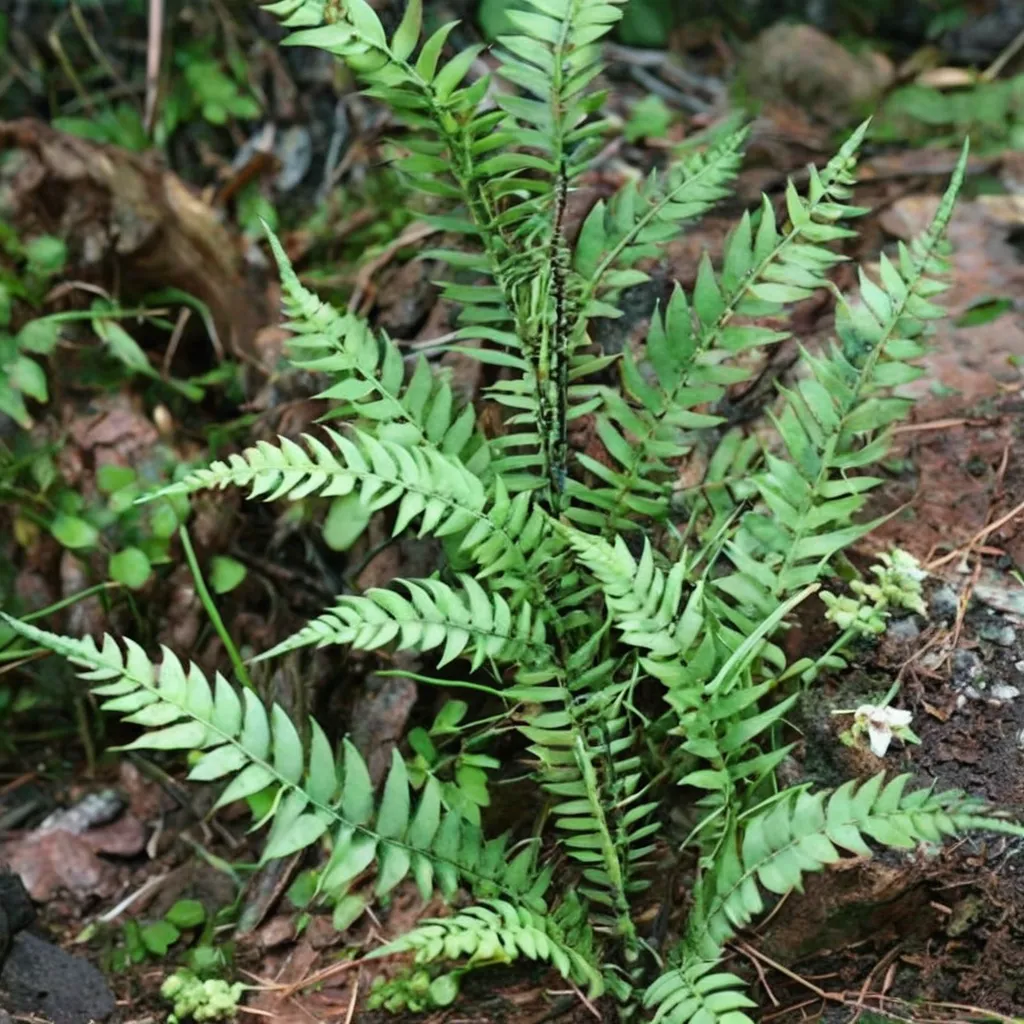
Brunswick Giant Ebony Spleenwort
Asplenium platyneuron 'Brunswick Giant'
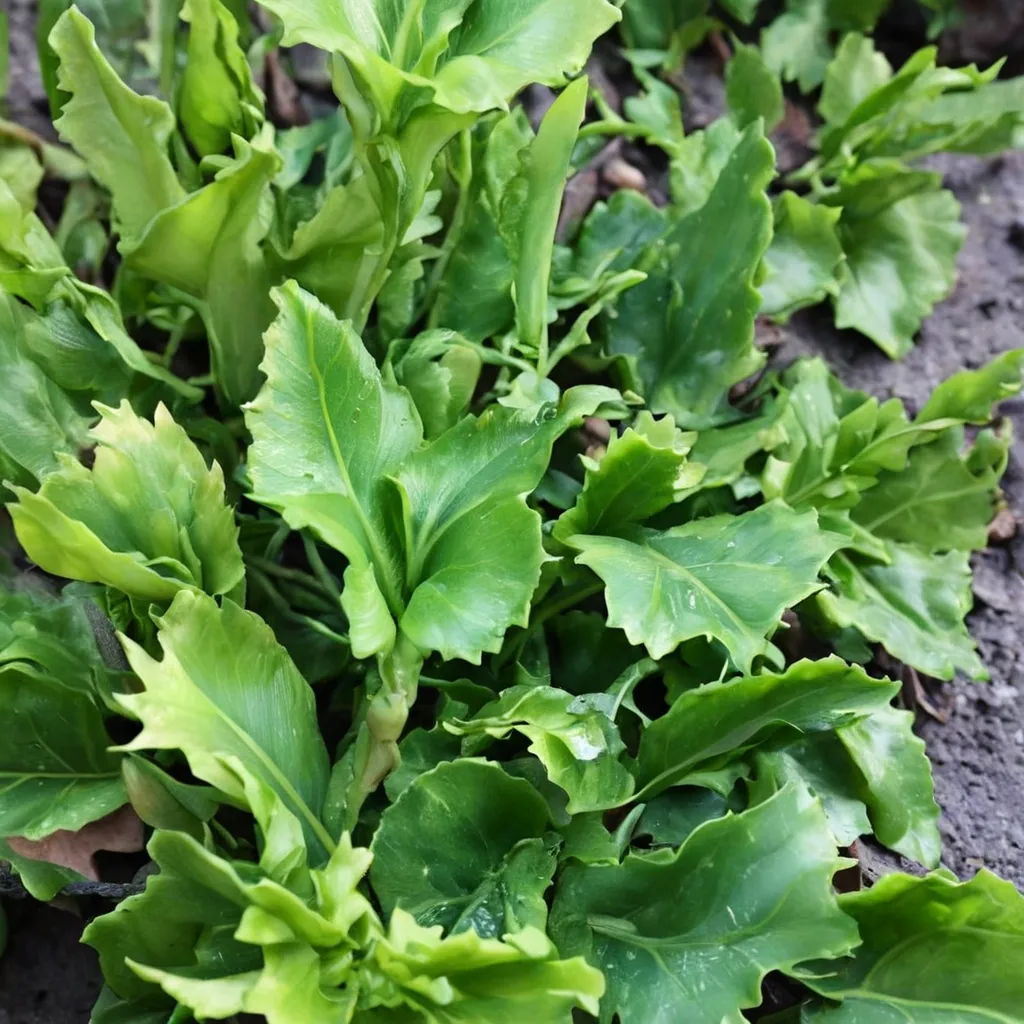
Cristatum Hart's Tongue Fern
Asplenium scolopendrium 'Cristatum'
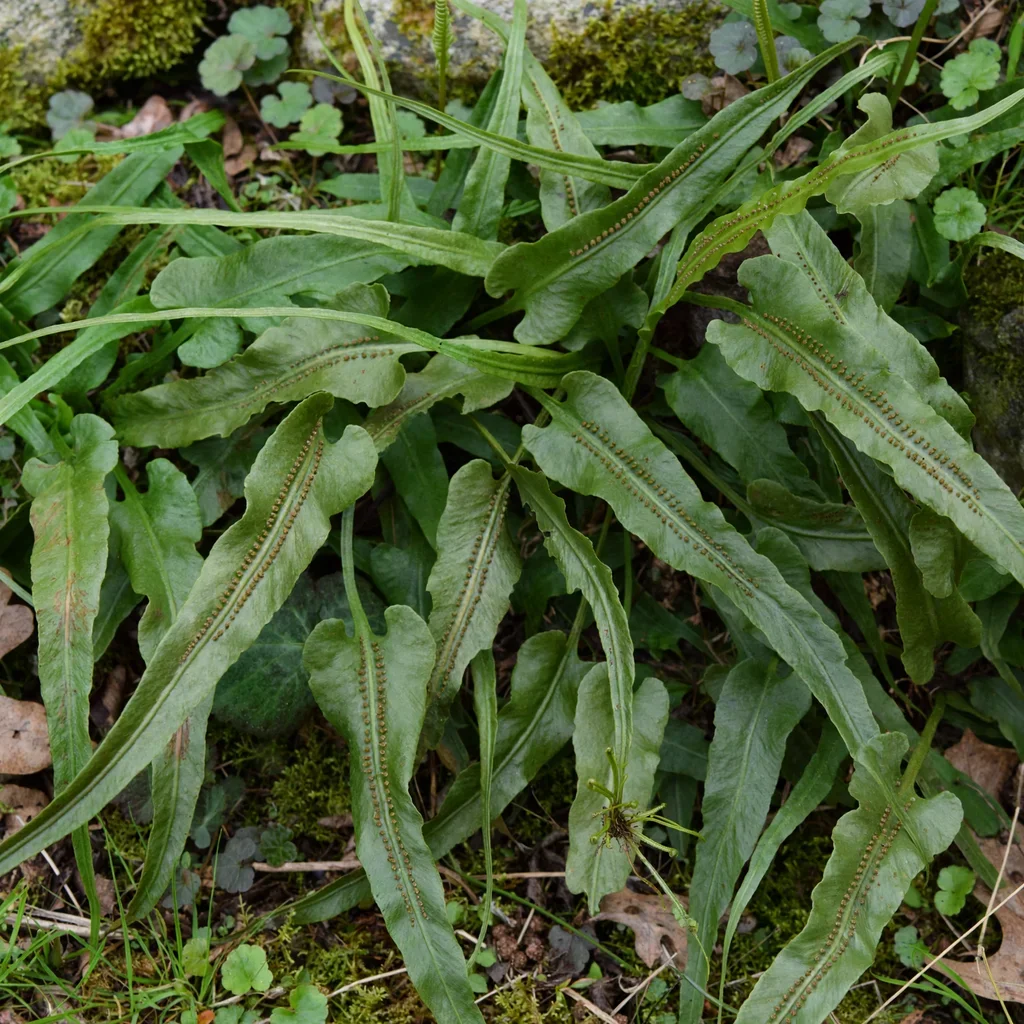
Walking Fern
Asplenium rhizophyllum
Ulleung Island Hart's-tongue Fern
Asplenium scolopendrium 'Ulleung Island'
Bird's Nest Fern
Asplenium x ebenoides
Keep exploring
Explore the genus
Hardy in your zone?
Grow Hart's Tongue Fern with confidence
See it in a design of your actual yard, get zone-matched care reminders, and track it season by season in your garden journal.