Also known as Spleenwort · 229 saves
Asplenium
Asplenium, the genus most gardeners know as spleenwort. We track 11 varieties; the ones most used by real gardeners.
The 11 most-saved Asplenium varieties
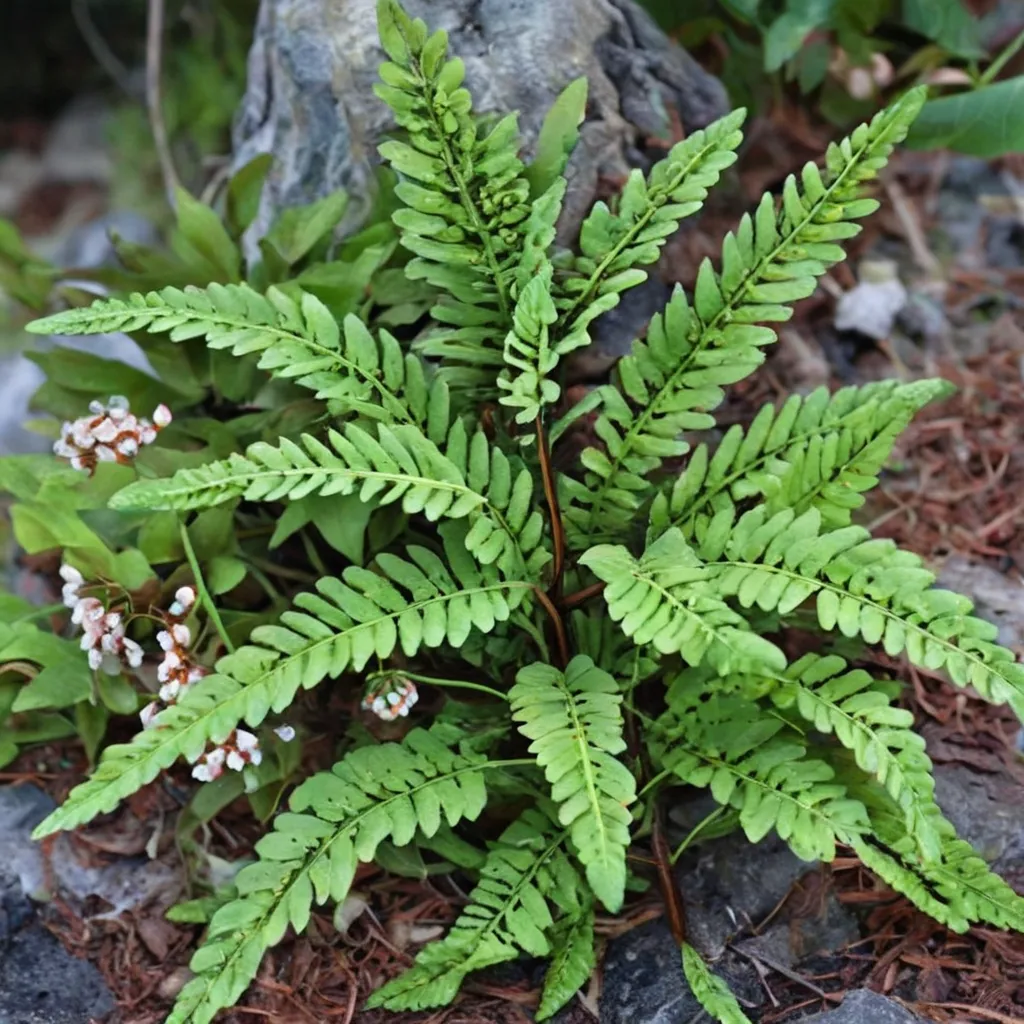
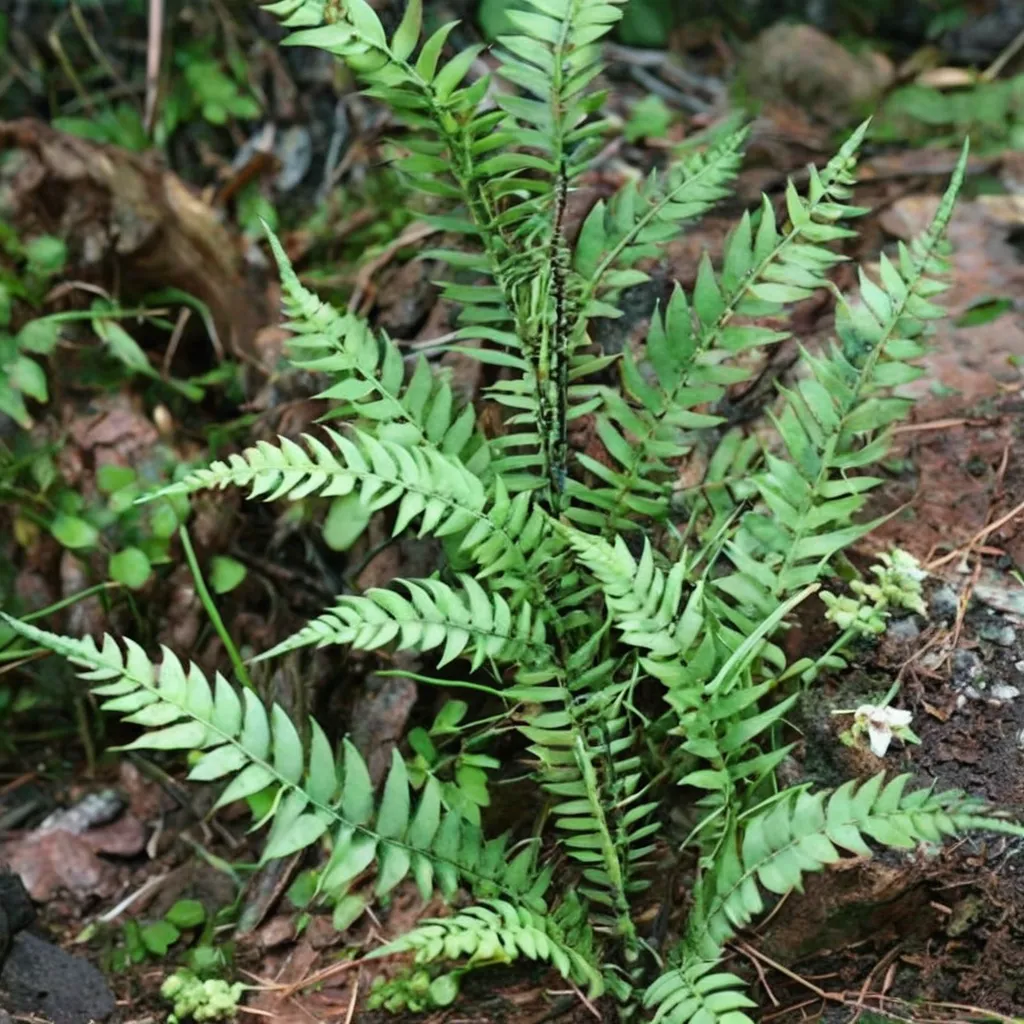
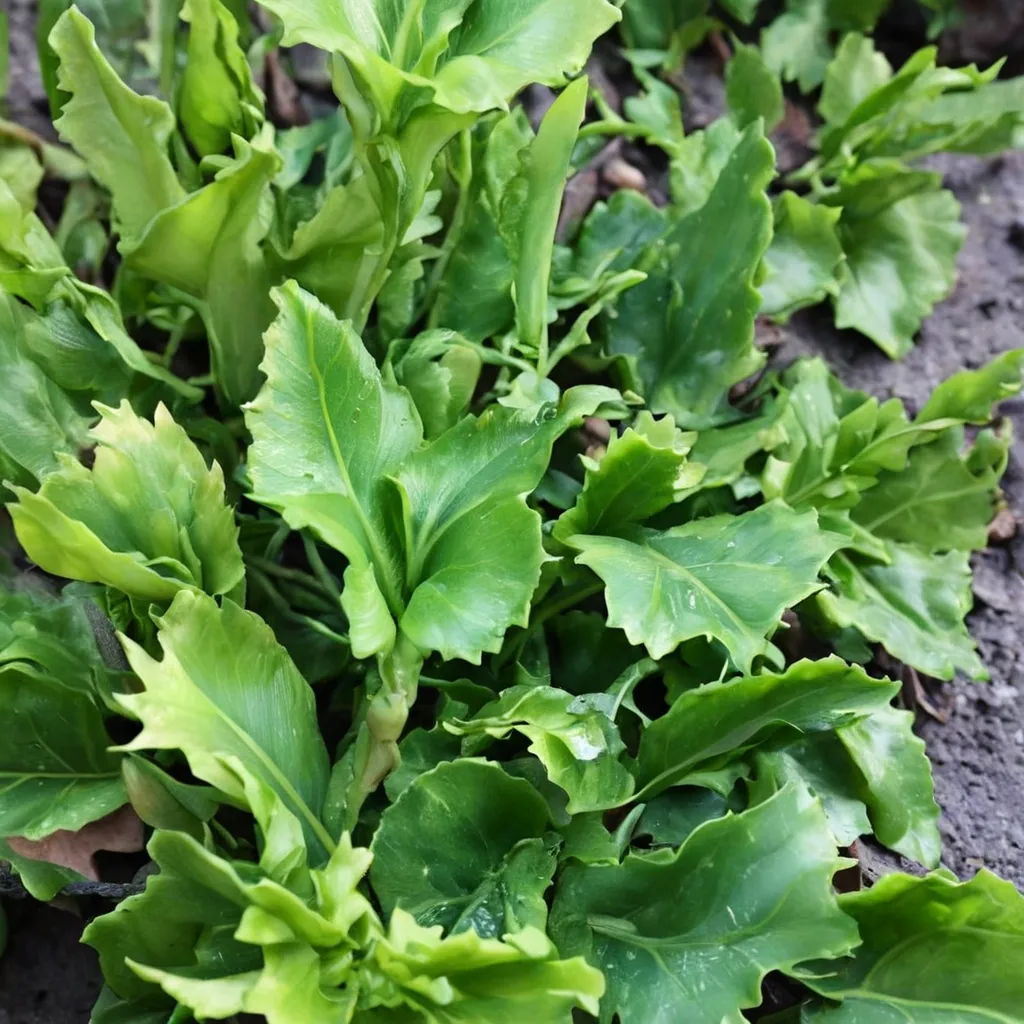
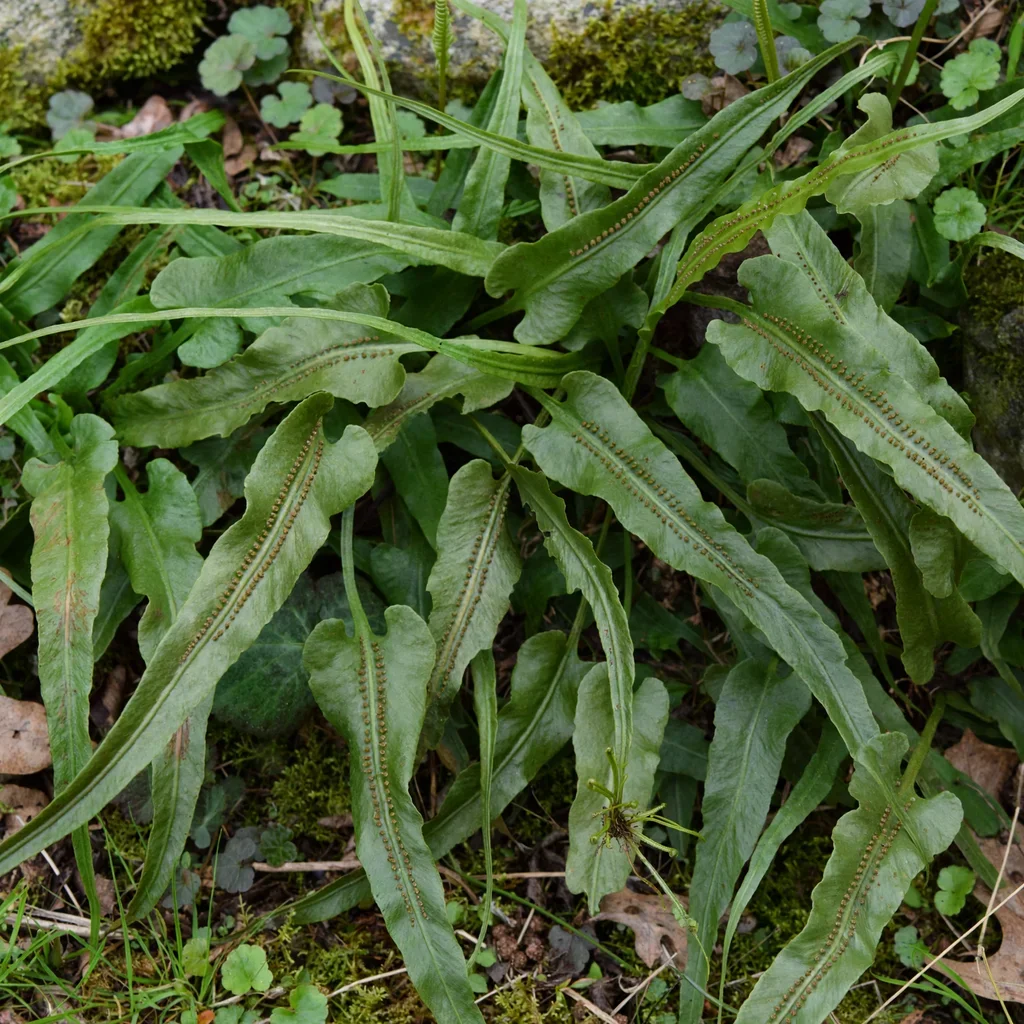
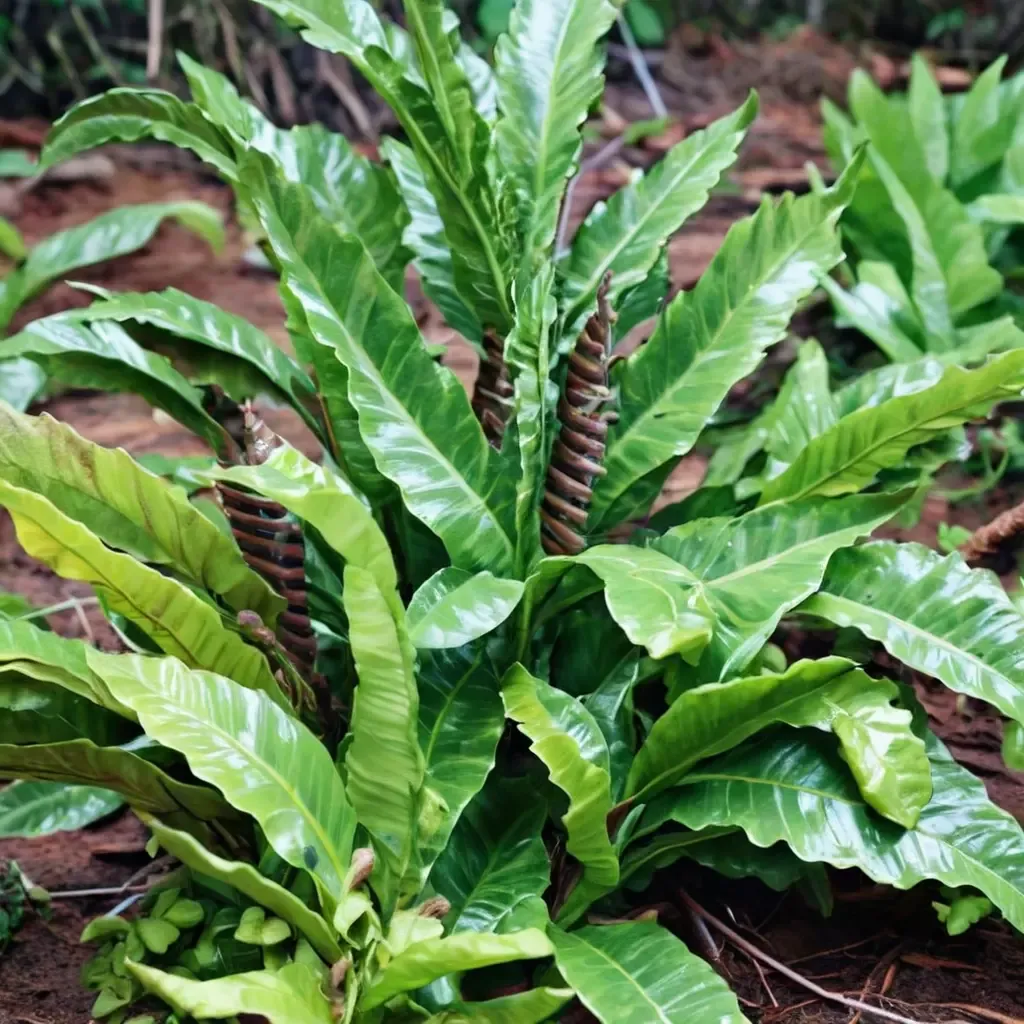
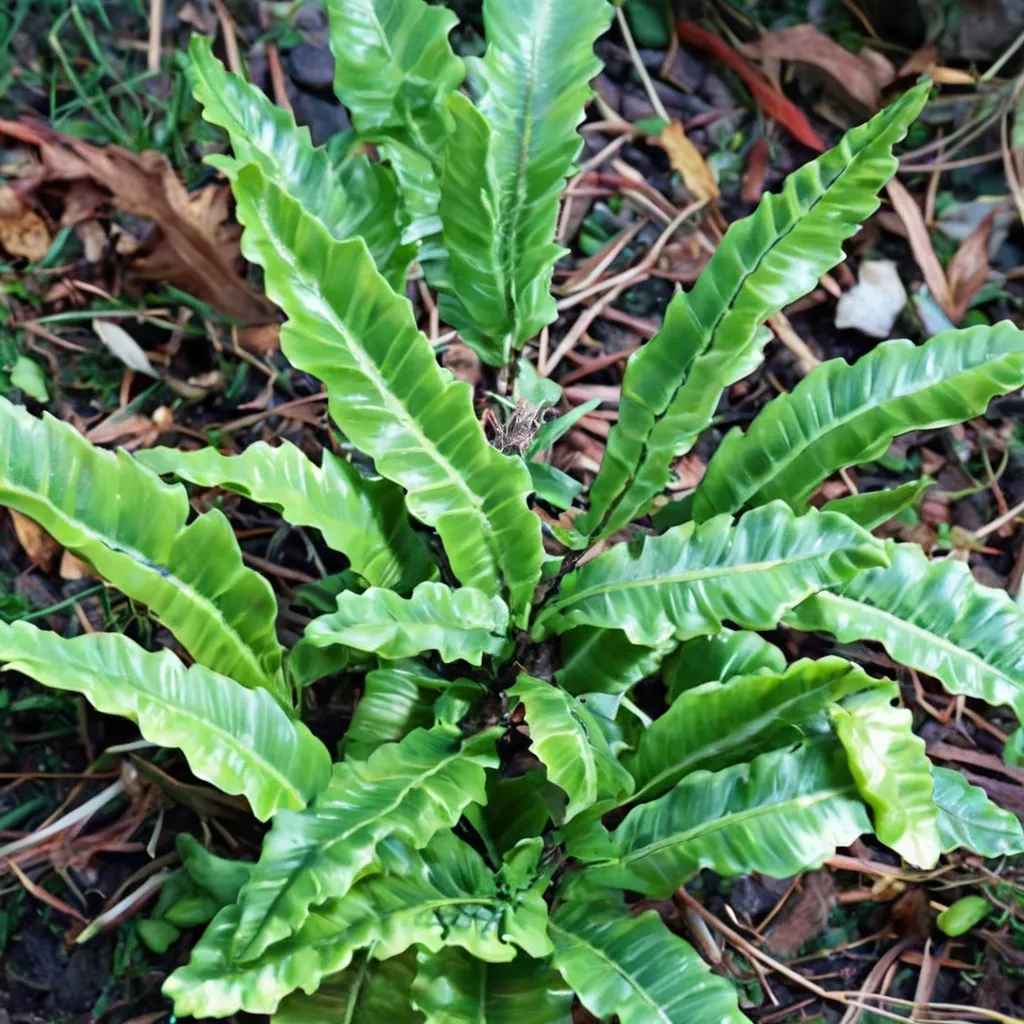
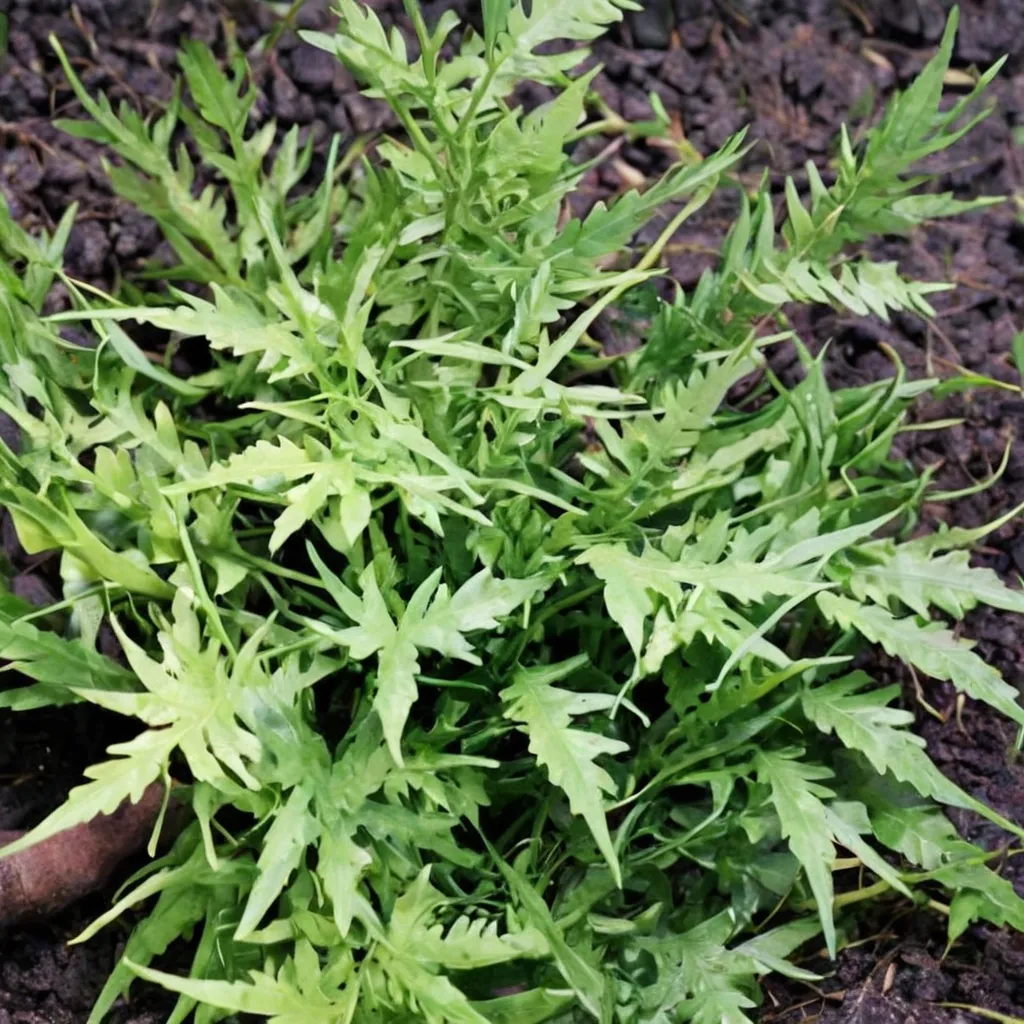
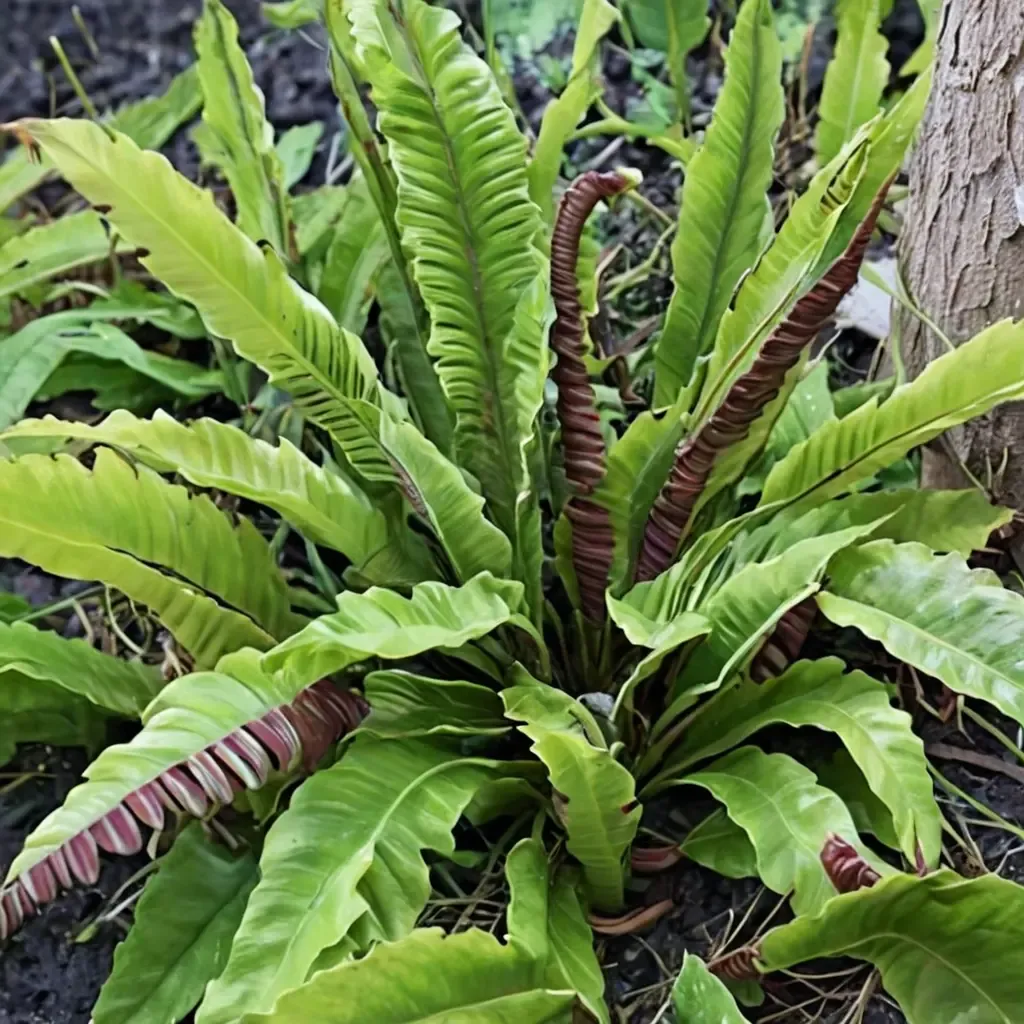
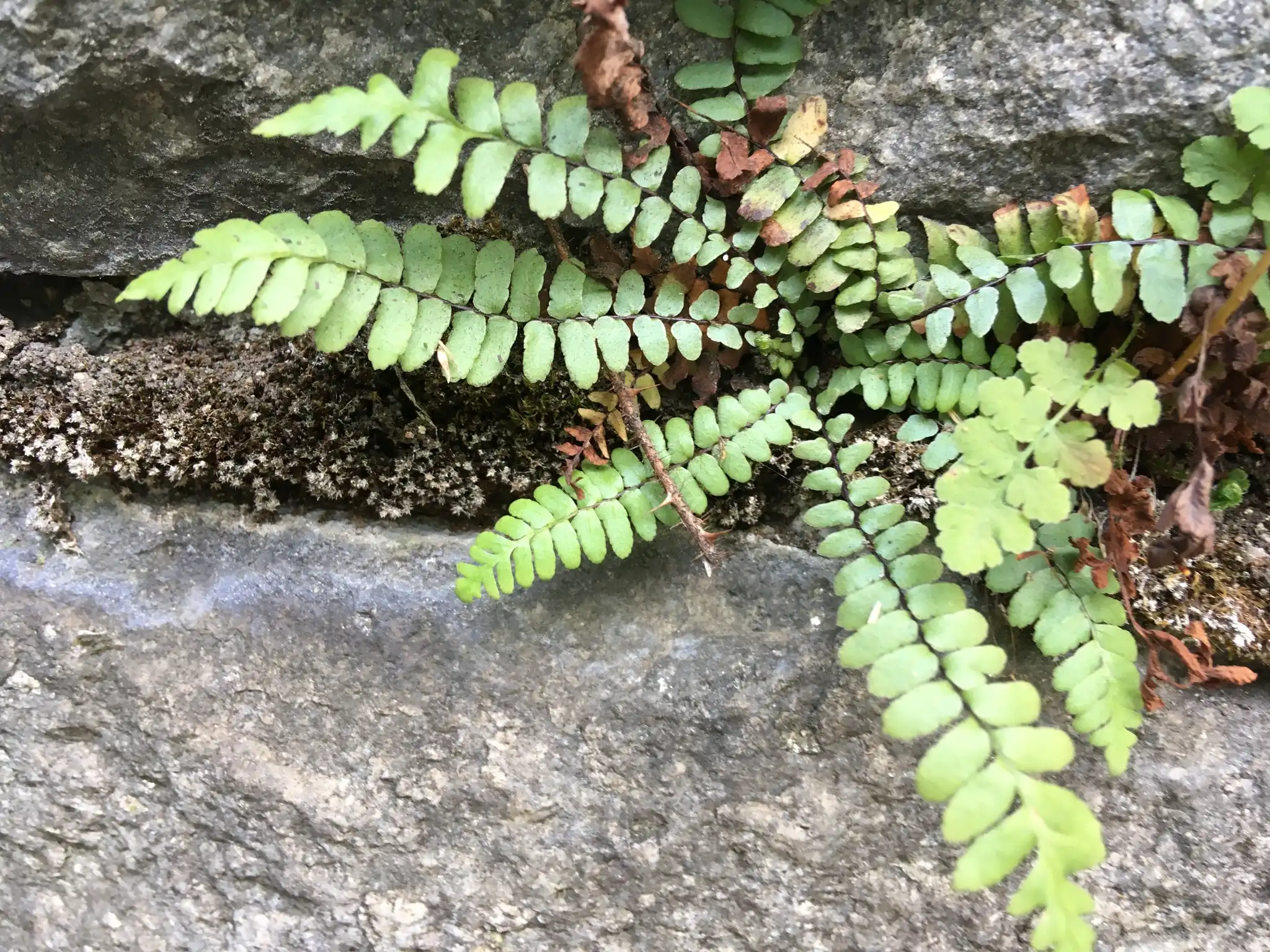
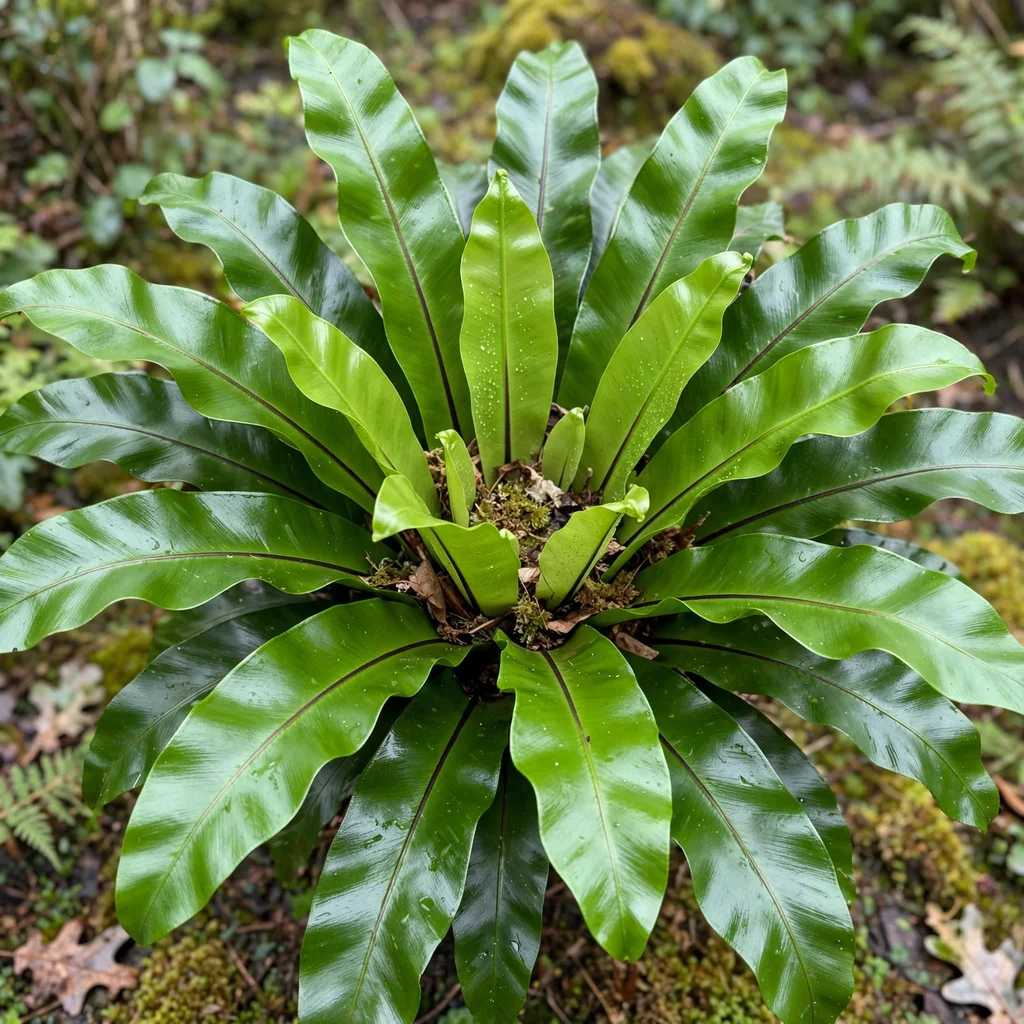
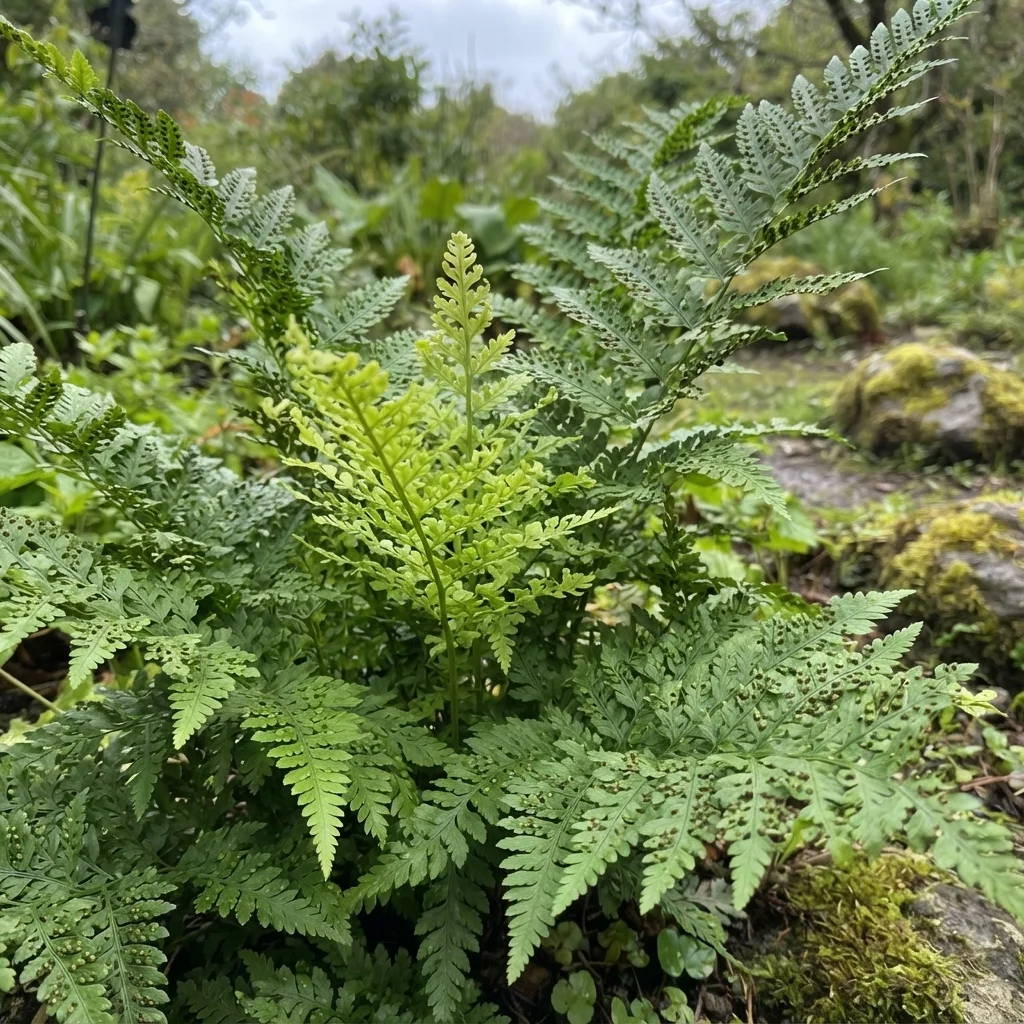
4 species of Asplenium
Each one is a parent of the varieties above.
Track your Asplenium in Sow
Save the Asplenium you grow and get care reminders timed to your zone.
How to grow Asplenium
Whats common across all Asplenium varieties in our catalog — drawn from the care records of the 11 most-grown of them.
The Asplenium year
- Spring CleanupMarch and April73% of varieties
Remove any brown or damaged fronds before new growth starts
- FertilizeApril, June and August55% of varieties
Apply a light, balanced fertilizer once in early spring
- MulchApril and May55% of varieties
Maintain a layer of leaf mold or organic mulch to retain moisture
- PlantApril, May, October and November45% of varieties
Plant in spring or fall, ensuring good drainage and shade
- DivideApril, May and October45% of varieties
Divide clumps every 3-5 years if overcrowded


Do
- Water regularly to keep soil moist 🌱
- Mulch to retain soil moisture
- Place in shaded or partial sun areas
- Divide in early spring if overgrown
- Water the soil medium directly rather than the foliage.
Avoid
- Do not let soil dry out completely
- Avoid direct, harsh sunlight ❌
- Avoid heavy fertilization
- Avoid direct sunlight which can scorch fronds ❌
What goes wrong with Asplenium
| Problem | What you'll see | What to do |
|---|---|---|
| Scale insects | Small, brown, shell-like bumps on the undersides of fronds and sticky honeydew residue. | Isolate the plant and treat pests manually with insecticidal soap or horticultural oil, avoiding harsh chemical sprays. |
| Aphids | Sticky residue on fronds | Spray with insecticidal soap |
| Mealybugs | White, cottony masses tucked into the bases of the fronds and slow plant growth. | Dab pests with a cotton swab dipped in rubbing alcohol or apply mild insecticidal soap directly to the insects. |
| Slugs and snails | Irregular holes chewed in the delicate margins of the fronds, accompanied by silvery slime trails. | Handpick the pests at night or apply non-toxic baits around the base of the container. |
| Root rot | Wilting and browning fronds | Improve drainage and reduce watering |
| Bacterial crown rot | Mushy, brown, or black decaying tissue in the central nest, leading to collapsing fronds. | Prevent by keeping the central funnel dry; discard severely infected plants as chemical treatments are rarely effective. |
| Bacterial leaf spot | Water-soaked spots with yellow halos appearing on the fronds, expanding rapidly in warm, humid conditions. | Improve air circulation, avoid overhead watering, and prune away affected fronds with sterilized tools. |
Making more Asplenium
Division
- Lift established clumps in early spring.
- Separate crowns carefully, keeping roots intact.
- Replant at the same depth and water in.
Spores
- Collect spores in late spring
- Place spores on moist soil surface
- Maintain humidity for 6 weeks
- Keep soil moist and shaded
Asplenium questions
How many types of Asplenium are there?
The Sow catalog tracks 11 distinct Asplenium varieties. The most popular — ranked by 229 real gardeners — are shown first above.
What zones does Asplenium grow in?
Across its varieties, Asplenium covers USDA Zones 4–10. Individual varieties differ — each plant page lists its exact range, and Sow filters the catalog to your zone automatically.
When does Asplenium bloom?
Most Asplenium varieties bloom in late spring, summer. Staggering early, mid, and late varieties extends the genus's season in one bed.
Which Asplenium should I choose?
Start from the most-saved varieties above — popularity across thousands of gardens is a strong signal of reliability — then filter by your zone and sun. In the Sow app you can preview any of them in a photo of your actual yard before you buy.