
The Story
Plant Bio
Lilium longiflorum, the Easter lily, is an upright, unbranched herbaceous perennial growing from an underground bulb with stem-rooting characteristics. The rigid vertical stems are densely clothed in narrow, dark green leaves and topped by large, highly fragrant, pure white trumpet-shaped flowers.
This species is distinguished by its exceptionally long, outward-facing floral tubes measuring five to seven inches in length. While widely forced in greenhouses for spring holidays, in natural garden settings it establishes as a reliable midsummer bloomer.
Uses & Benefits:
Essentials
At a Glance
Plant Type
Bulb Corm Tuber
Height
36"
Width
12"
Light
Full Sun, Partial Sun
Zones
5, 6, 7, 8, 9
Water
Medium
Humidity
Moderate
Lifespan
Perennial
Native To
Asia (Japan, Taiwan)
Toxicity
Highly toxic to cats
Bloom period
Summer – Late summer
In flower about 3 months of the year
Planting
How to Grow
- Select a planting site with rich, organic, humus-rich soil that drains rapidly, avoiding low spots where water collects.
- Plant bulbs in fall at a depth of six inches, ensuring the root zone remains cool and shaded while the upper stems receive full sun.
- Maintain consistent soil moisture throughout the spring and summer growing seasons, never allowing the bulbs to dry out completely.
- Cut the dead brown stems down to ground level only in late fall after the foliage has completely withered and yellowed.
Pro Tip
Never cut back the green stem or leaves after the flowers fade; the bulb relies entirely on this active foliage to photosynthesize and store energy for the following year's growth cycle.
Keep It Thriving
Care Guide
Do
- Keep the root zone cool and shaded by applying a layer of organic mulch or planting low-growing groundcovers nearby.
- Provide sharp drainage to prevent waterlogging and fatal bulb rot.
- Apply a balanced, low-nitrogen, slow-release fertilizer during active spring growth.
Don't
- Do not cut down green stems immediately after flowering, as this starves the bulb of energy.
- Do not plant in heavy, compacted clay soils that retain excess winter moisture.
- Do not allow cats near any part of the plant, including the pollen and vase water, as ingestion causes fatal kidney failure.
Seasonal Care Calendar
| Task | Jan | Feb | Mar | Apr | May | Jun | Jul | Aug | Sep | Oct | Nov | Dec |
|---|---|---|---|---|---|---|---|---|---|---|---|---|
| Divide | ||||||||||||
| Fertilize | ||||||||||||
| Pest Check | ||||||||||||
| Prune |
Watch Out For
Pests & Diseases
Common Pests
Common Diseases
In the Garden
Landscape Uses & Companions
Landscape Uses
Multiply
Propagation Methods
Good to Know
Common Questions
Easter Lily questions
What zones can Easter Lily grow in?
Easter Lily is hardy in USDA Zones 5–9. Inside that range it survives winter in the ground; outside it, grow it as an annual or a container plant you protect.
Is Easter Lily deer resistant?
Not reliably. Deer may browse Easter Lily, especially tender spring growth — plan on repellents or fencing where pressure is high.
When does Easter Lily bloom?
Easter Lily typically blooms in summer through late summer. Exact timing shifts a week or two with your zone — Sow's bloom calendar maps it to your garden.
Does Easter Lily need full sun?
Easter Lily does best in full sun to part shade. In hot climates, afternoon shade keeps blooms fresher longer.
More Lilium to compare
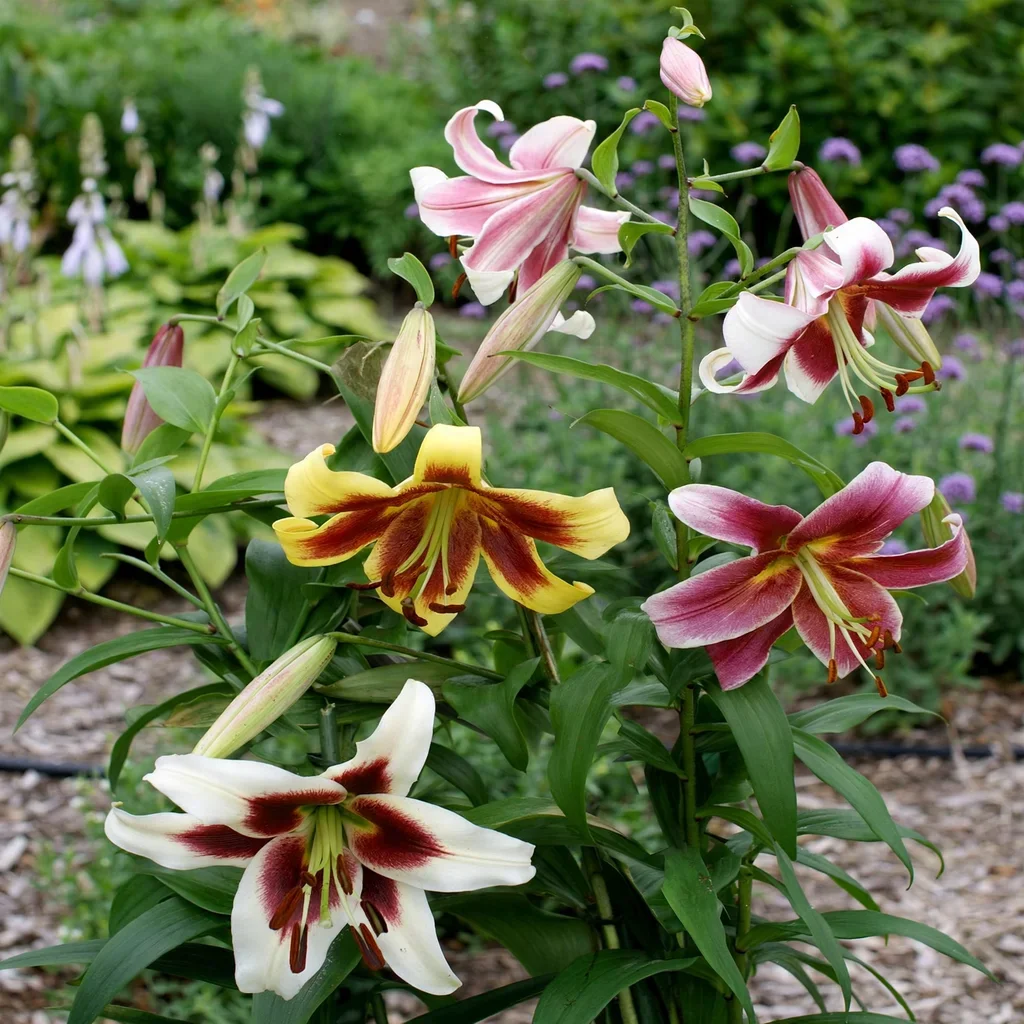
Tree Lily
Lilium x hybrida 'Tree Mix'
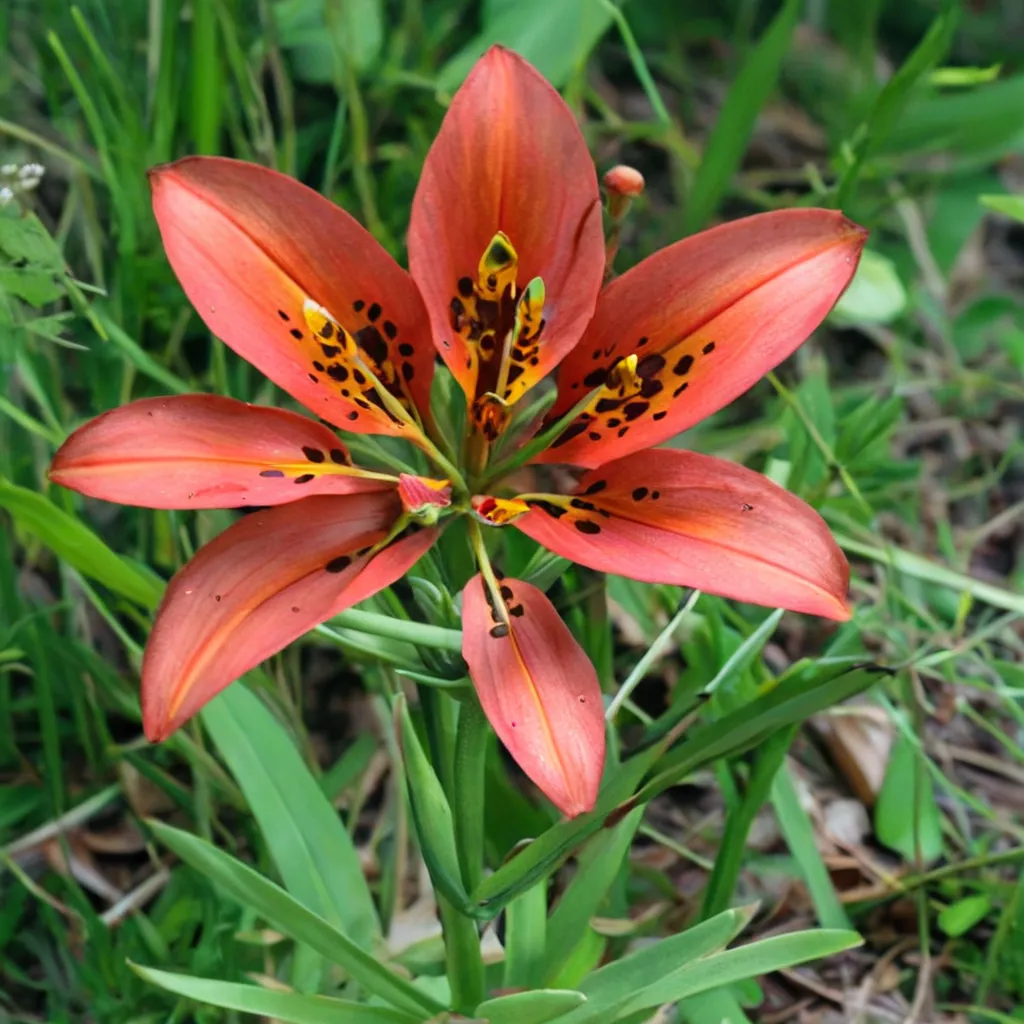
Wood Lily
Lilium philadelphicum
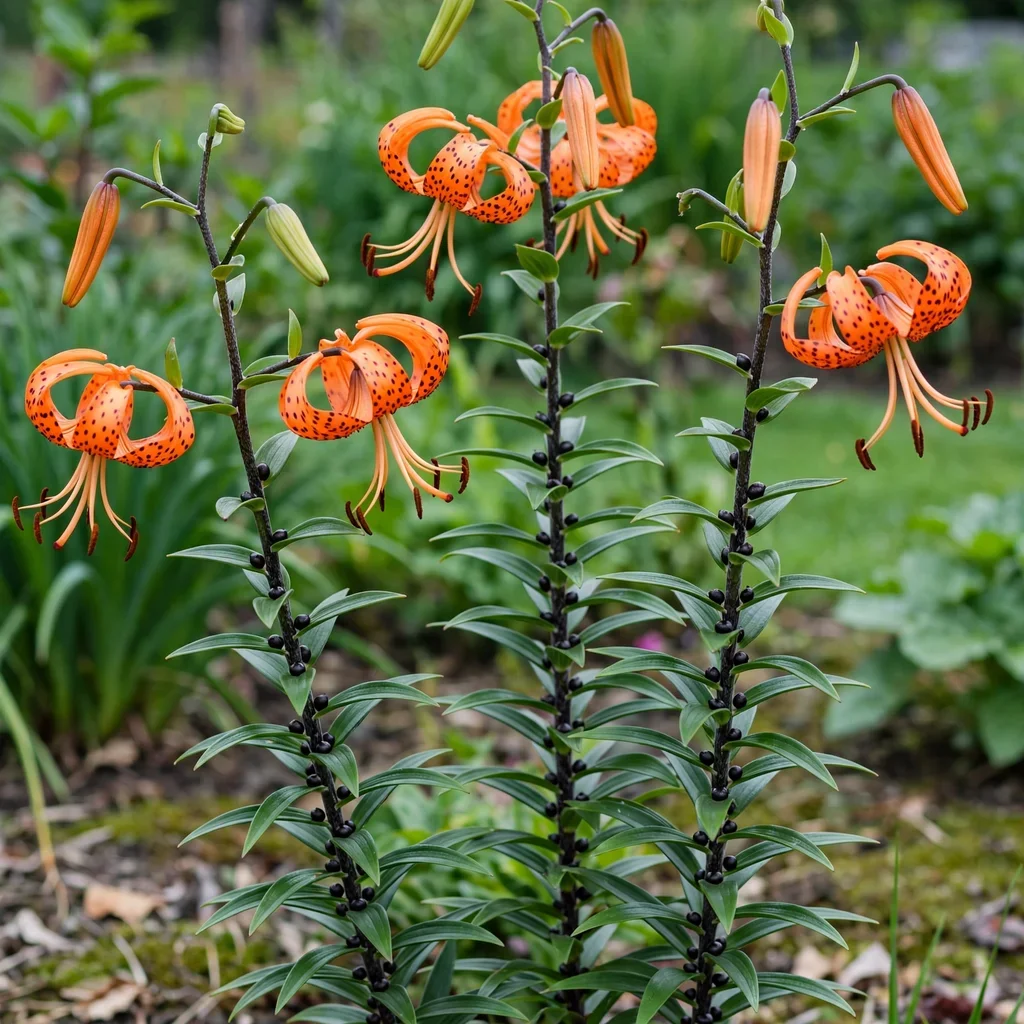
Tiger Lily
Lilium lancifolium
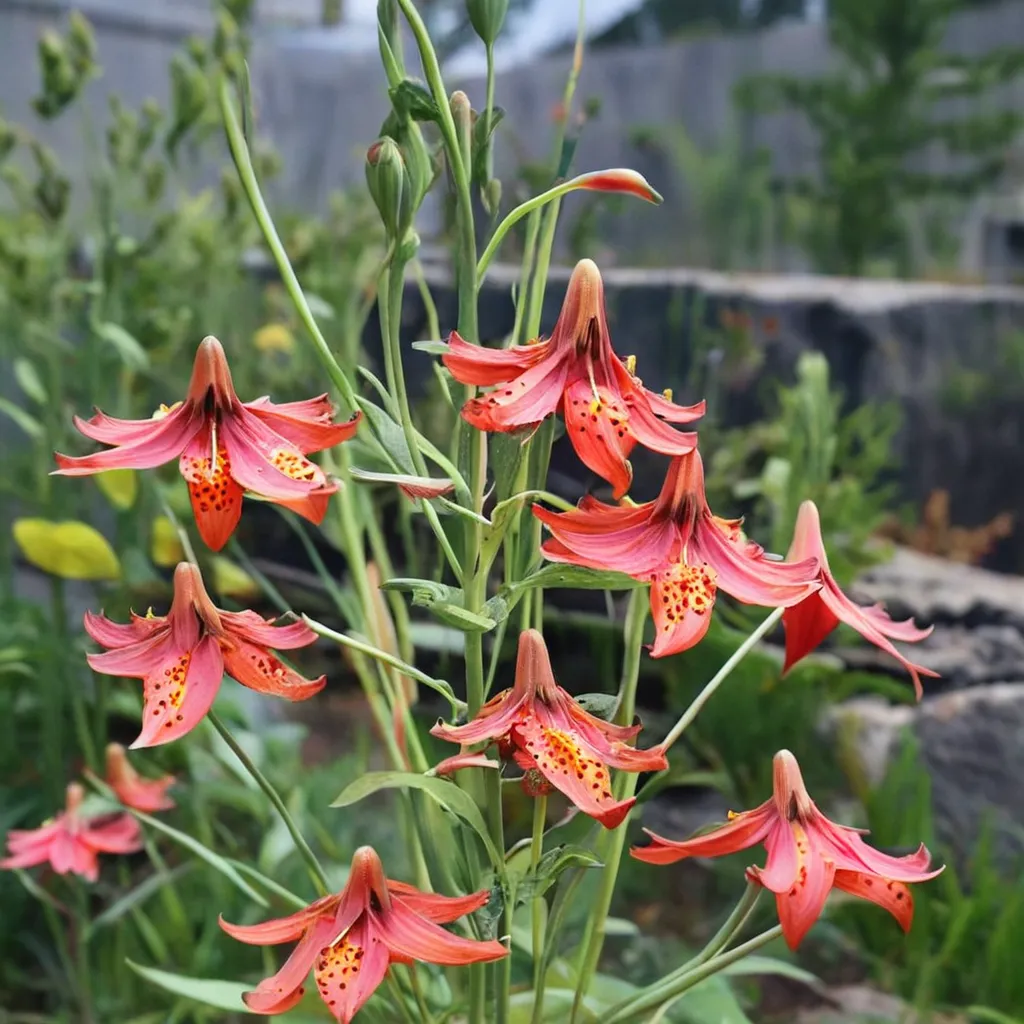
Canada Lily 'Reverend Walker'
Lilium canadense 'Reverend Walker'
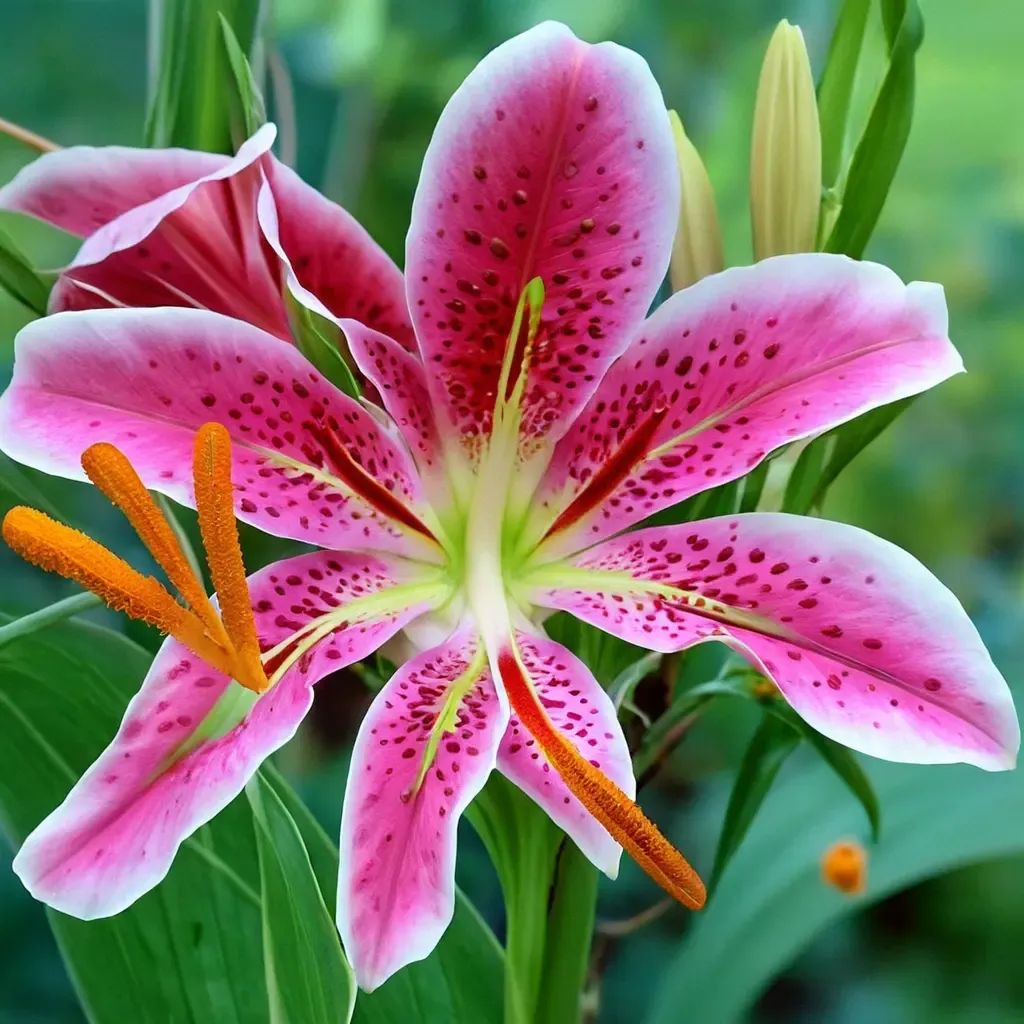
Stargazer Lily
Lilium lancifolium 'Stargazer'
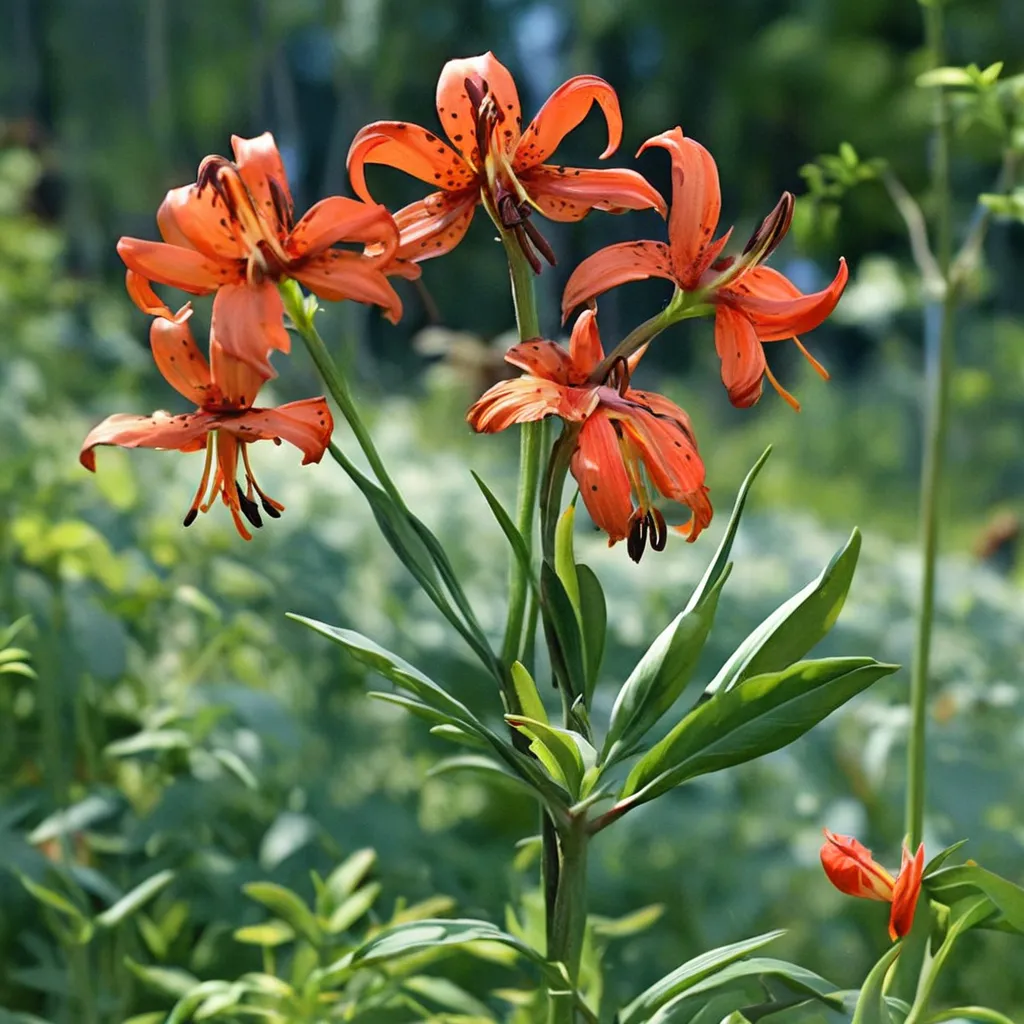
Michigan Lily
Lilium michiganense
Keep exploring
Explore the genus
Hardy in your zone?
Grow Easter Lily with confidence
See it in a design of your actual yard, get zone-matched care reminders, and track it season by season in your garden journal.