The Story
Plant Bio
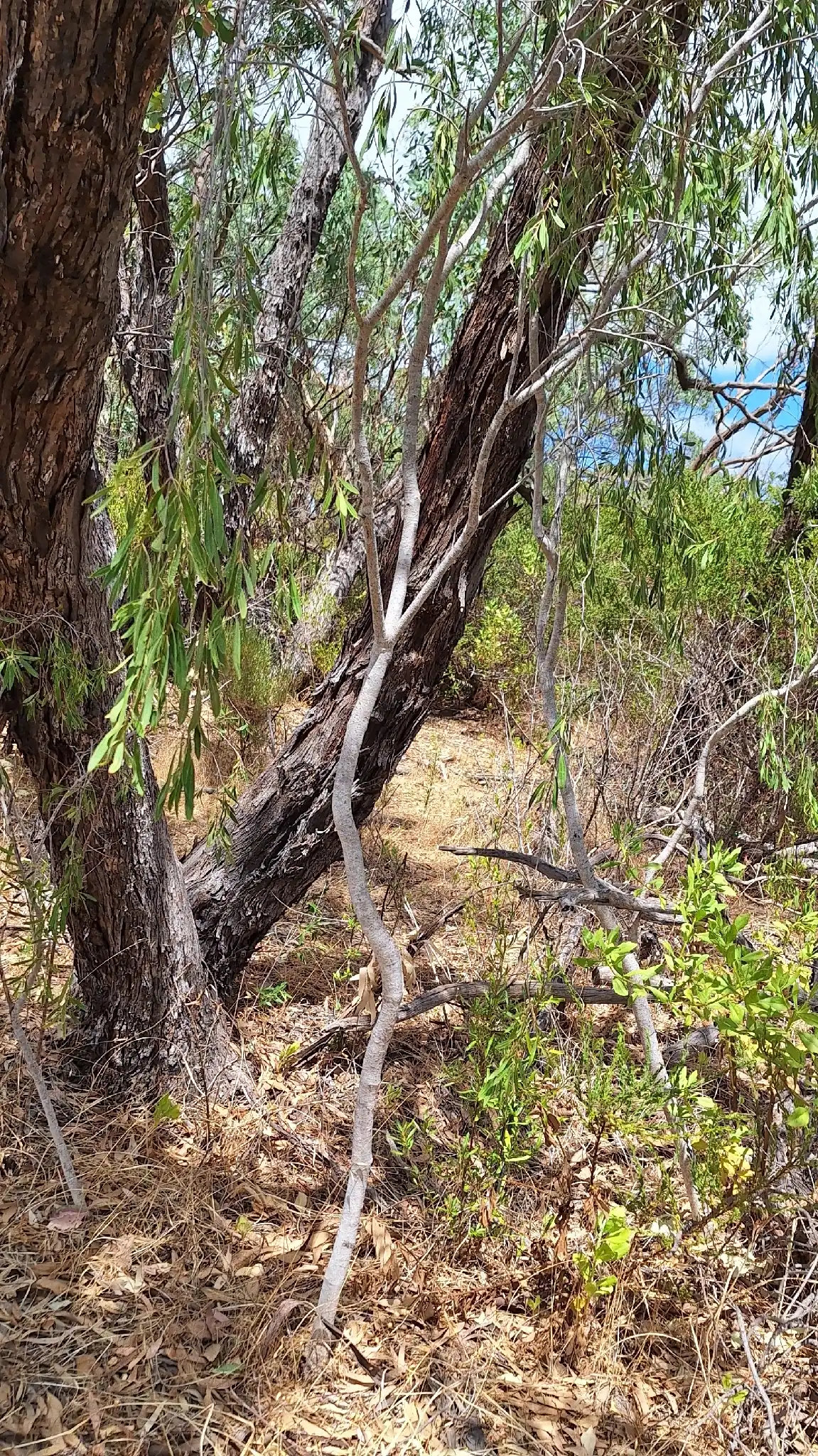
Pittosporum angustifolium is an evergreen Australian tree with a weeping, pendulous branch habit and a narrow, upright canopy. The long, leathery, gray-green leaves hang vertically along the stems, bearing small, fragrant, bell-shaped yellow flowers from late winter to mid-spring.
This species is highly adapted to arid conditions, exhibiting exceptional drought tolerance once its deep root system is established. It is frequently confused in historical literature with Pittosporum phillyreoides, which is a distinct, narrow endemic species restricted to coastal Western Australia.
Uses & Benefits:
Essentials
At a Glance
Plant Type
Tree
Height
240"
Width
120"
Light
Full Sun, Partial Sun
Zones
8, 9, 10
Water
Low
Humidity
Low
Lifespan
Long-lived
Native To
Australia
Toxicity
Mildly toxic if ingested
Bloom period
Late winter – Mid-spring
In flower about 3 months of the year
Planting
How to Grow
- Select a planting site in full sun to light shade with excellent drainage, preferably on an elevated slope or in sandy, loamy soil.
- Dig a hole twice as wide as the root ball but no deeper, ensuring the root flare sits slightly above the surrounding soil level.
- Water deeply once or twice a week during the first two summers to encourage deep root penetration, allowing the soil to dry completely between waterings.
- Taper irrigation off entirely once established, relying only on occasional deep watering during prolonged, multi-month droughts.
Pro Tip
Plant this tree far from sewer lines and foundations, as the water-seeking root system aggressively hunts moisture in dry soils. Avoid over-watering, which is the primary cause of establishment failure; instead, transition to deep, infrequent irrigation after the first year.
Keep It Thriving
Care Guide
Do
- Plant in highly permeable, well-draining soil to prevent root rot.
- Provide a strong stake during the first year to support the weeping leader.
- Prune lightly immediately after flowering to shape or encourage denser growth.
Don't
- Do not plant near underground pipes, septic systems, or building foundations.
- Do not over-water or allow the soil to remain waterlogged.
- Do not cut back severely into old, leafless wood, as it will not regenerate reliably.
Seasonal Care Calendar
| Task | Jan | Feb | Mar | Apr | May | Jun | Jul | Aug | Sep | Oct | Nov | Dec |
|---|---|---|---|---|---|---|---|---|---|---|---|---|
| Fertilize | ||||||||||||
| Mulch | ||||||||||||
| Pest Check | ||||||||||||
| Propagate | ||||||||||||
| Prune |
Watch Out For
Pests & Diseases
Common Pests
Common Diseases
In the Garden
Landscape Uses & Companions
Landscape Uses
Companion Plants
Multiply
Propagation Methods
Good to Know
Common Questions
Weeping Pittosporum questions
What zones can Weeping Pittosporum grow in?
Weeping Pittosporum is hardy in USDA Zones 8–10. Inside that range it survives winter in the ground; outside it, grow it as an annual or a container plant you protect.
Is Weeping Pittosporum deer resistant?
Not reliably. Deer may browse Weeping Pittosporum, especially tender spring growth — plan on repellents or fencing where pressure is high.
When does Weeping Pittosporum bloom?
Weeping Pittosporum typically blooms in late winter through mid-spring. Exact timing shifts a week or two with your zone — Sow's bloom calendar maps it to your garden.
Does Weeping Pittosporum need full sun?
Weeping Pittosporum does best in full sun to part shade. In hot climates, afternoon shade keeps blooms fresher longer.
Is Weeping Pittosporum drought tolerant?
Yes — once established (usually after the first full season), Weeping Pittosporum handles dry spells with minimal watering. Water deeply its first year to build the root system that makes that possible.
More Pittosporum to compare
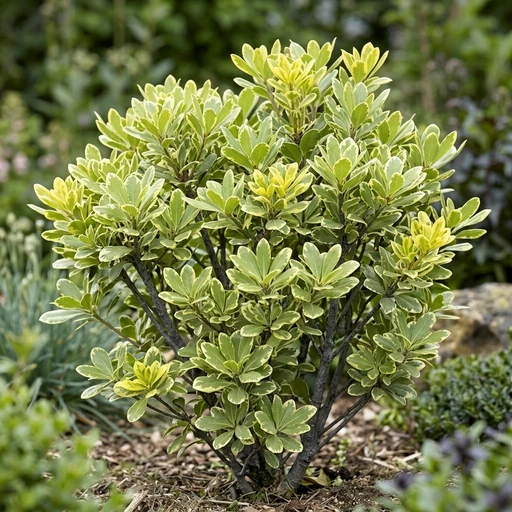
Mojo Pittosporum
Pittosporum tobira 'Mojo'
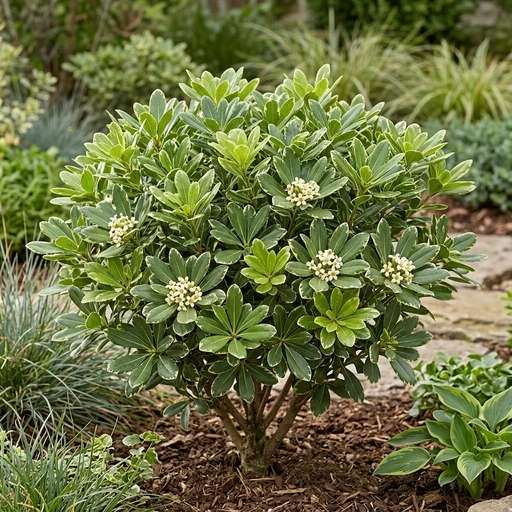
Wheeler's Dwarf Pittosporum
Pittosporum tobira 'Wheeler'
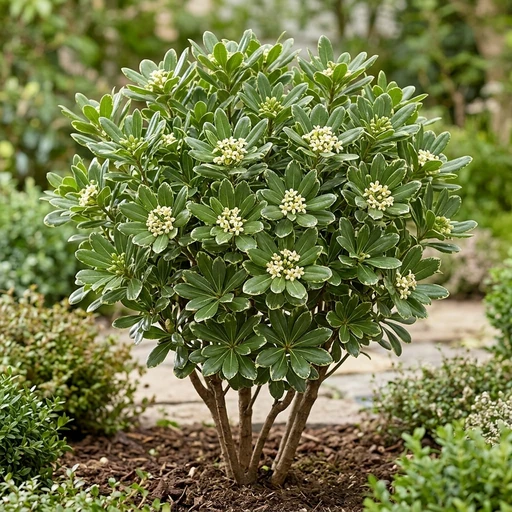
Japanese Pittosporum
Pittosporum tobira
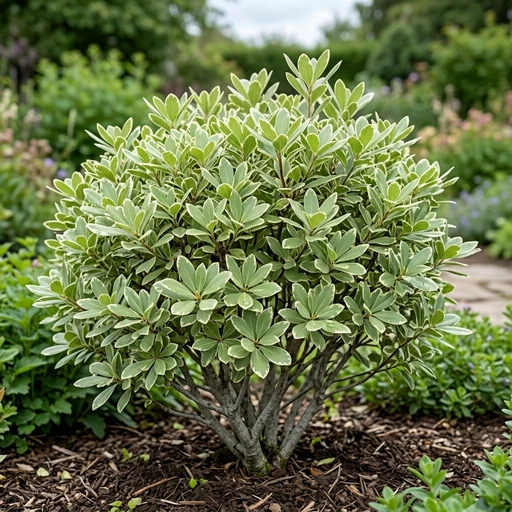
Variegated Japanese Pittosporum
Pittosporum tobira 'Variegatum'
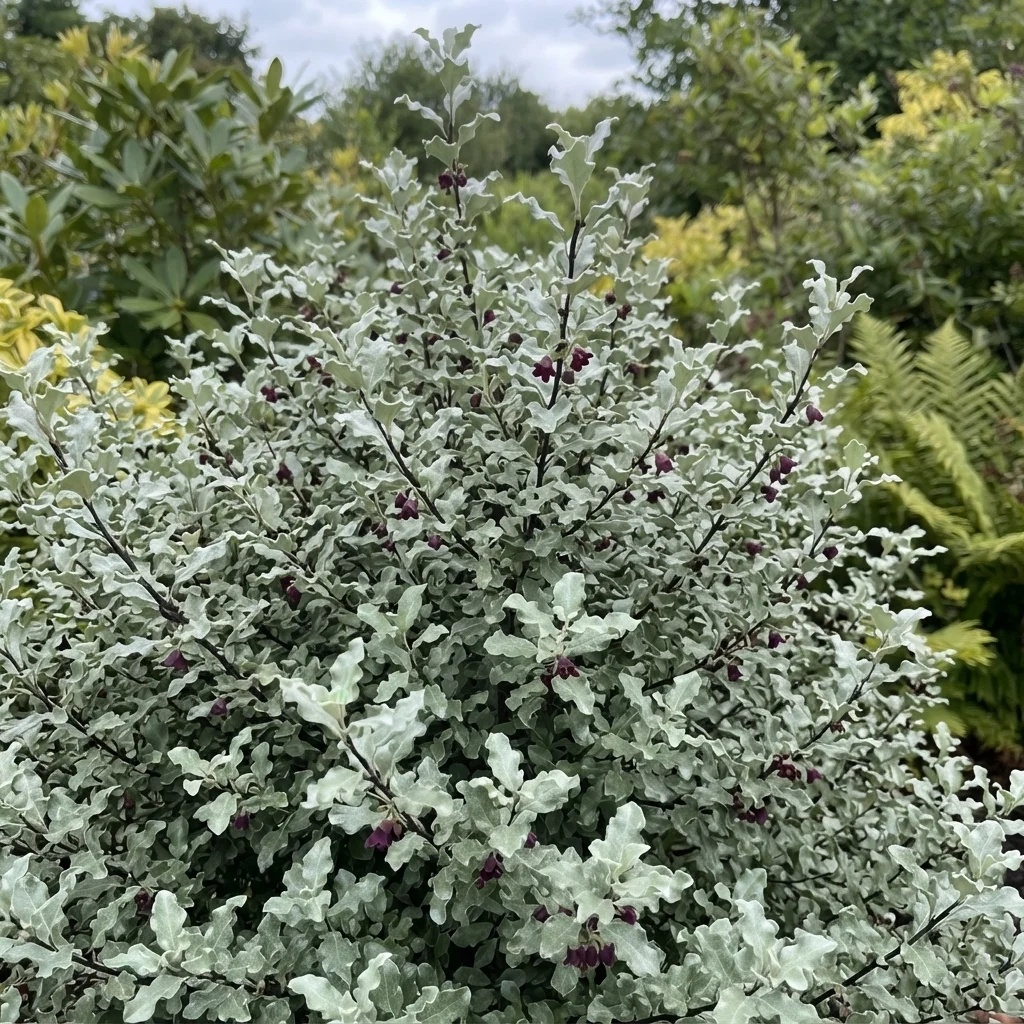
James Stirling Kohuhu
Pittosporum tenuifolium 'James Stirling'
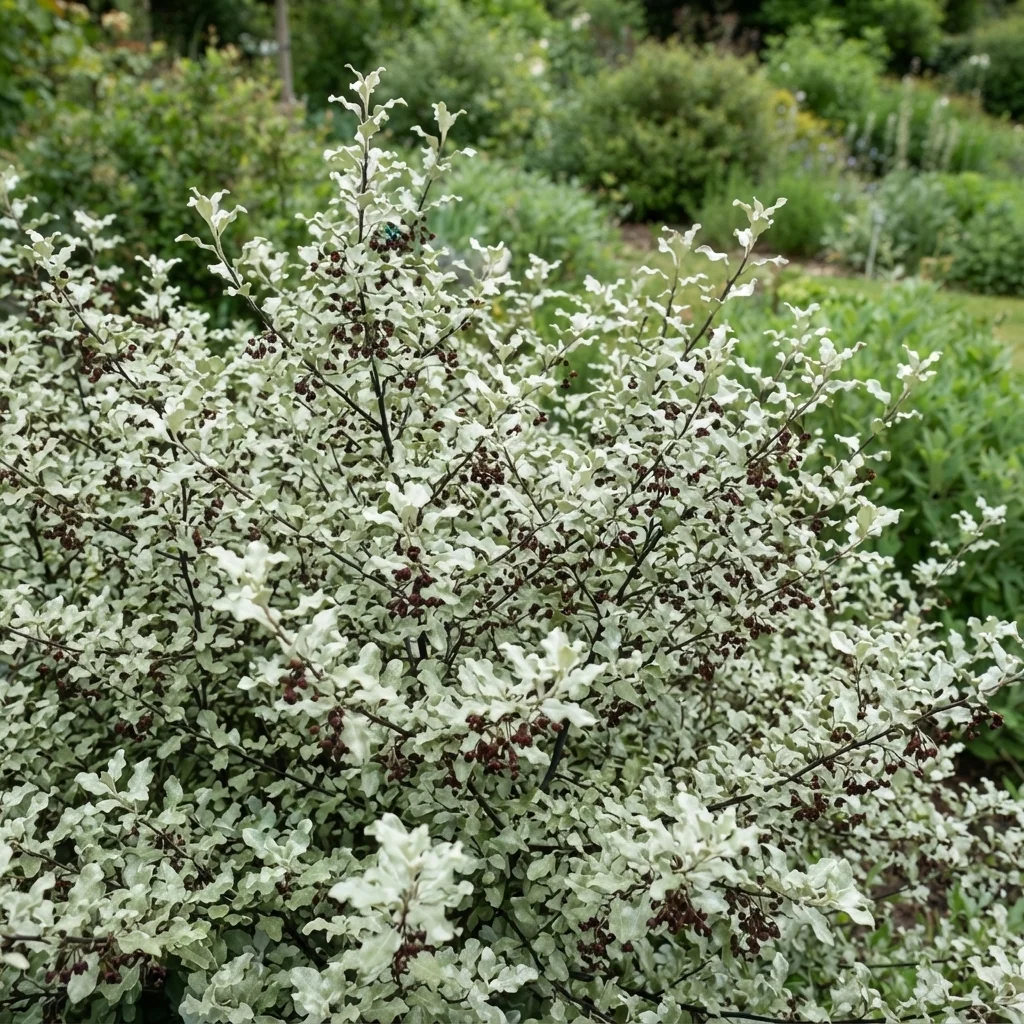
Silver Sheen Kohuhu
Pittosporum tenuifolium 'Silver Sheen'
Keep exploring
Explore the genus
Hardy in your zone?
Grow Weeping Pittosporum with confidence
See it in a design of your actual yard, get zone-matched care reminders, and track it season by season in your garden journal.