
The Story
Plant Bio
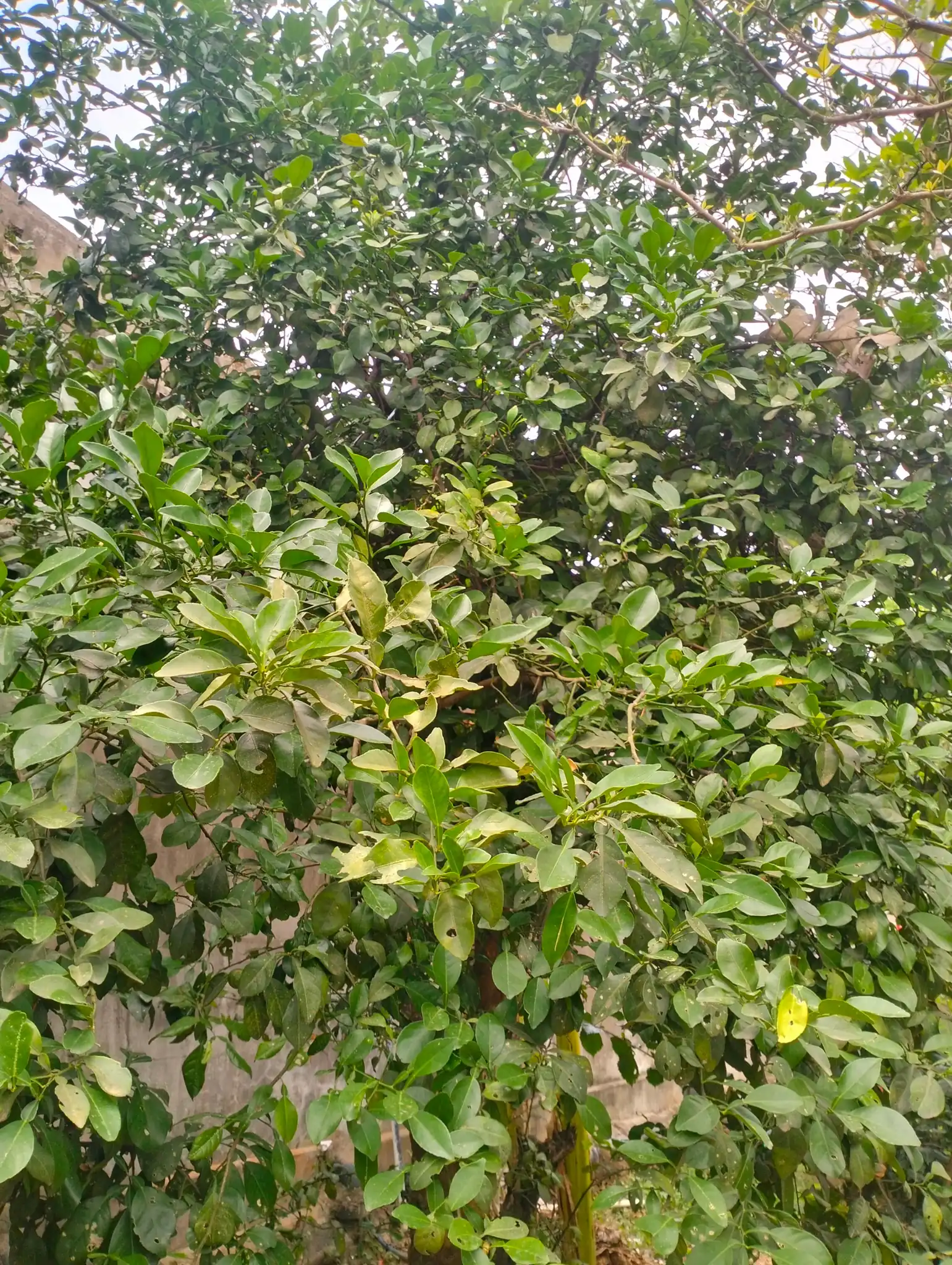
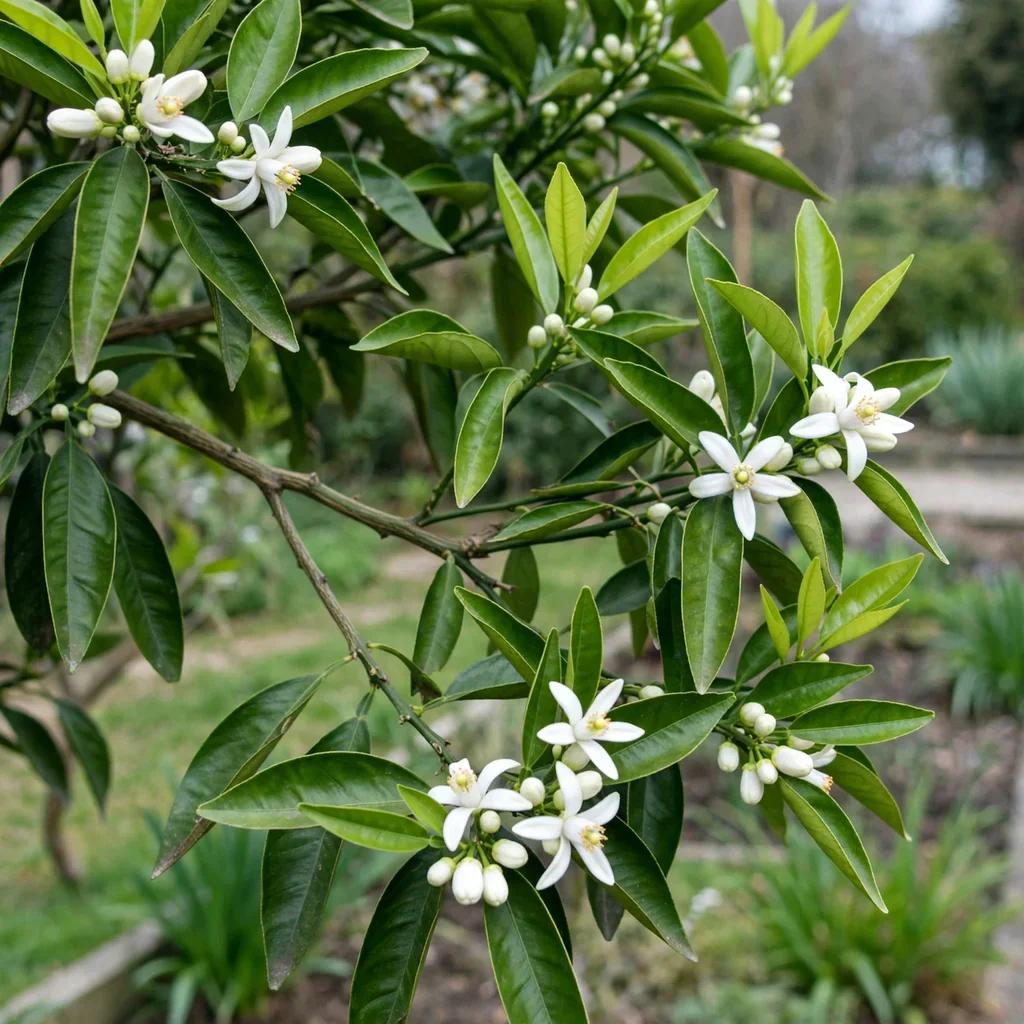
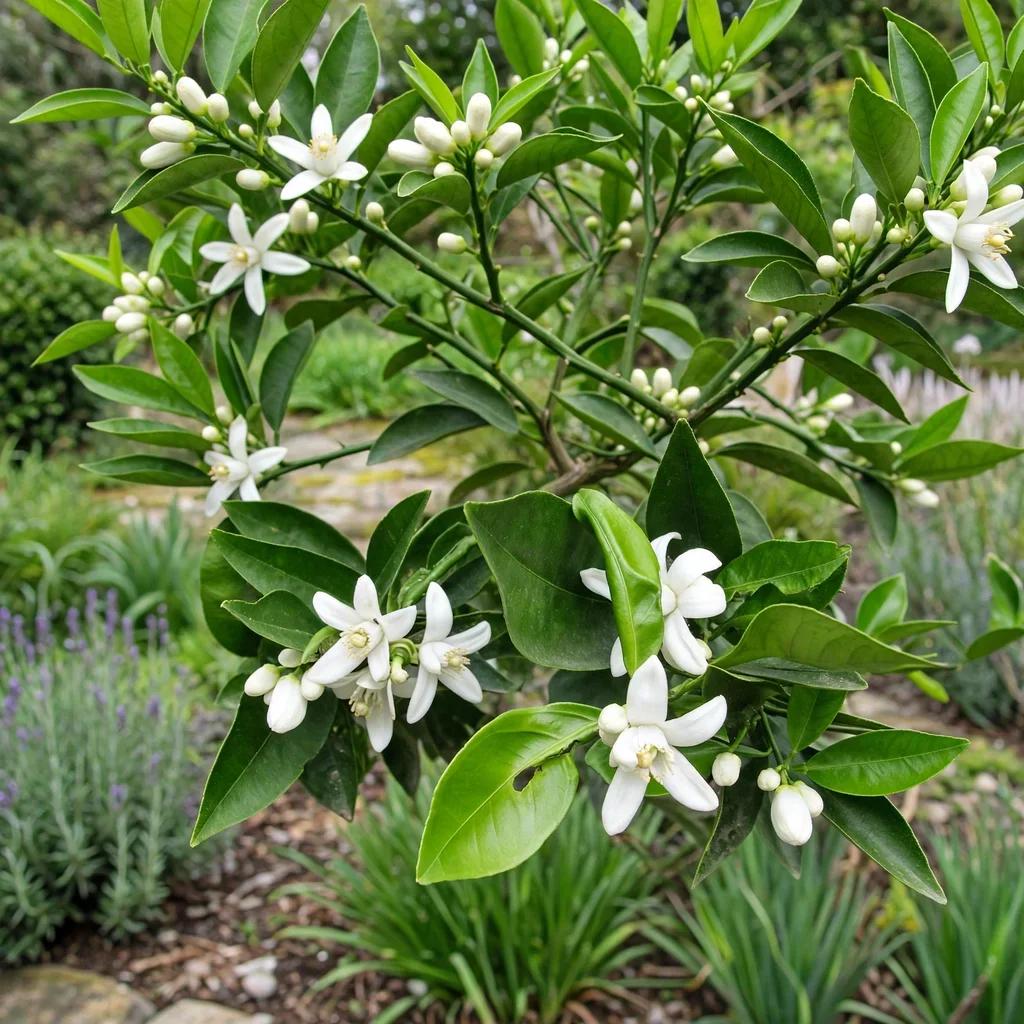
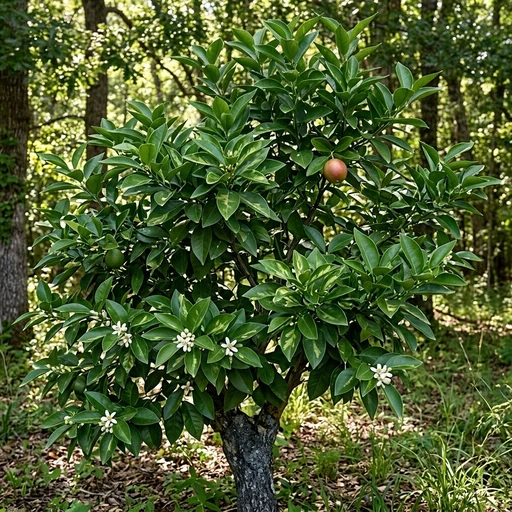
Citrus reticulata, the mandarin, is an evergreen small spreading tree or large shrub with a rounded, dense canopy of dark glossy green leaves and slender, sometimes spiny branches. In spring, it produces solitary or small axillary clusters of white flowers that give way to sweet, easily peeled orange fruit.
This species is distinguished by its lanceolate to elliptic-lanceolate leaves with winged or narrowly winged petioles and light green new growth. The fruit peel and foliage contain essential oils that can cause contact irritation or mild photosensitivity in sensitive individuals.
Uses & Benefits:
Essentials
At a Glance
Plant Type
Tree
Height
197"
Width
157"
Light
Full Sun
Zones
8, 9, 10
Water
Moderate
Humidity
Moderate to high
Native To
Southeastern Asia
Toxicity
Peel and foliage can cause contact irritation or mild photosensitivity
Marketplace
Where to Buy
Shipping costs Year-round shipping Free shipping
Planting
How to Grow
- Select a planting site in full sun with well-draining, loamy, sandy, or volcanic soil.
- Dig a hole twice as wide as the root ball but no deeper, ensuring the graft union remains well above the soil line.
- Water deeply at planting, maintaining regular moisture to support optimal fruit yield and quality while avoiding waterlogged conditions.
- Apply a balanced citrus-specific slow-release fertilizer split into three to four applications from late winter through summer.
Pro Tip
Avoid planting too deep; burying the root flare or graft union below the soil line invites Phytophthora collar rot. Additionally, avoid over-fertilizing young trees with raw high-nitrogen sources, which triggers tender flushes highly vulnerable to leafminer and aphid attacks.
Keep It Thriving
Care Guide
Do
- Prune annually in spring after harvest and once the threat of hard frost has passed to shape the canopy.
- Ensure immaculate soil drainage to prevent root rot.
- Protect young trunks from rabbits using physical tree guards or fencing.
- Use insecticidal soaps or horticultural oils to manage aphids and spider mites.
Don't
- Do not bury the root flare or graft union when planting.
- Do not prune heavily into old, leafless wood, as this results in slow and patchy regrowth.
- Do not allow standing water or waterlogged soils around the root system.
- Do not over-fertilize young trees with raw high-nitrogen sources.
Seasonal Care Calendar
| Task | Jan | Feb | Mar | Apr | May | Jun | Jul | Aug | Sep | Oct | Nov | Dec |
|---|---|---|---|---|---|---|---|---|---|---|---|---|
| Fertilize | ||||||||||||
| Harvest | ||||||||||||
| Pest Check | ||||||||||||
| Prune |
Watch Out For
Pests & Diseases
Common Pests
Common Diseases
In the Garden
Landscape Uses & Companions
Landscape Uses
Multiply
Propagation Methods
Good to Know
Common Questions
Mandarin questions
What zones can Mandarin grow in?
Mandarin is hardy in USDA Zones 8–10. Inside that range it survives winter in the ground; outside it, grow it as an annual or a container plant you protect.
Is Mandarin deer resistant?
Not reliably. Deer may browse Mandarin, especially tender spring growth — plan on repellents or fencing where pressure is high.
When does Mandarin bloom?
Mandarin typically blooms in spring through spring. Exact timing shifts a week or two with your zone — Sow's bloom calendar maps it to your garden.
Does Mandarin need full sun?
Mandarin does best in full sun (6+ hours).
More Citrus to compare
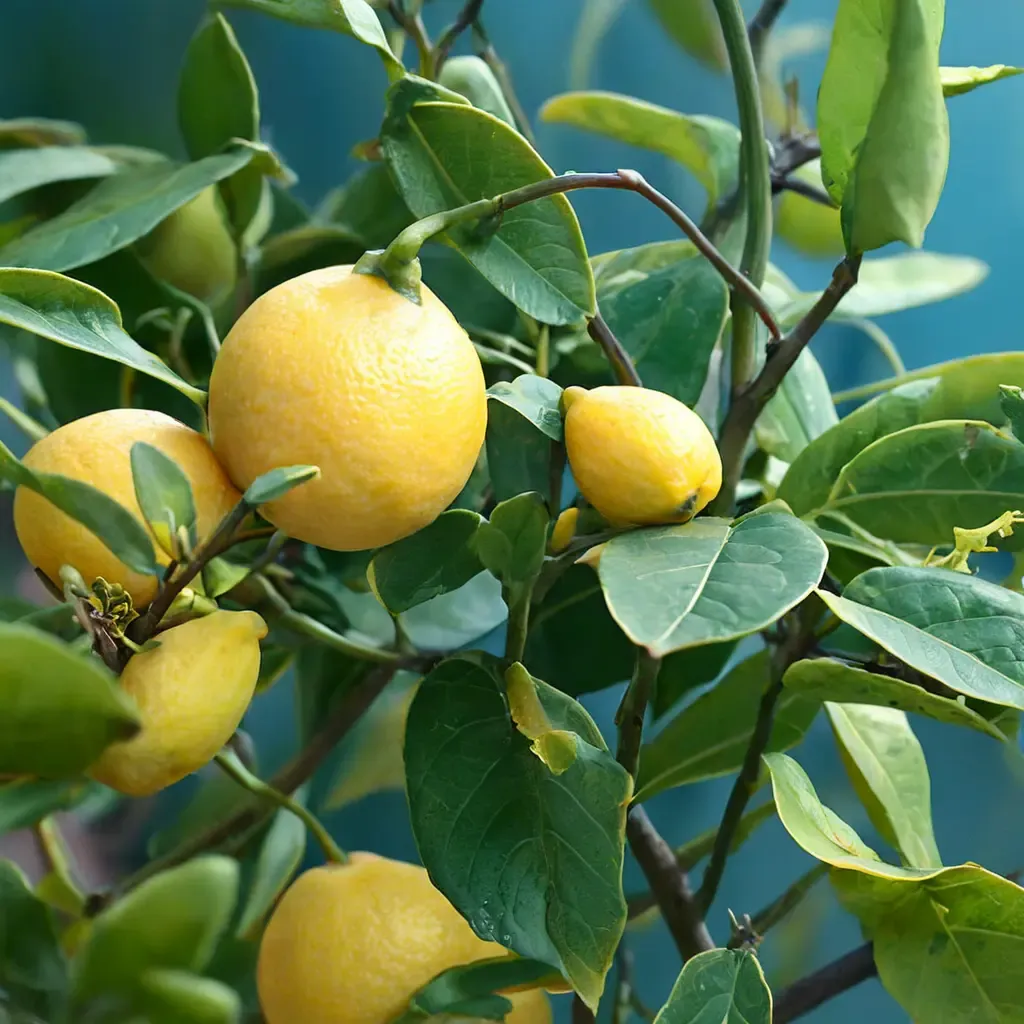
Meyer Lemon
Citrus limon 'Meyer'
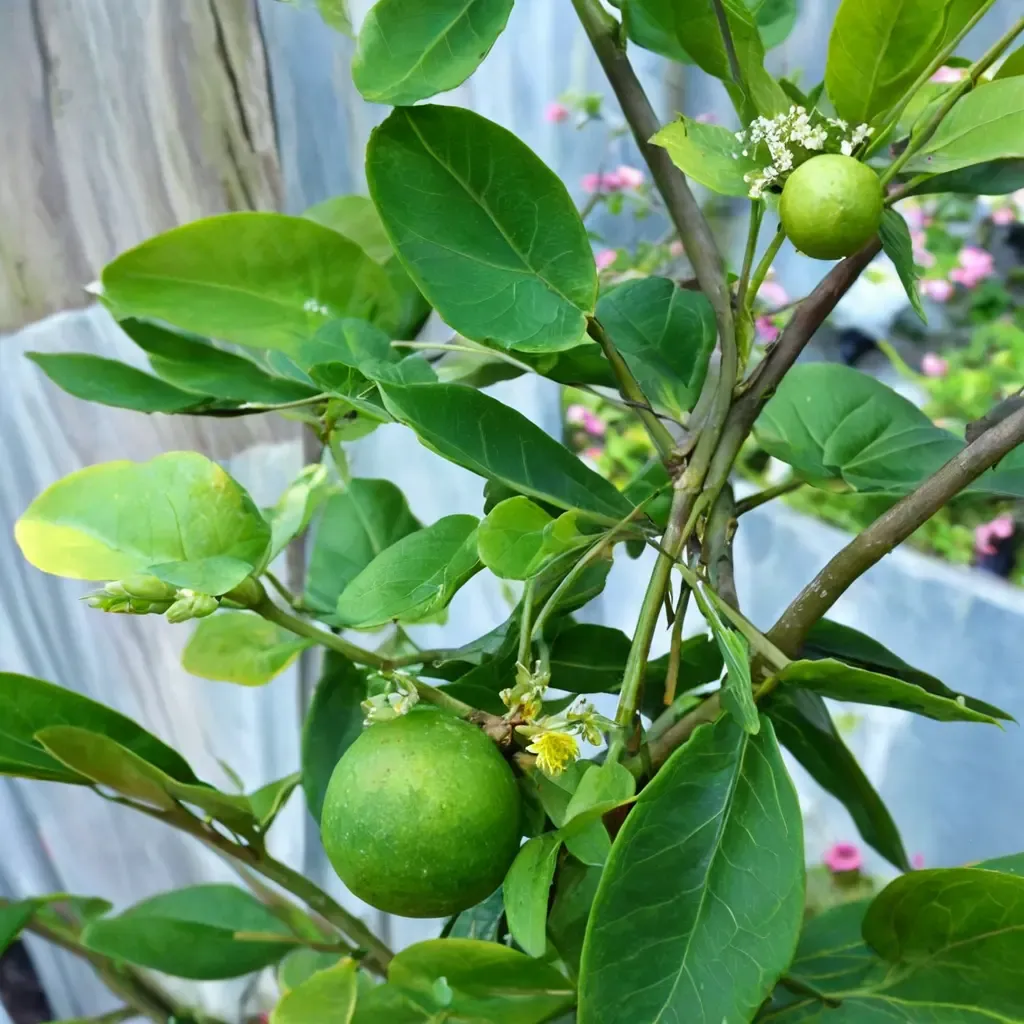
Key Lime
Citrus aurantiifolia
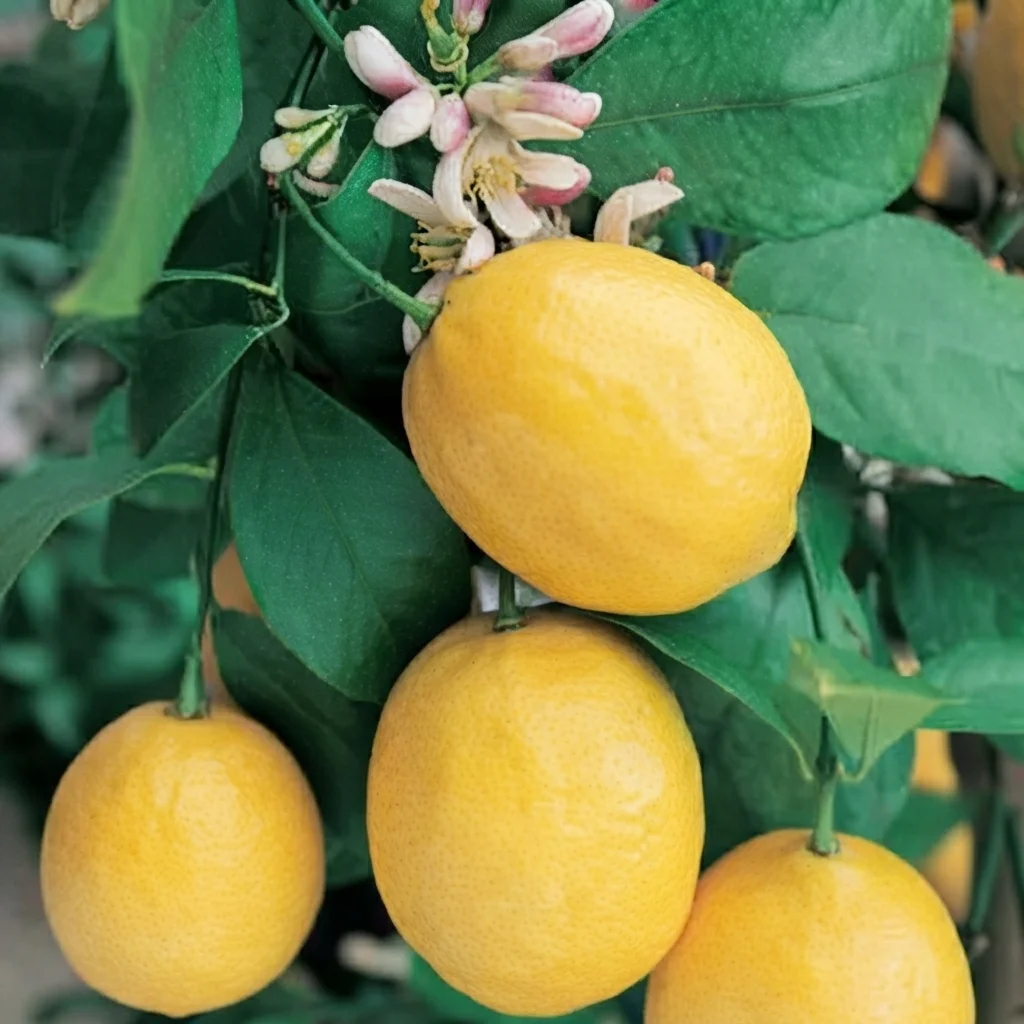
Eureka Lemon
Citrus limon 'Eureka'
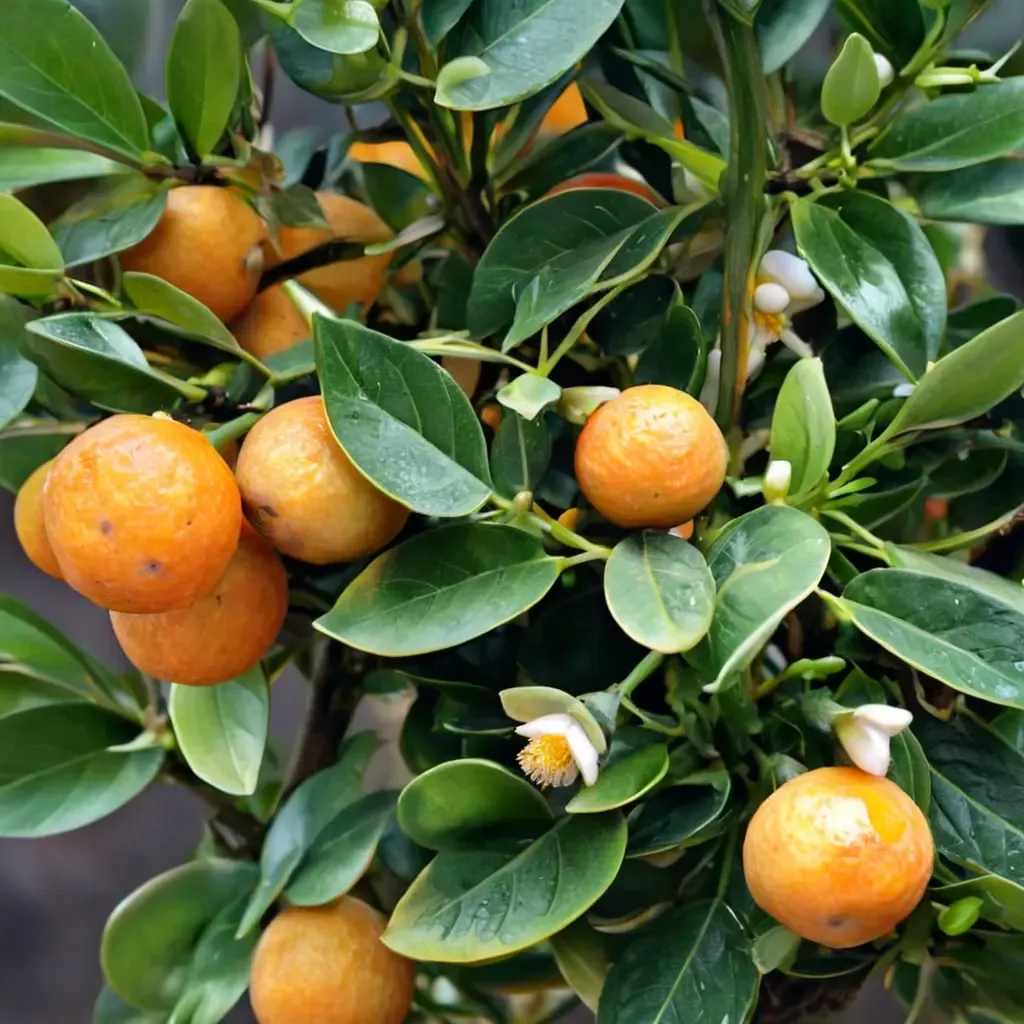
Calamondin
Citrus mitis
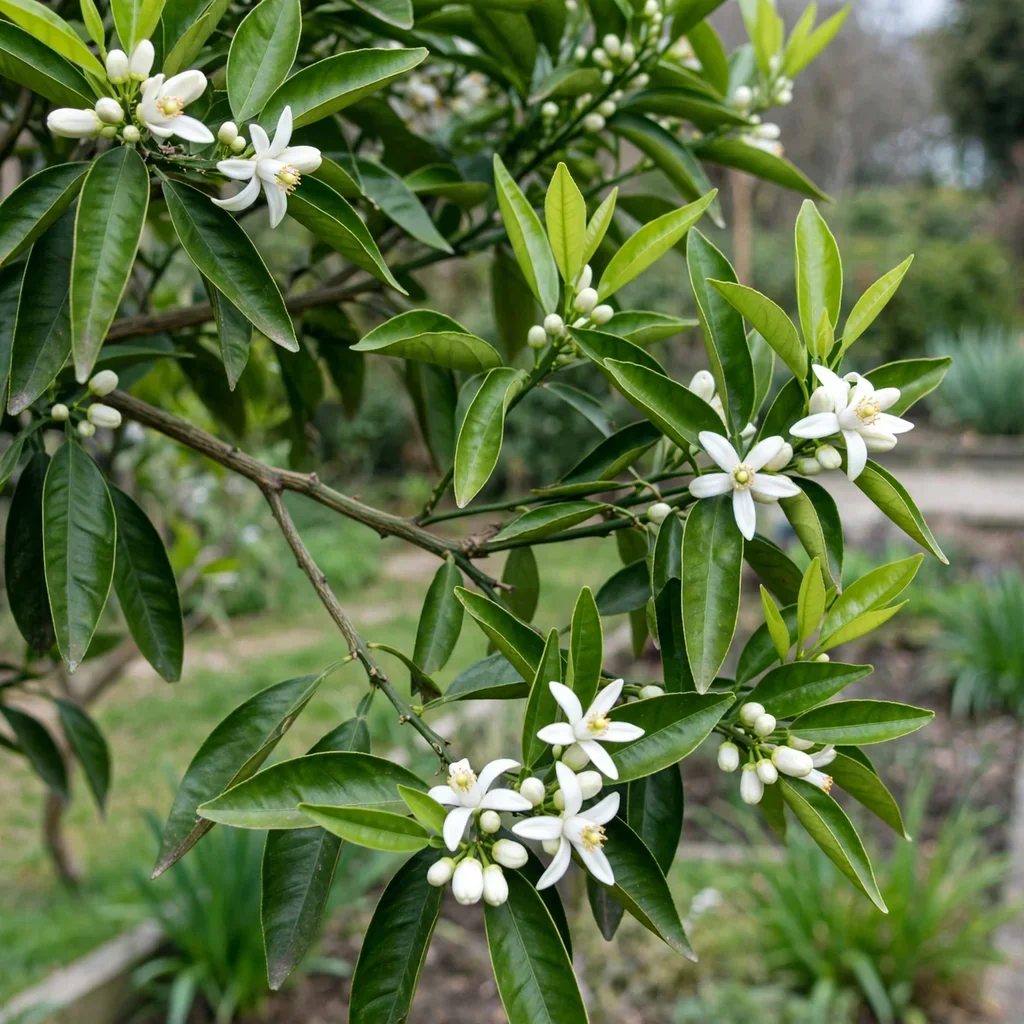
Sanguinello Orange
Citrus reticulata 'Sanguinea'
Moro Blood Orange
Citrus sinensis 'Moro'
Keep exploring
Explore the genus
Hardy in your zone?
Grow Mandarin with confidence
See it in a design of your actual yard, get zone-matched care reminders, and track it season by season in your garden journal.