



The Story
Plant Bio
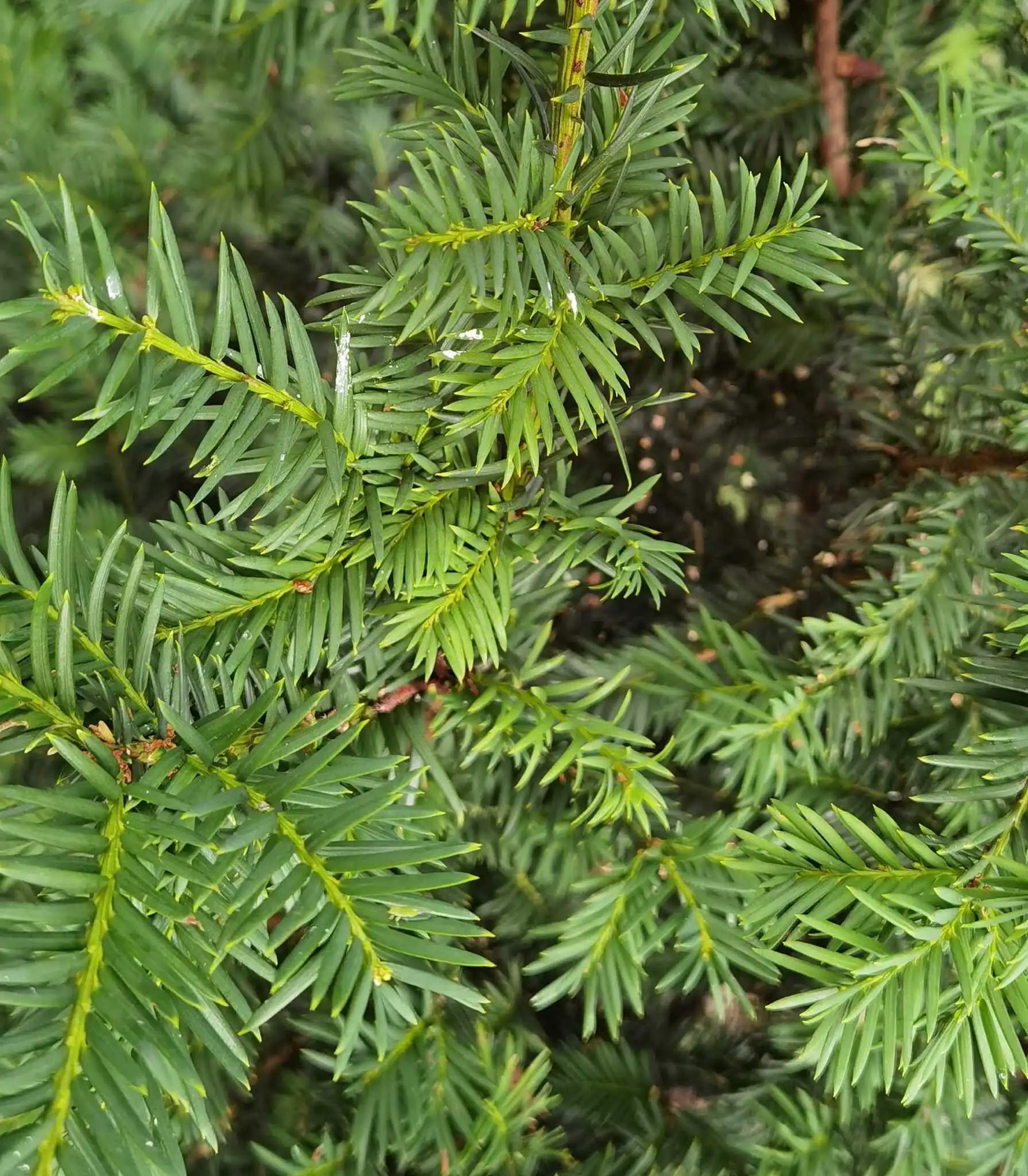
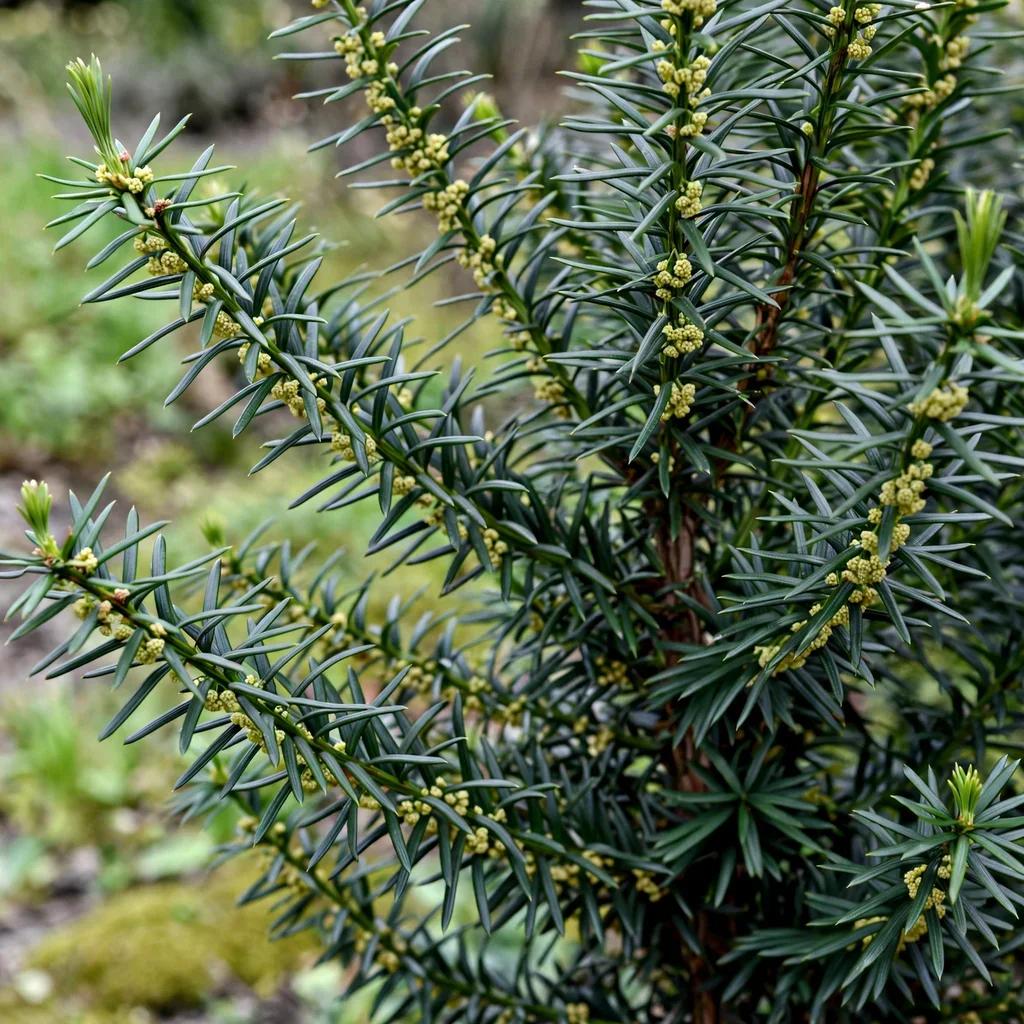
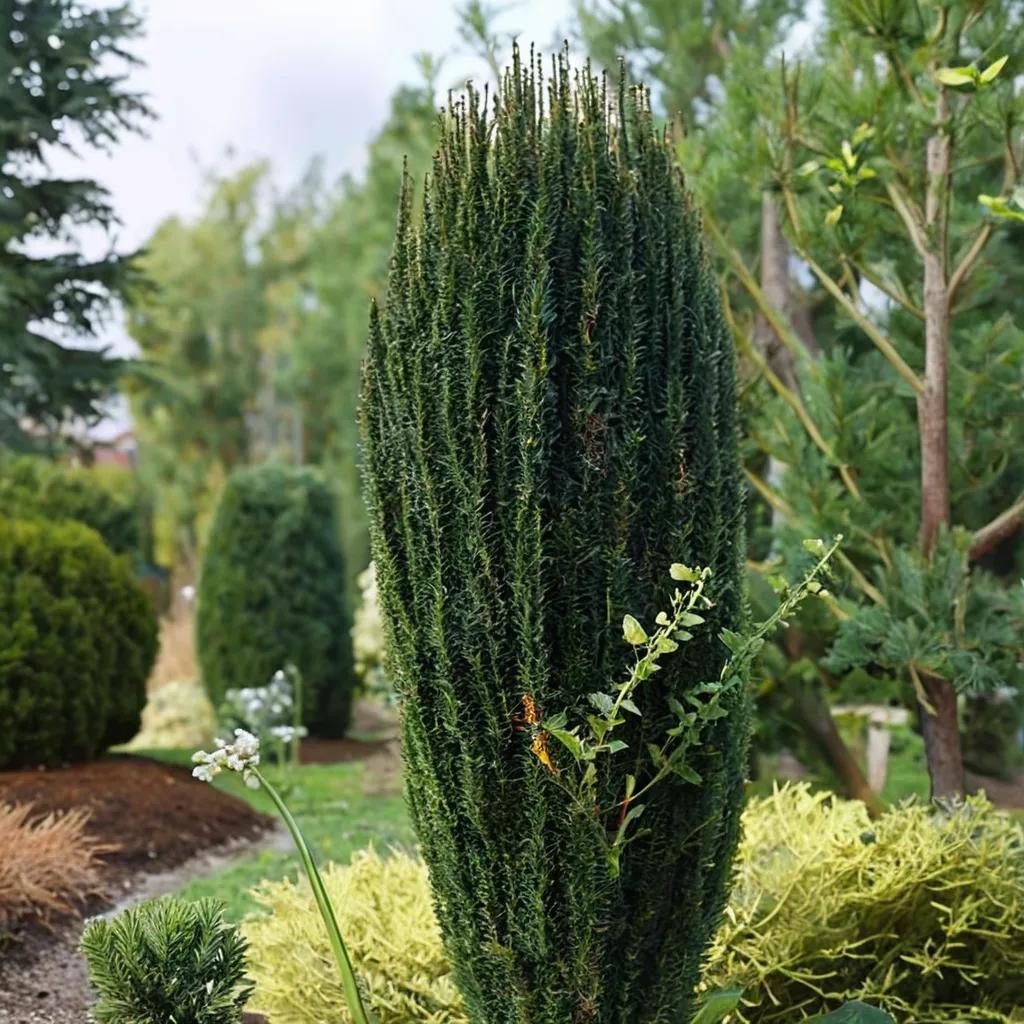
Taxus baccata, English or common yew, is a slow, long-lived evergreen conifer from Europe, western Asia and North Africa, reaching 30 to 60 ft tall and 15 to 25 ft wide as a tree. The habit is conical to pyramidal, with thin scaly reddish-brown bark and flat linear needles 1 to 3 in long, dark green above.
Plants are male or female; females carry single seeds sitting in a fleshy red aril rather than a cone. The aril flesh is harmless, but the seed inside and every other part of the plant are seriously poisonous, including clippings, which have killed livestock. Yew regrows from old wood, which is why it clips into hedges and topiary.
Uses & Benefits:
Essentials
At a Glance
Plant Type
Shrub
Height
540"
Width
240"
Light
Full Sun, Partial Sun, Shade
Zones
6, 7, 8
Water
Low to medium; needs sharp drainage
Humidity
Adaptable; dislikes waterlogged air-free soil
Lifespan
Exceptionally long-lived; many centuries
Native To
Europe, western Asia and North Africa
Toxicity
Highly toxic; NCSU lists it as poisonous
Marketplace
Where to Buy
Shipping costs Year-round shipping Free shipping
Planting
How to Grow
- Choose full sun to partial shade with genuinely free drainage.
- Test drainage carefully; standing water kills yew outright.
- Plant into neutral soil, raising the bed if the ground is heavy.
- Space hedging plants 18-24 in apart in a prepared trench.
- Water through the first two summers, then only in drought.
- Clip hedges once in late summer, cutting into old wood if needed.
Pro Tip
Yew is one of the few conifers that resprouts from bare old wood, so an overgrown hedge can be cut right back rather than replaced.
Keep It Thriving
Care Guide
Do
- Plant it only where drainage is genuinely free ⛰️
- Clip hedges and topiary in late summer ✂️
- Bag and remove all clippings away from livestock 🐄
- Cut overgrown plants hard back to renovate them 🪓
Don't
- Do not plant in wet or compacted ground ❌
- Do not leave prunings where animals can reach them ❌
- Do not let children eat the red berries or their seeds ❌
Seasonal Care Calendar
| Task | Jan | Feb | Mar | Apr | May | Jun | Jul | Aug | Sep | Oct | Nov | Dec |
|---|---|---|---|---|---|---|---|---|---|---|---|---|
| Hedge Clipping | ||||||||||||
| Weevil Control |
Watch Out For
Pests & Diseases
Common Pests
Common Diseases
In the Garden
Landscape Uses & Companions
Landscape Uses
Companion Plants
Multiply
Propagation Methods
Good to Know
Common Questions
English Yew questions
What zones can English Yew grow in?
English Yew is hardy in USDA Zones 6–8. Inside that range it survives winter in the ground; outside it, grow it as an annual or a container plant you protect.
Is English Yew deer resistant?
Not reliably. Deer may browse English Yew, especially tender spring growth — plan on repellents or fencing where pressure is high.
When does English Yew bloom?
English Yew typically blooms in non-flowering; arils on female plants in fall through late fall. Exact timing shifts a week or two with your zone — Sow's bloom calendar maps it to your garden.
Does English Yew need full sun?
English Yew does best in full sun to part shade. In hot climates, afternoon shade keeps blooms fresher longer.
Is English Yew drought tolerant?
Yes — once established (usually after the first full season), English Yew handles dry spells with minimal watering. Water deeply its first year to build the root system that makes that possible.
More Taxus to compare
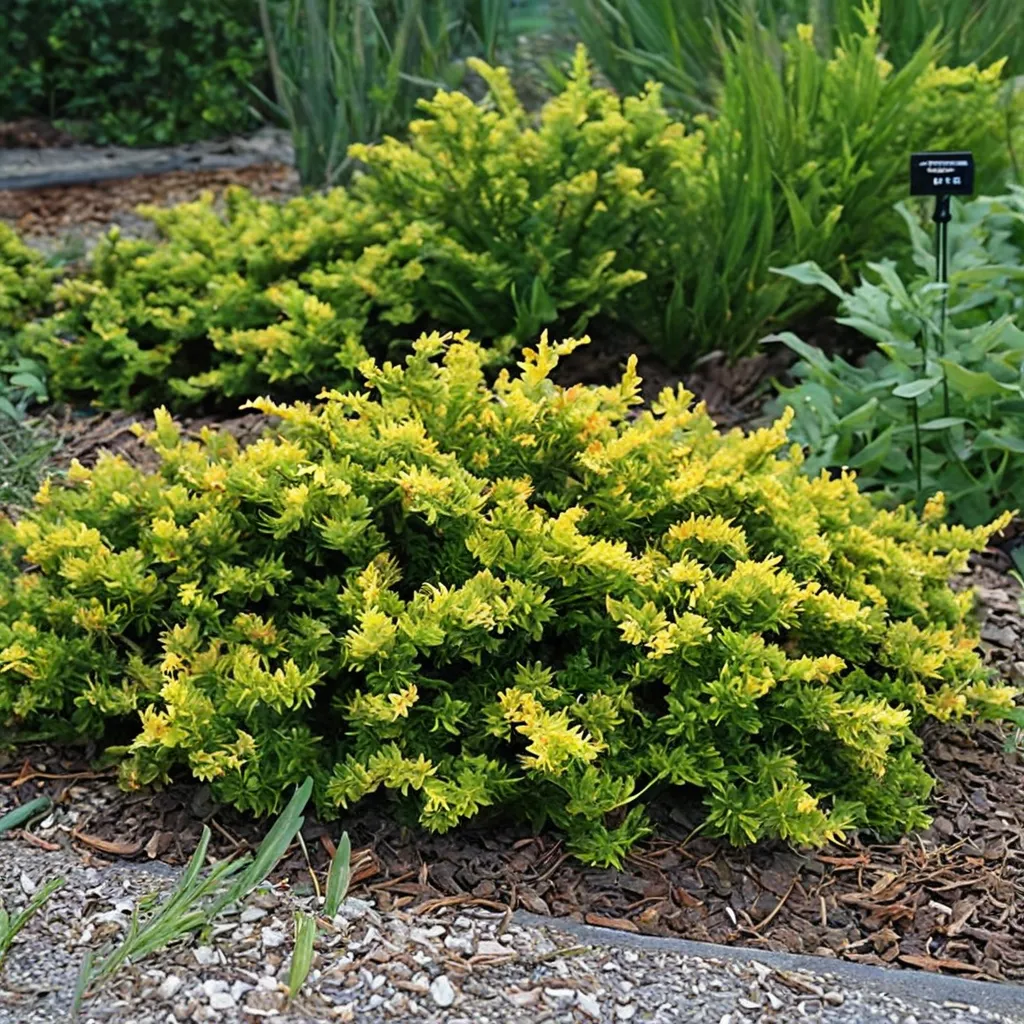
Golden Japanese Yew
Taxus cuspidata 'Aurescens'
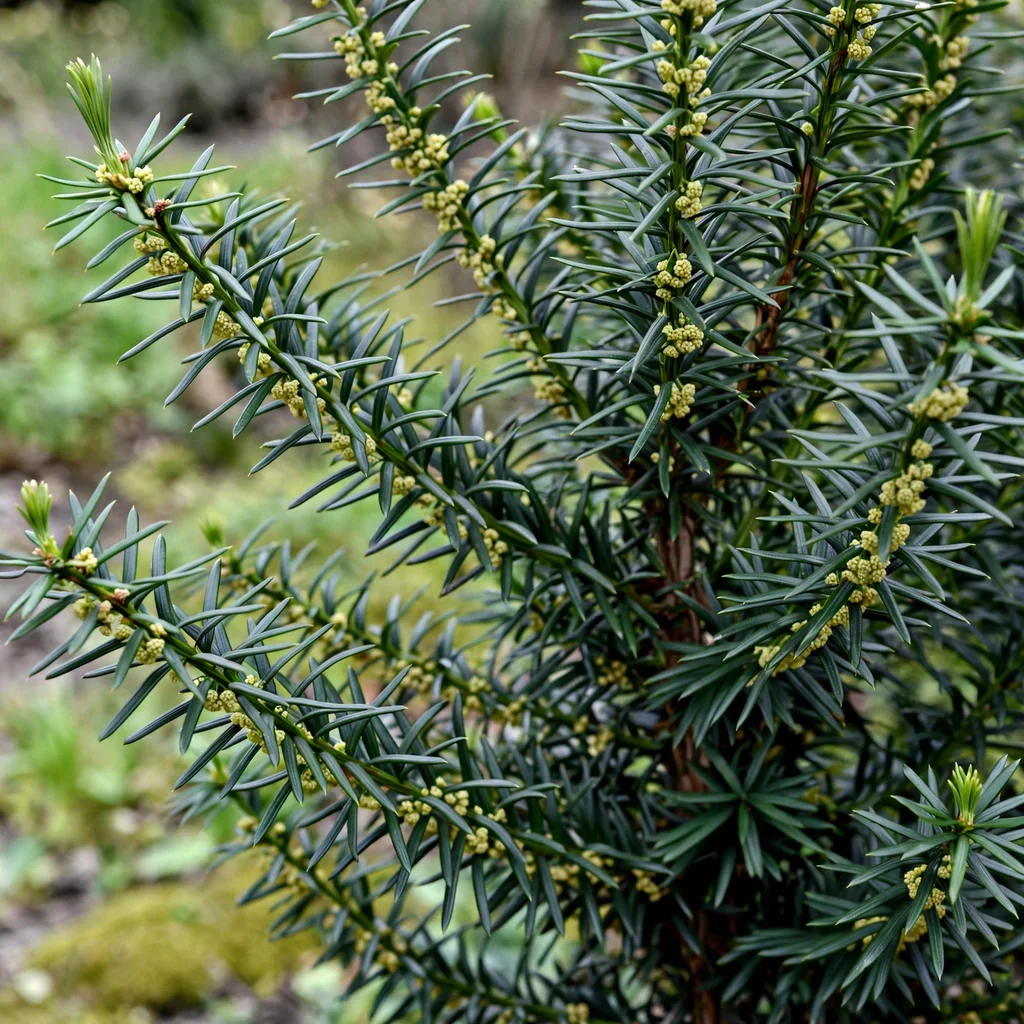
Hicks Yew
Taxus baccata 'Hicksii'
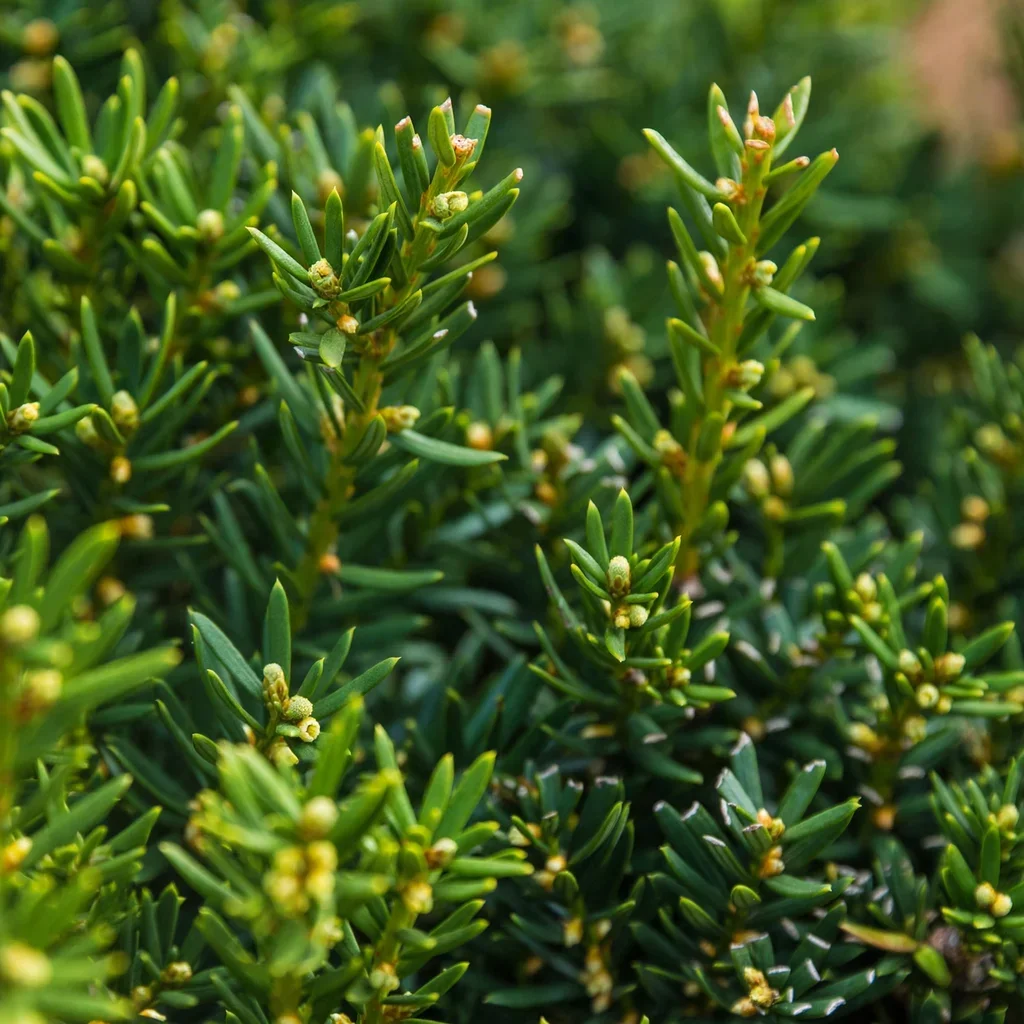
Dark Green Spreader Yew
Taxus baccata 'Dark Green Spreader'
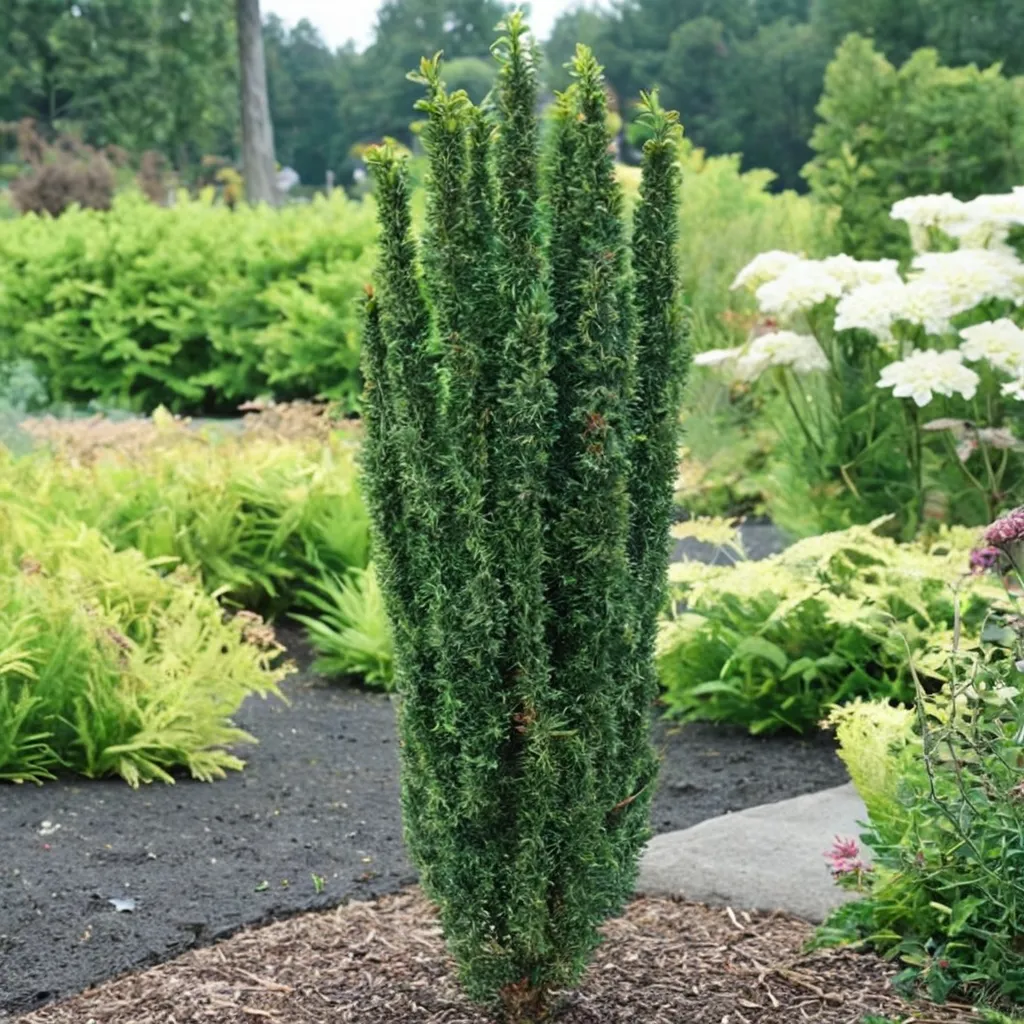
English Yew Skinny
Taxus baccata 'Skinny'
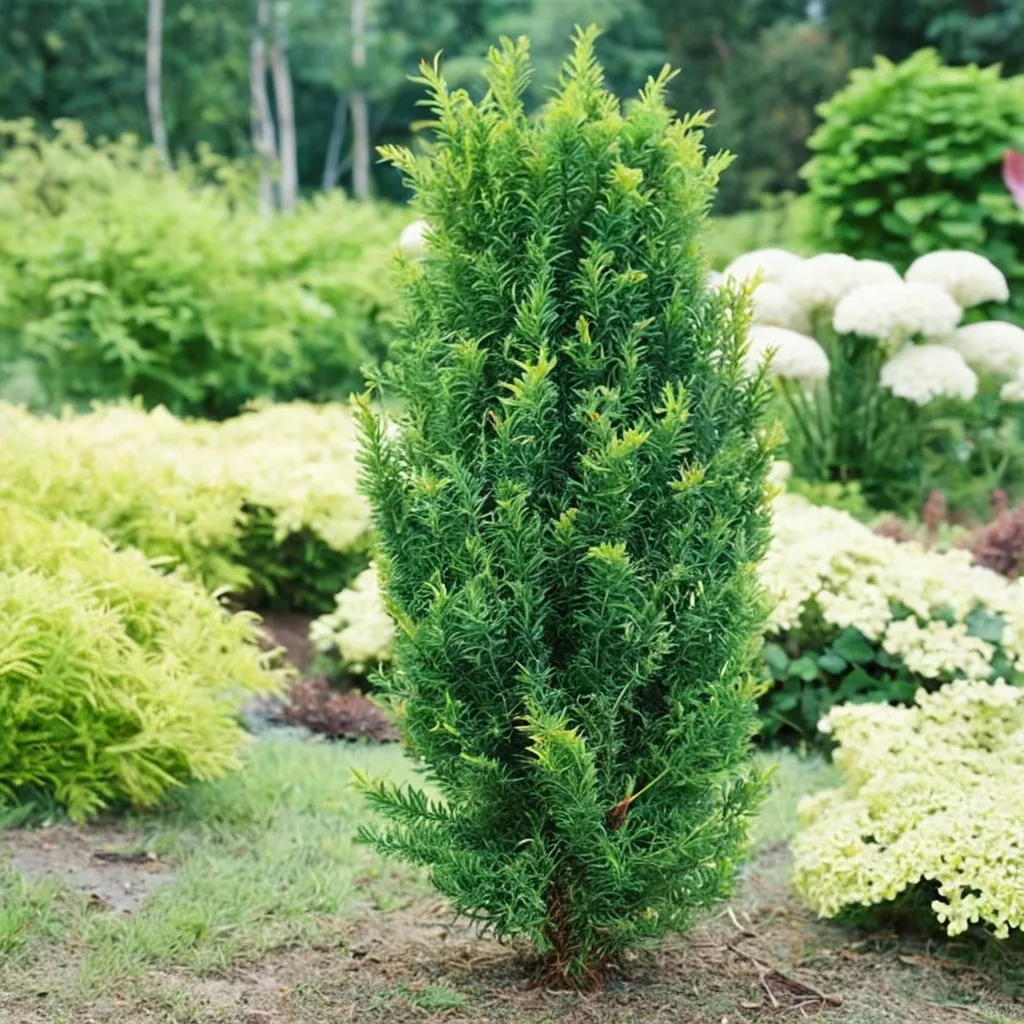
Stonehenge English Yew
Taxus baccata 'Stonehenge'
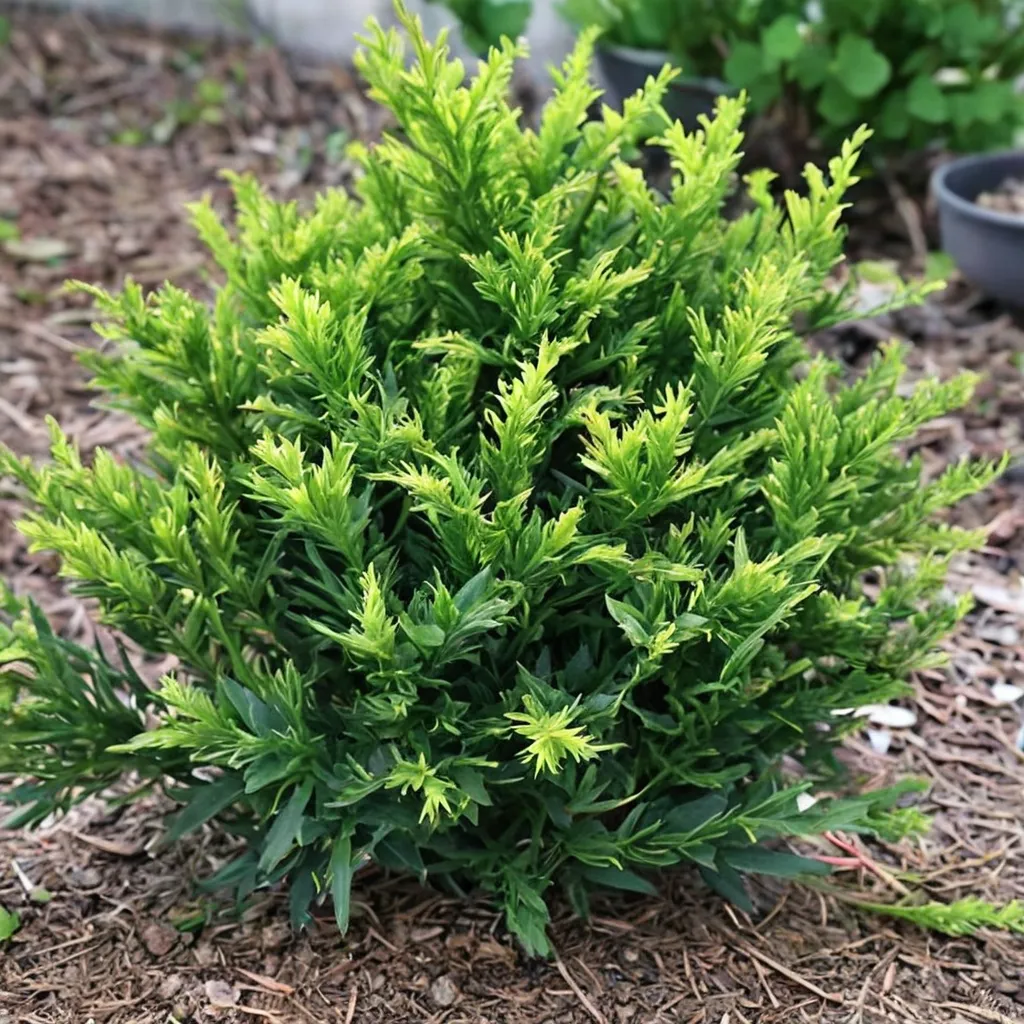
English Yew 'Dark Druid'
Taxus baccata 'Dark Druid'
Keep exploring
Explore the genus
Hardy in your zone?
Grow English Yew with confidence
See it in a design of your actual yard, get zone-matched care reminders, and track it season by season in your garden journal.