

The Story
Plant Bio
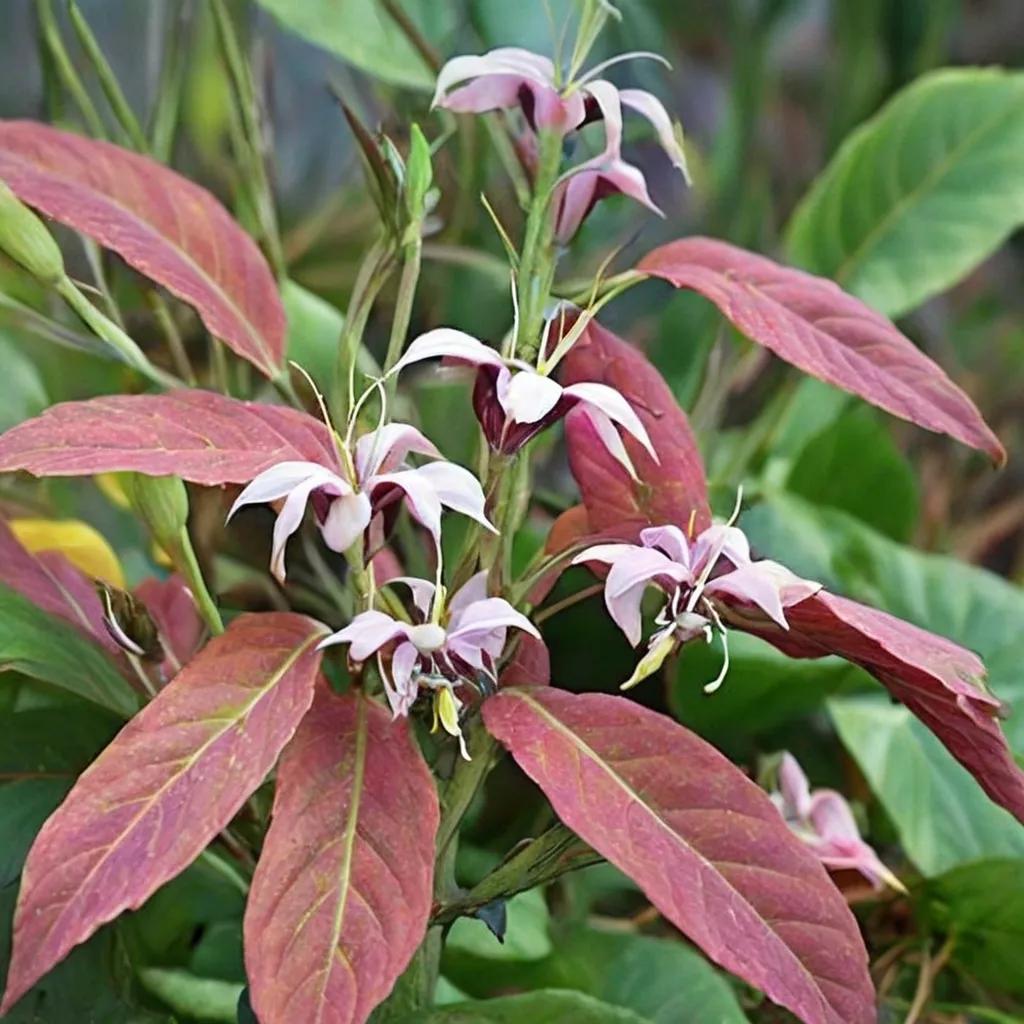
Epimedium acuminatum is a taller barrenwort from western and central China, forming clumps one to two feet high and as wide. The leaflets are long and sharply tapered, leathery, evergreen in mild winters and flushed bronze as they open. Long-spurred flowers in purple and white hang on wiry stems above the foliage in April and May.
The flowers are among the largest and longest-spurred in the genus, held clear of the leaves rather than buried in them, which is why this species is worth the extra height in a shady border. Its foliage is evergreen enough to shred over winter, so shear it in late winter for a clean start.
Uses & Benefits:
Essentials
At a Glance
Plant Type
Perennial
Height
18"
Width
15"
Light
Partial Sun, Shade
Zones
5, 6, 7, 8
Water
Low to medium
Humidity
Average
Lifespan
Perennial
Native To
Western and central China
Toxicity
Non-toxic
Planting
How to Grow
- Plant in spring or early autumn in part to full shade.
- Choose loose, acidic, humus-rich soil that drains freely.
- Set the crown level with the surrounding soil.
- Water through the first season while it establishes.
- Shear the old foliage down in late winter.
- Mulch with leaf mould after cutting back.
Pro Tip
Cut the old leaves off in late winter before the flower stems rise, or the long spurs will be tangled in tired foliage.
Keep It Thriving
Care Guide
Do
- Site it in part to full shade 🌳
- Give it loose, humus-rich, acidic soil 🍂
- Shear old foliage in late winter ✂️
- Let it establish before expecting full flowering 🌱
Don't
- Leave it in full afternoon sun ❌
- Plant it in heavy or waterlogged ground ❌
- Cut the foliage once flower stems have emerged ❌
Seasonal Care Calendar
| Task | Jan | Feb | Mar | Apr | May | Jun | Jul | Aug | Sep | Oct | Nov | Dec |
|---|---|---|---|---|---|---|---|---|---|---|---|---|
| Cut Back | ||||||||||||
| Divide |
Watch Out For
Pests & Diseases
Common Pests
Common Diseases
In the Garden
Landscape Uses & Companions
Landscape Uses
Companion Plants
Multiply
Propagation Methods
Good to Know
Common Questions
Barrenwort questions
What zones can Barrenwort grow in?
Barrenwort is hardy in USDA Zones 5–8. Inside that range it survives winter in the ground; outside it, grow it as an annual or a container plant you protect.
Is Barrenwort deer resistant?
Yes — Barrenwort is rated deer-resistant. Deer typically pass it over, though extreme hunger can override any plant's defenses.
When does Barrenwort bloom?
Barrenwort typically blooms in mid to late spring through late spring. Exact timing shifts a week or two with your zone — Sow's bloom calendar maps it to your garden.
Does Barrenwort need full sun?
Barrenwort does best in part shade.
Is Barrenwort drought tolerant?
Yes — once established (usually after the first full season), Barrenwort handles dry spells with minimal watering. Water deeply its first year to build the root system that makes that possible.
More Epimedium to compare
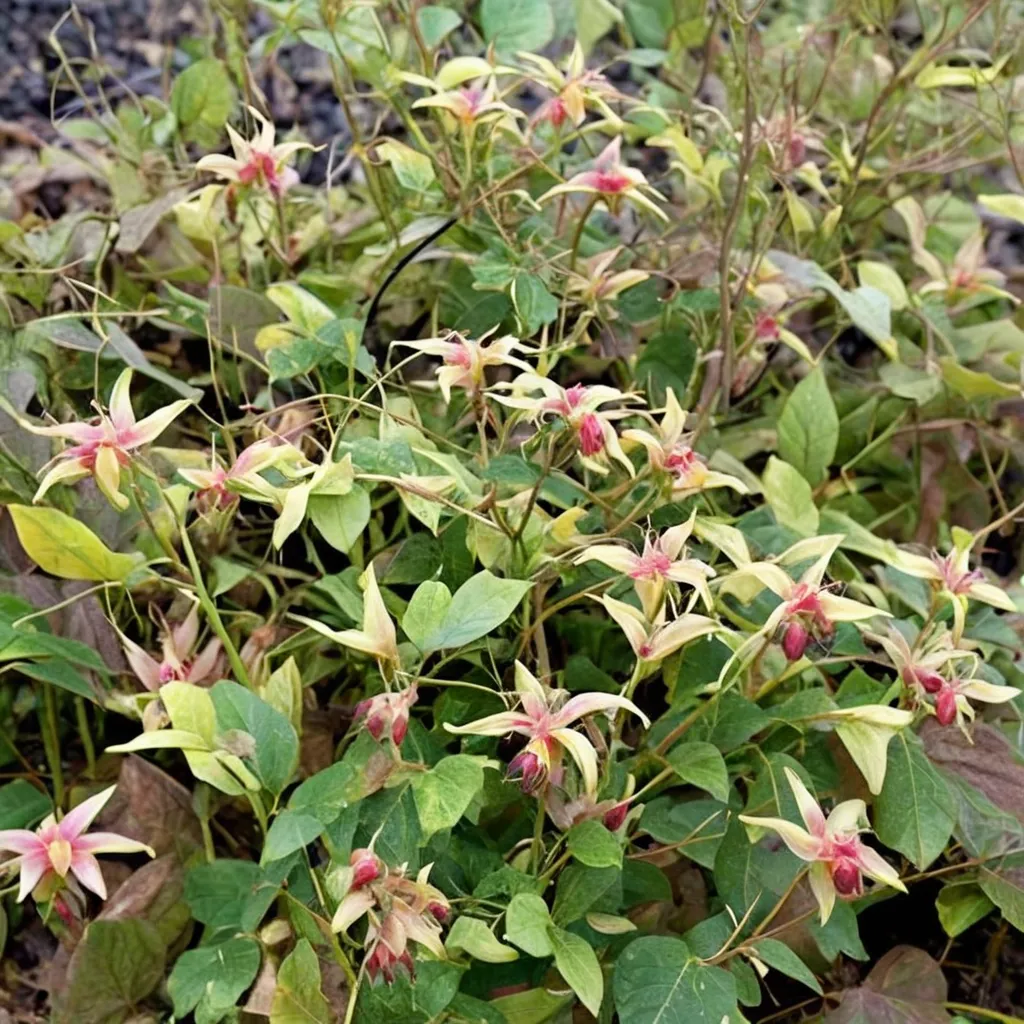
Epimedium Songbirds
Epimedium x hybrida 'Songbirds'
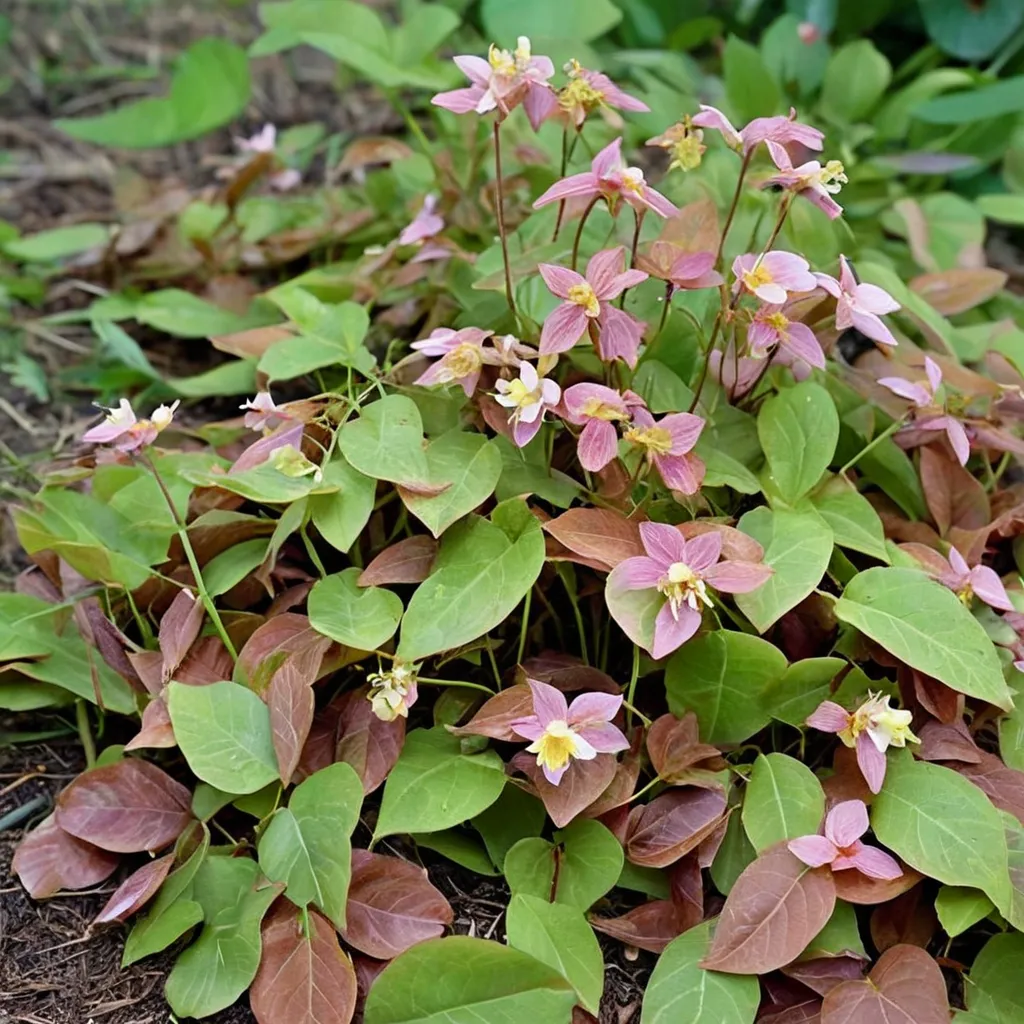
Versicolor Bicolor Barrenwort
Epimedium versicolor 'Versicolor'
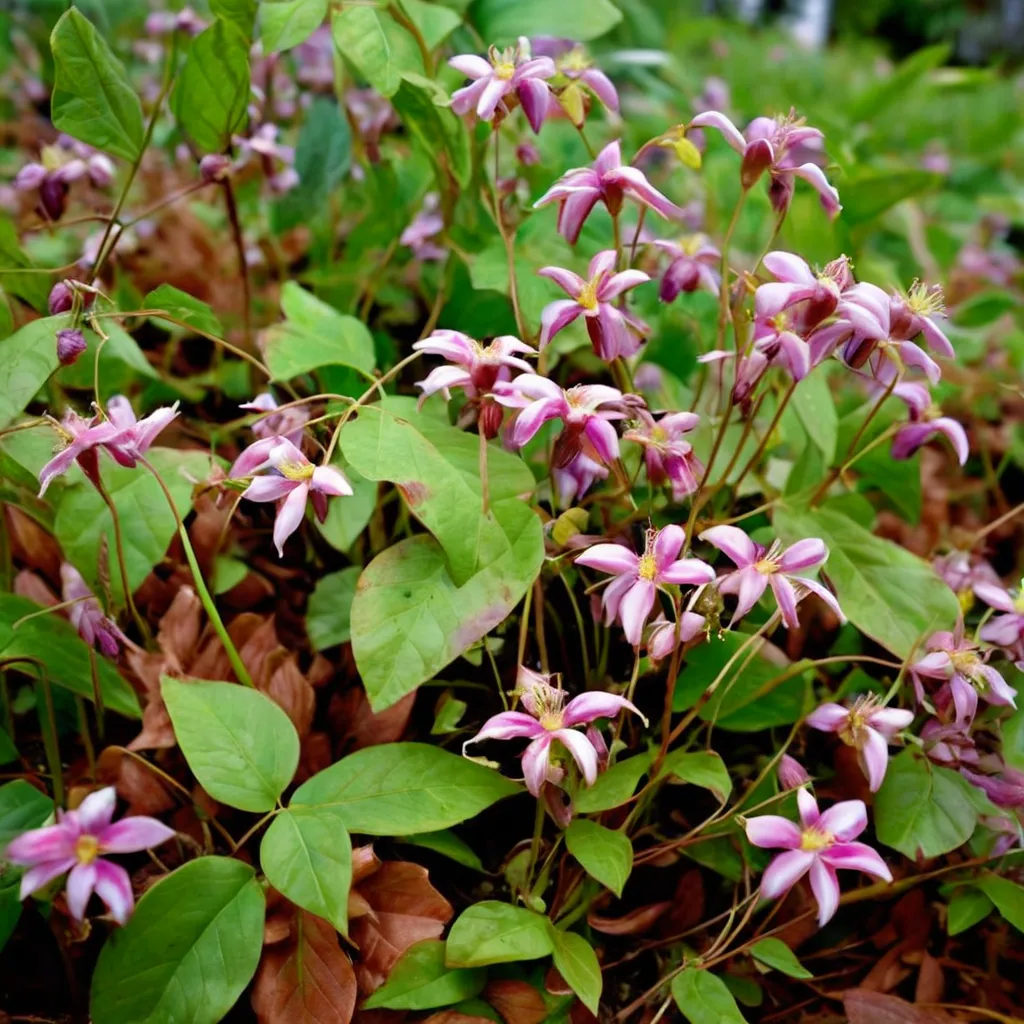
Corsican Epimedium
Epimedium x cantabrigiense
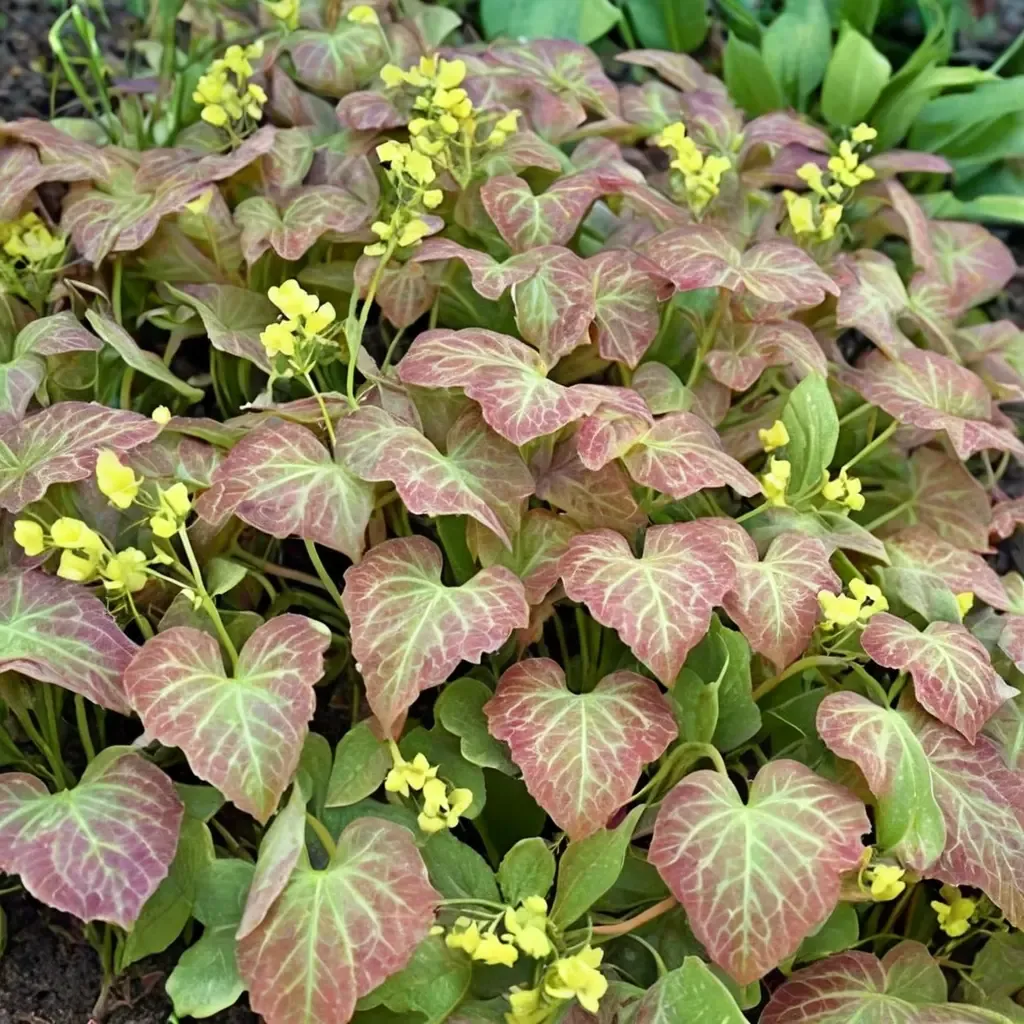
Frohnleiten Barrenwort
Epimedium x perralchicum 'Frohnleiten'
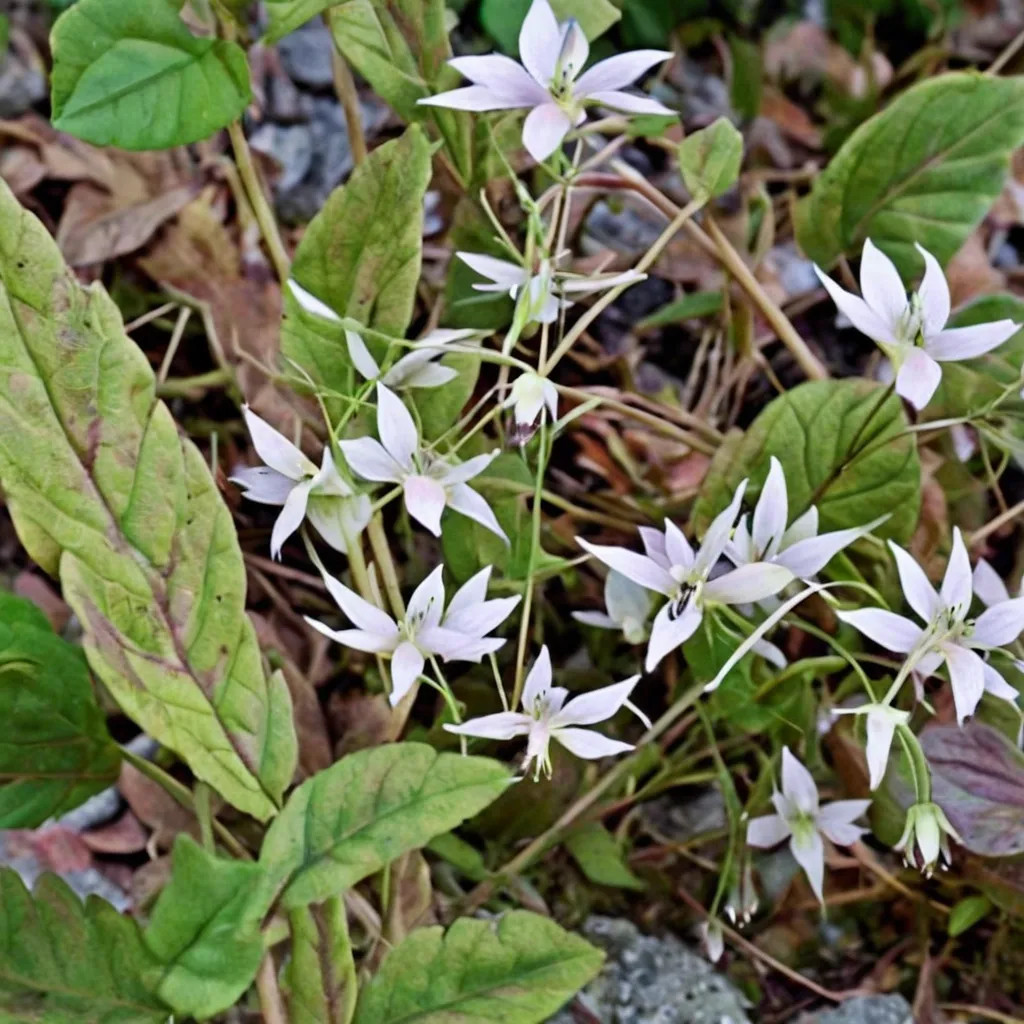
Sichuan Spider Barrenwort
Epimedium chlorandrum 'Sichuan Spider'
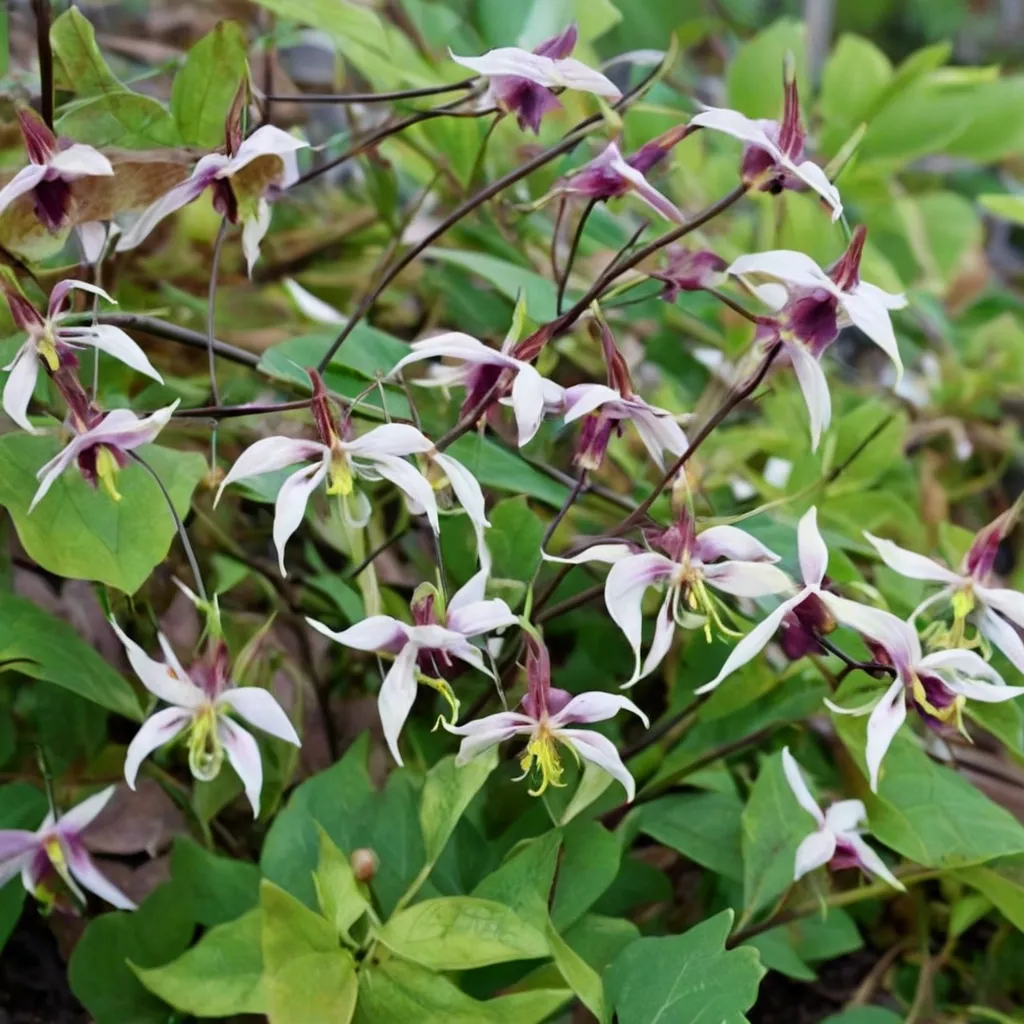
Razzleberry Barrenwort
Epimedium x omeiense 'Razzleberry'
Keep exploring
Explore the genus
Hardy in your zone?
Grow Barrenwort with confidence
See it in a design of your actual yard, get zone-matched care reminders, and track it season by season in your garden journal.