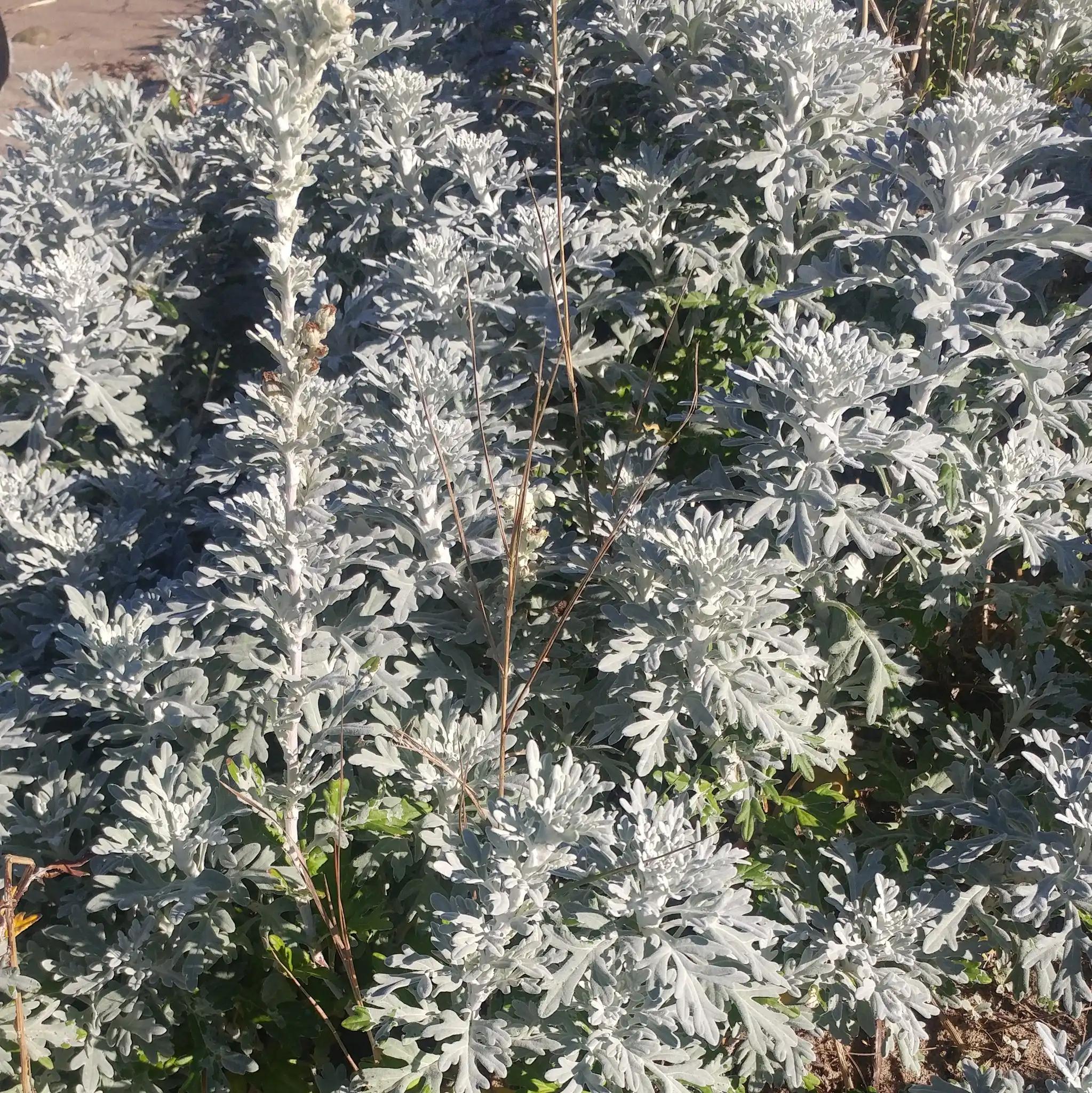
1 named cultivar
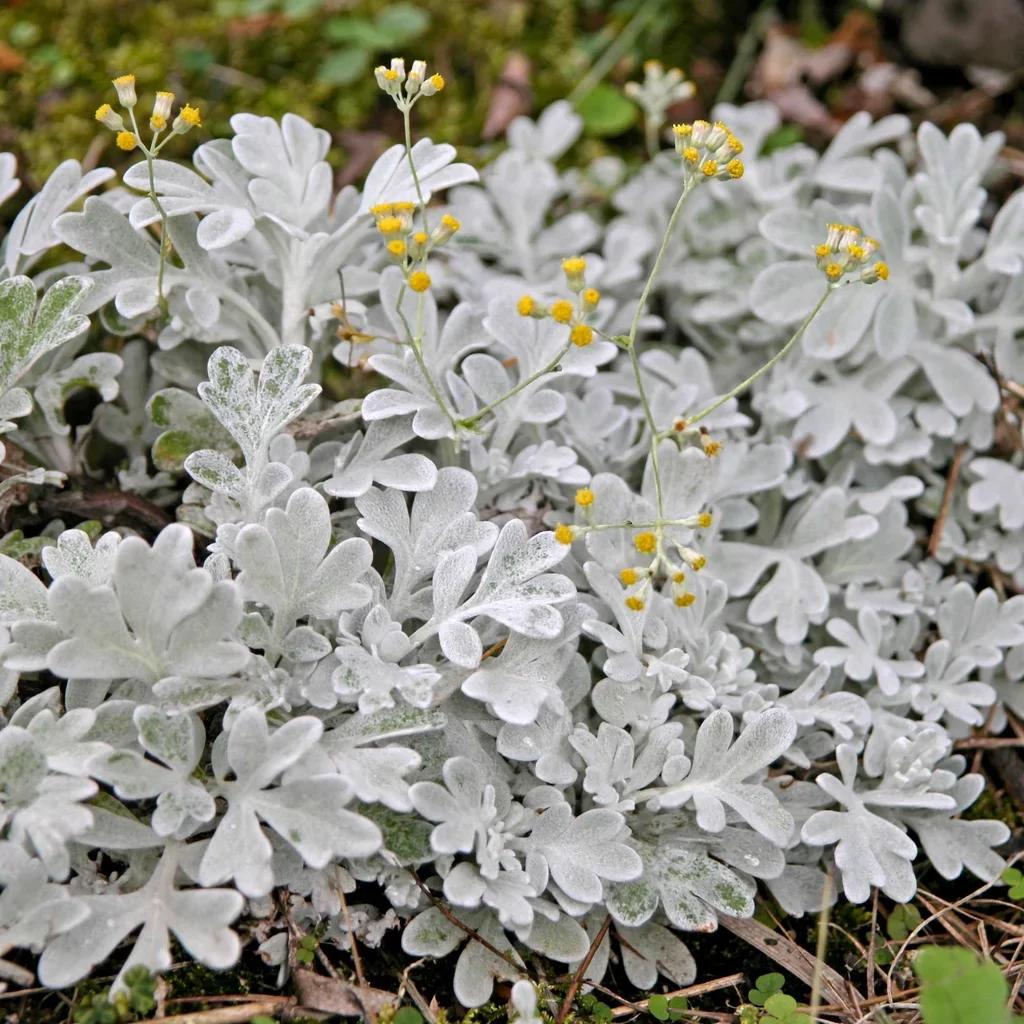
The Story
Plant Bio
Artemisia stelleriana, beach wormwood, is a low creeping perennial of northern coasts, about eight inches high and spreading two feet. Deeply lobed silvery-white leaves are densely felted with hair on both surfaces, giving an almost artificial brightness, and small yellow cup-shaped flowers appear in summer above the mat.
It is a true dune plant, holding loose sand with creeping stems and shrugging off salt spray, which makes it one of the few silver-foliage plants that survives an exposed coastal garden. The felted hairs that give the colour also reduce water loss, so it needs sharp drainage and resents rich, damp soil more than it resents drought.
Uses & Benefits:
Essentials
At a Glance
Plant Type
Perennial
Height
8"
Width
24"
Light
Full Sun, Partial Sun
Zones
4, 5, 6, 7, 8, 9
Water
Low
Humidity
Low
Lifespan
Perennial
Native To
Northern coasts of North America and East Asia
Toxicity
Non-toxic
Planting
How to Grow
- Plant in full sun in sandy, sharply drained soil.
- Use it on dunes, banks and coastal borders.
- Water only while establishing.
- Do not feed; lean soil keeps the silver bright.
- Shear after flowering to keep growth compact.
- Divide creeping stems to spread it.
Pro Tip
The silver comes from felted hairs that also conserve water — rich damp soil dulls the colour and rots the plant.
Keep It Thriving
Care Guide
Do
- Give it sand and full sun ☀️
- Use it in coastal gardens 🌊
- Shear after flowering ✂️
- Leave it unfed 🚫
Don't
- Plant it in rich damp soil ❌
- Water it once established ❌
- Crowd it among vigorous perennials ❌
Seasonal Care Calendar
| Task | Jan | Feb | Mar | Apr | May | Jun | Jul | Aug | Sep | Oct | Nov | Dec |
|---|---|---|---|---|---|---|---|---|---|---|---|---|
| Divide | ||||||||||||
| Shear |
Watch Out For
Pests & Diseases
Common Pests
Common Diseases
In the Garden
Landscape Uses & Companions
Landscape Uses
Companion Plants
Multiply
Propagation Methods
Good to Know
Common Questions
Beach Wormwood questions
What zones can Beach Wormwood grow in?
Beach Wormwood is hardy in USDA Zones 4–9. Inside that range it survives winter in the ground; outside it, grow it as an annual or a container plant you protect.
Is Beach Wormwood deer resistant?
Yes — Beach Wormwood is rated deer-resistant. Deer typically pass it over, though extreme hunger can override any plant's defenses.
When does Beach Wormwood bloom?
Beach Wormwood typically blooms in mid-summer through late summer. Exact timing shifts a week or two with your zone — Sow's bloom calendar maps it to your garden.
Does Beach Wormwood need full sun?
Beach Wormwood does best in full sun to part shade. In hot climates, afternoon shade keeps blooms fresher longer.
Is Beach Wormwood drought tolerant?
Yes — once established (usually after the first full season), Beach Wormwood handles dry spells with minimal watering. Water deeply its first year to build the root system that makes that possible.
More Artemisia to compare
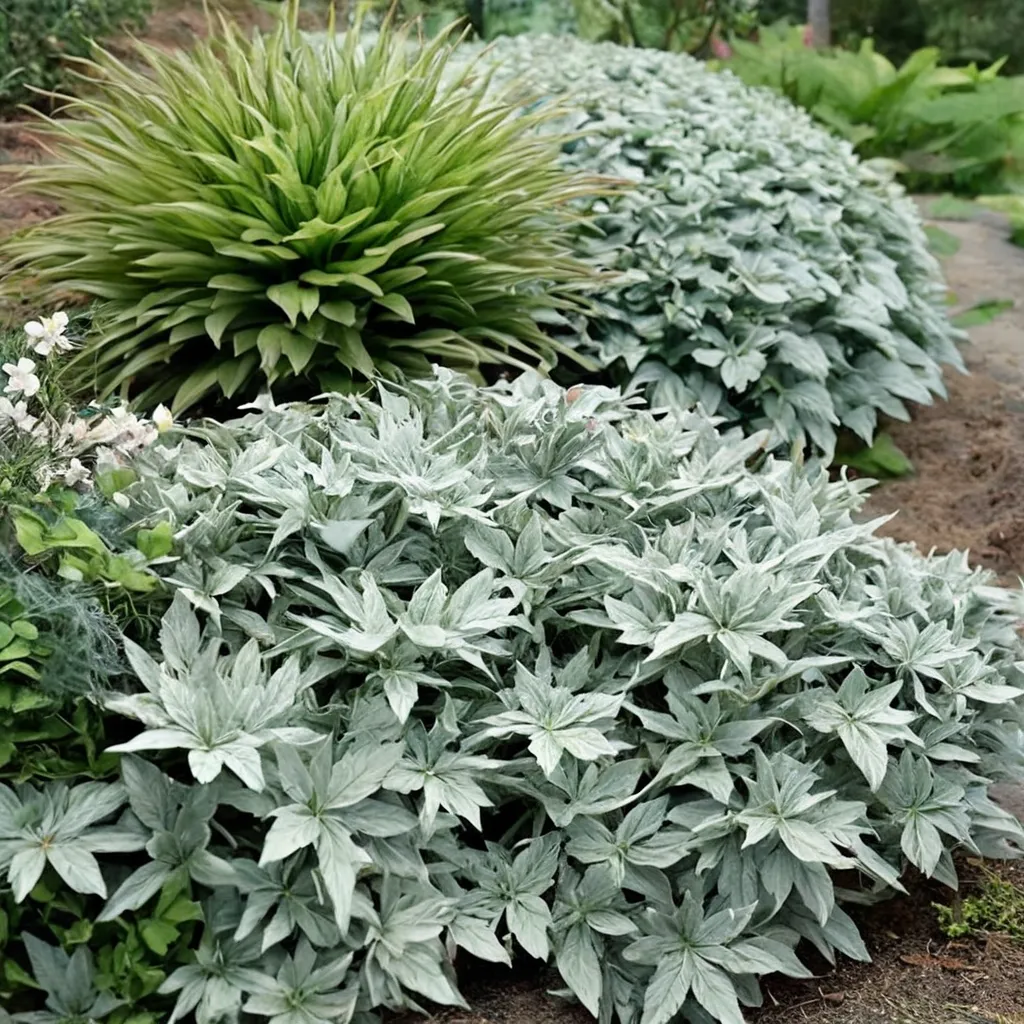
Artemisia Silver Lining
Artemisia x hybrida 'Silver Lining'
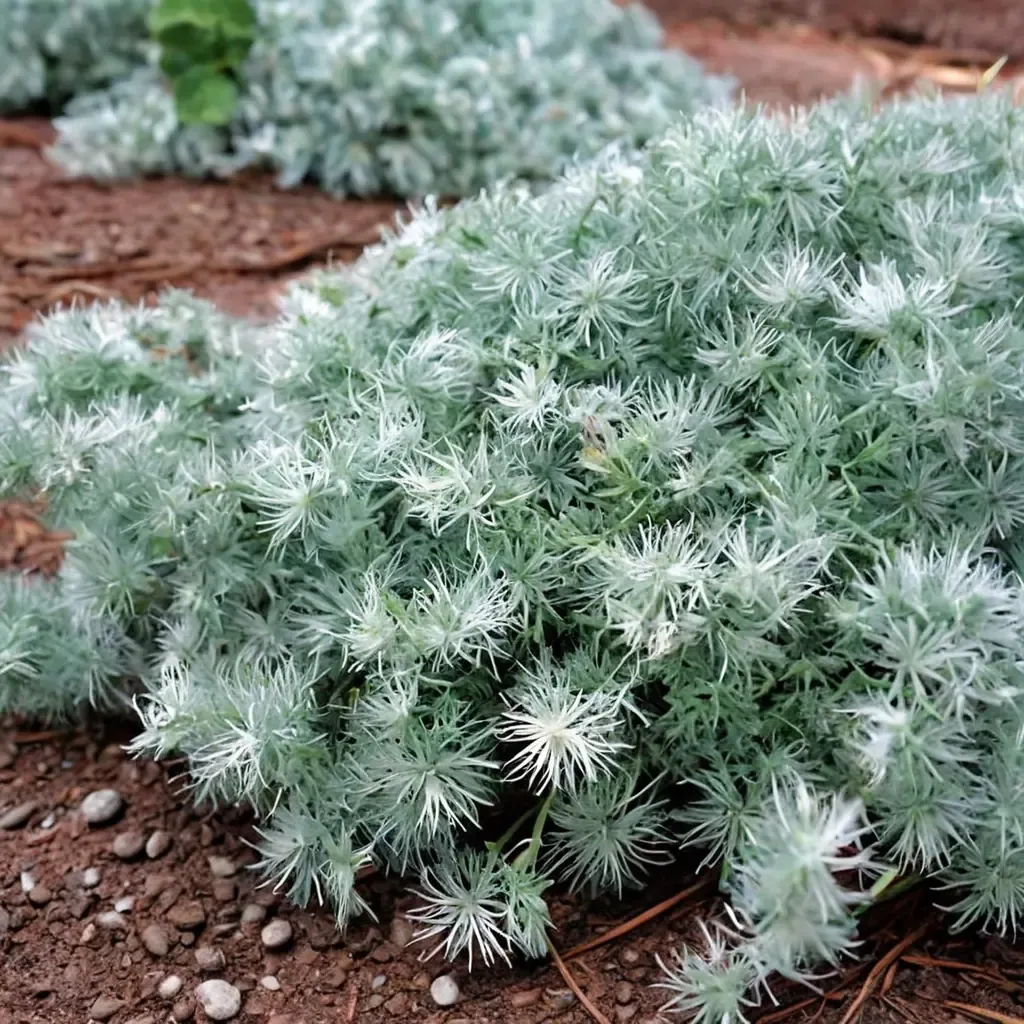
Silver Mound Wormwood
Artemisia schmidtiana 'Silver Mound'
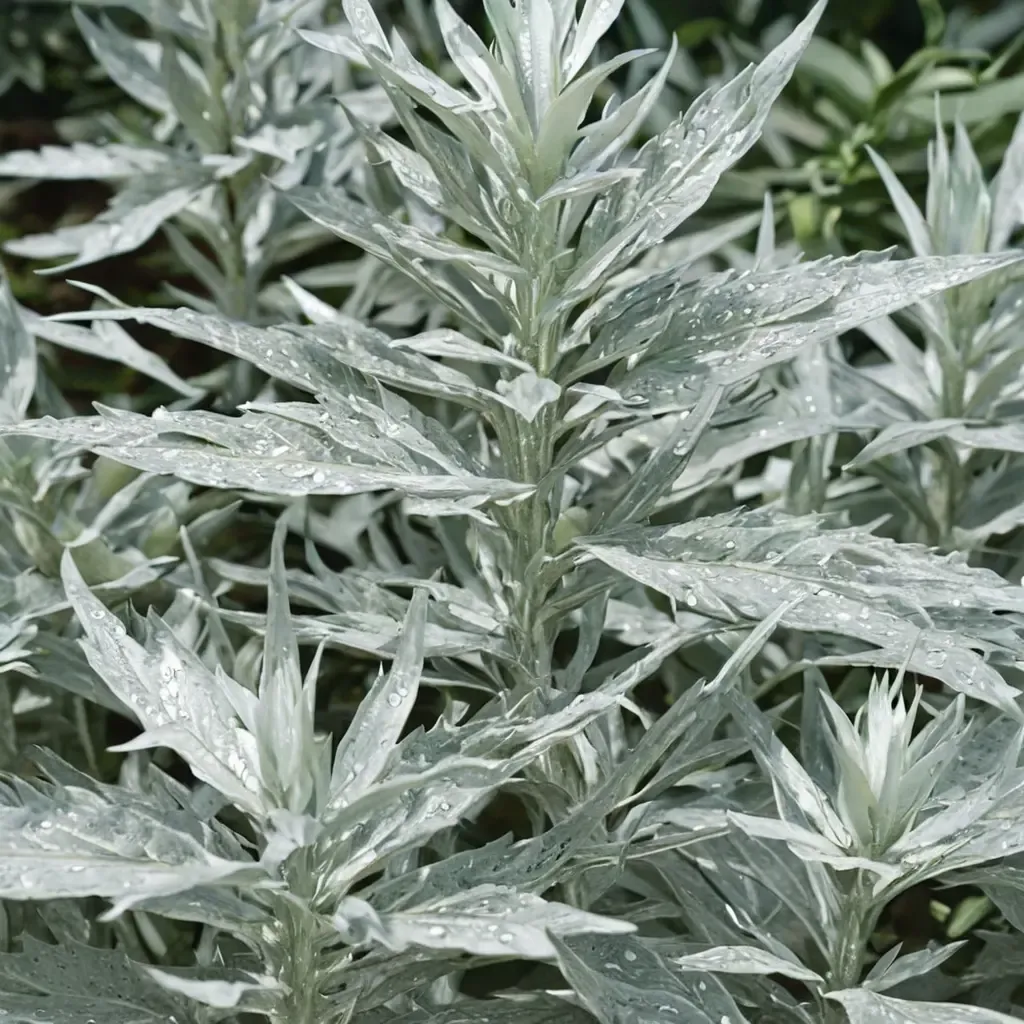
Silver King Artemisia
Artemisia ludoviciana 'Silver King'
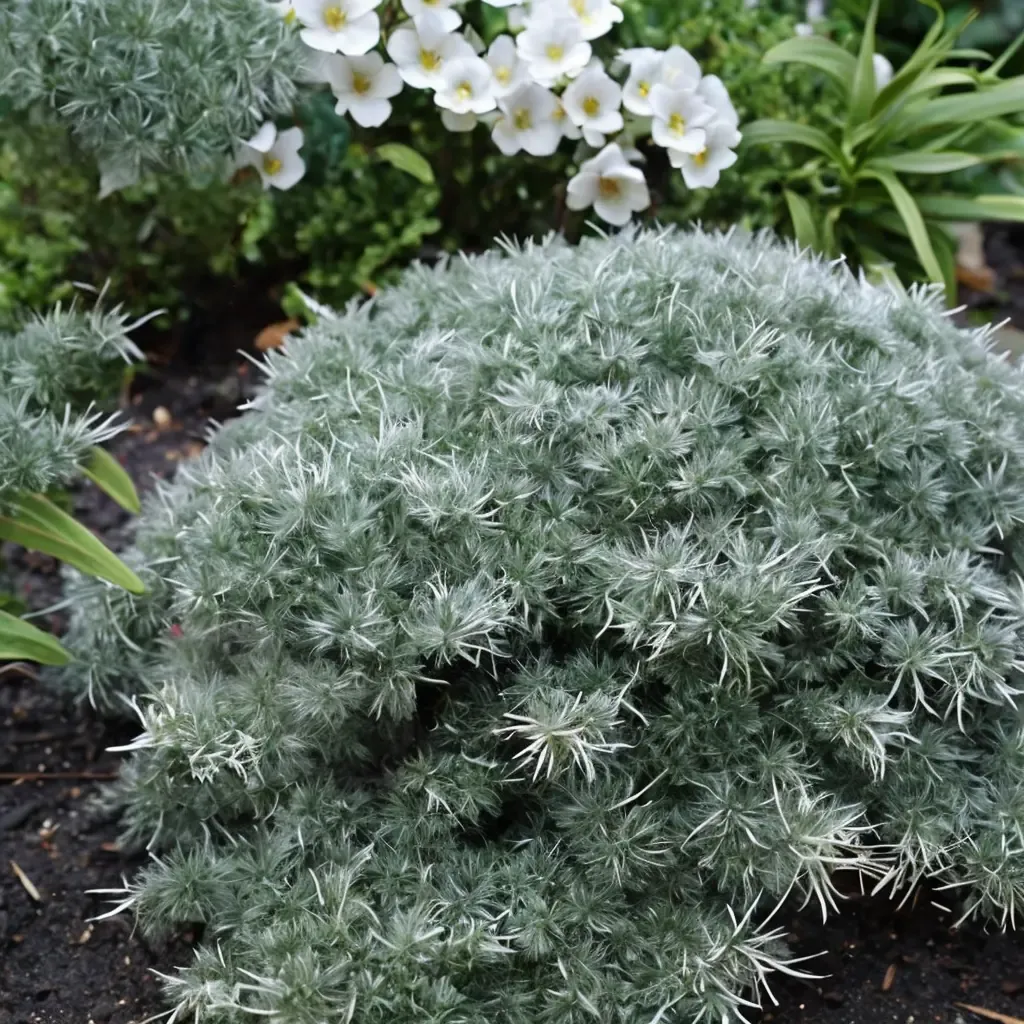
Silver Mound Artemisia
Artemisia schmidtiana 'Nana'
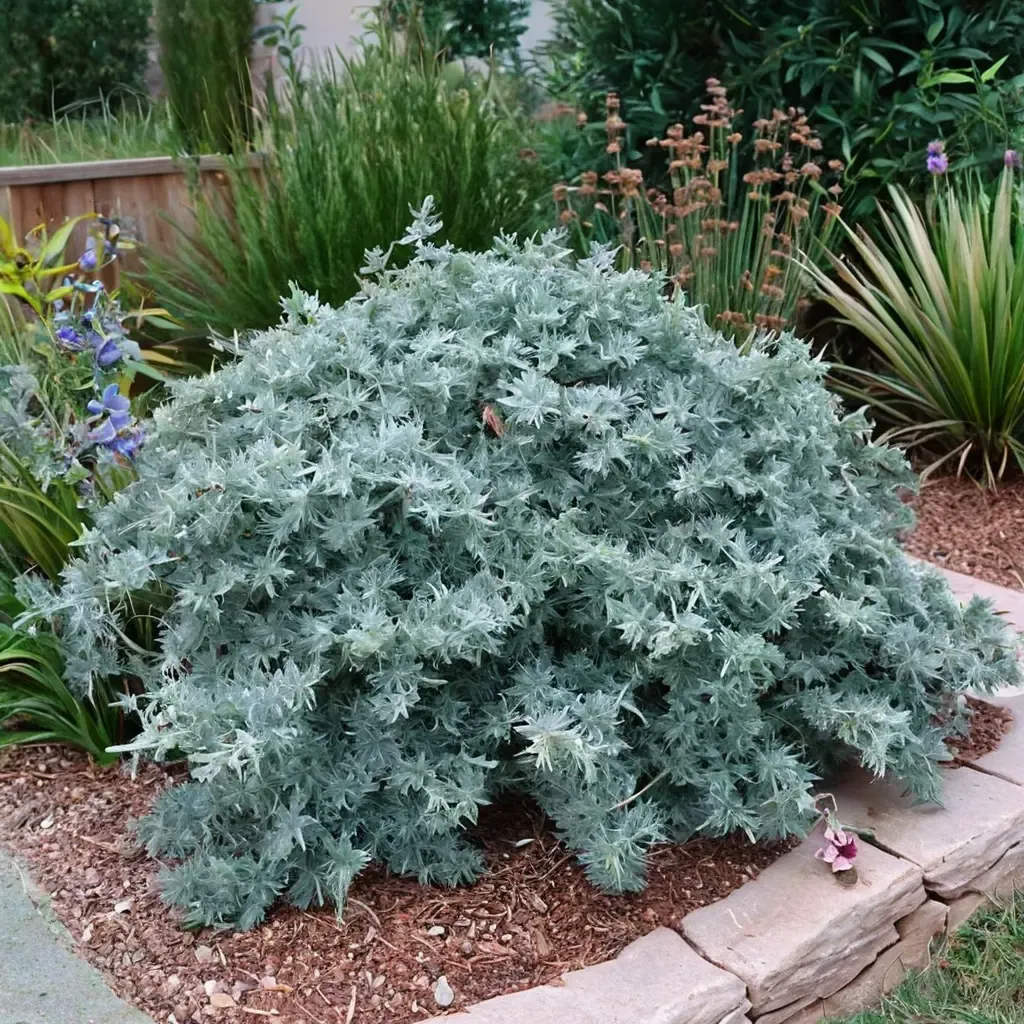
Powis Castle wormwood
Artemisia x hybrida 'Powis Castle'
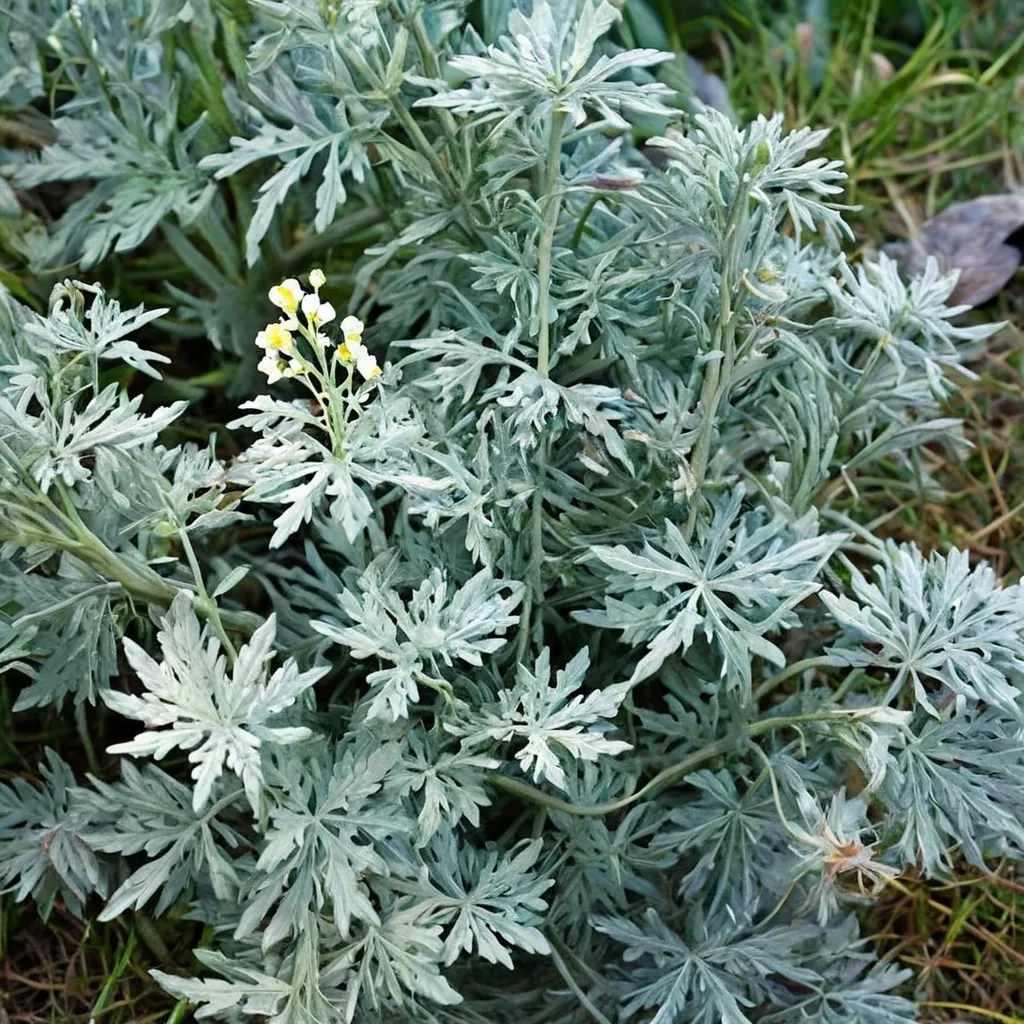
Absinthe Wormwood
Artemisia absinthium
Keep exploring
Explore the genus
Grow Beach Wormwood with confidence
See it in a design of your actual yard, get zone-matched care reminders, and track it season by season in your garden journal.