The Story
Plant Bio
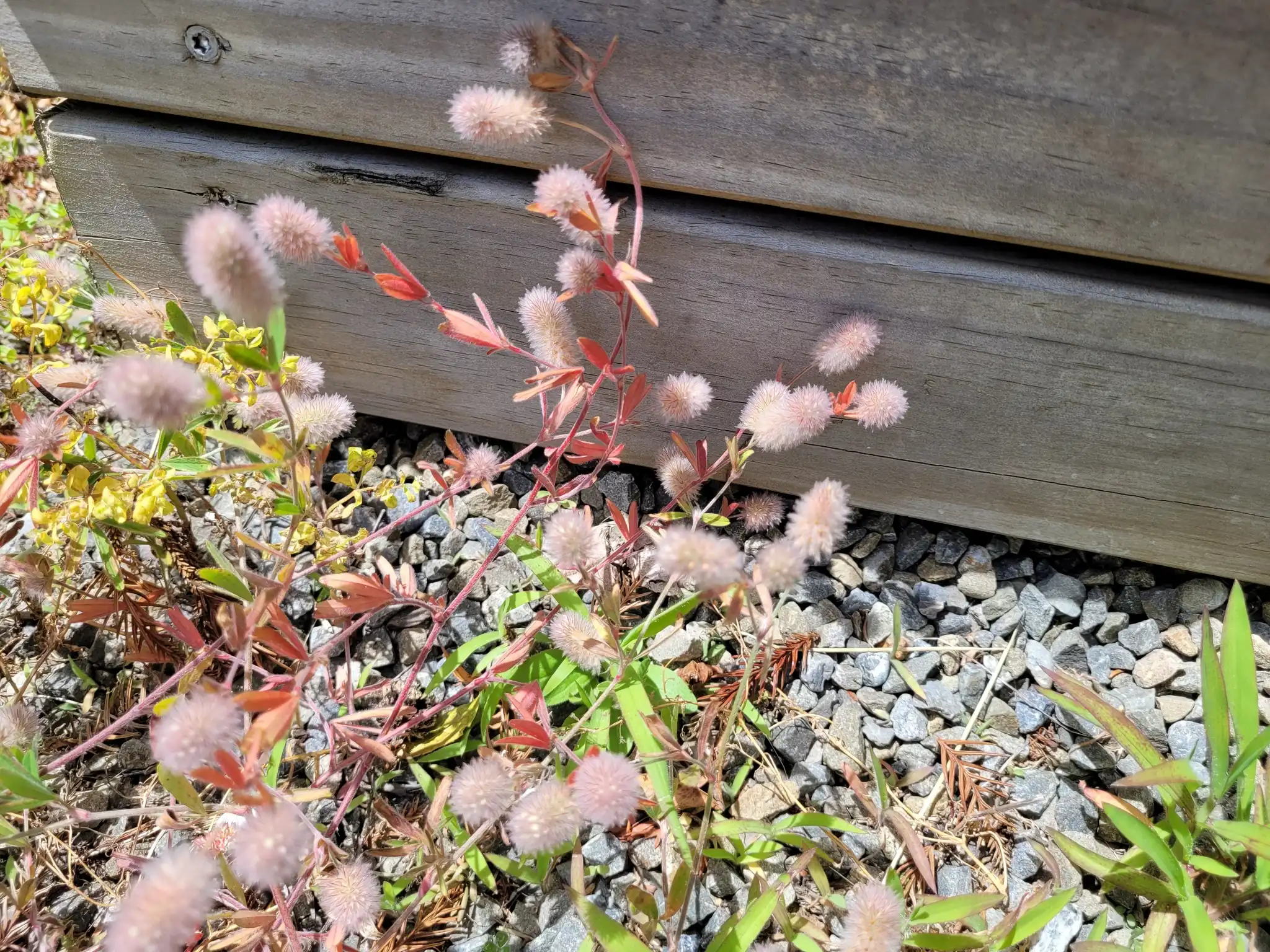
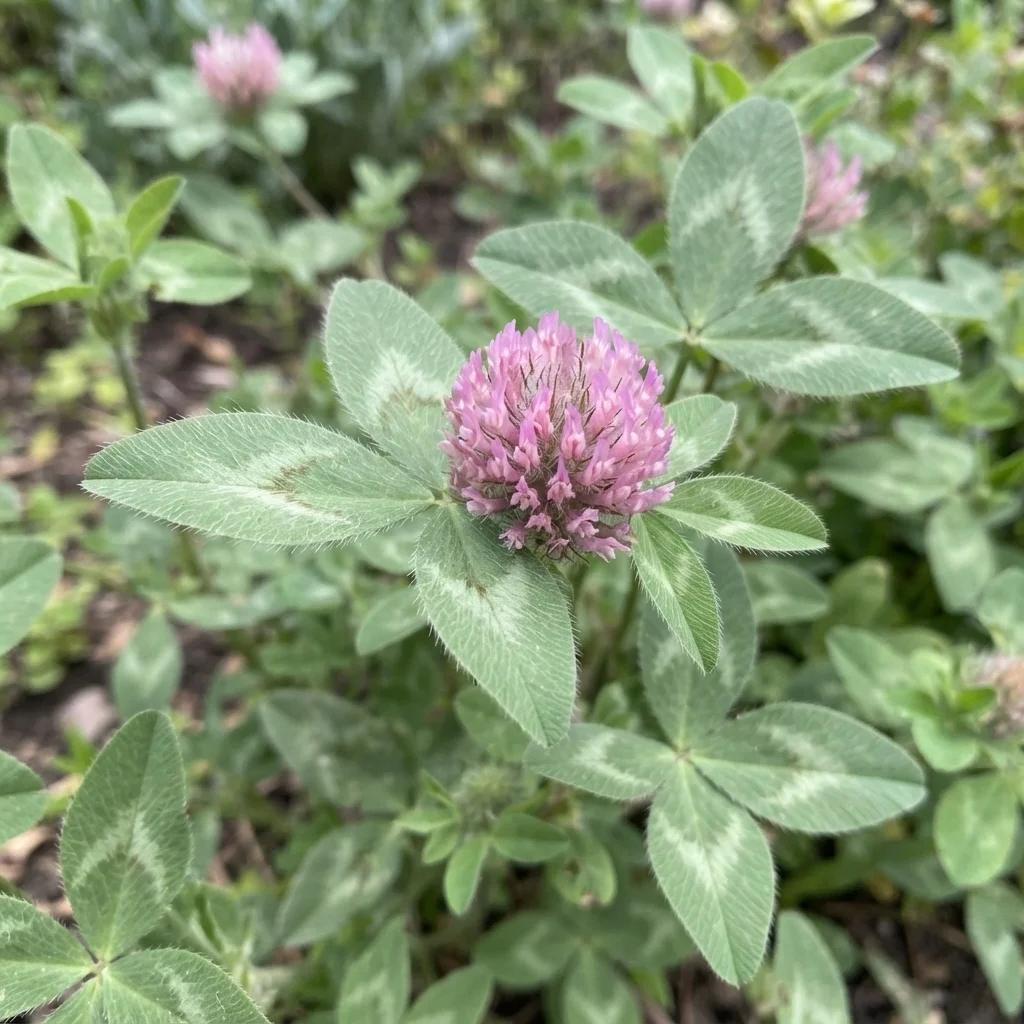
Trifolium arvense, commonly known as rabbit-foot clover, is an erect, multi-branched annual herb native to Eurasia that thrives in dry, nutrient-depleted soils. The species is easily recognized by its soft, grayish-pink, cylindrical flower heads that resemble rabbit feet, which are actually densely hairy calyces concealing tiny pale pink corollas.
This species distinguishes itself from other clovers by its narrow, three-parted greenish-grey leaves covered in fine, silky hairs and its deep taproot. It operates primarily as a winter annual, completing its life cycle rapidly in spring and summer to survive extreme drought and cold as seed.
Uses & Benefits:
Essentials
At a Glance
Plant Type
Annual
Height
16"
Width
12"
Light
Full Sun
Zones
4, 5, 6, 7, 8, 9
Water
Low
Humidity
Moderate
Lifespan
Annual
Native To
Eurasia, North Africa
Toxicity
Toxic to livestock
Bloom period
Spring – Summer
In flower about 6 months of the year
Planting
How to Grow
- Select a site with dry, nutrient-poor, sandy or gravelly soil in full sun.
- Sow seeds directly onto the soil surface in early spring or fall, pressing them lightly into the ground.
- Avoid adding any fertilizer or organic matter, as this plant thrives exclusively in depleted soils.
- Water sparingly to establish; once the taproot develops, the plant requires no supplemental irrigation.
Pro Tip
To eradicate this plant from lawns or beds, focus on increasing soil organic matter and fertility rather than relying solely on broadleaf herbicides, as its presence indicates severely depleted, acidic, and sandy soil.
Keep It Thriving
Care Guide
Do
- Grow in poor, sandy, or gravelly soils with exceptional drainage.
- Allow the plant to complete its annual life cycle naturally if used as a cover crop.
- Hand-pull plants before they set seed if you wish to limit their spread.
Don't
- Do not apply nitrogen fertilizer, as this legume fixes its own nitrogen.
- Do not plant in heavy clay or waterlogged soils where root rot will occur.
- Do not over-cultivate the soil, as disturbance triggers dormant seeds to germinate.
Seasonal Care Calendar
| Task | Jan | Feb | Mar | Apr | May | Jun | Jul | Aug | Sep | Oct | Nov | Dec |
|---|---|---|---|---|---|---|---|---|---|---|---|---|
| Pest Check | ||||||||||||
| Plant | ||||||||||||
| Prune | ||||||||||||
| Spring Cleanup |
Watch Out For
Pests & Diseases
Common Pests
Common Diseases
In the Garden
Landscape Uses & Companions
Landscape Uses
Companion Plants
Multiply
Propagation Methods
Good to Know
Common Questions
Rabbit-foot clover questions
What zones can Rabbit-foot clover grow in?
Rabbit-foot clover is hardy in USDA Zones 4–9. Inside that range it survives winter in the ground; outside it, grow it as an annual or a container plant you protect.
When does Rabbit-foot clover bloom?
Rabbit-foot clover typically blooms in spring through summer. Exact timing shifts a week or two with your zone — Sow's bloom calendar maps it to your garden.
Does Rabbit-foot clover need full sun?
Rabbit-foot clover does best in full sun (6+ hours).
Is Rabbit-foot clover drought tolerant?
Yes — once established (usually after the first full season), Rabbit-foot clover handles dry spells with minimal watering. Water deeply its first year to build the root system that makes that possible.
More Trifolium to compare
Keep exploring
Explore the genus
Grow Rabbit-foot clover with confidence
See it in a design of your actual yard, get zone-matched care reminders, and track it season by season in your garden journal.