The Story
Plant Bio
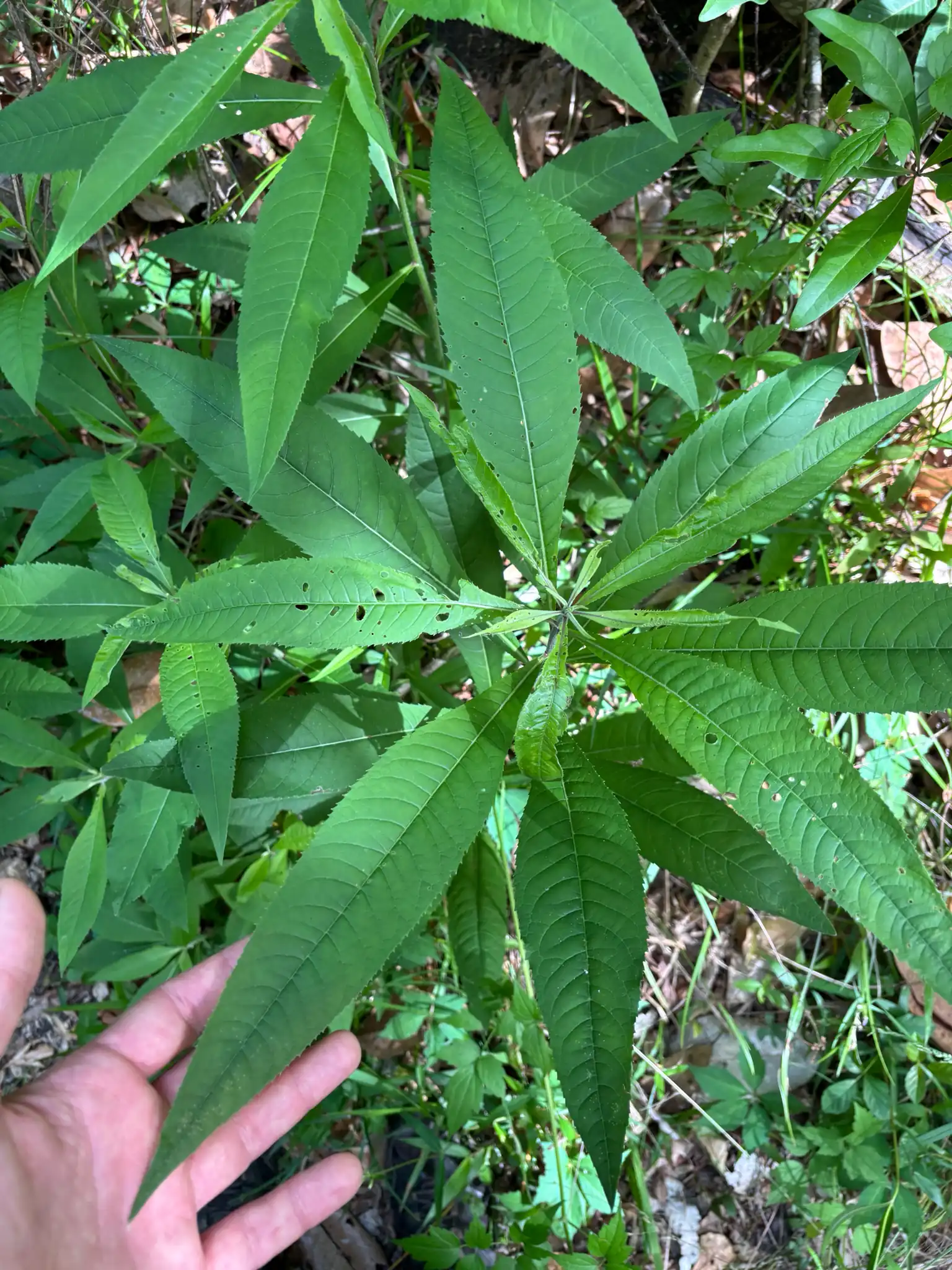
Vernonia gigantea, commonly known as giant ironweed, is an upright, clump-forming herbaceous perennial native to moist meadows and floodplains across central and eastern North America. Rising on leafy stems up to ten feet tall, it produces broad, flat-topped clusters of deep purple disc florets from late summer through fall.
The species is distinguished by its lanceolate leaves with white-tipped serrated margins and finely hairy undersides. Its tough stems resist wind without staking, while the hollow dead stalks provide essential overwintering nest sites for native stem-nesting bees.
Uses & Benefits:
Essentials
At a Glance
Plant Type
Perennial
Height
118"
Width
71"
Light
Full Sun, Partial Sun
Zones
5, 6, 7, 8
Water
Medium to wet
Humidity
High
Lifespan
Perennial
Native To
North America
Toxicity
Non-toxic
Bloom period
Late summer – Fall
In flower about 4 months of the year
Planting
How to Grow
- Select a planting site in full sun to partial shade with moist, rich loam or clay soil.
- Plant crowns in spring or early autumn at the depth of the original nursery container, spacing plants two to three feet apart.
- Water deeply during establishment and maintain soil moisture during hot summer periods.
- Prune stems back by one-third to one-half in late May or June to encourage bushier growth and reduce final height.
Pro Tip
Prune main stems back by half in late spring to restrict overall mature height and promote sturdier, heavily branched flowering stems.
Keep It Thriving
Care Guide
Do
- Leave hollow dead stems standing 12 to 24 inches high over winter to shelter native bees.
- Plant in rich, moisture-retentive soils that retain moisture through summer.
- Divide dense root crowns every three to four years in early spring to maintain vigor.
Don't
- Do not cut dead stems flush to the ground in fall, which destroys overwintering bee habitat.
- Do not plant in dry, low-light locations where stems become weak and leggy.
- Avoid applying heavy nitrogen fertilizers, which cause excessive flopping.
Seasonal Care Calendar
| Task | Jan | Feb | Mar | Apr | May | Jun | Jul | Aug | Sep | Oct | Nov | Dec |
|---|---|---|---|---|---|---|---|---|---|---|---|---|
| Divide | ||||||||||||
| Mulch | ||||||||||||
| Prune | ||||||||||||
| Winter Prep |
Watch Out For
Pests & Diseases
Common Pests
Common Diseases
In the Garden
Landscape Uses & Companions
Landscape Uses
Multiply
Propagation Methods
Good to Know
Common Questions
Giant Ironweed questions
What zones can Giant Ironweed grow in?
Giant Ironweed is hardy in USDA Zones 5–8. Inside that range it survives winter in the ground; outside it, grow it as an annual or a container plant you protect.
Is Giant Ironweed deer resistant?
Yes — Giant Ironweed is rated deer-resistant. Deer typically pass it over, though extreme hunger can override any plant's defenses.
When does Giant Ironweed bloom?
Giant Ironweed typically blooms in late summer through fall. Exact timing shifts a week or two with your zone — Sow's bloom calendar maps it to your garden.
Does Giant Ironweed need full sun?
Giant Ironweed does best in full sun to part shade. In hot climates, afternoon shade keeps blooms fresher longer.
Is Giant Ironweed drought tolerant?
Yes — once established (usually after the first full season), Giant Ironweed handles dry spells with minimal watering. Water deeply its first year to build the root system that makes that possible.
More Vernonia to compare
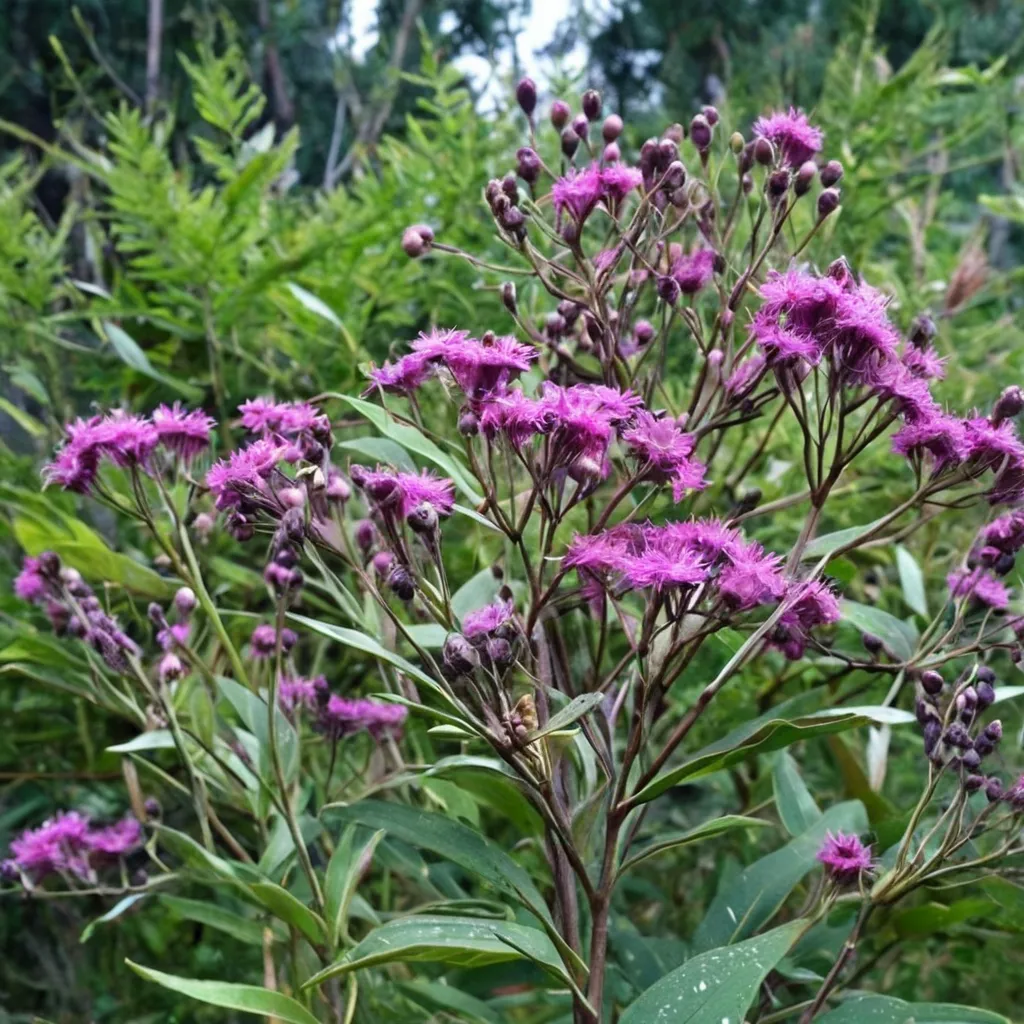
Tall Ironweed
Vernonia altissima
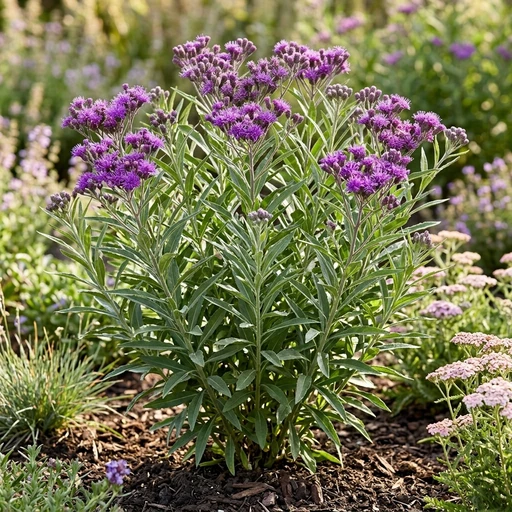
Summers Swan Song Ironweed
Vernonia x hybrida 'Summer'S Swan Song'
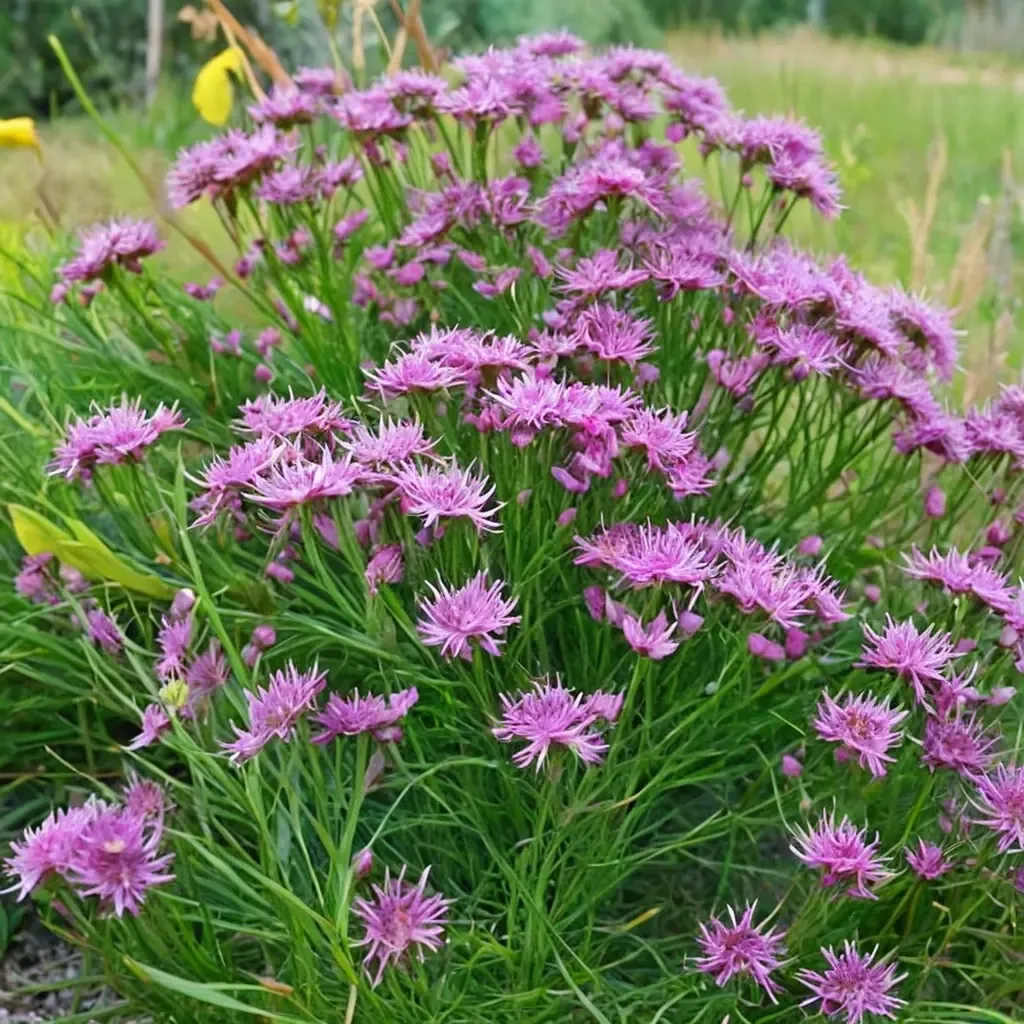
Iron Butterfly Ironweed
Vernonia lettermannii 'Iron Butterfly'
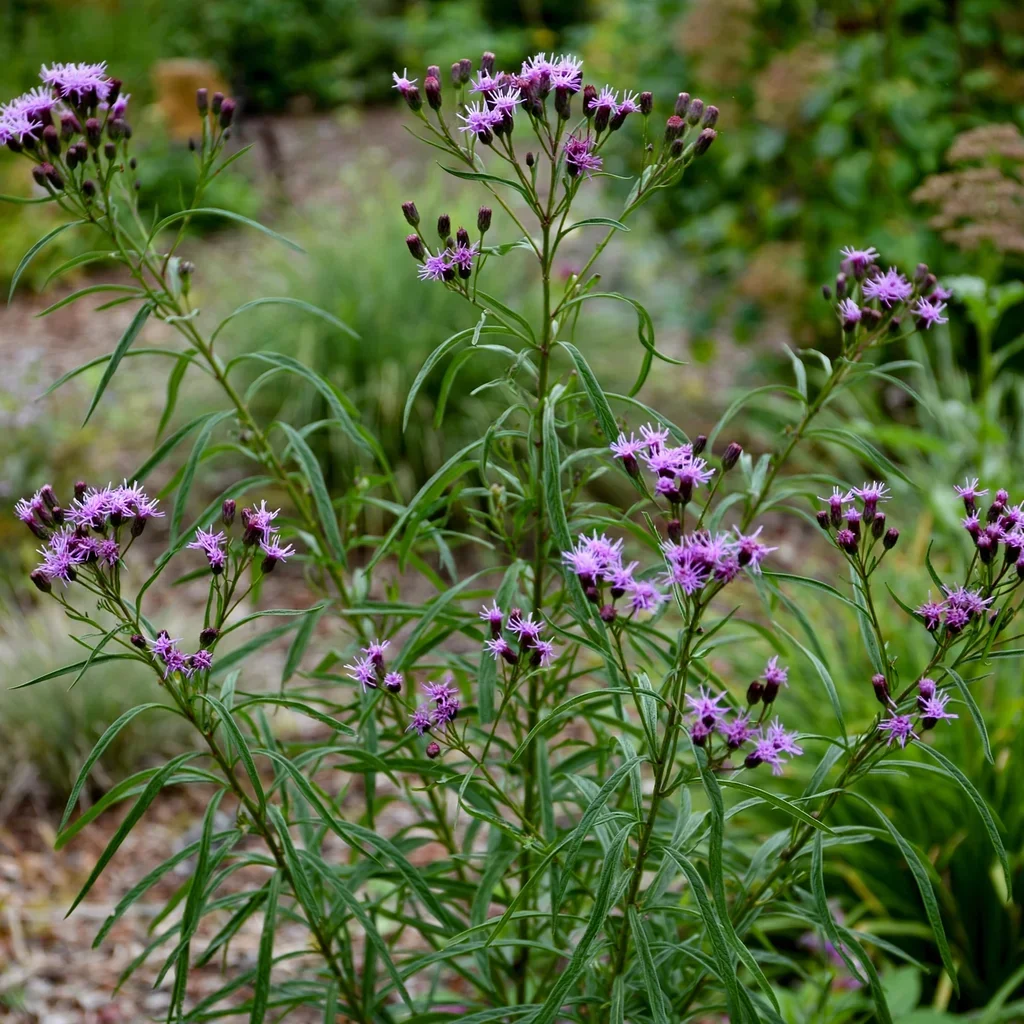
Southern Cross Ironweed
Vernonia arkansana 'Southern Cross'
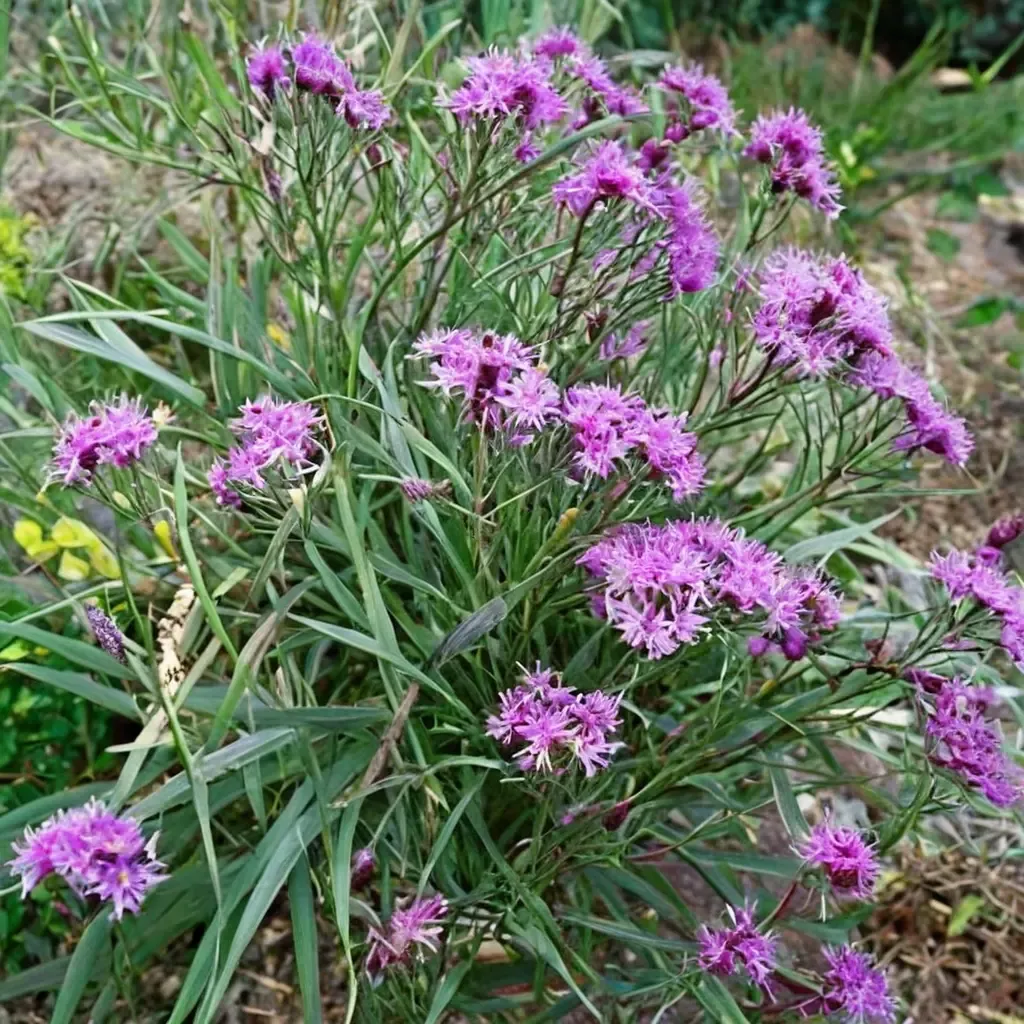
Plum Peachy Ironweed
Vernonia angustifolia 'Plum Peachy'
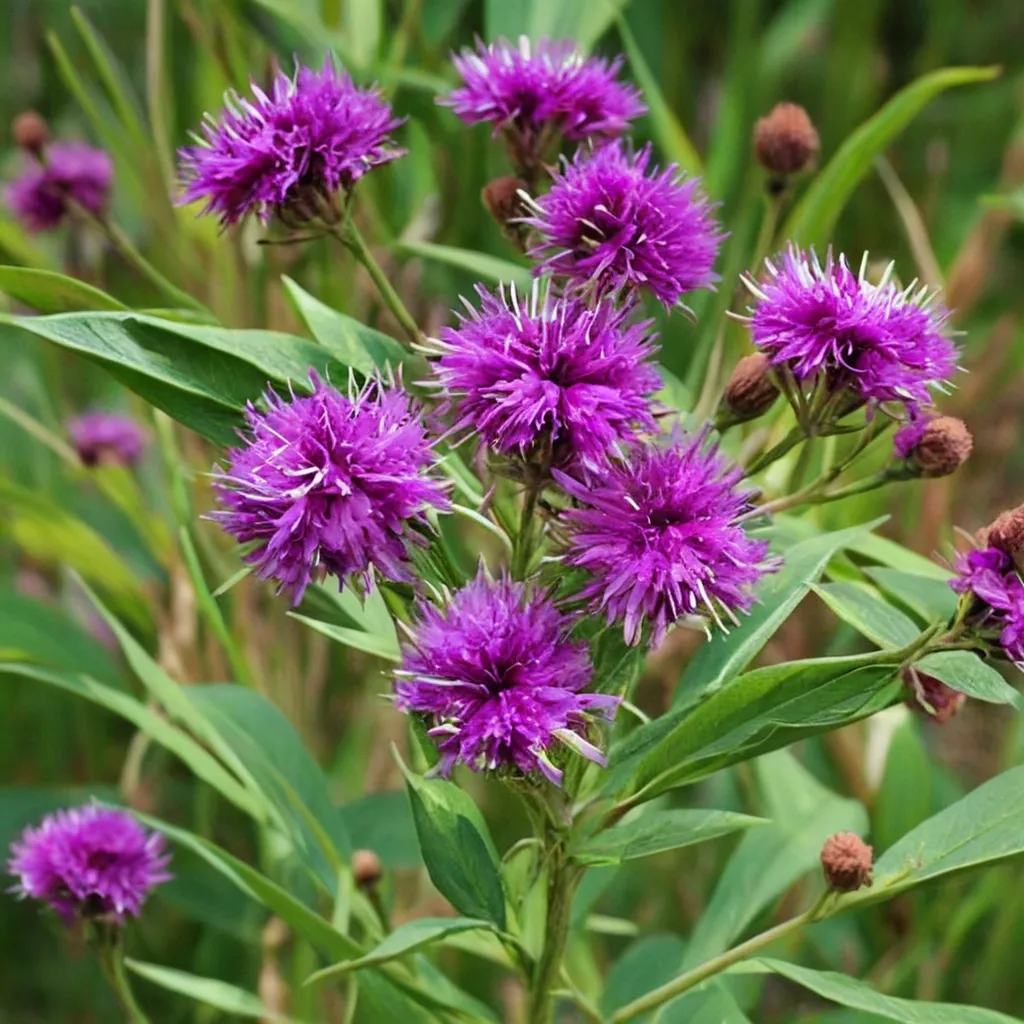
Arkansas Ironweed
Vernonia arkansana
Keep exploring
Explore the genus
Hardy in your zone?
Grow Giant Ironweed with confidence
See it in a design of your actual yard, get zone-matched care reminders, and track it season by season in your garden journal.