The Story
Plant Bio
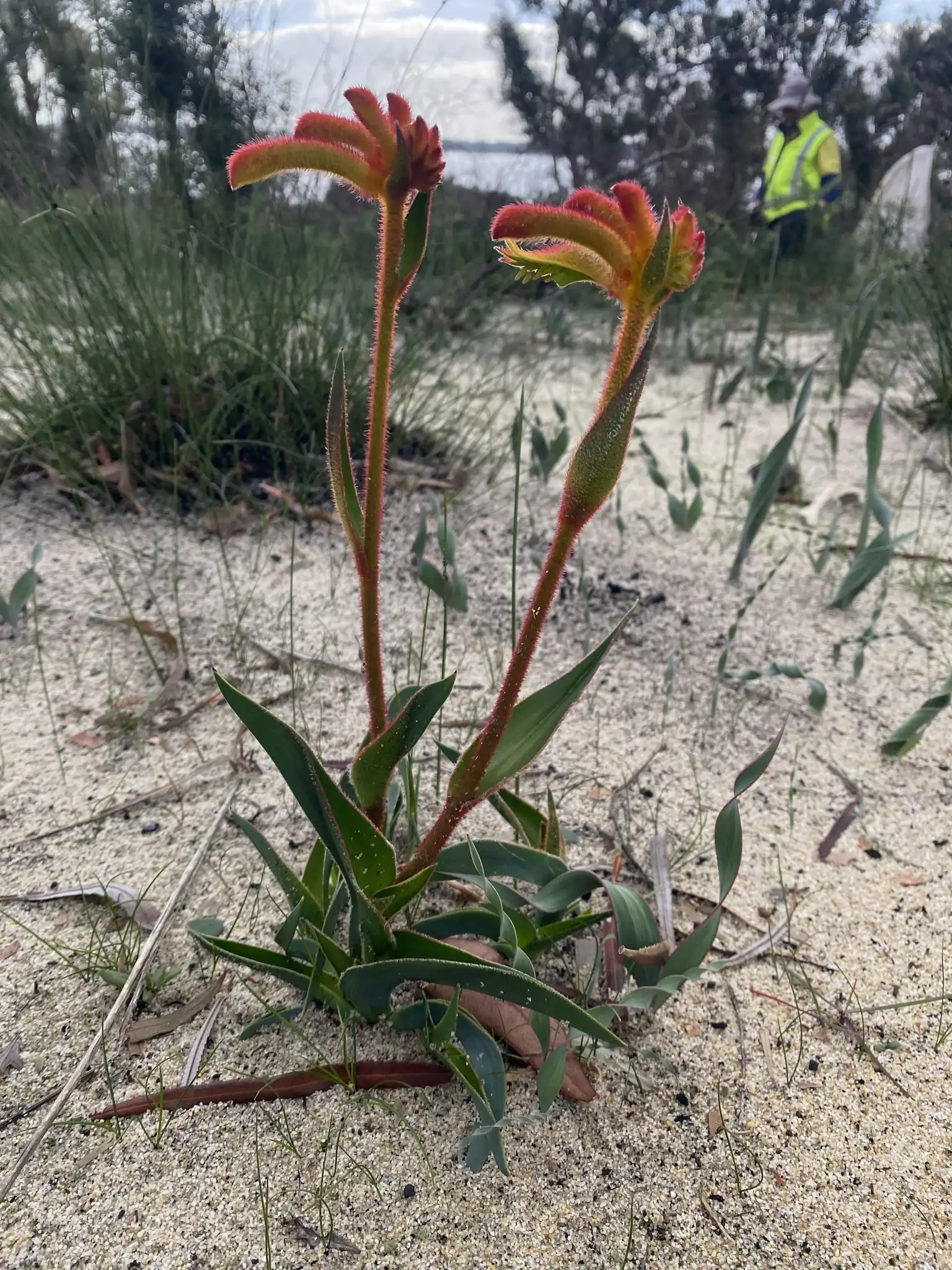
Anigozanthos humilis, known as catspaw, is a clumping evergreen perennial native to southwest Western Australia, distinguished by its low-growing basal rosette of strap-like leaves. The plant produces unbranched or sparsely branched stems bearing tubular, deeply-split yellow flowers shaded with orange and red, all covered in a dense layer of colored felty hairs.
This species is the smallest of the kangaroo paws, with foliage reaching only twelve inches high and flower spikes rarely exceeding two feet. The margins of the flat green leaves are lined with distinct, rigid bristles that set it apart from smoother-foliaged relatives.
Uses & Benefits:
Essentials
At a Glance
Plant Type
Perennial
Height
24"
Width
24"
Light
Full Sun, Partial Sun
Zones
9, 10
Water
Low
Humidity
Low to Moderate
Lifespan
2 to 4 years
Native To
Australia
Toxicity
Non-toxic (microscopic hairs may cause skin and eye irritation)
Bloom period
Spring – Summer
In flower about 6 months of the year
Planting
How to Grow
- Select a site with full sun and exceptionally well-draining sandy soil or gravelly loam.
- Plant the rhizome so the crown sits level with the soil surface, avoiding deep planting which causes rot.
- Water moderately during the active spring growing phase, then reduce watering significantly during summer dormancy.
- Apply a low-phosphorus, native-formulated fertilizer sparingly in spring to avoid root damage.
Pro Tip
Expect this species to peak in vigor for only two to four years before declining; propagate regularly by spring clump division or seed to maintain garden presence.
Keep It Thriving
Care Guide
Do
- Prune old flowering stalks and damaged leaves hard to ground level immediately after flowering finishes.
- Ensure sharp soil drainage to prevent summer root rot.
- Wear gloves when handling the plant to avoid skin irritation from the velvety floral hairs.
Don't
- Do not use standard phosphorus-rich fertilizers, which damage the sensitive root system.
- Do not overwater the plant during its summer dormancy period.
- Do not cut blindly into the old, woody underground rhizome tissue when pruning.
Seasonal Care Calendar
| Task | Jan | Feb | Mar | Apr | May | Jun | Jul | Aug | Sep | Oct | Nov | Dec |
|---|---|---|---|---|---|---|---|---|---|---|---|---|
| Divide | ||||||||||||
| Fertilize | ||||||||||||
| Pest Check | ||||||||||||
| Prune |
Watch Out For
Pests & Diseases
Common Pests
Common Diseases
In the Garden
Landscape Uses & Companions
Landscape Uses
Multiply
Propagation Methods
Good to Know
Common Questions
Catspaw questions
What zones can Catspaw grow in?
Catspaw is hardy in USDA Zones 9–10. Inside that range it survives winter in the ground; outside it, grow it as an annual or a container plant you protect.
When does Catspaw bloom?
Catspaw typically blooms in spring through summer. Exact timing shifts a week or two with your zone — Sow's bloom calendar maps it to your garden.
Does Catspaw need full sun?
Catspaw does best in full sun to part shade. In hot climates, afternoon shade keeps blooms fresher longer.
Is Catspaw drought tolerant?
Yes — once established (usually after the first full season), Catspaw handles dry spells with minimal watering. Water deeply its first year to build the root system that makes that possible.
More Anigozanthos to compare
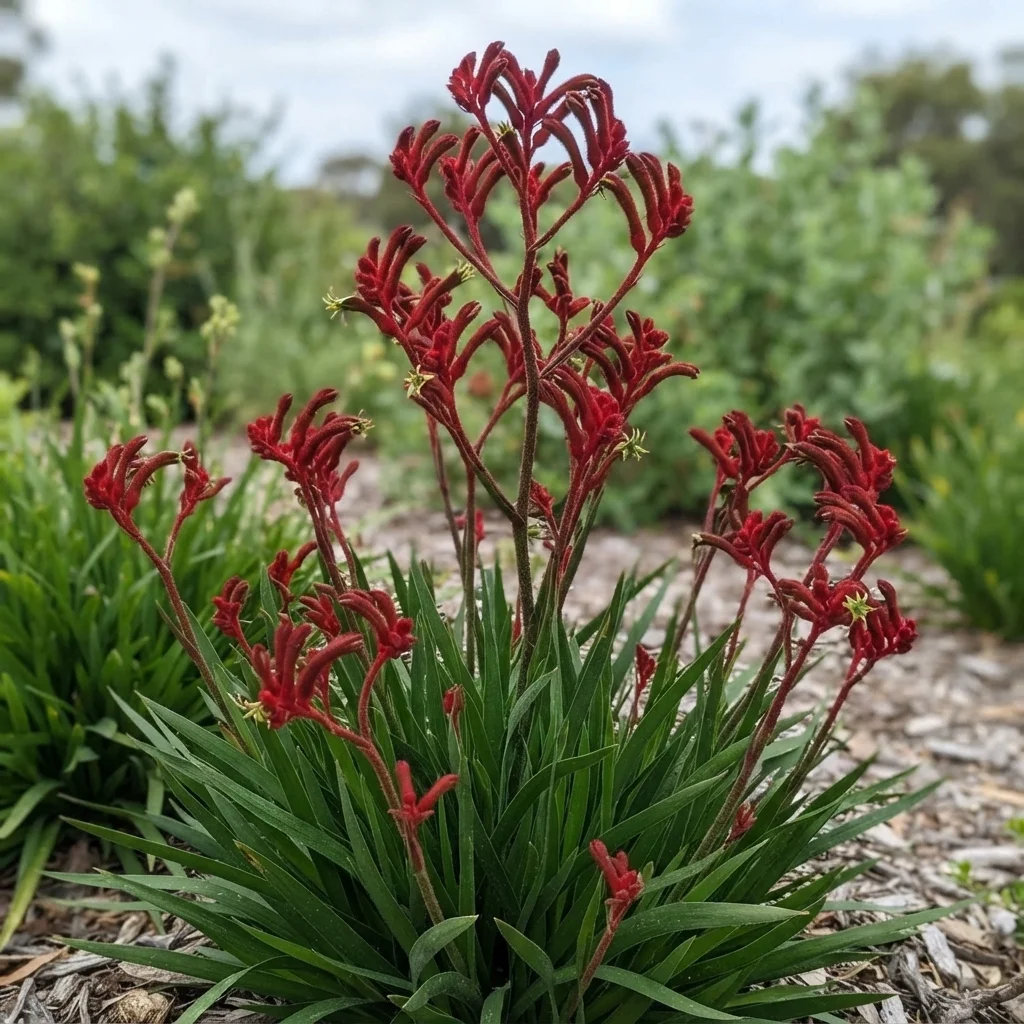
Kangaroo Paw
Anigozanthos hybrid 'Ruby Velvet'
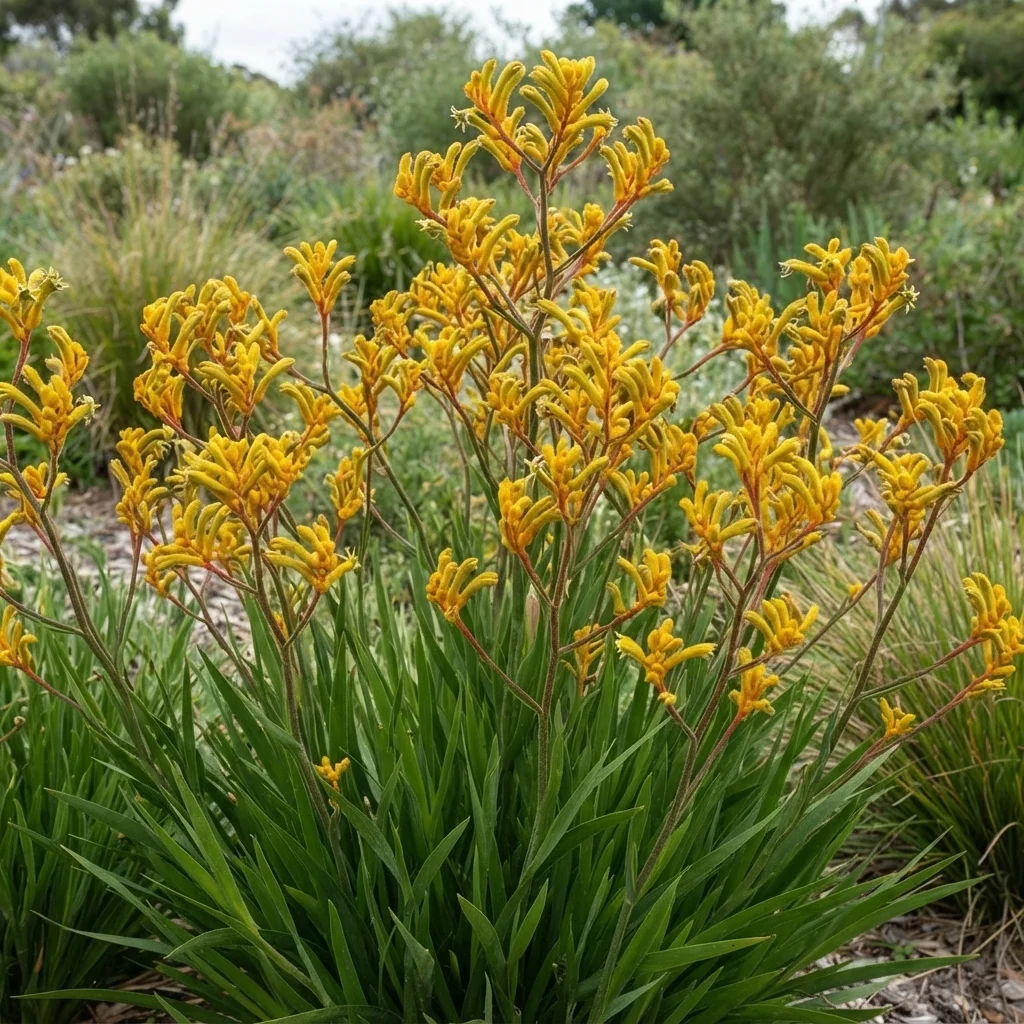
Bush Gold Kangaroo Paw
Anigozanthos x hybrida 'Bush Gold'
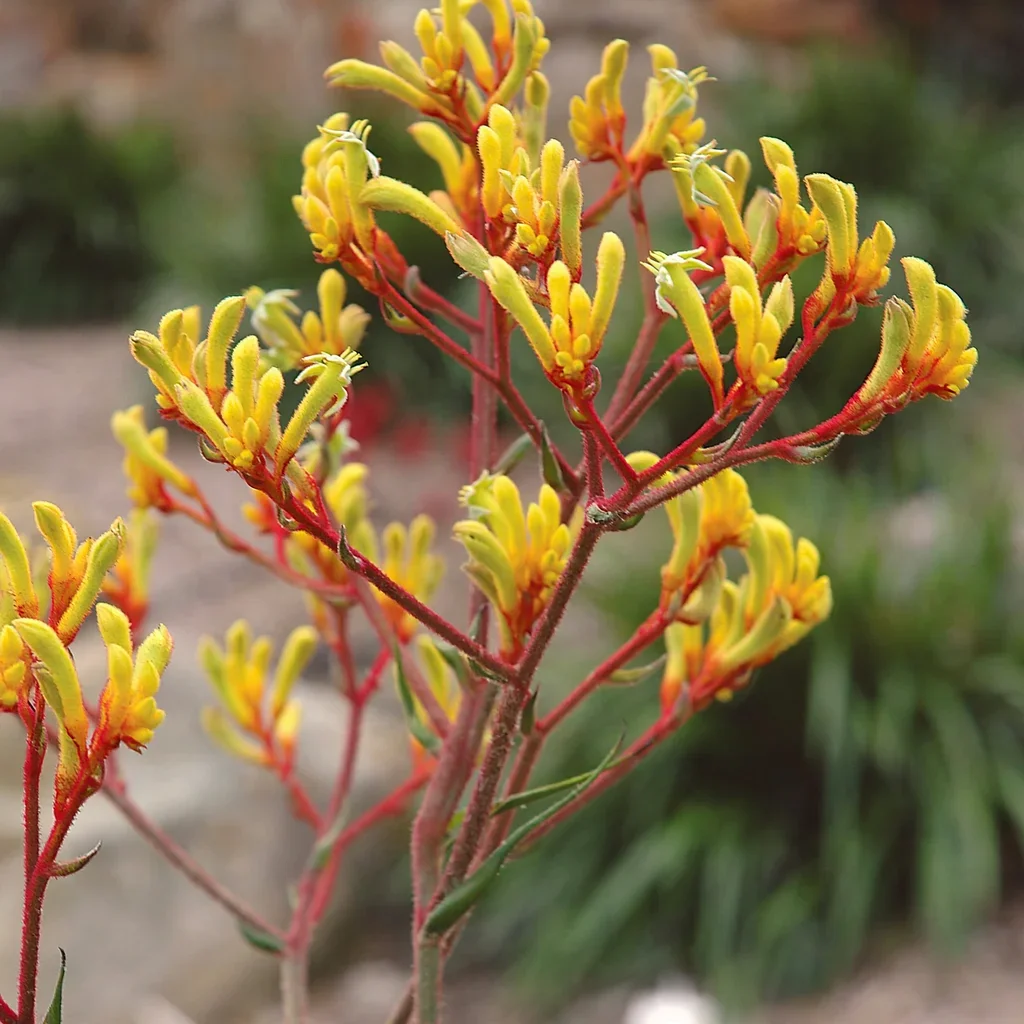
Harmony Kangaroo Paw
Anigozanthos manglesii 'Harmony'
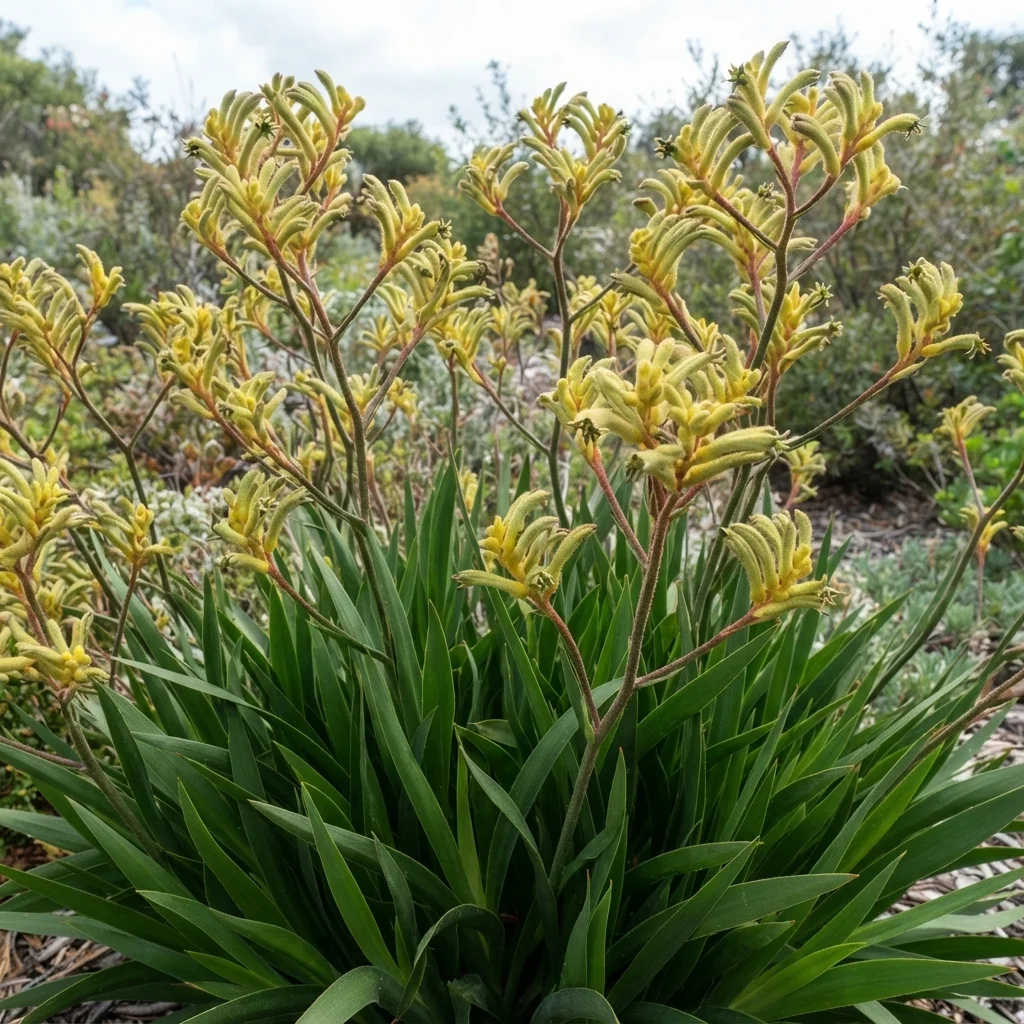
Tall Kangaroo Paw
Anigozanthos flavidus
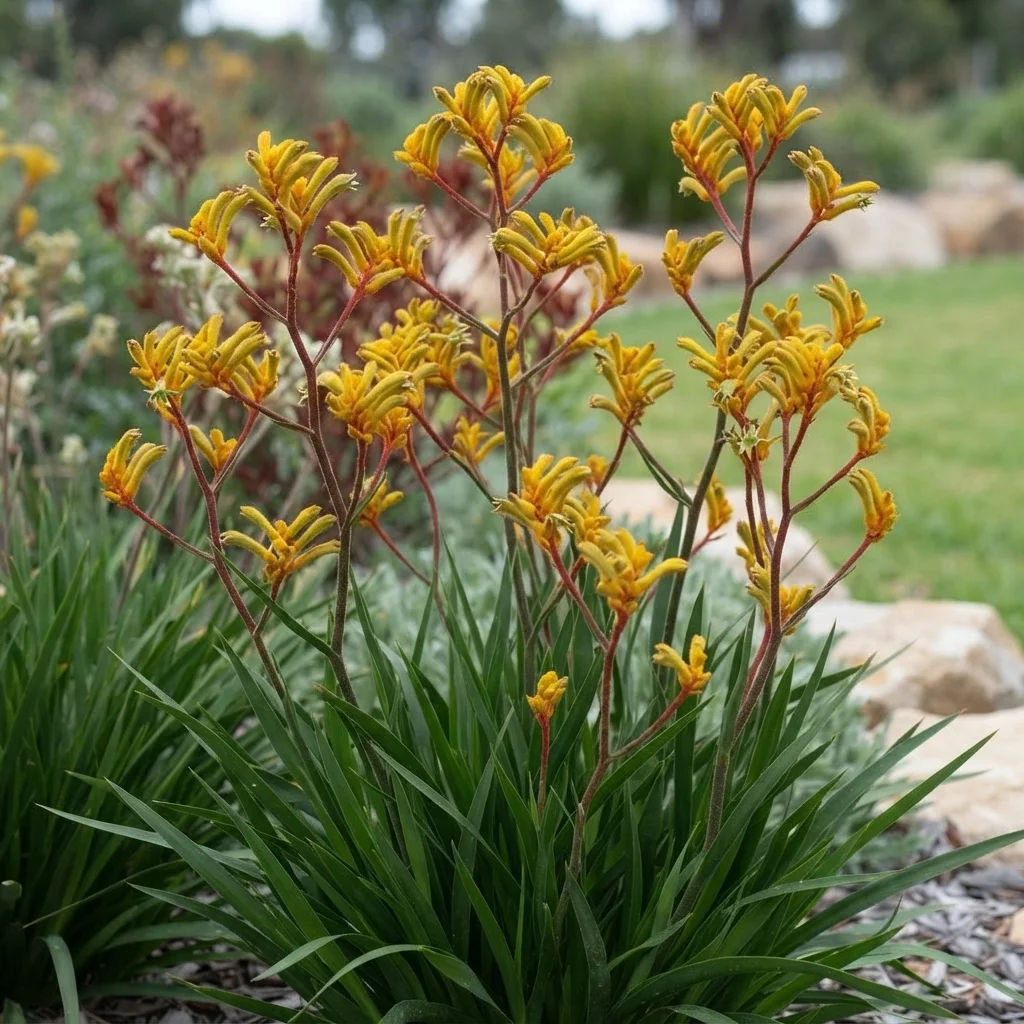
Gold Velvet Kangaroo Paw
Anigozanthos hybrid 'Gold Velvet'
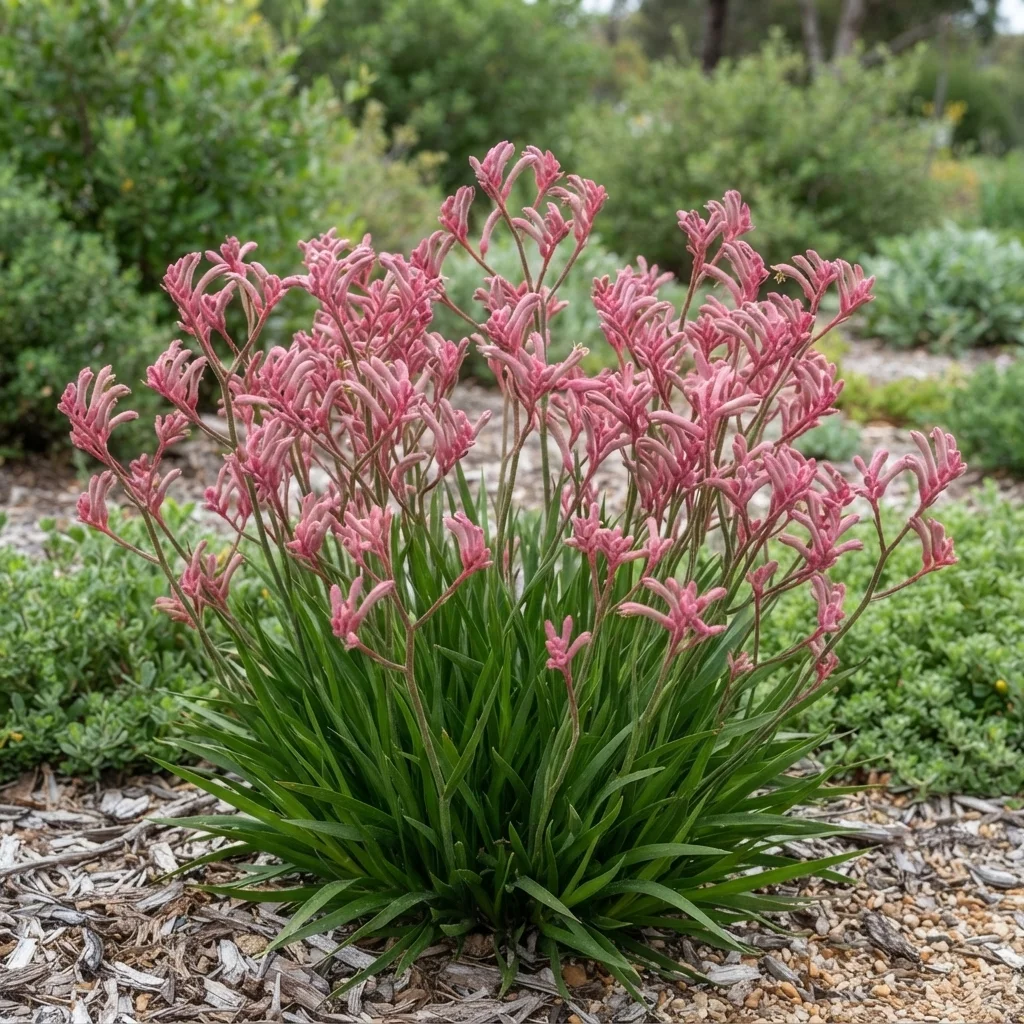
Kangaroo Paw 'Bush Pearl'
Anigozanthos x hybrida 'Bush Pearl'
Keep exploring
Explore the genus
Hardy in your zone?
Grow Catspaw with confidence
See it in a design of your actual yard, get zone-matched care reminders, and track it season by season in your garden journal.