

The Story
Plant Bio
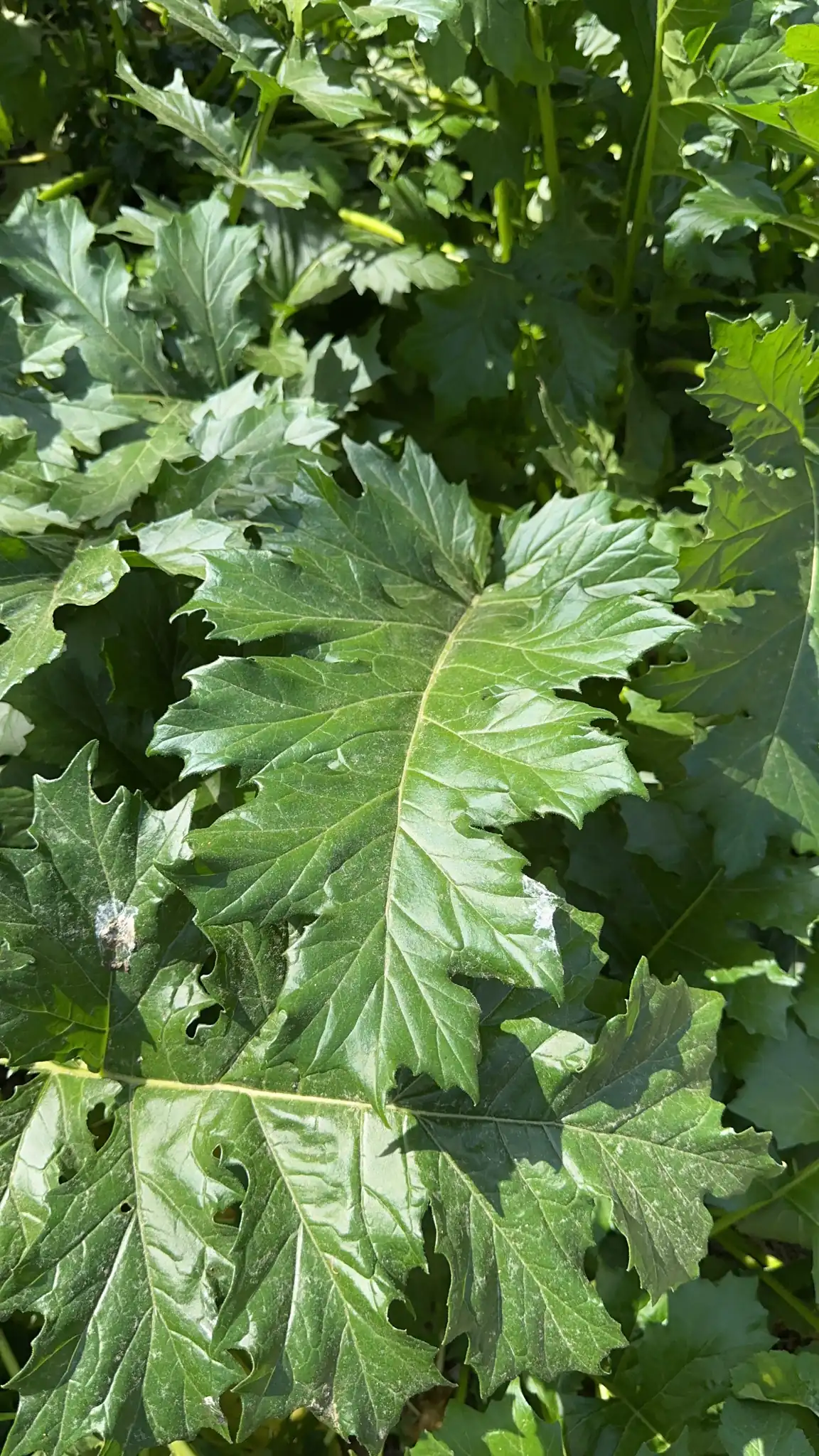
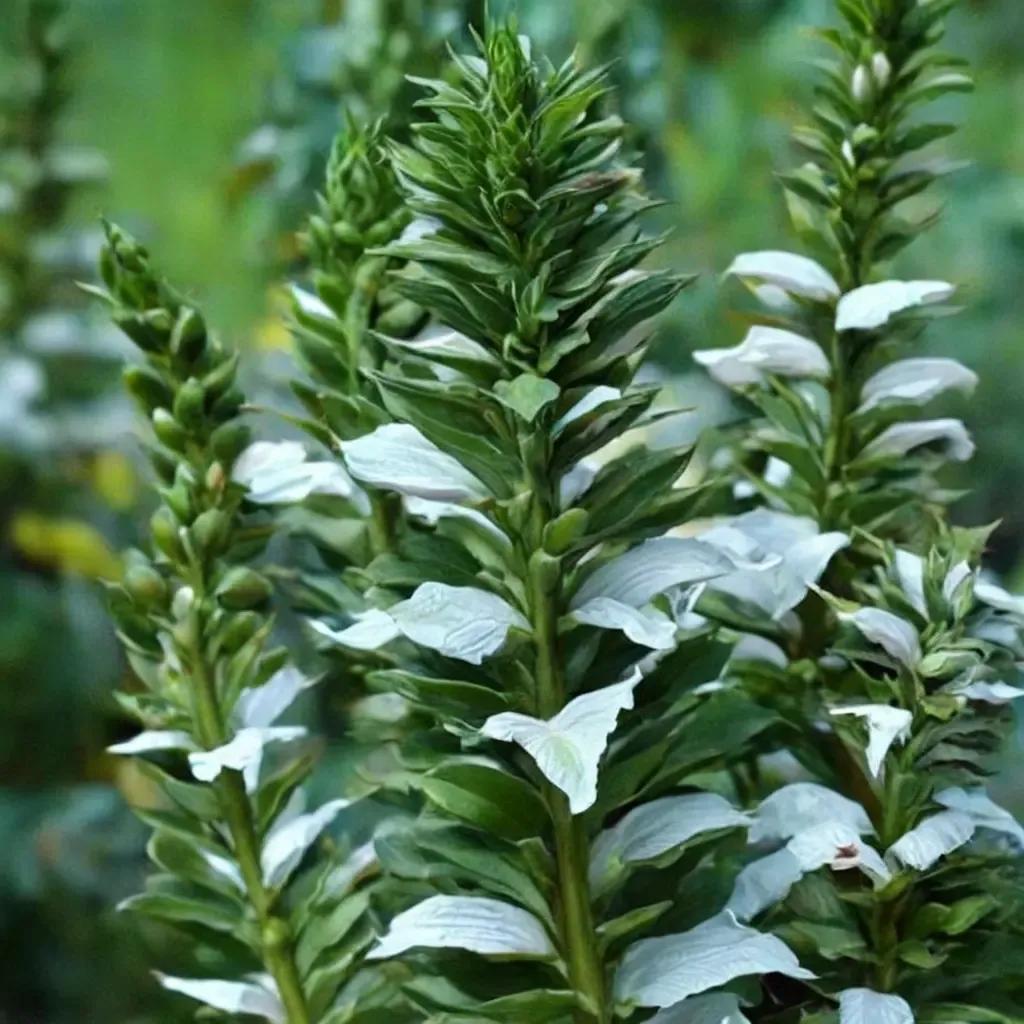
Acanthus mollis, bear's breeches, is a bold clumping perennial native to Europe and North Africa, reaching three to six feet in flower. Its glossy dark green leaves are deeply lobed and cut, up to sixteen inches long, forming a substantial basal mound, and tall spikes carry hooded white and purple flowers above them in early summer.
Those leaves are the model for the acanthus motif carved into Corinthian columns, and they carry small spines along the lobes. It is very difficult to remove once settled — any root fragment left in the soil regrows — so site it deliberately and treat it as permanent rather than something to move later.
Uses & Benefits:
Essentials
At a Glance
Plant Type
Perennial
Height
54"
Width
30"
Light
Full Sun, Partial Sun
Zones
7, 8, 9, 10
Water
Low to moderate
Humidity
Moderate
Lifespan
Perennial
Native To
Europe and North Africa
Toxicity
Non-toxic
Marketplace
Where to Buy
Shipping costs Year-round shipping Free shipping
Planting
How to Grow
- Plant in spring in deep, well-drained soil.
- Choose full sun to partial shade; afternoon shade in hot climates.
- Allow two to three feet of width.
- Water through the first season, then sparingly.
- Site it permanently; root fragments regrow.
- Cut spent flower spikes and tatty leaves in late autumn.
Pro Tip
Plant it where you want it forever — every root fragment left behind resprouts, so moving an established clump usually means having it in both places.
Keep It Thriving
Care Guide
Do
- Site it permanently 🌱
- Give afternoon shade in hot climates 🌤️
- Cut back tatty foliage in late autumn ✂️
- Allow room for a substantial clump 📏
Don't
- Plant it somewhere you may want to change ❌
- Expect to dig it out cleanly ❌
- Handle the leaves carelessly; they carry spines ❌
Seasonal Care Calendar
| Task | Jan | Feb | Mar | Apr | May | Jun | Jul | Aug | Sep | Oct | Nov | Dec |
|---|---|---|---|---|---|---|---|---|---|---|---|---|
| Monitor | ||||||||||||
| Prune |
Watch Out For
Pests & Diseases
Common Pests
Common Diseases
In the Garden
Landscape Uses & Companions
Landscape Uses
Companion Plants
Multiply
Propagation Methods
Good to Know
Common Questions
Bear's Breeches questions
What zones can Bear's Breeches grow in?
Bear's Breeches is hardy in USDA Zones 7–10. Inside that range it survives winter in the ground; outside it, grow it as an annual or a container plant you protect.
Is Bear's Breeches deer resistant?
Yes — Bear's Breeches is rated deer-resistant. Deer typically pass it over, though extreme hunger can override any plant's defenses.
When does Bear's Breeches bloom?
Bear's Breeches typically blooms in early summer through late summer. Exact timing shifts a week or two with your zone — Sow's bloom calendar maps it to your garden.
Does Bear's Breeches need full sun?
Bear's Breeches does best in full sun to part shade. In hot climates, afternoon shade keeps blooms fresher longer.
Is Bear's Breeches drought tolerant?
Yes — once established (usually after the first full season), Bear's Breeches handles dry spells with minimal watering. Water deeply its first year to build the root system that makes that possible.
More Acanthus to compare
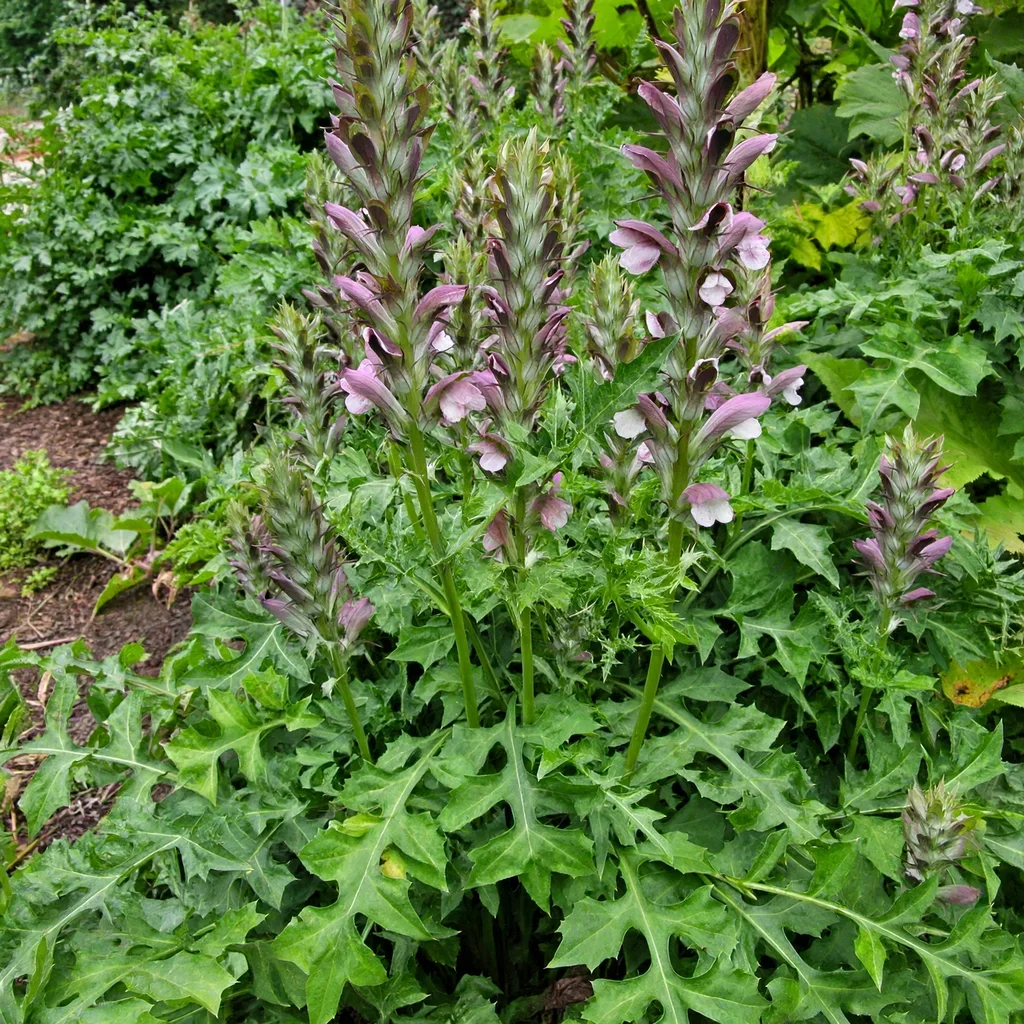
Spiny Bear's Breeches
Acanthus spinosus 'Spinosissimus'
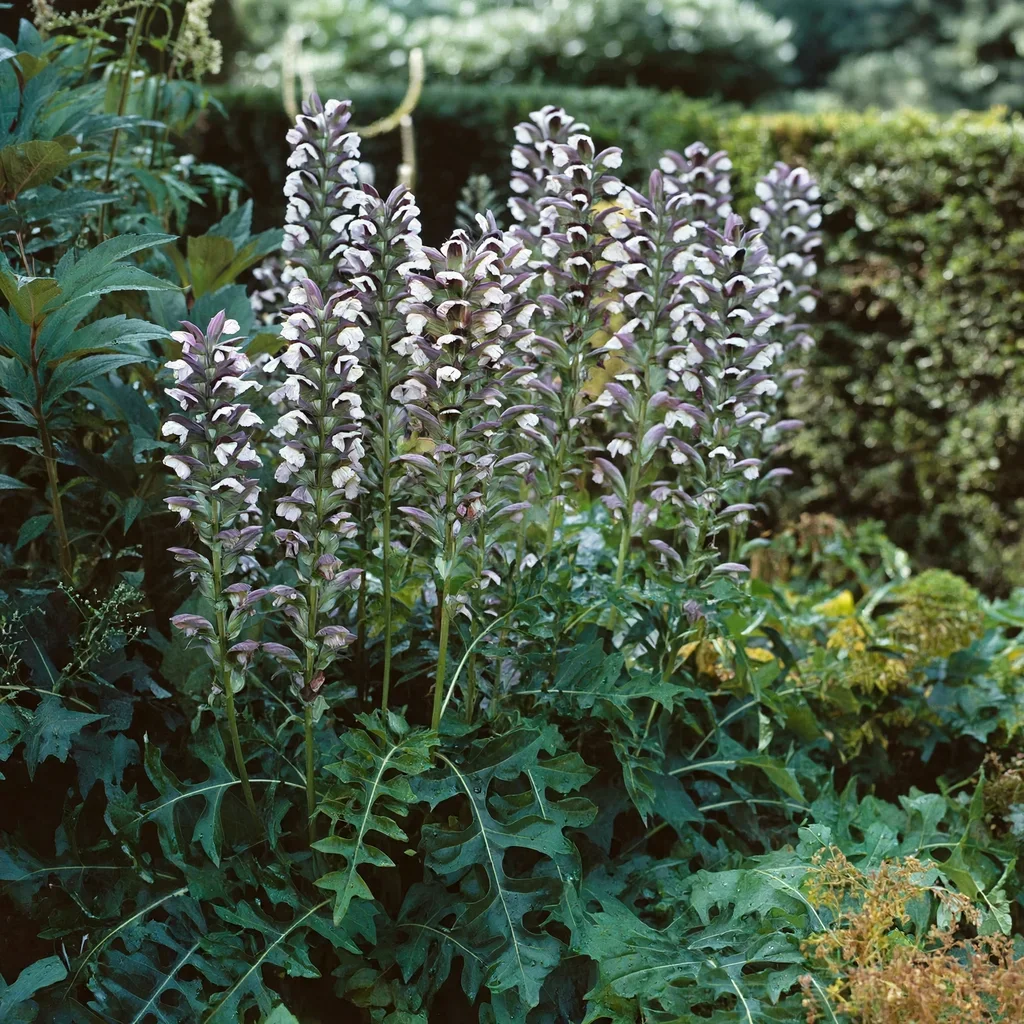
Balkan Bear's Breeches
Acanthus balcanicus
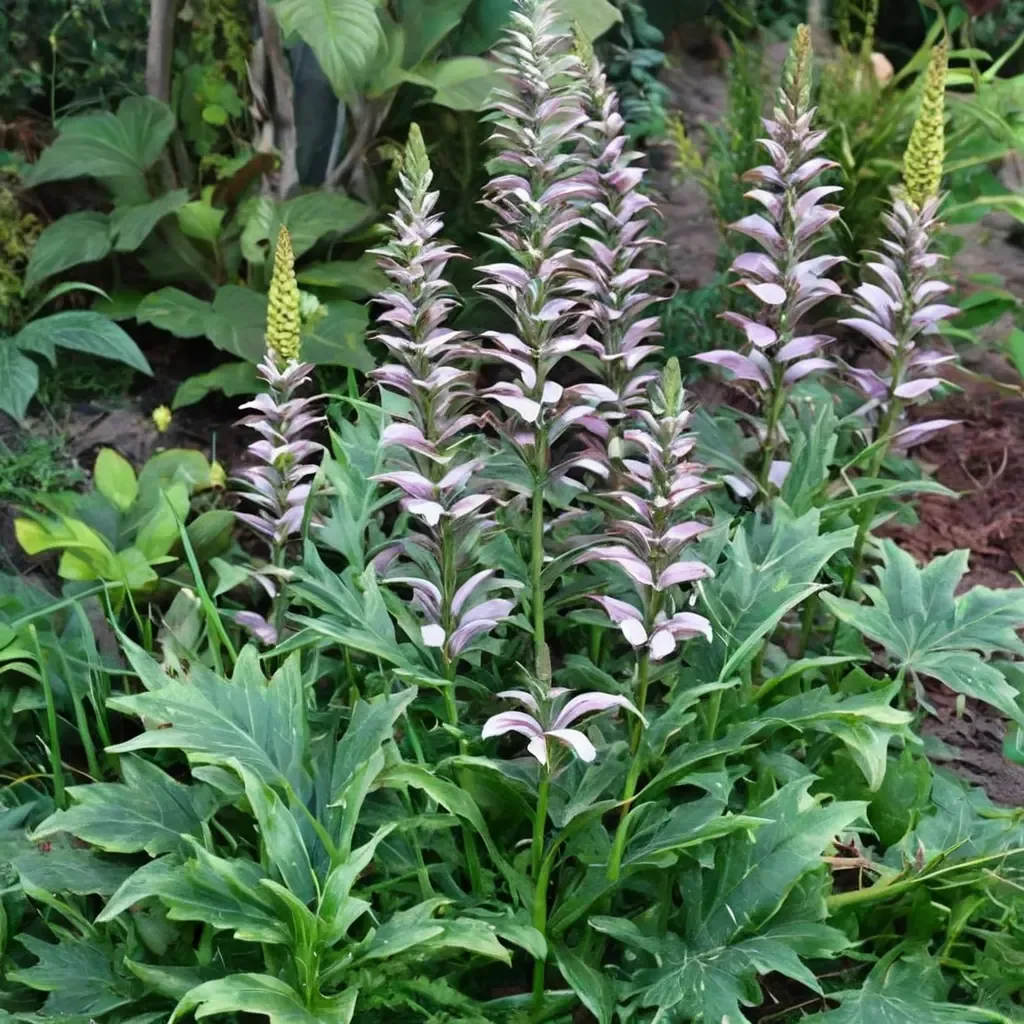
Hungarian Bear's Breeches
Acanthus hungaricus
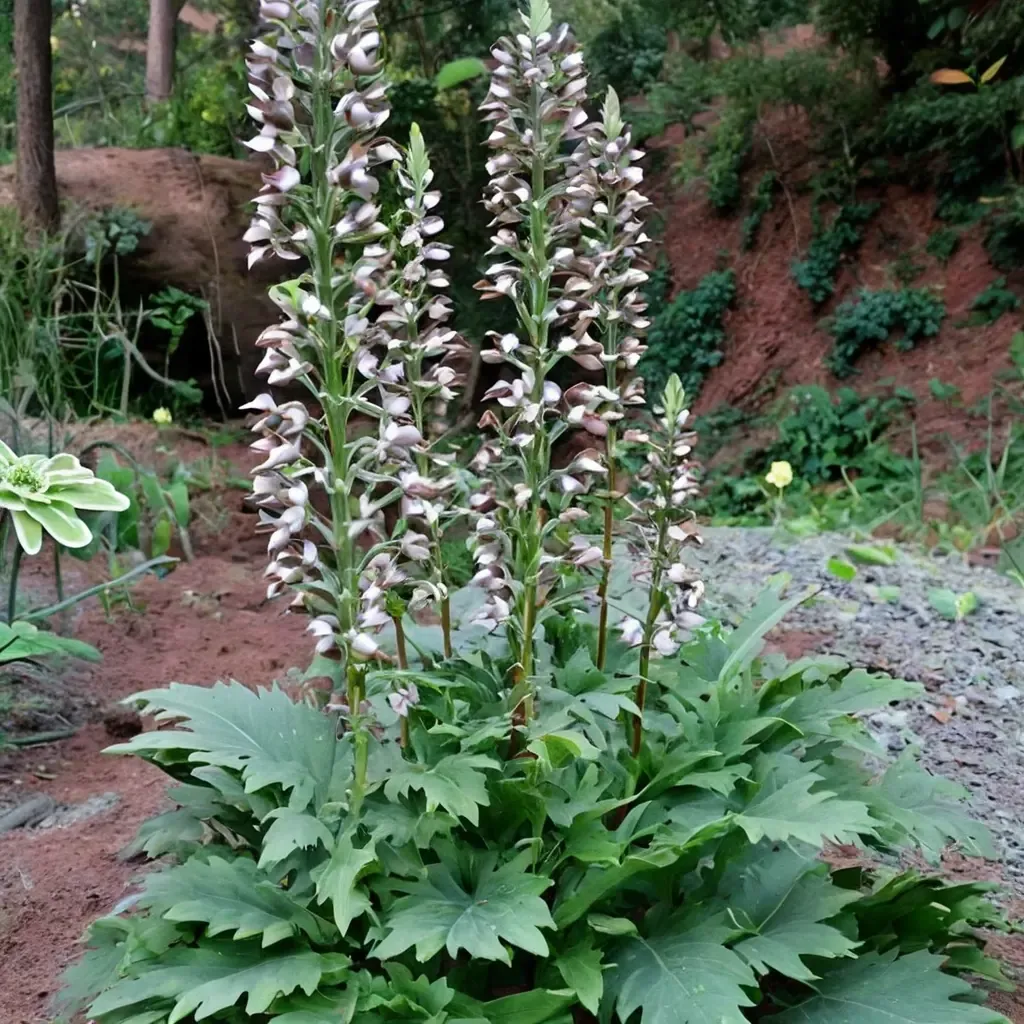
Summer Beauty Bear's Breeches
Acanthus mollis 'Summer Beauty'
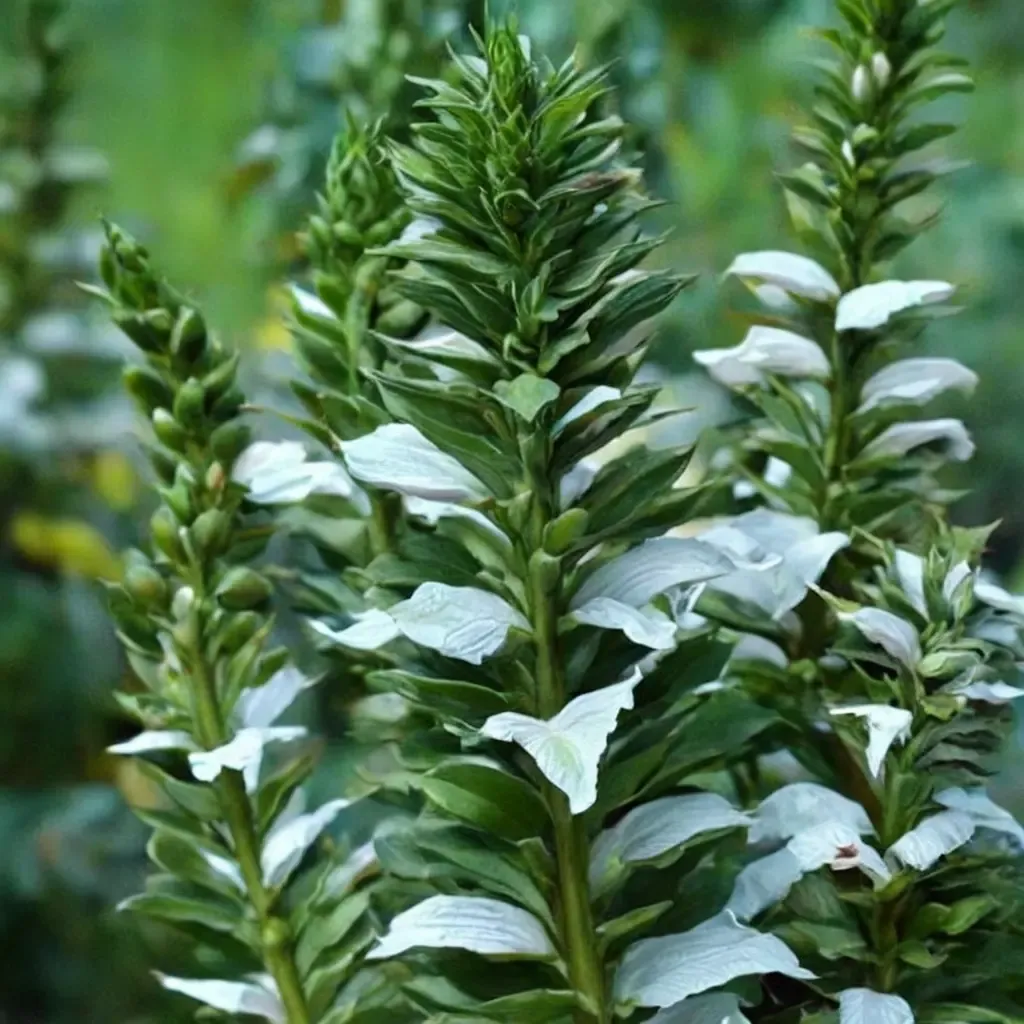
Rue Ledan Bear's Breeches
Acanthus mollis 'Rue Ledan'
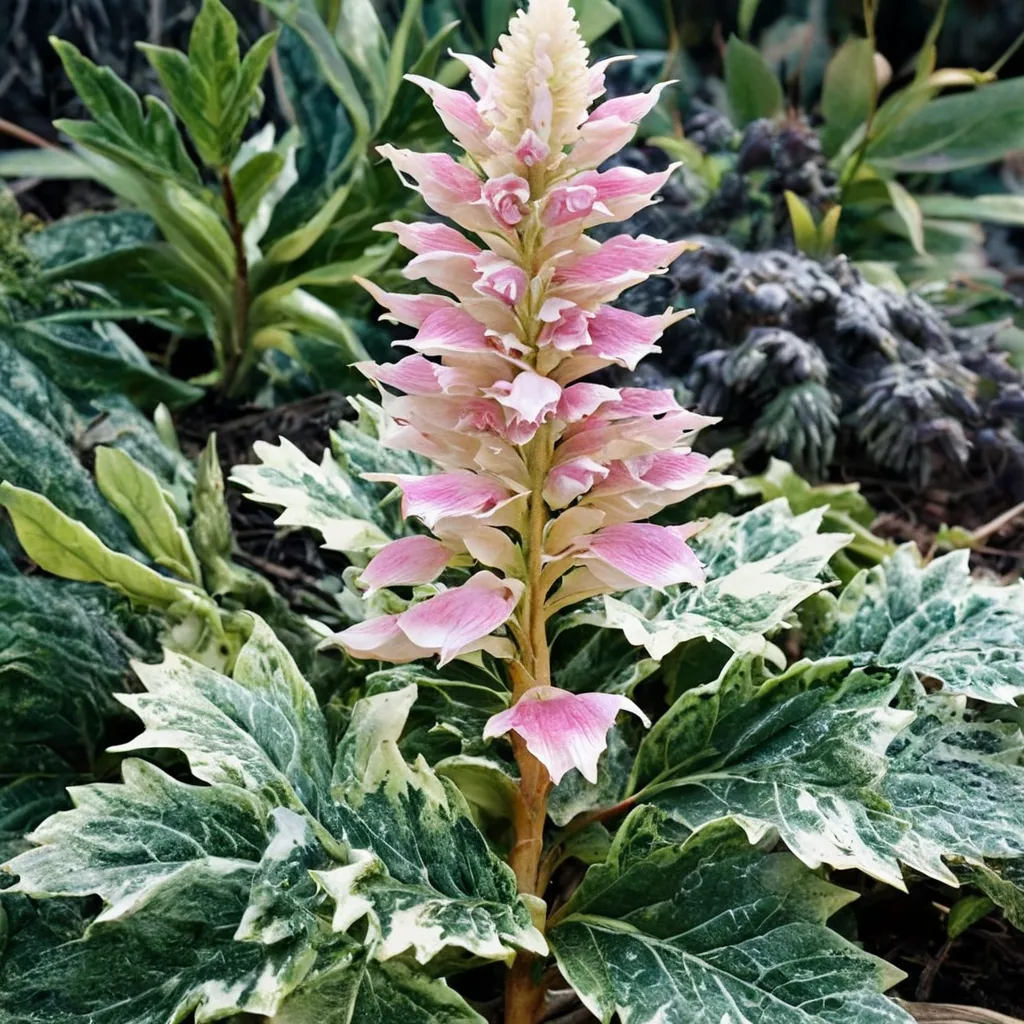
Tasmanian Angel Bear's Breeches
Acanthus mollis 'Tasmanian Angel'
Keep exploring
Explore the genus
Hardy in your zone?
Grow Bear's Breeches with confidence
See it in a design of your actual yard, get zone-matched care reminders, and track it season by season in your garden journal.