The Story
Plant Bio
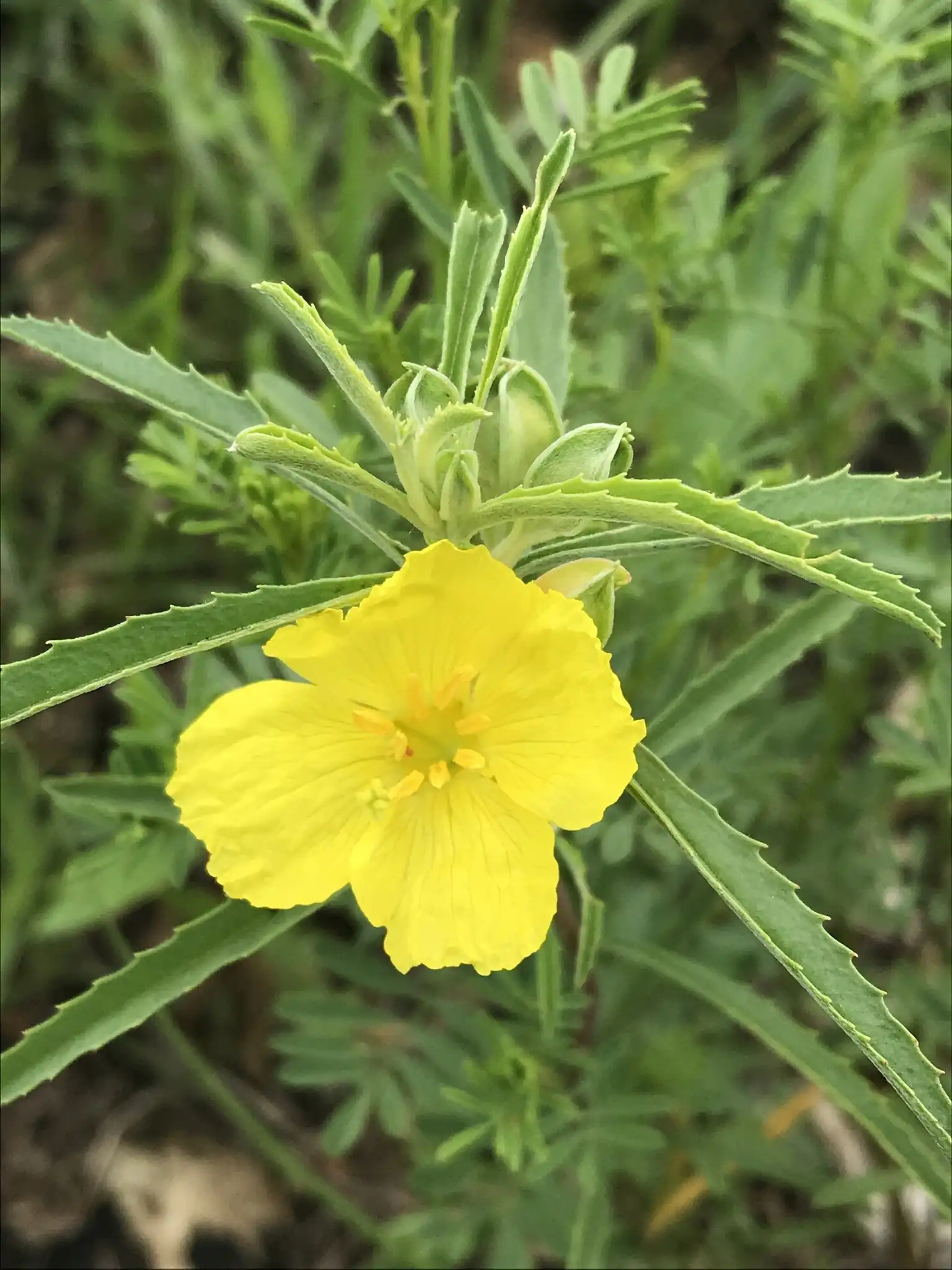
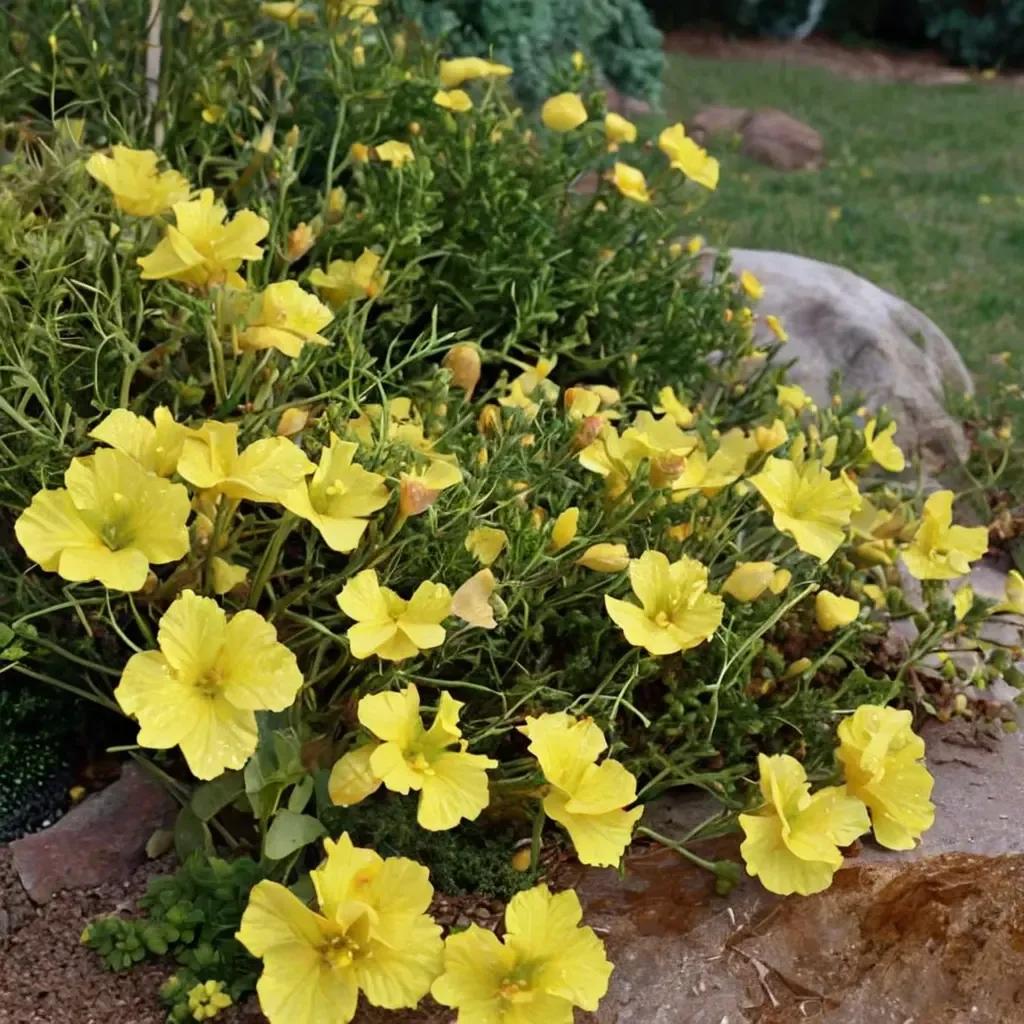
Oenothera serrulata, plains yellow sundrops, is a low taprooted perennial of the central North American prairies, six to eighteen inches high and about as wide. Clear yellow four-petalled flowers open along the stems through June and July above narrow, finely toothed leaves. It is still widely sold under its former name, Calylophus serrulatus.
The taproot is the thing to plan around: it makes the plant exceptionally drought tolerant once settled, and almost impossible to move afterwards. Plant it young, from a pot, straight into its final position. It thrives on dry gravelly ground where richer soil and regular watering would make it flop.
Uses & Benefits:
Essentials
At a Glance
Plant Type
Perennial
Height
12"
Width
18"
Light
Full Sun, Partial Sun
Zones
4, 5, 6, 7, 8
Water
Low
Humidity
Low
Lifespan
Perennial
Native To
Central North America
Toxicity
No significant toxicity reported
Planting
How to Grow
- Plant in full sun in dry, gravelly or sandy soil.
- Choose the final position before planting; it resents moving.
- Set young pot-grown plants rather than large divisions.
- Water lightly through the first season only.
- Skip feeding; lean soil keeps growth compact.
- Cut back to the base after flowering finishes.
Pro Tip
Site it once and leave it; the taproot that makes it so drought-proof also makes an established plant nearly impossible to transplant.
Keep It Thriving
Care Guide
Do
- Give it full sun and sharp drainage ☀️
- Plant young stock into its permanent spot 🌱
- Let it dry out between waterings 🏜️
- Cut back after flowering to tidy it ✂️
Don't
- Move an established plant ❌
- Feed or enrich the soil ❌
- Plant it in heavy ground that holds water ❌
Seasonal Care Calendar
| Task | Jan | Feb | Mar | Apr | May | Jun | Jul | Aug | Sep | Oct | Nov | Dec |
|---|---|---|---|---|---|---|---|---|---|---|---|---|
| Cut Back | ||||||||||||
| Plant |
Watch Out For
Pests & Diseases
Common Pests
Common Diseases
In the Garden
Landscape Uses & Companions
Landscape Uses
Multiply
Propagation Methods
Good to Know
Common Questions
Plains Yellow Primrose questions
What zones can Plains Yellow Primrose grow in?
Plains Yellow Primrose is hardy in USDA Zones 4–8. Inside that range it survives winter in the ground; outside it, grow it as an annual or a container plant you protect.
Is Plains Yellow Primrose deer resistant?
Yes — Plains Yellow Primrose is rated deer-resistant. Deer typically pass it over, though extreme hunger can override any plant's defenses.
When does Plains Yellow Primrose bloom?
Plains Yellow Primrose typically blooms in june to july through late summer. Exact timing shifts a week or two with your zone — Sow's bloom calendar maps it to your garden.
Does Plains Yellow Primrose need full sun?
Plains Yellow Primrose does best in full sun to part shade. In hot climates, afternoon shade keeps blooms fresher longer.
Is Plains Yellow Primrose drought tolerant?
Yes — once established (usually after the first full season), Plains Yellow Primrose handles dry spells with minimal watering. Water deeply its first year to build the root system that makes that possible.
More Oenothera to compare
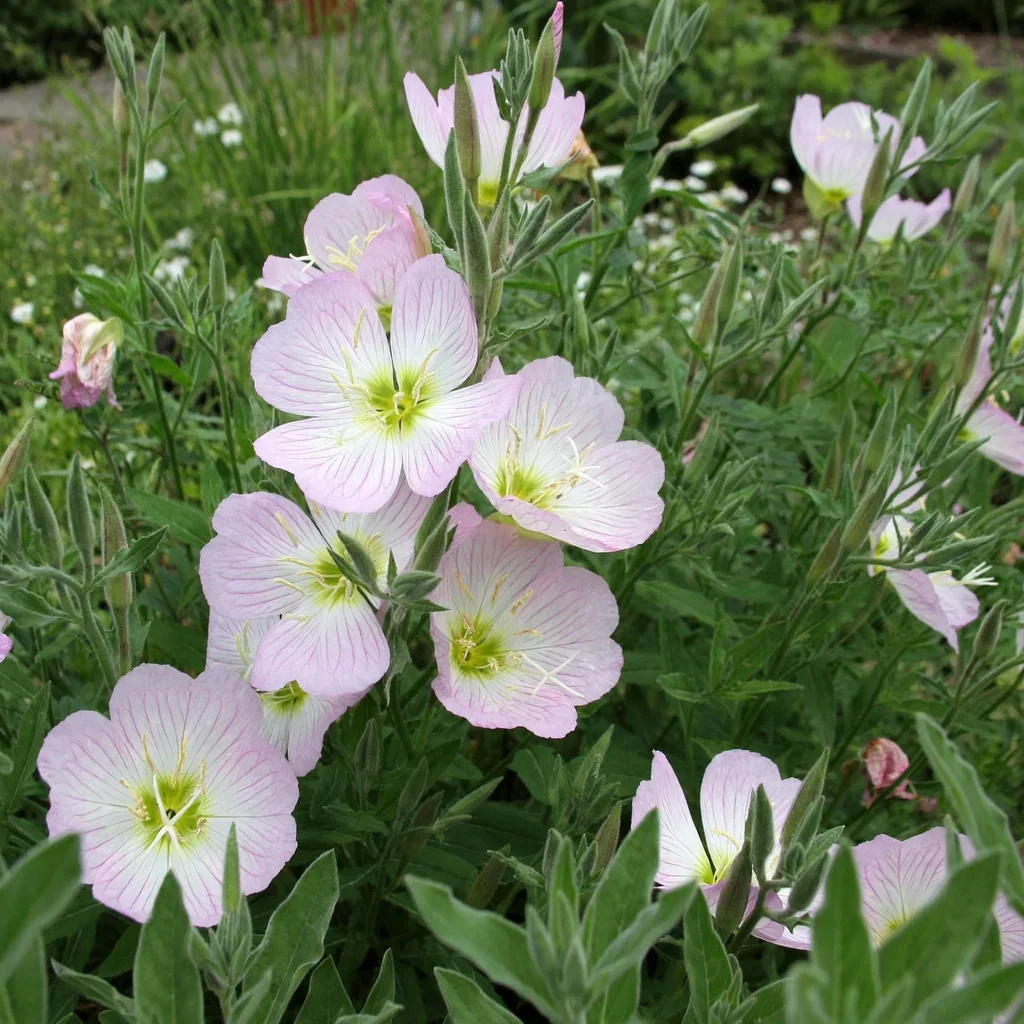
Pink Evening Primrose
Oenothera speciosa
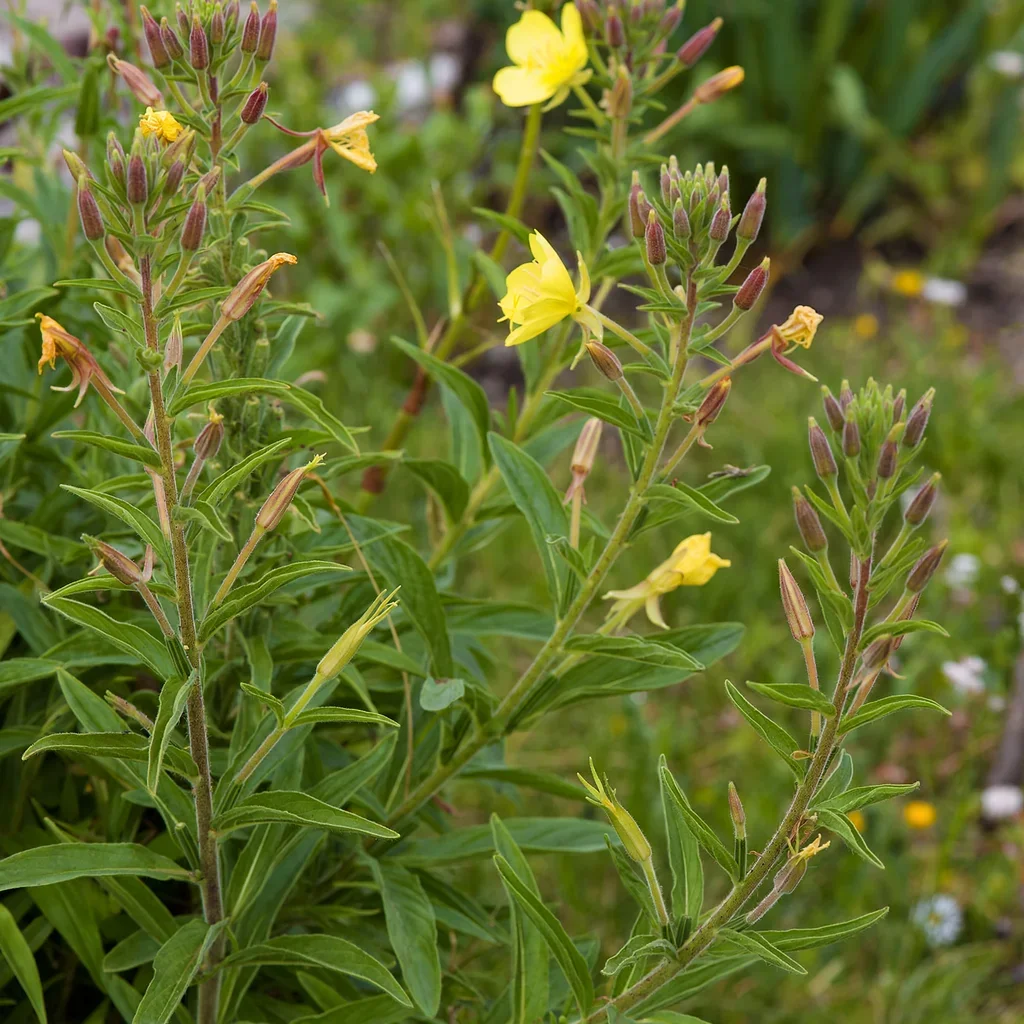
Evening Primrose
Oenothera biennis
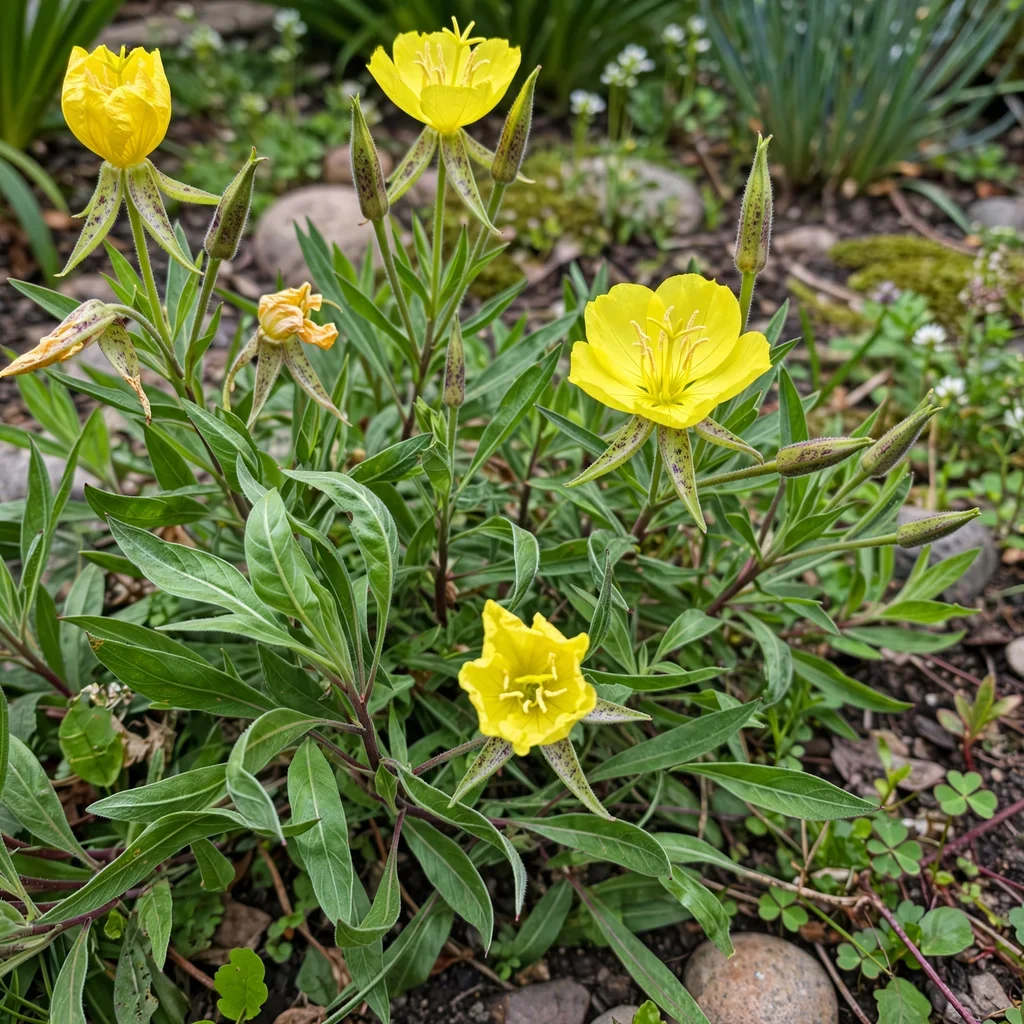
Missouri Evening Primrose Giant Evening Primrose
Oenothera macrocarpa
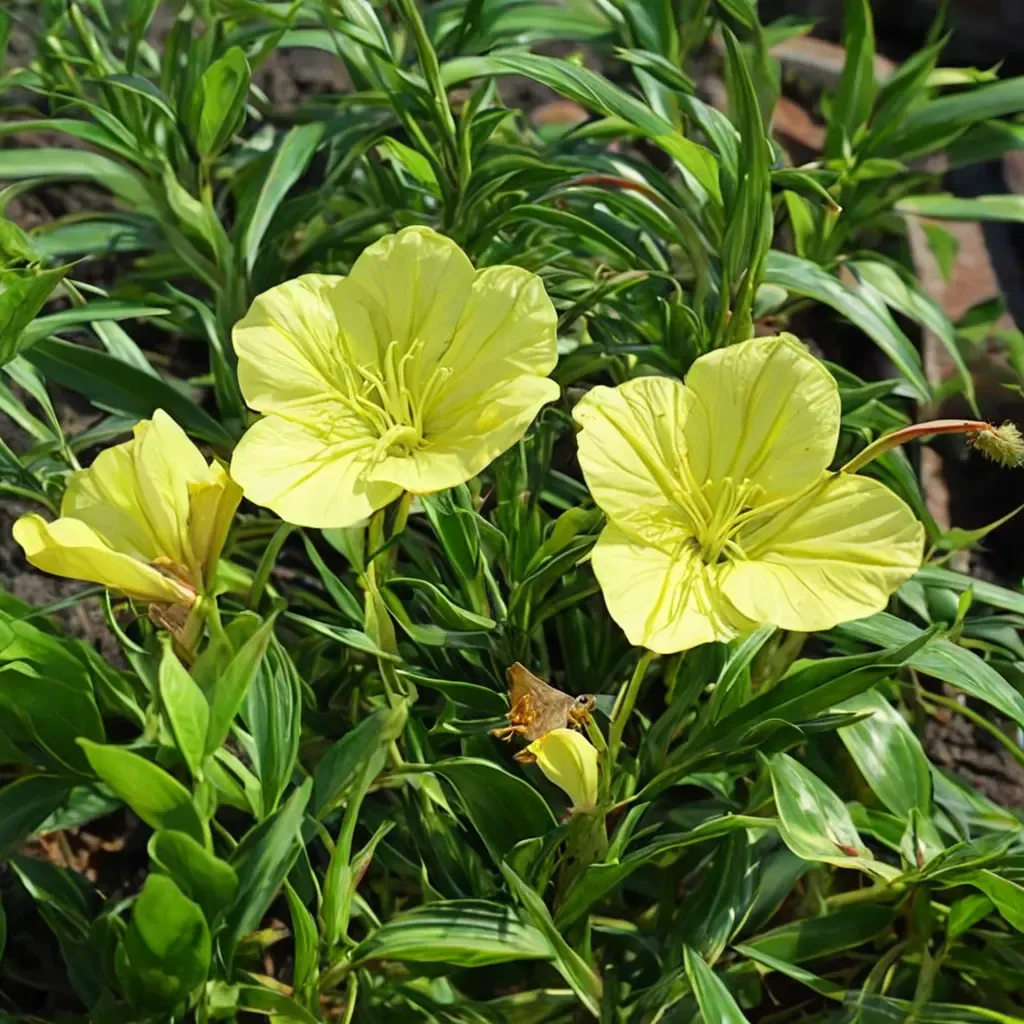
Ozark Sundrop
Oenothera missouriensis 'Ozark Sundrop'
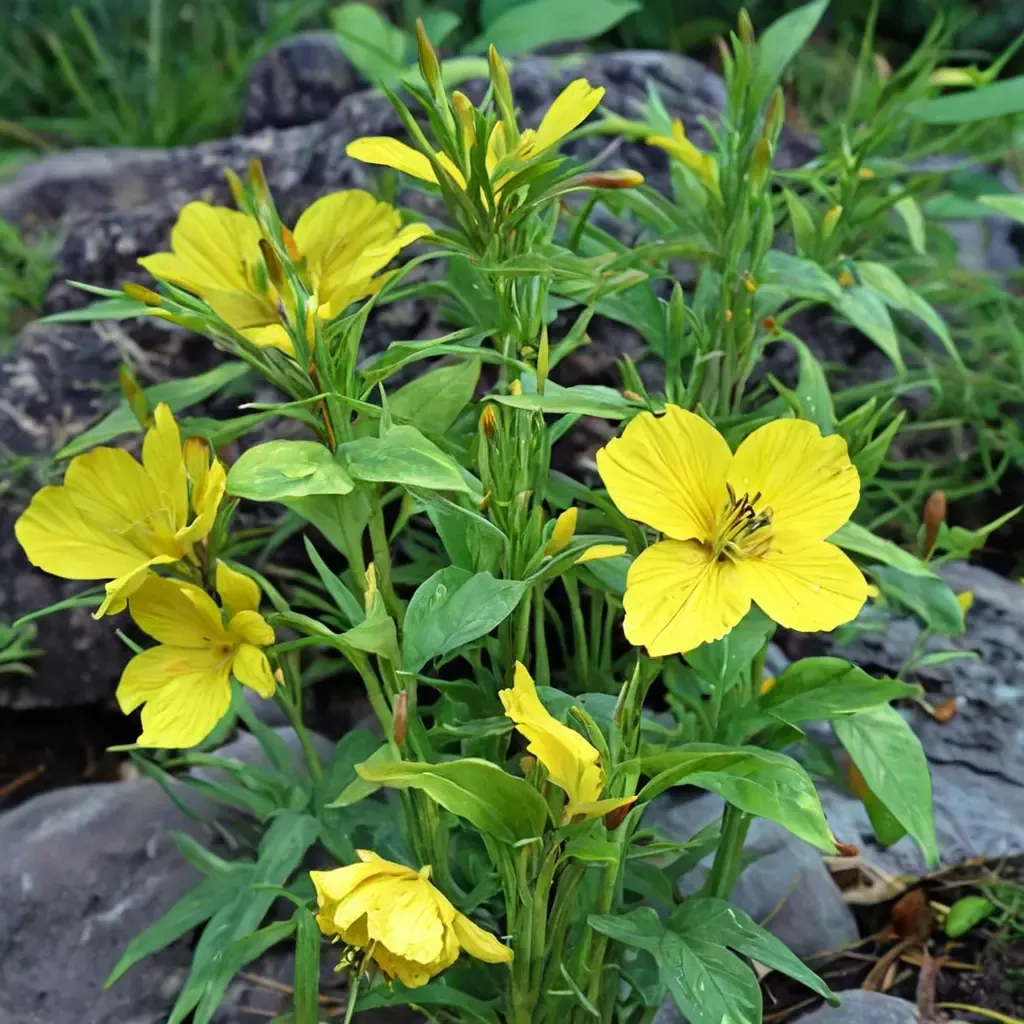
Native Yellow Sundrops
Oenothera fruticosa 'Native Yellow Bellflower'
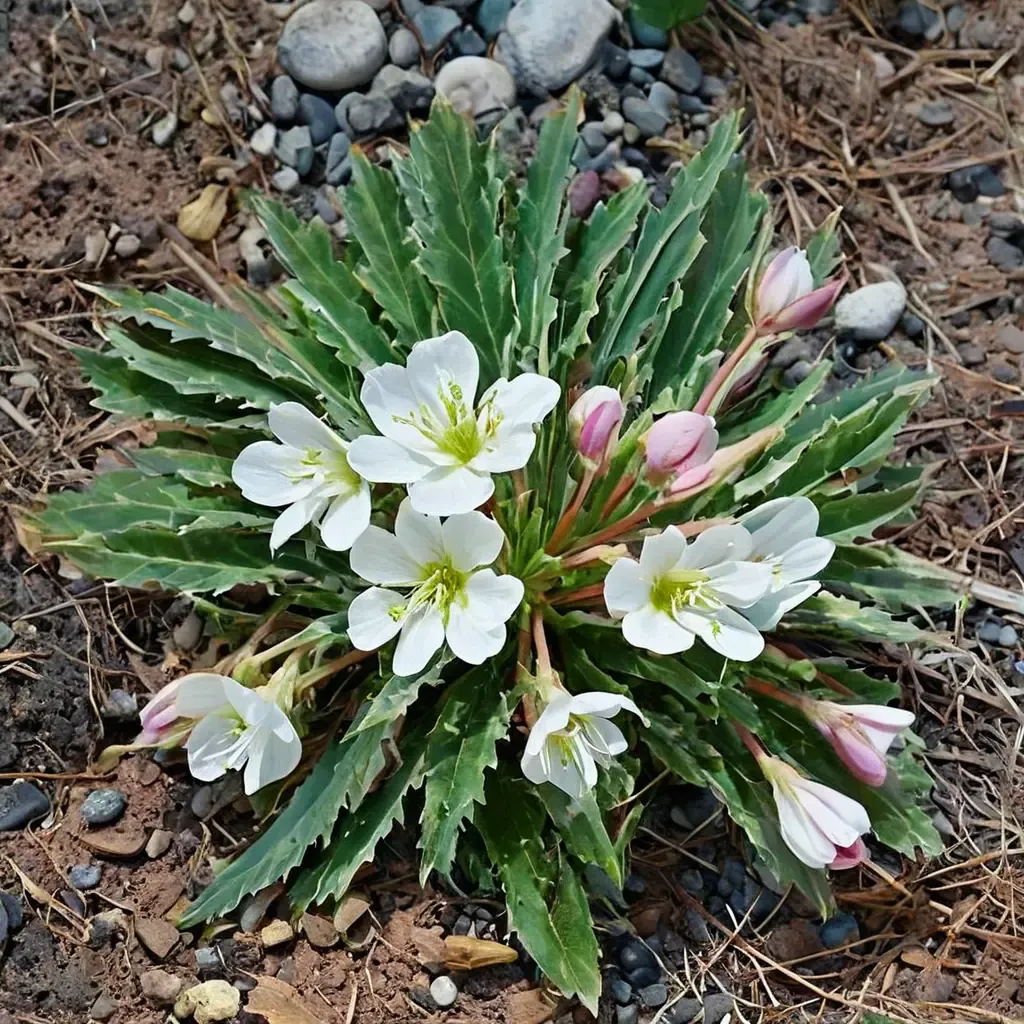
Tufted Evening Primrose
Oenothera caespitosa
Keep exploring
Explore the genus
Hardy in your zone?
Grow Plains Yellow Primrose with confidence
See it in a design of your actual yard, get zone-matched care reminders, and track it season by season in your garden journal.