The Story
Plant Bio
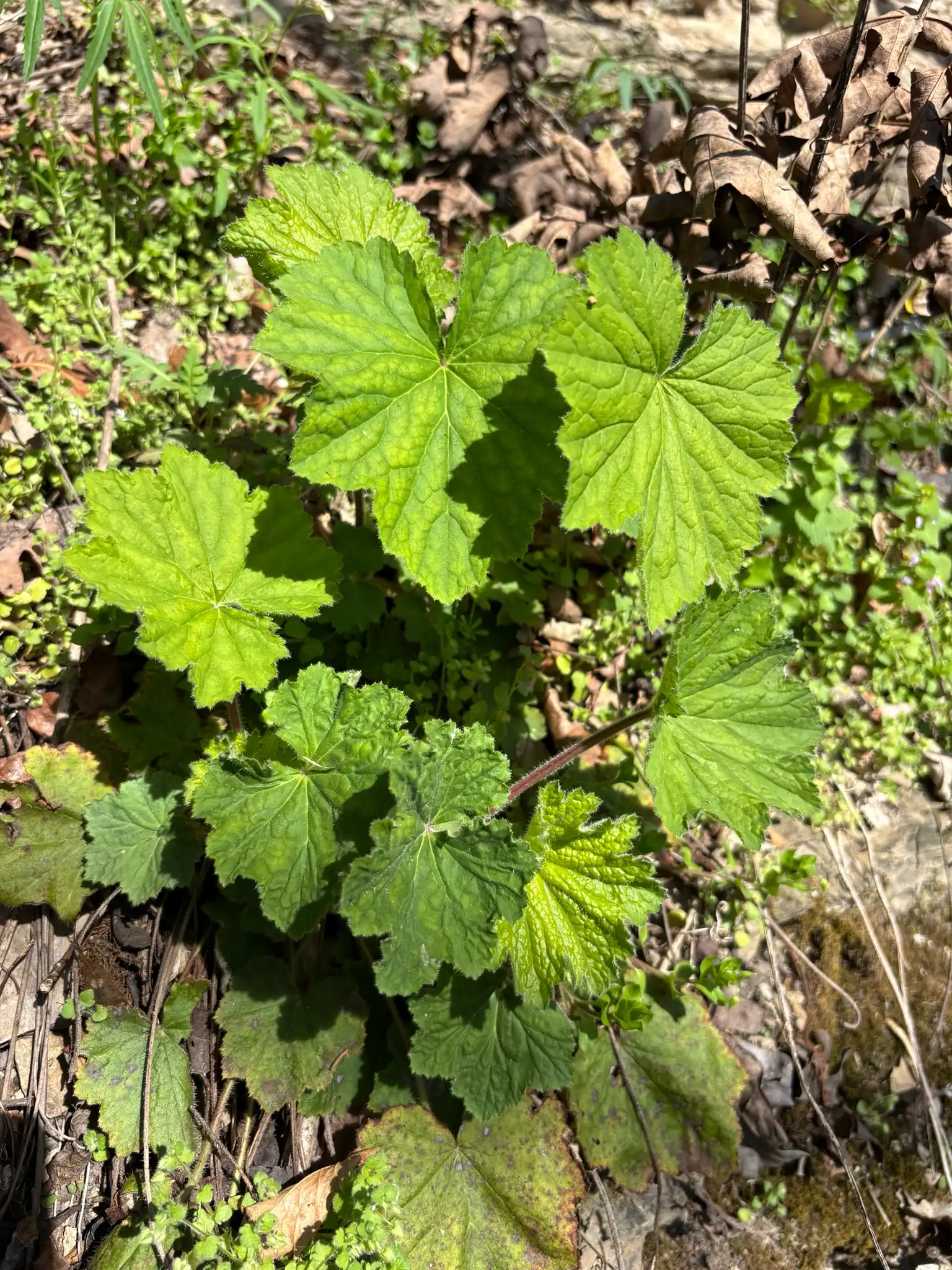
Heuchera villosa, the hairy alumroot, is a robust, low-mounding perennial native to the eastern United States, where it grows on shaded rocky ledges and rich forest floors. It forms a dense basal rosette of large, velvety, maple-like leaves that remain semi-evergreen in milder climates, topped by airy panicles of tiny flowers in late season.
The variety macrorhiza is distinguished by its preference for calcareous soils in the wild and its large, coarse-textured foliage that emerges chartreuse before taking on bronze tones in the cold. Its late-summer flower spikes carry hundreds of tiny, creamy-white florets on rusty-brown stems.
Uses & Benefits:
Essentials
At a Glance
Plant Type
Perennial
Height
36"
Width
24"
Light
Partial Sun, Shade
Zones
4, 5, 6, 7, 8, 9
Water
Medium
Humidity
High
Lifespan
Perennial
Native To
North America
Toxicity
Non-toxic
Bloom period
Late summer – Autumn
In flower about 4 months of the year
Planting
How to Grow
- Select a planting site with partial to full shade and excellent drainage, avoiding low spots where water collects.
- Incorporate organic matter such as compost or leaf mold into the soil to mimic its native woodland habitat.
- Set the plant so the crown sits slightly above the soil line to prevent rot from settling into the center.
- Water thoroughly after planting and maintain consistent moisture until the root system is fully established.
Pro Tip
Plant in sharply drained, humus-rich soil to prevent crown rot, and avoid hot afternoon sun which scorches the velvety foliage. This species possesses exceptional heat and humidity tolerance compared to western alumroots, making it highly reliable in humid summer climates.
Keep It Thriving
Care Guide
Do
- Apply a light layer of organic mulch annually to conserve soil moisture.
- Cut back ragged or winter-damaged leaves in early spring to make way for fresh growth.
- Divide the root clumps every three to four years to prevent overcrowding and maintain vigor.
- Apply a winter mulch after the ground freezes in cold zones to prevent frost heaving.
Don't
- Do not plant in heavy, poorly drained clay soils that remain waterlogged.
- Do not bury the central crown beneath soil or heavy mulch.
- Do not plant in locations exposed to harsh, drying afternoon sun.
- Do not overwater once established, as excessive moisture triggers root rot.
Seasonal Care Calendar
| Task | Jan | Feb | Mar | Apr | May | Jun | Jul | Aug | Sep | Oct | Nov | Dec |
|---|---|---|---|---|---|---|---|---|---|---|---|---|
| Deadhead | ||||||||||||
| Divide | ||||||||||||
| Mulch | ||||||||||||
| Spring Cleanup | ||||||||||||
| Winter Prep |
Watch Out For
Pests & Diseases
Common Pests
Common Diseases
In the Garden
Landscape Uses & Companions
Landscape Uses
Multiply
Propagation Methods
Good to Know
Common Questions
Hairy Alumroot questions
What zones can Hairy Alumroot grow in?
Hairy Alumroot is hardy in USDA Zones 4–9. Inside that range it survives winter in the ground; outside it, grow it as an annual or a container plant you protect.
Is Hairy Alumroot deer resistant?
Yes — Hairy Alumroot is rated deer-resistant. Deer typically pass it over, though extreme hunger can override any plant's defenses.
When does Hairy Alumroot bloom?
Hairy Alumroot typically blooms in late summer through autumn. Exact timing shifts a week or two with your zone — Sow's bloom calendar maps it to your garden.
Does Hairy Alumroot need full sun?
Hairy Alumroot does best in part shade.
Is Hairy Alumroot drought tolerant?
Yes — once established (usually after the first full season), Hairy Alumroot handles dry spells with minimal watering. Water deeply its first year to build the root system that makes that possible.
More Heuchera to compare
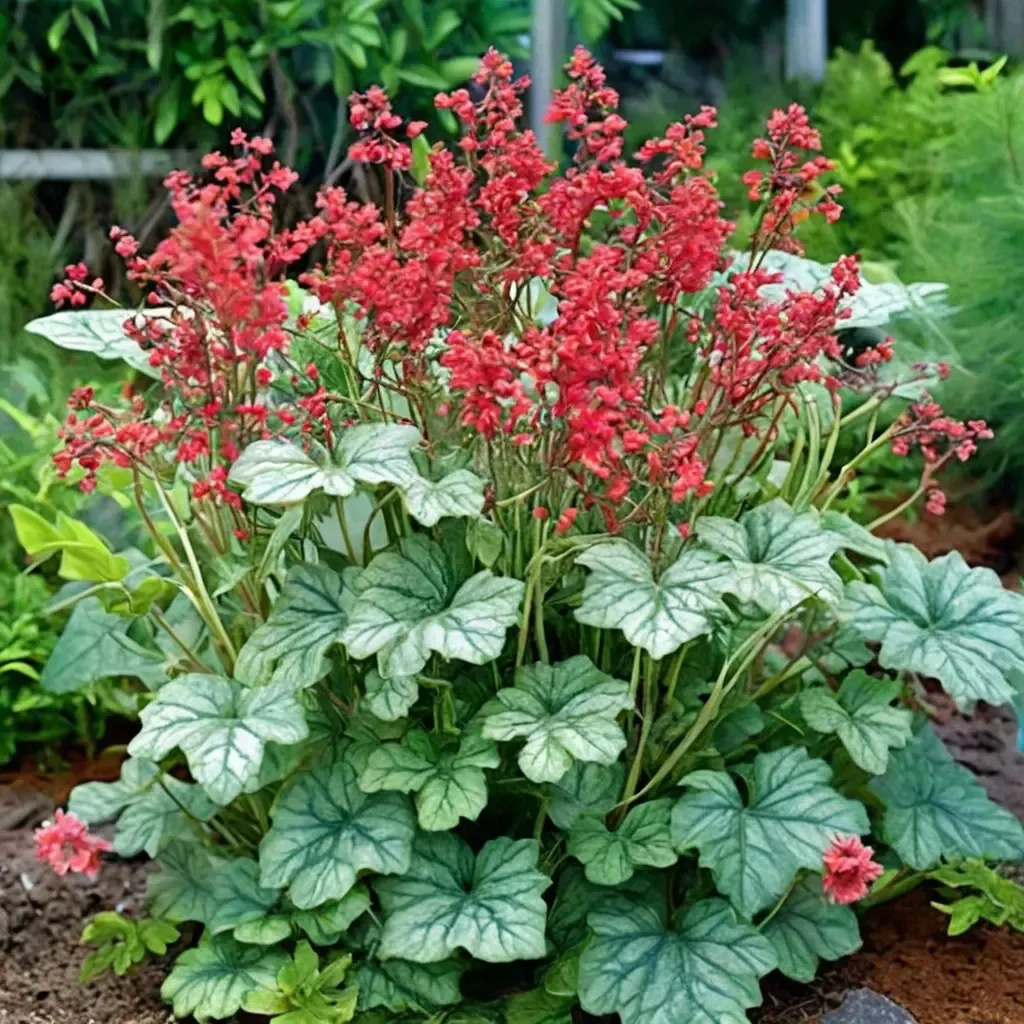
Mixed Coral Bells
Heuchera sanguinea 'Mixed Coral Bells'
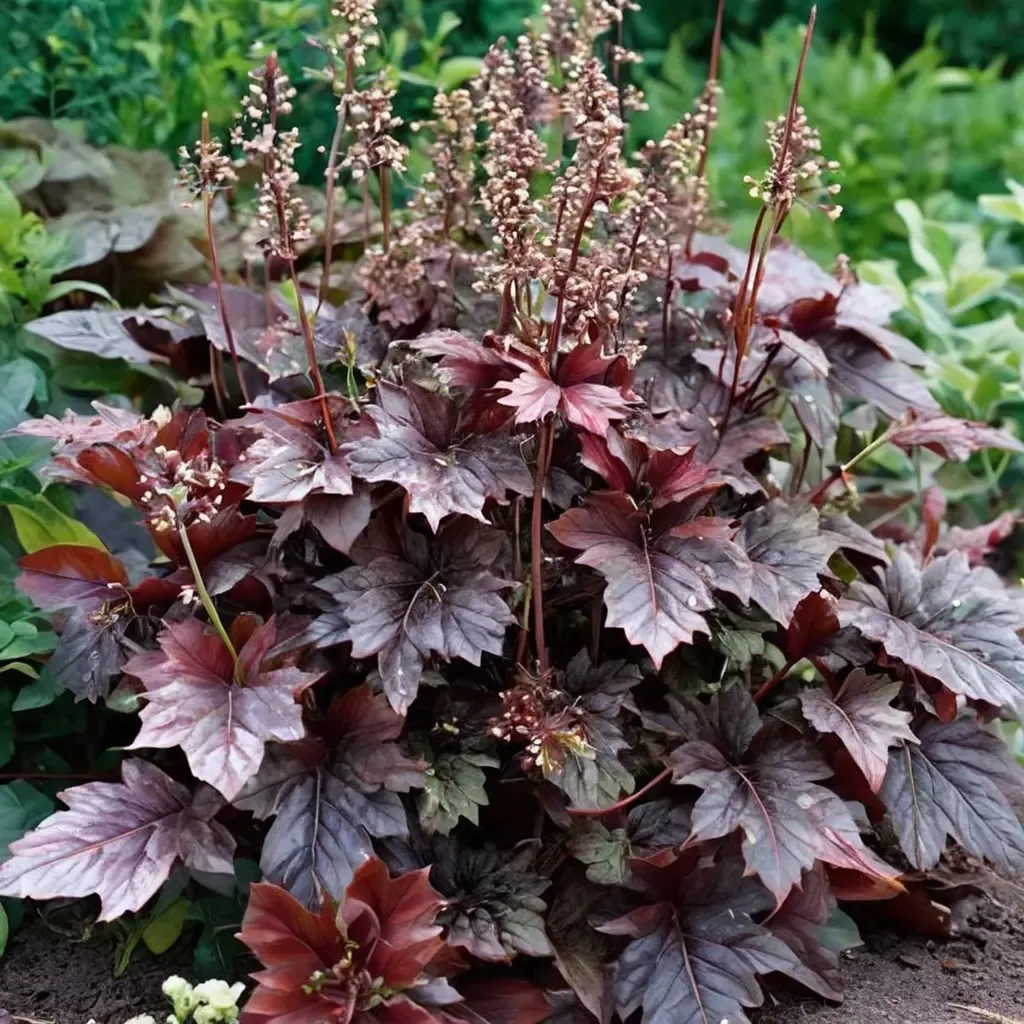
Palace Purple Coral Bells
Heuchera americana 'Palace Purple'
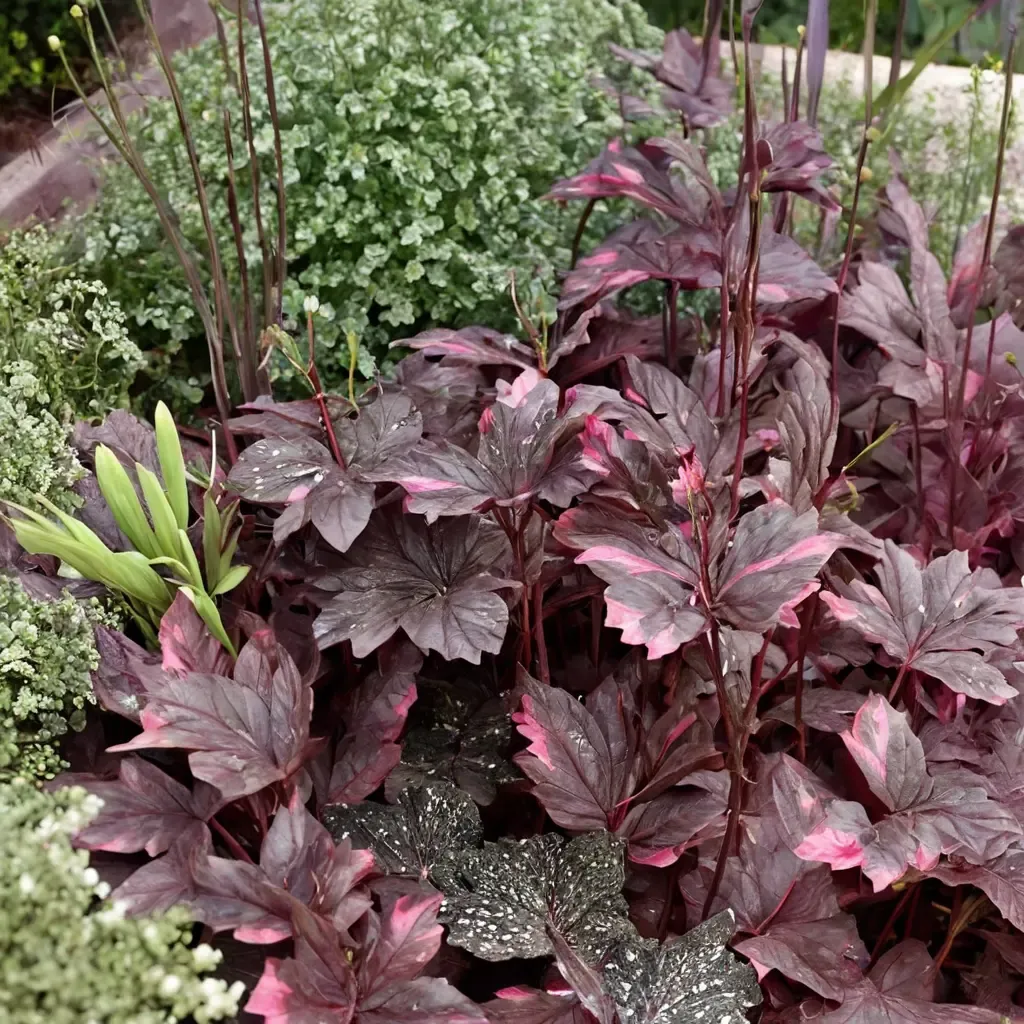
Midnight Rose Coral Bell
Heuchera x brizoides 'Midnight Rose'
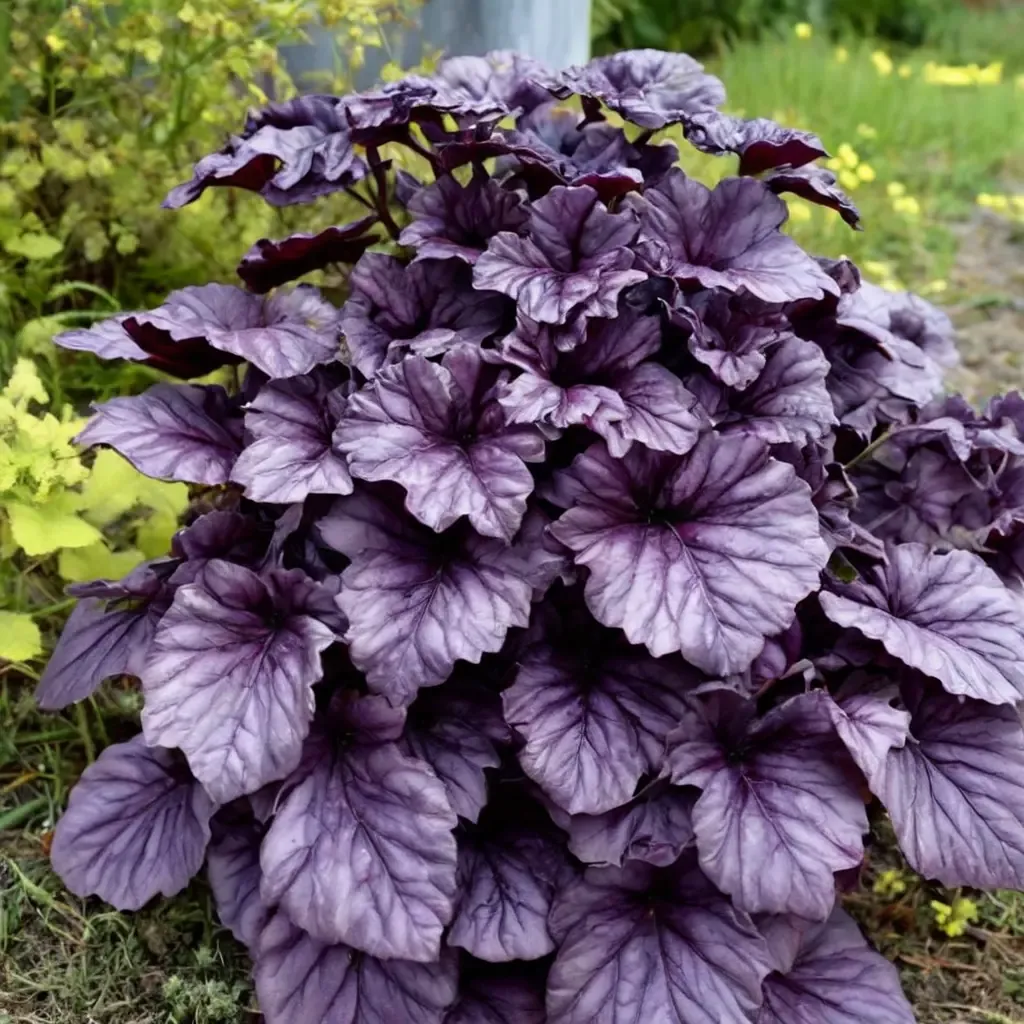
Wildberry Coral Bells
Heuchera x brizoides 'Wildberry'
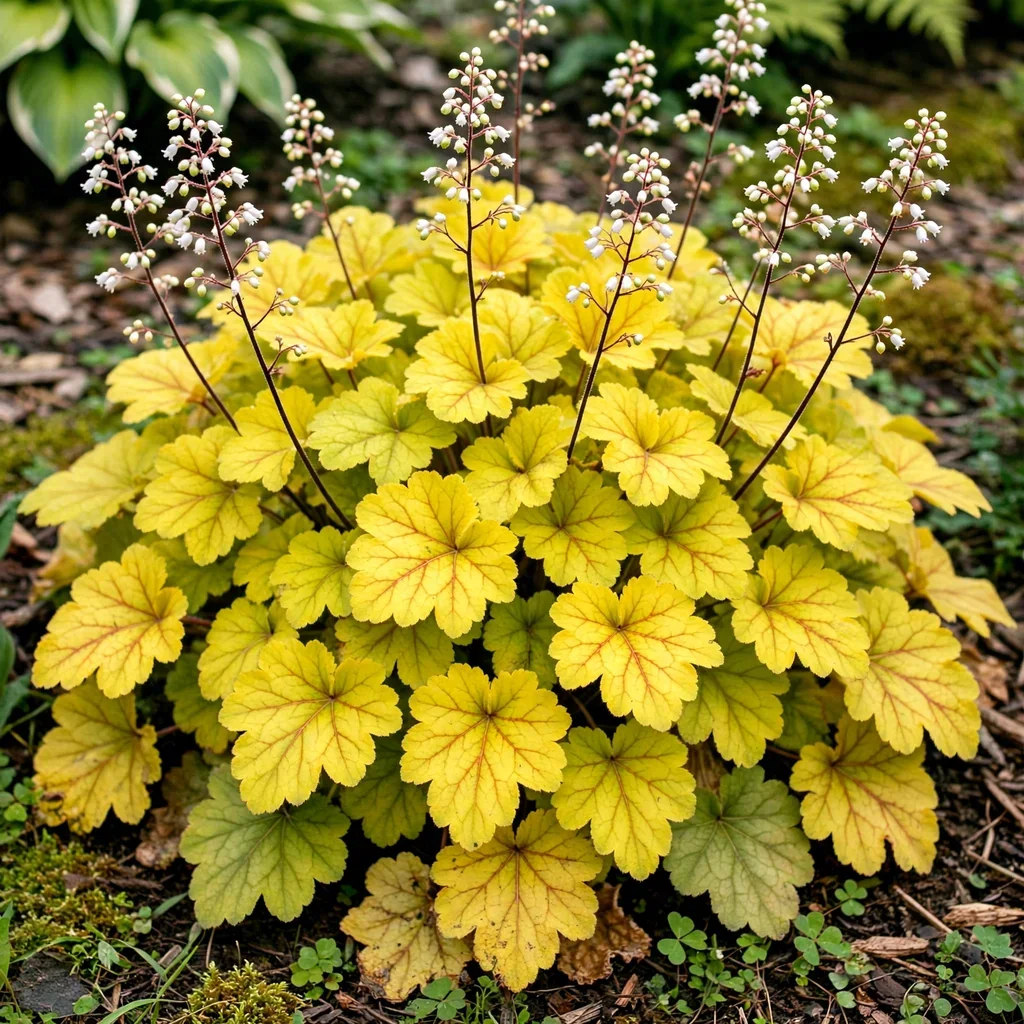
Electra Coral Bells
Heuchera sanguinea 'Electra'
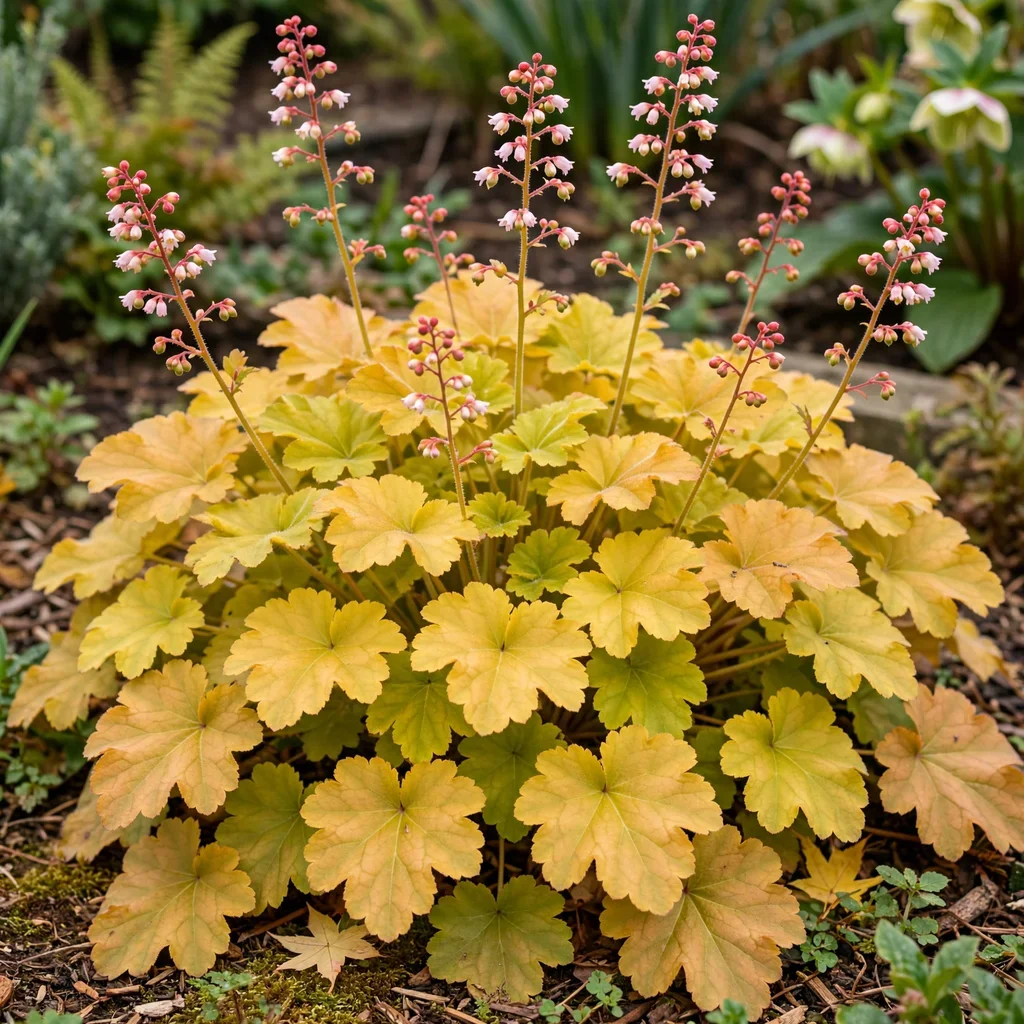
Caramel Coral Bells
Heuchera sanguinea 'Caramel'
Keep exploring
Explore the genus
Grow Hairy Alumroot with confidence
See it in a design of your actual yard, get zone-matched care reminders, and track it season by season in your garden journal.