
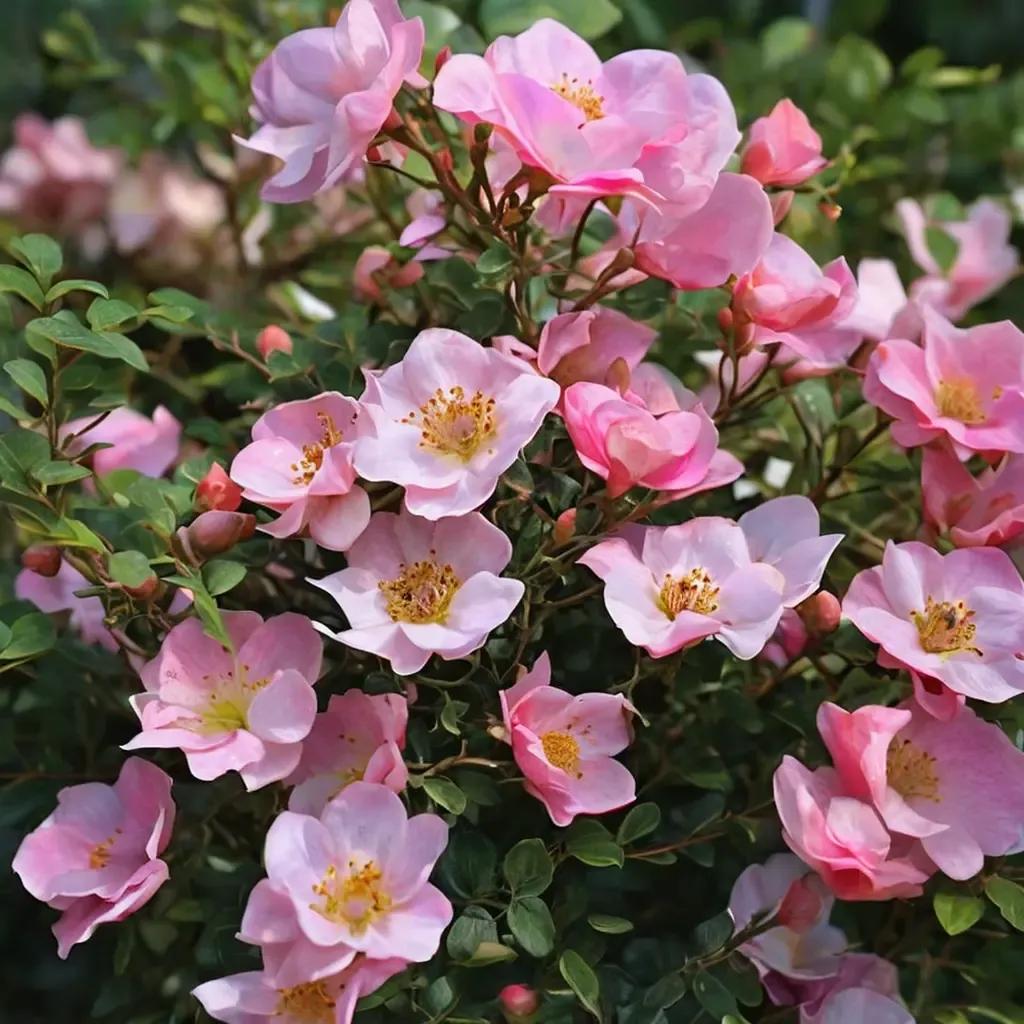


The Story
Plant Bio
Rosa, the genus of roses, comprises woody deciduous perennials known for their alternate, pinnately compound leaves, sharp prickles, and showy flowers with numerous stamens. These plants thrive in temperate climates, requiring well-drained soils and ample sunlight to develop strong root systems and abundant blooms.
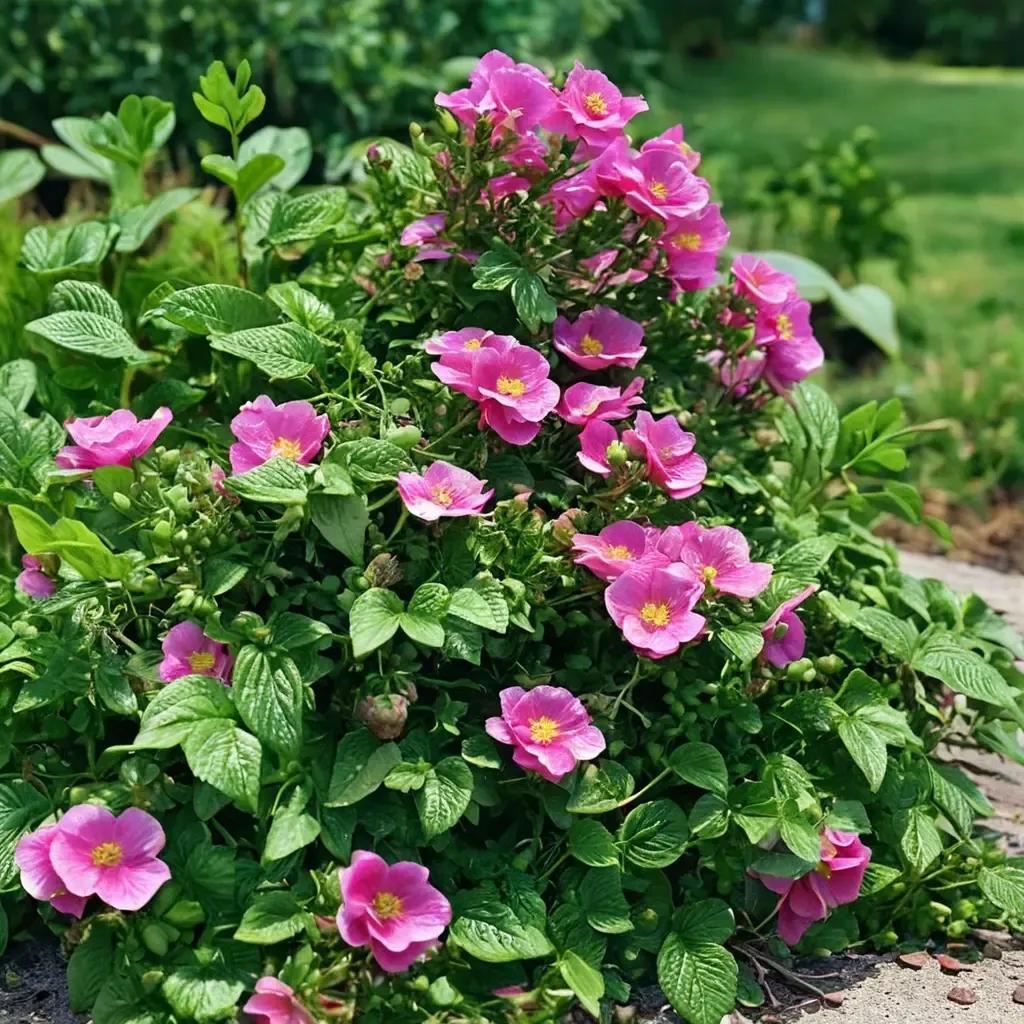
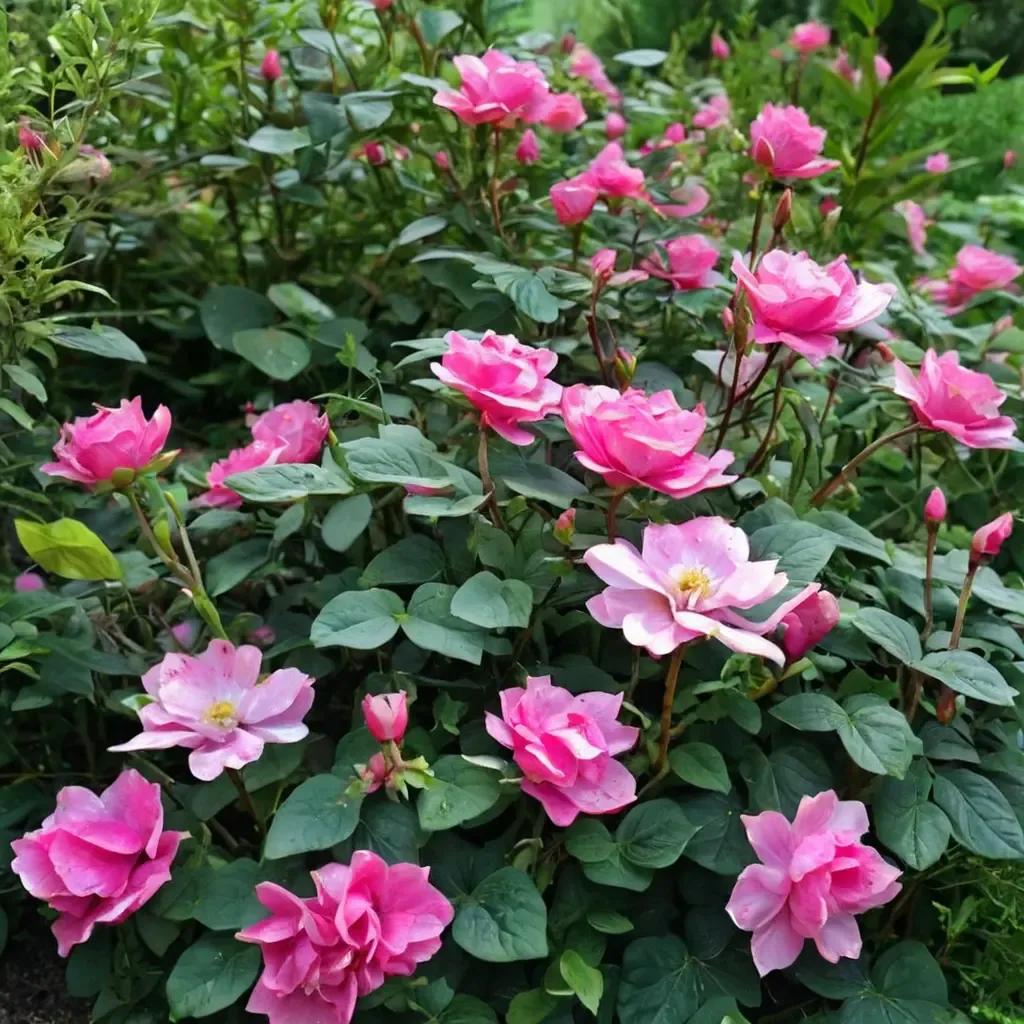
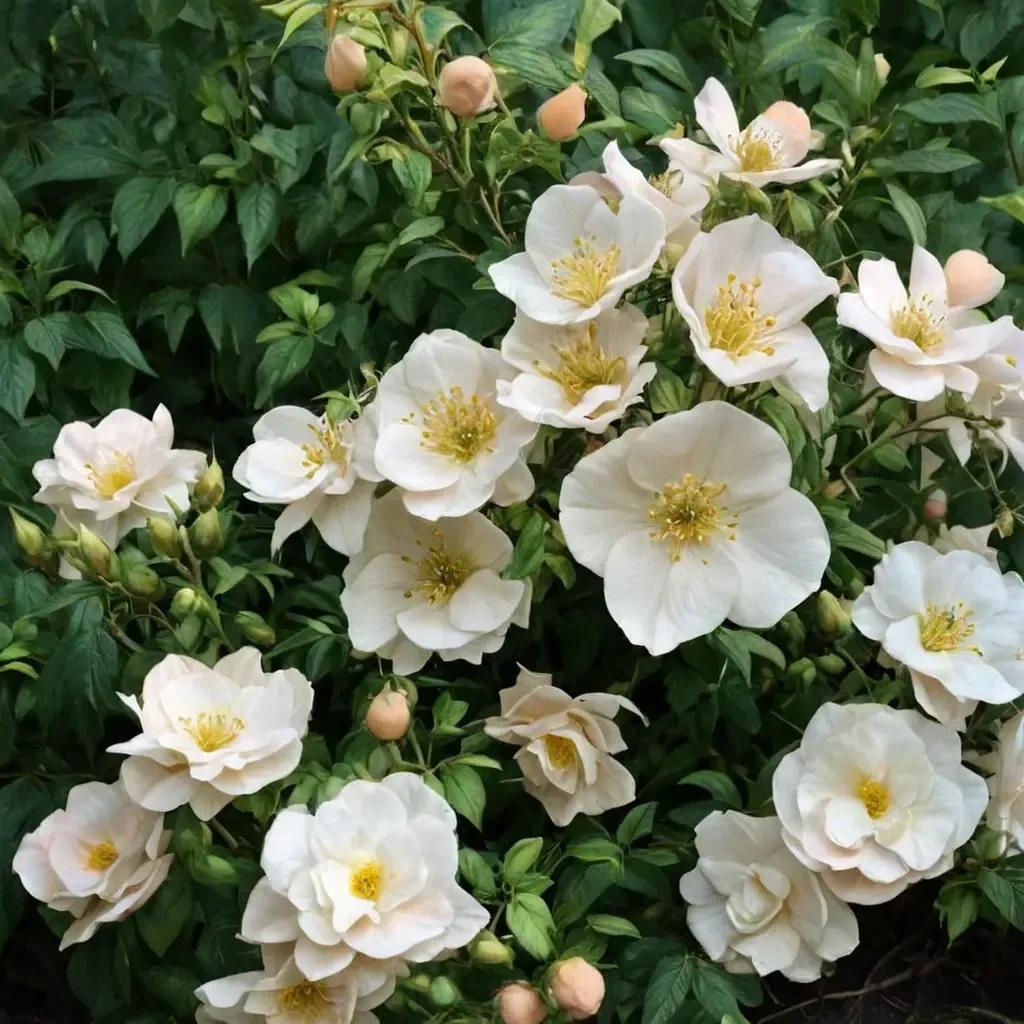
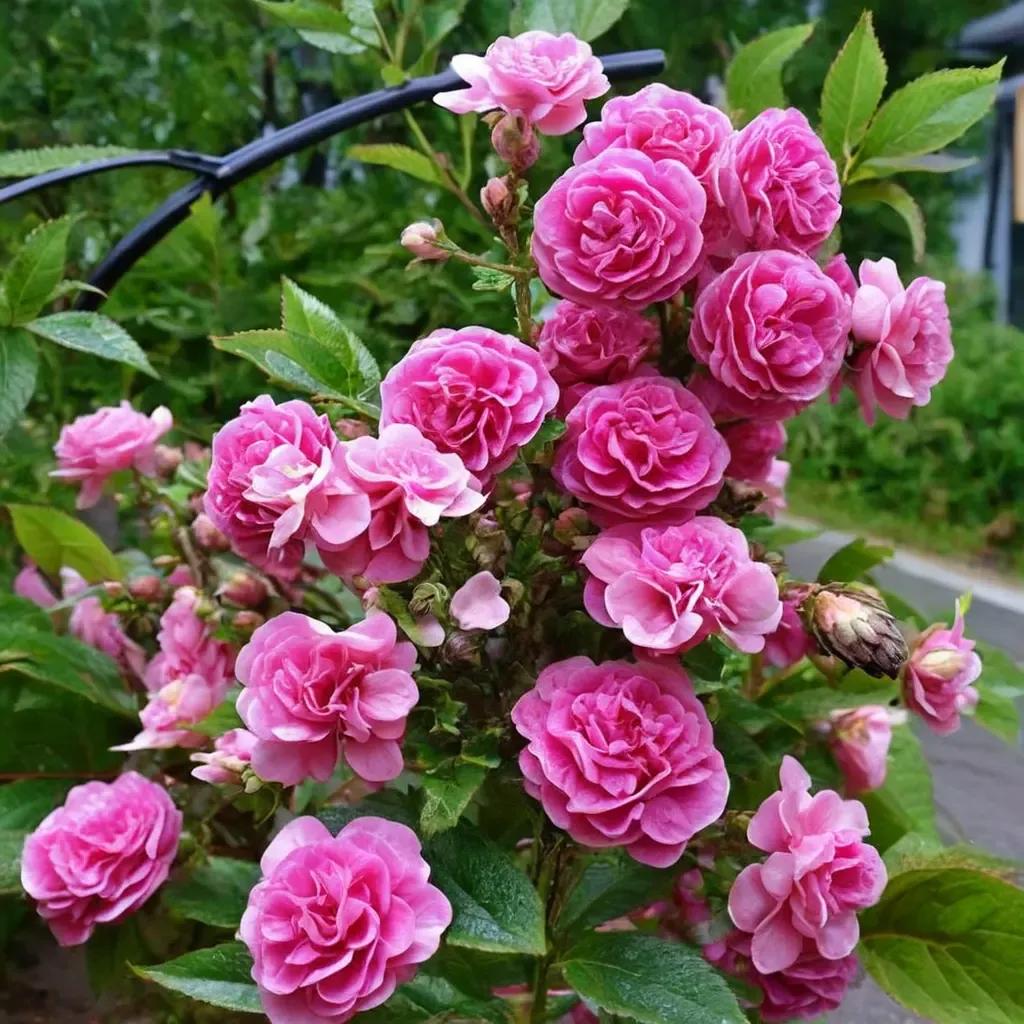
'Hansestadt Rostock' is a compact, upright floribunda shrub rose distinguished by its dense clusters of double flowers that transition from deep amber to apricot and soft orange. The glossy, fresh green foliage provides a highly disease-resistant backdrop for the continuous flushes of blooms from early summer through fall.
Uses & Benefits:
Essentials
At a Glance
Plant Type
Shrub
Height
31"
Width
24"
Light
Full Sun, Partial Sun
Zones
6, 7, 8, 9
Water
Moderate
Humidity
Moderate
Lifespan
Long-lived
Native To
Germany (cultivar)
Toxicity
Non-toxic (has thorns)
Bloom period
Summer – Fall
In flower about 6 months of the year
Planting
How to Grow
- Select a planting site that receives at least six hours of direct sunlight daily and features deep, well-draining loamy soil.
- Dig a hole twice as wide as the root ball, mixing organic compost into the backfill to improve nutrient retention and drainage.
- Position the plant so the graft union sits at or slightly below the soil level, backfill the hole, and water thoroughly to settle the soil.
- Apply a three-inch layer of organic mulch around the base to retain moisture, keeping the mulch a few inches away from the main stems.
Pro Tip
Avoid burying the graft union too deeply in heavy soils, but ensure the root flare is positioned just below the soil surface in colder zones to protect the bud union from severe winter freeze.
Keep It Thriving
Care Guide
Do
- Prune stems back by one-third to one-half in early spring to stimulate vigorous new flowering wood.
- Deadhead spent flower clusters regularly throughout the season to promote continuous reblooming.
- Clean up and dispose of fallen autumn leaves to prevent fungal spores from overwintering in the soil.
Don't
- Do not water the foliage directly; overhead irrigation increases the risk of black spot and powdery mildew.
- Avoid over-pruning young plants, which can stunt root development and reduce the first flush of summer flowers.
Seasonal Care Calendar
| Task | Jan | Feb | Mar | Apr | May | Jun | Jul | Aug | Sep | Oct | Nov | Dec |
|---|---|---|---|---|---|---|---|---|---|---|---|---|
| Deadhead | ||||||||||||
| Fertilize | ||||||||||||
| Pest Check | ||||||||||||
| Prune | ||||||||||||
| Winter Prep |
Watch Out For
Pests & Diseases
Common Pests
Common Diseases
In the Garden
Landscape Uses & Companions
Landscape Uses
Companion Plants
Multiply
Propagation Methods
Good to Know
Common Questions
Hansestadt Rostock Rose questions
What zones can Hansestadt Rostock Rose grow in?
Hansestadt Rostock Rose is hardy in USDA Zones 6–9. Inside that range it survives winter in the ground; outside it, grow it as an annual or a container plant you protect.
Is Hansestadt Rostock Rose deer resistant?
Not reliably. Deer may browse Hansestadt Rostock Rose, especially tender spring growth — plan on repellents or fencing where pressure is high.
When does Hansestadt Rostock Rose bloom?
Hansestadt Rostock Rose typically blooms in summer through fall. Exact timing shifts a week or two with your zone — Sow's bloom calendar maps it to your garden.
Does Hansestadt Rostock Rose need full sun?
Hansestadt Rostock Rose does best in full sun to part shade. In hot climates, afternoon shade keeps blooms fresher longer.
More Rosa to compare
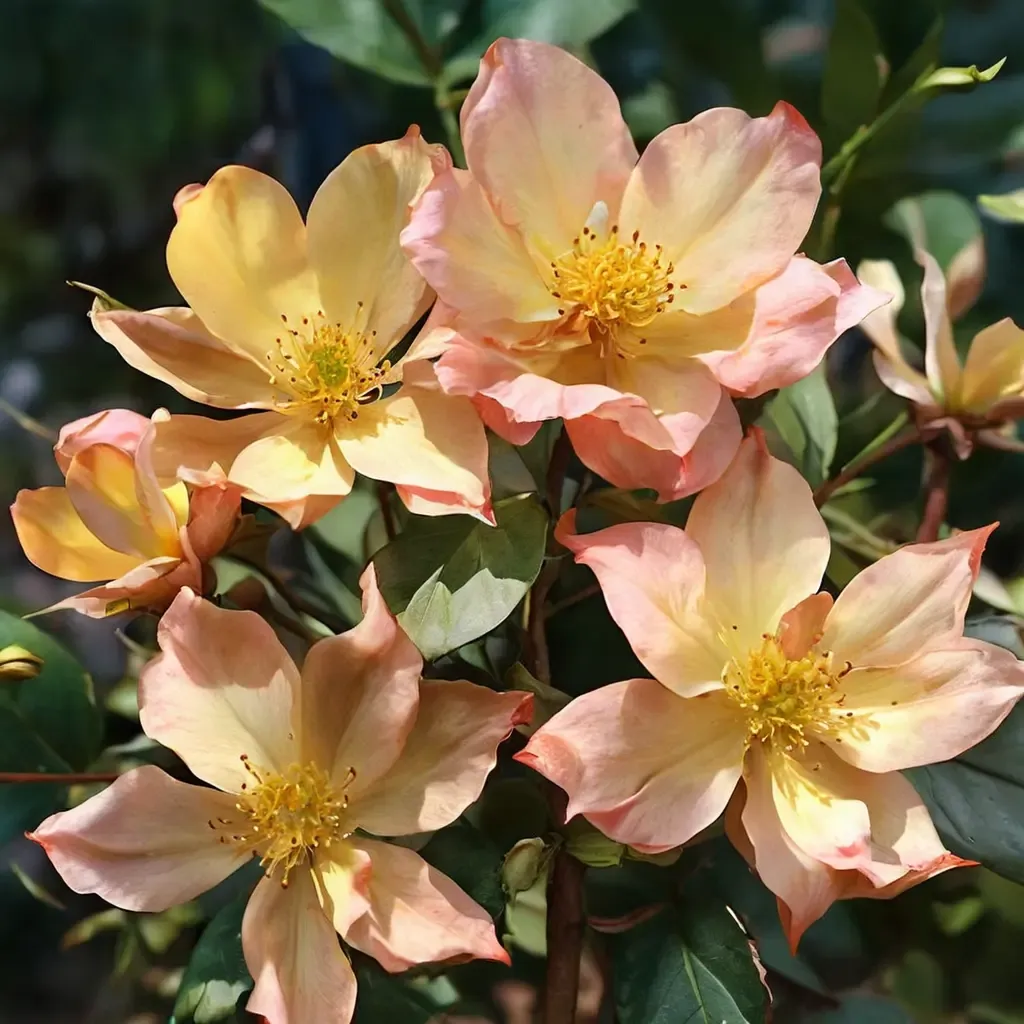
Flutterbye Rose
Rosa x hybrida 'Flutterbye'
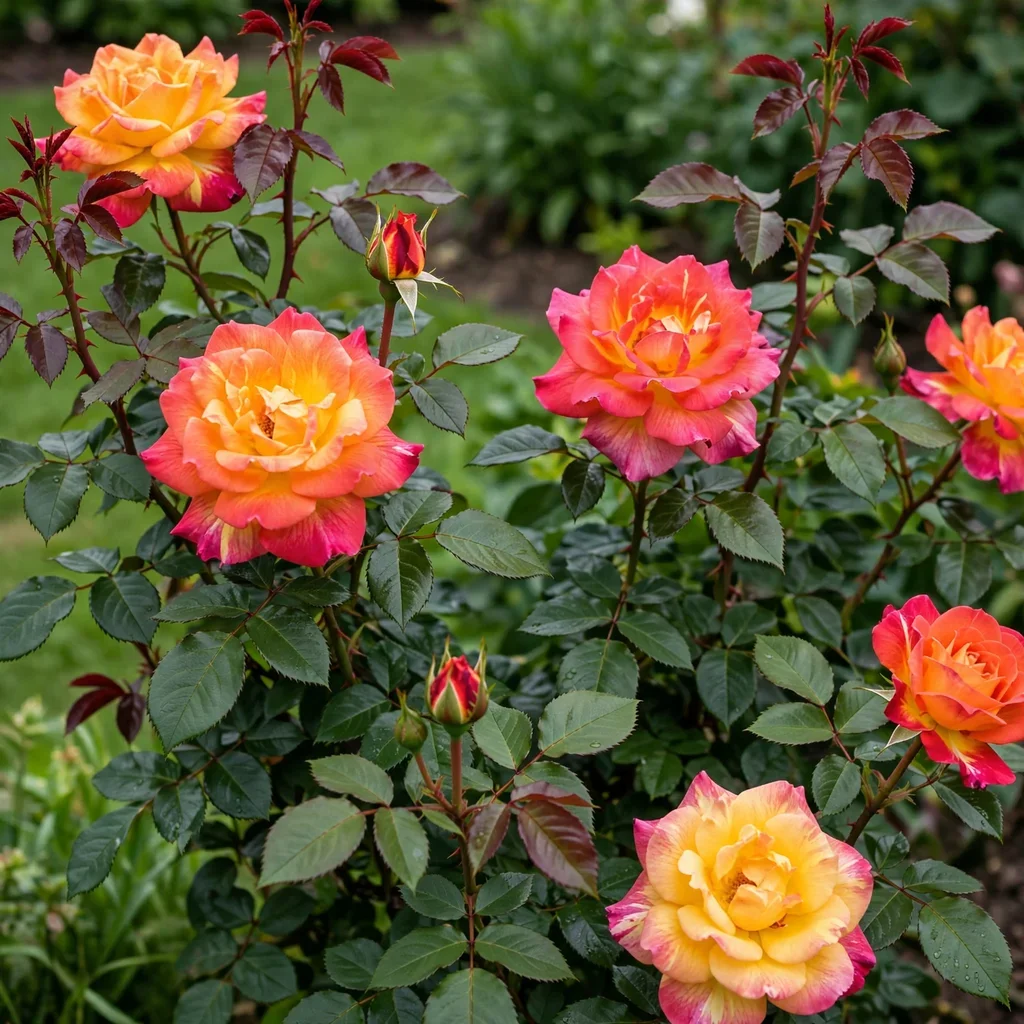
Joseph's Coat Rose
Rosa x hybrida 'Joseph's Coat'
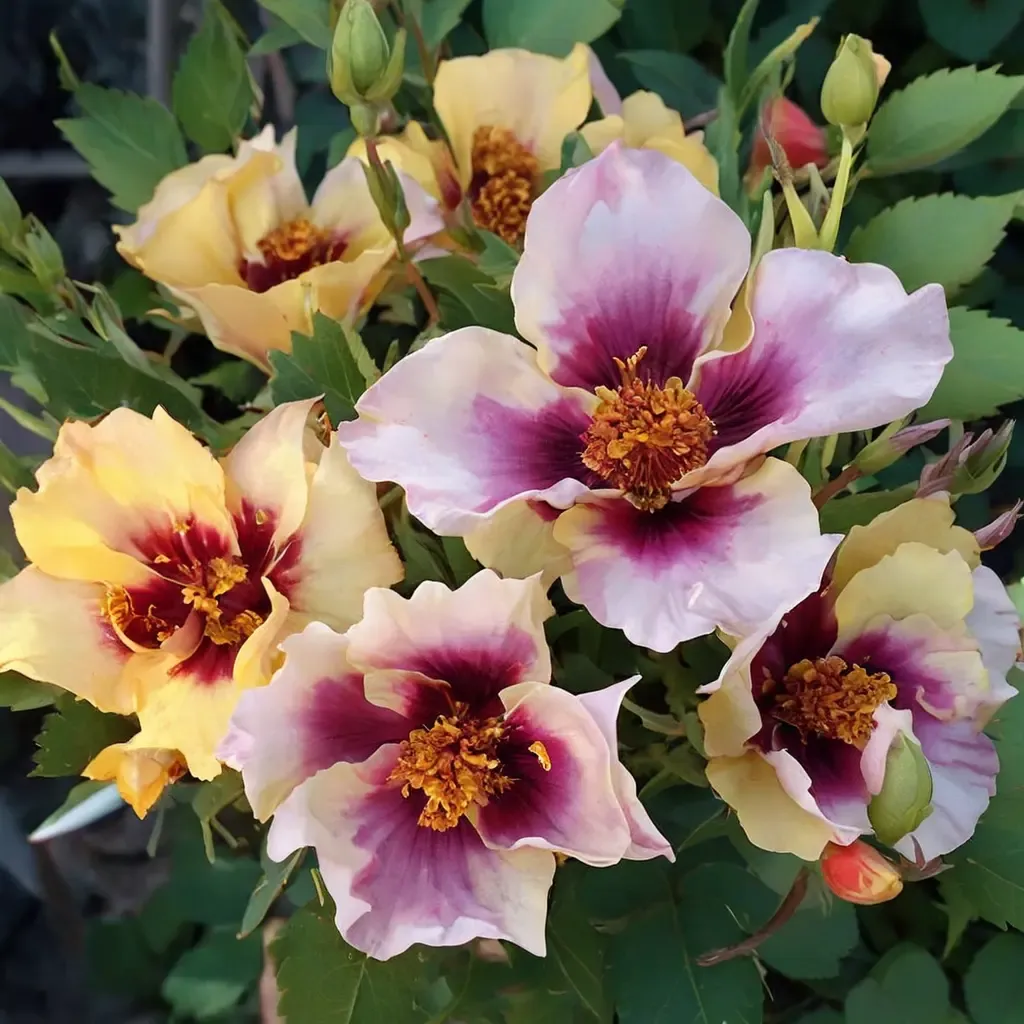
In Your Eyes Rose
Rosa x hybrida 'In Your Eyes'
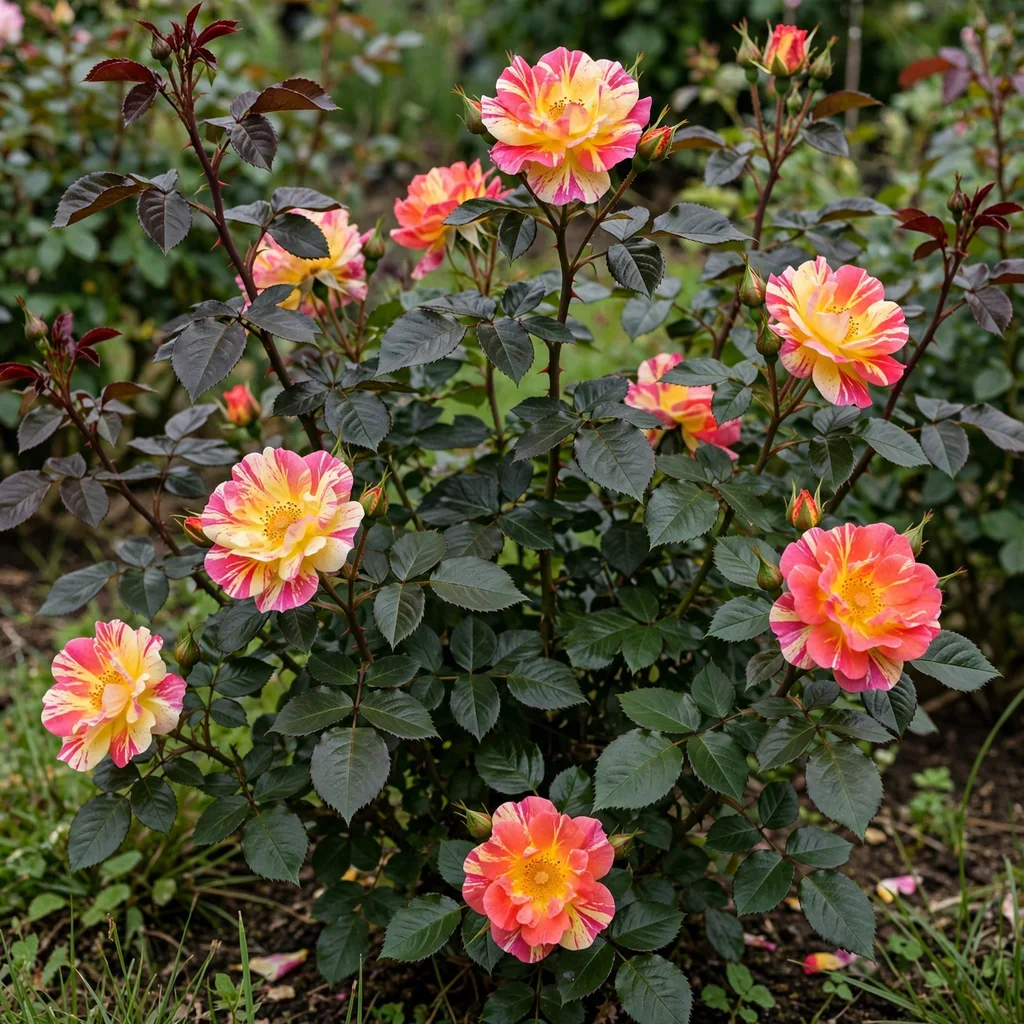
Rainbow Rose
Rosa x hybrida 'Rainbow'
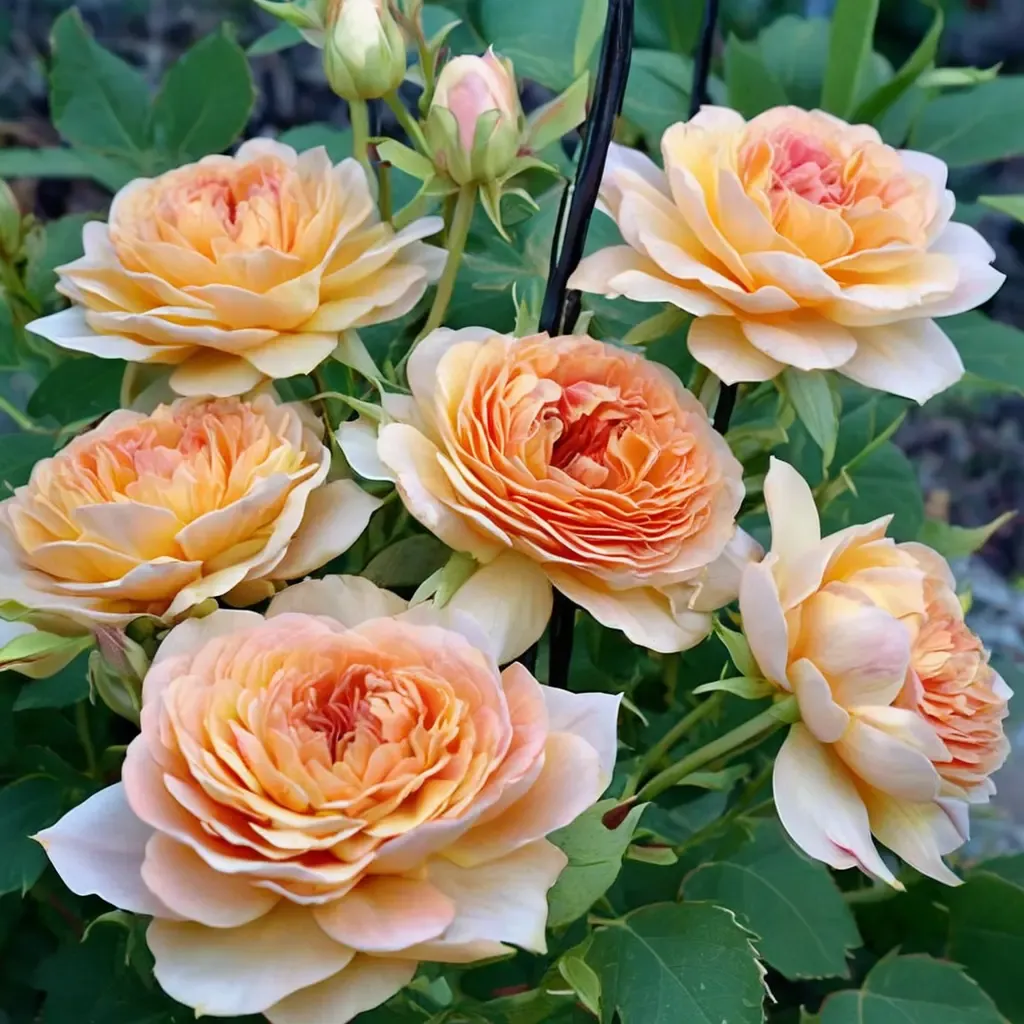
Fun in the Sun Rose
Rosa x hybrida 'Fun in the Sun'
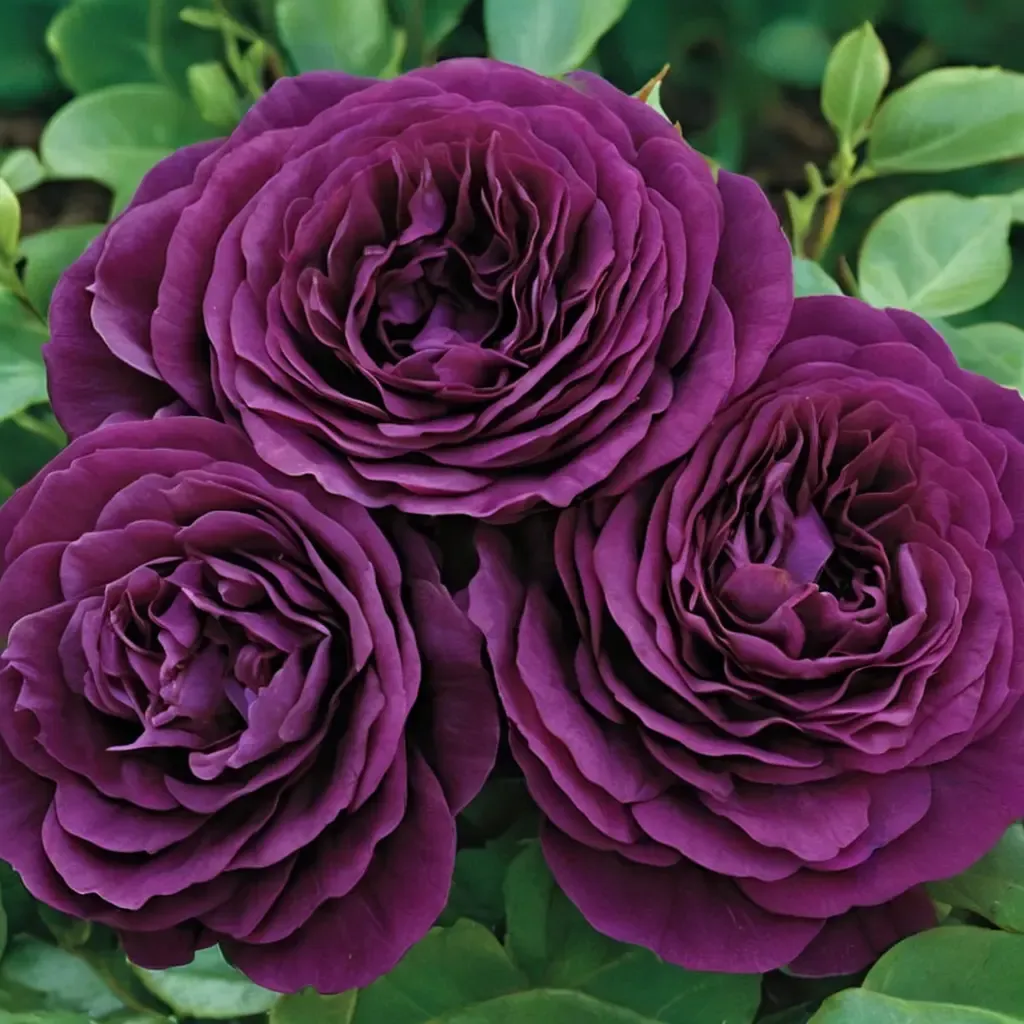
Twilight Zone Rose
Rosa x hybrida 'Twilight Zone'
Keep exploring
Explore the genus
Hardy in your zone?
Grow Hansestadt Rostock Rose with confidence
See it in a design of your actual yard, get zone-matched care reminders, and track it season by season in your garden journal.