Species
 Rosa rugosaRugosa Rose
7 other cultivars


The Story
Plant Bio
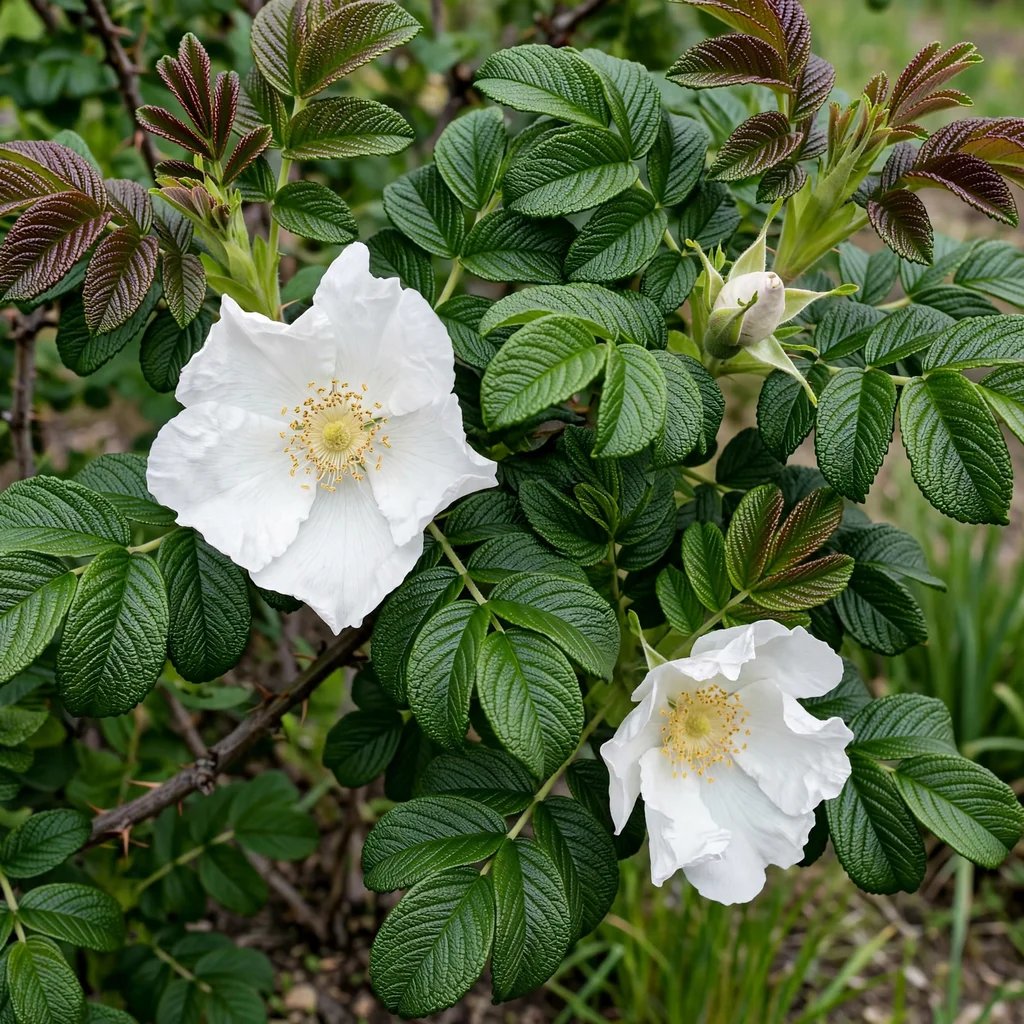
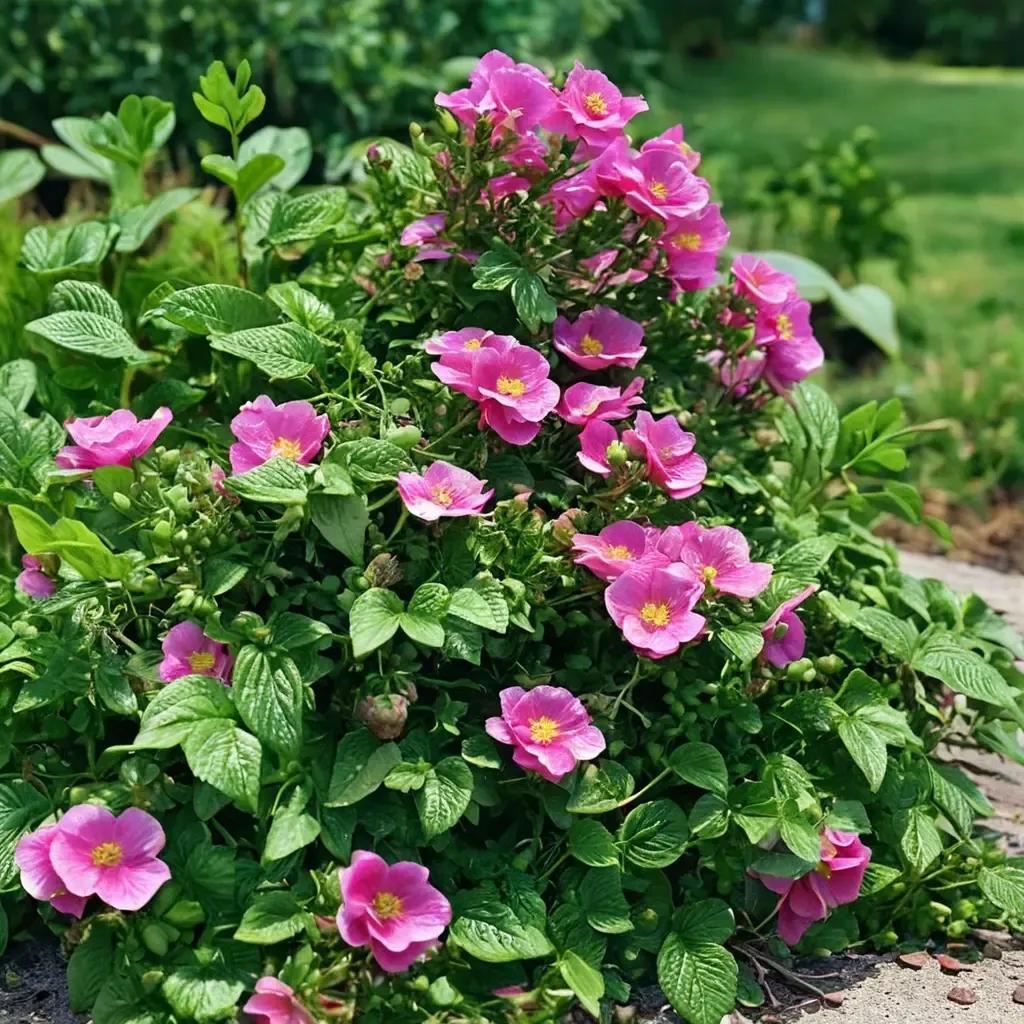
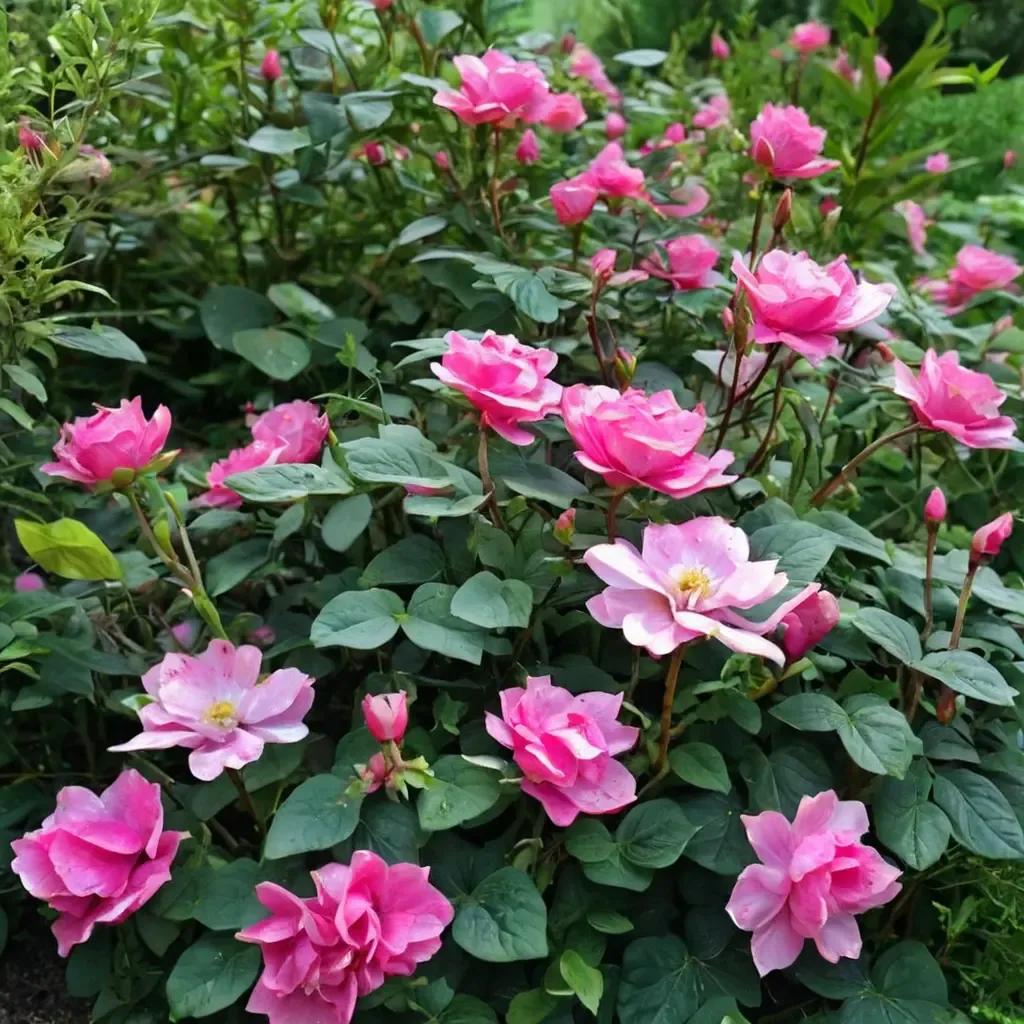
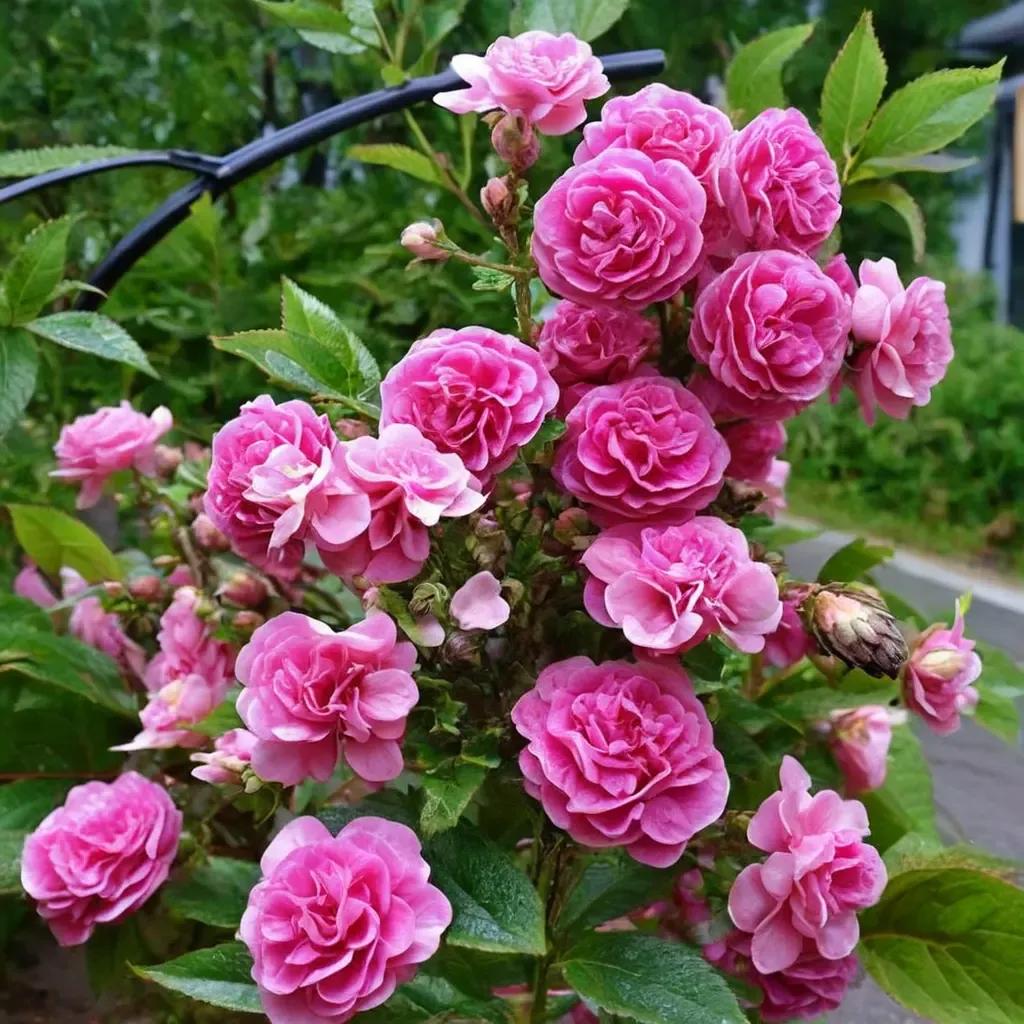
Rosa rugosa, the rugosa rose, is a vigorous, multi-stemmed deciduous shrub native to the coastal and temperate regions of East Asia. It forms dense thickets via aggressive underground root suckers and features deeply wrinkled, dark green leaves that turn bronze or burgundy when young.
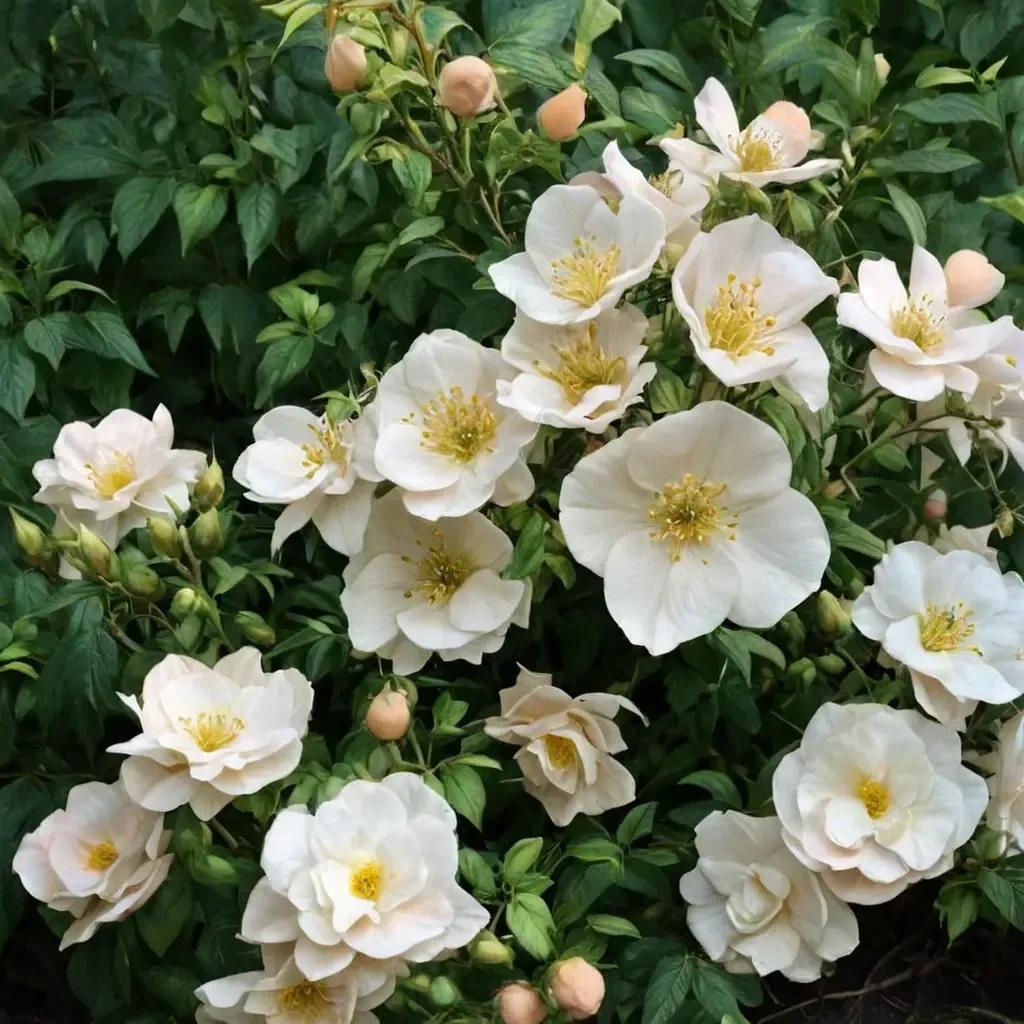
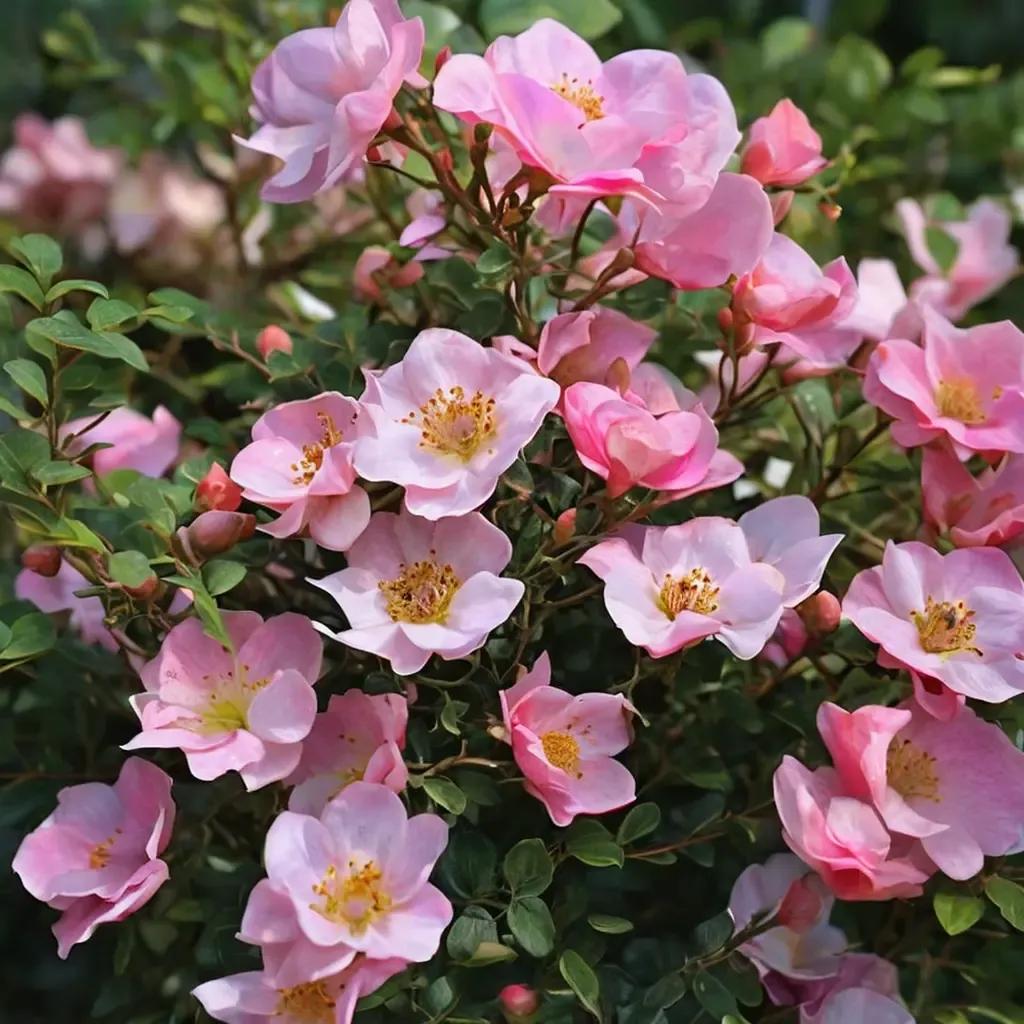
'Alba' is distinguished by its pure white, single, bowl-shaped flowers that span up to three and a half inches across and feature prominent golden-yellow stamens. These fragrant blooms appear from late spring through summer, eventually giving way to large, red, edible rose hips.
Uses & Benefits:
Essentials
At a Glance
Plant Type
Shrub
Height
71"
Width
71"
Light
Full Sun
Zones
4, 5, 6, 7
Water
Low to moderate
Humidity
Moderate
Lifespan
Perennial
Native To
East Asia
Toxicity
Non-toxic
Bloom period
Late spring – Summer
In flower about 4 months of the year
Planting
How to Grow
- Select a planting site in full sun with sandy, loamy, or gravelly soil that drains exceptionally well.
- Dig a hole twice the width of the root ball and install a root barrier if lateral spread needs to be restricted.
- Set the plant at the same depth it was growing in its container, backfill with native soil, and water thoroughly.
- Apply a layer of organic mulch around the base to retain moisture, keeping it clear of the main stems.
Pro Tip
Plant this shrub with a physical root barrier in confined garden beds to prevent its aggressive underground rhizomes from invading adjacent plantings.
Keep It Thriving
Care Guide
Do
- Prune in late winter or early spring to remove dead, damaged, or crossing canes once the risk of extreme cold has passed.
- Dig out and sever underground root suckers regularly to control the shrub's aggressive lateral expansion.
- Apply a balanced rose fertilizer in early spring as new growth begins to emerge.
Don't
- Do not plant in poorly drained, persistently wet, or waterlogged soils, which cause root decline.
- Avoid aggressive shearing into old, leafless wood, as this results in slow and patchy regrowth.
- Do not use overhead watering systems, which increase susceptibility to fungal diseases like black spot and powdery mildew.
Seasonal Care Calendar
| Task | Jan | Feb | Mar | Apr | May | Jun | Jul | Aug | Sep | Oct | Nov | Dec |
|---|---|---|---|---|---|---|---|---|---|---|---|---|
| Fertilize | ||||||||||||
| Mulch | ||||||||||||
| Pest Check | ||||||||||||
| Prune | ||||||||||||
| Winter Prep |
Watch Out For
Pests & Diseases
Common Pests
Common Diseases
In the Garden
Landscape Uses & Companions
Landscape Uses
Companion Plants
Multiply
Propagation Methods
Good to Know
Common Questions
Rugosa Rose questions
What zones can Rugosa Rose grow in?
Rugosa Rose is hardy in USDA Zones 4–7. Inside that range it survives winter in the ground; outside it, grow it as an annual or a container plant you protect.
Is Rugosa Rose deer resistant?
Not reliably. Deer may browse Rugosa Rose, especially tender spring growth — plan on repellents or fencing where pressure is high.
When does Rugosa Rose bloom?
Rugosa Rose typically blooms in late spring through summer. Exact timing shifts a week or two with your zone — Sow's bloom calendar maps it to your garden.
Does Rugosa Rose need full sun?
Rugosa Rose does best in full sun (6+ hours).
Is Rugosa Rose drought tolerant?
Yes — once established (usually after the first full season), Rugosa Rose handles dry spells with minimal watering. Water deeply its first year to build the root system that makes that possible.
More Rosa to compare
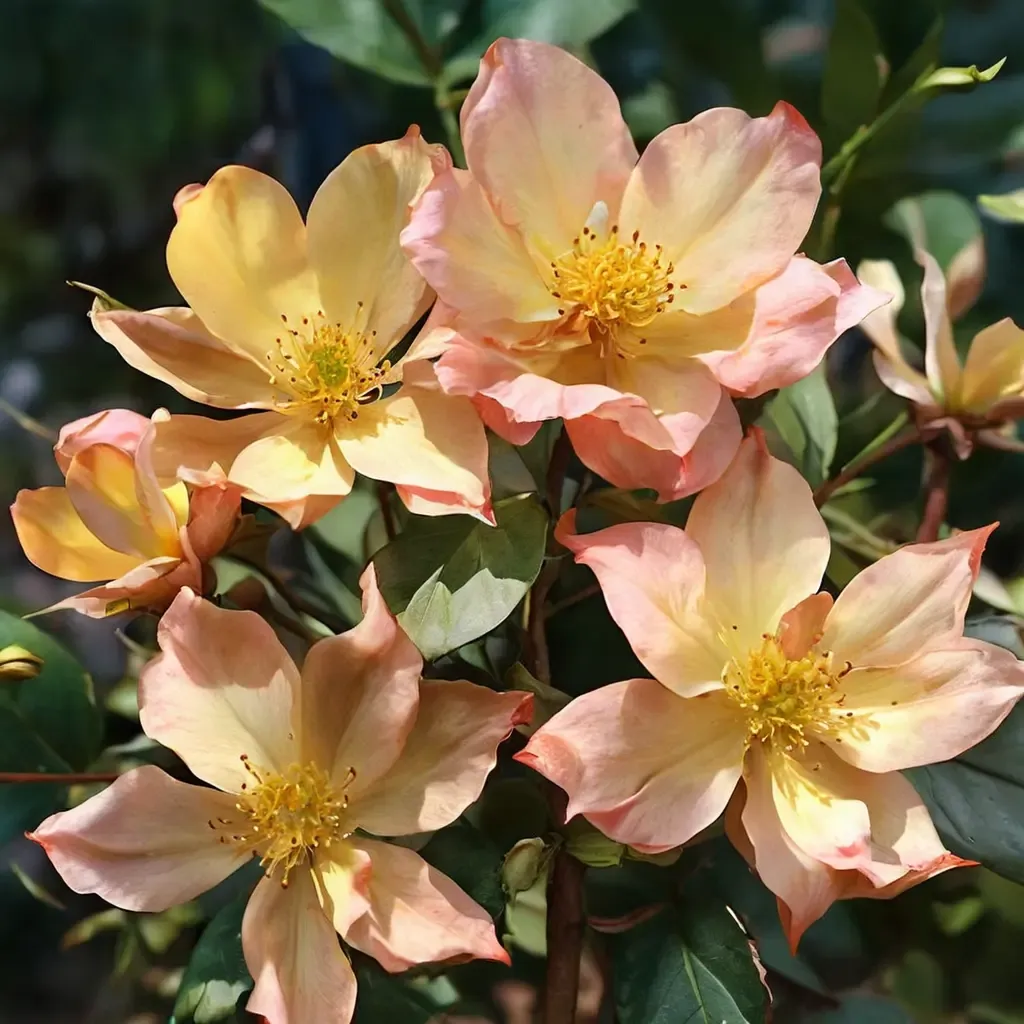
Flutterbye Rose
Rosa x hybrida 'Flutterbye'
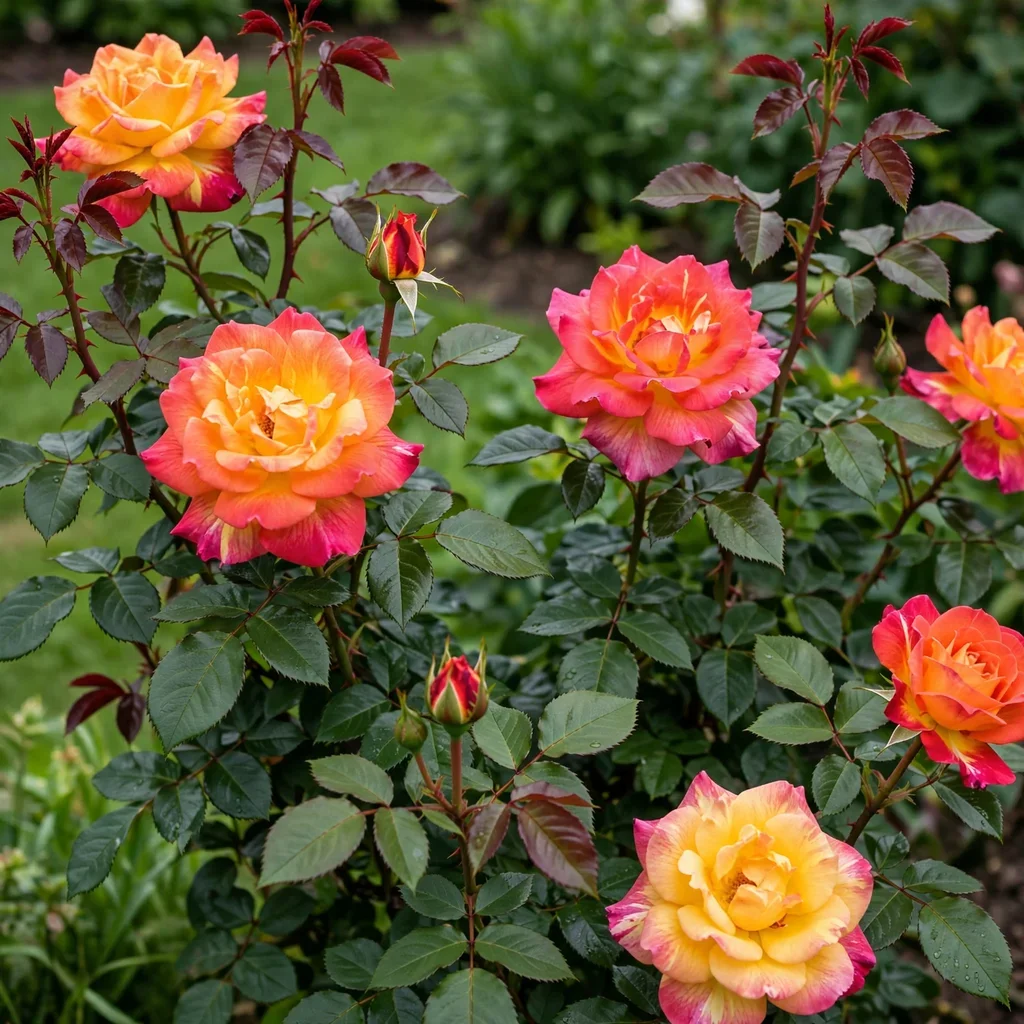
Joseph's Coat Rose
Rosa x hybrida 'Joseph's Coat'
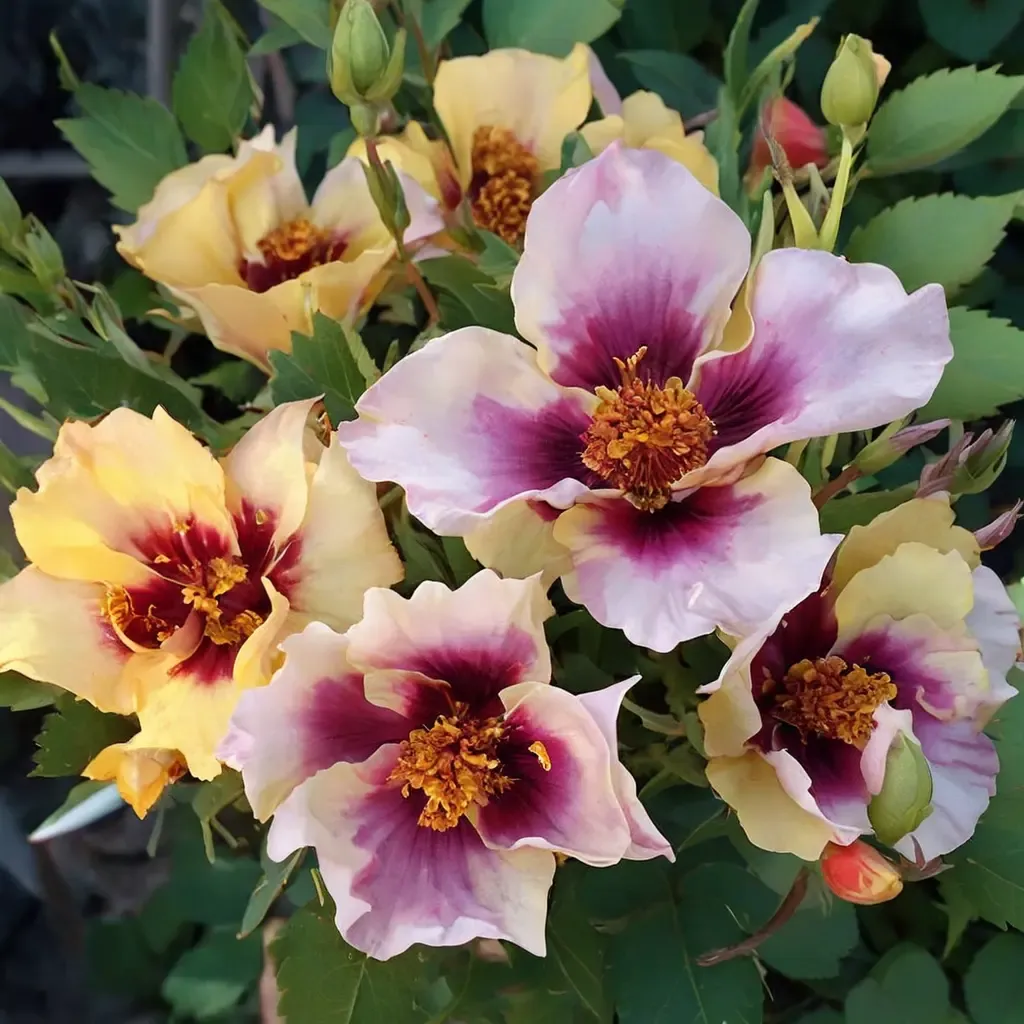
In Your Eyes Rose
Rosa x hybrida 'In Your Eyes'
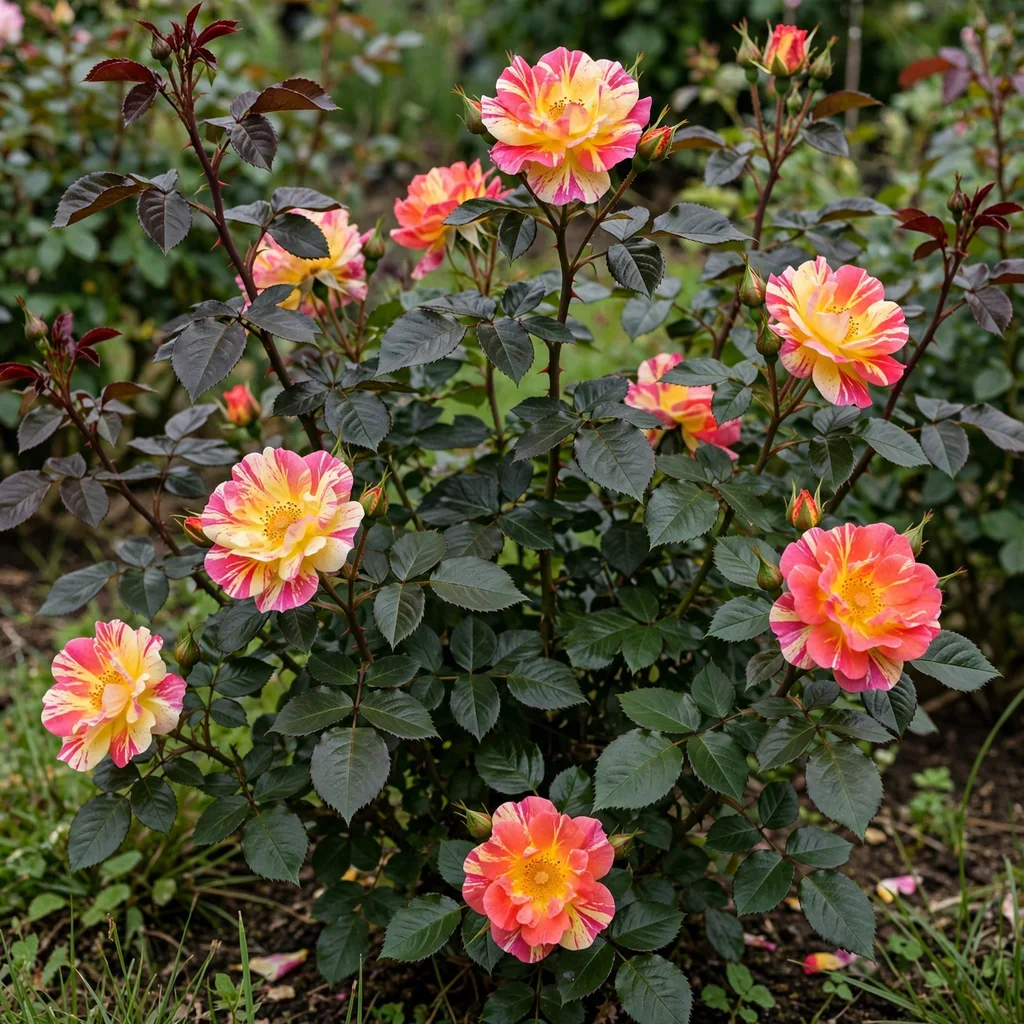
Rainbow Rose
Rosa x hybrida 'Rainbow'
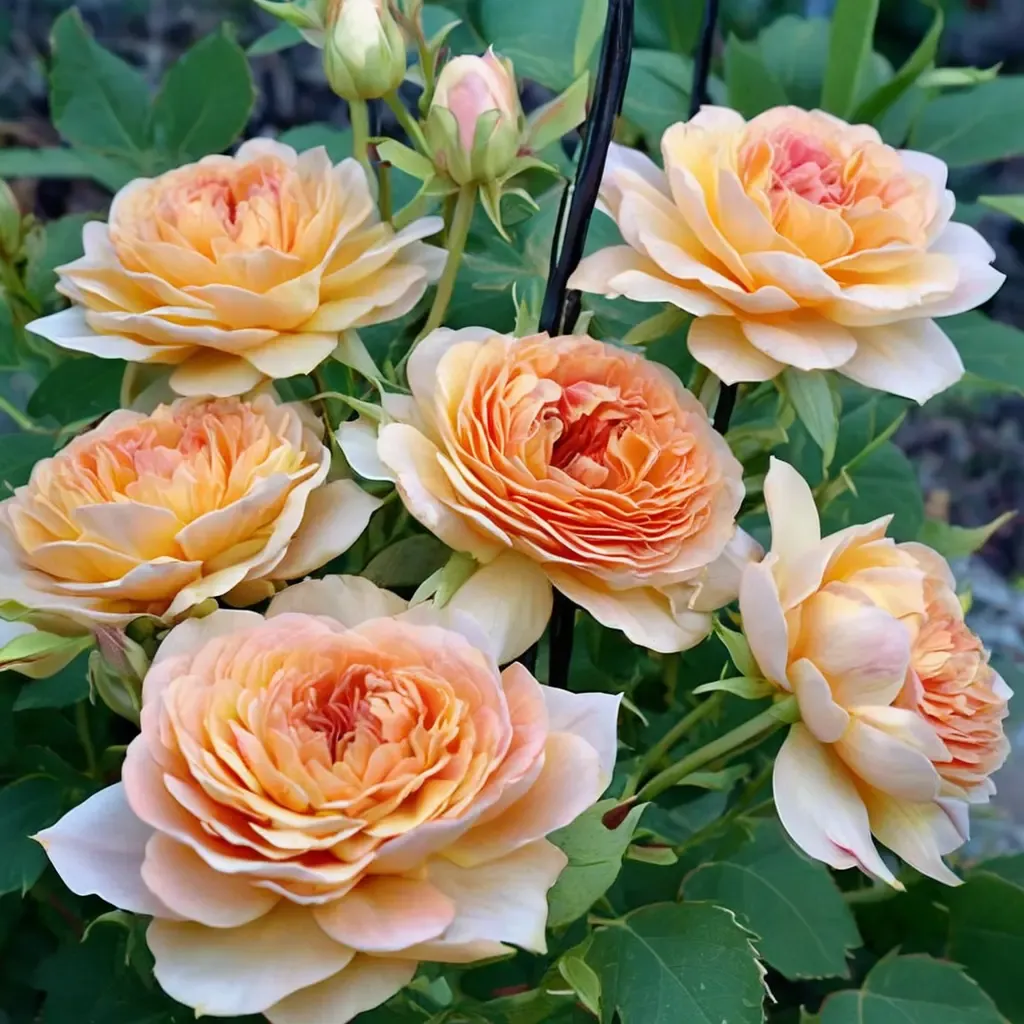
Fun in the Sun Rose
Rosa x hybrida 'Fun in the Sun'
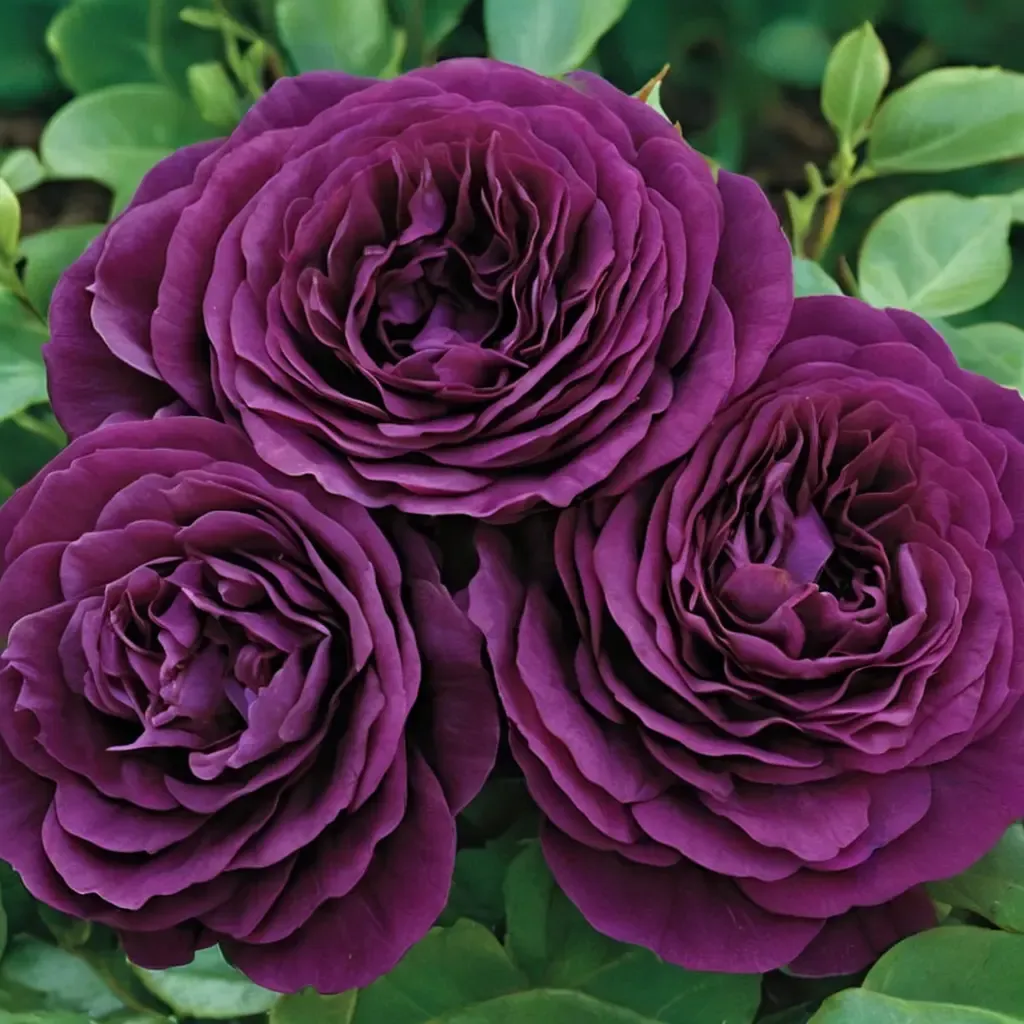
Twilight Zone Rose
Rosa x hybrida 'Twilight Zone'
Keep exploring
Explore the genus
Hardy in your zone?
Grow Rugosa Rose with confidence
See it in a design of your actual yard, get zone-matched care reminders, and track it season by season in your garden journal.