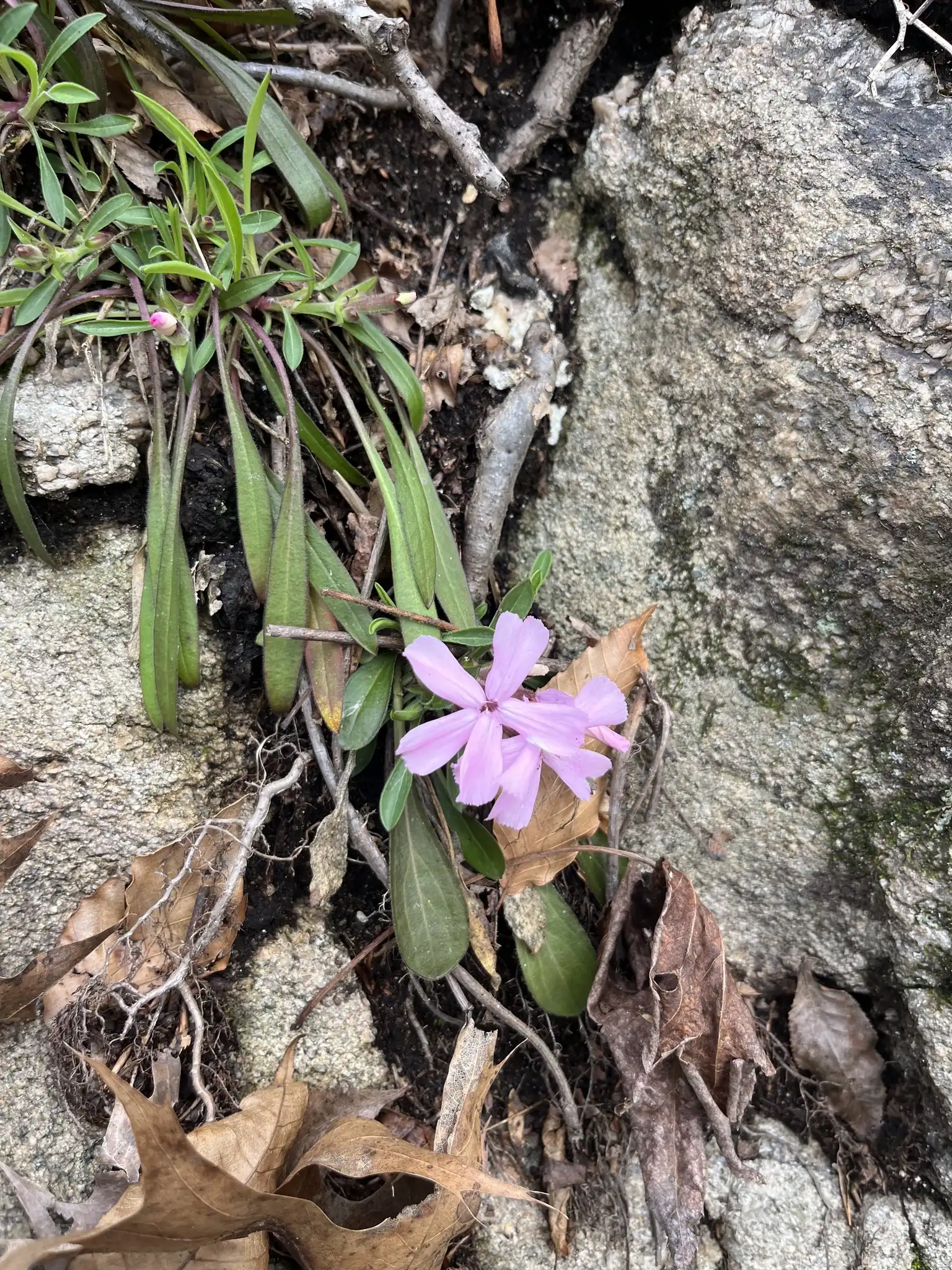
2 named cultivars
The Story
Plant Bio
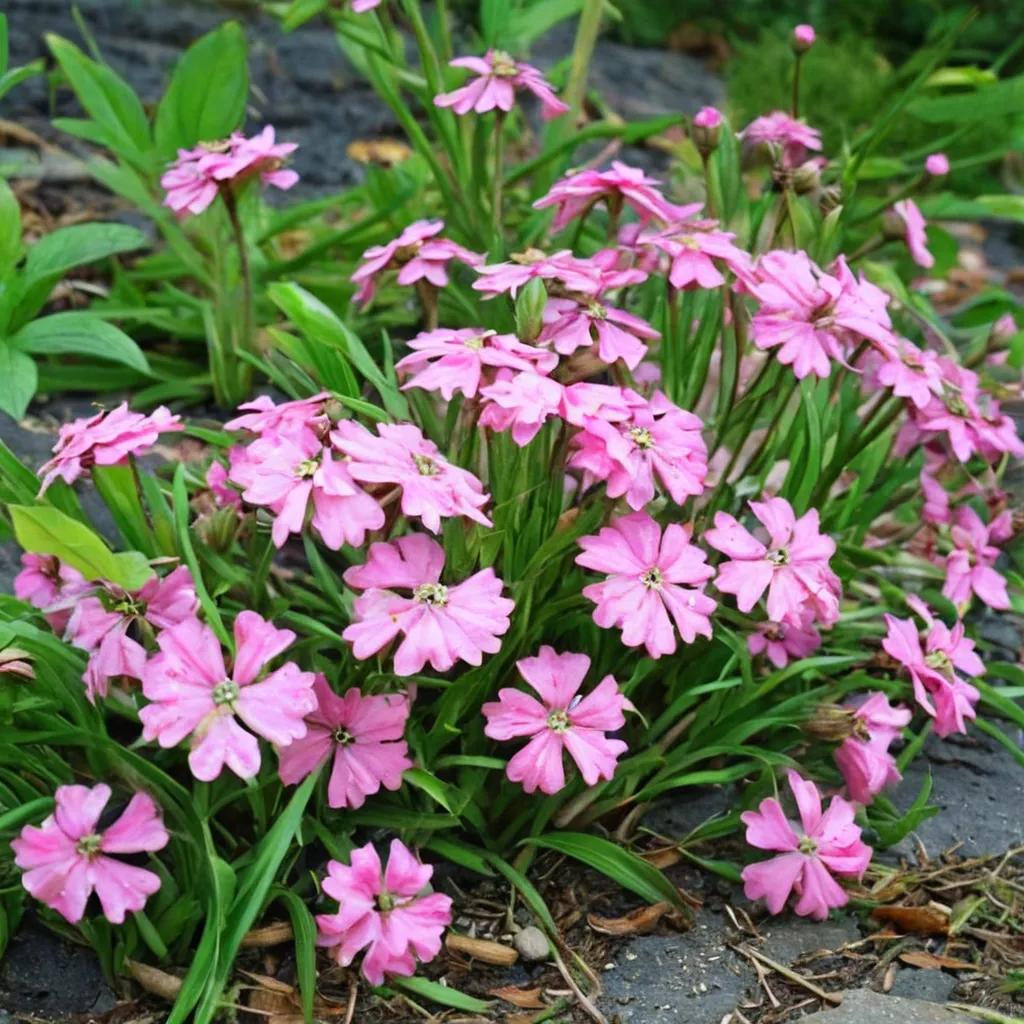
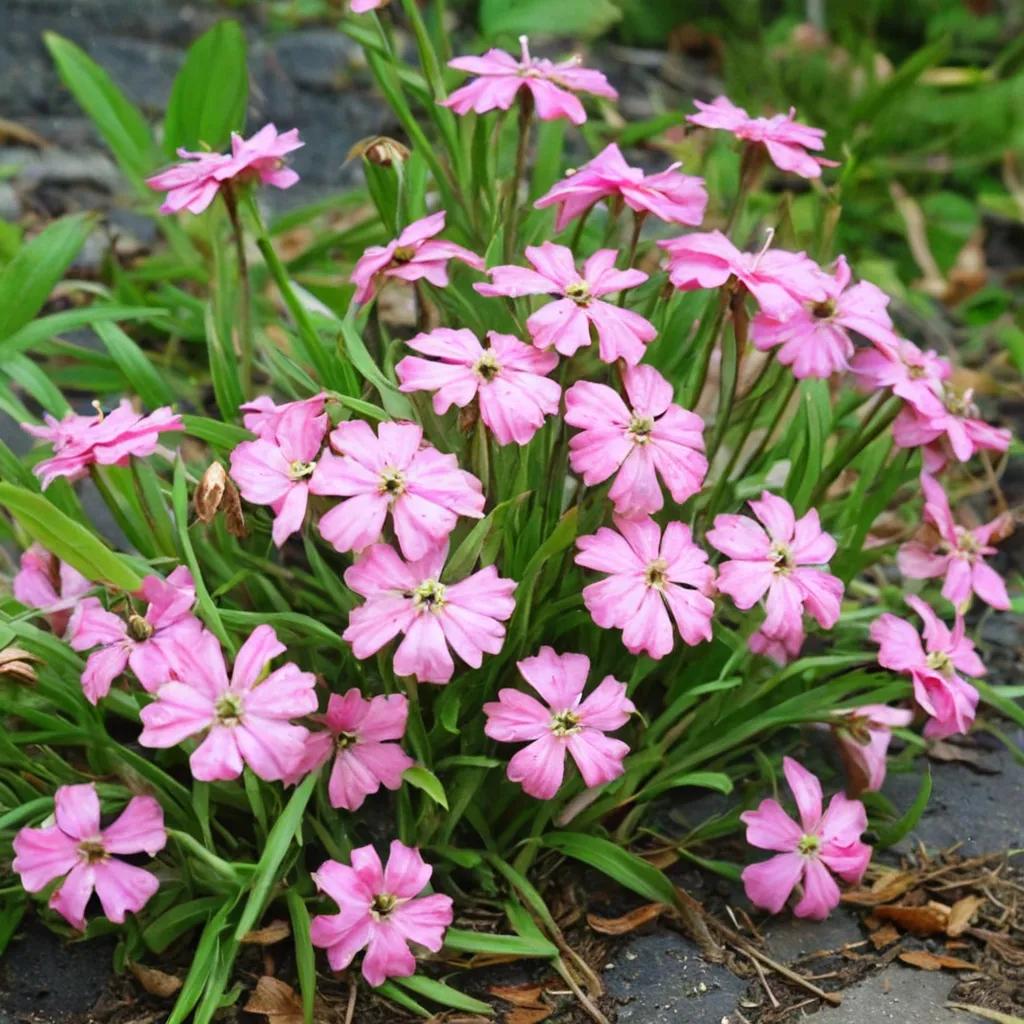
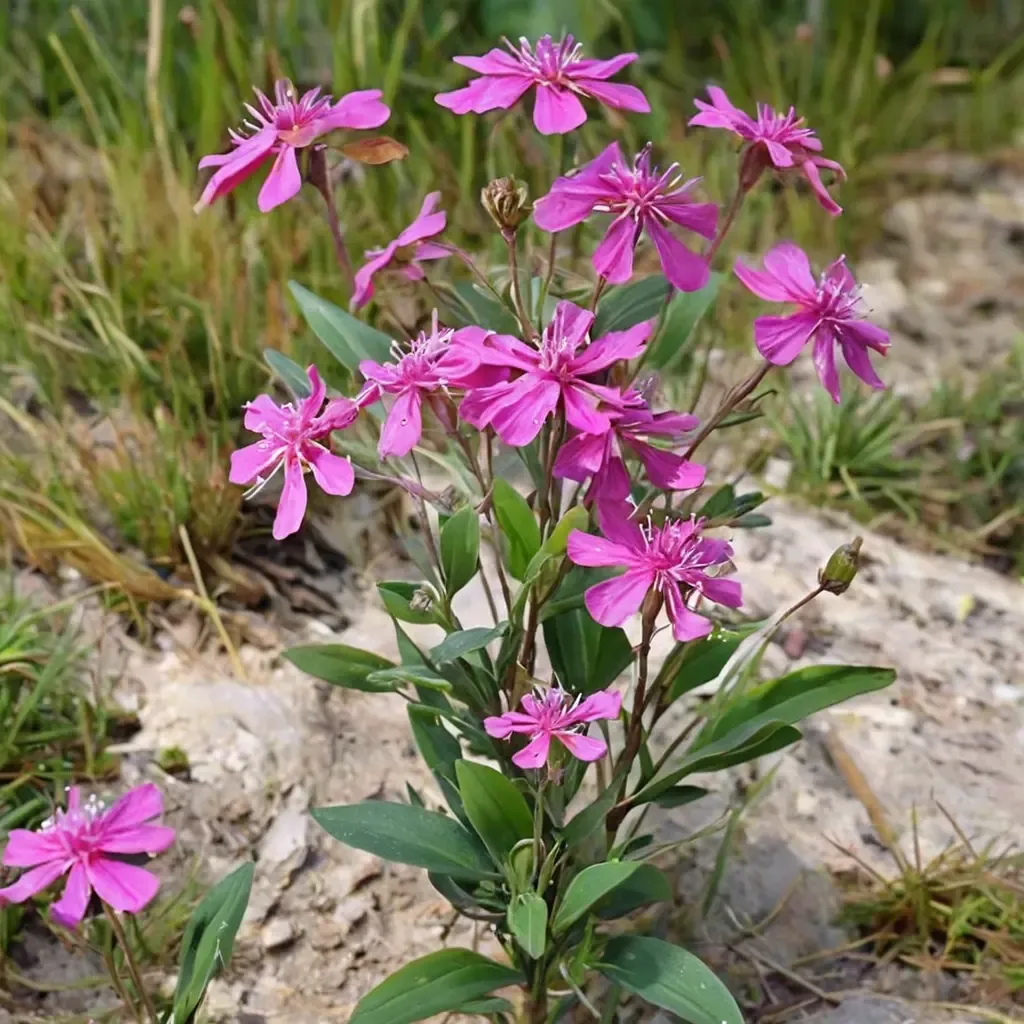
Silene caroliniana, wild pink, is a low mounding semi-evergreen perennial native to the central and eastern United States, reaching six to twelve inches. Softly hairy sticky stems form a tidy cushion, and in late spring clusters of five-petalled pink flowers about an inch across open above the foliage, each petal notched or fringed at the tip.
The sticky glandular stems are a defence rather than an accident — they trap crawling insects that would rob nectar without pollinating, leaving the flowers to butterflies and hummingbirds. It grows naturally on dry rocky slopes and sandy banks, so sharp drainage matters more to it than fertility.
Uses & Benefits:
Essentials
At a Glance
Plant Type
Perennial
Height
9"
Width
12"
Light
Full Sun, Partial Sun
Zones
4, 5, 6, 7, 8, 9
Water
Low
Humidity
Low
Lifespan
Perennial
Native To
Central and eastern United States
Toxicity
Non-toxic
Marketplace
Where to Buy
Shipping costs Year-round shipping Free shipping
Planting
How to Grow
- Plant in spring in sharply drained, sandy or rocky soil.
- Choose full sun to partial shade.
- Space about a foot apart.
- Water to establish, then sparingly.
- Do not feed; lean ground suits it.
- Cut back lightly after flowering.
Pro Tip
Give it grit and neglect — wild pink fails in rich, damp border soil far more often than it fails from cold.
Keep It Thriving
Care Guide
Do
- Plant in sharply drained soil 🌱
- Use it in rock gardens and on banks 🪨
- Leave it unfed ☀️
- Trim lightly after flowering ✂️
Don't
- Plant in heavy or wet soil ❌
- Mulch heavily over the crown ❌
- Feed it richly ❌
Seasonal Care Calendar
| Task | Jan | Feb | Mar | Apr | May | Jun | Jul | Aug | Sep | Oct | Nov | Dec |
|---|---|---|---|---|---|---|---|---|---|---|---|---|
| Monitor | ||||||||||||
| Prune |
Watch Out For
Pests & Diseases
Common Pests
Common Diseases
In the Garden
Landscape Uses & Companions
Landscape Uses
Multiply
Propagation Methods
Good to Know
Common Questions
Wild Pink questions
What zones can Wild Pink grow in?
Wild Pink is hardy in USDA Zones 4–9. Inside that range it survives winter in the ground; outside it, grow it as an annual or a container plant you protect.
Is Wild Pink deer resistant?
Yes — Wild Pink is rated deer-resistant. Deer typically pass it over, though extreme hunger can override any plant's defenses.
When does Wild Pink bloom?
Wild Pink typically blooms in late spring through early summer. Exact timing shifts a week or two with your zone — Sow's bloom calendar maps it to your garden.
Does Wild Pink need full sun?
Wild Pink does best in full sun to part shade. In hot climates, afternoon shade keeps blooms fresher longer.
Is Wild Pink drought tolerant?
Yes — once established (usually after the first full season), Wild Pink handles dry spells with minimal watering. Water deeply its first year to build the root system that makes that possible.
More Silene to compare
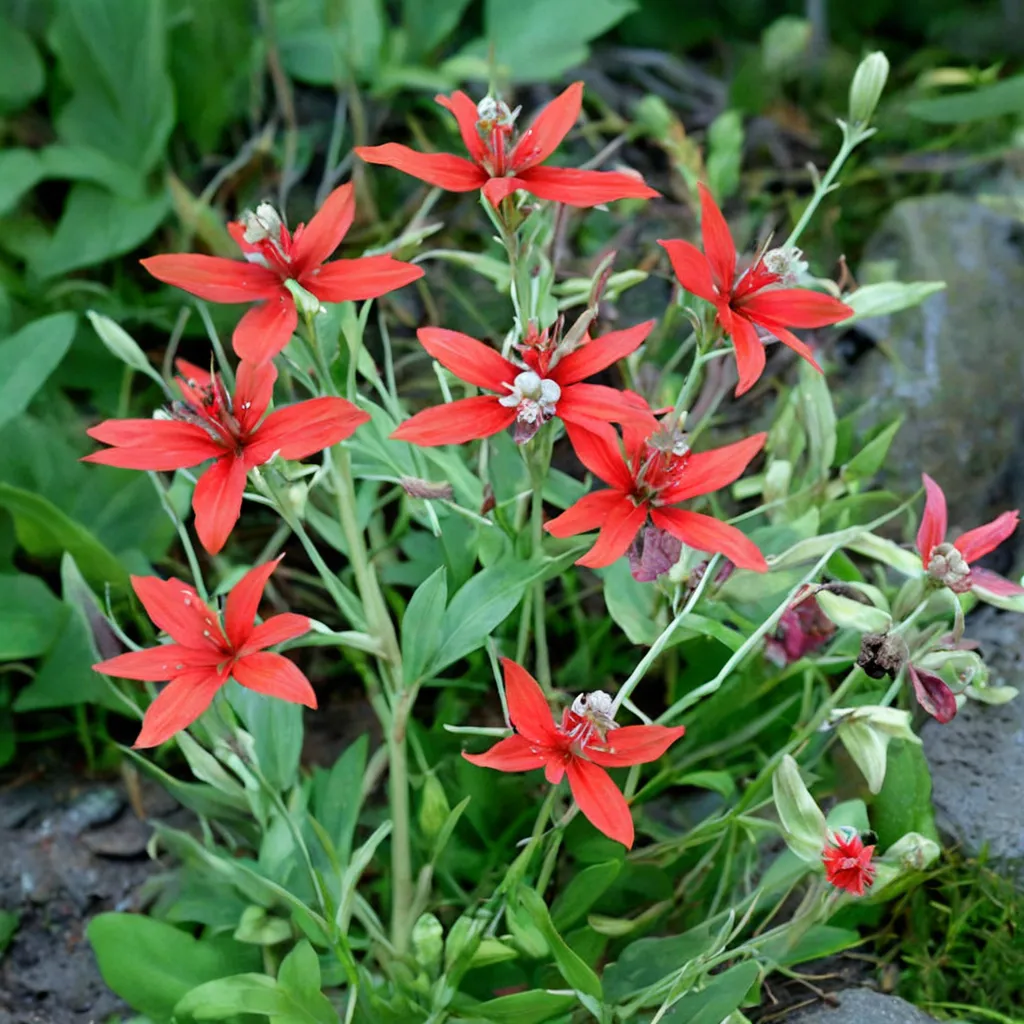
Fire Pink
Silene virginica 'Fire Pinks'
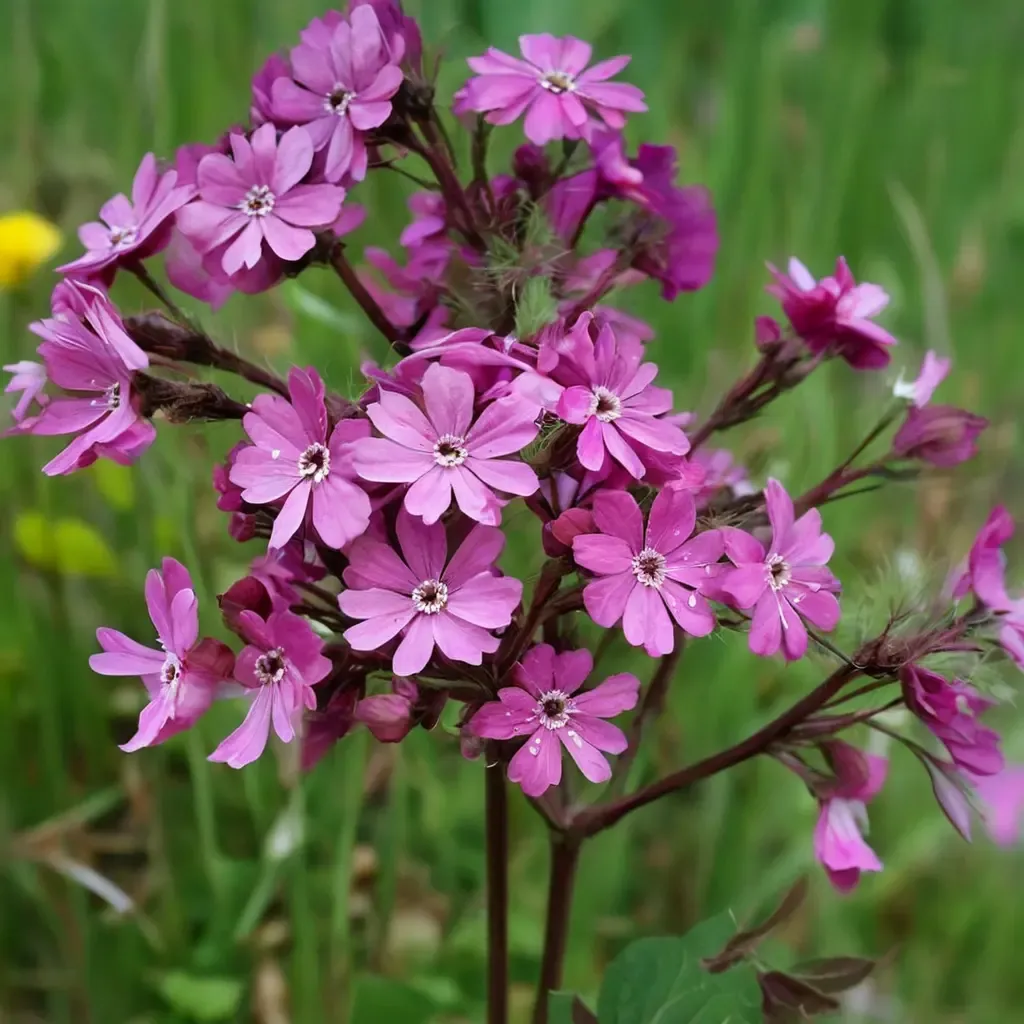
Red Campion
Silene dioica
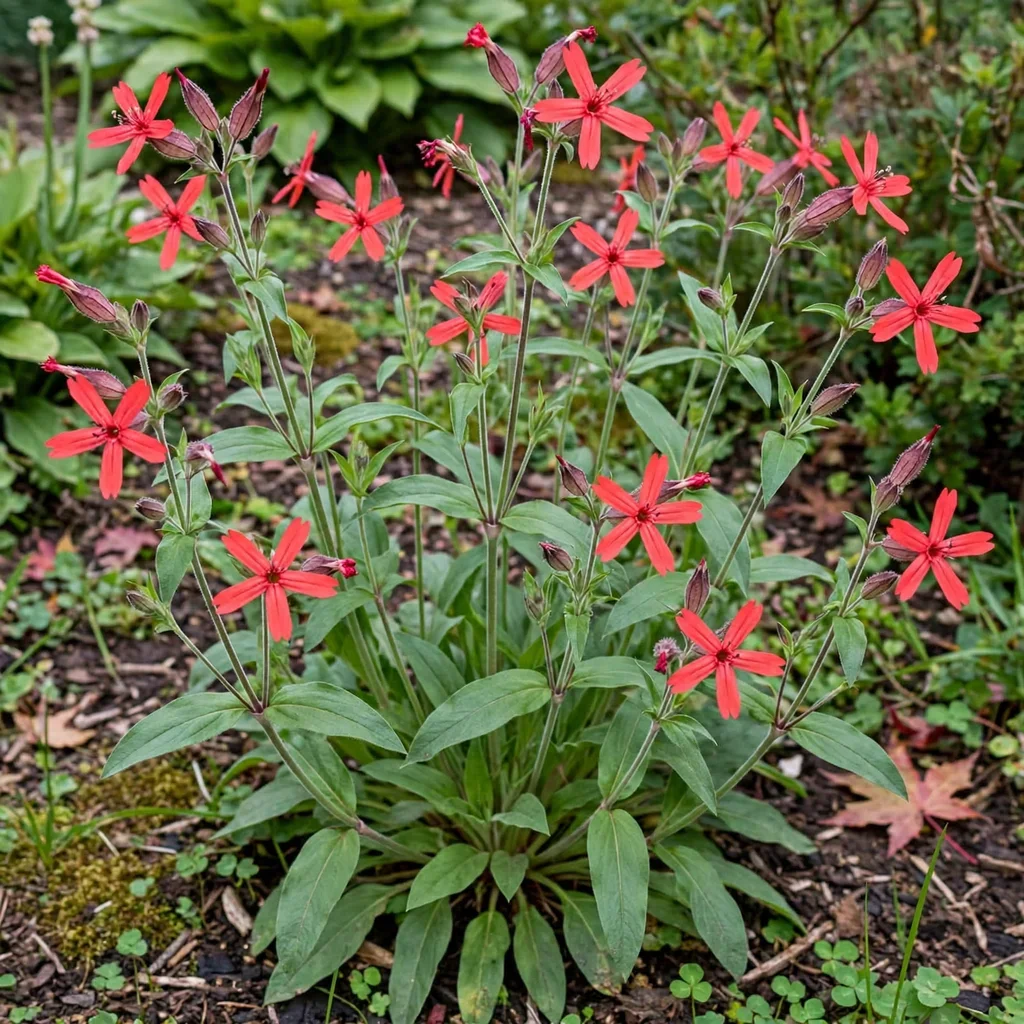
Jackson Valentine Fire Pink
Silene virginica 'Jackson Valentine'
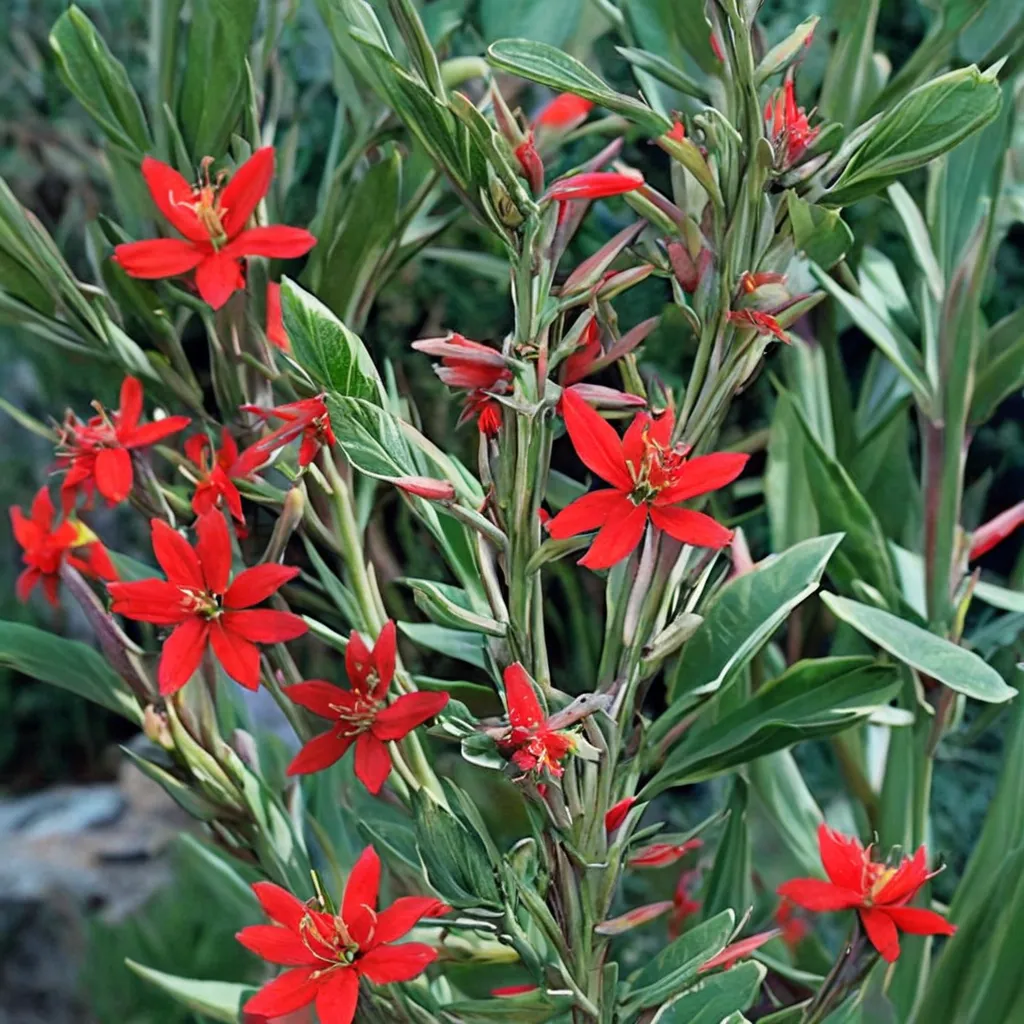
Prairie Fire Royal Catchfly
Silene regia 'Prairie Fire'
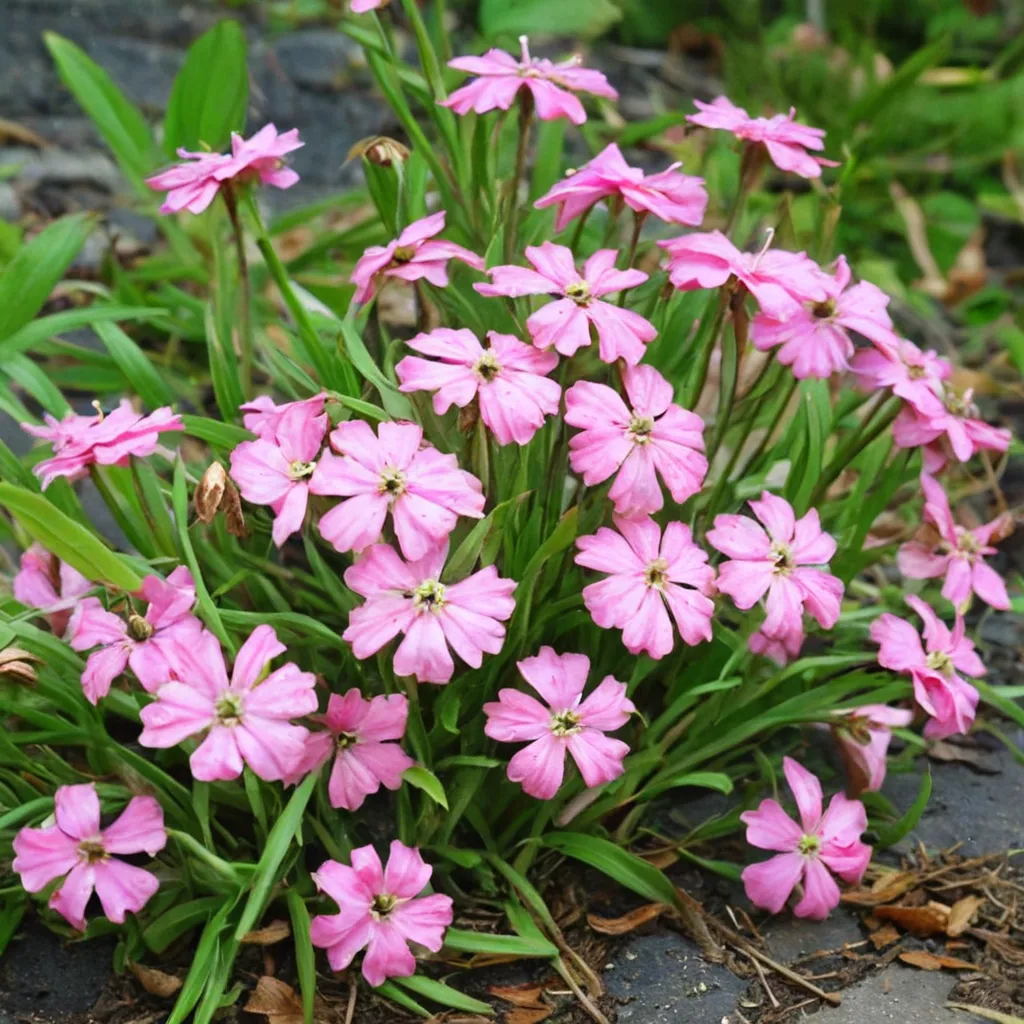
Short and Sweet Wild Pinks
Silene caroliniana 'Short Sweet'
Sweet William Catchfly
Silene armeria
Keep exploring
Explore the genus
Grow Wild Pink with confidence
See it in a design of your actual yard, get zone-matched care reminders, and track it season by season in your garden journal.