Also known as Pussytoes · 333 saves
Antennaria
Antennaria, the genus most gardeners know as pussytoes. We track 4 varieties; the ones most used by real gardeners.
The 3 most-saved Antennaria varieties
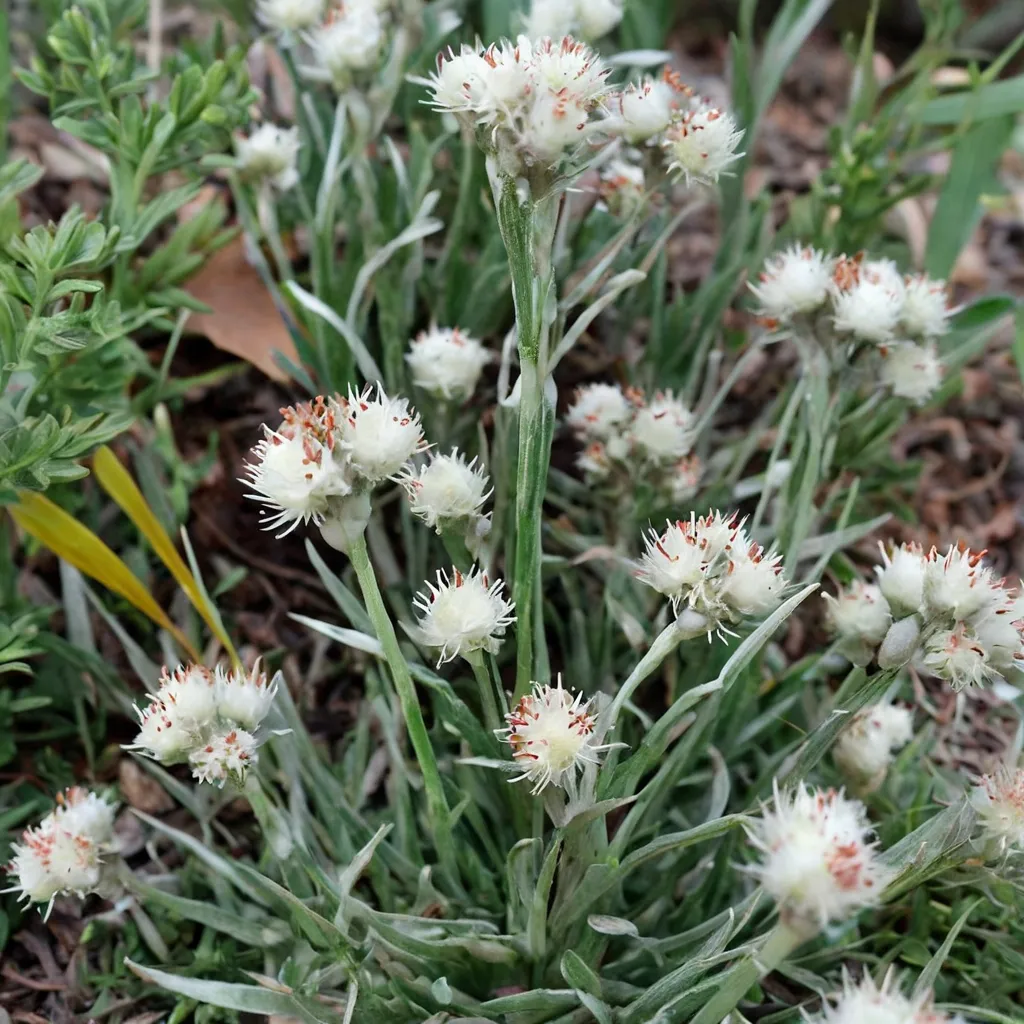
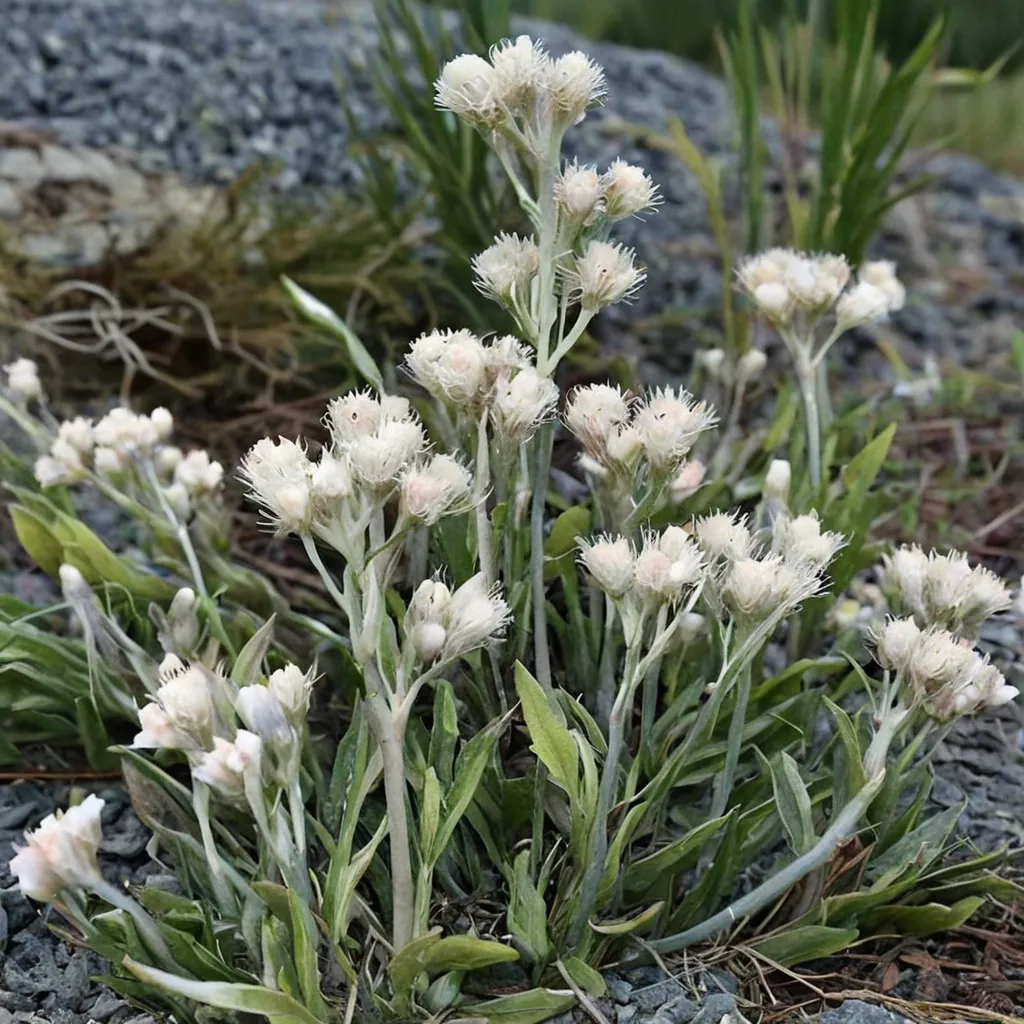
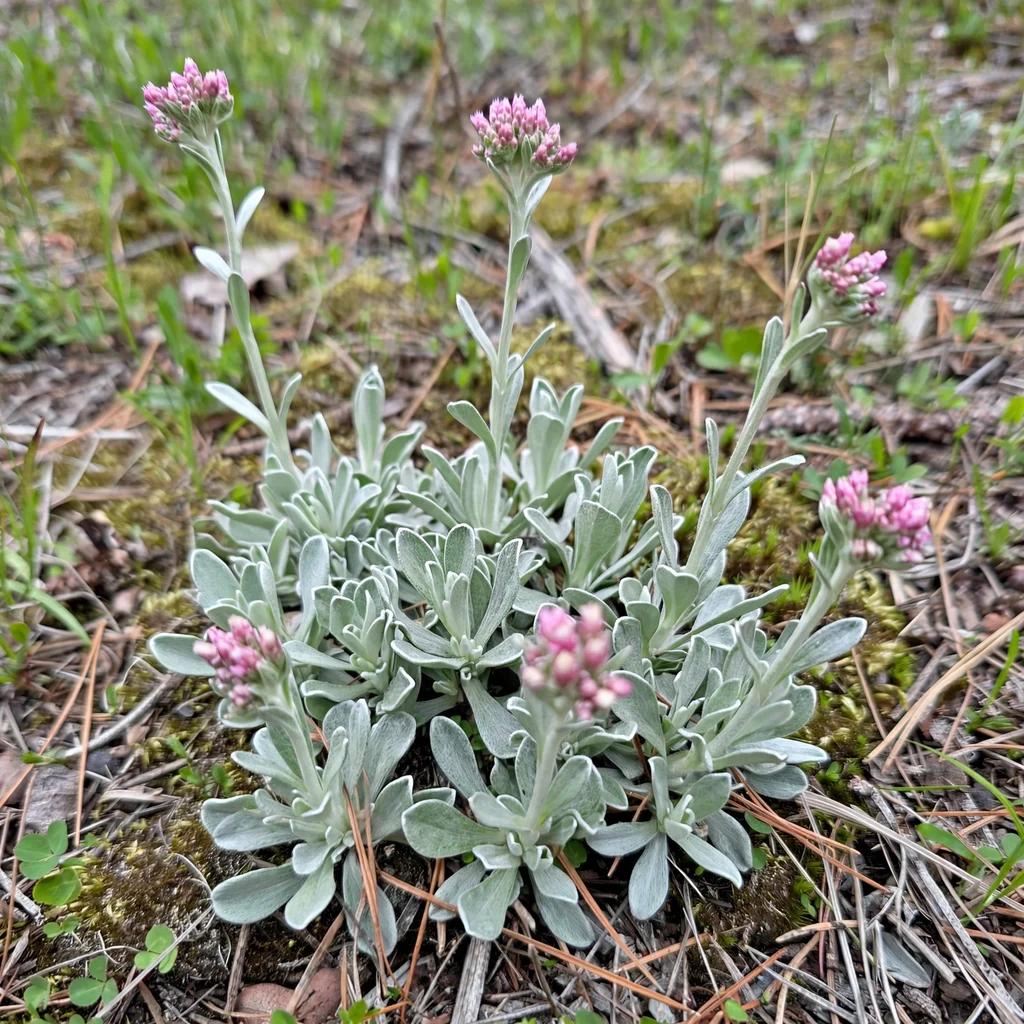
Browse all 4 Antennaria varieties →
2 species of Antennaria
Each one is a parent of the varieties above.
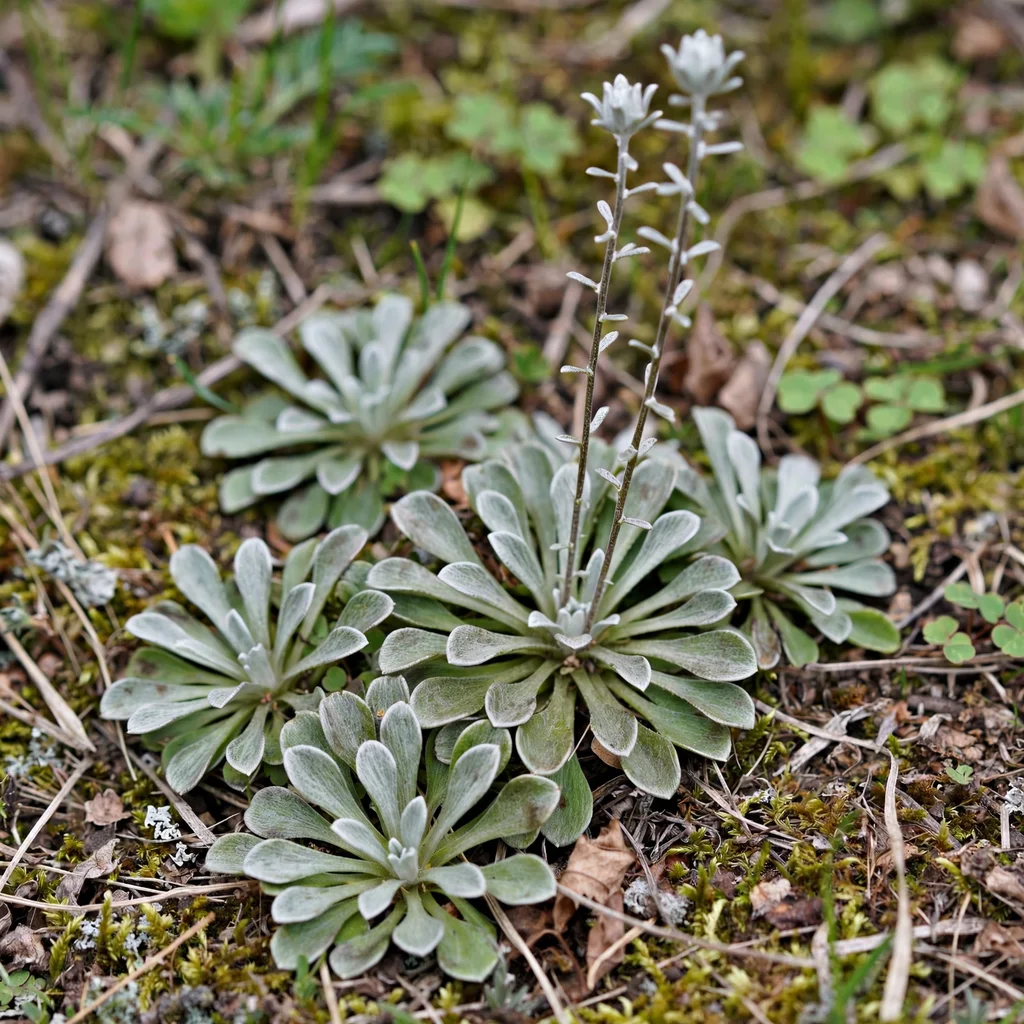
Track your Antennaria in Sow
Save the Antennaria you grow and get care reminders timed to your zone.
How to grow Antennaria
Whats common across all Antennaria varieties in our catalog — drawn from the care records of the 4 most-grown of them.
The Antennaria year
- PlantApril, May, October and November100% of varieties
Plant plugs or divisions in spring or early fall
- DivideApril, May and October100% of varieties
Divide crowded clumps every 3-4 years to maintain vigor
- Spring CleanupMarch75% of varieties
Gently rake or remove old, matted foliage before new growth starts
- Check for PestsJune50% of varieties
Check crowns for slug feeding and soggy spots after wet spells.
- PruneAugust50% of varieties
Snip off spent flower stalks for a tidier appearance


Do
- Water during dry spells ☀️
- Deadhead to encourage more blooms 🌸
- Apply compost annually for nutrients
- Grow in full sun with sharp drainage.
- Use poor, gritty or calcareous soil.
Avoid
- Overwater, especially in winter ❌
- Use heavy mulch that retains moisture ❌
- Allow soil to become waterlogged ❌
- Do not enrich soil or apply fertilizer.
What goes wrong with Antennaria
| Problem | What you'll see | What to do |
|---|---|---|
| Aphids | Sticky residue and distorted leaves | Spray with insecticidal soap or neem oil |
| Slugs | Chewed notches in rosette leaves and slime trails in damp weather. | Keep the mat lean and open, avoid overhead watering, and hand-pick at night or trap. |
| Root rot | Wilting and browning at the base | Improve drainage and reduce watering |
| Root and crown rot | Mushy crowns and collapsing rosettes in wet, poorly drained soil. | Plant in sharply drained gritty soil and withhold summer water; move to drier ground if soggy. |
| Powdery mildew | White powder on leaves in damp, crowded plantings | Improve airflow, water at the base with drip, and remove affected leaves |
Making more Antennaria
Division
- Dig up mature plants in early spring.
- Separate clumps with a sharp knife or spade.
- Replant divisions immediately in prepared soil.
- Water thoroughly after planting.
- Repeat every 3-4 years for best vigor.
Seeds
- Sow seeds on soil surface in early spring.
- Lightly press into soil without covering.
- Keep moist until germination, about 2 weeks.
- Thin seedlings to proper spacing after emergence.
Antennaria questions
How many types of Antennaria are there?
The Sow catalog tracks 4 distinct Antennaria varieties. The most popular — ranked by 333 real gardeners — are shown first above.
What zones does Antennaria grow in?
Across its varieties, Antennaria covers USDA Zones 4–8. Individual varieties differ — each plant page lists its exact range, and Sow filters the catalog to your zone automatically.
When does Antennaria bloom?
Most Antennaria varieties bloom from late spring to late summer.
Which Antennaria should I choose?
Start from the most-saved varieties above — popularity across thousands of gardens is a strong signal of reliability — then filter by your zone and sun. In the Sow app you can preview any of them in a photo of your actual yard before you buy.