The Story
Plant Bio
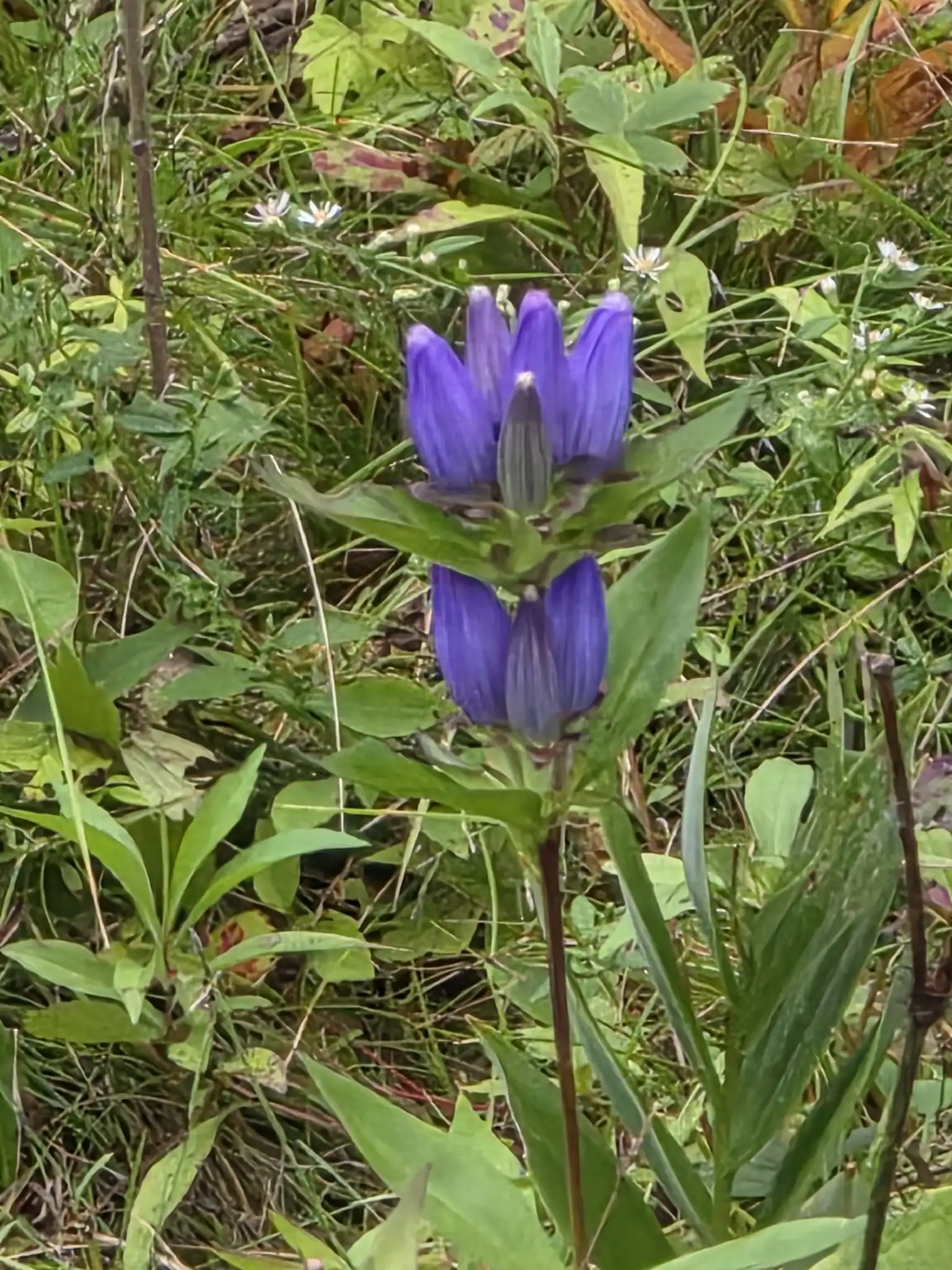
Gentiana andrewsii is an erect, clump-forming native perennial that produces unbranched stems lined with green, ovate leaves featuring prominent parallel veins. In late summer and early fall, dense clusters of deep blue tubular flowers develop at the stem tips and upper leaf axils.
The bottle-shaped flowers remain tightly closed even at peak maturity, creating a mechanical barrier that shelters nectar from smaller insects. Robust native bumblebees are the primary pollinators capable of forcing open the closed corolla tubes to enter.
Uses & Benefits:
Essentials
At a Glance
Plant Type
Perennial
Height
24"
Width
12"
Light
Full Sun, Partial Sun
Zones
4, 5, 6, 7
Water
High
Humidity
Moderate
Lifespan
Perennial
Native To
North America
Toxicity
Non-toxic
Bloom period
Late summer – Early fall
In flower about 2 months of the year
Planting
How to Grow
- Select a planting site in full sun to partial shade where the soil remains consistently damp, such as a rain garden or stream margin.
- Work organic leaf mold or compost into clay or lean soils to improve moisture retention and soil structure.
- Set the plant with the crown sitting level with the surrounding soil, firming gently around the root system.
- Water thoroughly after planting and apply a 2-inch layer of organic mulch to maintain cool root temperatures.
Pro Tip
Plant in cool, humus-rich soil that remains consistently moist, and leave established clumps undisturbed because the fleshy roots recover poorly from transplanting.
Keep It Thriving
Care Guide
Do
- Keep soil consistently moist to prevent leaf scorching during hot spells.
- Top-dress with organic compost or leaf mold annually in spring.
- Leave established root crowns undisturbed once planted.
Don't
- Do not allow soil to dry out completely in full-sun locations.
- Do not prune stems back into old bare wood.
- Do not over-fertilize with strong synthetic products.
Seasonal Care Calendar
| Task | Jan | Feb | Mar | Apr | May | Jun | Jul | Aug | Sep | Oct | Nov | Dec |
|---|---|---|---|---|---|---|---|---|---|---|---|---|
| Fertilize | ||||||||||||
| Mulch | ||||||||||||
| Pest Check | ||||||||||||
| Spring Cleanup | ||||||||||||
| Winter Prep |
Watch Out For
Pests & Diseases
Common Pests
Common Diseases
In the Garden
Landscape Uses & Companions
Landscape Uses
Multiply
Propagation Methods
Good to Know
Common Questions
Closed Gentian questions
What zones can Closed Gentian grow in?
Closed Gentian is hardy in USDA Zones 4–7. Inside that range it survives winter in the ground; outside it, grow it as an annual or a container plant you protect.
Is Closed Gentian deer resistant?
Yes — Closed Gentian is rated deer-resistant. Deer typically pass it over, though extreme hunger can override any plant's defenses.
When does Closed Gentian bloom?
Closed Gentian typically blooms in late summer through early fall. Exact timing shifts a week or two with your zone — Sow's bloom calendar maps it to your garden.
Does Closed Gentian need full sun?
Closed Gentian does best in full sun to part shade. In hot climates, afternoon shade keeps blooms fresher longer.
More Gentiana to compare
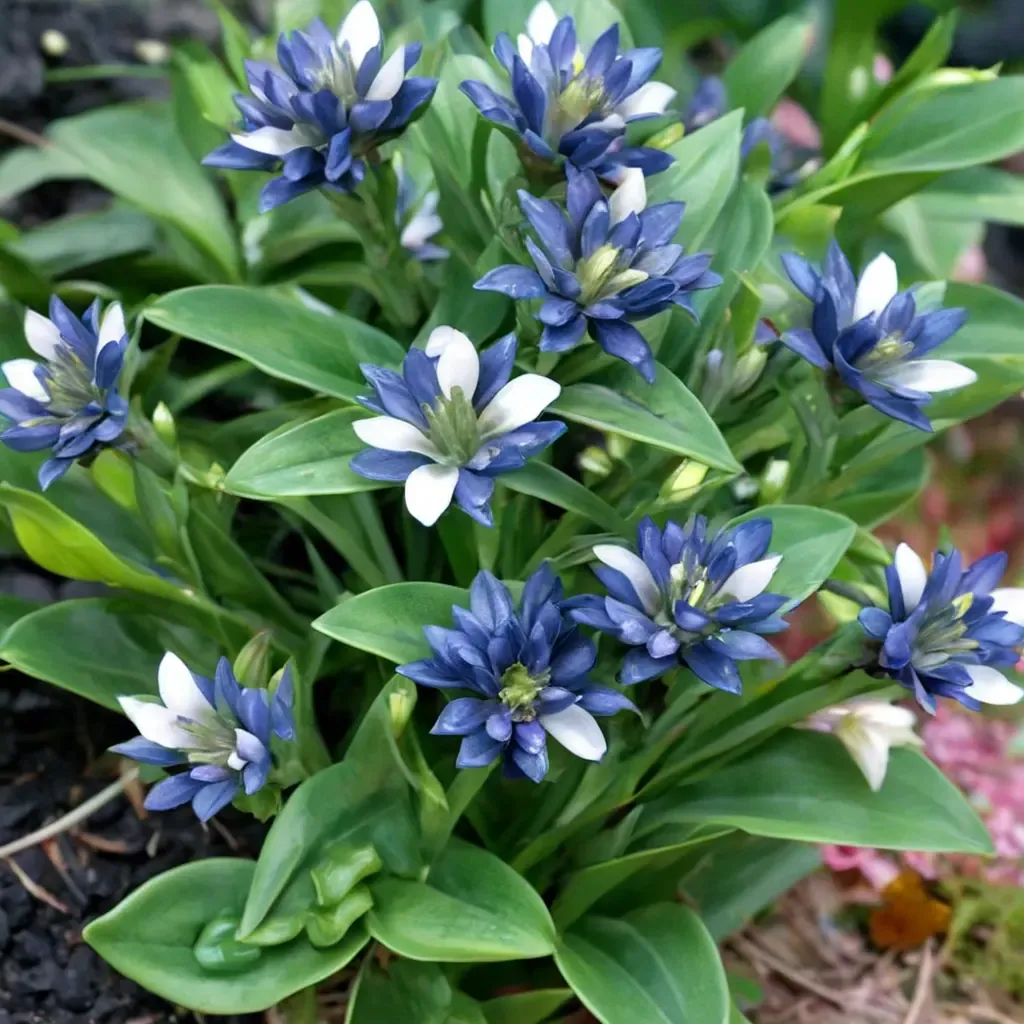
Cross Gentian
Gentiana cruciata 'Blue Cross Bottle Gentian'
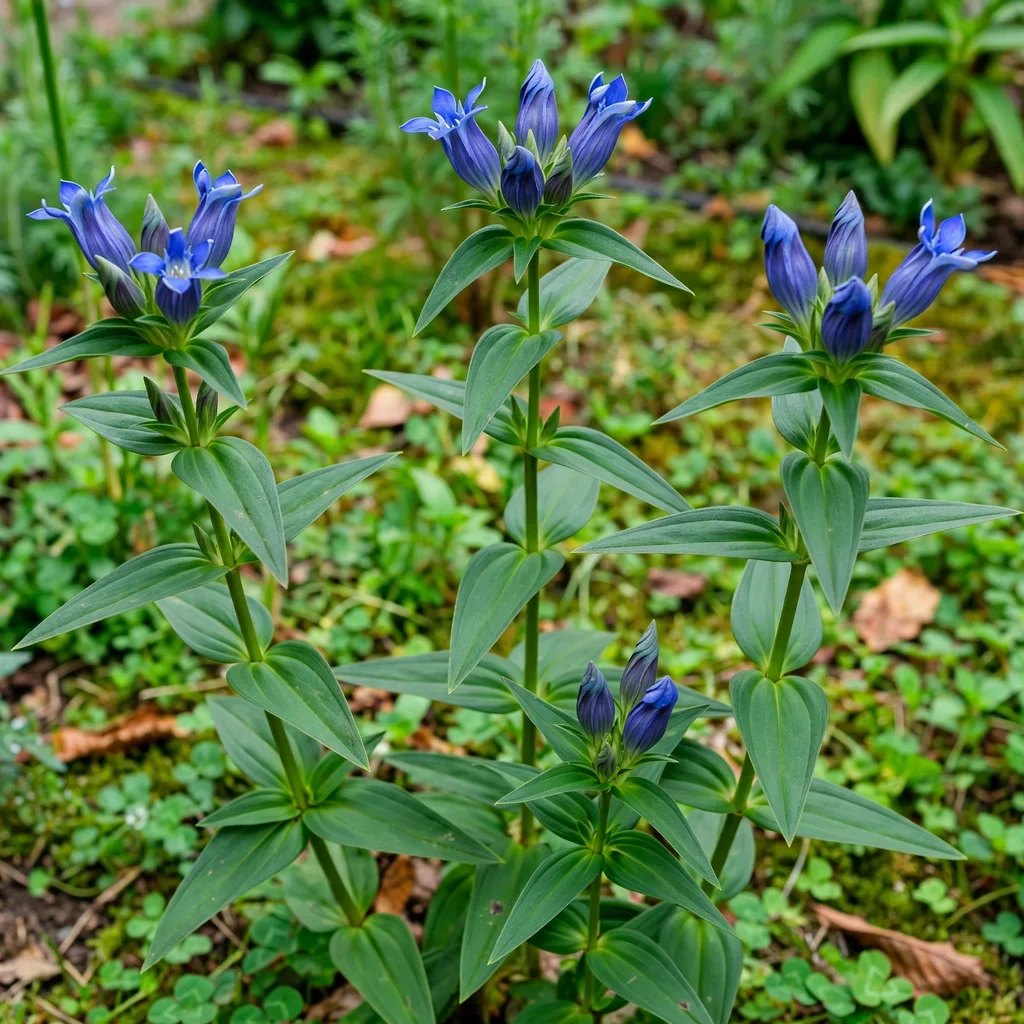
Soapwort Gentian
Gentiana saponaria
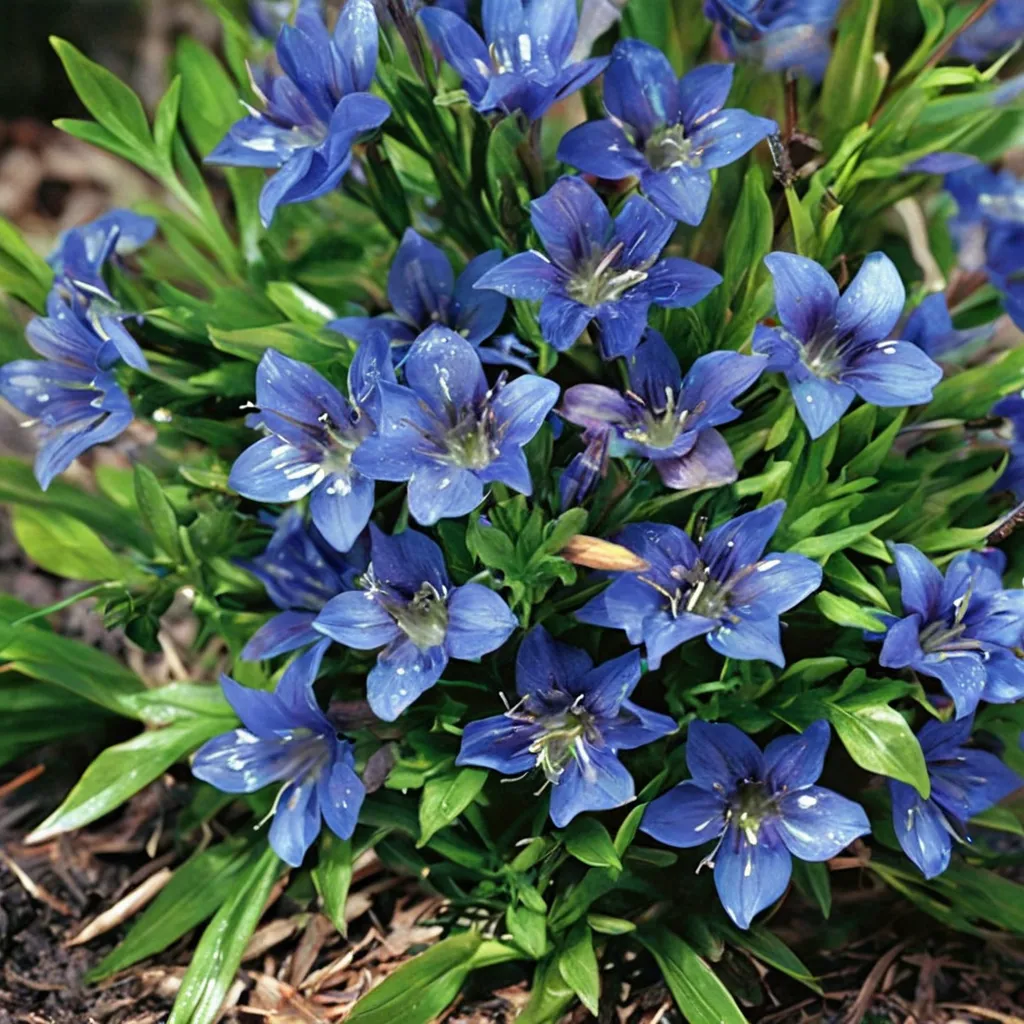
Crested Gentian
Gentiana septemfida 'lagodechiana'
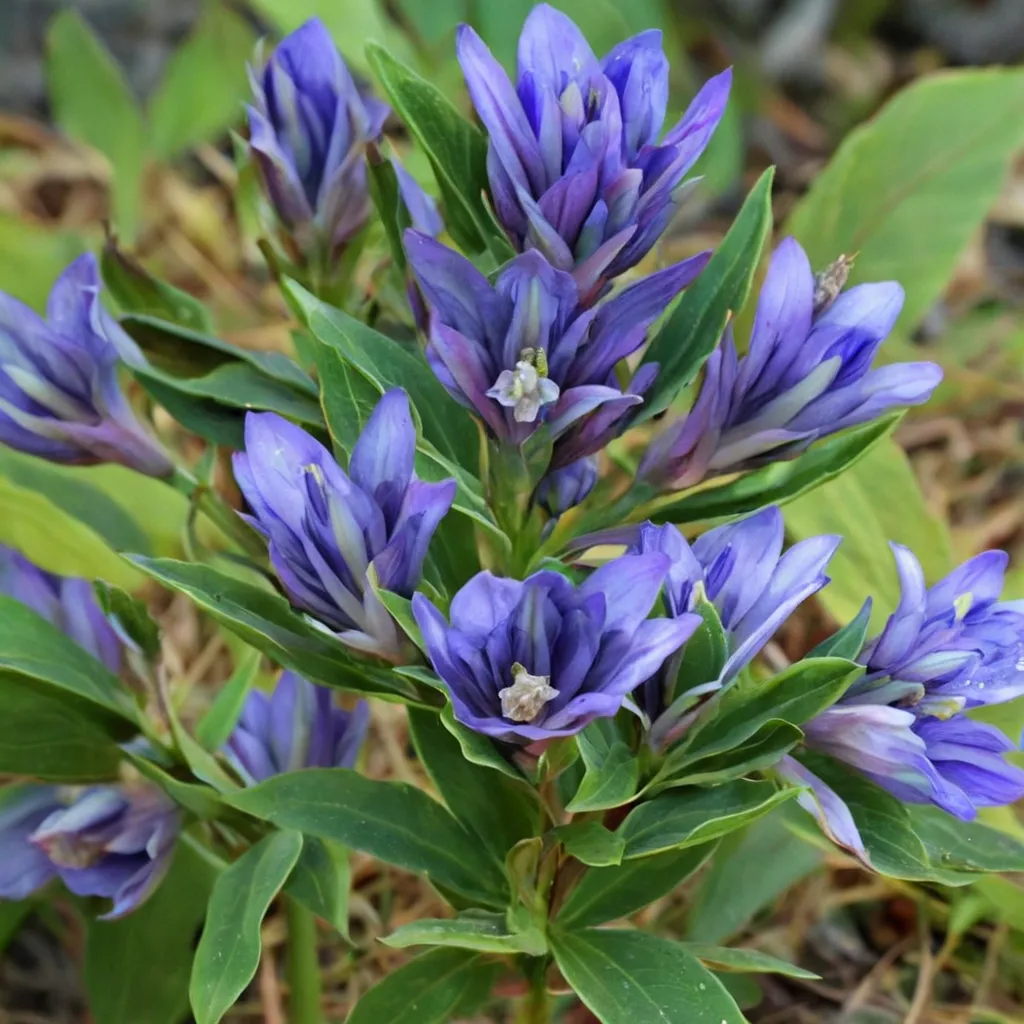
Catesby's Gentian
Gentiana catesbaei
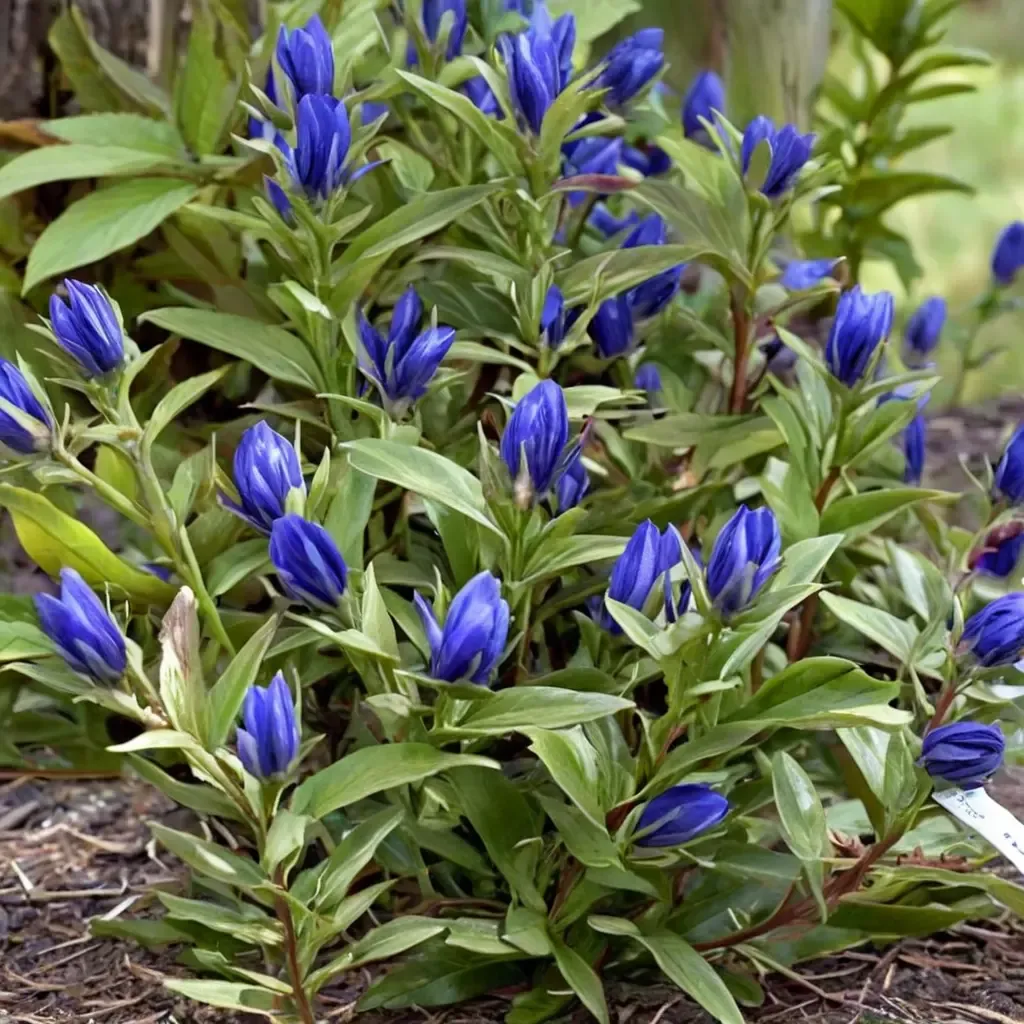
True Blue Gentian
Gentiana x hybrida 'True Blue'
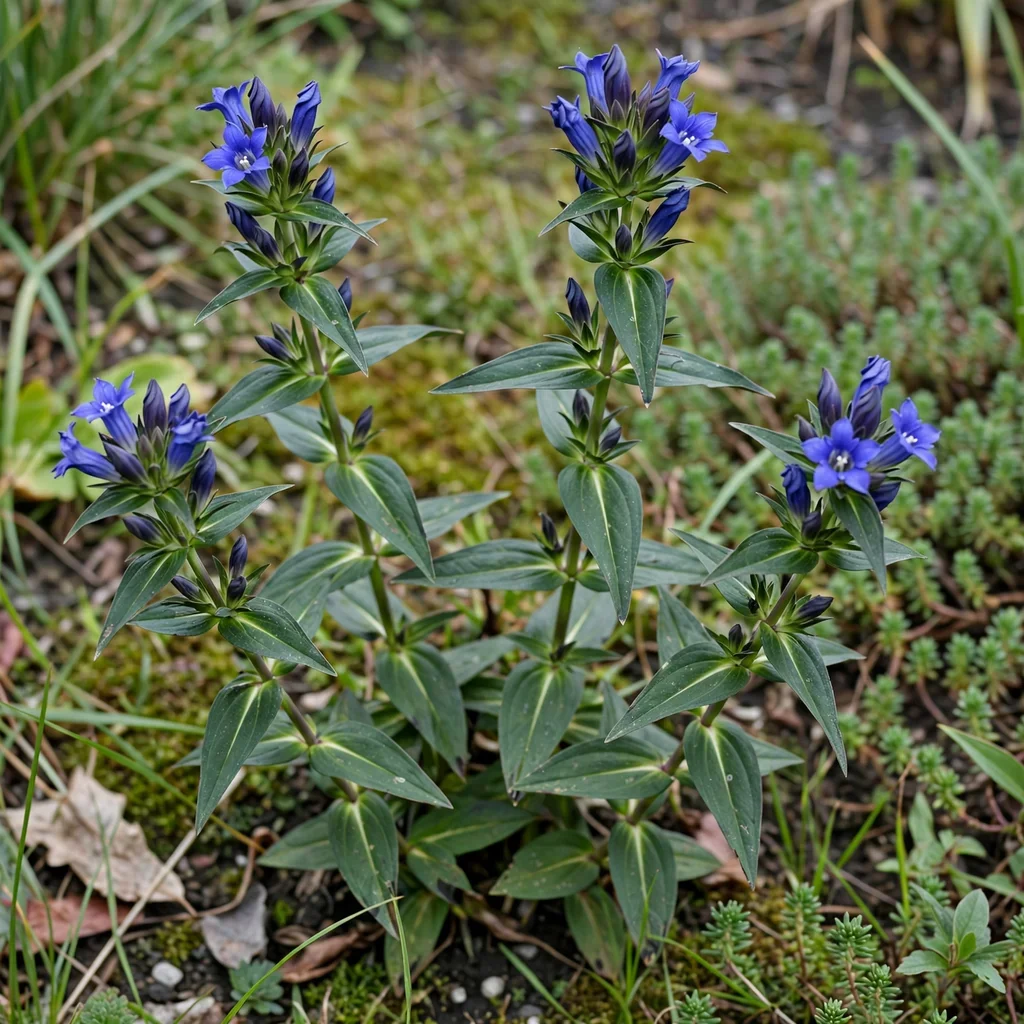
Japanese Gentian
Gentiana scabra
Keep exploring
Explore the genus
Hardy in your zone?
Grow Closed Gentian with confidence
See it in a design of your actual yard, get zone-matched care reminders, and track it season by season in your garden journal.