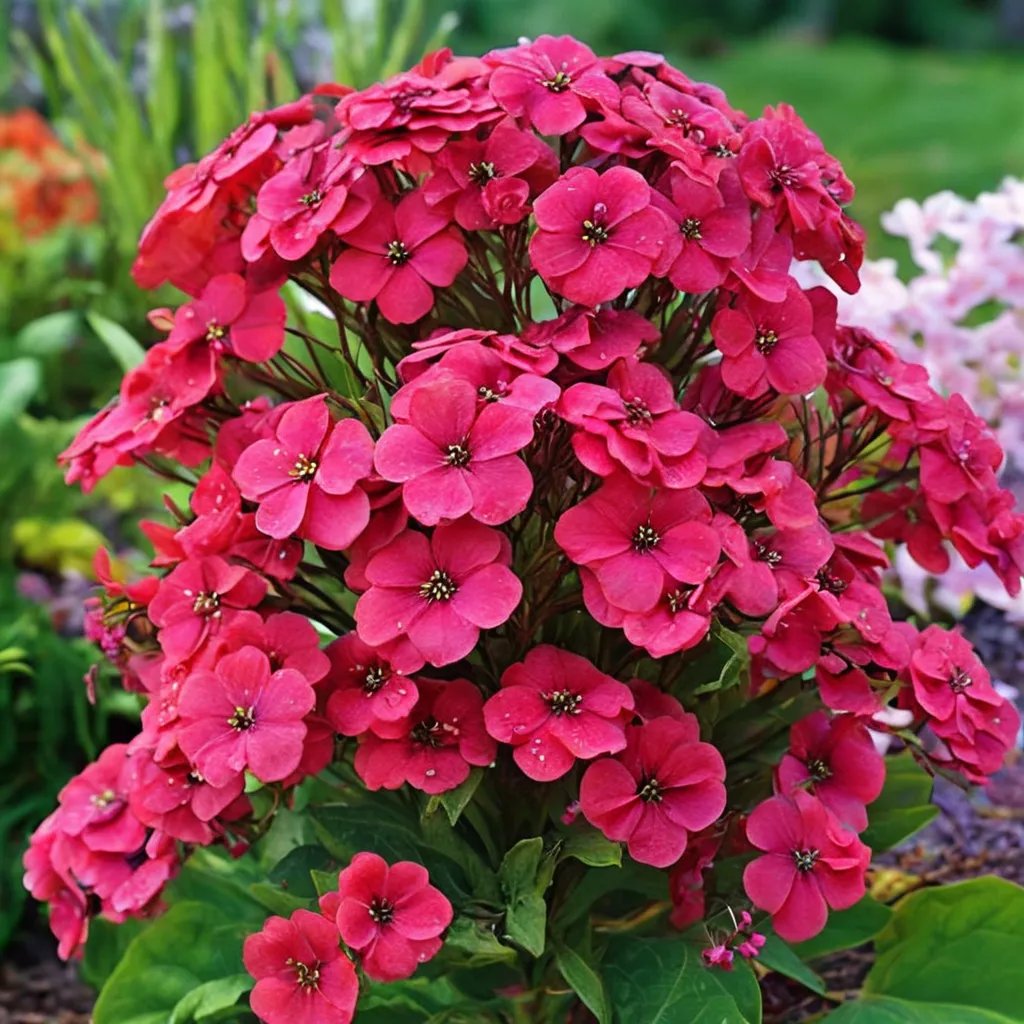
Species
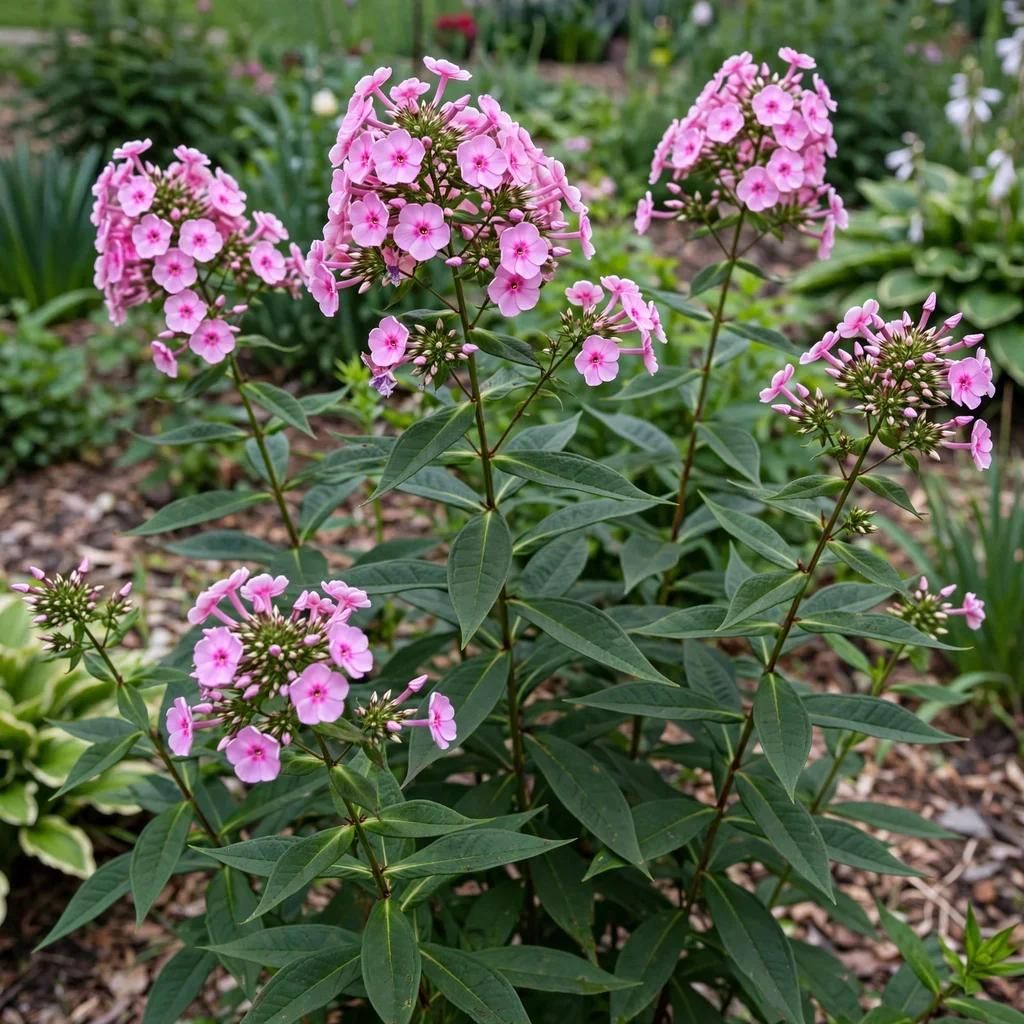 Phlox paniculataGarden Phlox
64 other cultivars
 ‘Mix’Garden Phlox
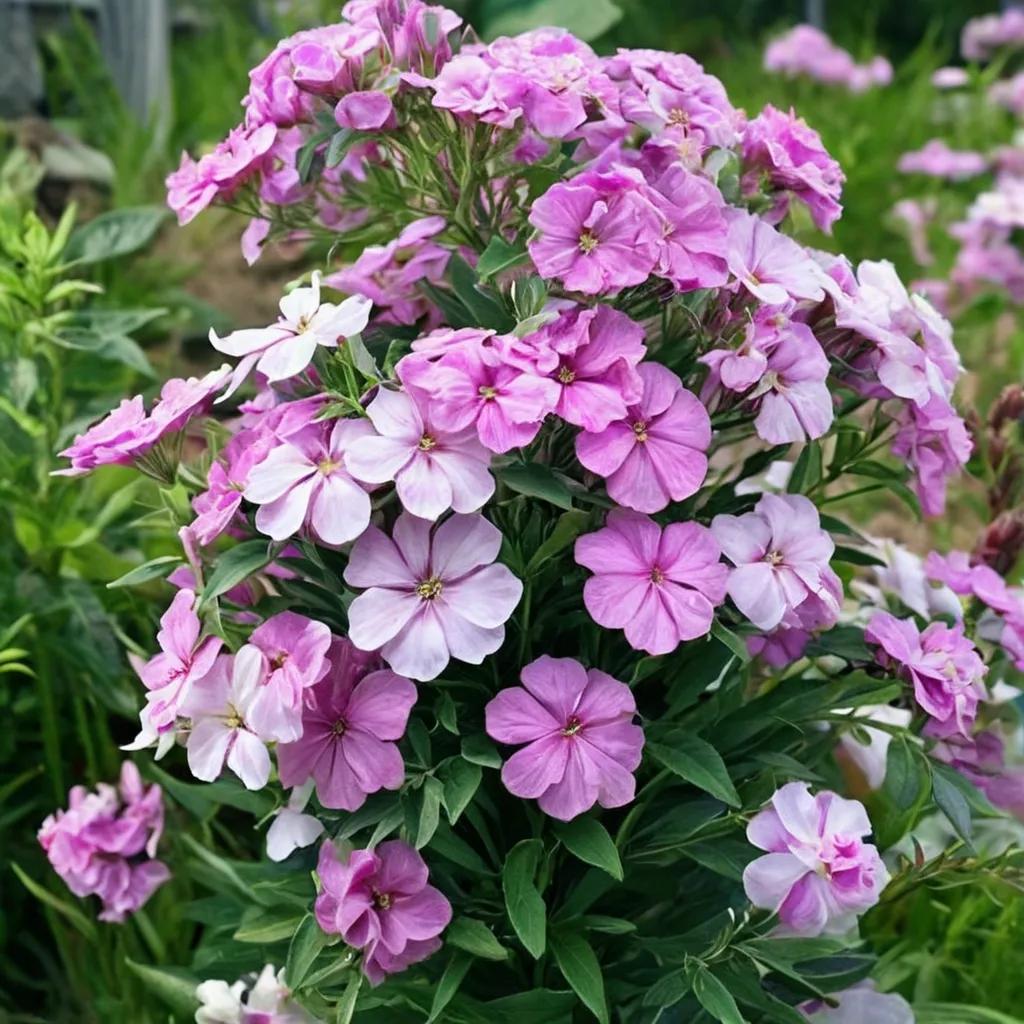 ‘Rene Duval’Garden Phlox 'Rene Duval'
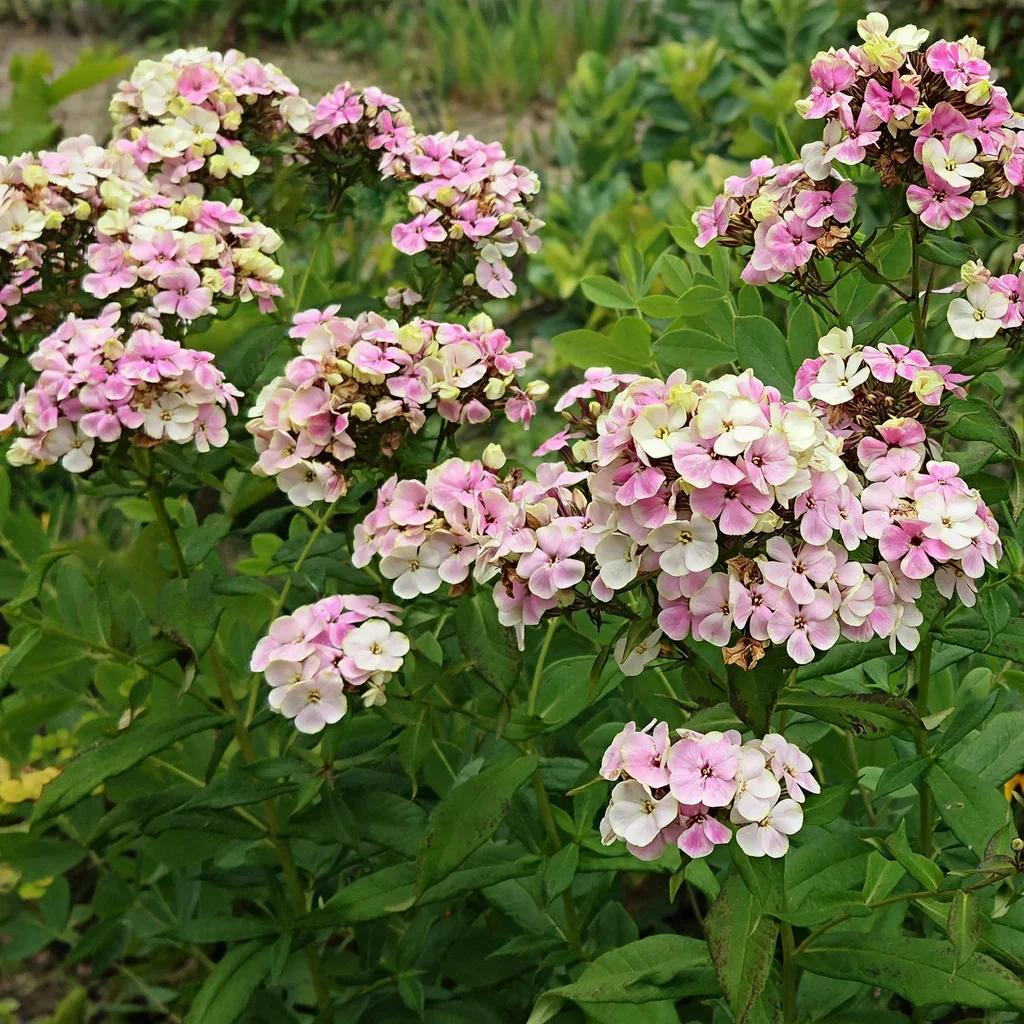 ‘Sherbet Cocktail’Sherbet Cocktail Garden Phlox
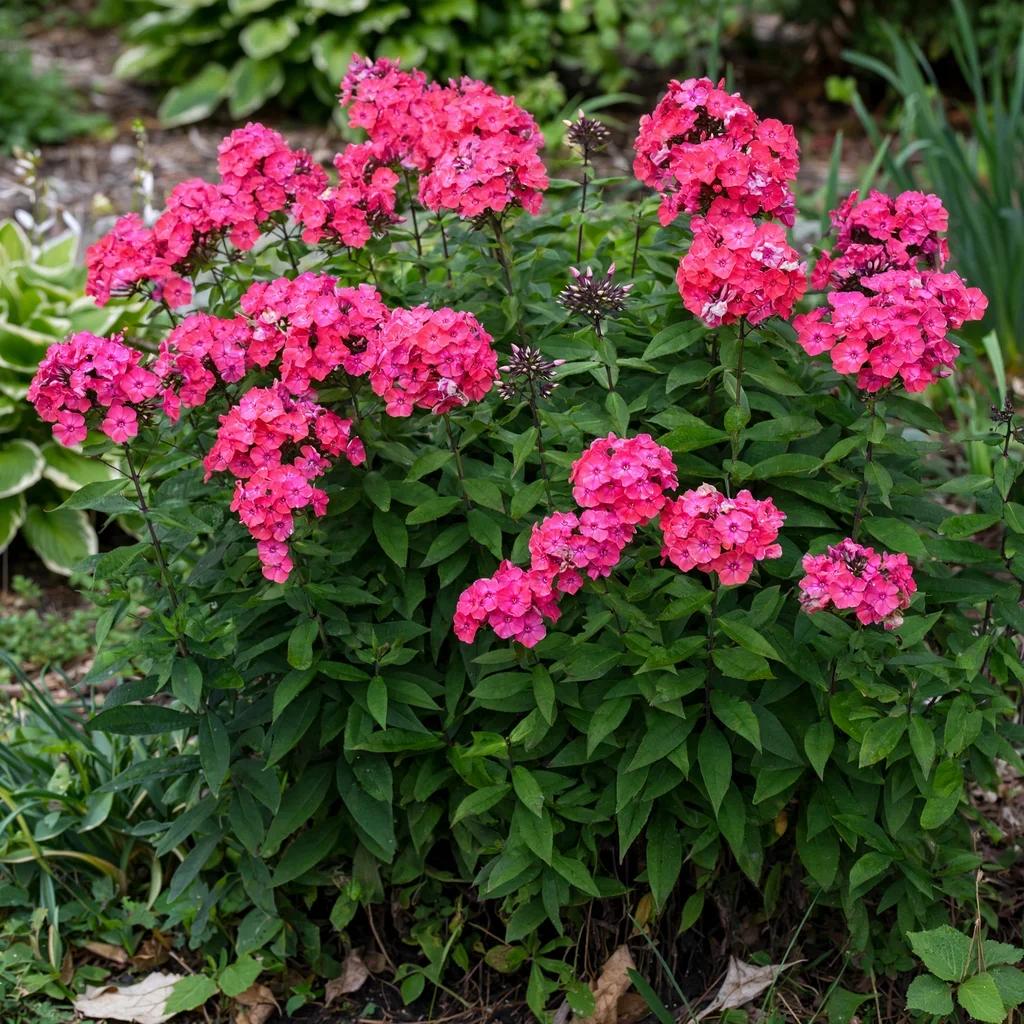 ‘Glamour Girl’Glamour Girl Garden Phlox
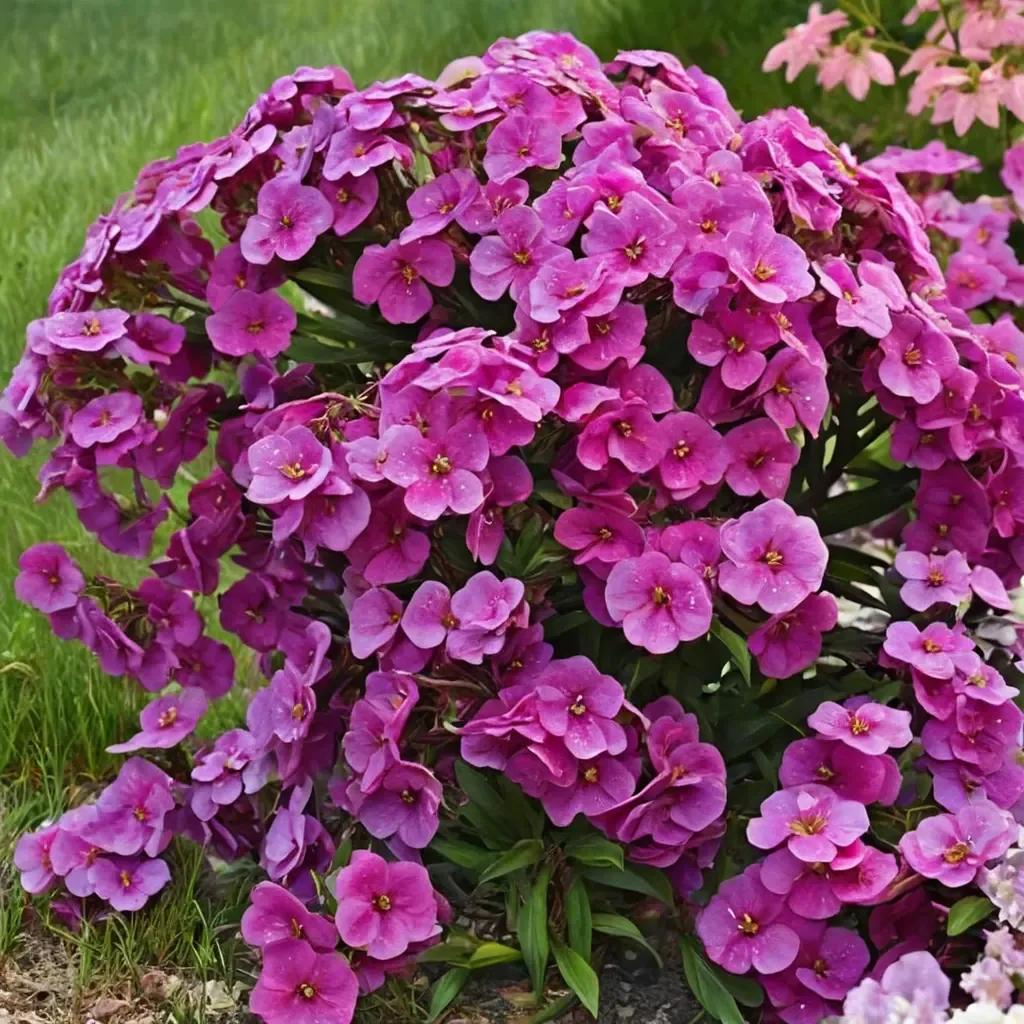 ‘Material Girl’Material Girl Phlox
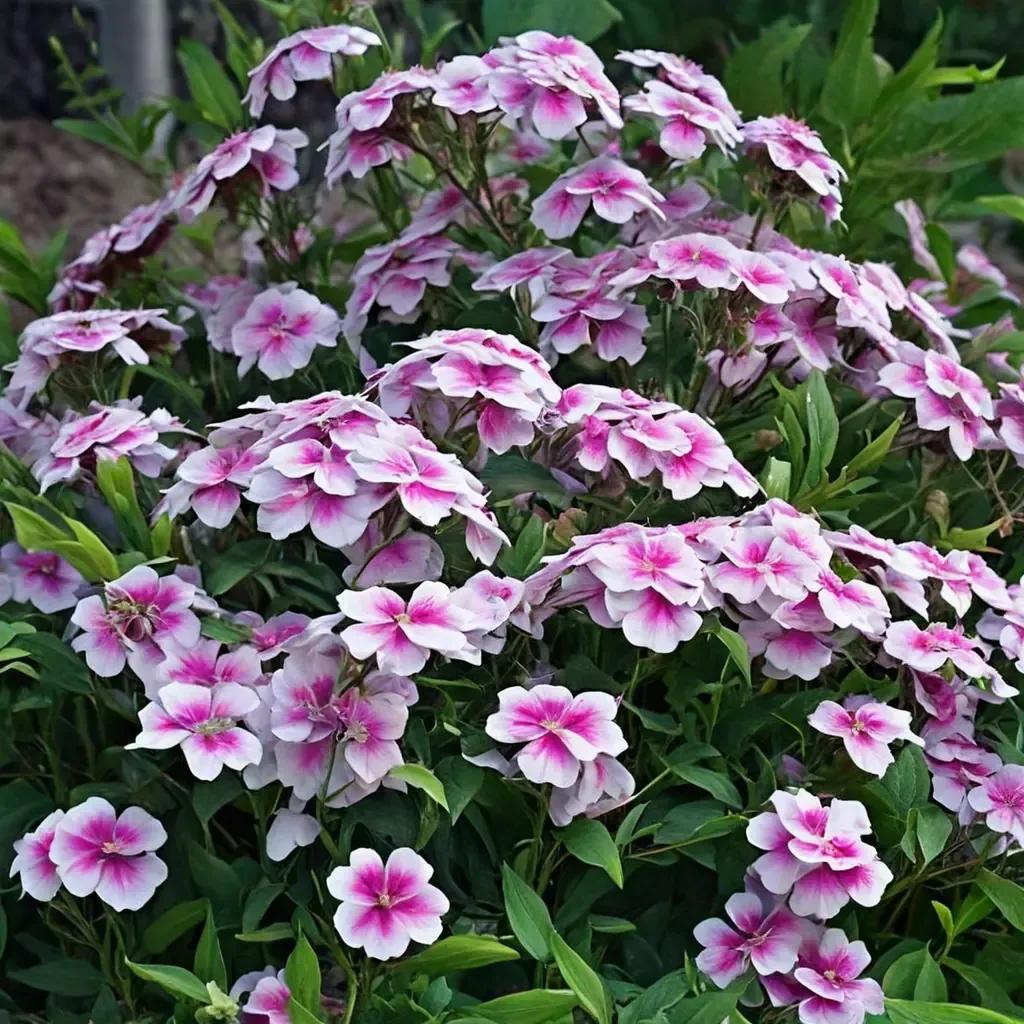 ‘John Fanick’John Fanick Phlox
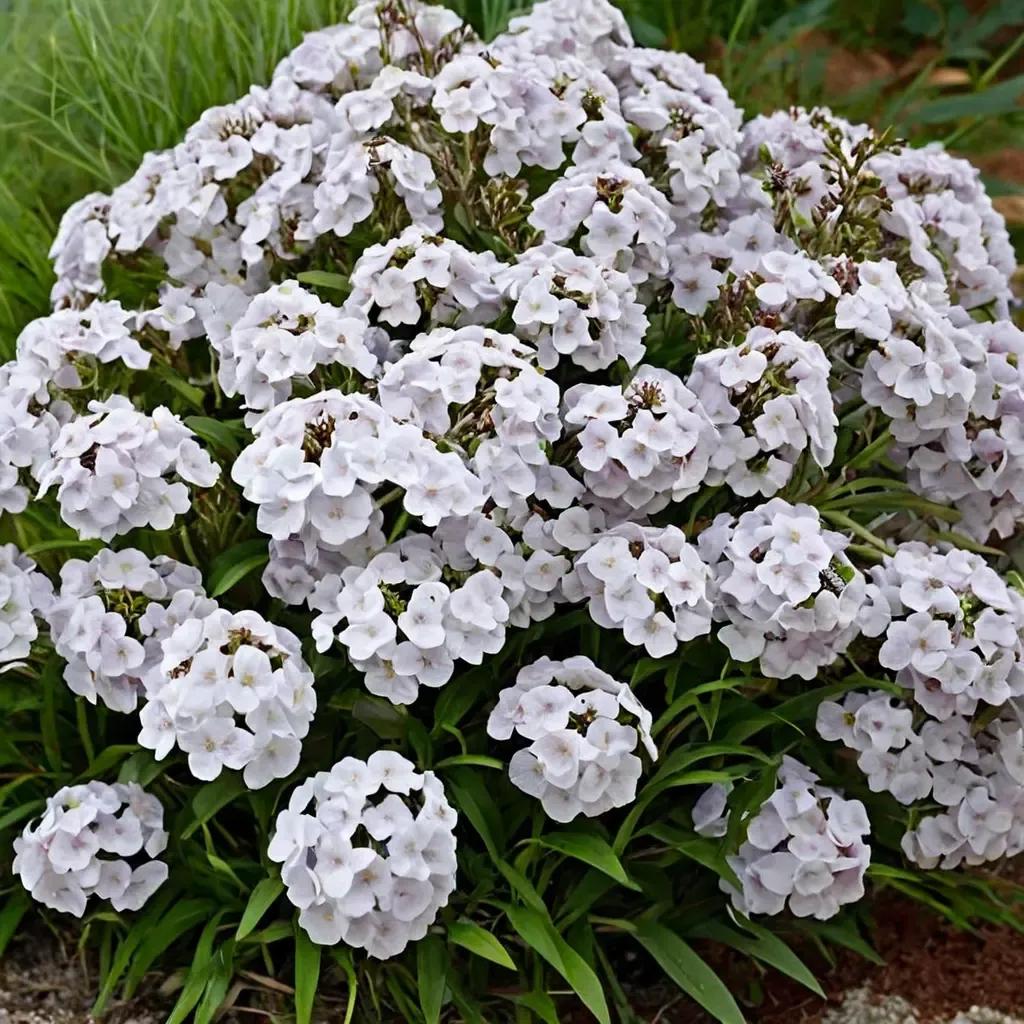 ‘Fashionably Early Crystal’Fashionably Early Crystal Garden Phlox
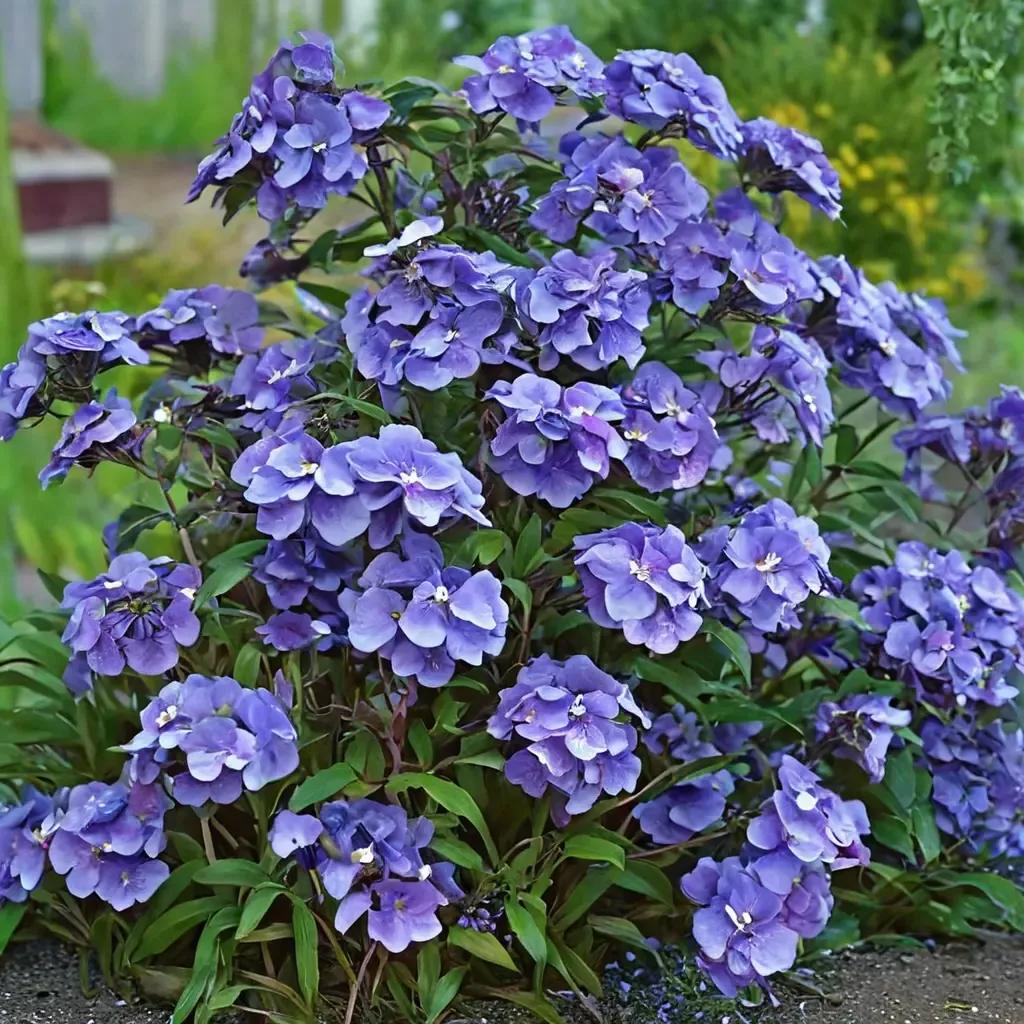 ‘Blue Paradise’Blue Paradise Phlox
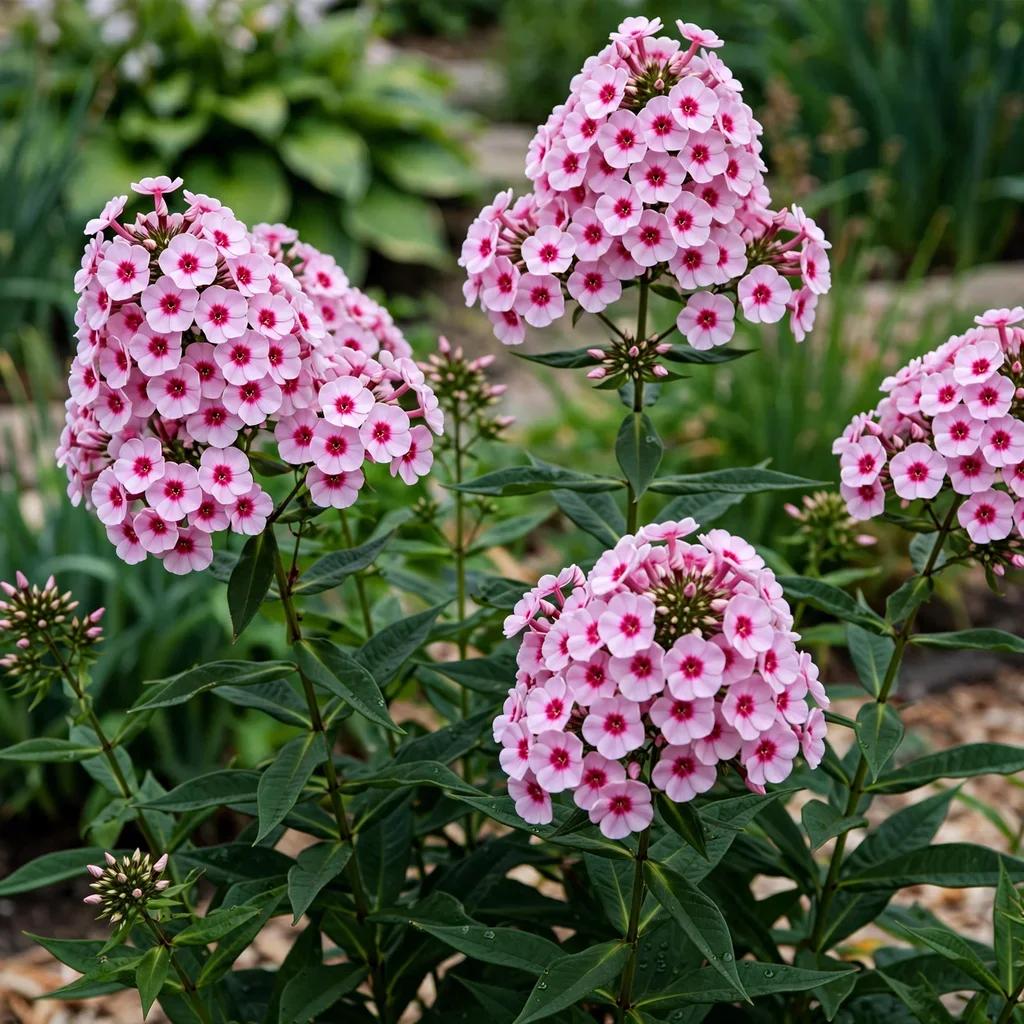 ‘Bright Eyes’Garden Phlox Bright Eyes Phlox
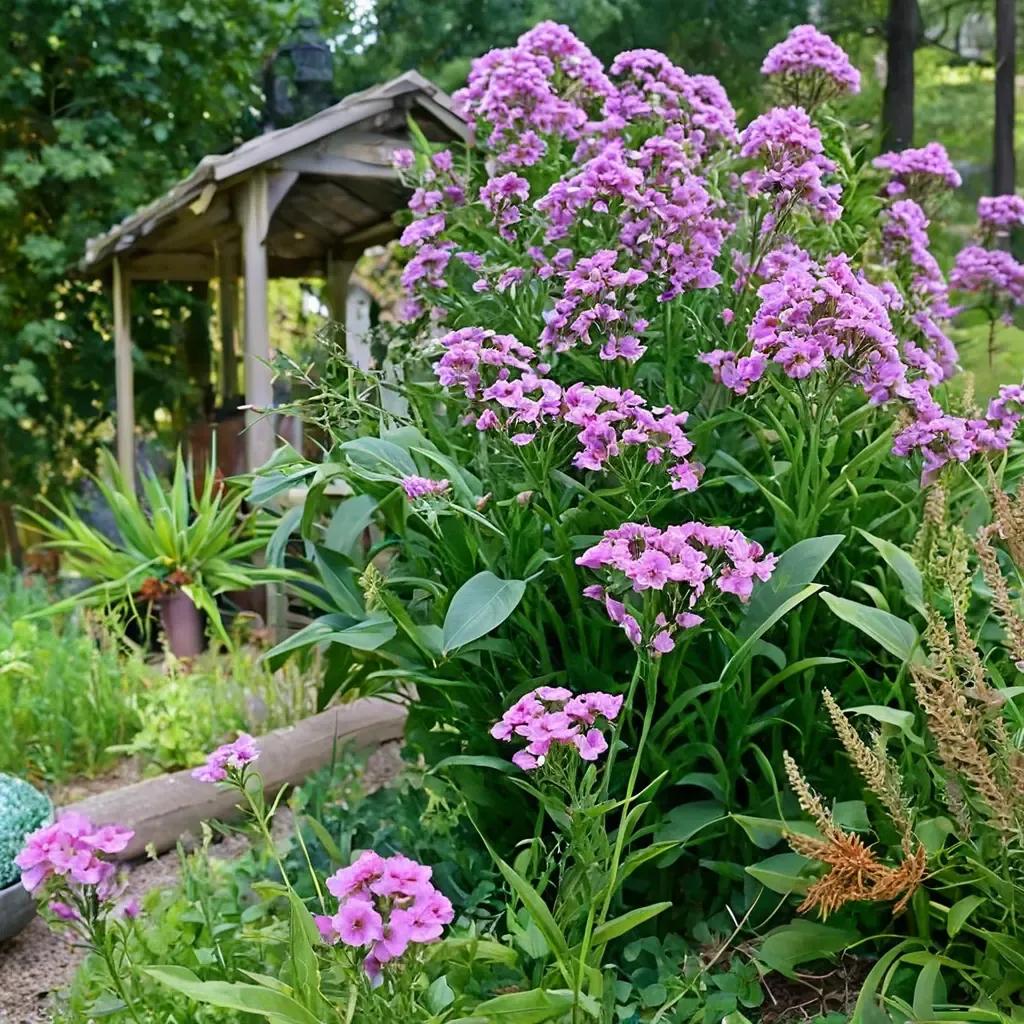 ‘Jeana’Jeana Garden Phlox
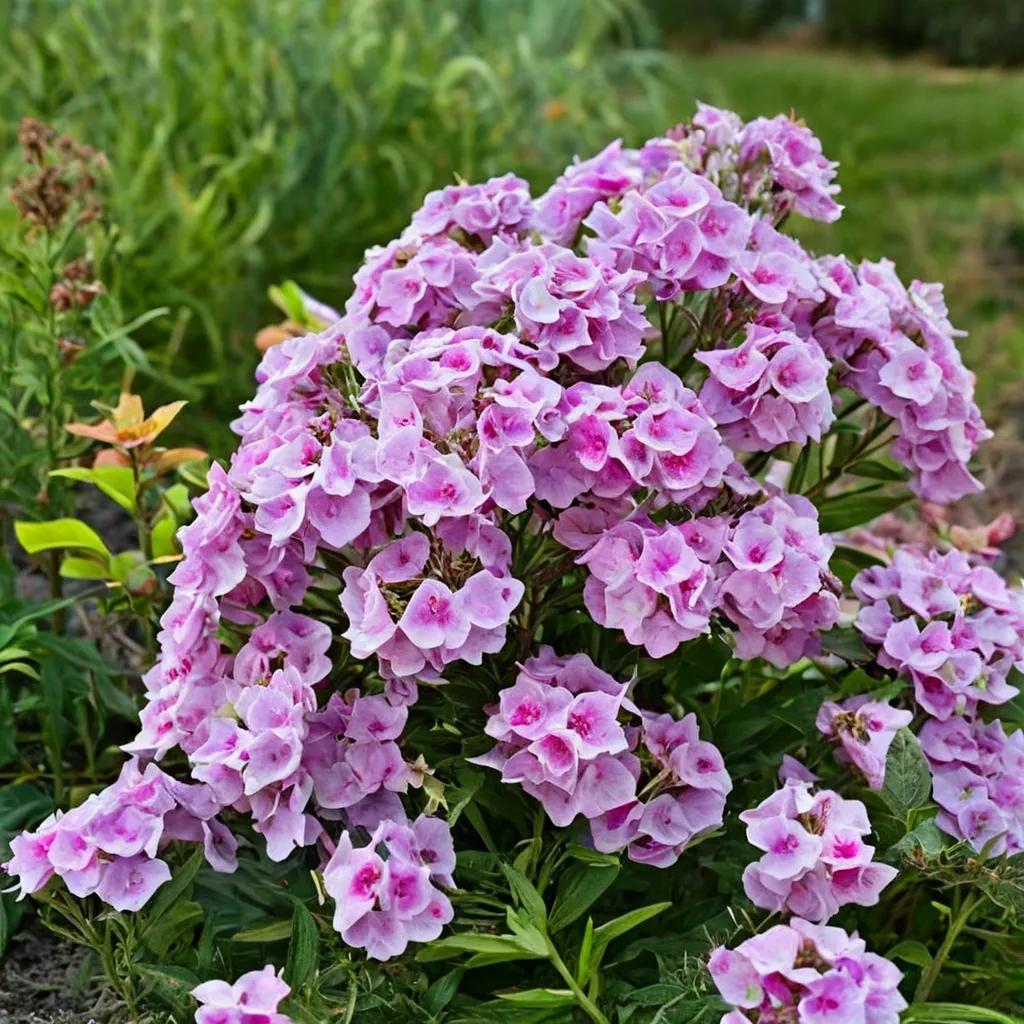 ‘Opalescence’Garden Phlox Opalescence
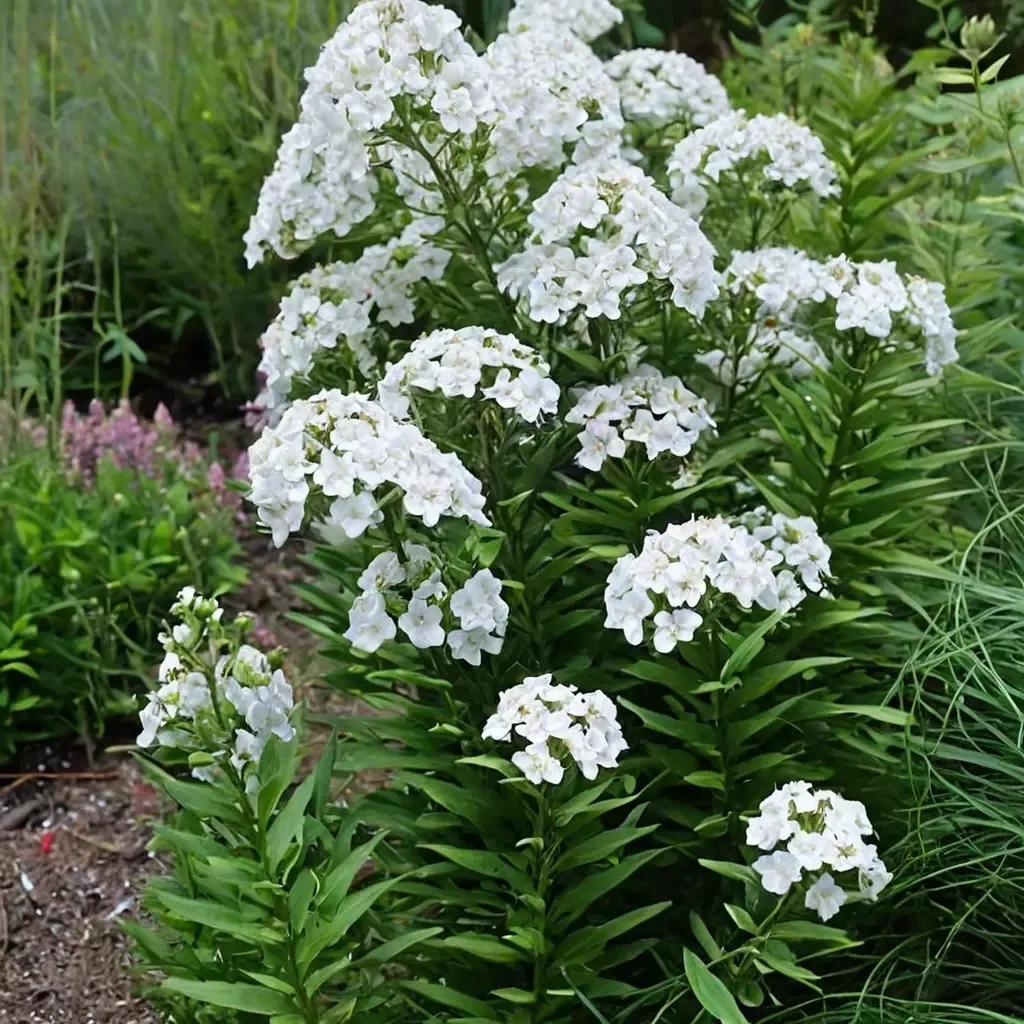 ‘David’David Garden Phlox
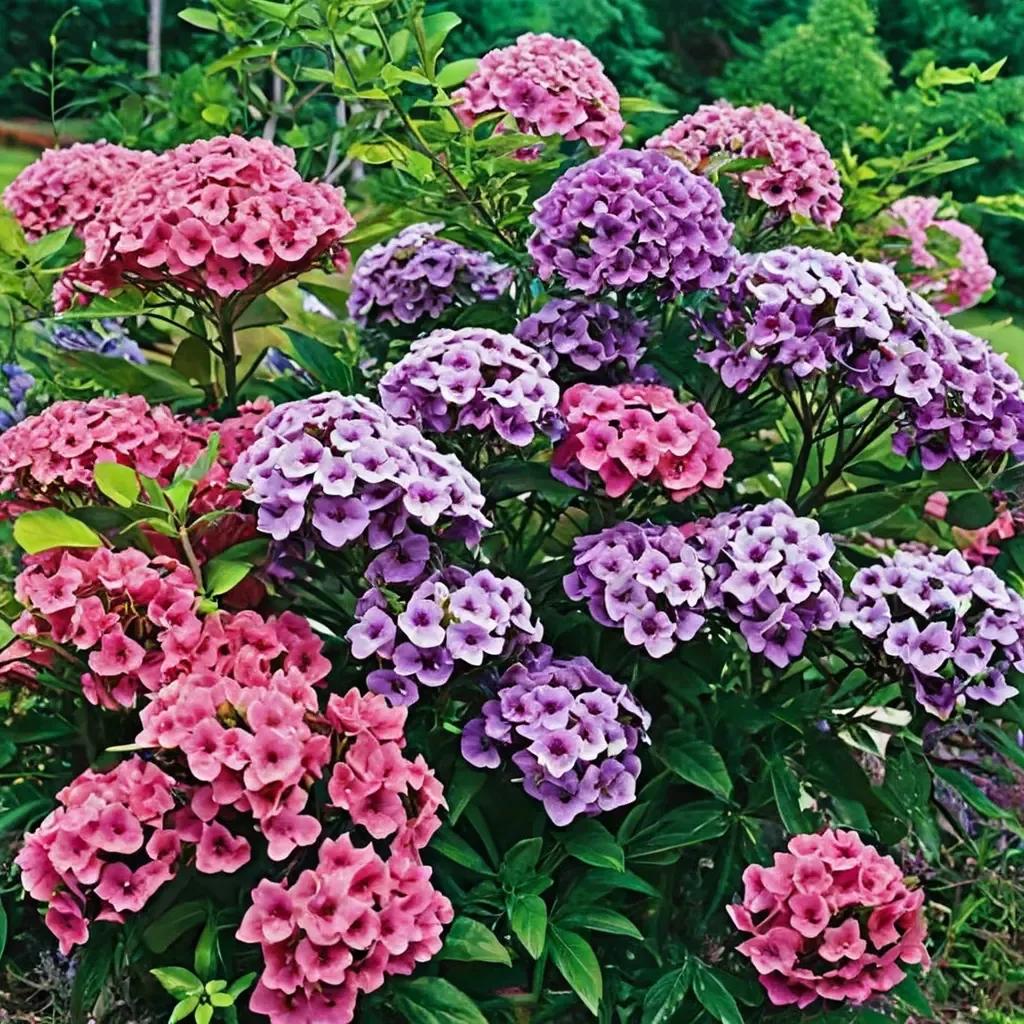 ‘Hardy Tall’Hardy Tall Phlox
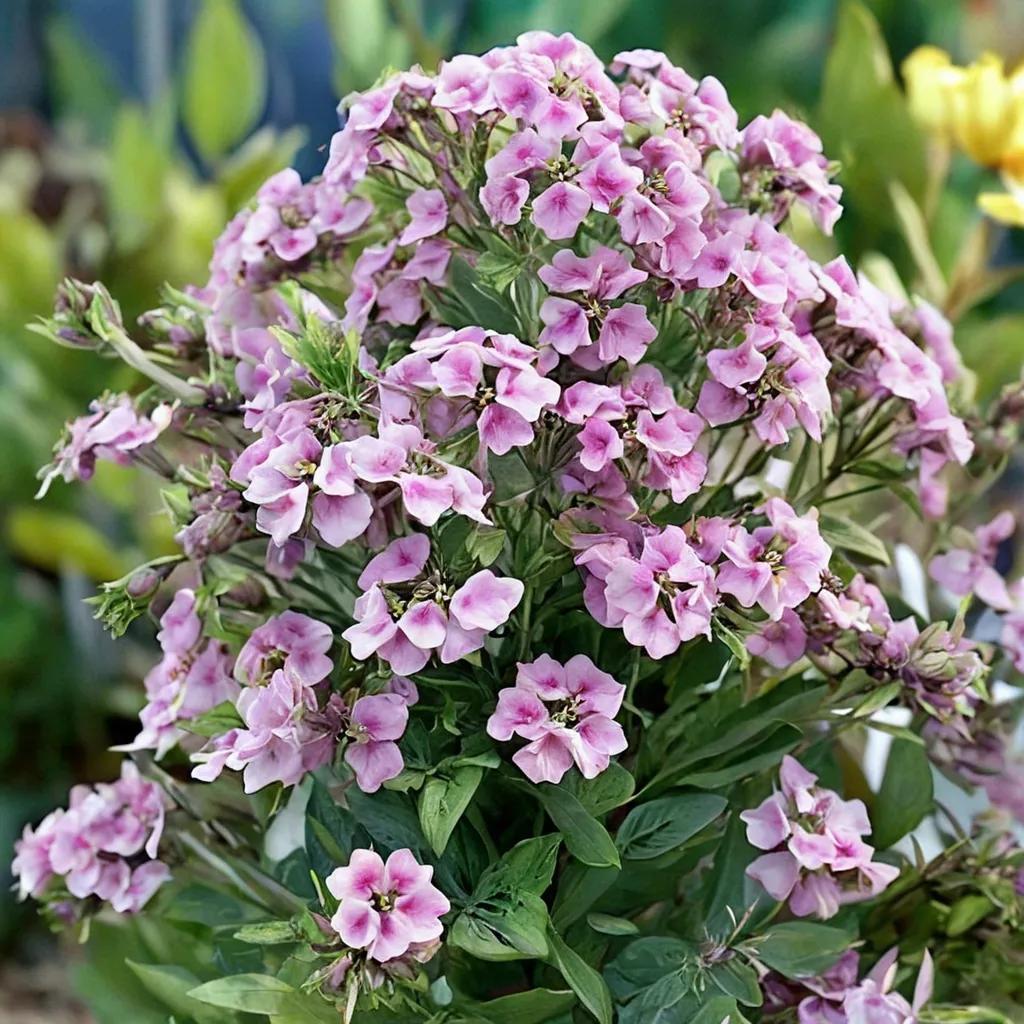 ‘Starburst’Garden Phlox 'Starburst'
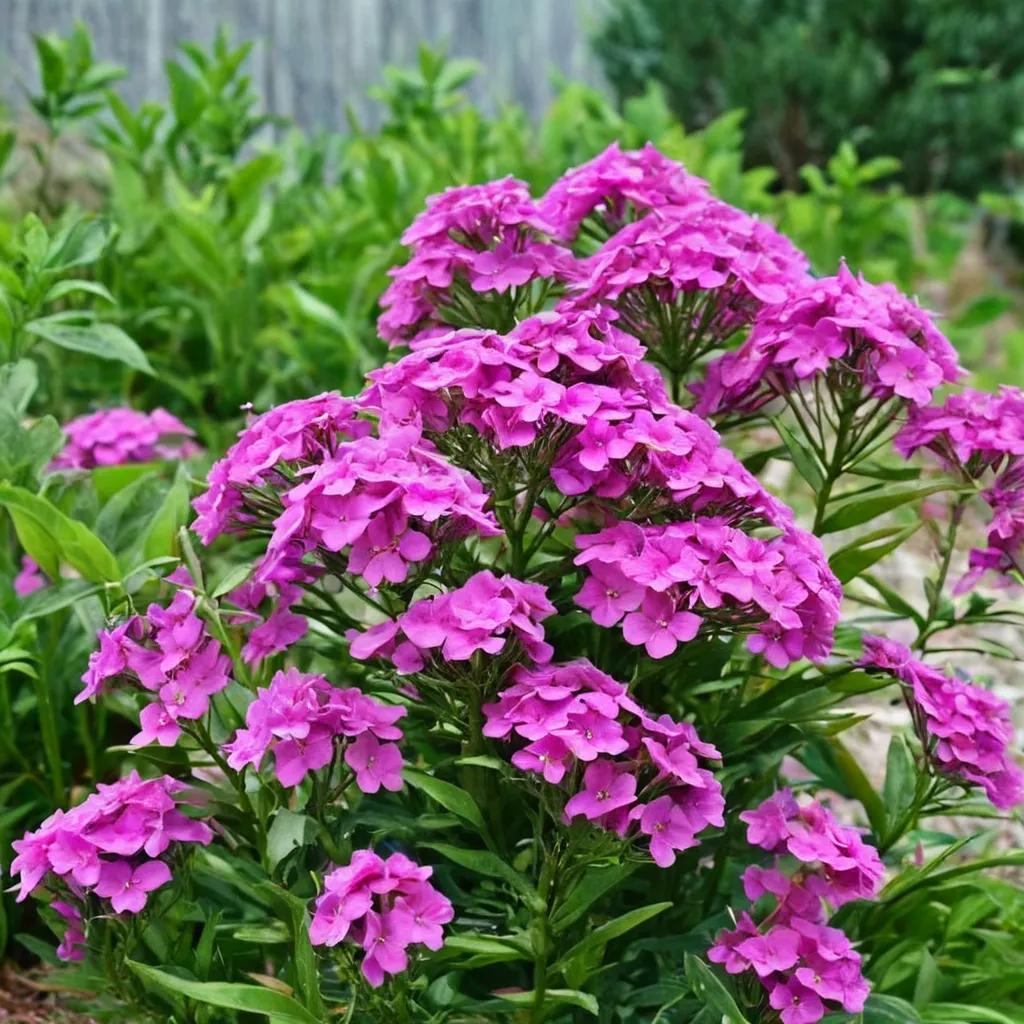 ‘Robert Poore’Phlox paniculata Robert Poore
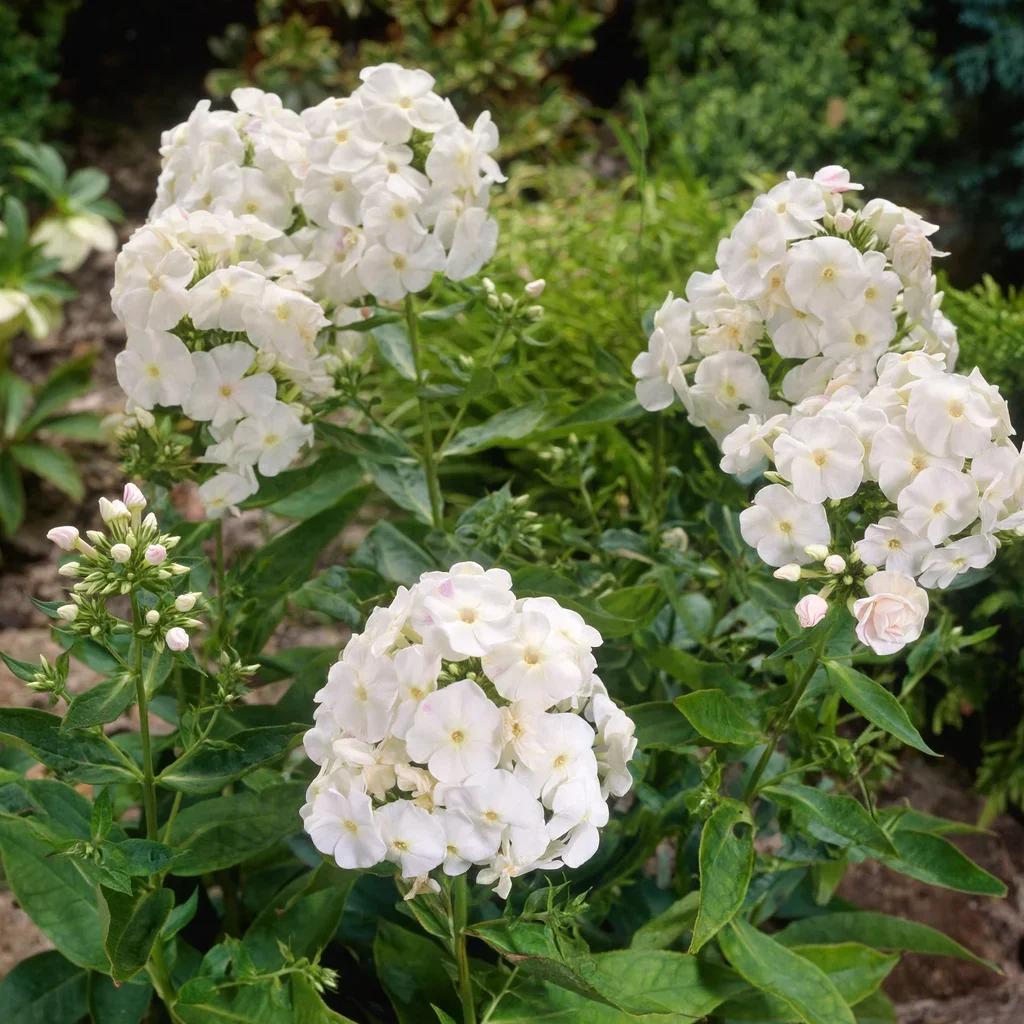 ‘Crme de la Crme’Crème de la Crème Garden Phlox
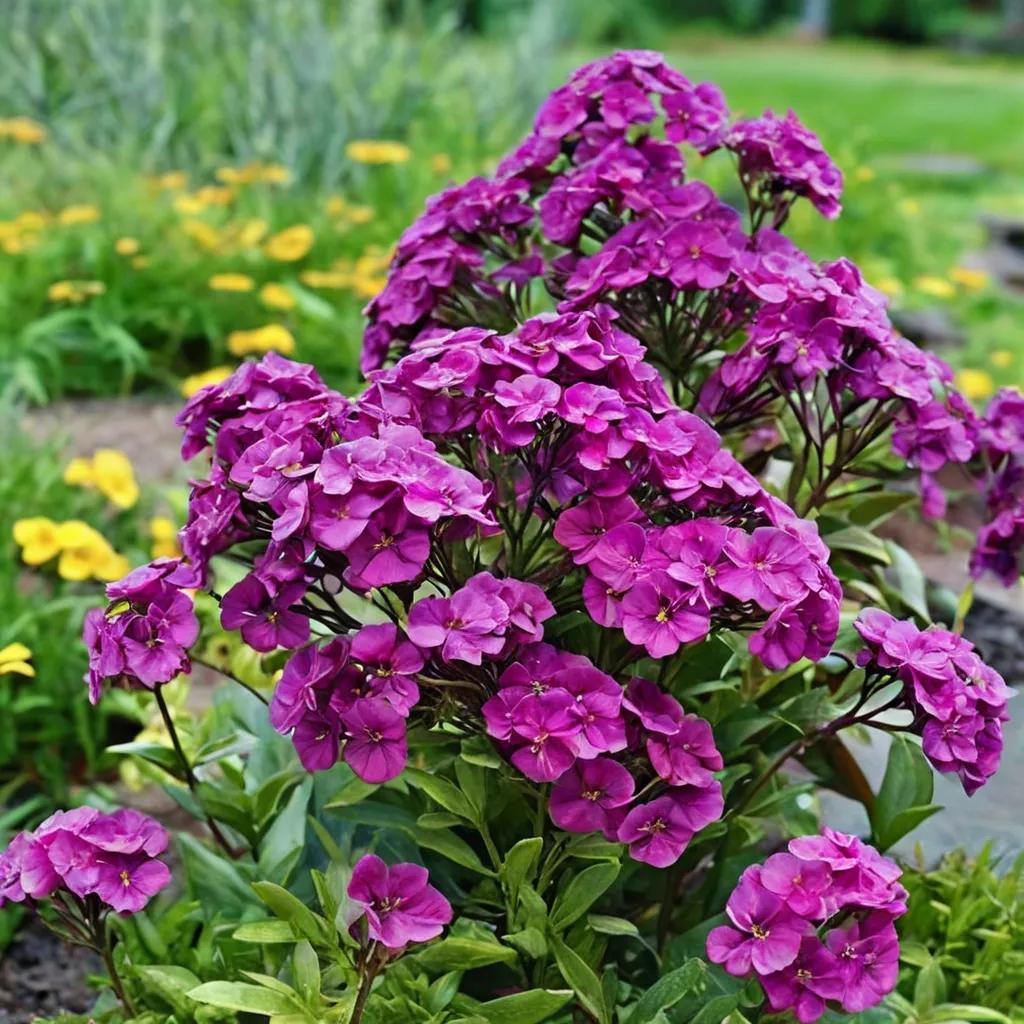 ‘Nicky’Nicky Phlox
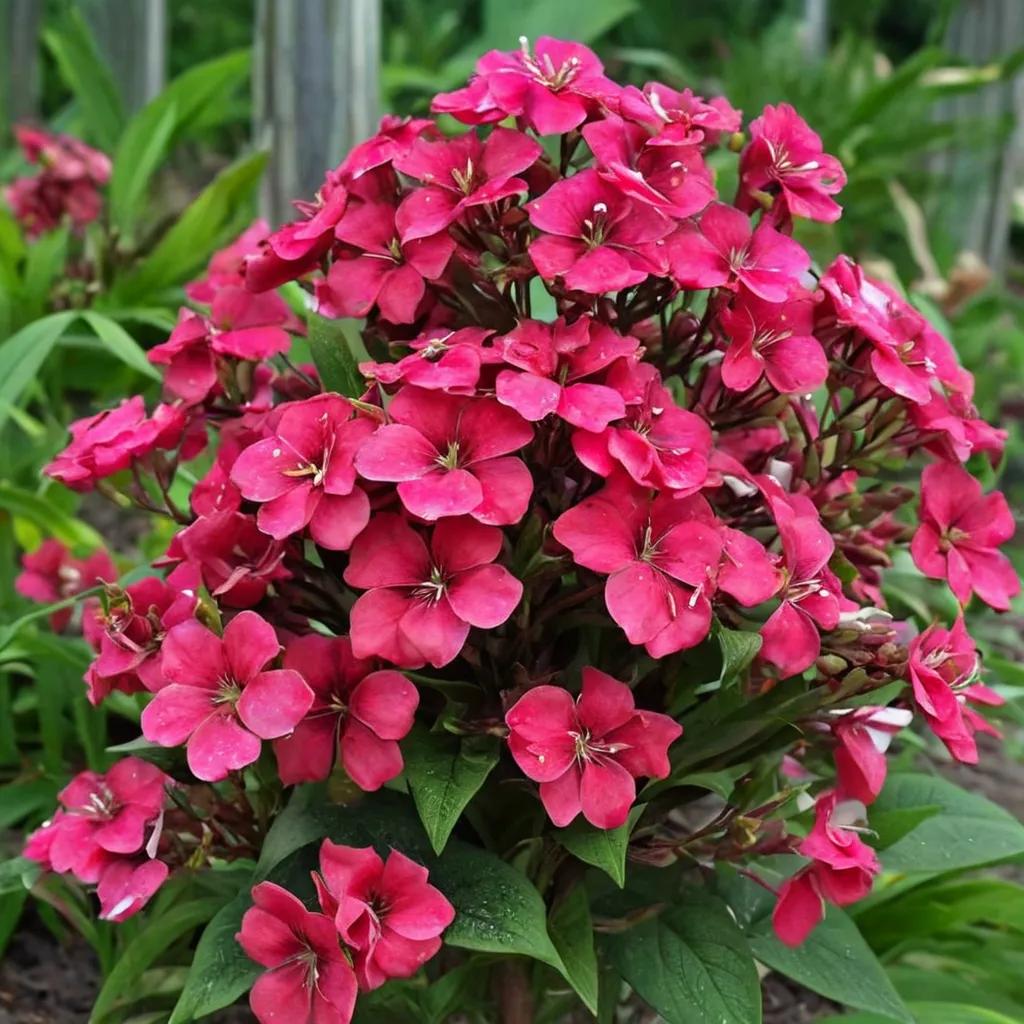 ‘Flame Red’Phlox Flame Red
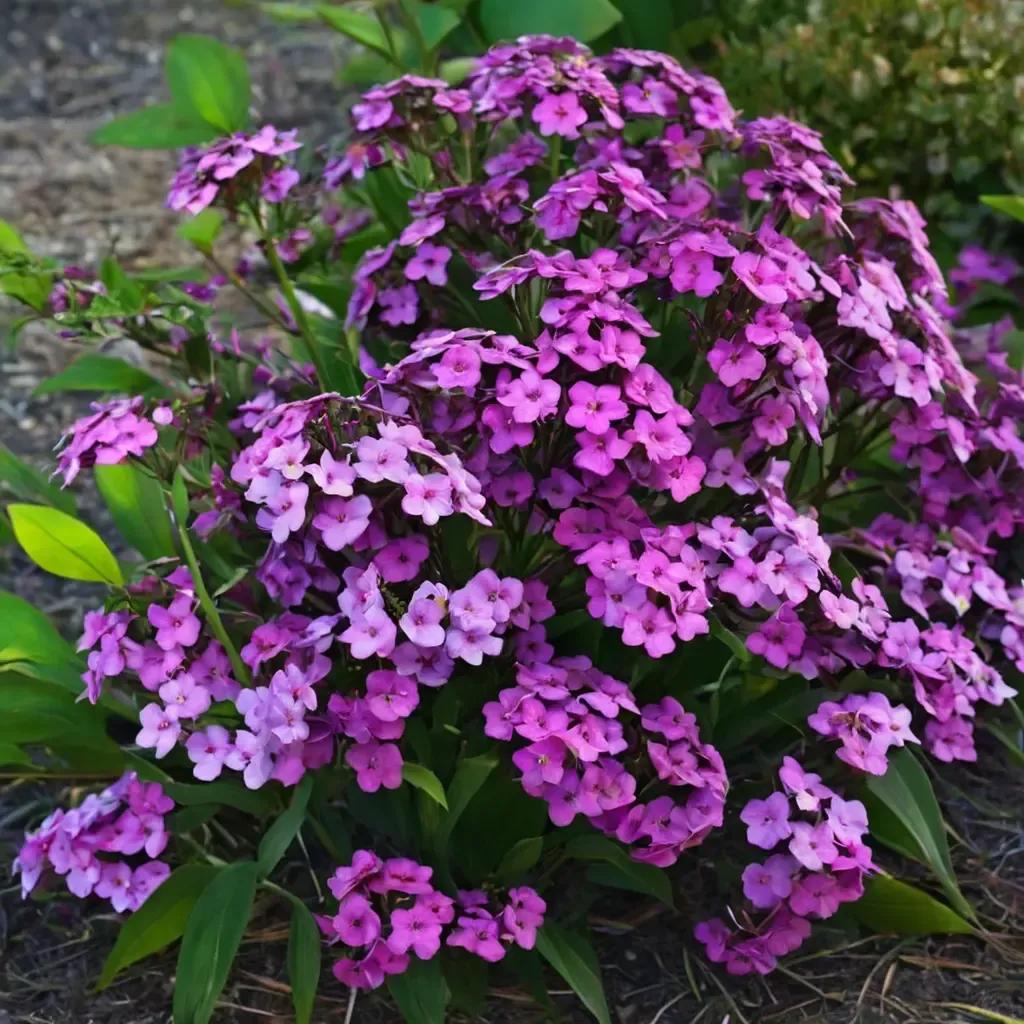 ‘Cloudburst’Cloudburst Hybrid Phlox
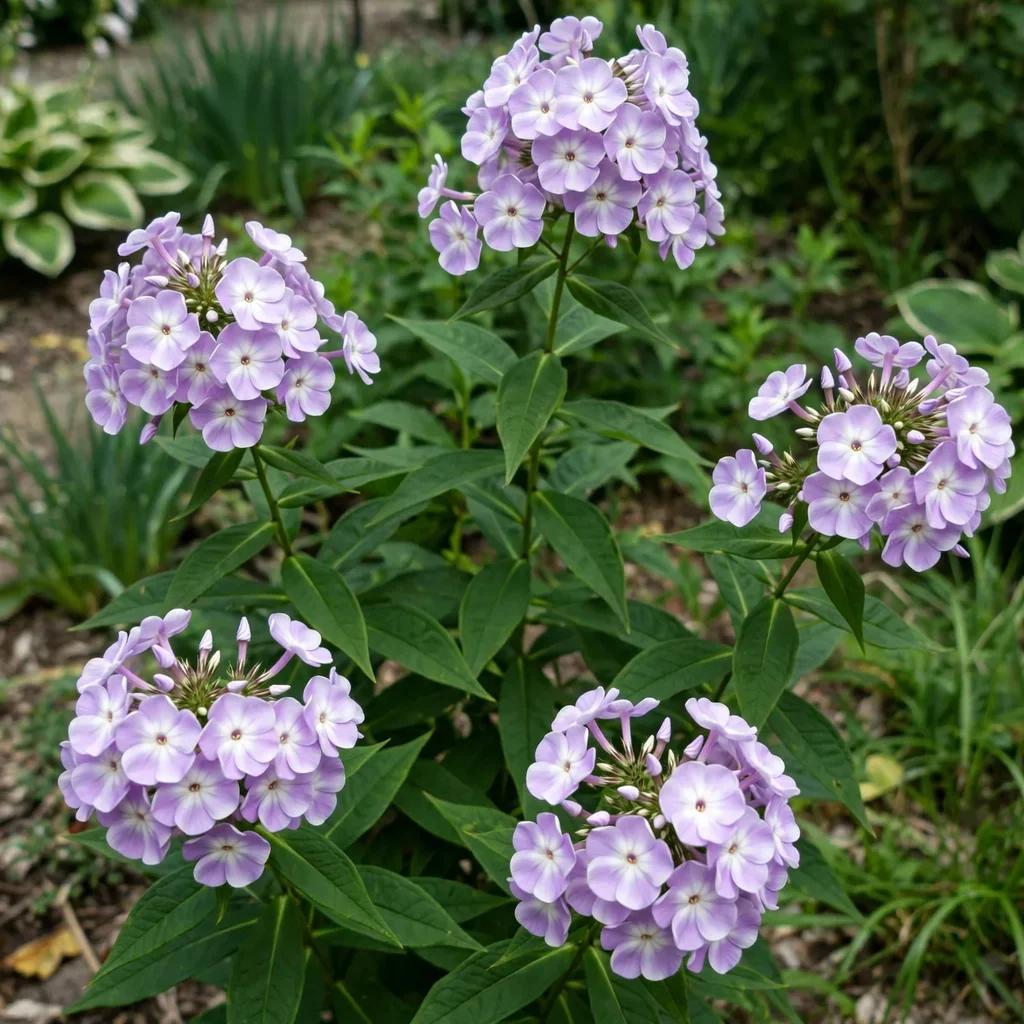 ‘Katherine’Garden Phlox Katherine
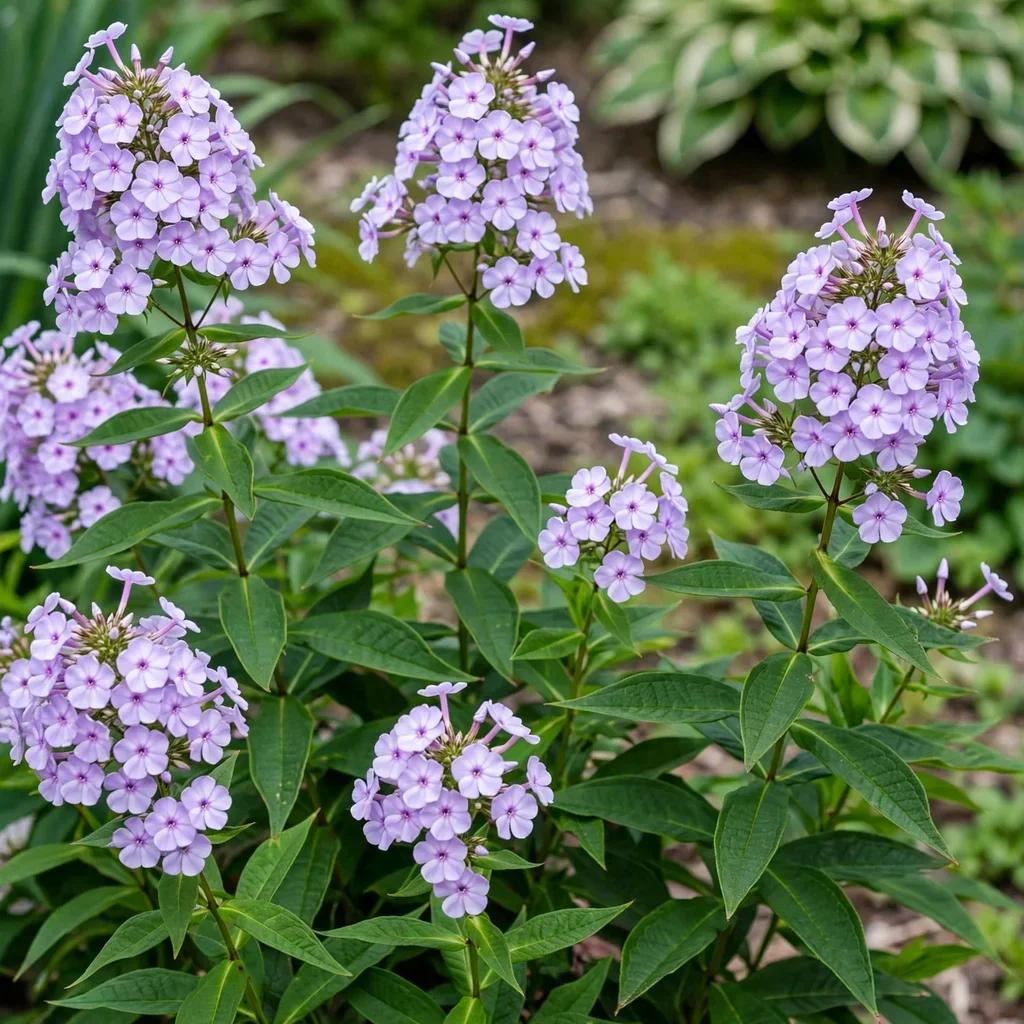 ‘Bedazzled Lavender’Phlox Bedazzled Lavender
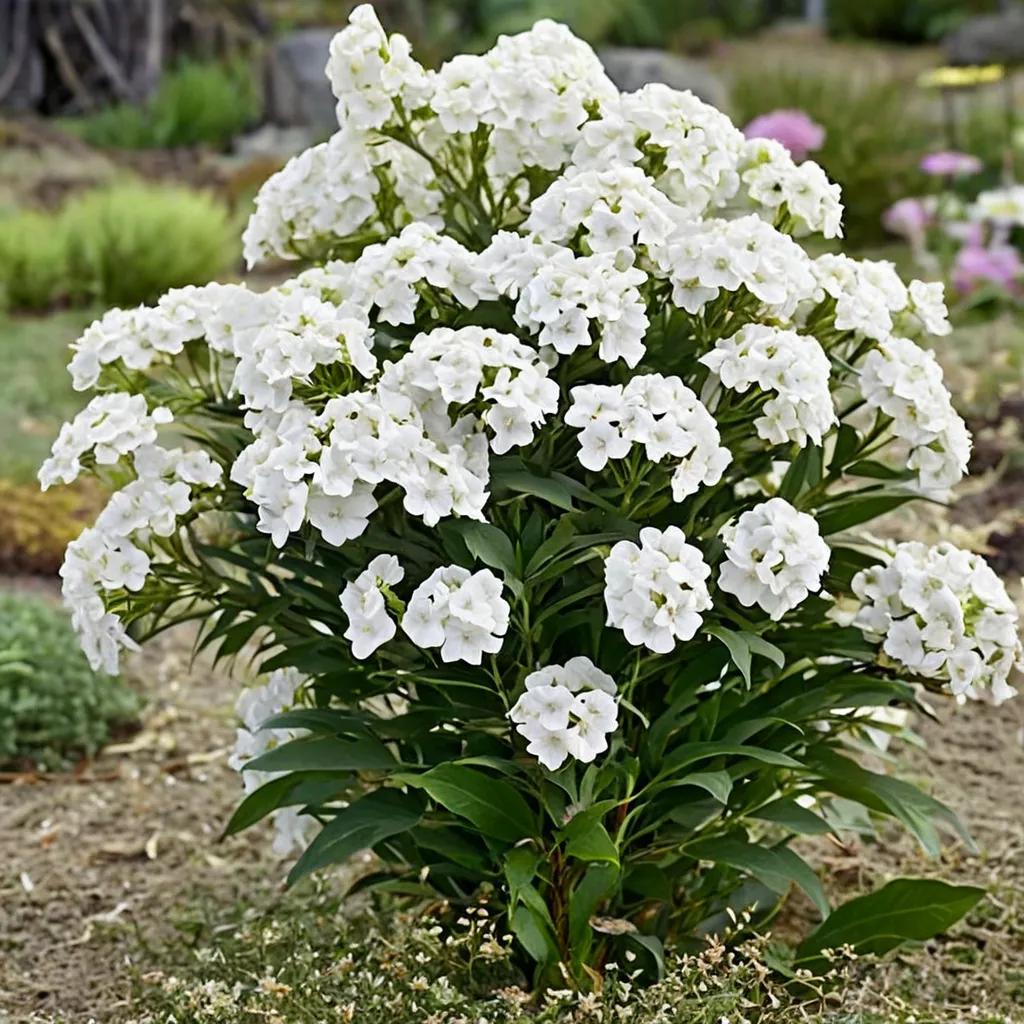 ‘Backlight’Backlight Garden Phlox
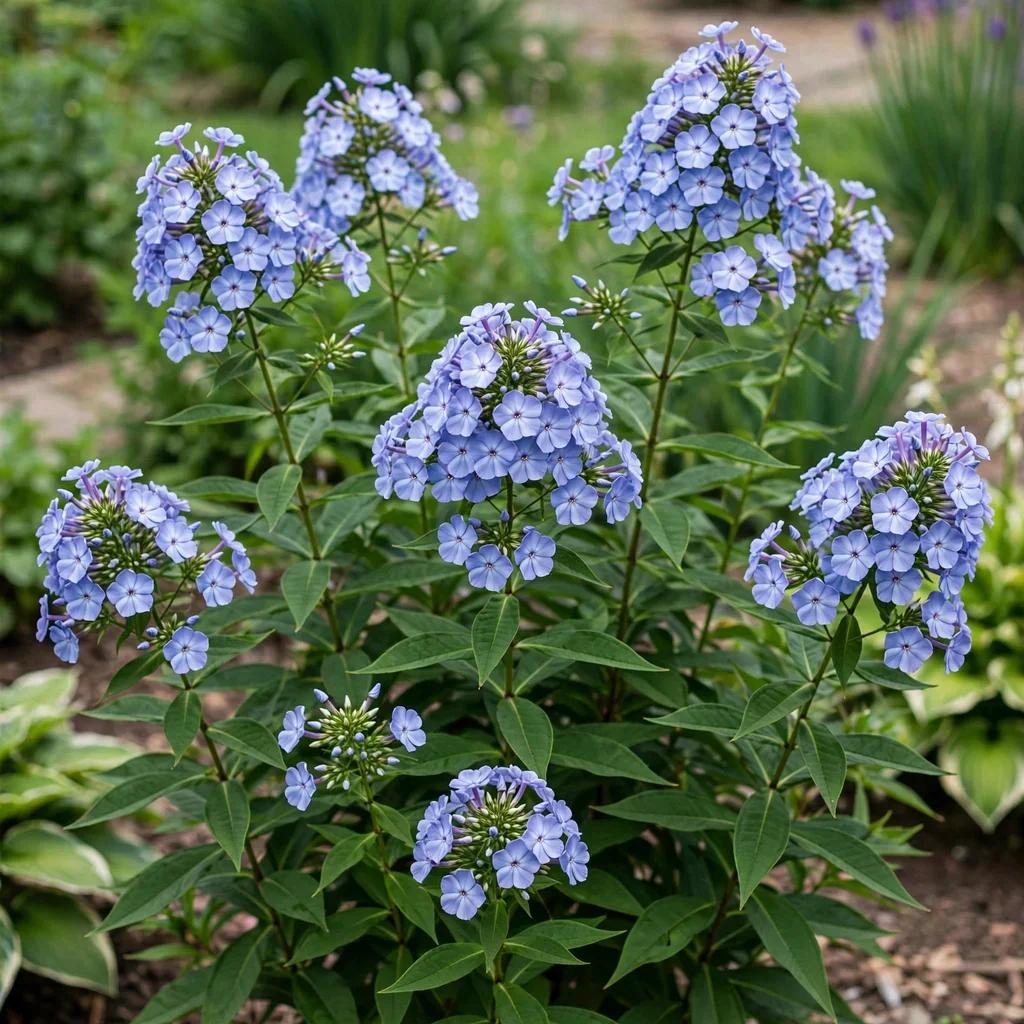 ‘Blue Boy’Phlox Blue Boy
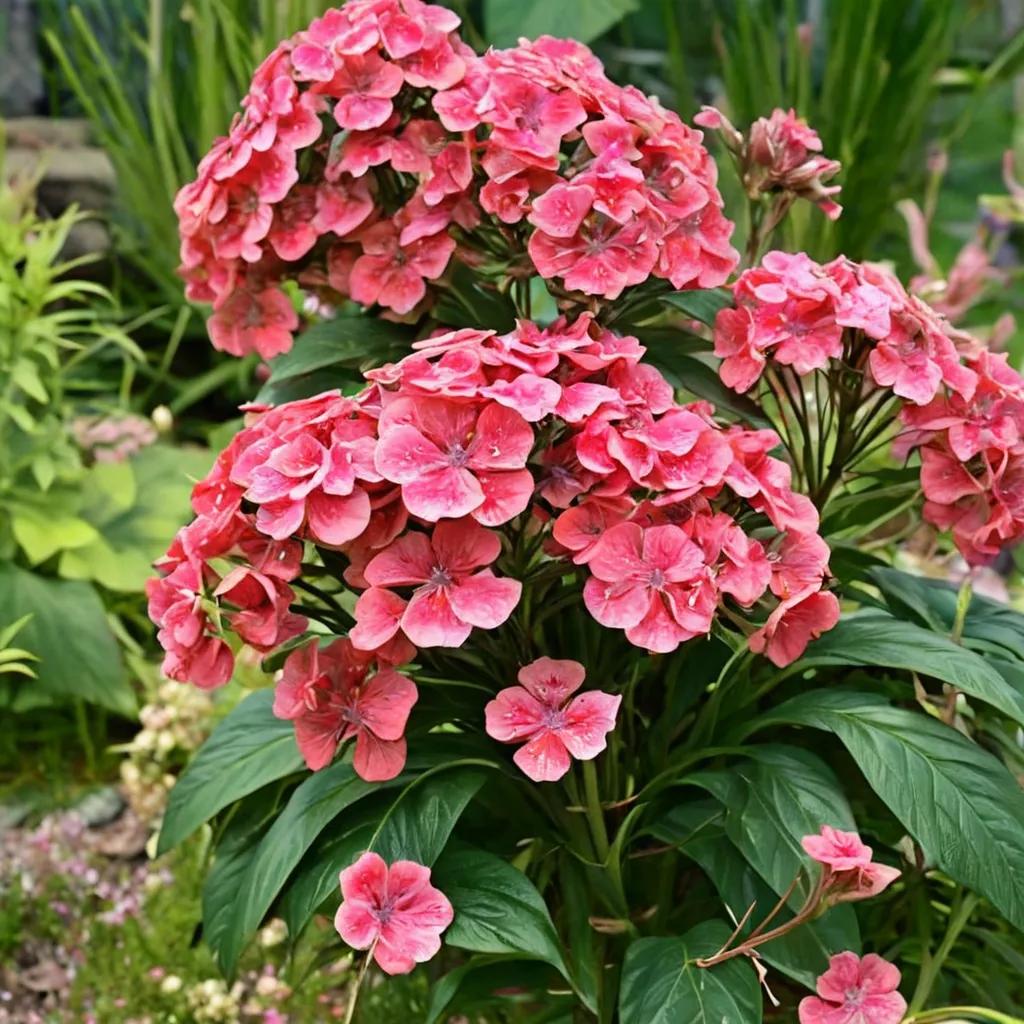 ‘Flame Coral’Phlox Flame Coral
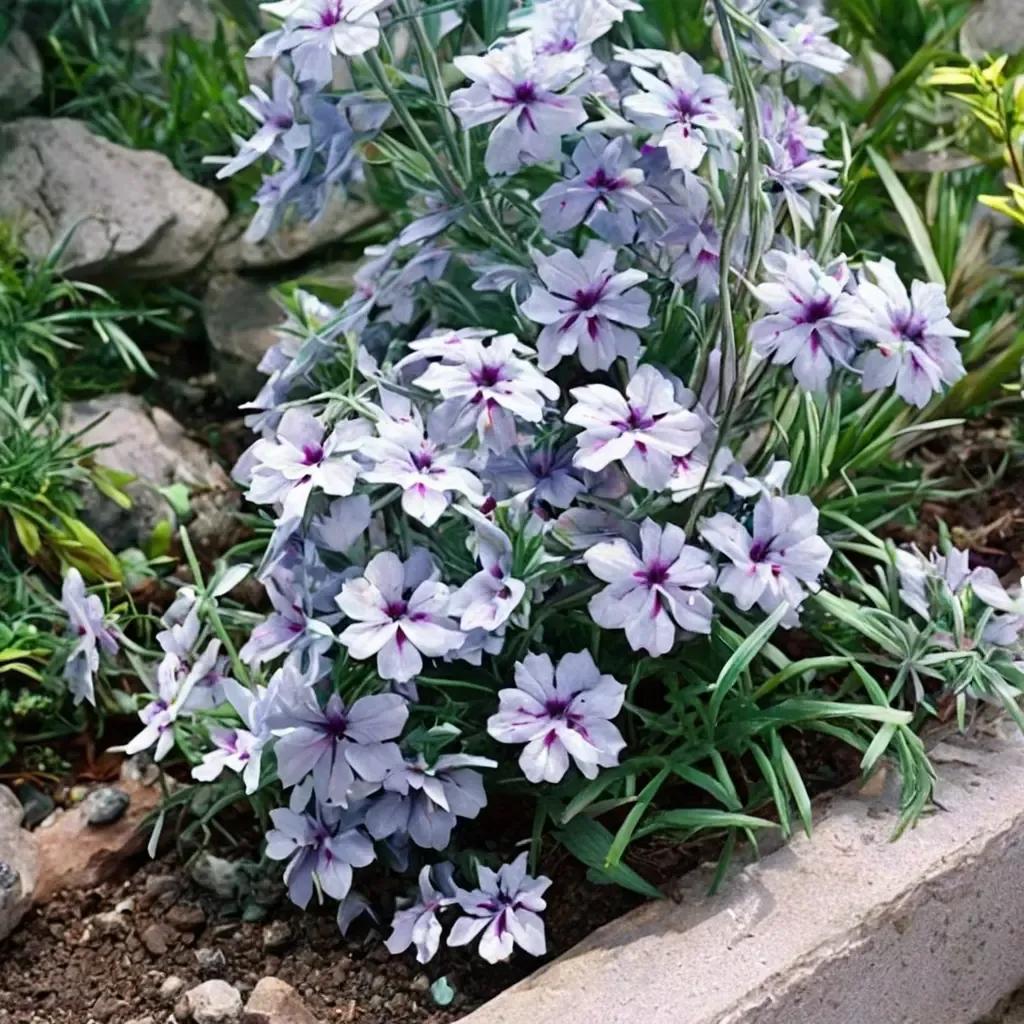 ‘Chattahoochee’Garden Phlox Chattahoochee Phlox
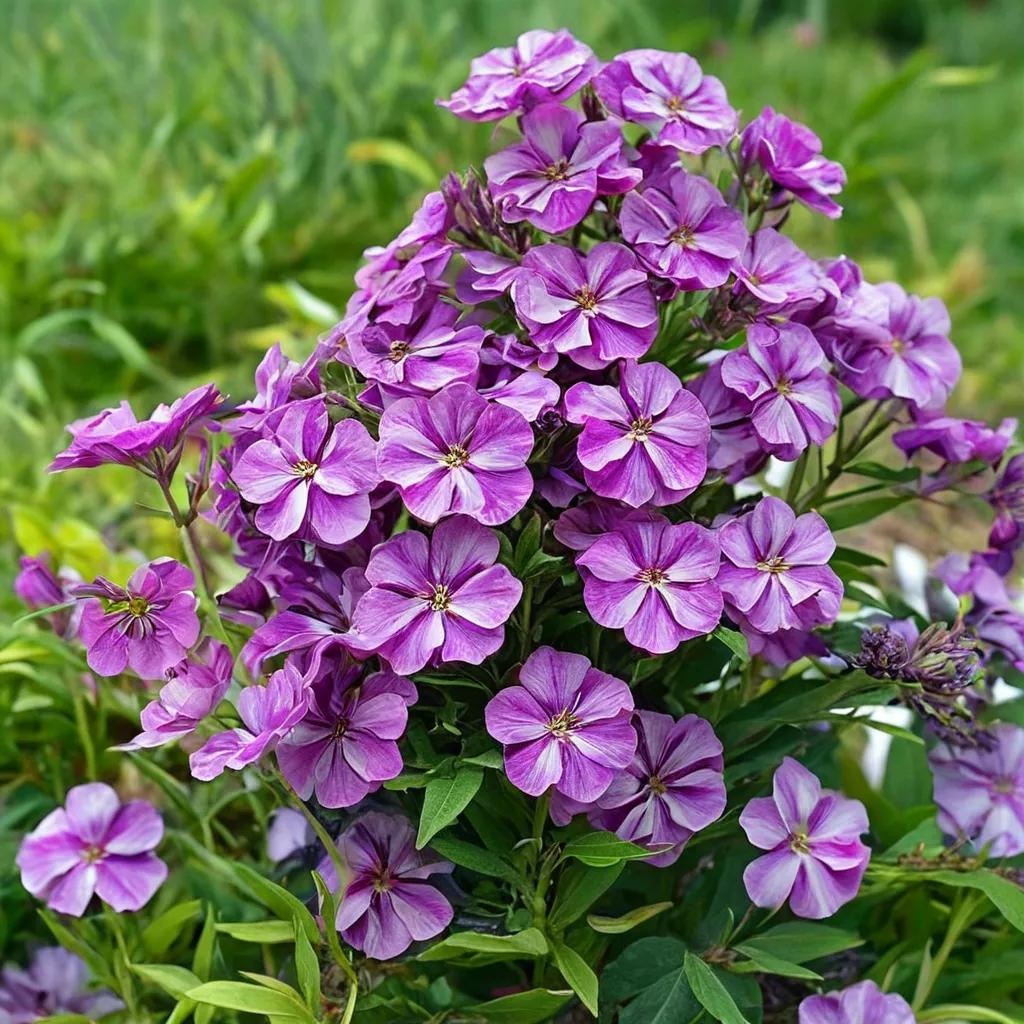 ‘Laura’Laura Garden Phlox
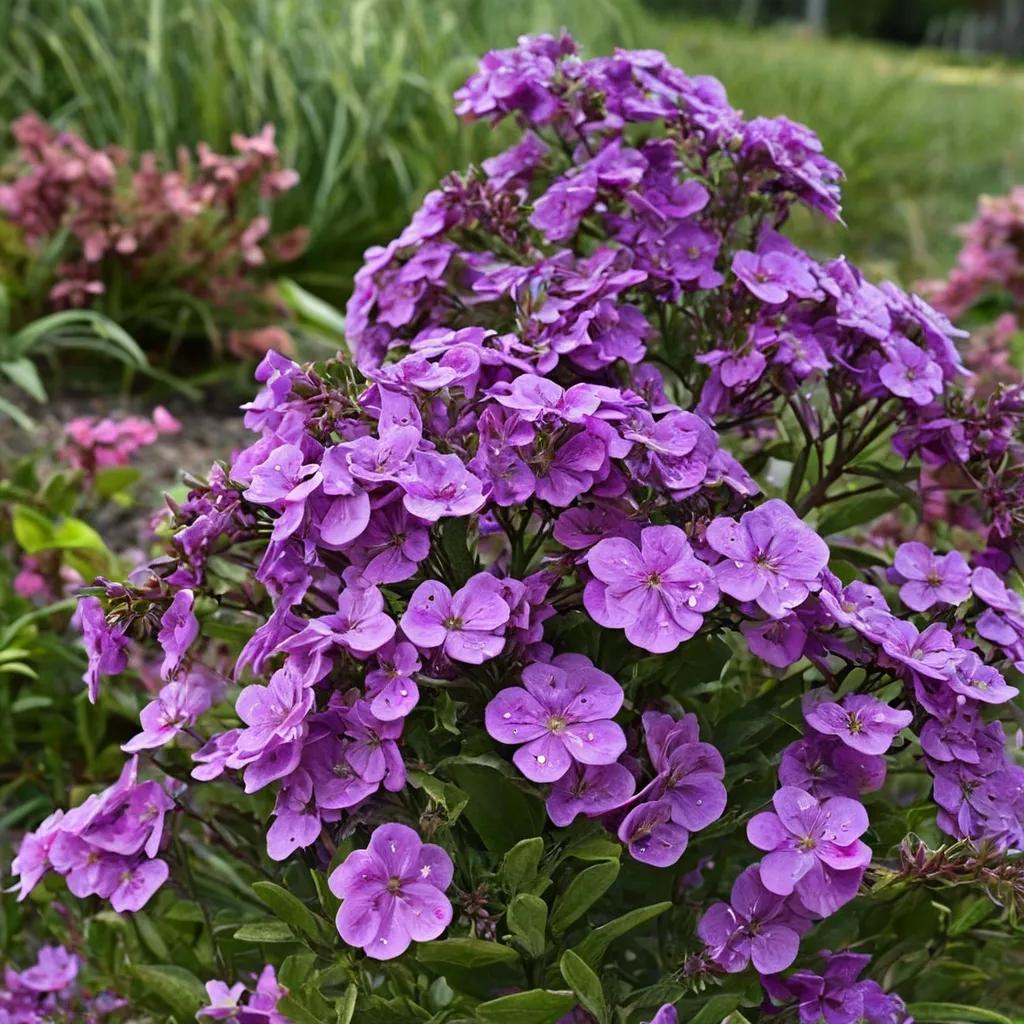 ‘Cover Girl’Phlox Cover Girl
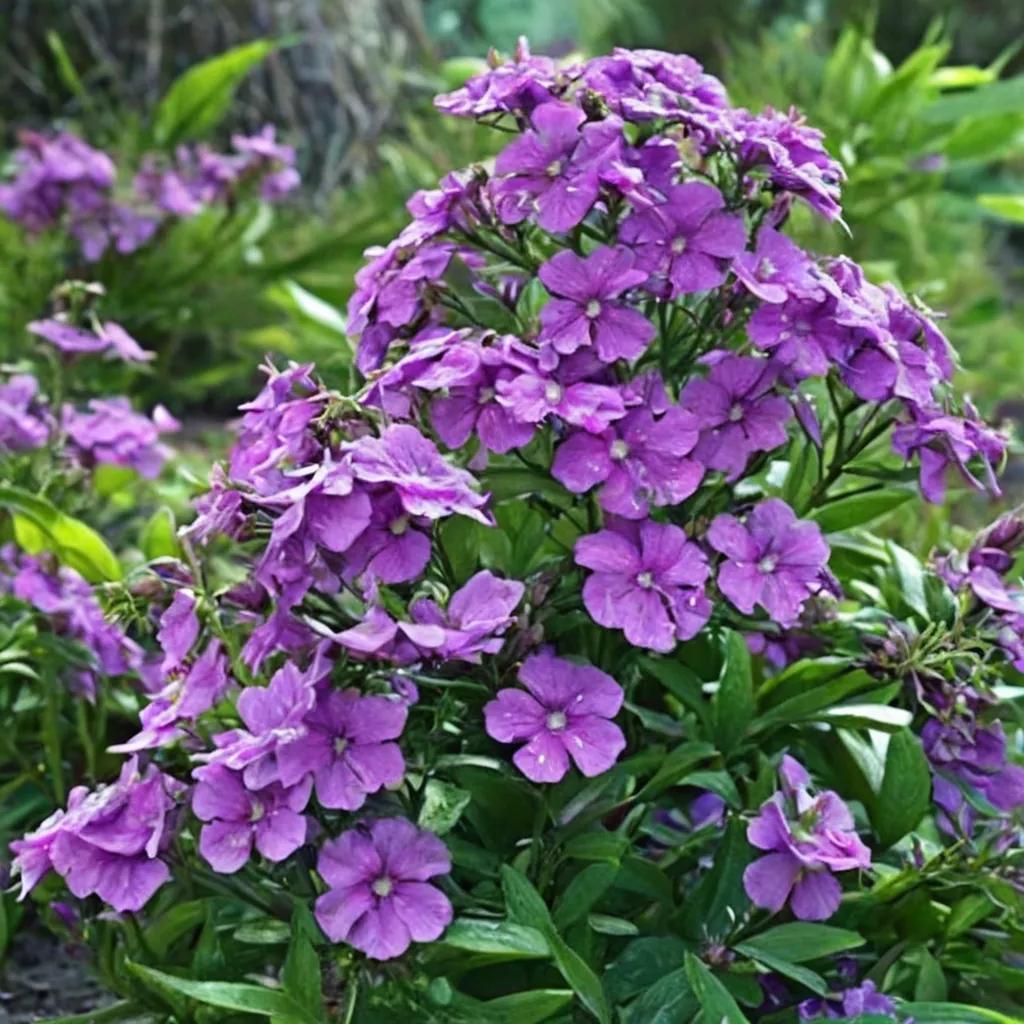 ‘Barfourteen’Flame Pink Eye Garden Phlox
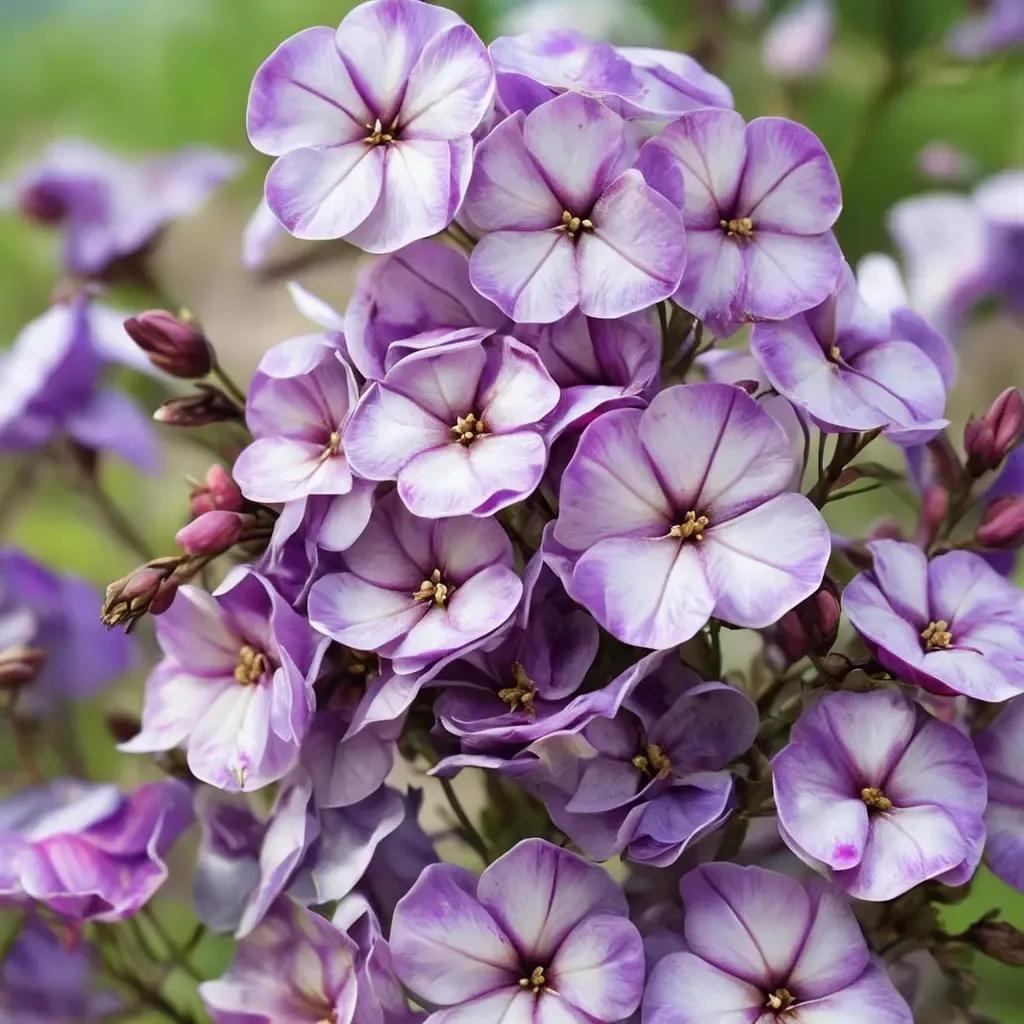 ‘Sweet Summer Fantasy’Sweet Summer Fantasy Phlox
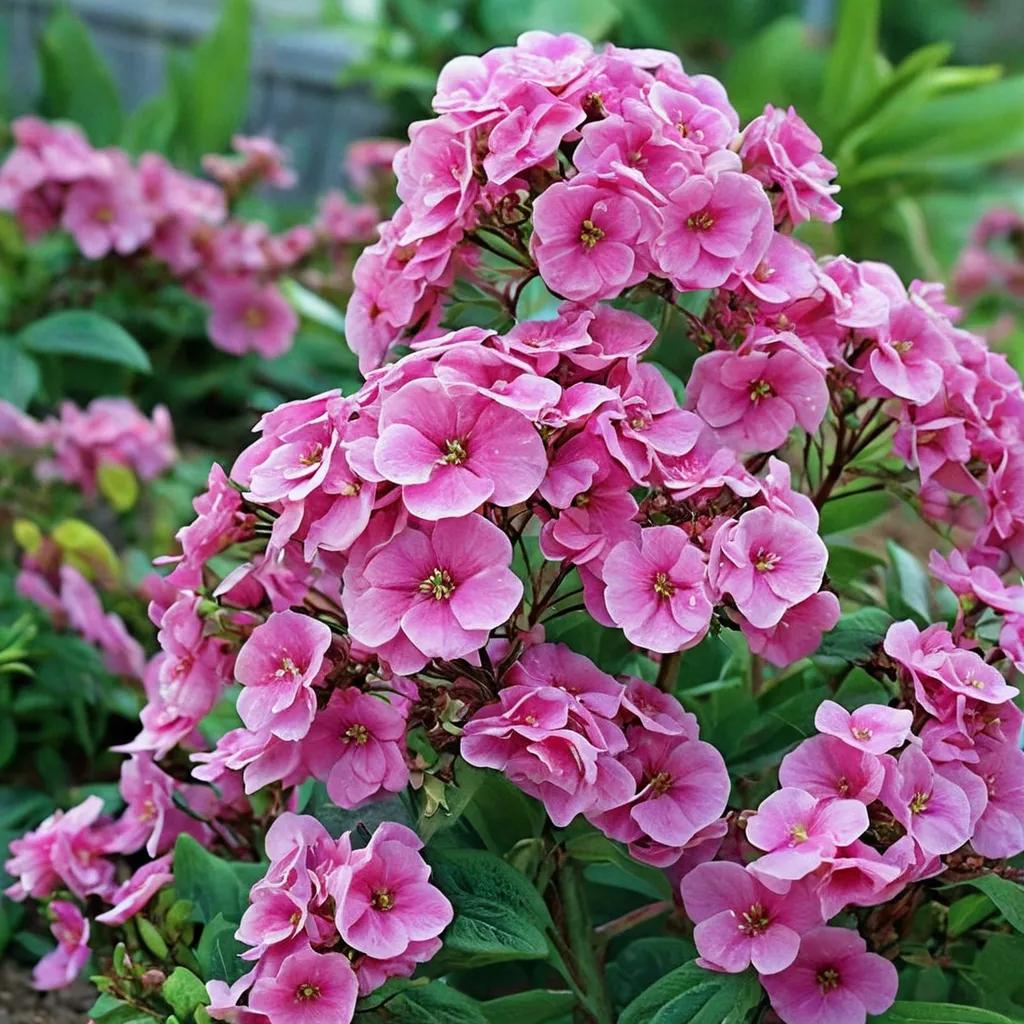 ‘Eva Cullum’Eva Cullum Garden Phlox
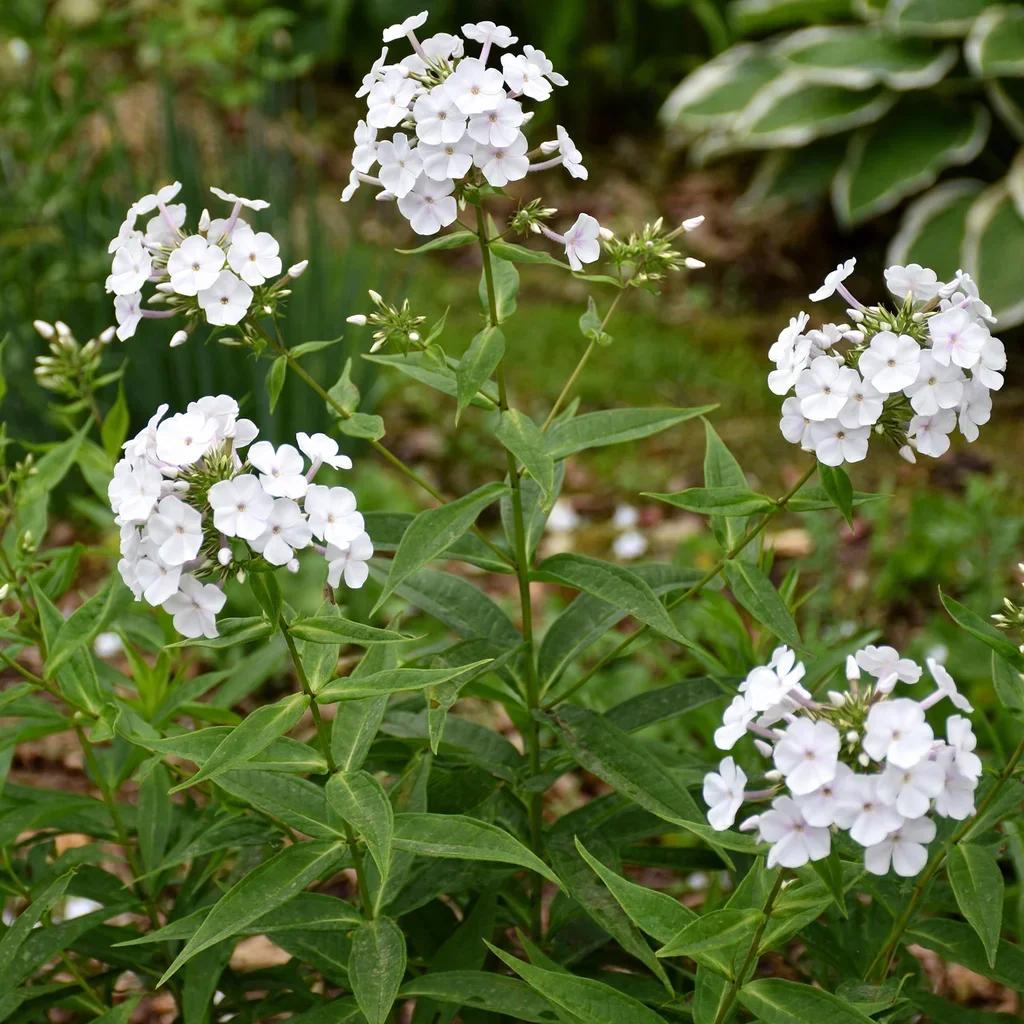 ‘May Breeze’May Breeze Garden Phlox
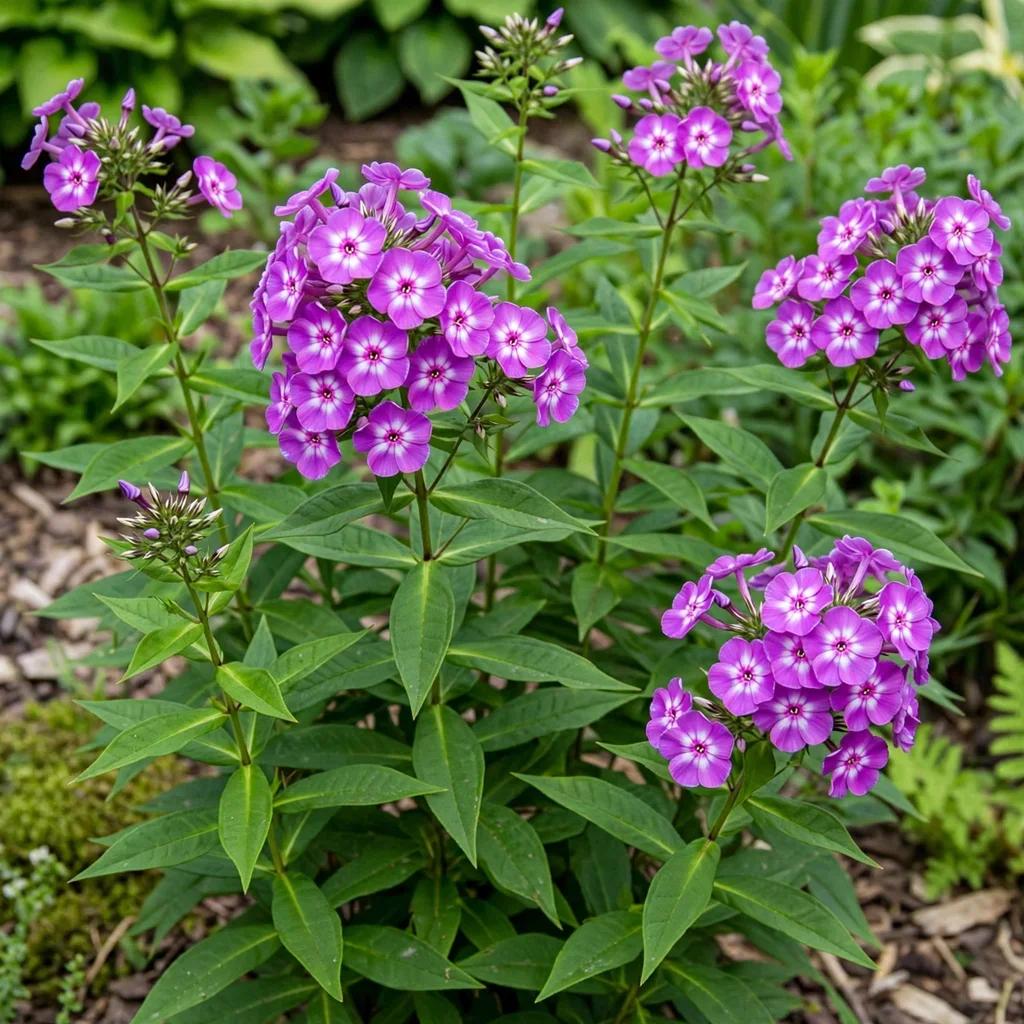 ‘Flame Series Purple Eye’Phlox paniculata Flame Series Purple Eye
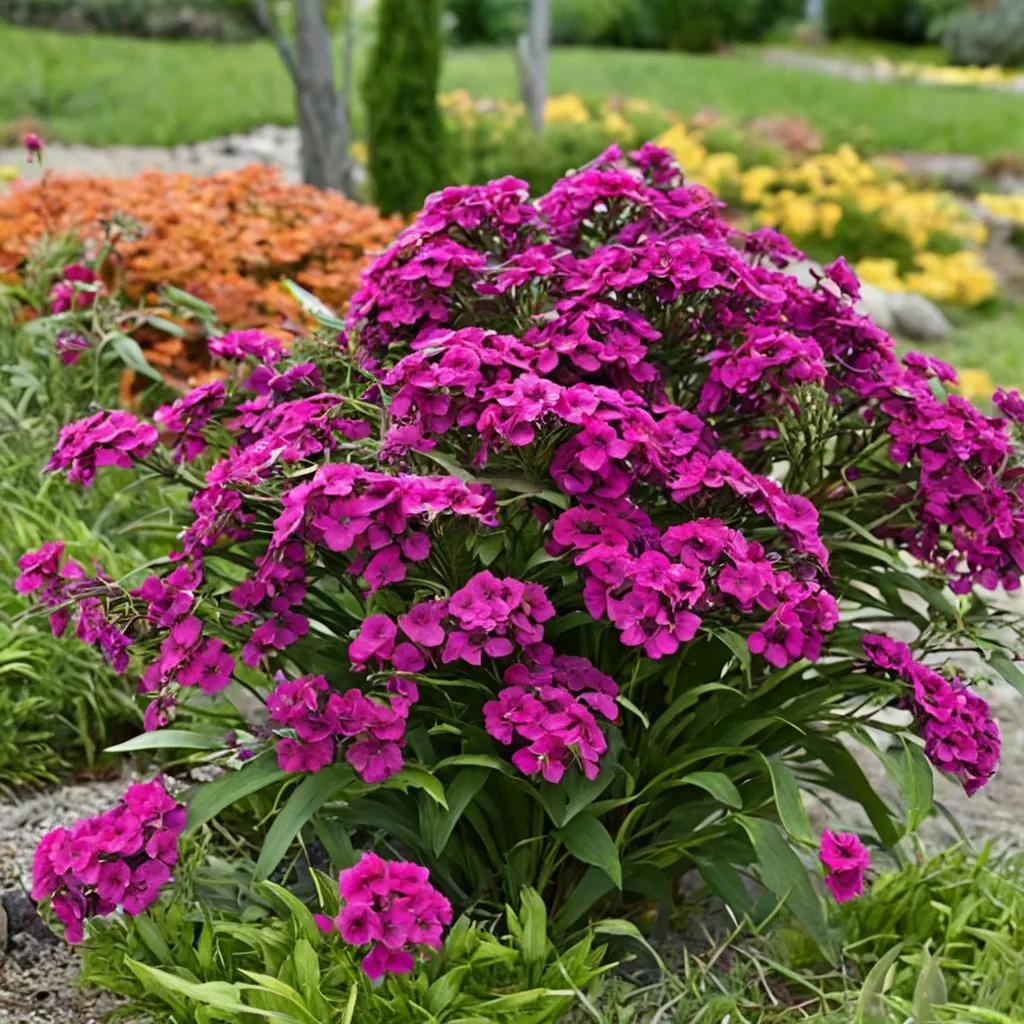 ‘Ultraviolet’Garden Phlox 'Ultraviolet'
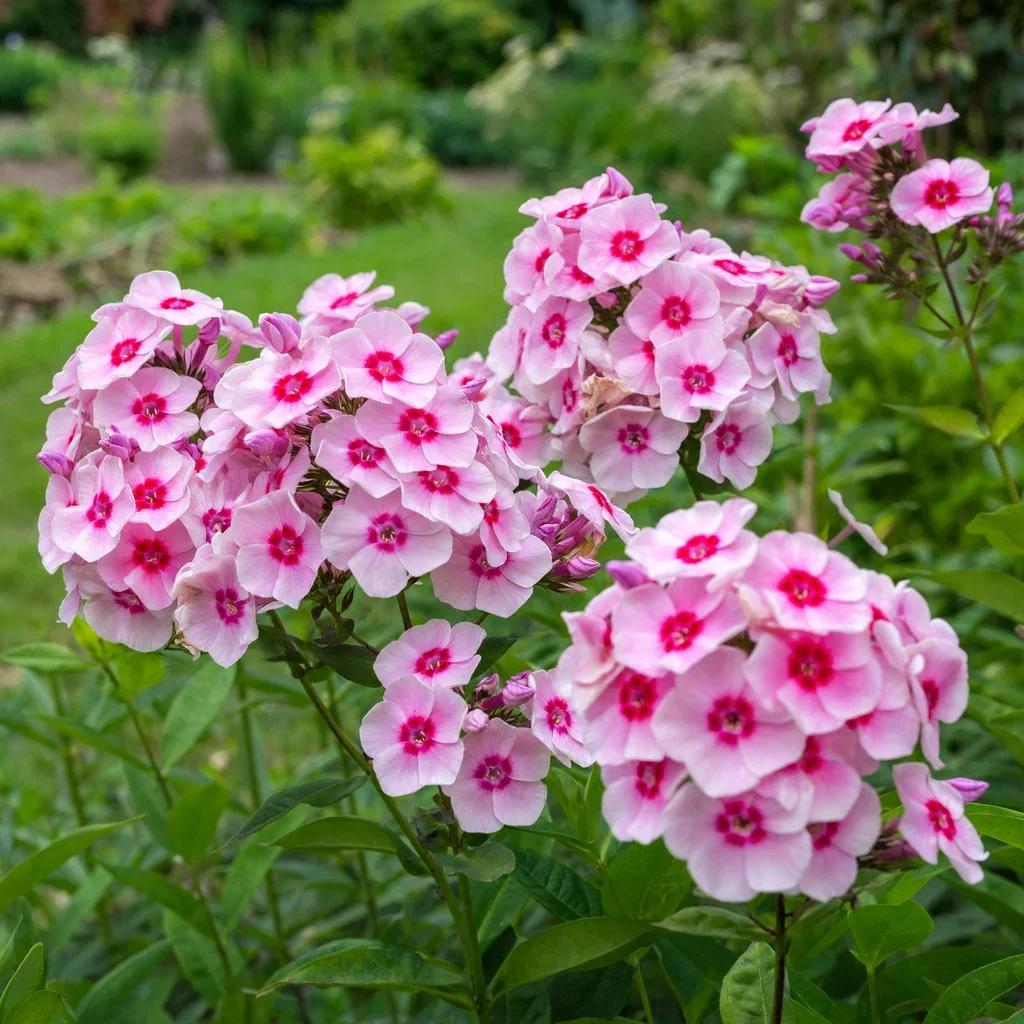 ‘Prime Minister’Garden Phlox Prime Minister
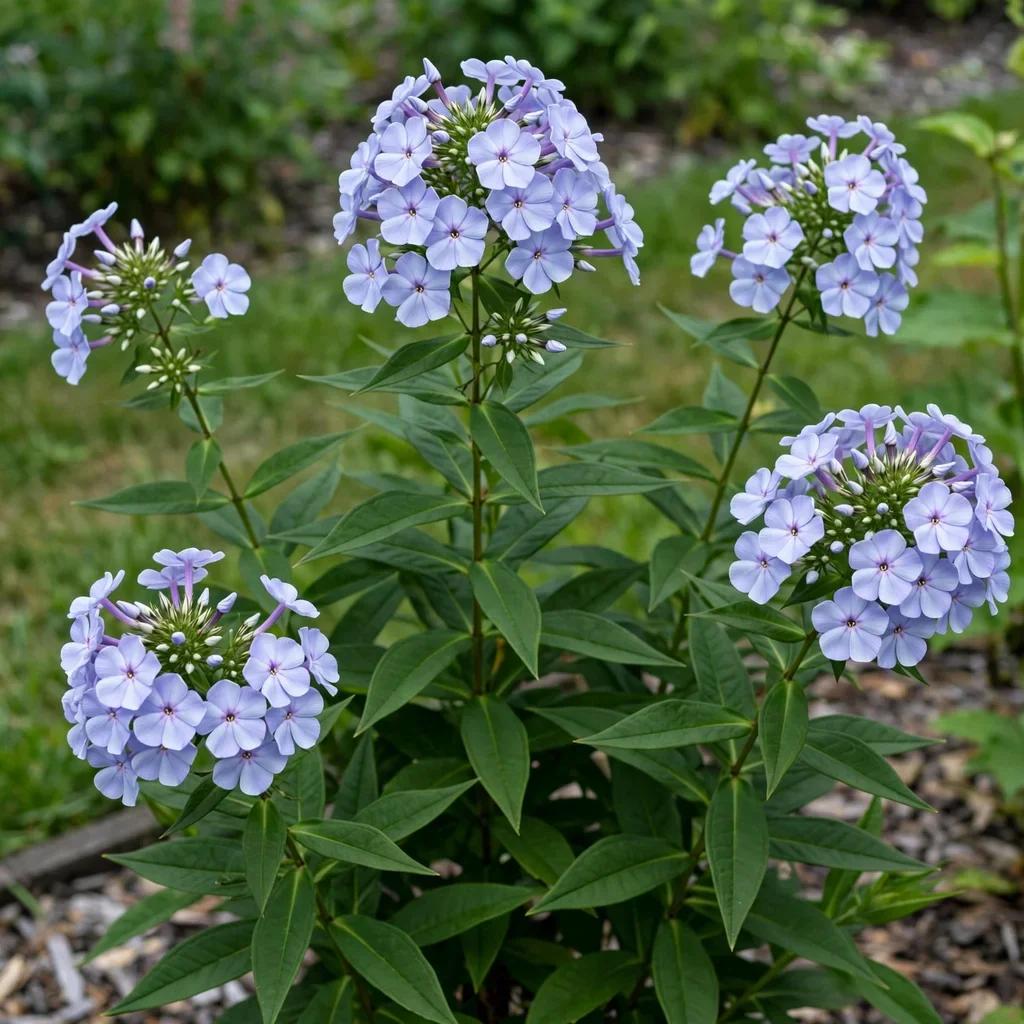 ‘Flame Light Blue’Flame Light Blue Garden Phlox
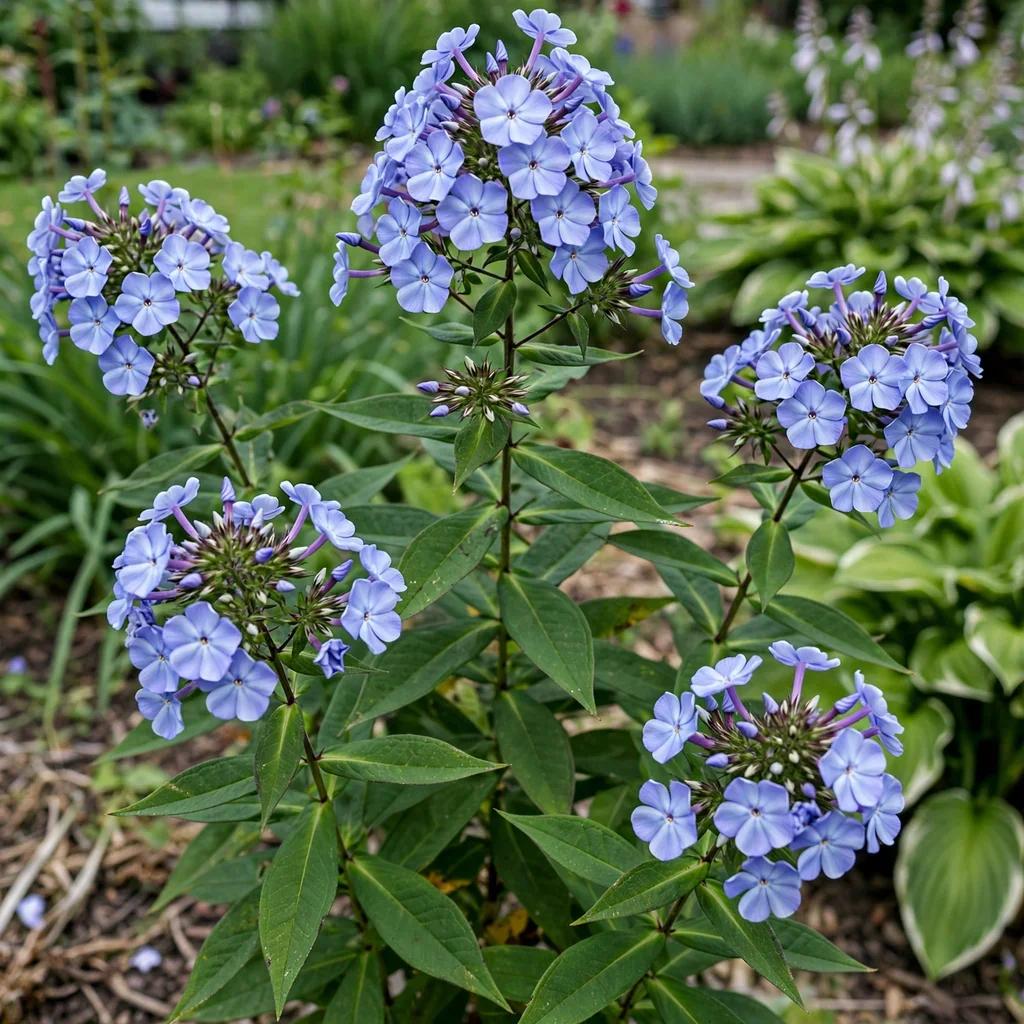 ‘Delft Blue’Garden Phlox 'Delft Blue'
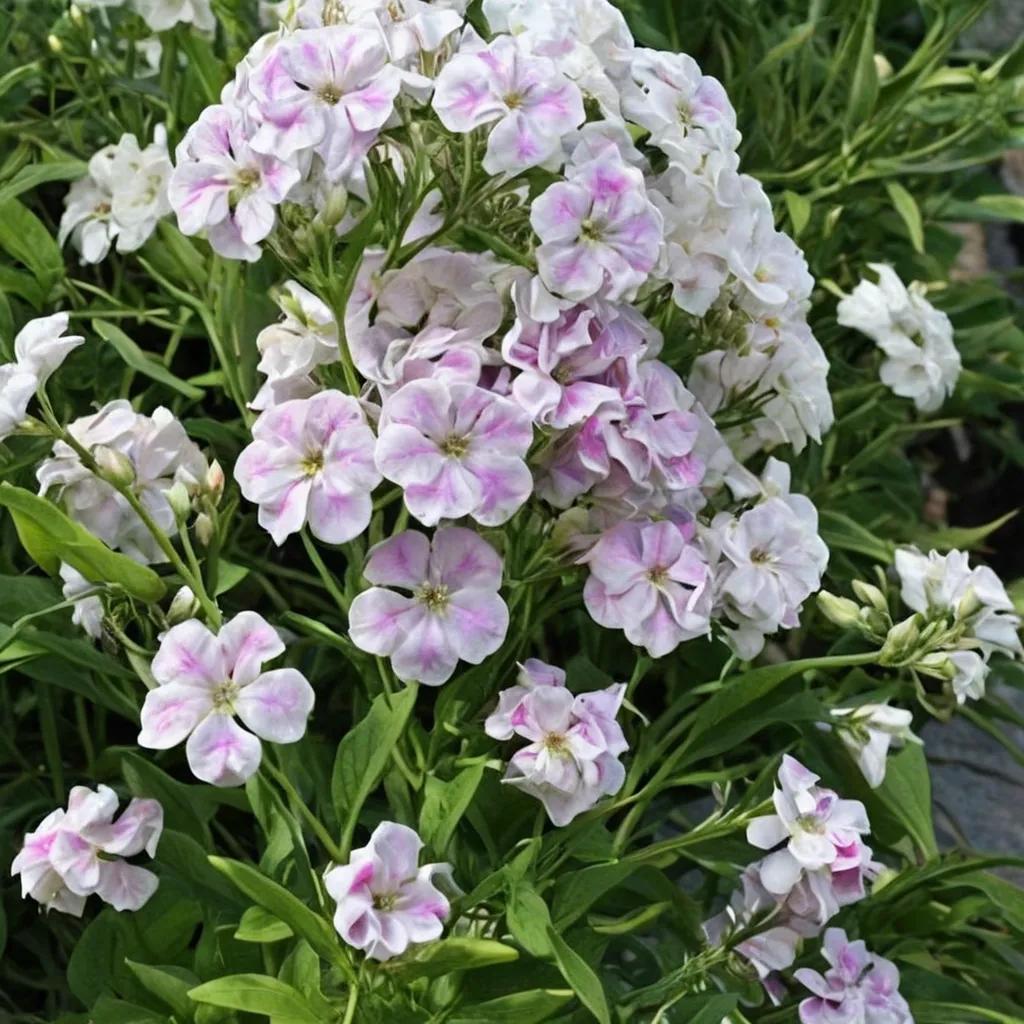 ‘Dunbar Creek’Dunbar Creek Garden Phlox
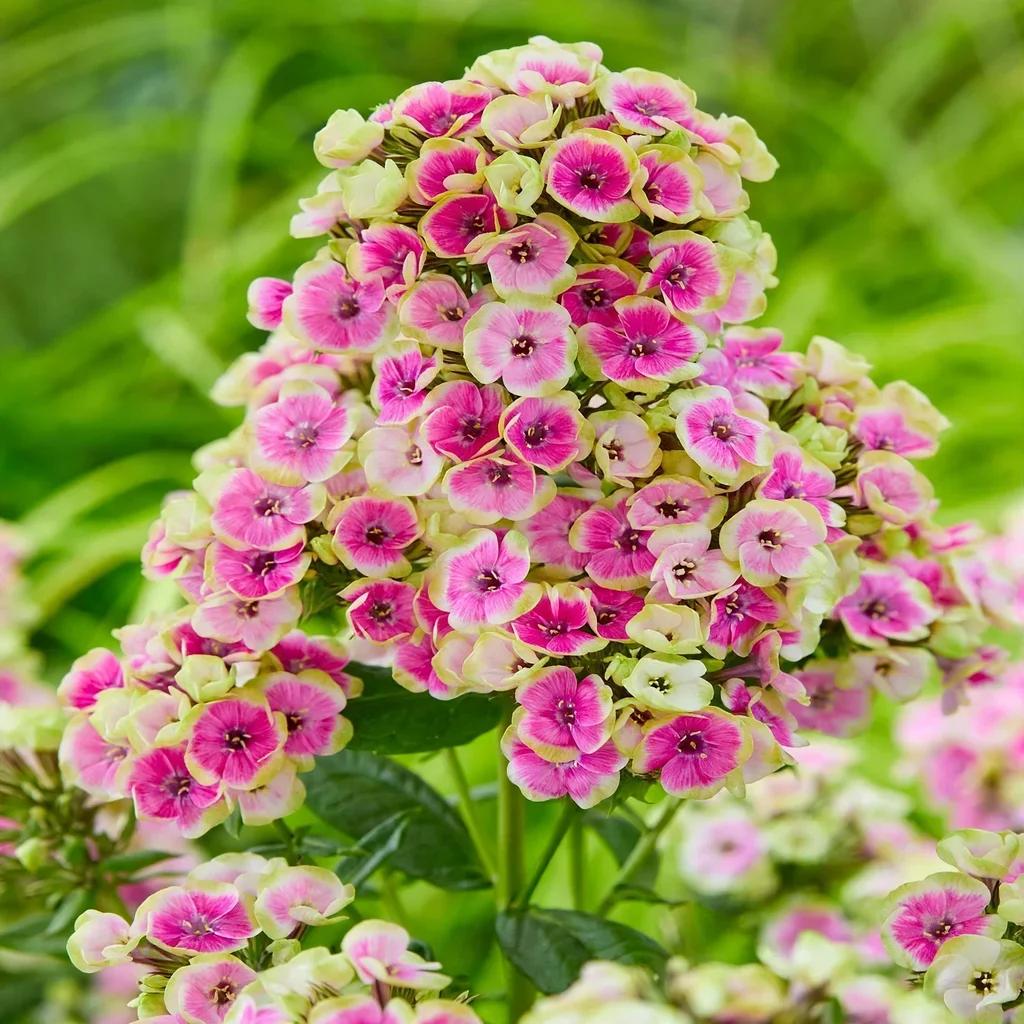 ‘Orchid Yellow Tall’Orchid Yellow Tall Phlox
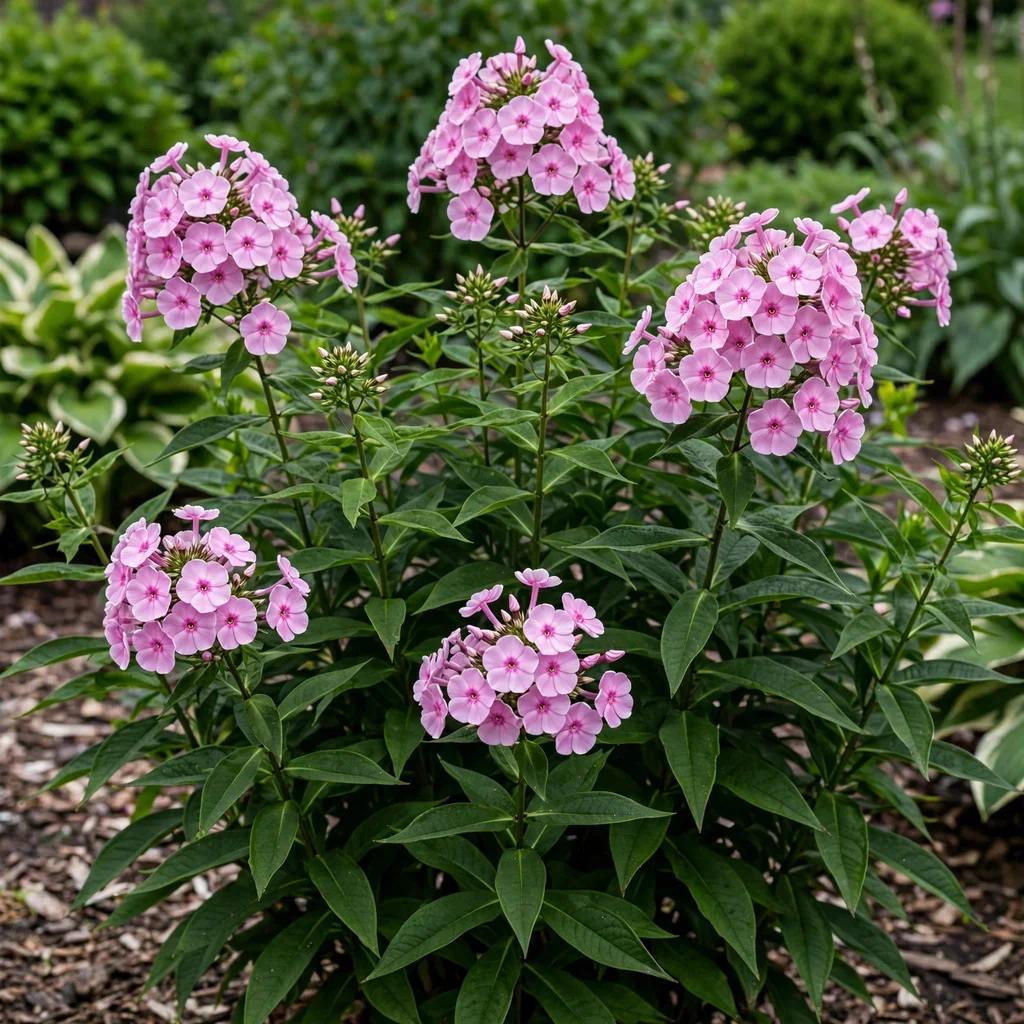 ‘Junior Dance’Phlox Junior Dance
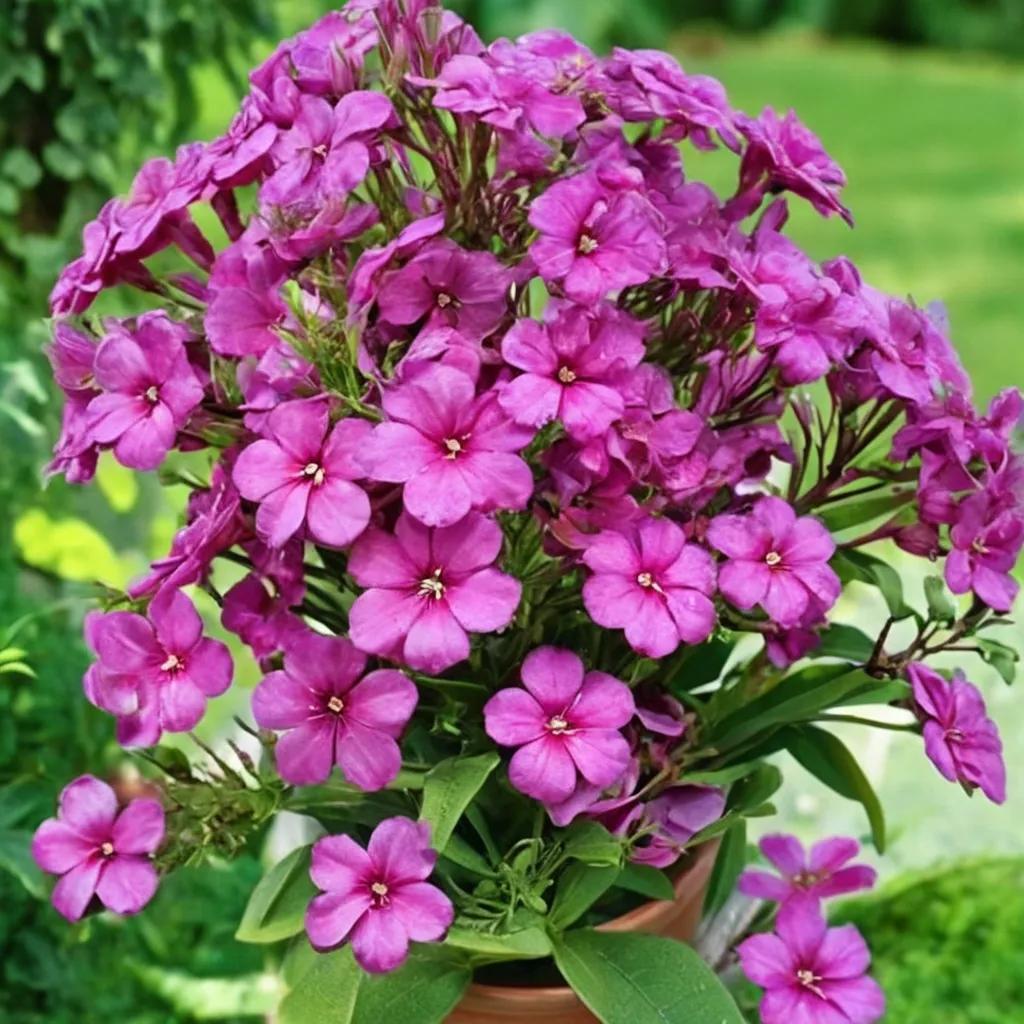 ‘Junior Dream’Junior Dream Garden Phlox
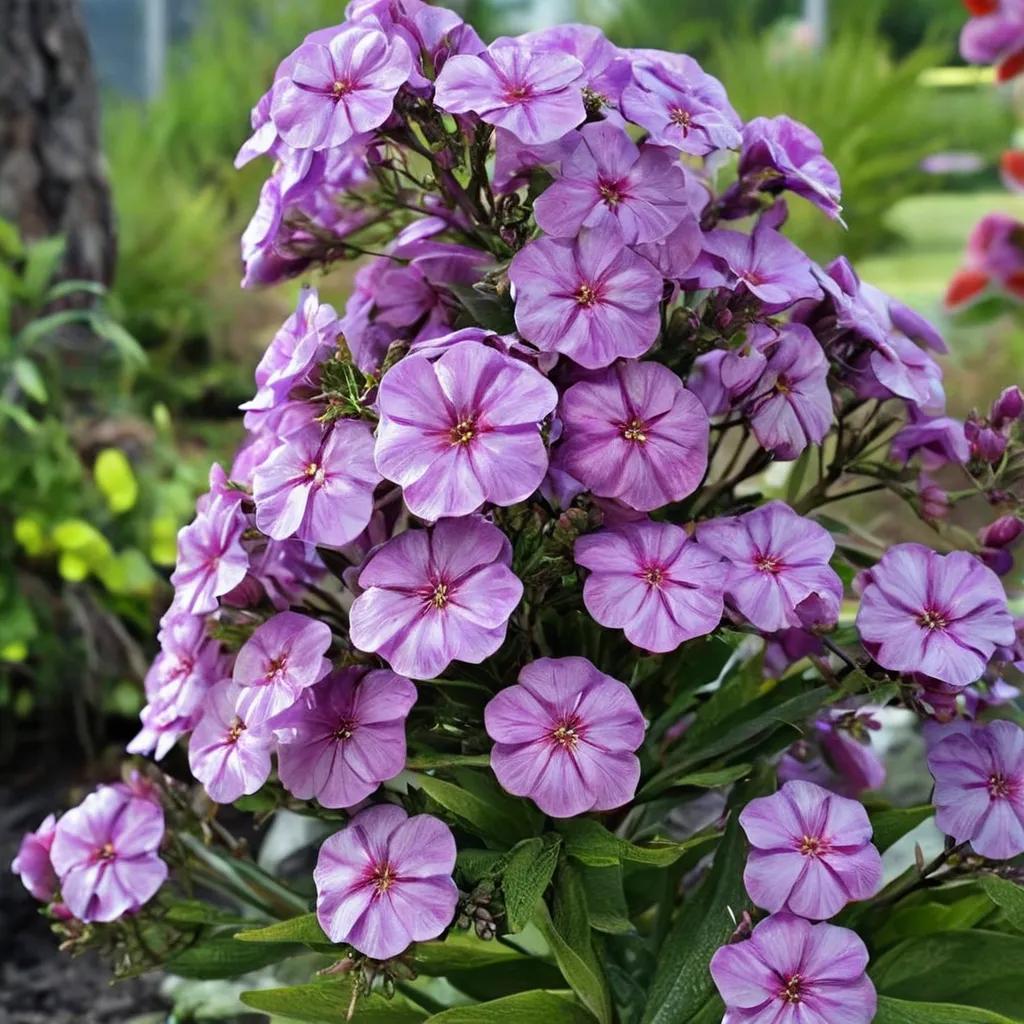 ‘Pixie Miracle Grace’Pixie Miracle Grace Phlox
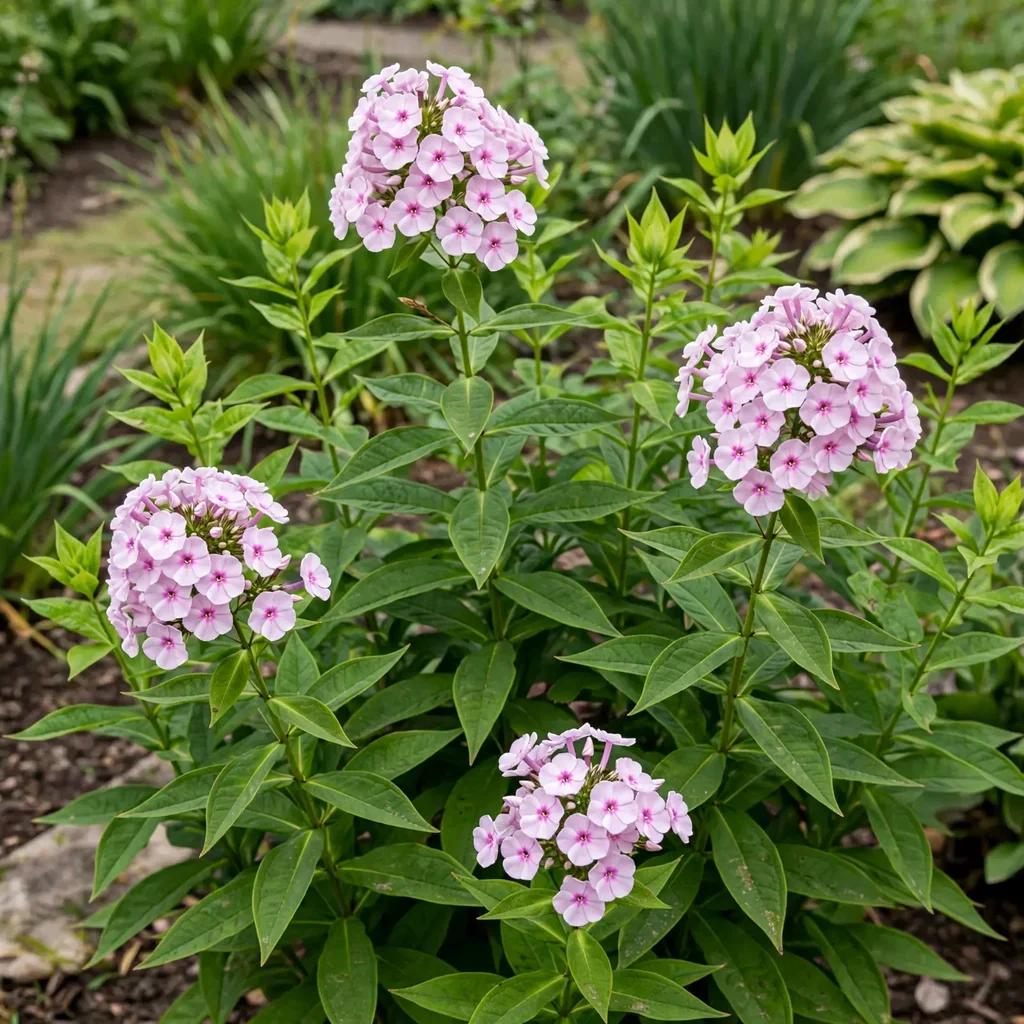 ‘Miss Karen’Miss Karen Phlox
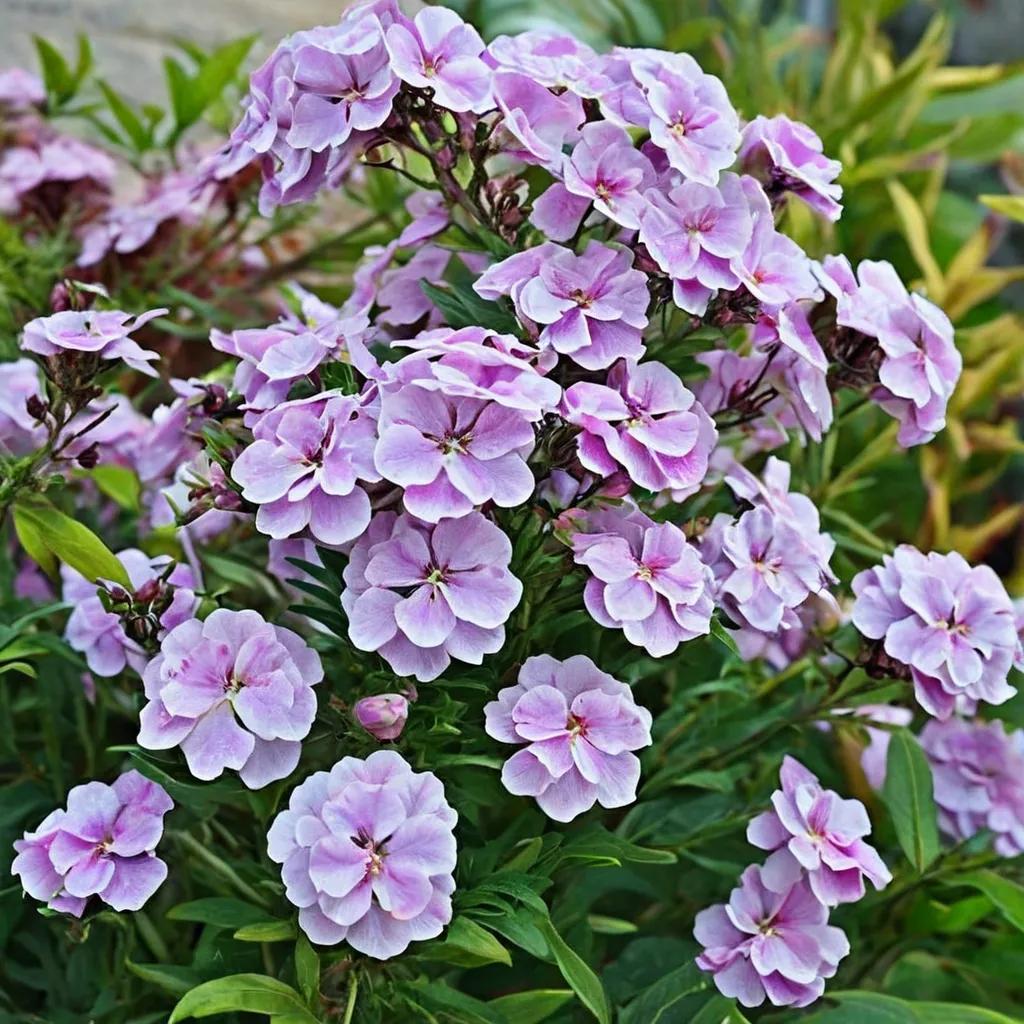 ‘Franz Schubert’Franz Schubert Garden Phlox
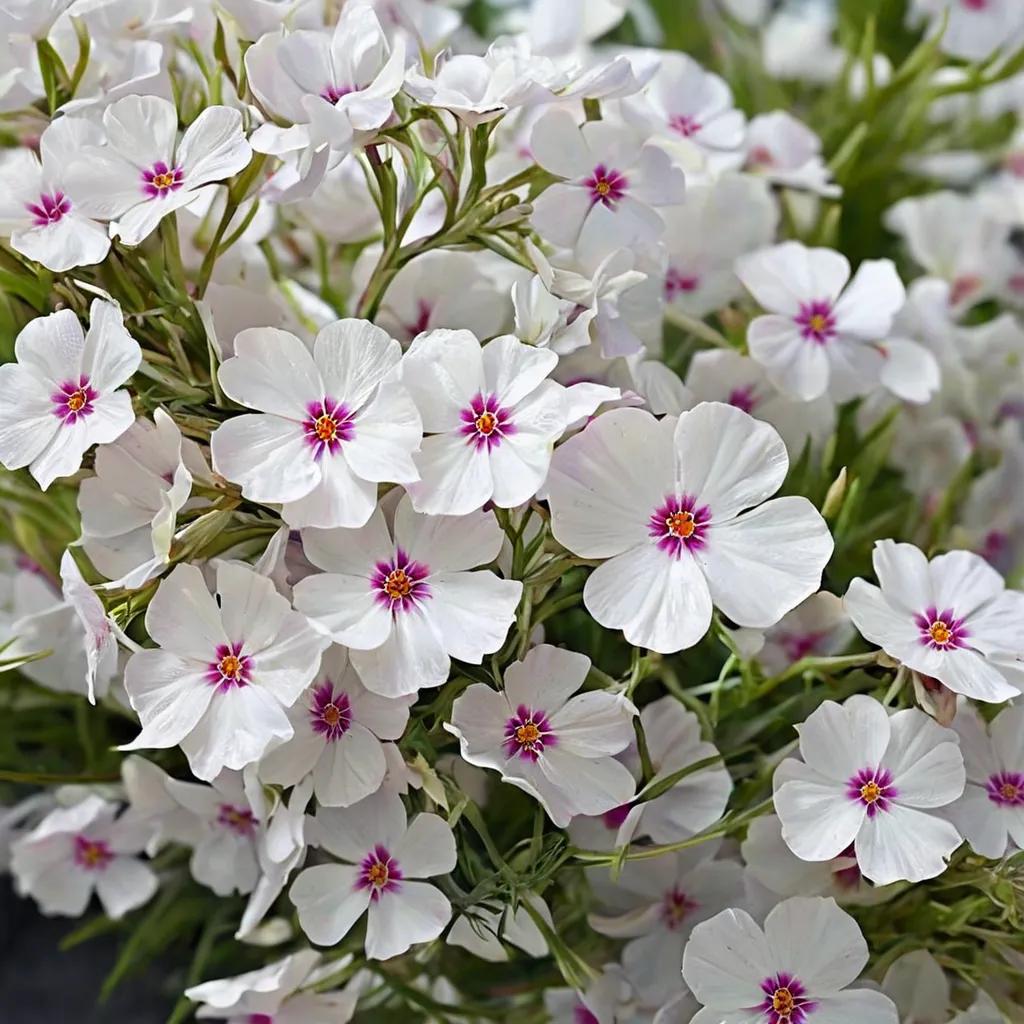 ‘Amazing Grace’Phlox paniculata Amazing Grace
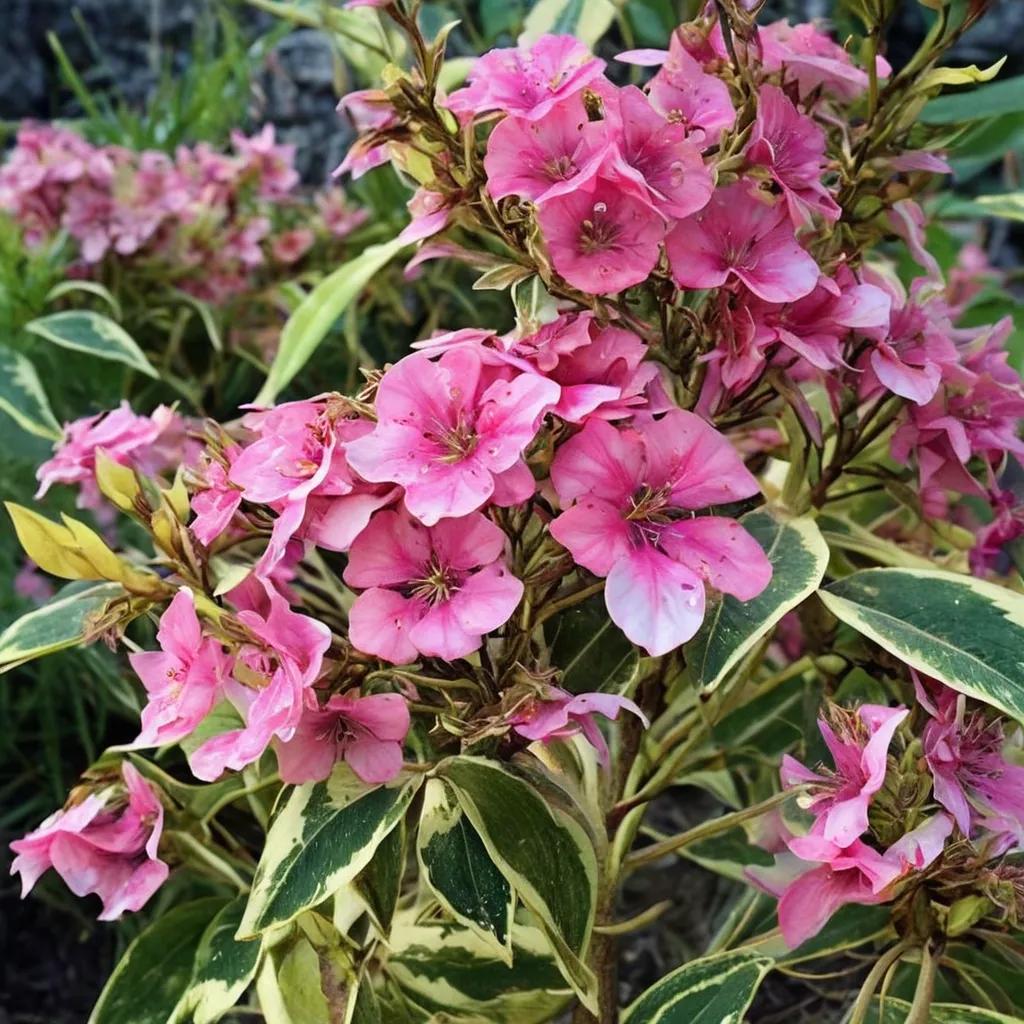 ‘Becky Towe’Becky Towe Variegated Garden Phlox
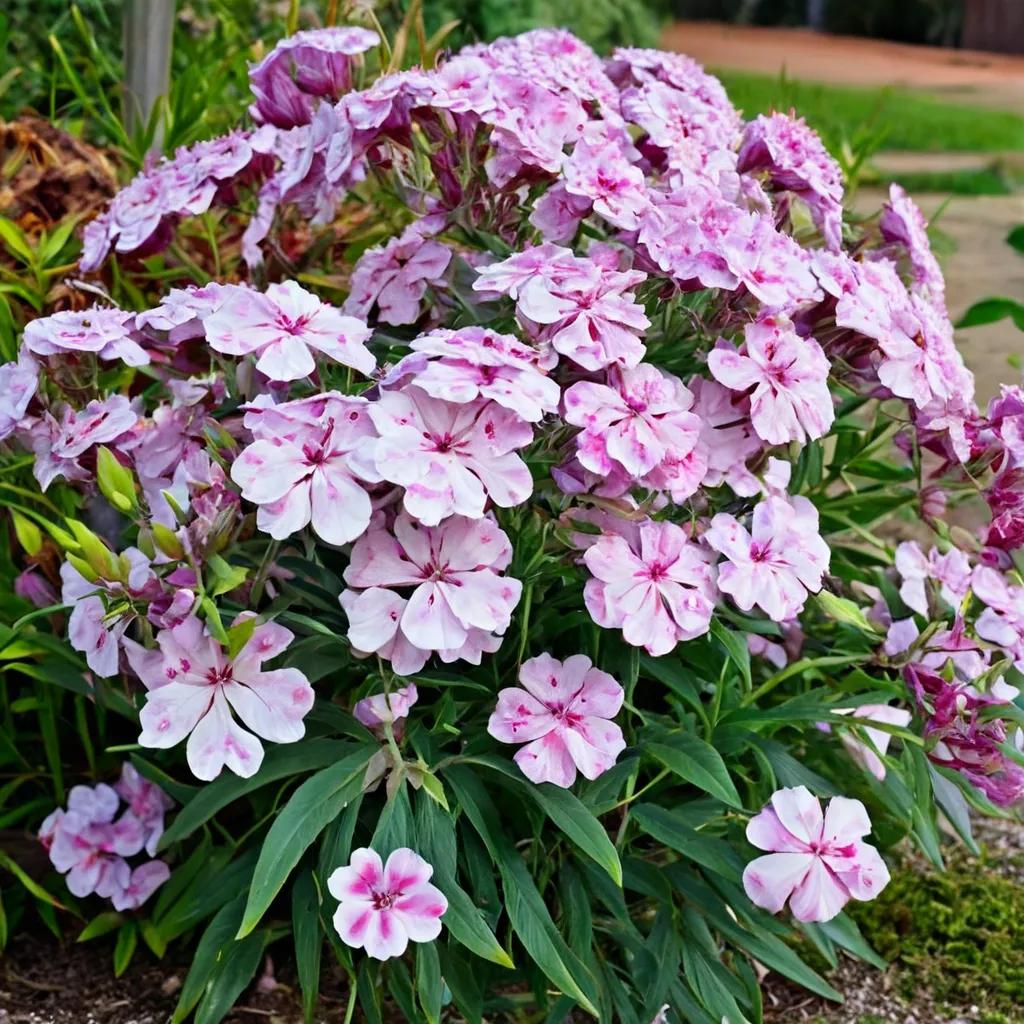 ‘Silvermine’Phlox paniculata Silvermine
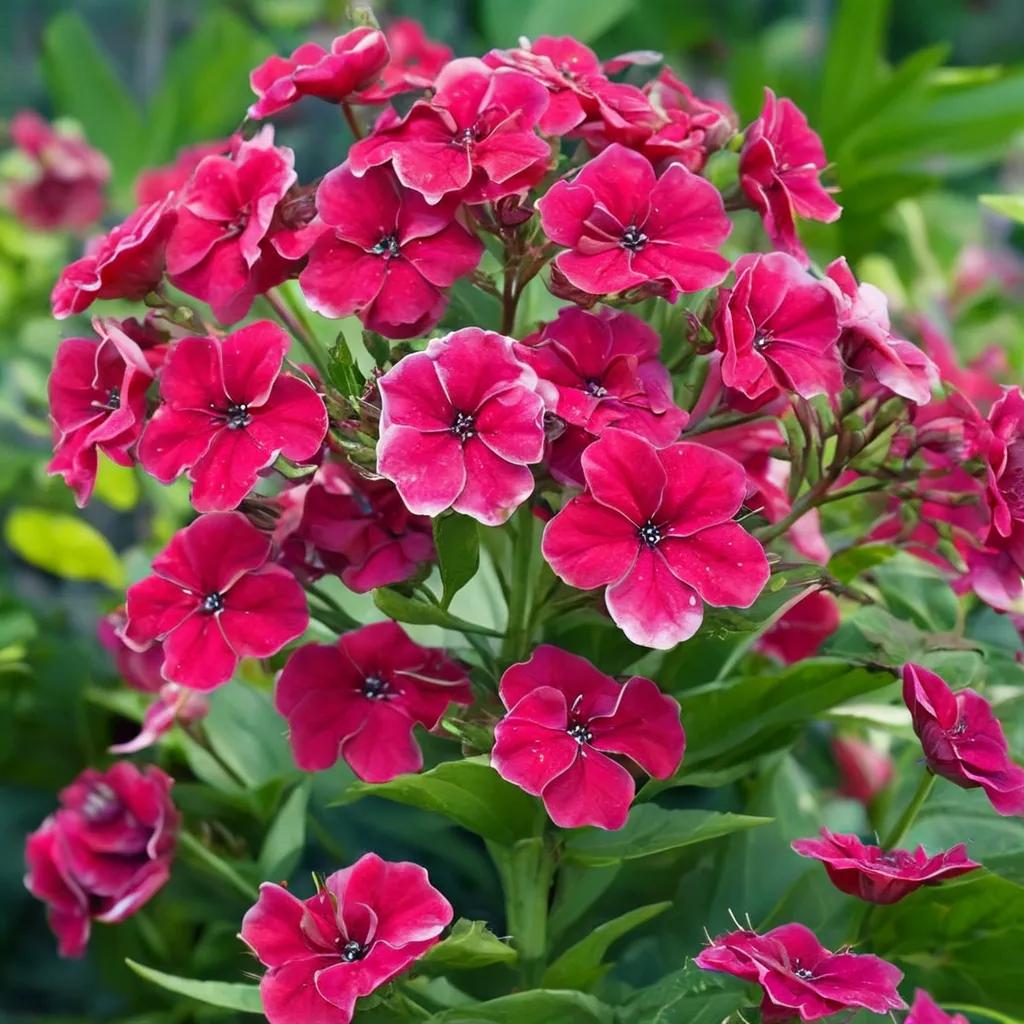 ‘Miss Mary’Miss Mary Phlox
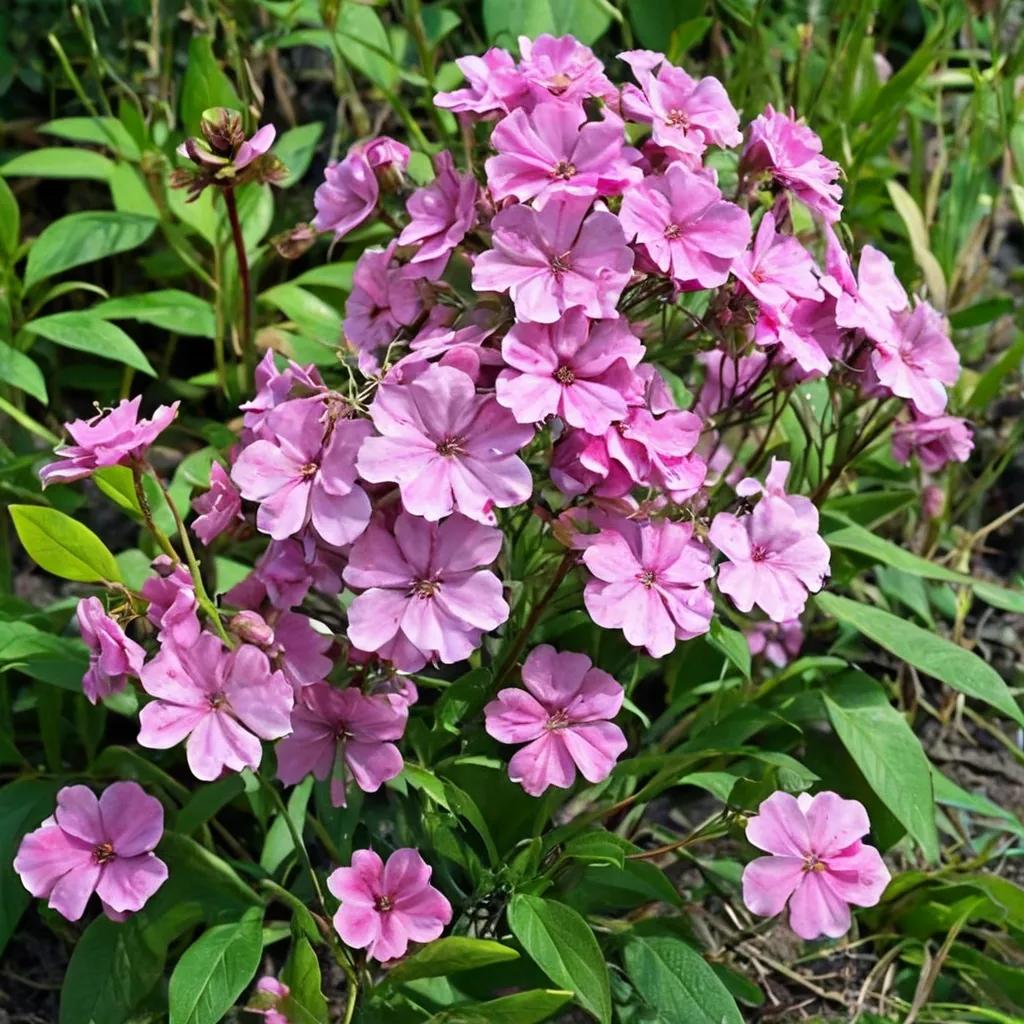 ‘Little Princess’Little Princess Garden Phlox
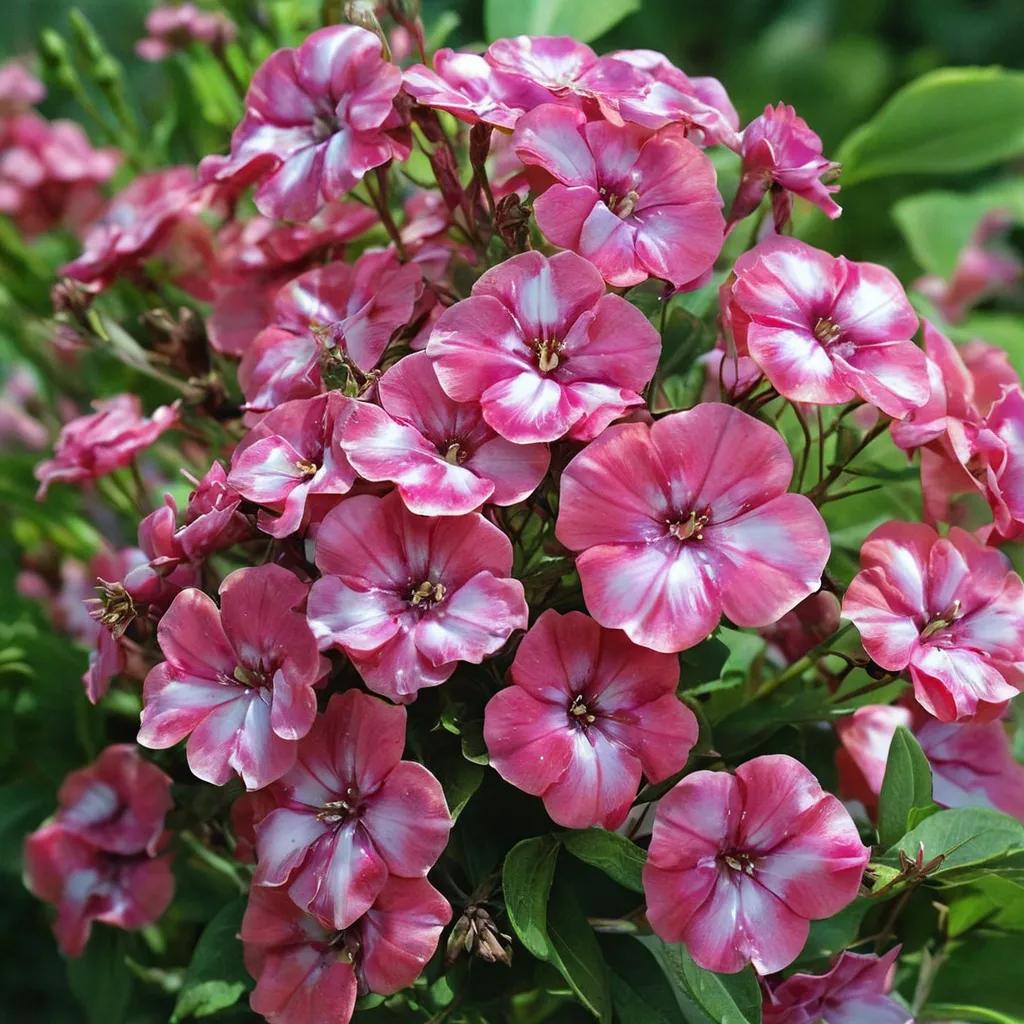 ‘Lizzie’Phlox Lizzie
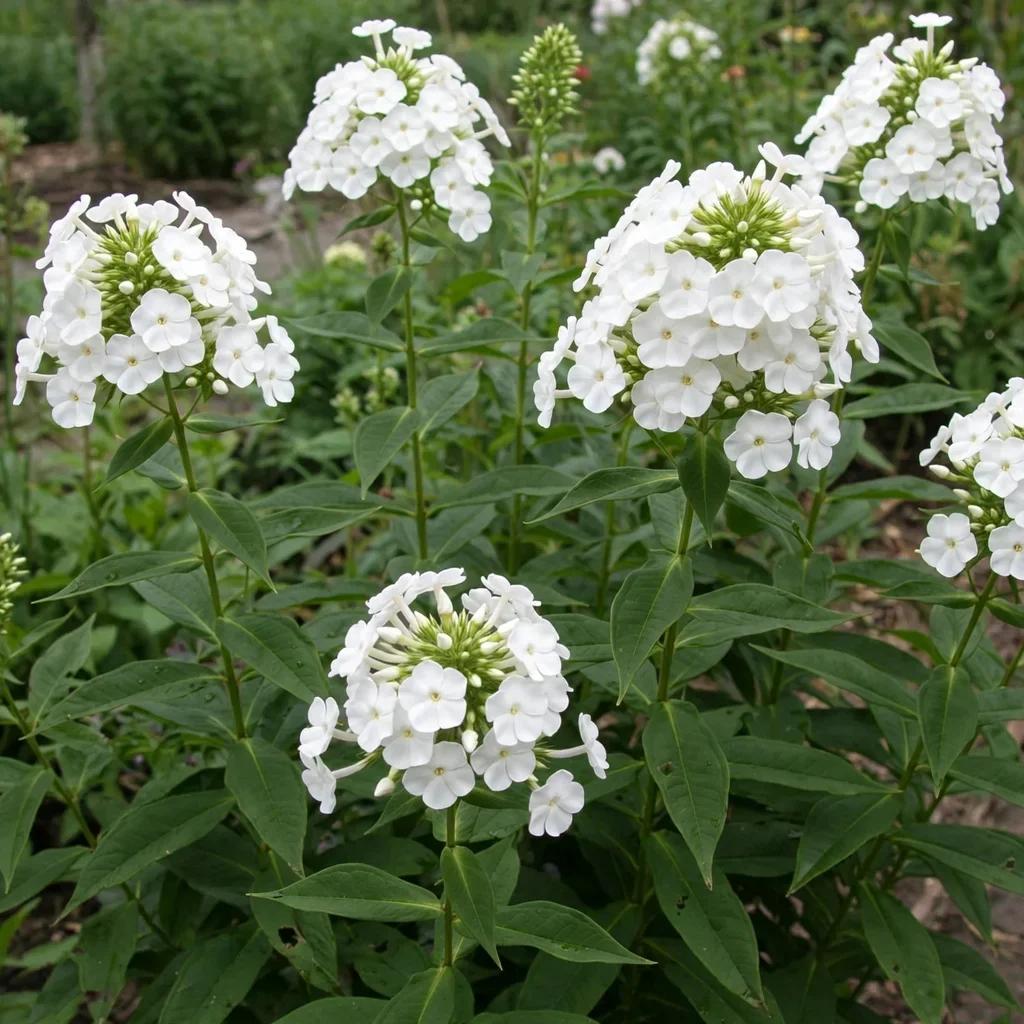 ‘Mt Fujiyama’Japanese Phlox
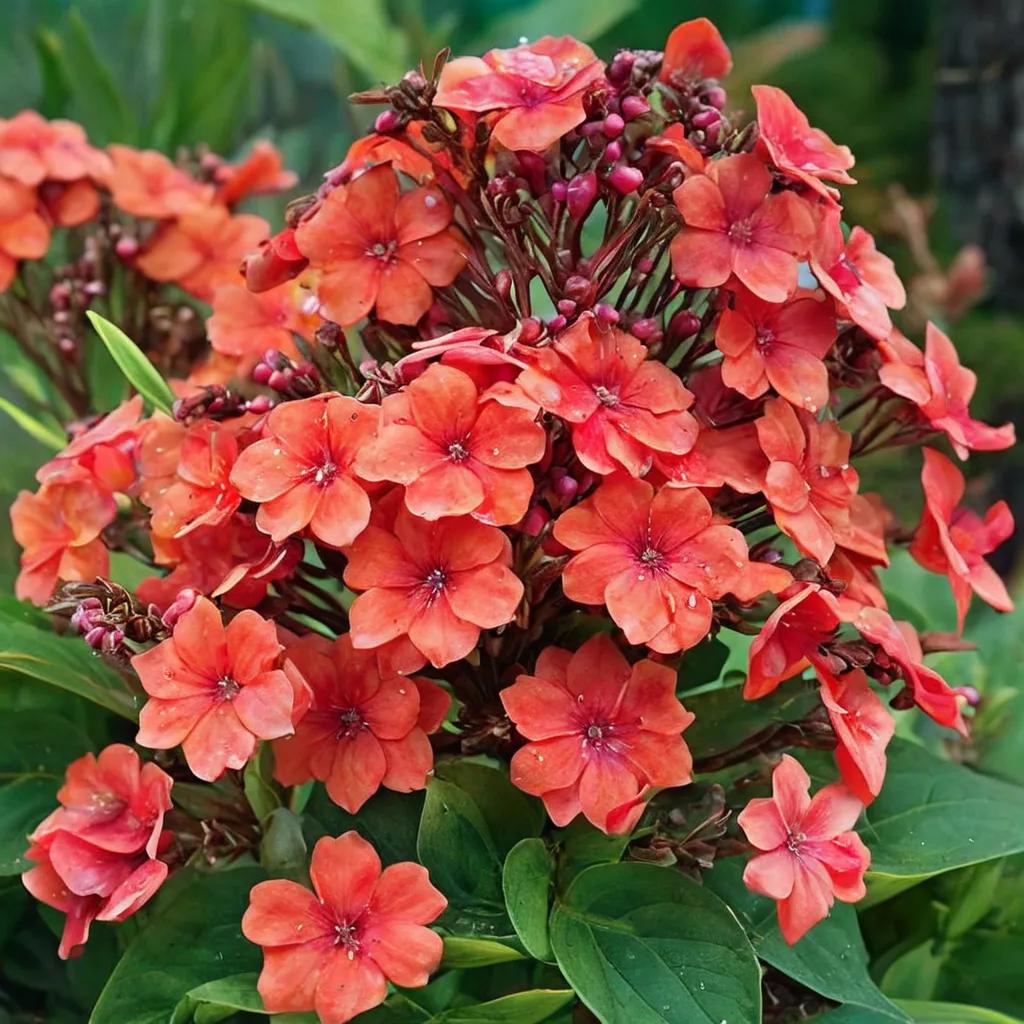 ‘Orange Perfection’Orange Perfection Garden Phlox
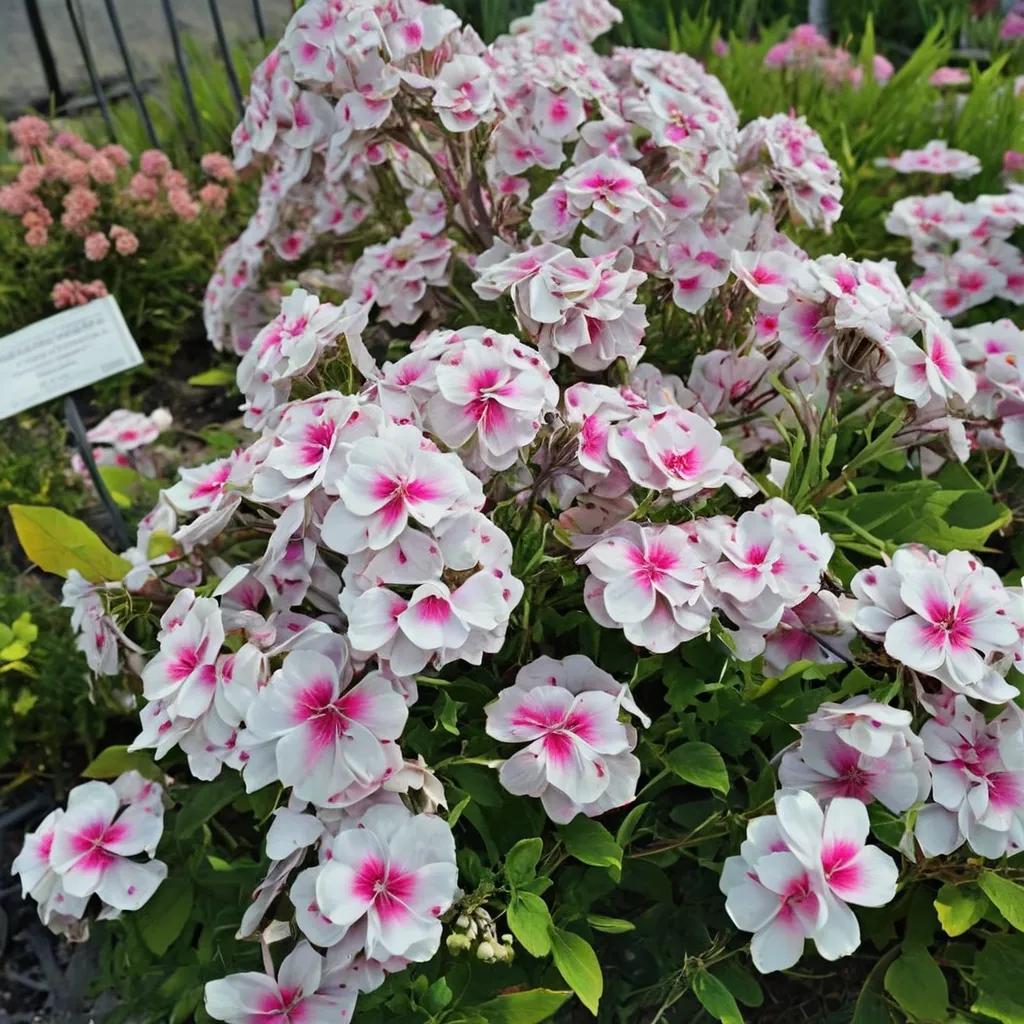 ‘Cherry Cream’Garden Phlox Cherry Cream
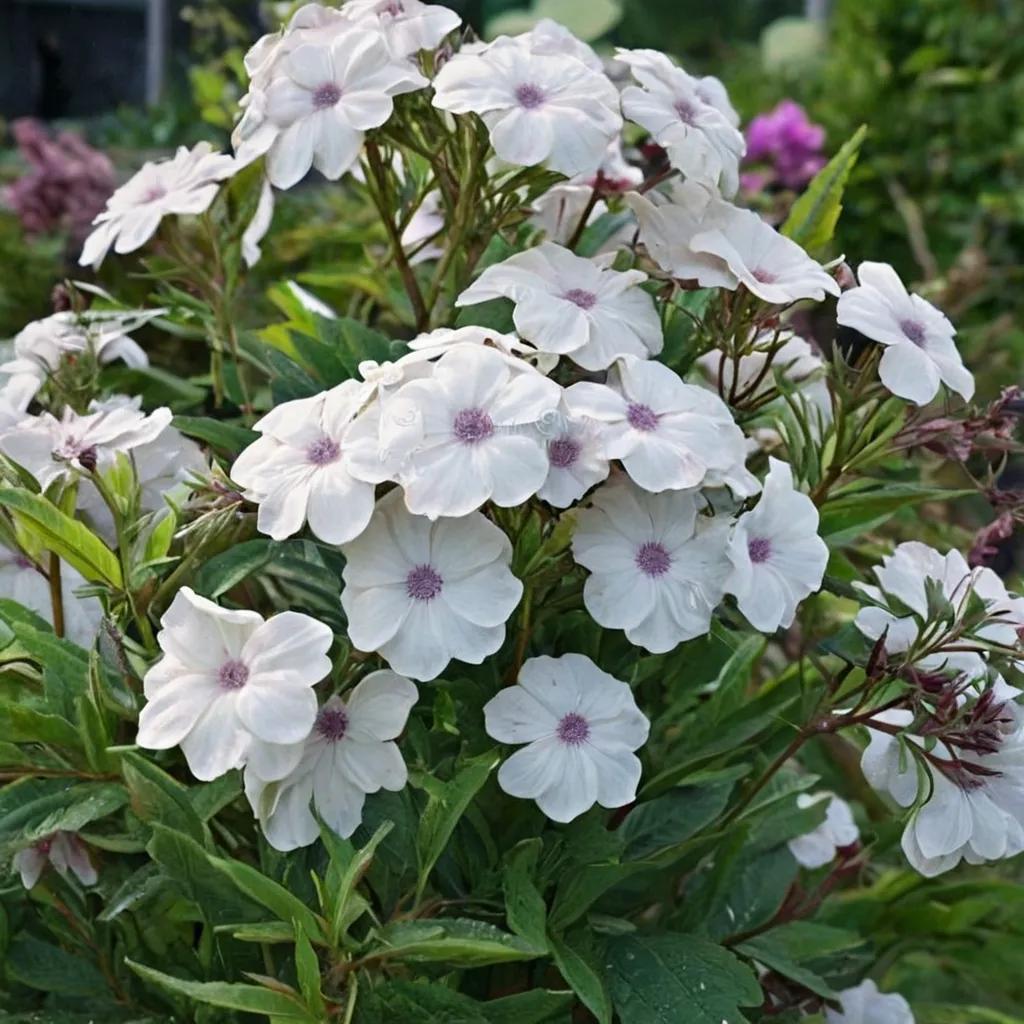 ‘Miss Jill’Miss Jill Phlox
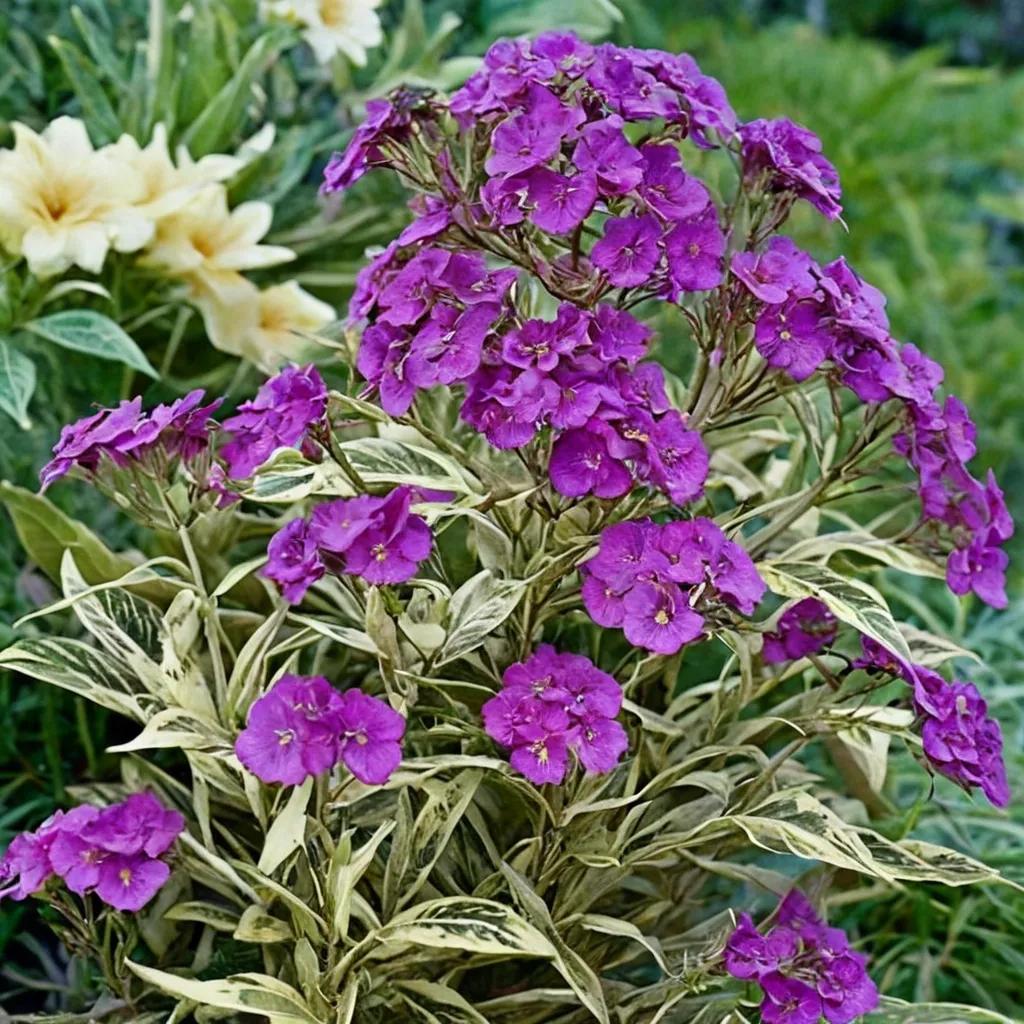 ‘Harlequin’Harlequin Garden Phlox
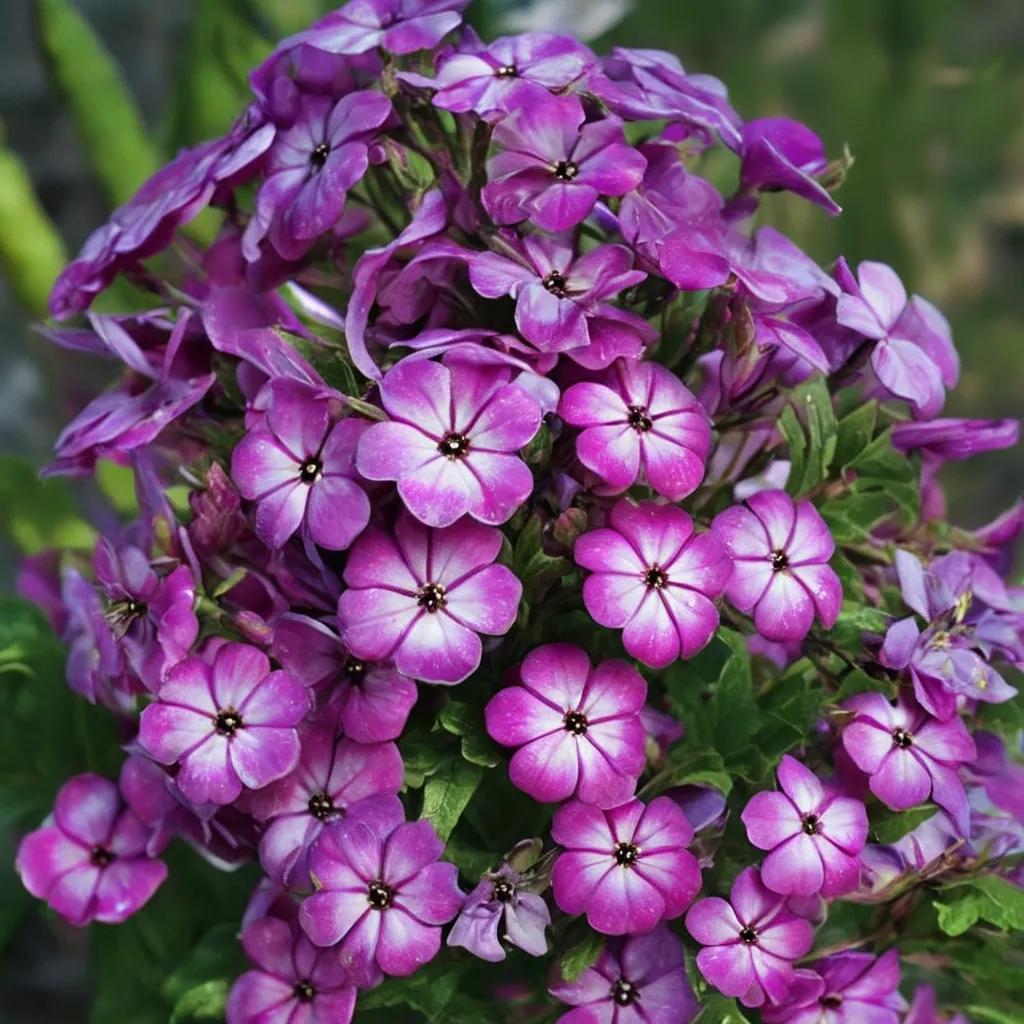 ‘Purple Eyes’Garden Phlox 'Purple Eyes'
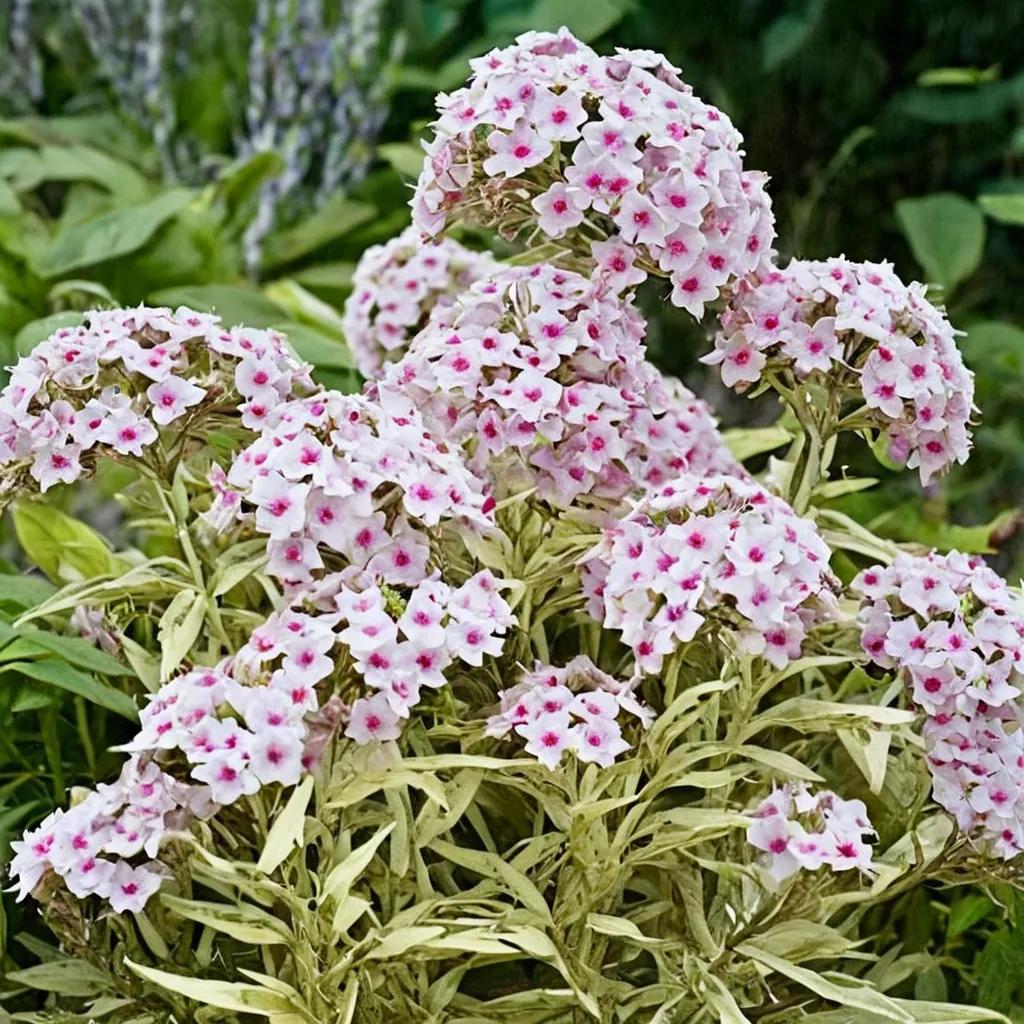 ‘Norah Leigh’Norah Leigh Variegated Garden Phlox
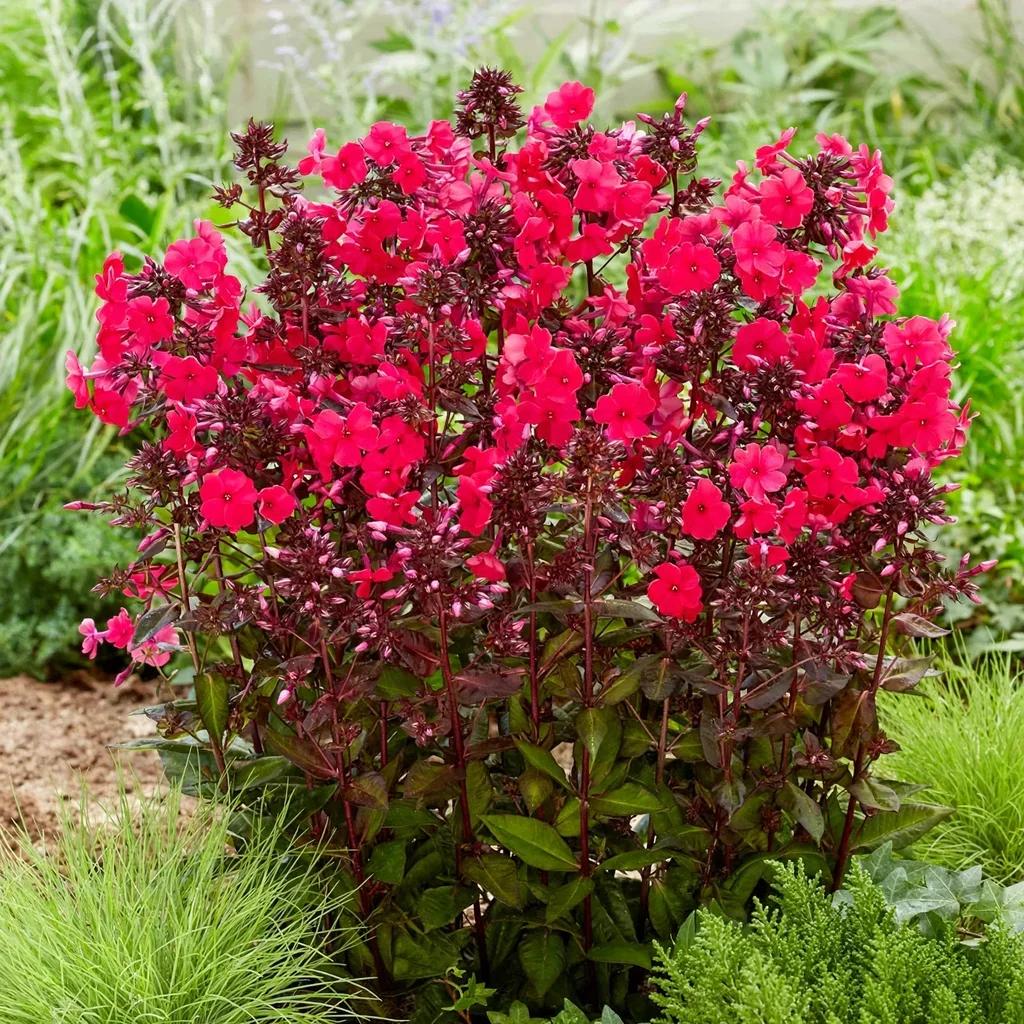 ‘Starfire’Garden Phlox 'Starfire'
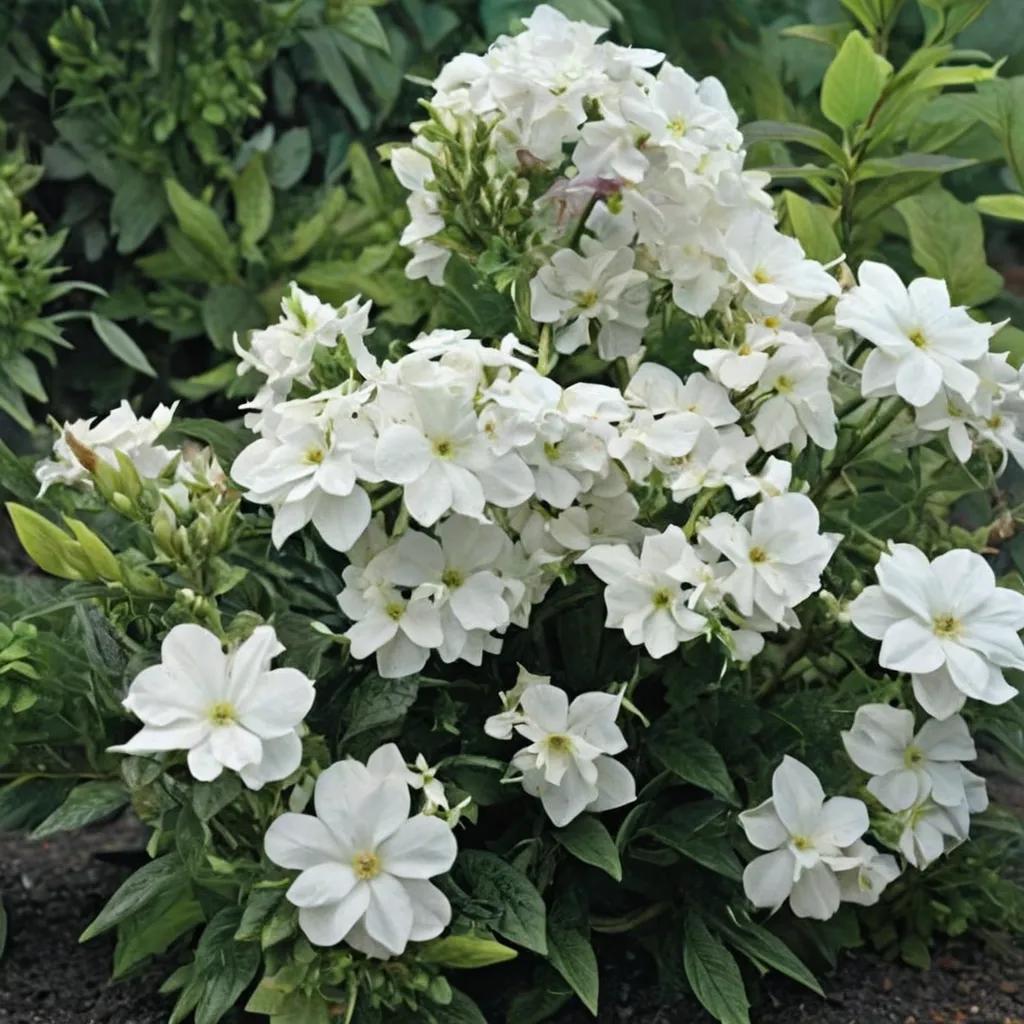 ‘Shorty White’Shorty White Garden Phlox
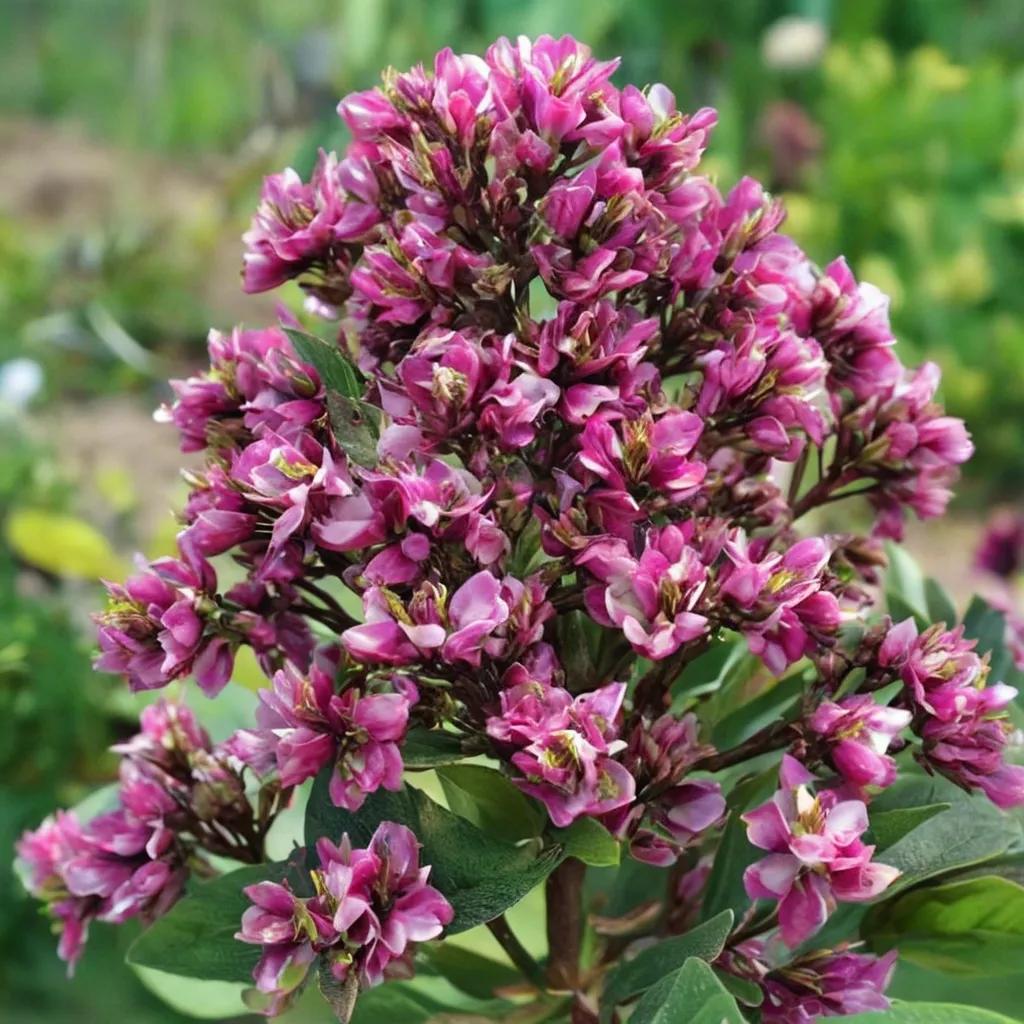 ‘Natural Feelings’Fragrant Phlox
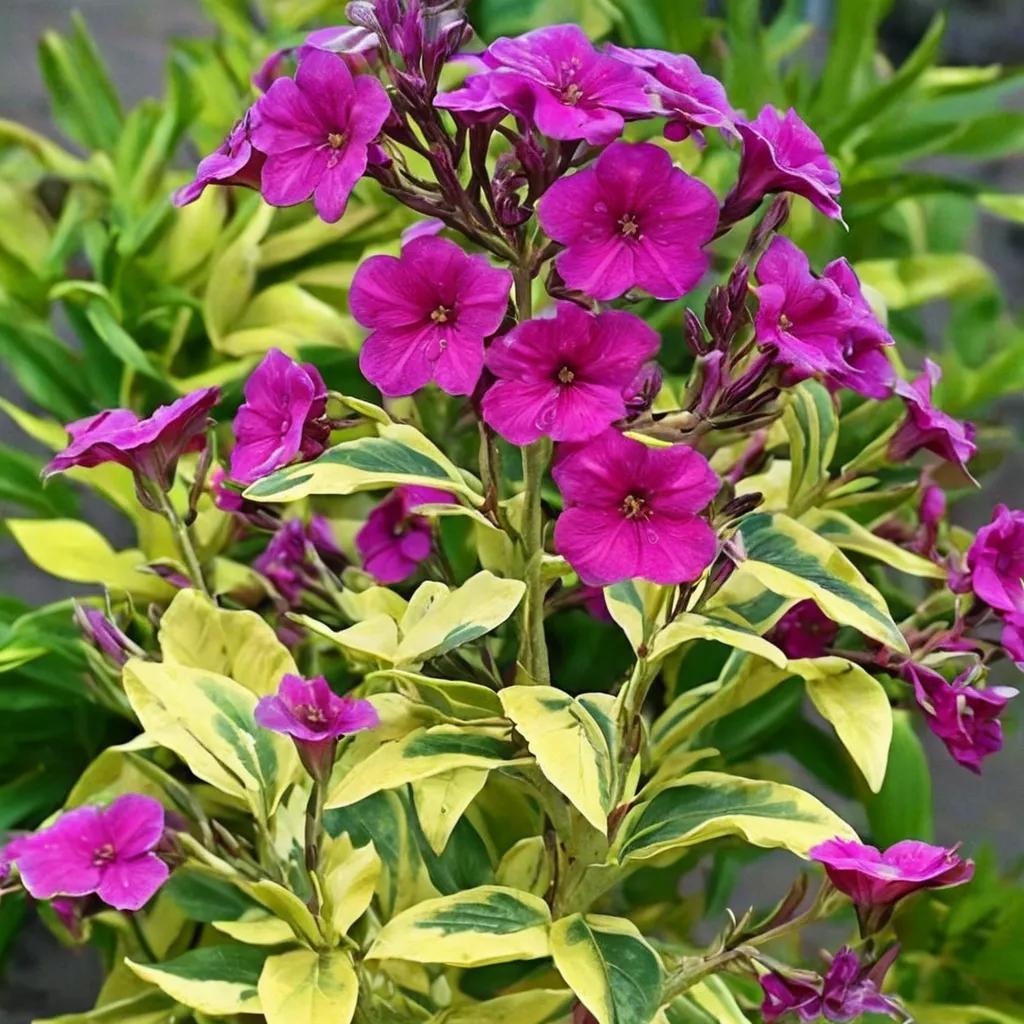 ‘Goldmine’Goldmine Garden Phlox
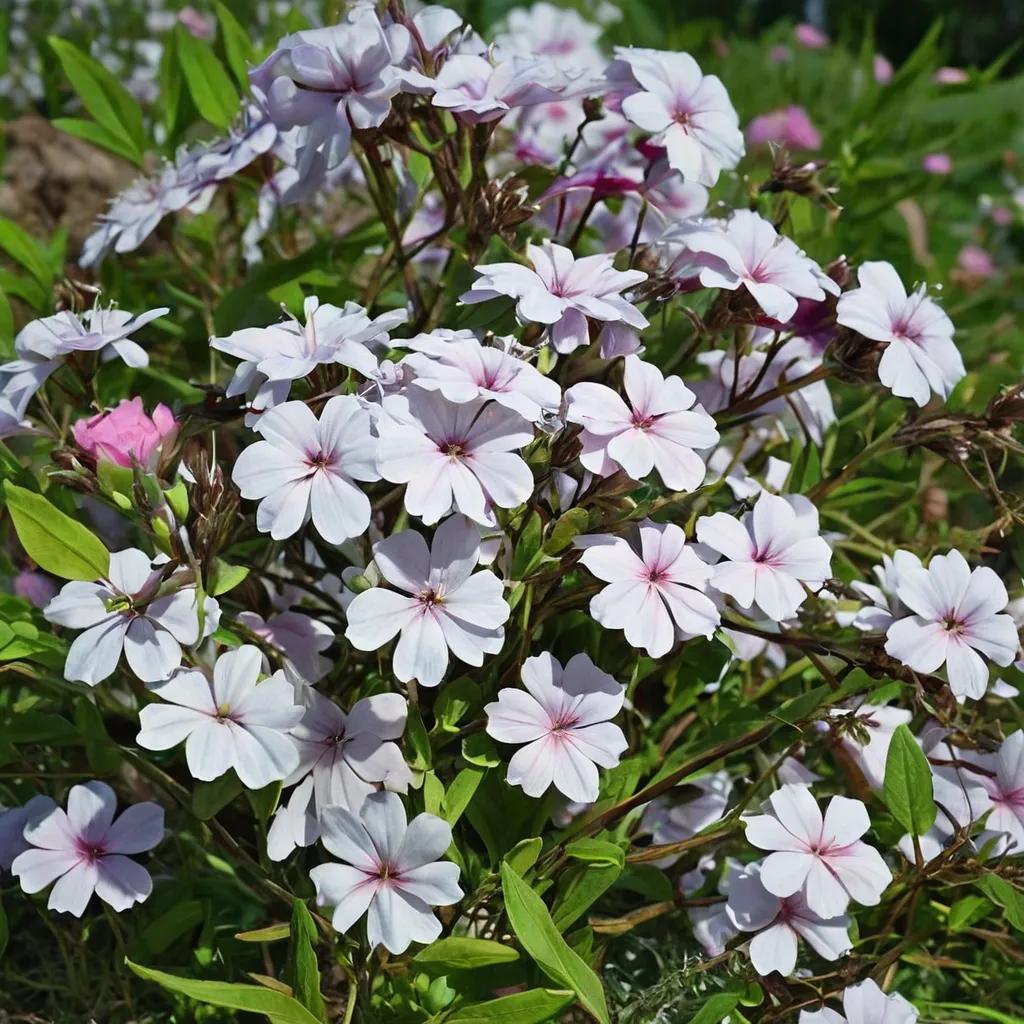 ‘Delta Snow’Delta Snow Garden Phlox
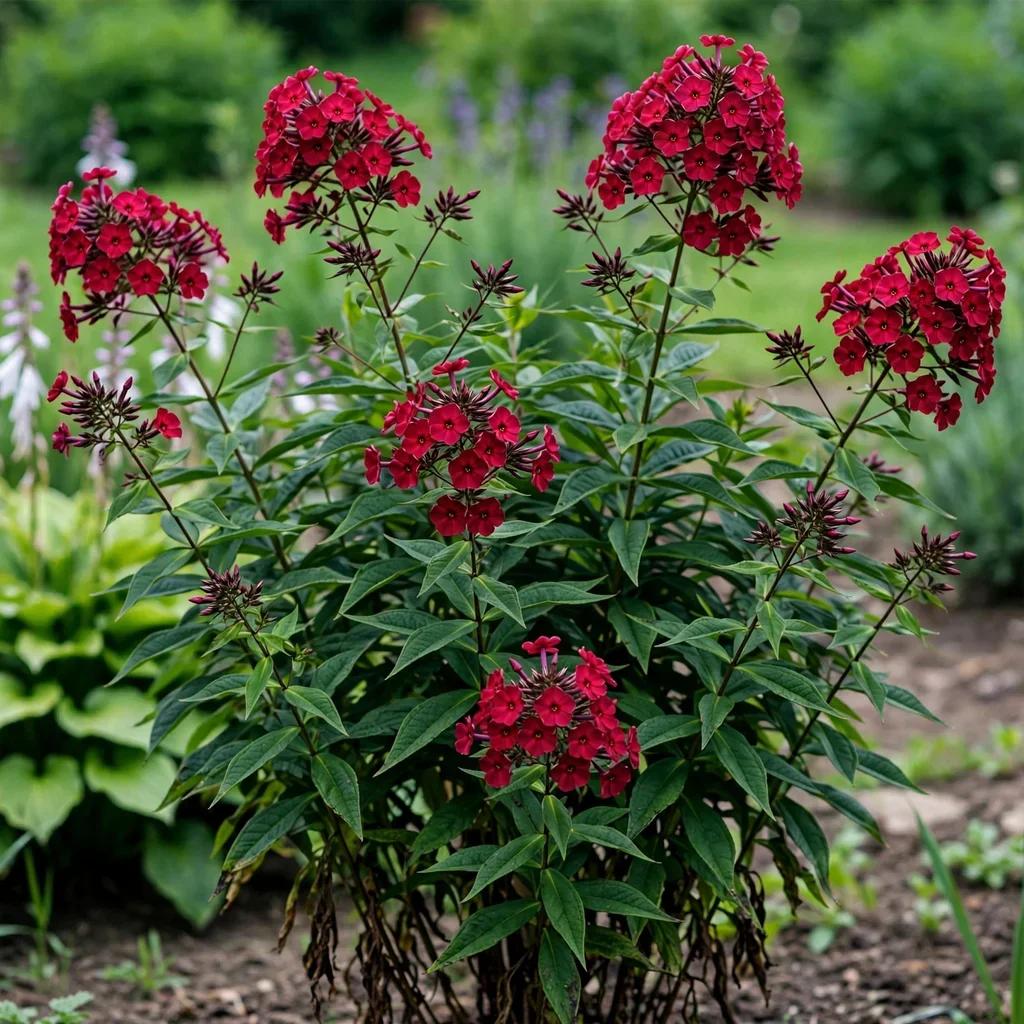 ‘Red Feelings’Garden Phlox 'Red Feelings'
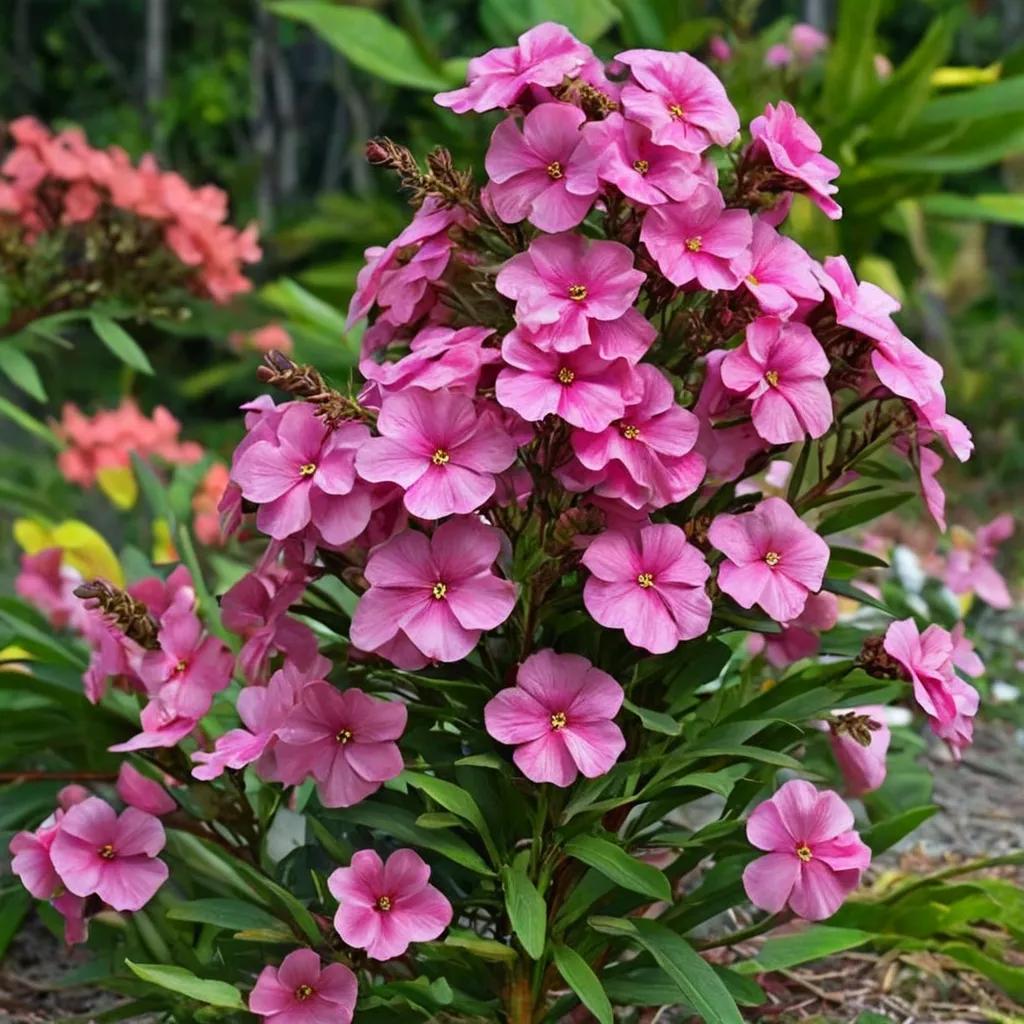 ‘Bubblegum Pink’Phlox Bubblegum Pink
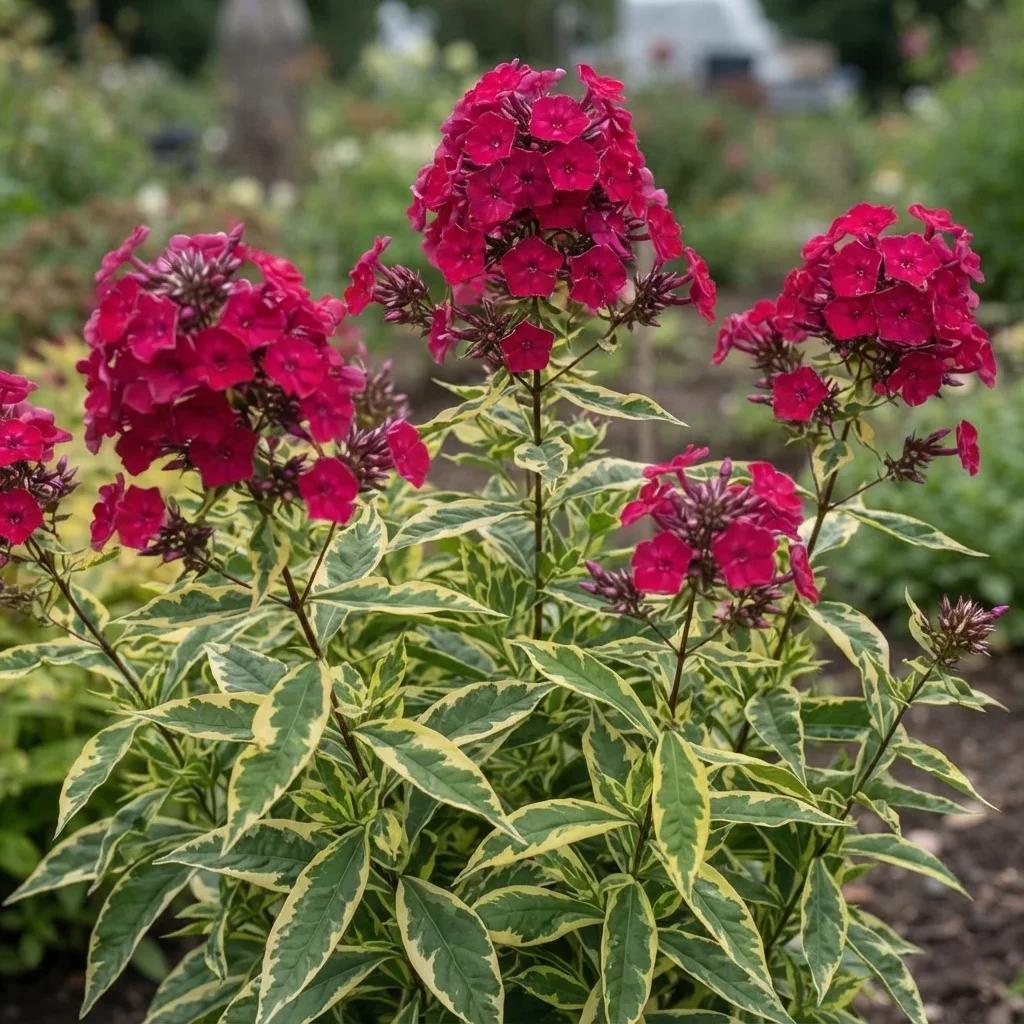 ‘Rubymine’Phlox paniculata Rubymine
The Story
Plant Bio
Phlox paniculata 'Red Riding Hood' is a perennial shrub with bushy growth, featuring lance-shaped green leaves and clusters of vibrant red, tubular flowers that bloom in dense panicles during summer and fall.
This cultivar is prized for its striking deep red flowers that provide a bold splash of color in the garden, along with its excellent disease resistance and long-lasting blooms.
Uses & Benefits:
Essentials
At a Glance
Plant Type
Perennial
Height
24"
Width
18"
Light
Full Sun, Partial Sun
Zones
4, 5, 6, 7, 8
Water
Moderate
Humidity
Average
Lifespan
Perennial
Native To
North America
Toxicity
Non-toxic to humans and pets
Bloom period
Mid-summer – Late summer
In flower about 2 months of the year
Planting
How to Grow
- Tuck seedlings or cuttings into well-prepared soil, spacing 18 inches apart.
- Water thoroughly after planting and keep soil moist during establishment.
- Apply a layer of mulch to conserve moisture and suppress weeds.
- Fertilize with a balanced fertilizer in early spring for vigorous growth.
- Deadhead spent flowers to encourage continuous blooming.
- Divide every 3–4 years in early spring or fall to maintain health.
Pro Tip
Plant in a sunny spot with well-draining soil for best blooms.
Keep It Thriving
Care Guide
Do
- Water regularly to keep soil moist 🌱
- Deadhead to promote more flowers
- Mulch to retain soil moisture
Don't
- Avoid overwatering in poorly drained soil ❌
- Don’t fertilize excessively, which can cause floppy stems
- Refrain from neglecting deadheading
Seasonal Care Calendar
| Task | Jan | Feb | Mar | Apr | May | Jun | Jul | Aug | Sep | Oct | Nov | Dec |
|---|---|---|---|---|---|---|---|---|---|---|---|---|
| Deadhead | ||||||||||||
| Divide | ||||||||||||
| Fertilize | ||||||||||||
| Pinch | ||||||||||||
| Plant | ||||||||||||
| Spring Cleanup |
Watch Out For
Pests & Diseases
Common Pests
Common Diseases
In the Garden
Landscape Uses & Companions
Landscape Uses
Multiply
Propagation Methods
Good to Know
Common Questions
Red Riding Hood Garden Phlox questions
What zones can Red Riding Hood Garden Phlox grow in?
Red Riding Hood Garden Phlox is hardy in USDA Zones 4–8. Inside that range it survives winter in the ground; outside it, grow it as an annual or a container plant you protect.
Is Red Riding Hood Garden Phlox deer resistant?
Not reliably. Deer may browse Red Riding Hood Garden Phlox, especially tender spring growth — plan on repellents or fencing where pressure is high.
When does Red Riding Hood Garden Phlox bloom?
Red Riding Hood Garden Phlox typically blooms in mid-summer through late summer. Exact timing shifts a week or two with your zone — Sow's bloom calendar maps it to your garden.
Does Red Riding Hood Garden Phlox need full sun?
Red Riding Hood Garden Phlox does best in full sun to part shade. In hot climates, afternoon shade keeps blooms fresher longer.
More Phlox to compare
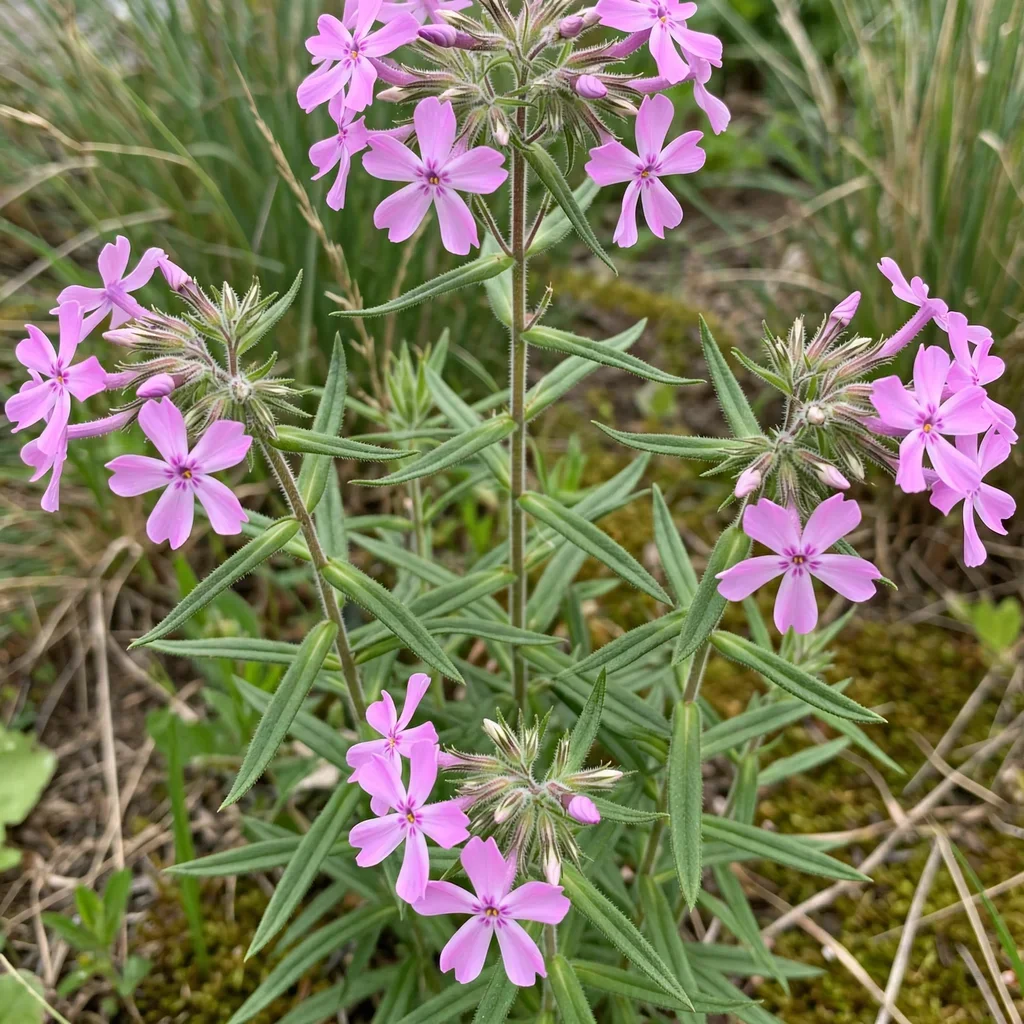
Prairie Phlox
Phlox pilosa
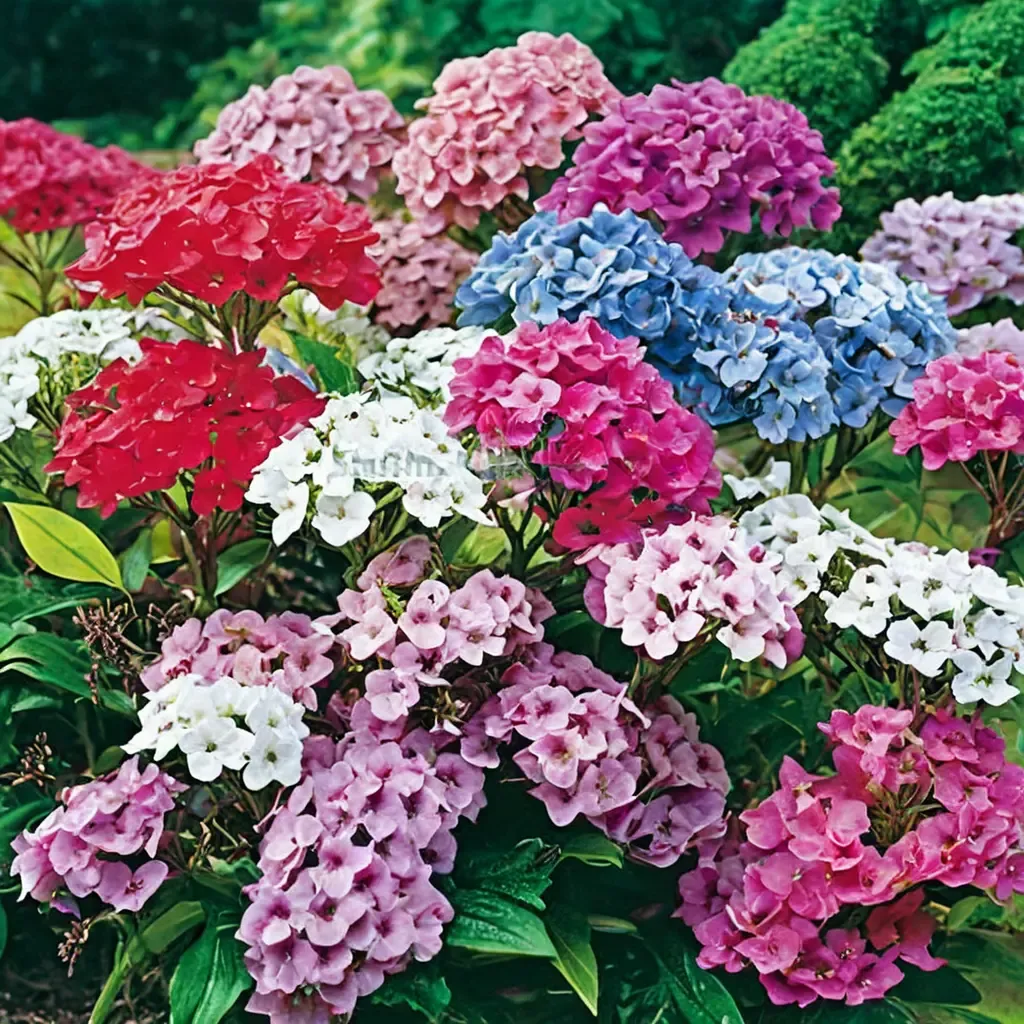
Garden Phlox
Phlox paniculata 'Mix'
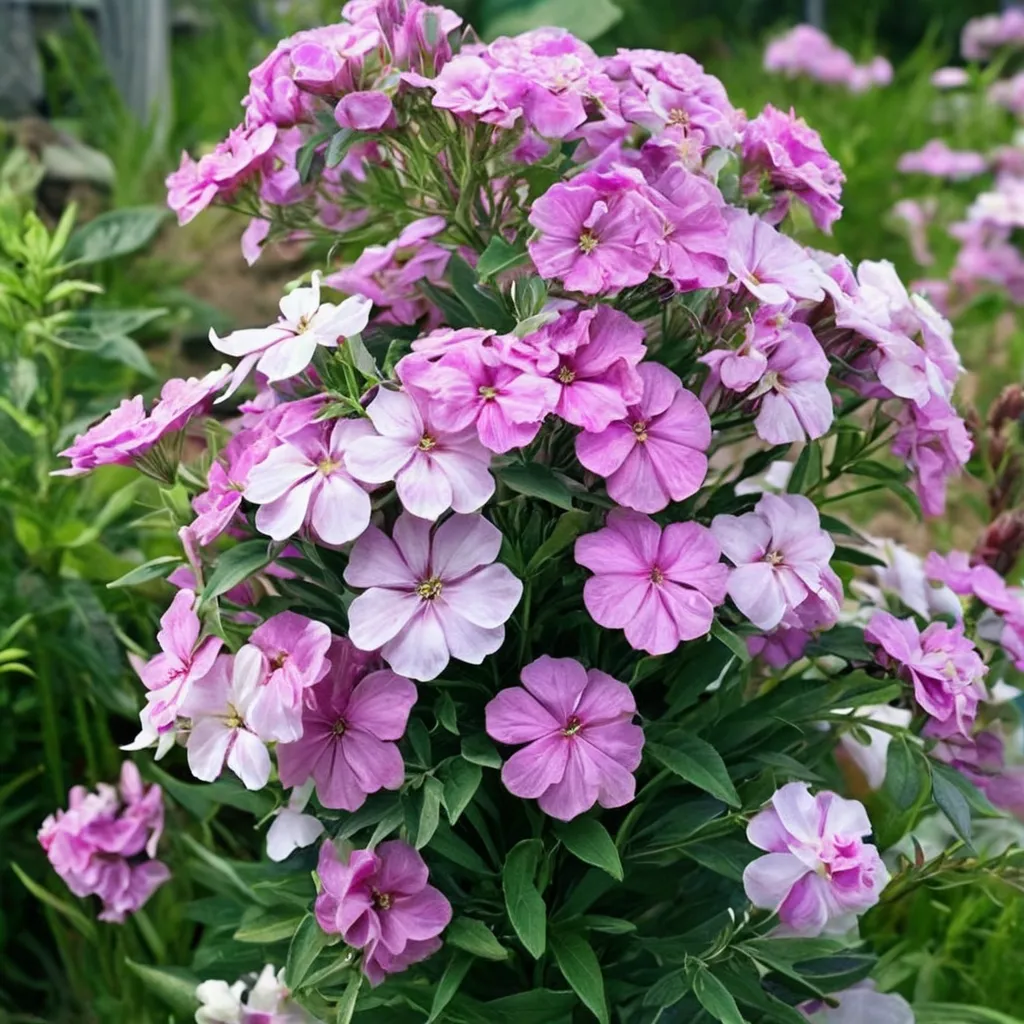
Garden Phlox 'Rene Duval'
Phlox paniculata 'Rene Duval'
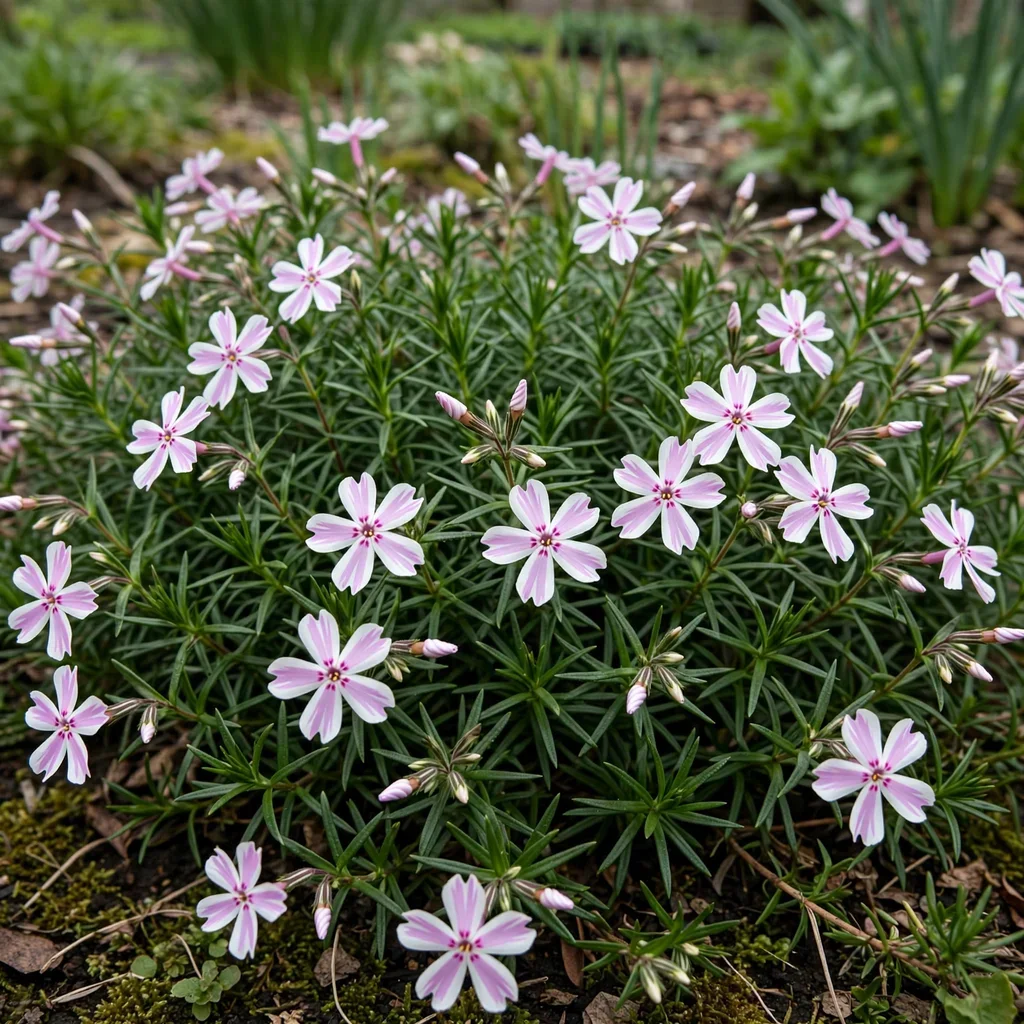
Candy Stripe Creeping Phlox
Phlox subulata 'Candy Stripe'
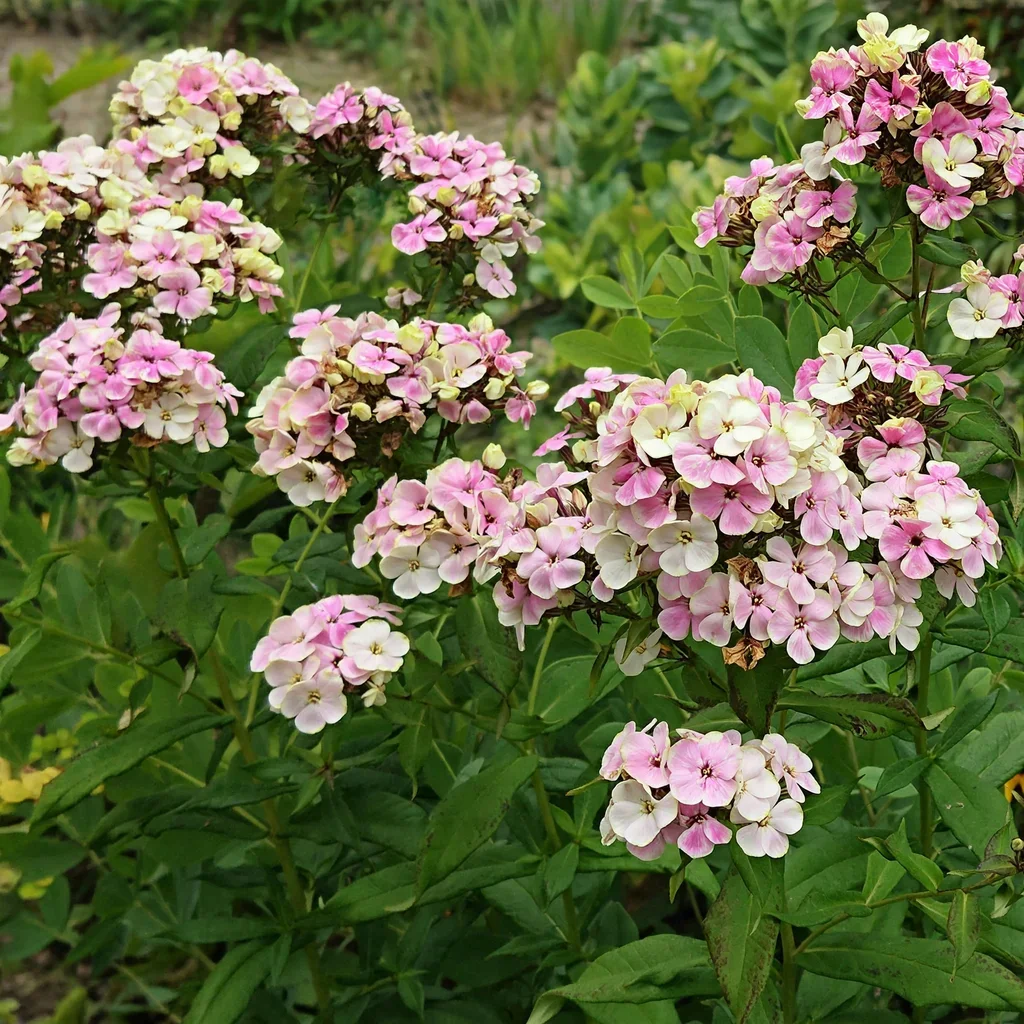
Sherbet Cocktail Garden Phlox
Phlox paniculata 'Sherbet Cocktail'
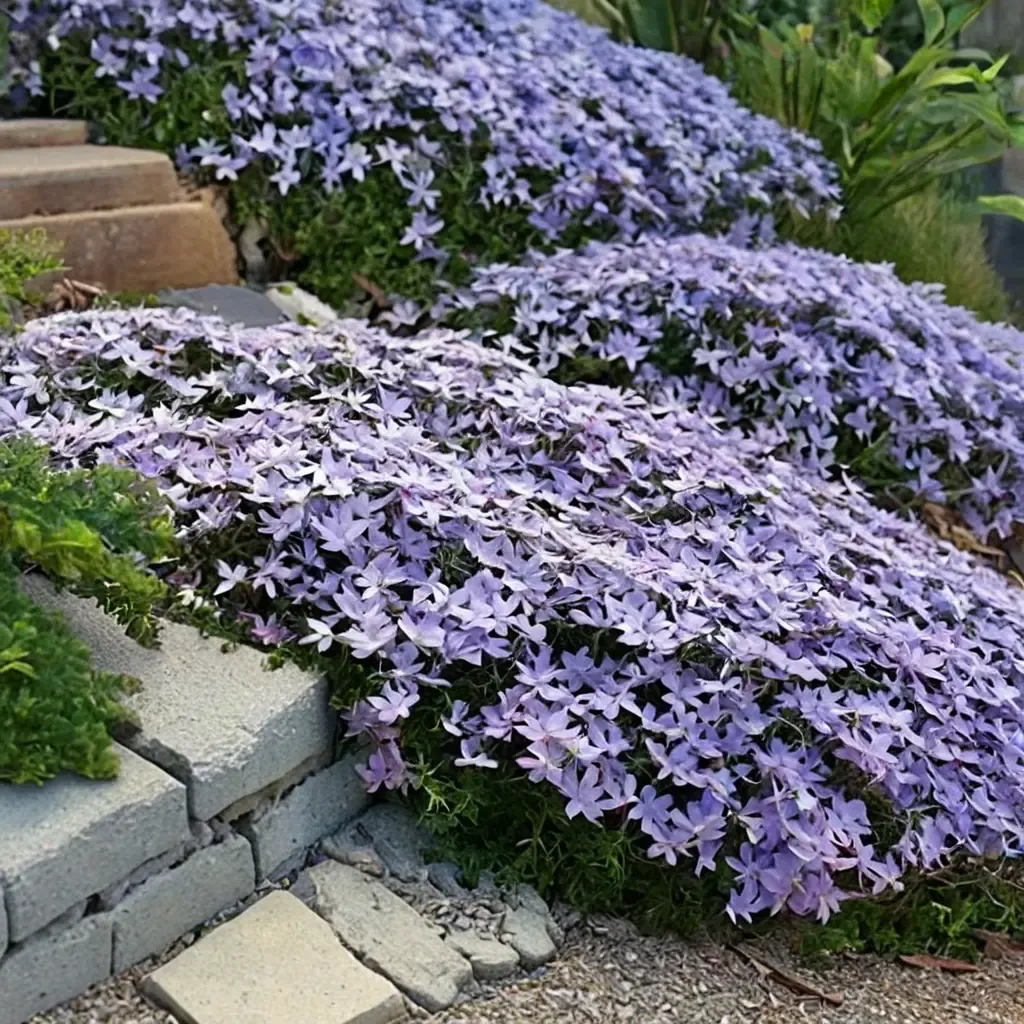
Emerald Blue Moss Phlox
Phlox subulata 'Emerald Blue'
Keep exploring
Explore the genus
Hardy in your zone?
Grow Red Riding Hood Garden Phlox with confidence
See it in a design of your actual yard, get zone-matched care reminders, and track it season by season in your garden journal.