The Story
Plant Bio
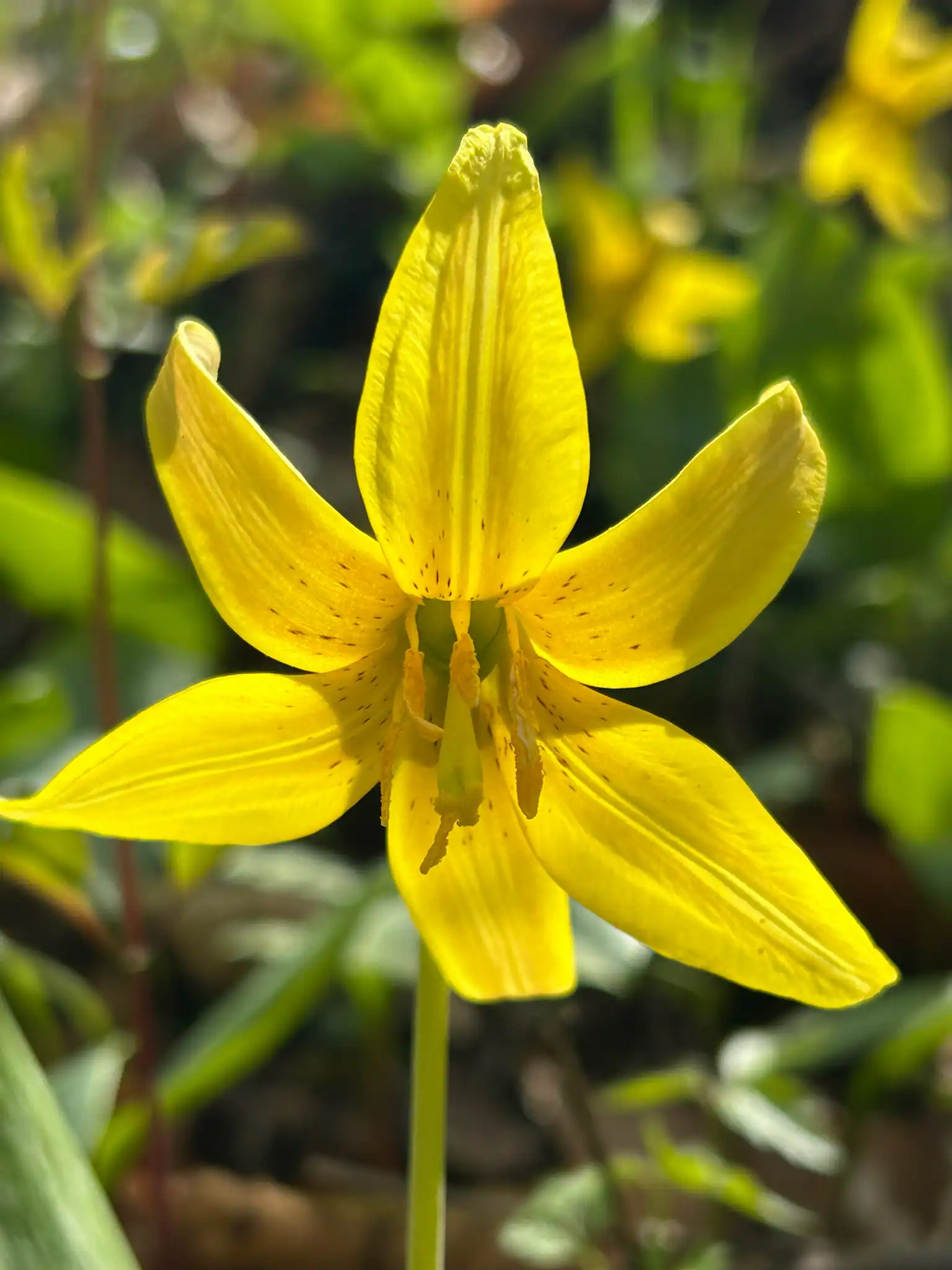
Erythronium americanum is a low-growing, clump-forming spring ephemeral native to eastern North American woodlands, arising from deep-seated corms in early spring. The species is characterized by its pairs of elliptic-lanceolate basal leaves, which feature distinctive purplish-brown mottling over a glaucous green background.
A single nodding, bell-shaped yellow flower emerges per mature plant, with six tepals that reflex strongly backward to expose yellow, brown, or lavender-tinted anthers. The foliage naturally dies back to the ground by early summer as the plant enters a long period of dormancy.
Uses & Benefits:
Essentials
At a Glance
Plant Type
Bulb Corm Tuber
Height
8"
Width
4"
Light
Partial Sun, Shade
Zones
4, 5, 6, 7, 8
Water
Moist but well-drained
Humidity
Moderate to high
Lifespan
Perennial
Native To
Eastern North America
Toxicity
Mild skin irritant; bulbs contain acrid compounds
Bloom period
Early spring – Mid-spring
In flower about 2 months of the year
Planting
How to Grow
- Select a planting site under deciduous trees that offers rich, moist, well-drained loamy soil and deep shade after spring canopy leaf-out.
- Dig planting holes to a depth of three to four inches (seven to ten centimeters) to accommodate the deep-seated growth habit of the corms.
- Place the corms in the holes, cover with soil, and water thoroughly to settle the ground around the roots.
- Apply a thin layer of natural leaf litter or organic compost over the planting area to mimic forest floor conditions and retain moisture.
Pro Tip
Plant corms immediately upon receipt at a depth of three inches; dry storage quickly dehydrates the corms and destroys their viability.
Keep It Thriving
Care Guide
Do
- Allow the foliage to yellow and die back naturally in late spring to replenish the underground corm.
- Top-dress the planting area with leaf mold or compost each fall to maintain soil organic matter.
- Plant corms immediately after lifting or purchasing to prevent fatal dehydration.
Don't
- Do not cut back green foliage prematurely before summer dormancy begins.
- Do not clear away natural leaf litter from the planting bed in spring or fall.
- Do not plant in heavy, poorly drained clay soils prone to waterlogging.
- Do not attempt to transplant actively growing plants late in the spring season.
Seasonal Care Calendar
| Task | Jan | Feb | Mar | Apr | May | Jun | Jul | Aug | Sep | Oct | Nov | Dec |
|---|---|---|---|---|---|---|---|---|---|---|---|---|
| Mulch | ||||||||||||
| Pest Check | ||||||||||||
| Propagate | ||||||||||||
| Spring Cleanup |
Watch Out For
Pests & Diseases
Common Pests
Common Diseases
In the Garden
Landscape Uses & Companions
Landscape Uses
Multiply
Propagation Methods
Good to Know
Common Questions
Yellow Trout-lily questions
What zones can Yellow Trout-lily grow in?
Yellow Trout-lily is hardy in USDA Zones 4–8. Inside that range it survives winter in the ground; outside it, grow it as an annual or a container plant you protect.
Is Yellow Trout-lily deer resistant?
Not reliably. Deer may browse Yellow Trout-lily, especially tender spring growth — plan on repellents or fencing where pressure is high.
When does Yellow Trout-lily bloom?
Yellow Trout-lily typically blooms in early spring through mid-spring. Exact timing shifts a week or two with your zone — Sow's bloom calendar maps it to your garden.
Does Yellow Trout-lily need full sun?
Yellow Trout-lily does best in part shade.
More Erythronium to compare
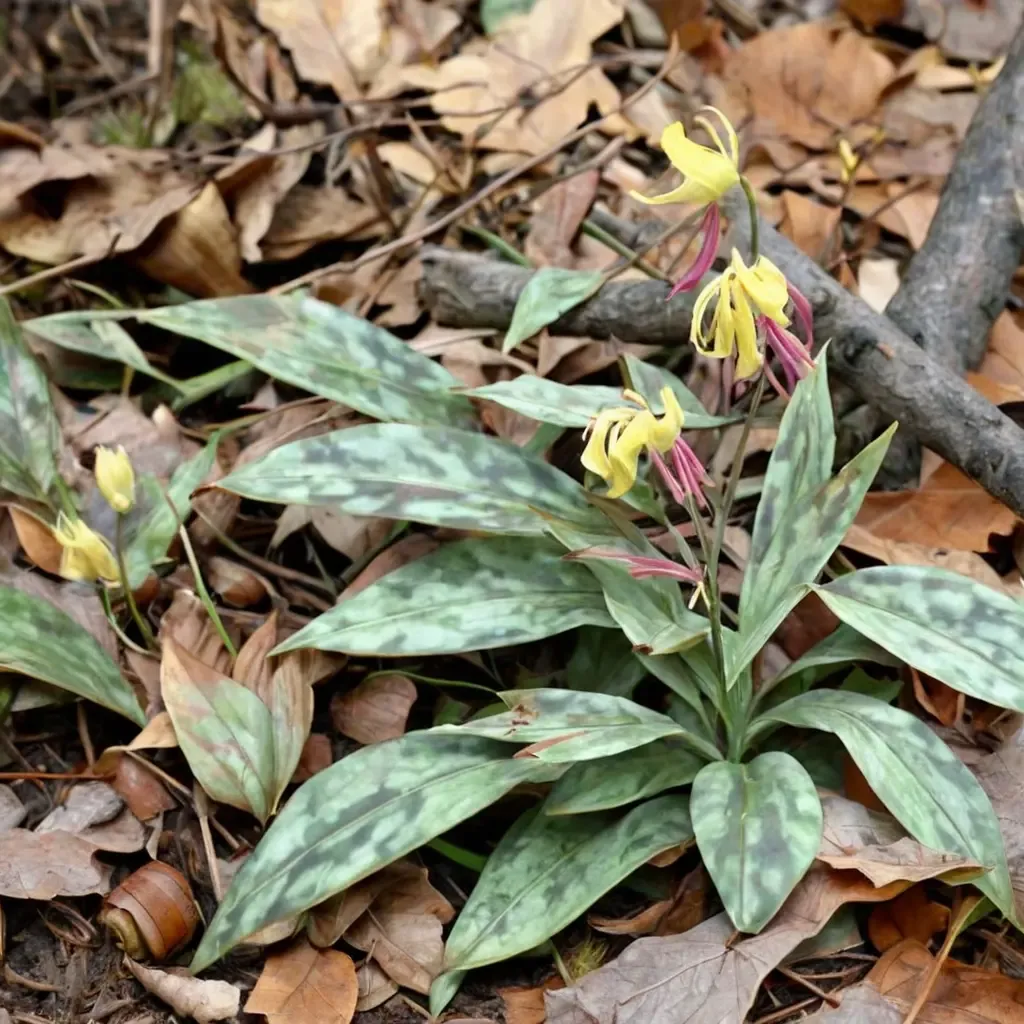
Umbilicate Dogtooth Violet
Erythronium umbilicatum
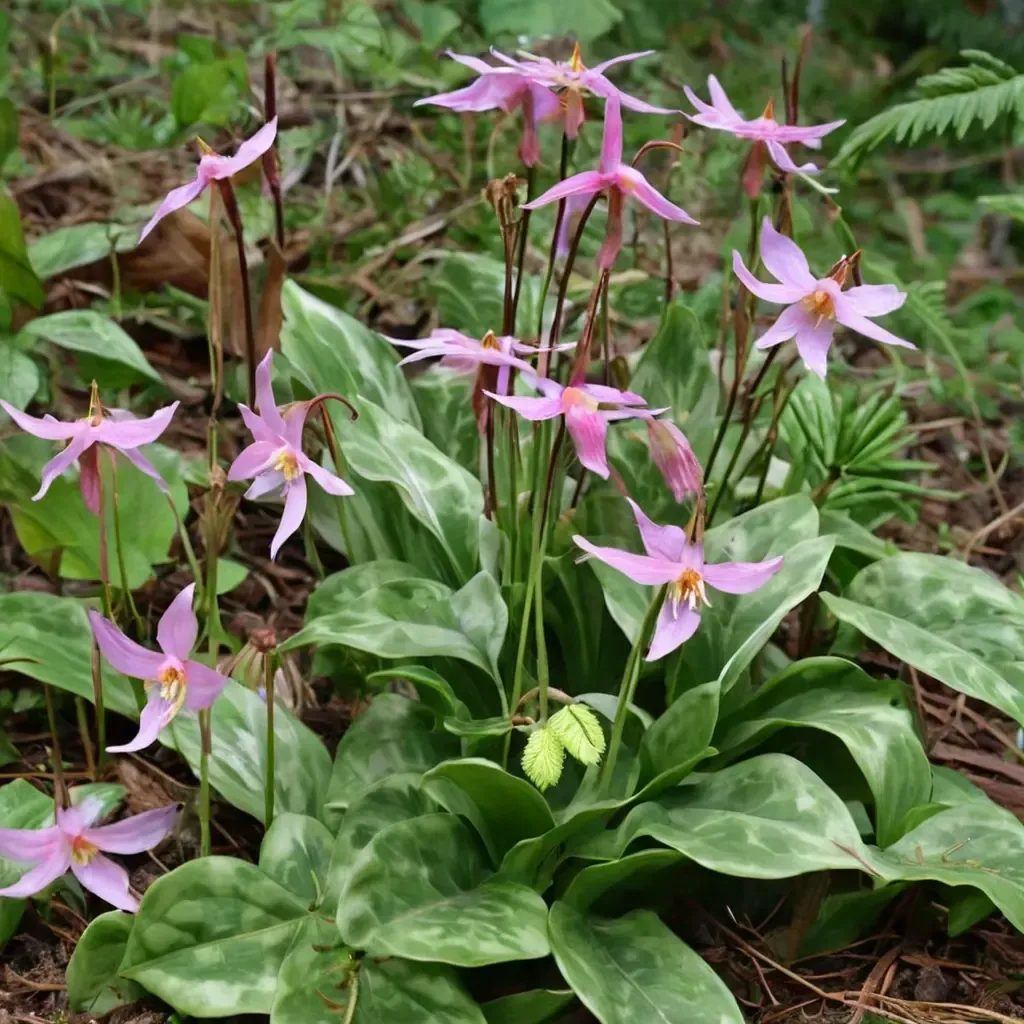
Pink Fawn Lily
Erythronium revolutum
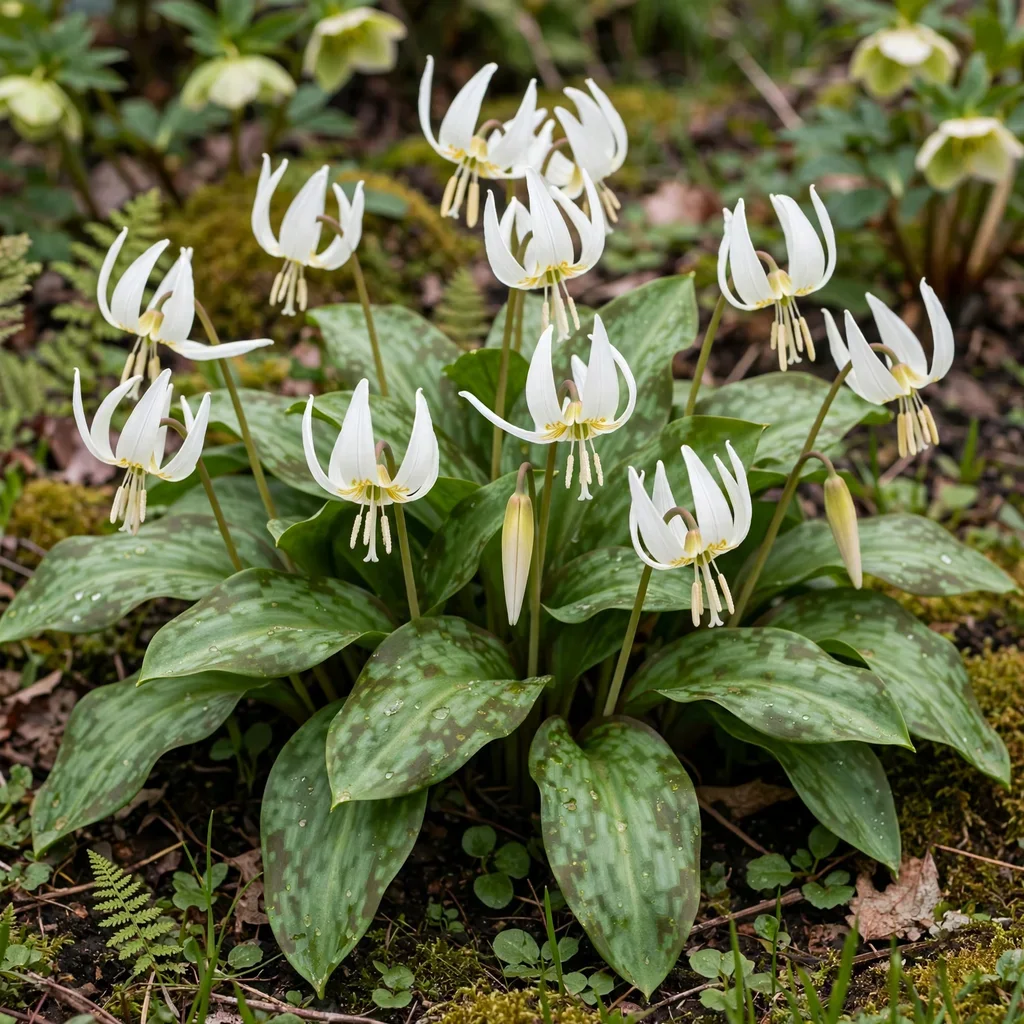
California Fawn Lily White Beauty Fawn Lily
Erythronium californicum 'White Beauty'
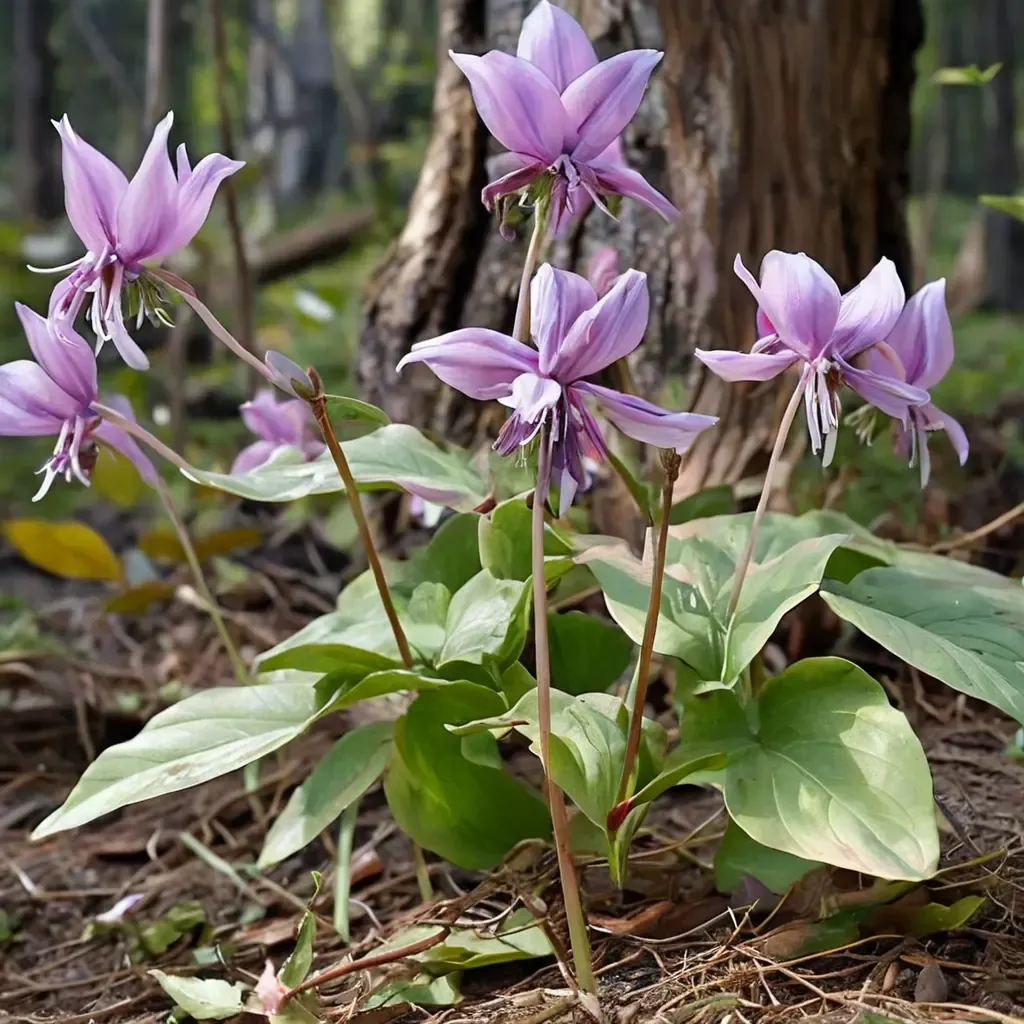
Japanese Dogtooth Violet
Erythronium japonicum
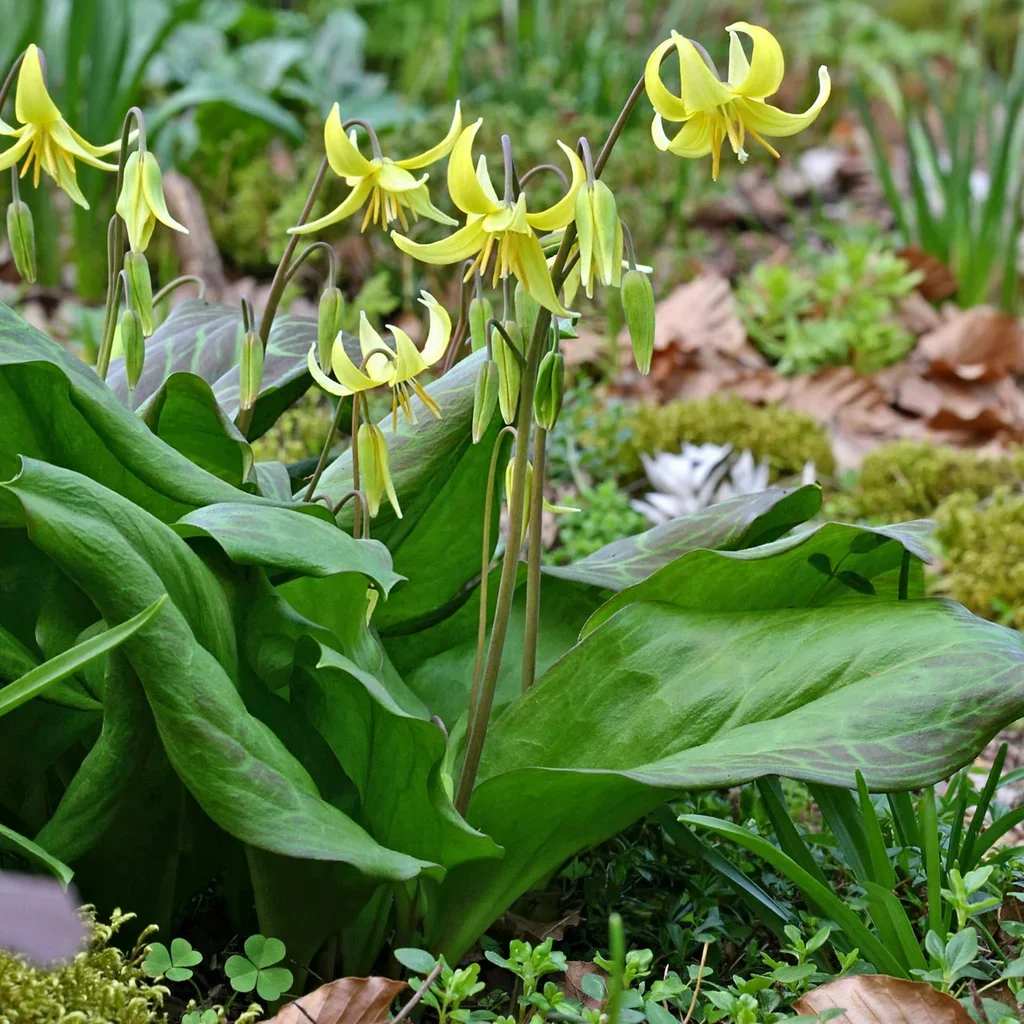
Pagoda Trout Lily
Erythronium dens-canis 'Pagoda'
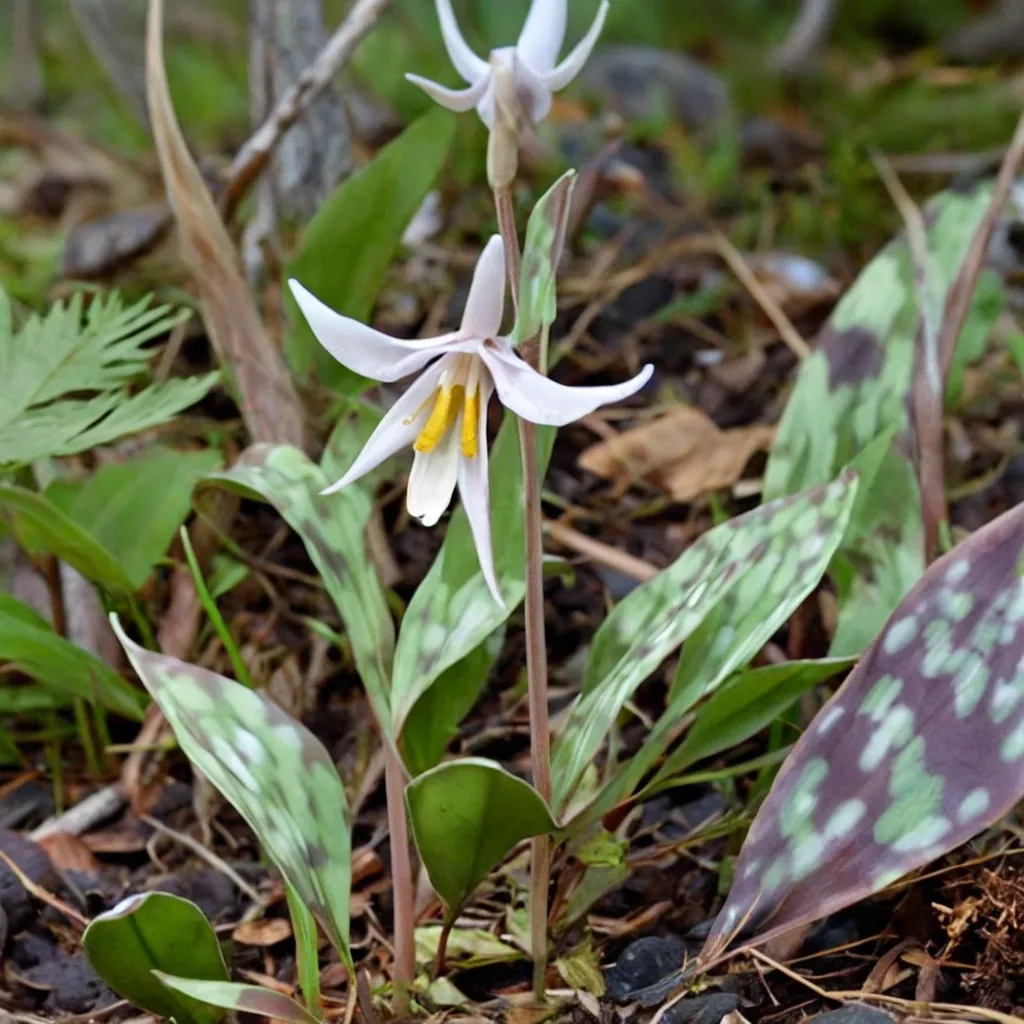
White Trout Lily
Erythronium albidum
Keep exploring
Explore the genus
Hardy in your zone?
Grow Yellow Trout-lily with confidence
See it in a design of your actual yard, get zone-matched care reminders, and track it season by season in your garden journal.