The Story
Plant Bio
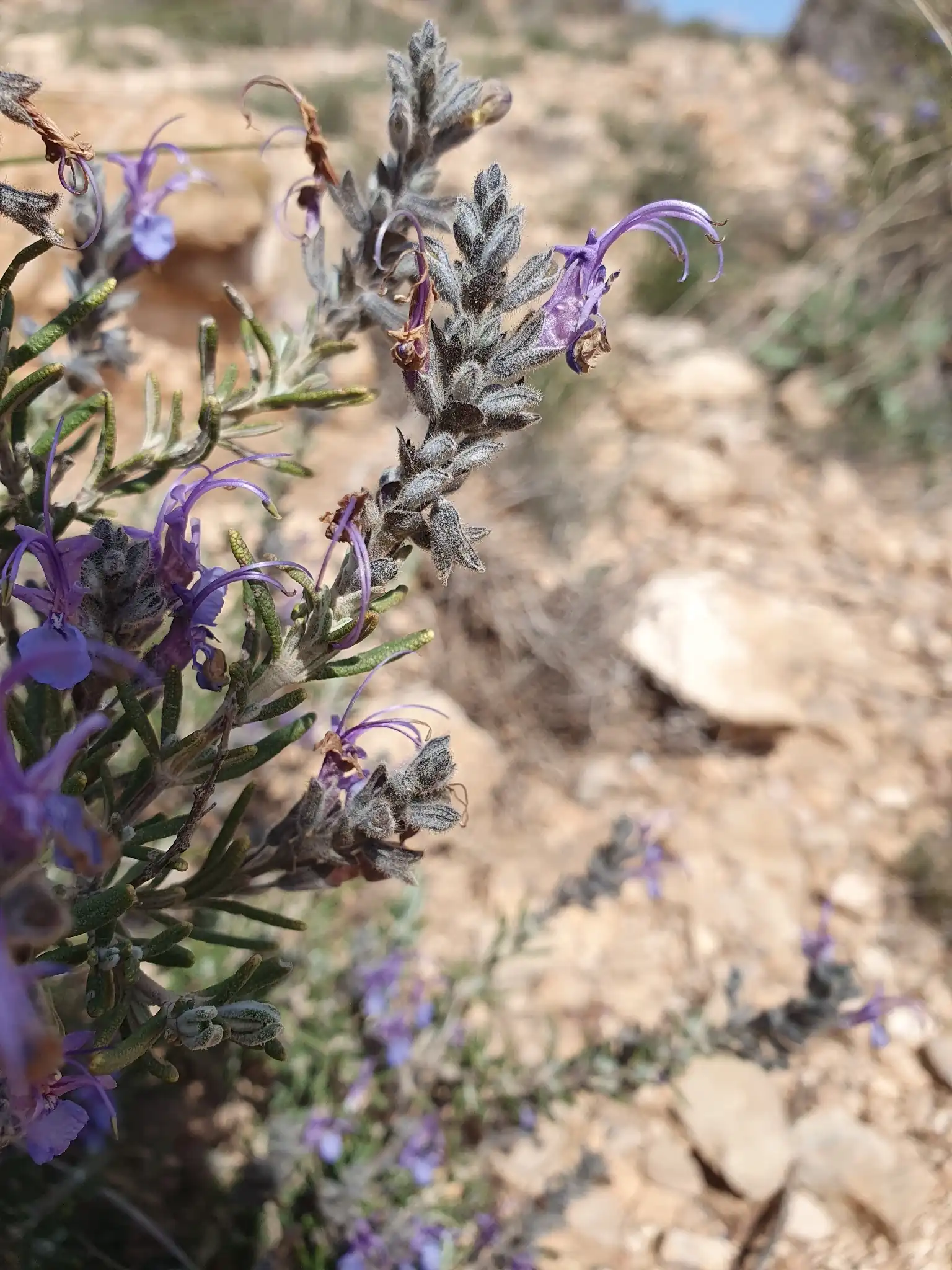
Salvia jordanii, commonly known as Jordan's rosemary, is an aromatic evergreen woody shrub native to the Mediterranean region of North Africa and southeastern Spain. It forms a dense, compact to spreading mound of deep-green, narrow linear leaves with revolute margins that release a strong fragrance when handled.
The two-lipped flowers feature a deep violet-pink upper lip and a lavender-blue lower lip, held in short whorled clusters surrounded by a distinctively hairy calyx. New growth emerges fresh green and highly aromatic, contrasting with the older woody stems.
Uses & Benefits:
Essentials
At a Glance
Plant Type
Shrub
Height
60"
Width
60"
Light
Full Sun
Zones
8, 9, 10
Water
Low
Humidity
Low to Moderate
Lifespan
Perennial shrub
Native To
Mediterranean region (North Africa, southeastern Spain)
Toxicity
Non-toxic
Bloom period
Spring – Summer
In flower about 6 months of the year
Planting
How to Grow
- Select a planting site in full sun with light, sandy, or loamy soil that provides exceptional drainage.
- Amend heavy soils with coarse grit or plant on a sloped bed to prevent water from pooling around the root zone.
- Water sparingly after planting, allowing the soil to dry out completely between waterings once the root system is established.
- Apply a light layer of compost or a low-phosphorus slow-release fertilizer in spring, avoiding high-nitrogen options.
Pro Tip
Amateurs frequently mistake the plant's moisture sensitivity for underwatering; overwatering in rich garden beds quickly triggers fatal root rot.
Keep It Thriving
Care Guide
Do
- Plant in neutral to alkaline soils with sharp, rapid drainage.
- Trim lightly after the summer flowering period to maintain a compact shape.
- Provide full sun exposure to prevent leggy growth and fungal issues.
Don't
- Do not prune hard into old, leafless woody wood, as these stems will fail to reshoot.
- Do not plant in heavy clay or waterlogged soils.
- Do not overwater during periods of high summer humidity.
Seasonal Care Calendar
| Task | Jan | Feb | Mar | Apr | May | Jun | Jul | Aug | Sep | Oct | Nov | Dec |
|---|---|---|---|---|---|---|---|---|---|---|---|---|
| Fertilize | ||||||||||||
| Pest Check | ||||||||||||
| Propagate | ||||||||||||
| Prune | ||||||||||||
| Winter Prep |
Watch Out For
Pests & Diseases
Common Pests
Common Diseases
In the Garden
Landscape Uses & Companions
Landscape Uses
Companion Plants
Multiply
Propagation Methods
Good to Know
Common Questions
Jordan's Rosemary questions
What zones can Jordan's Rosemary grow in?
Jordan's Rosemary is hardy in USDA Zones 8–10. Inside that range it survives winter in the ground; outside it, grow it as an annual or a container plant you protect.
When does Jordan's Rosemary bloom?
Jordan's Rosemary typically blooms in spring through summer. Exact timing shifts a week or two with your zone — Sow's bloom calendar maps it to your garden.
Does Jordan's Rosemary need full sun?
Jordan's Rosemary does best in full sun (6+ hours).
Is Jordan's Rosemary drought tolerant?
Yes — once established (usually after the first full season), Jordan's Rosemary handles dry spells with minimal watering. Water deeply its first year to build the root system that makes that possible.
More Salvia to compare
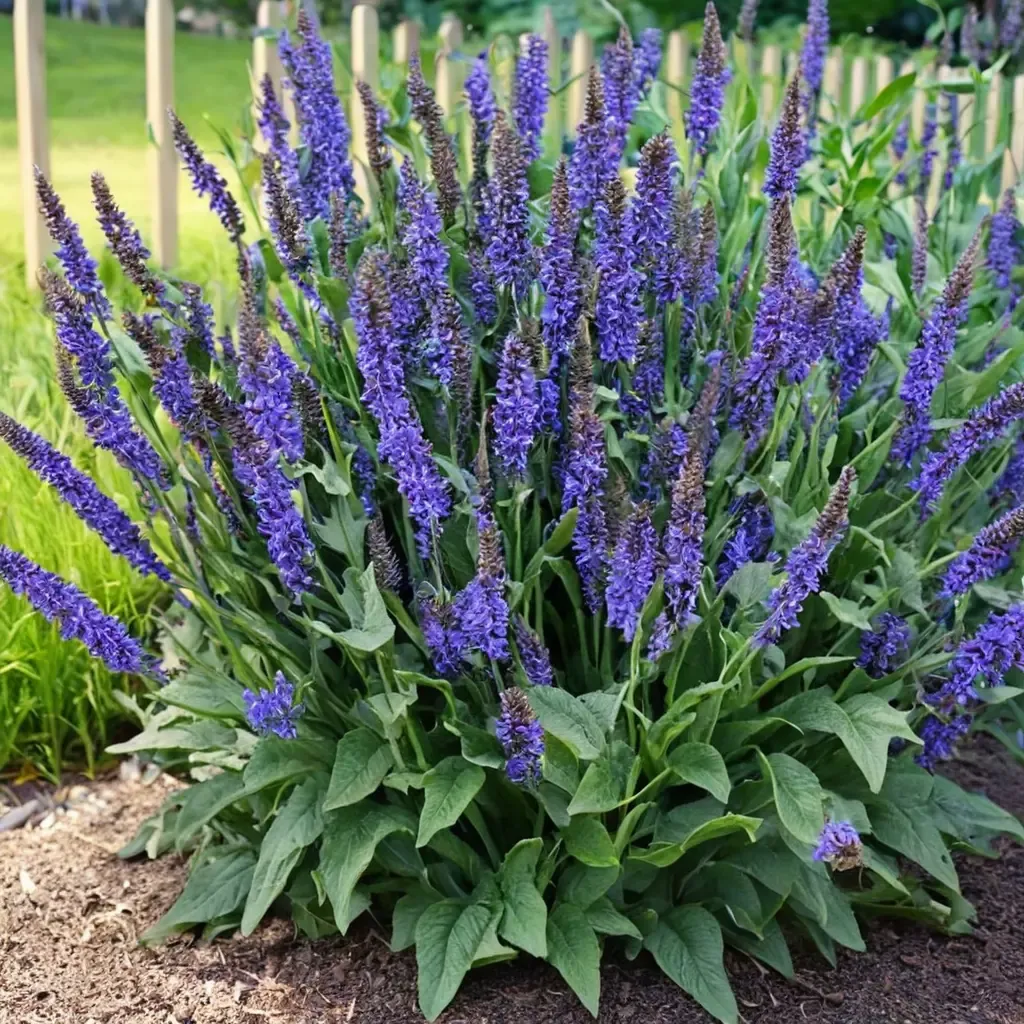
May Night Sage
Salvia nemorosa 'May Night'
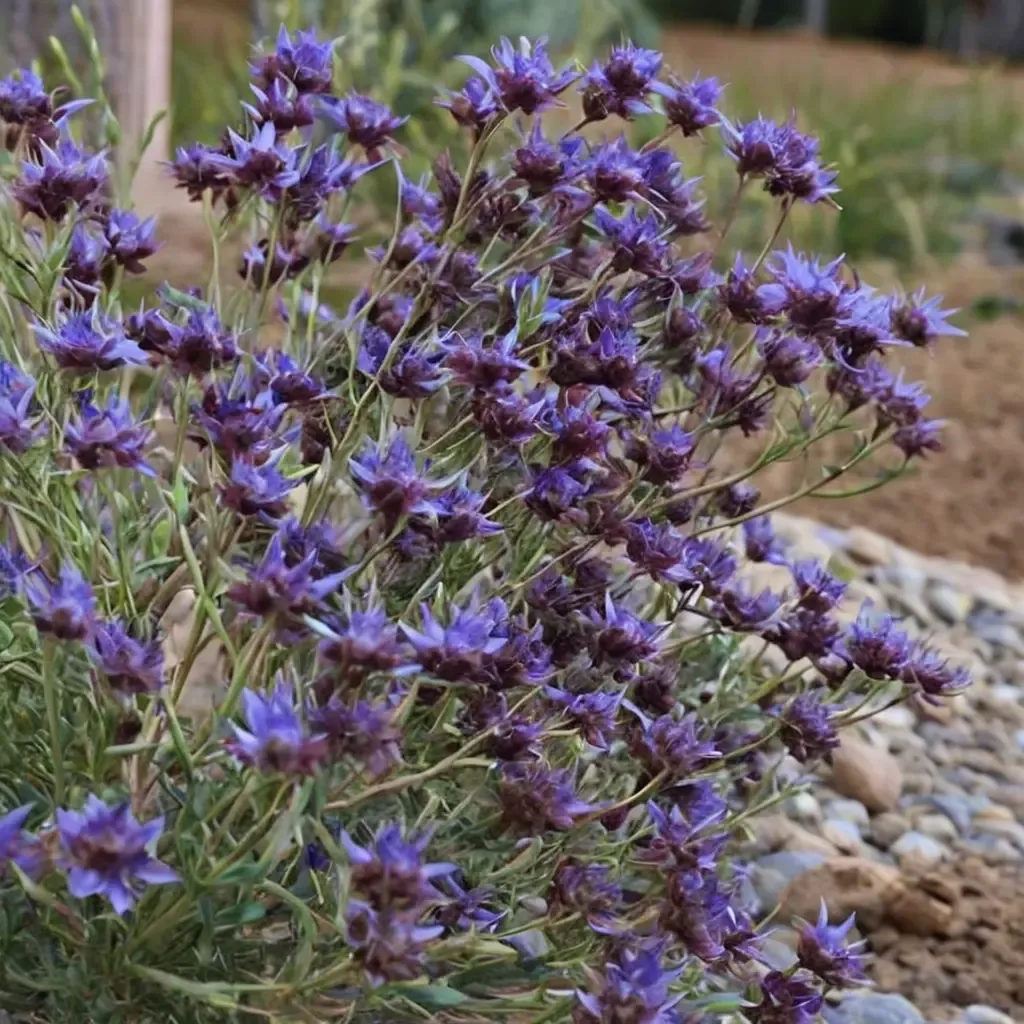
Celestial Blue Sage Wood Sage
Salvia nemorosa 'Celestial Blue'
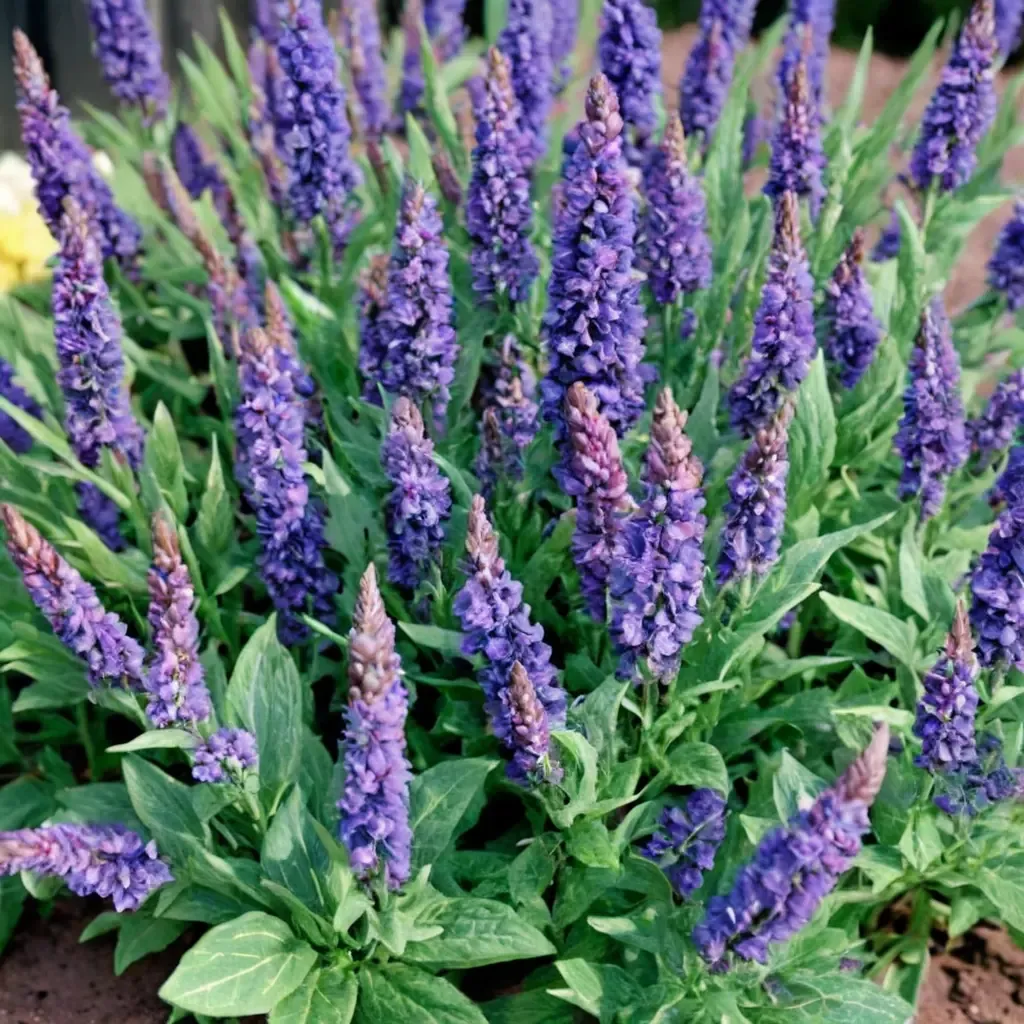
Marcus Woodland Sage
Salvia nemorosa 'Marcus'
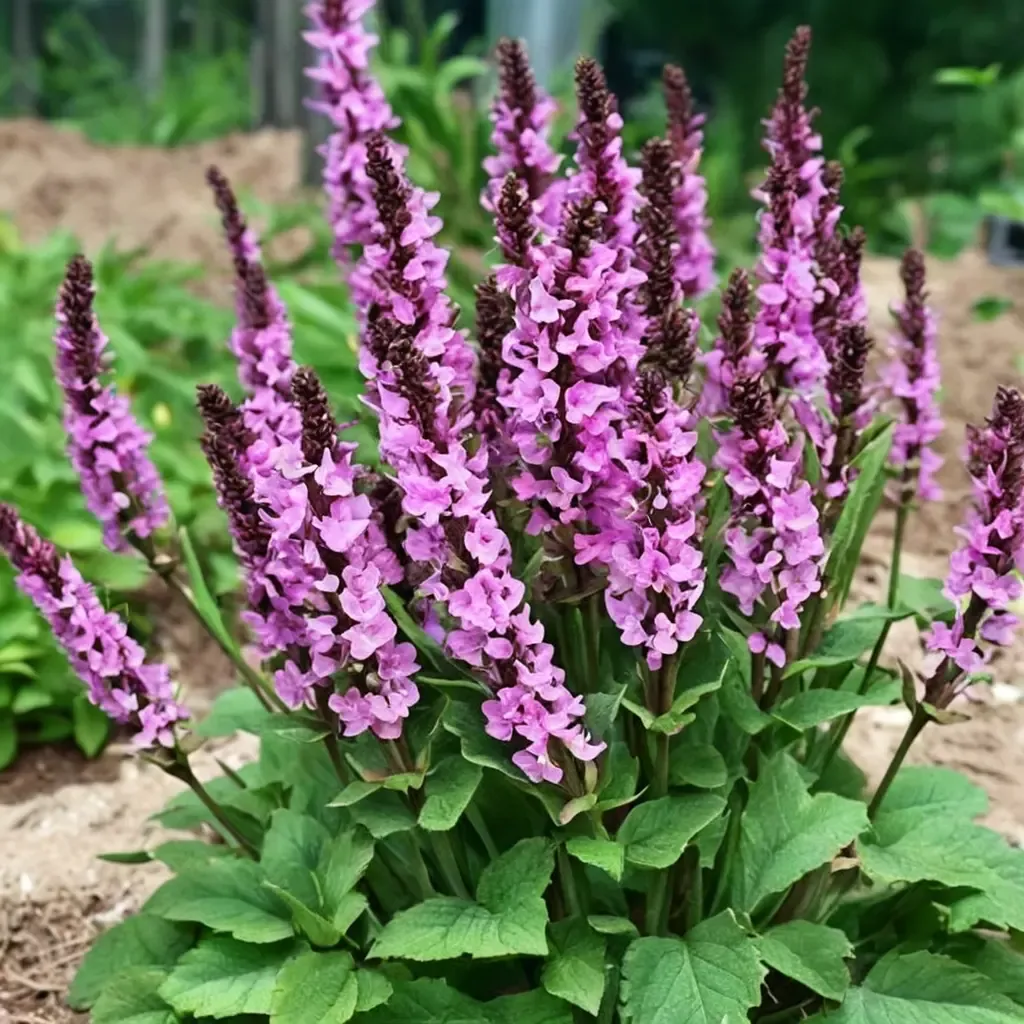
Rose Marvel Sage
Salvia nemorosa 'Rose Marvel'
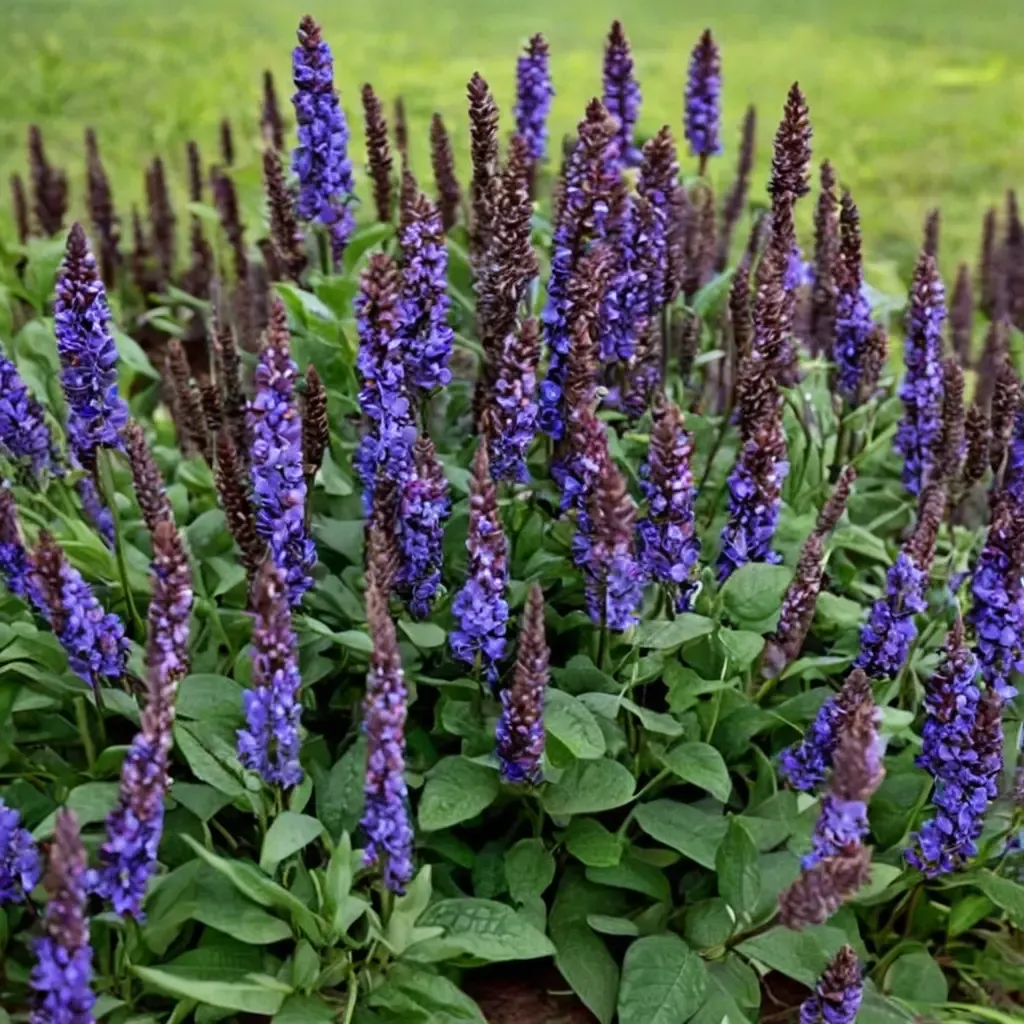
Bumbleblue Sage
Salvia nemorosa 'Bumbleblue'
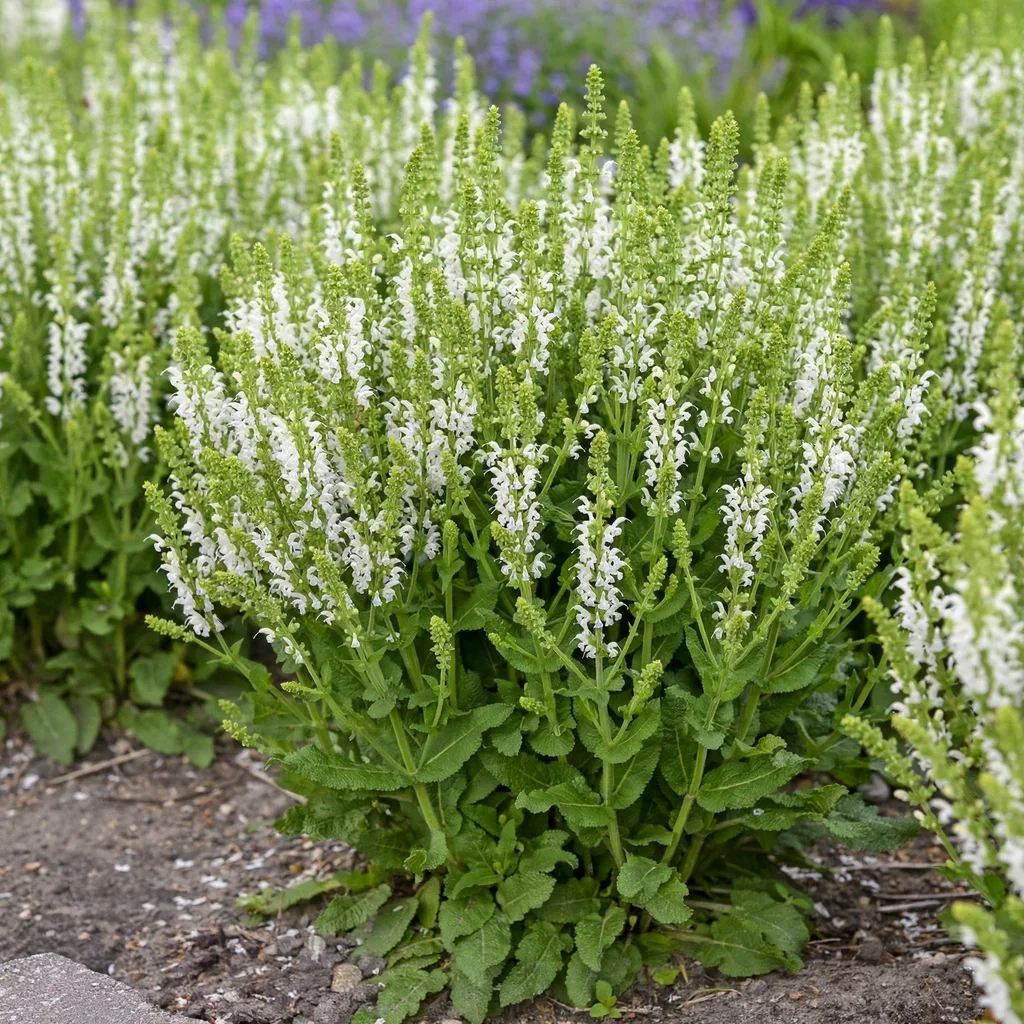
White Profusion Salvia
Salvia x hybrida 'White Profusion'
Keep exploring
Explore the genus
Hardy in your zone?
Grow Jordan's Rosemary with confidence
See it in a design of your actual yard, get zone-matched care reminders, and track it season by season in your garden journal.