The Story
Plant Bio
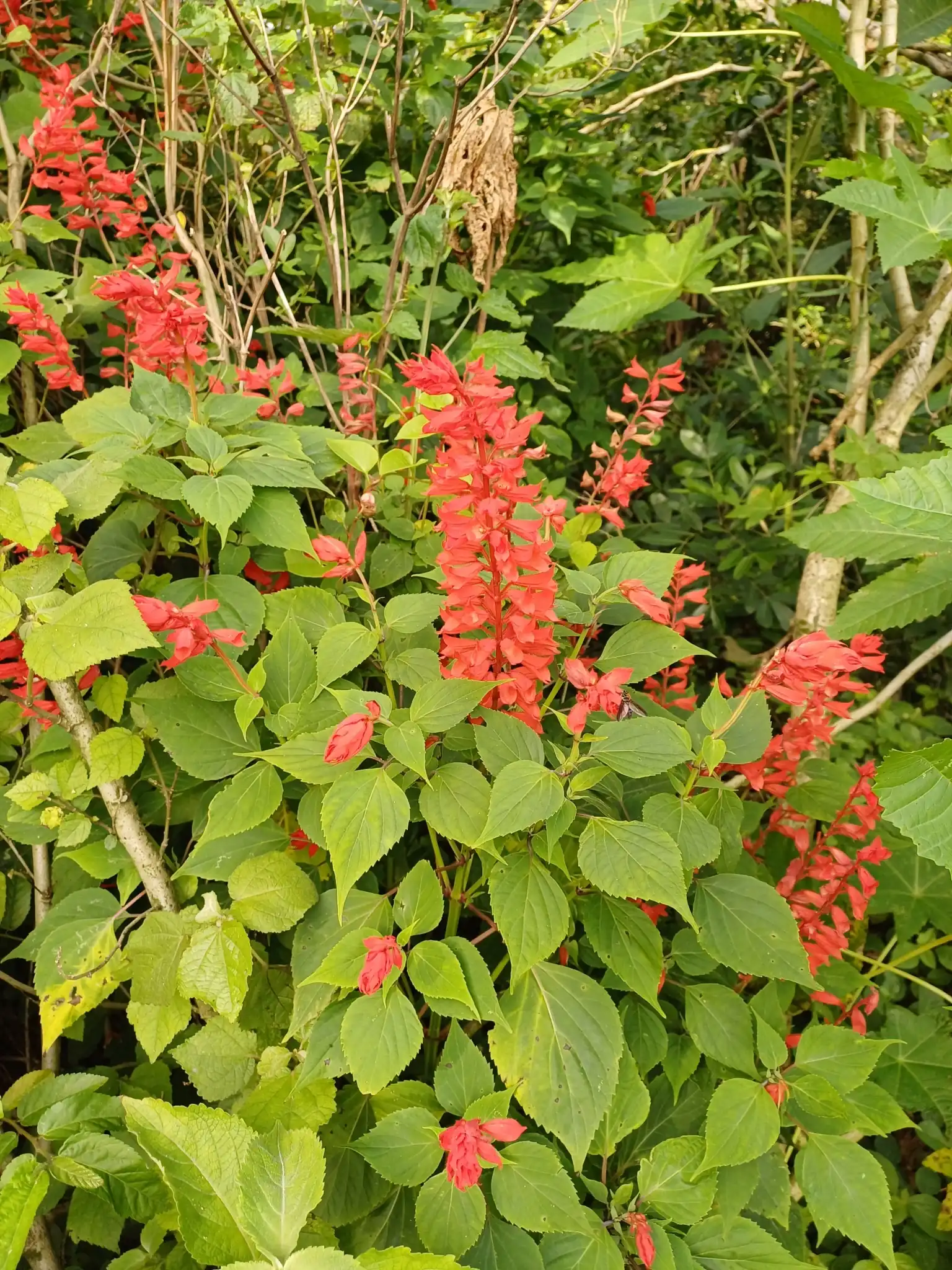
Salvia splendens, scarlet sage, is an upright clumping tender perennial from Brazil, grown as a summer annual almost everywhere. Square stems one to three feet high carry ovate scalloped leaves, and dense spikes of tubular flowers open from late spring until frost — usually vivid scarlet, with the coloured sepals persisting after the petals drop.
The bright red bedding strains are bred short and dense for uniformity, but the taller open-flowered forms are far better for wildlife, since hummingbirds and butterflies can actually reach the nectar. It flowers hardest in fertile soil with steady moisture, unlike most salvias, which want lean dry ground.
Uses & Benefits:
Essentials
At a Glance
Plant Type
Perennial
Height
27"
Width
9"
Light
Full Sun, Partial Sun
Zones
9, 10
Water
Moderate
Humidity
Moderate
Lifespan
Perennial
Native To
Brazil
Toxicity
Non-toxic
Planting
How to Grow
- Plant out after the last frost in full sun or light shade.
- Give it moist, reasonably fertile, well-drained soil.
- Water regularly; it dislikes prolonged drought.
- Pinch young plants once to encourage branching.
- Deadhead spent spikes to keep new ones coming.
- Take cuttings in late summer to overwinter it.
Pro Tip
Unlike most salvias this one wants moisture and reasonable fertility — treat it lean and dry and it stalls rather than flowering harder.
Keep It Thriving
Care Guide
Do
- Keep the soil evenly moist 💧
- Pinch young plants to branch them ✂️
- Deadhead spent spikes 🌸
- Choose taller forms for hummingbirds 🐦
Don't
- Let it dry out for long spells ❌
- Plant it out before nights are warm ❌
- Expect the dwarf strains to feed wildlife well ❌
Seasonal Care Calendar
| Task | Jan | Feb | Mar | Apr | May | Jun | Jul | Aug | Sep | Oct | Nov | Dec |
|---|---|---|---|---|---|---|---|---|---|---|---|---|
| Deadhead | ||||||||||||
| Plant Out |
Watch Out For
Pests & Diseases
Common Pests
Common Diseases
In the Garden
Landscape Uses & Companions
Landscape Uses
Companion Plants
Multiply
Propagation Methods
Good to Know
Common Questions
Scarlet Sage questions
What zones can Scarlet Sage grow in?
Scarlet Sage is hardy in USDA Zones 9–10. Inside that range it survives winter in the ground; outside it, grow it as an annual or a container plant you protect.
Is Scarlet Sage deer resistant?
Yes — Scarlet Sage is rated deer-resistant. Deer typically pass it over, though extreme hunger can override any plant's defenses.
When does Scarlet Sage bloom?
Scarlet Sage typically blooms in late spring to frost through late summer. Exact timing shifts a week or two with your zone — Sow's bloom calendar maps it to your garden.
Does Scarlet Sage need full sun?
Scarlet Sage does best in full sun to part shade. In hot climates, afternoon shade keeps blooms fresher longer.
Is Scarlet Sage drought tolerant?
Yes — once established (usually after the first full season), Scarlet Sage handles dry spells with minimal watering. Water deeply its first year to build the root system that makes that possible.
More Salvia to compare
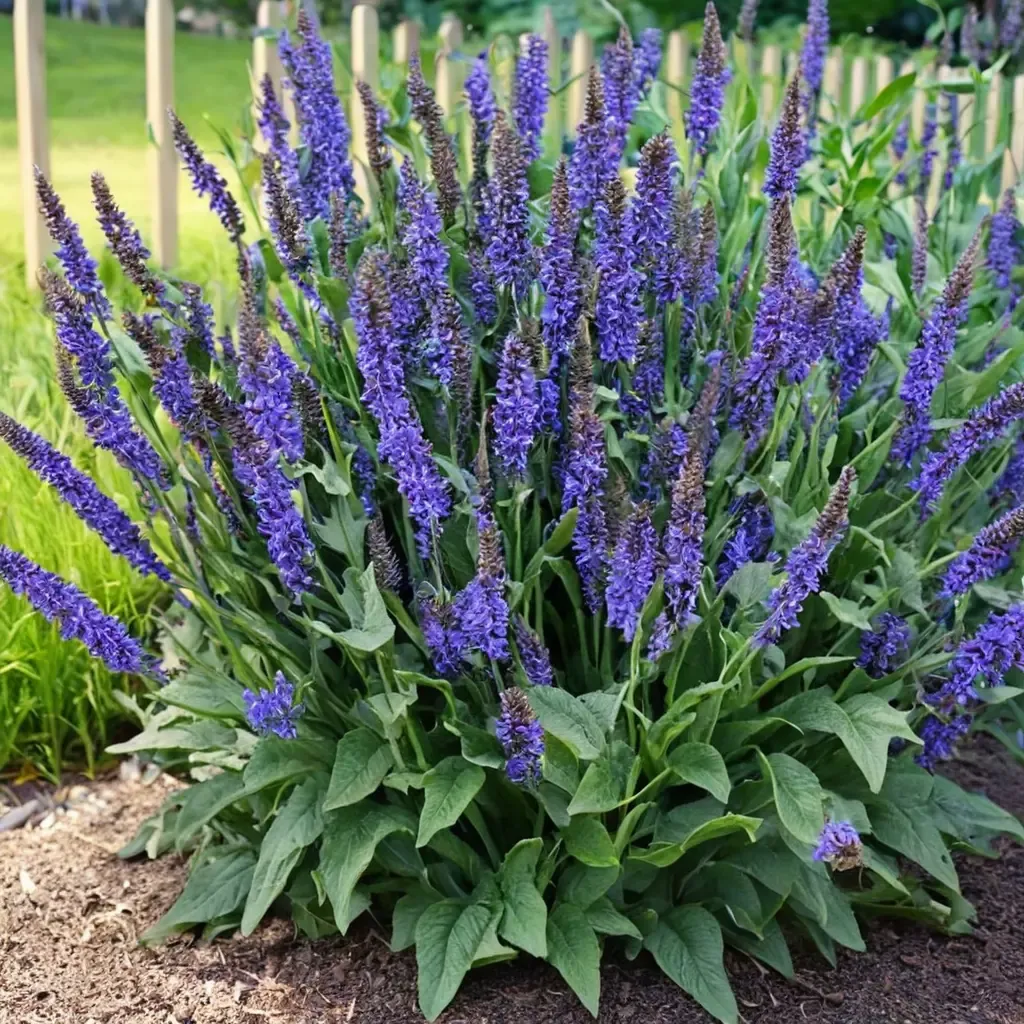
May Night Sage
Salvia nemorosa 'May Night'
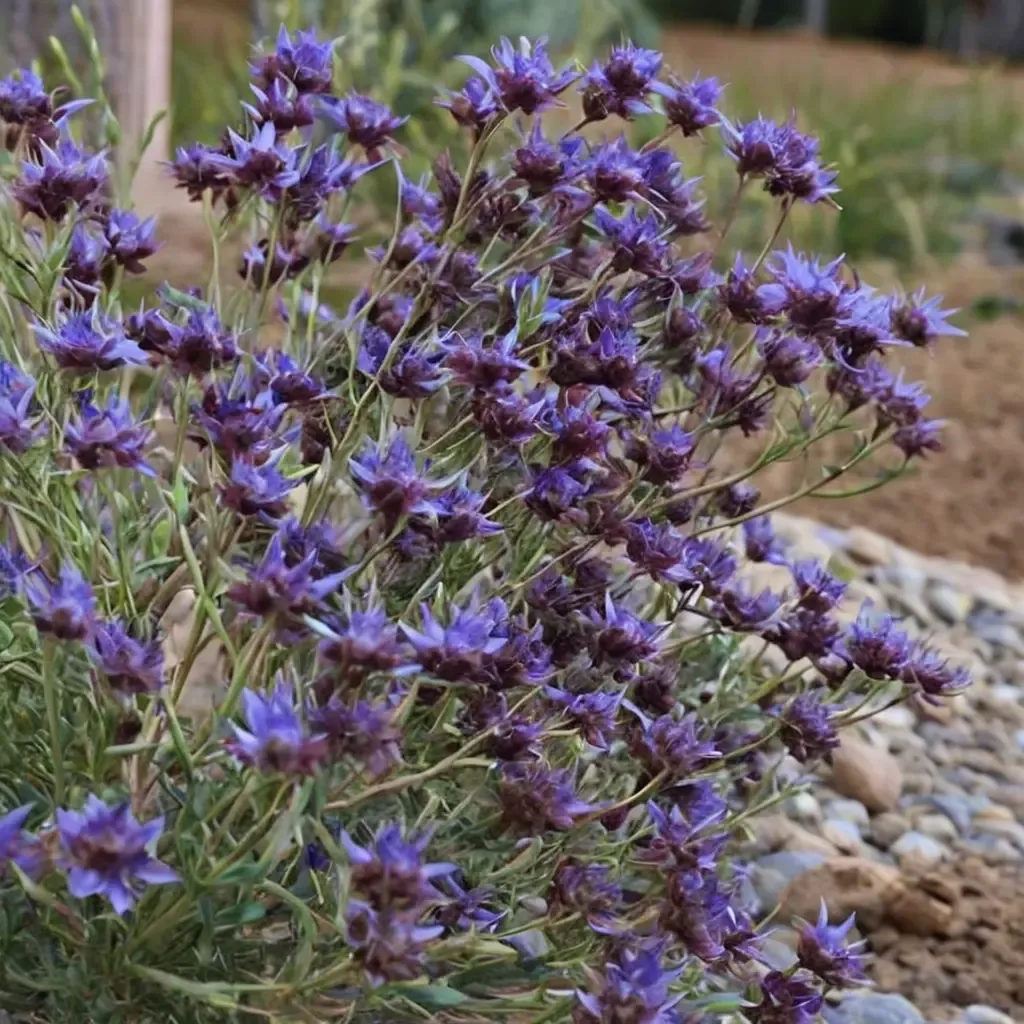
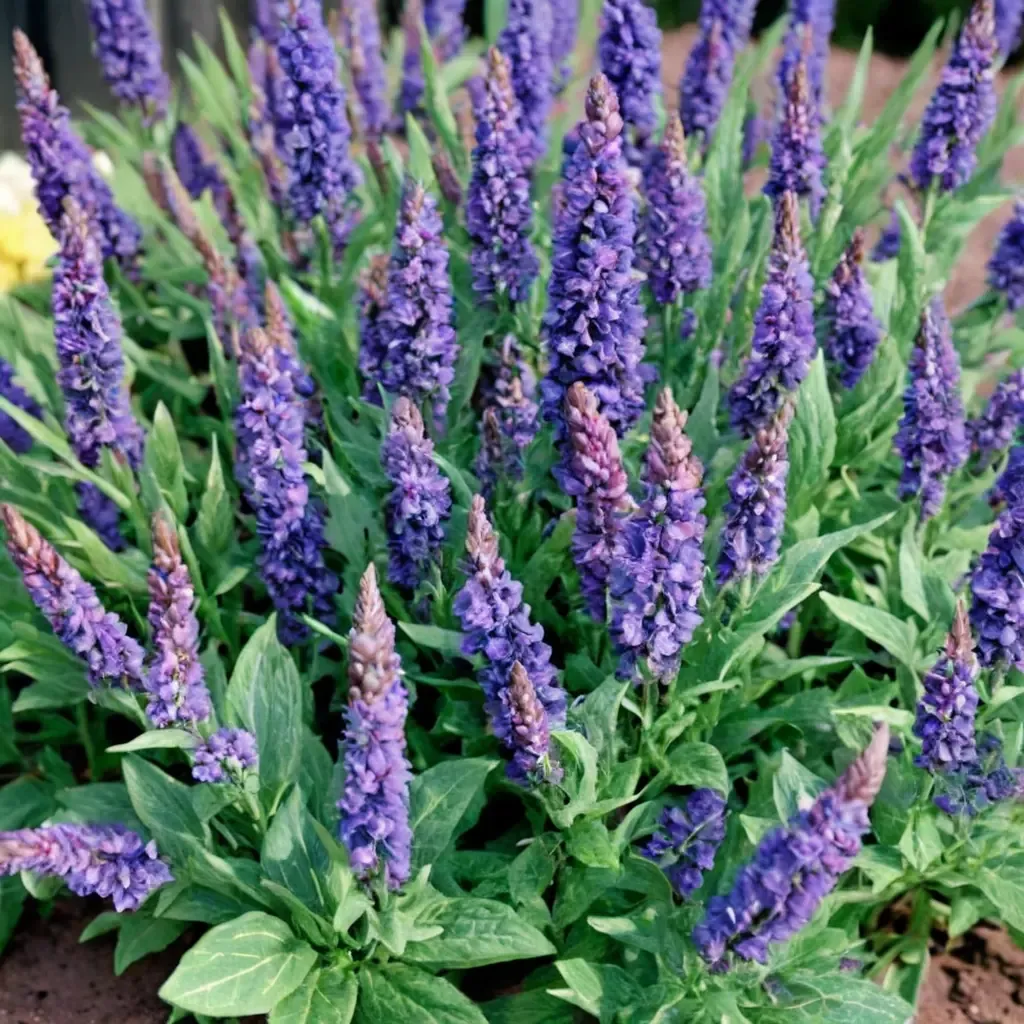
Celestial Blue Sage Wood Sage
Salvia nemorosa 'Celestial Blue'
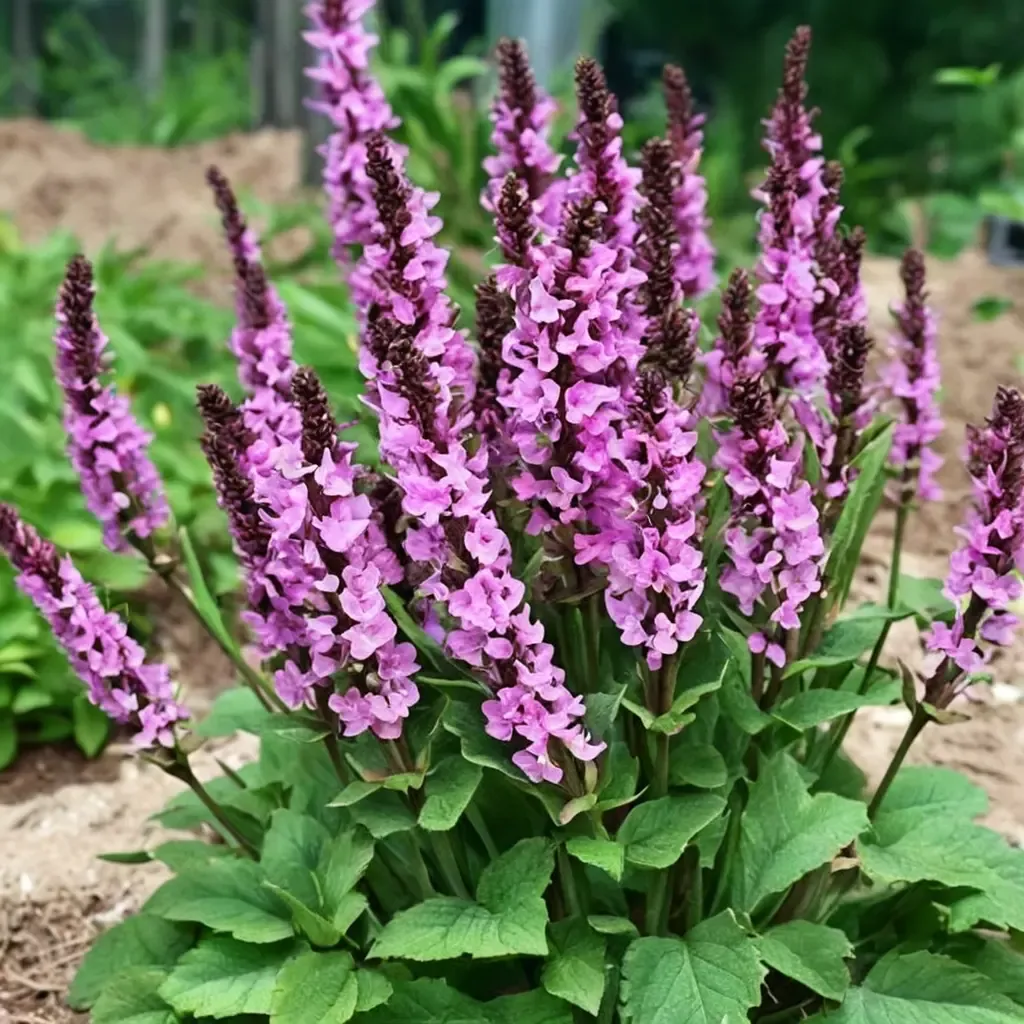
Marcus Woodland Sage
Salvia nemorosa 'Marcus'
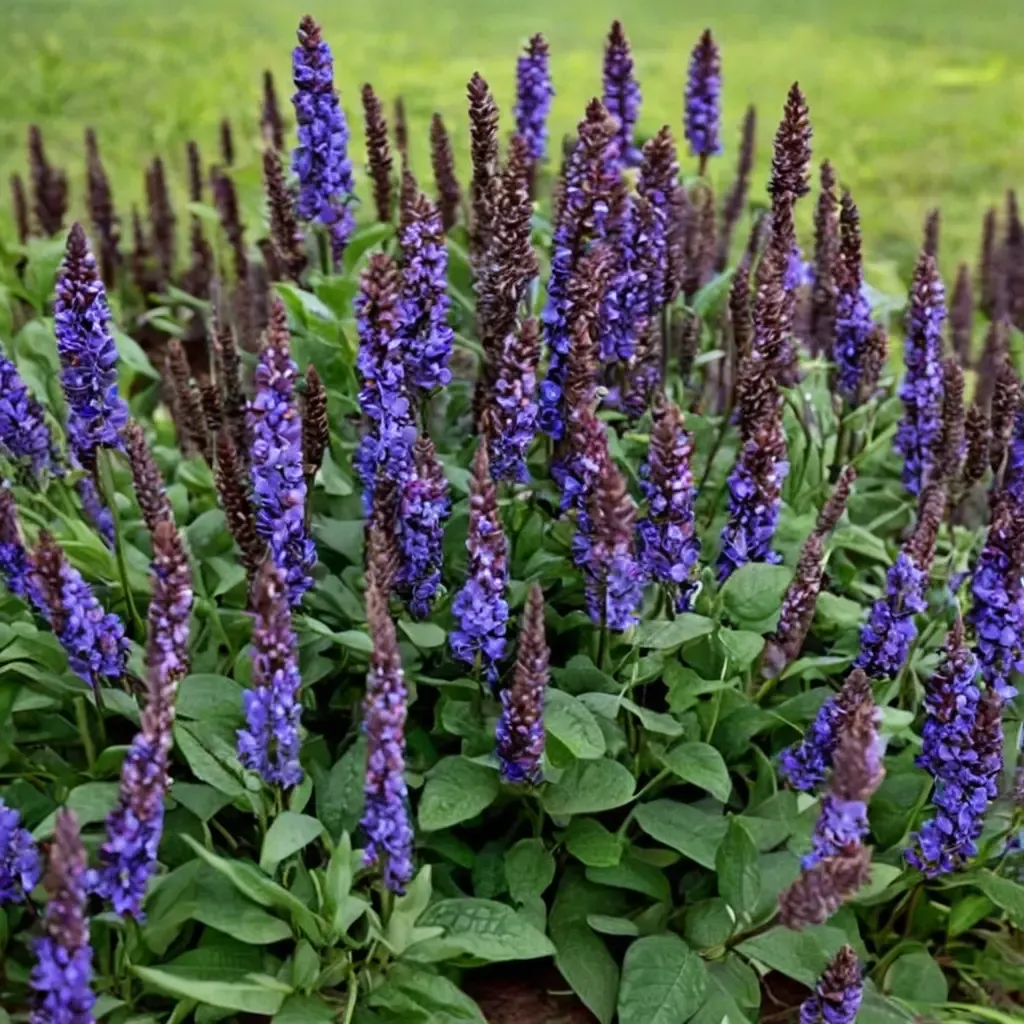
Rose Marvel Sage
Salvia nemorosa 'Rose Marvel'
Bumbleblue Sage
Salvia nemorosa 'Bumbleblue'
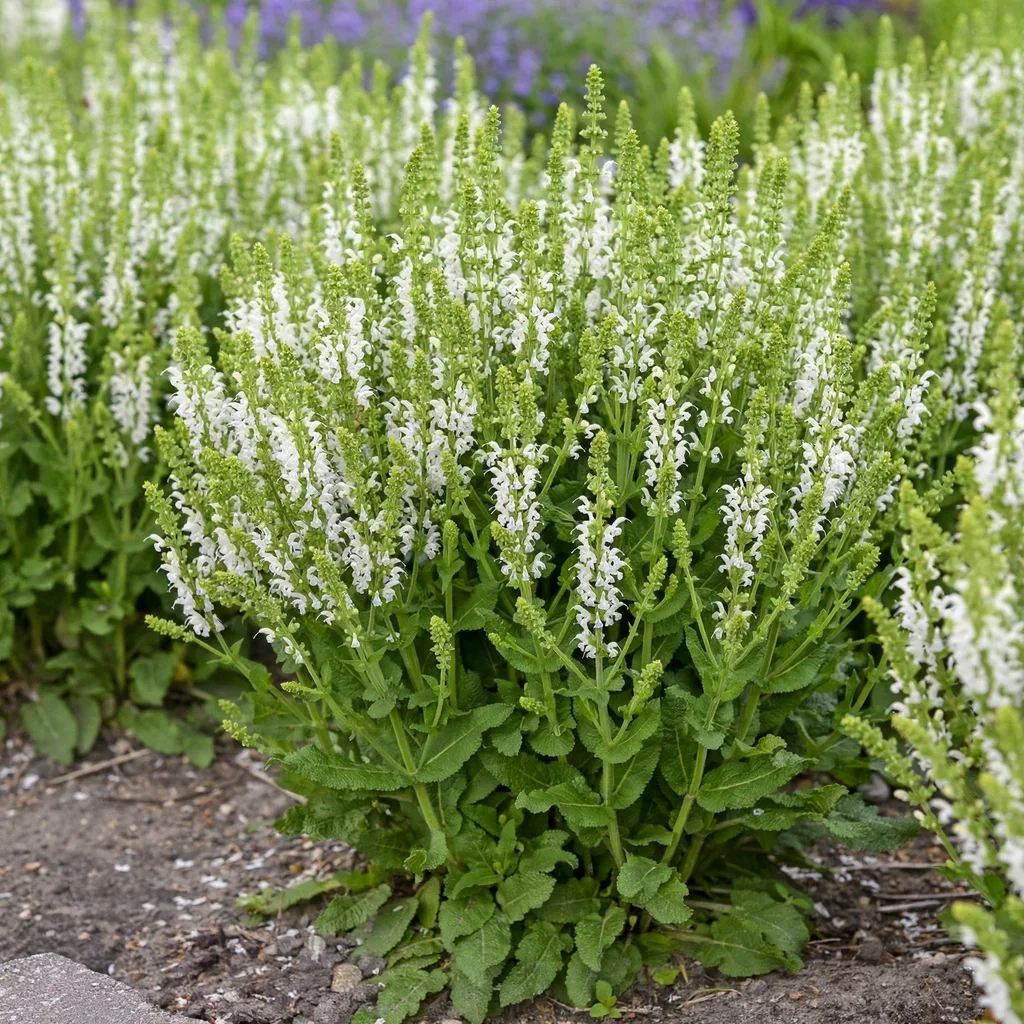
White Profusion Salvia
Salvia x hybrida 'White Profusion'
Keep exploring
Explore the genus
Hardy in your zone?
Grow Scarlet Sage with confidence
See it in a design of your actual yard, get zone-matched care reminders, and track it season by season in your garden journal.