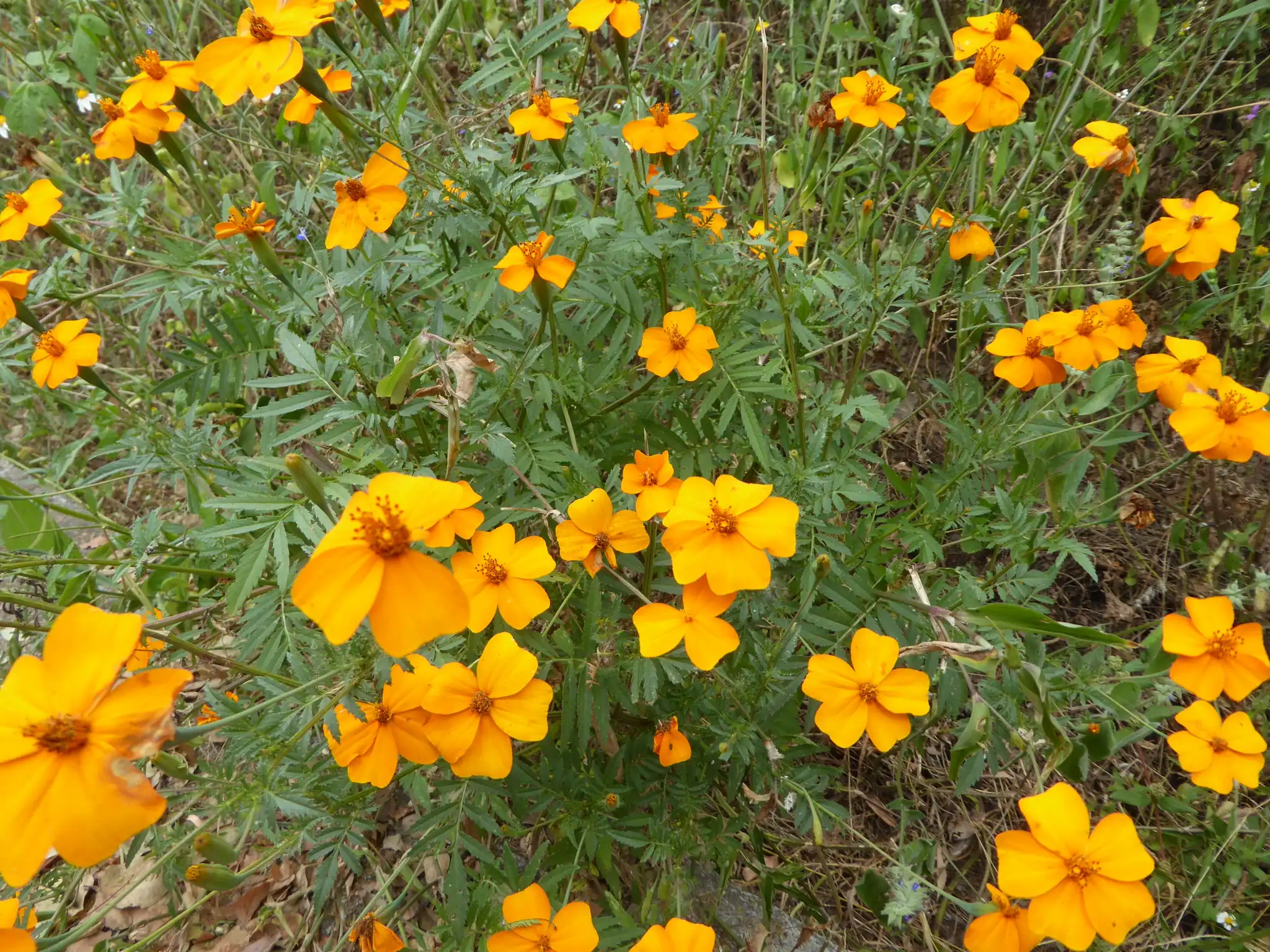
7 named cultivars
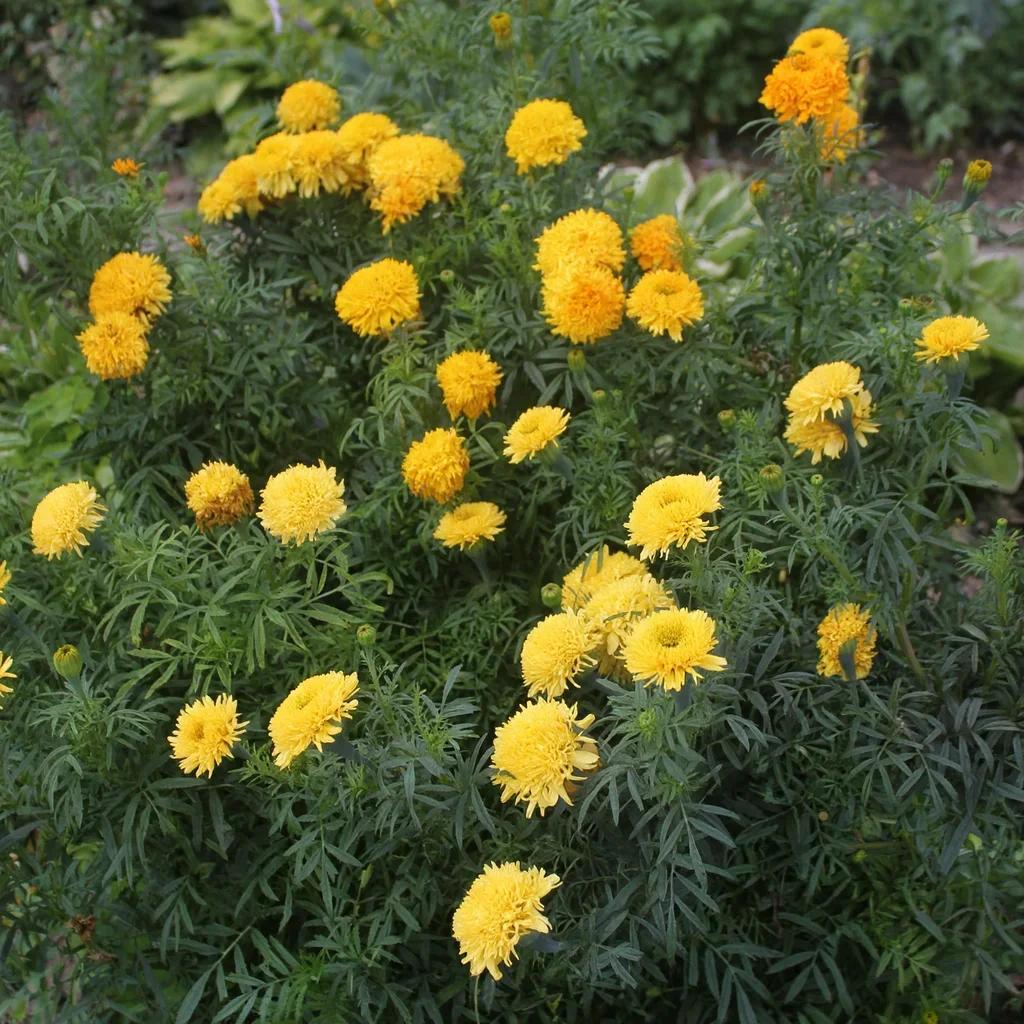 ‘Villandry’Villandry African Marigold
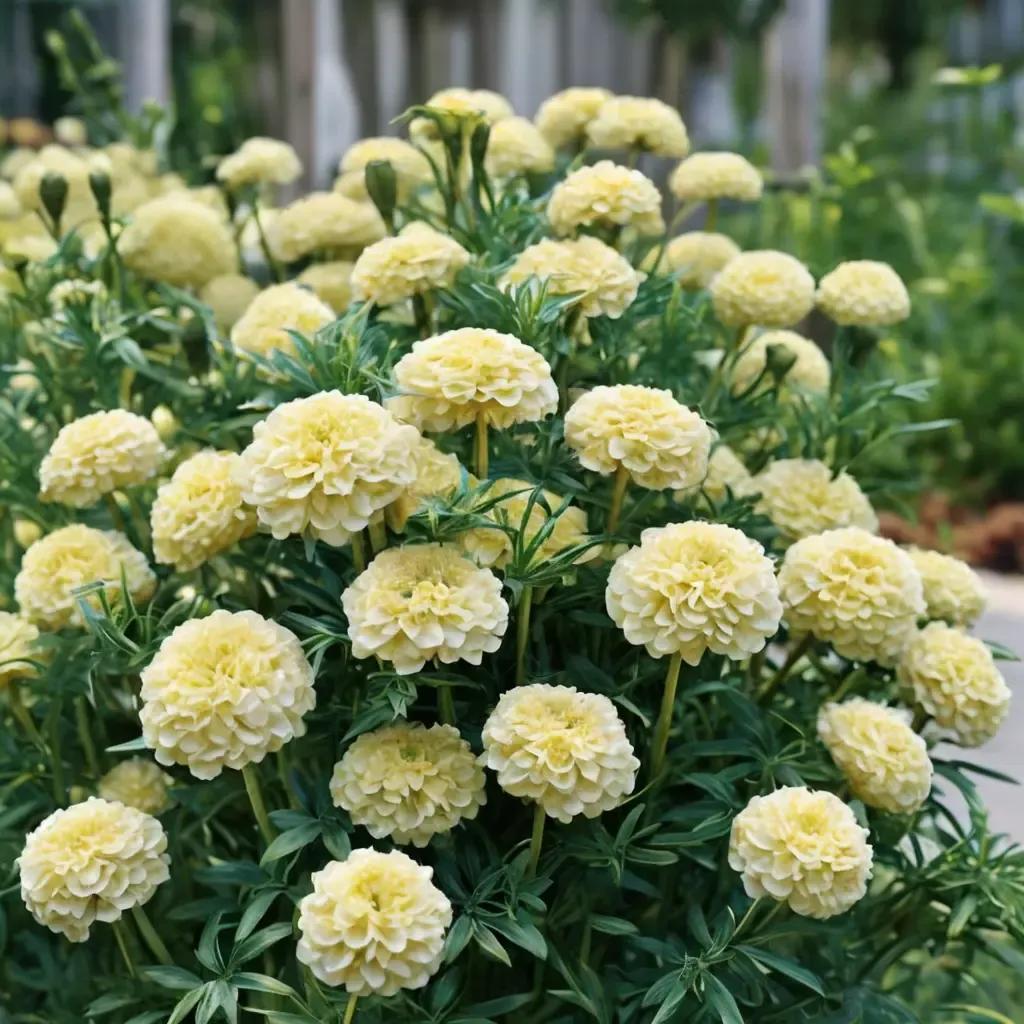 ‘White Swan’African Marigold 'White Swan'
 ‘Dwarf Jaguar’Dwarf African Marigold
 ‘Hot Sun’Hot Sun African Marigold
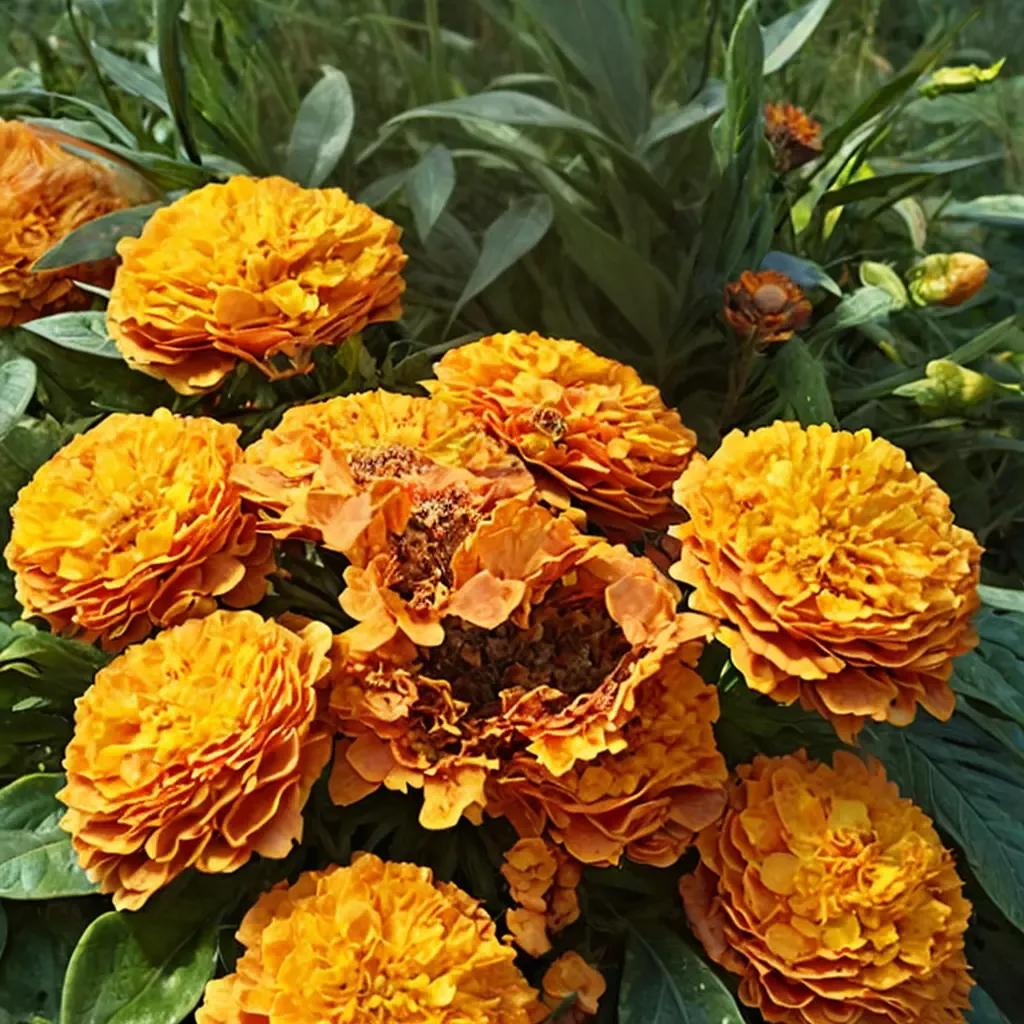 ‘Day of the Dead Orange’Day of the Dead Orange African Marigold
 ‘Harlequin’African Marigold 'Harlequin'
 ‘Day of the Dead Golden Yellow’African Marigold Day of the Dead Marigold
The Story
Plant Bio
Tagetes erecta, the African or Aztec marigold, is an upright branching annual native to Mexico and Guatemala, growing one to four feet tall. Deeply divided, gland-dotted leaves release a strong scent when crushed, and large double flowerheads three to six inches across open in dense pompons of yellow, gold and orange from summer until the first frost.
Despite the common name this is a Mexican plant, and it is the flower carried on Dia de Muertos altars. The sap can raise a rash on sensitive skin, so wear gloves when deadheading a large planting. Grown as a whole-bed cover crop and dug in it suppresses root-knot nematodes; as a scattered border edging it will not.
Uses & Benefits:
Essentials
At a Glance
Plant Type
Annual
Height
24"
Width
12"
Light
Full Sun
Zones
9, 10
Water
Moderate
Humidity
Moderate
Lifespan
Annual
Native To
Mexico to Guatemala
Toxicity
Sap can irritate skin
Planting
How to Grow
- Sow after the last frost or set out transplants.
- Give full sun and any freely draining soil.
- Space plants twelve to eighteen inches apart.
- Water at the base, keeping the flowerheads dry.
- Deadhead spent heads to keep it blooming.
- Stake the tallest cultivars in exposed sites.
Pro Tip
Marigolds flower hardest in lean soil; rich, heavily fed ground gives you tall soft foliage and far fewer blooms.
Keep It Thriving
Care Guide
Do
- Plant in full sun for the heaviest flowering ☀️
- Deadhead every week or so through summer ✂️
- Water at soil level to keep the heads dry 💧
- Wear gloves when handling the foliage 🧤
Don't
- Feed heavily — you get leaves, not flowers ❌
- Water overhead late in the day ❌
- Sow outdoors before the last frost ❌
Seasonal Care Calendar
| Task | Jan | Feb | Mar | Apr | May | Jun | Jul | Aug | Sep | Oct | Nov | Dec |
|---|---|---|---|---|---|---|---|---|---|---|---|---|
| Deadhead | ||||||||||||
| Sow |
Watch Out For
Pests & Diseases
Common Pests
Common Diseases
In the Garden
Landscape Uses & Companions
Landscape Uses
Companion Plants
Multiply
Propagation Methods
Good to Know
Common Questions
African Marigold questions
What zones can African Marigold grow in?
African Marigold is hardy in USDA Zones 9–10. Inside that range it survives winter in the ground; outside it, grow it as an annual or a container plant you protect.
Is African Marigold deer resistant?
Yes — African Marigold is rated deer-resistant. Deer typically pass it over, though extreme hunger can override any plant's defenses.
When does African Marigold bloom?
African Marigold typically blooms in summer to frost through late summer. Exact timing shifts a week or two with your zone — Sow's bloom calendar maps it to your garden.
Does African Marigold need full sun?
African Marigold does best in full sun (6+ hours).
Is African Marigold drought tolerant?
Yes — once established (usually after the first full season), African Marigold handles dry spells with minimal watering. Water deeply its first year to build the root system that makes that possible.
More Tagetes to compare
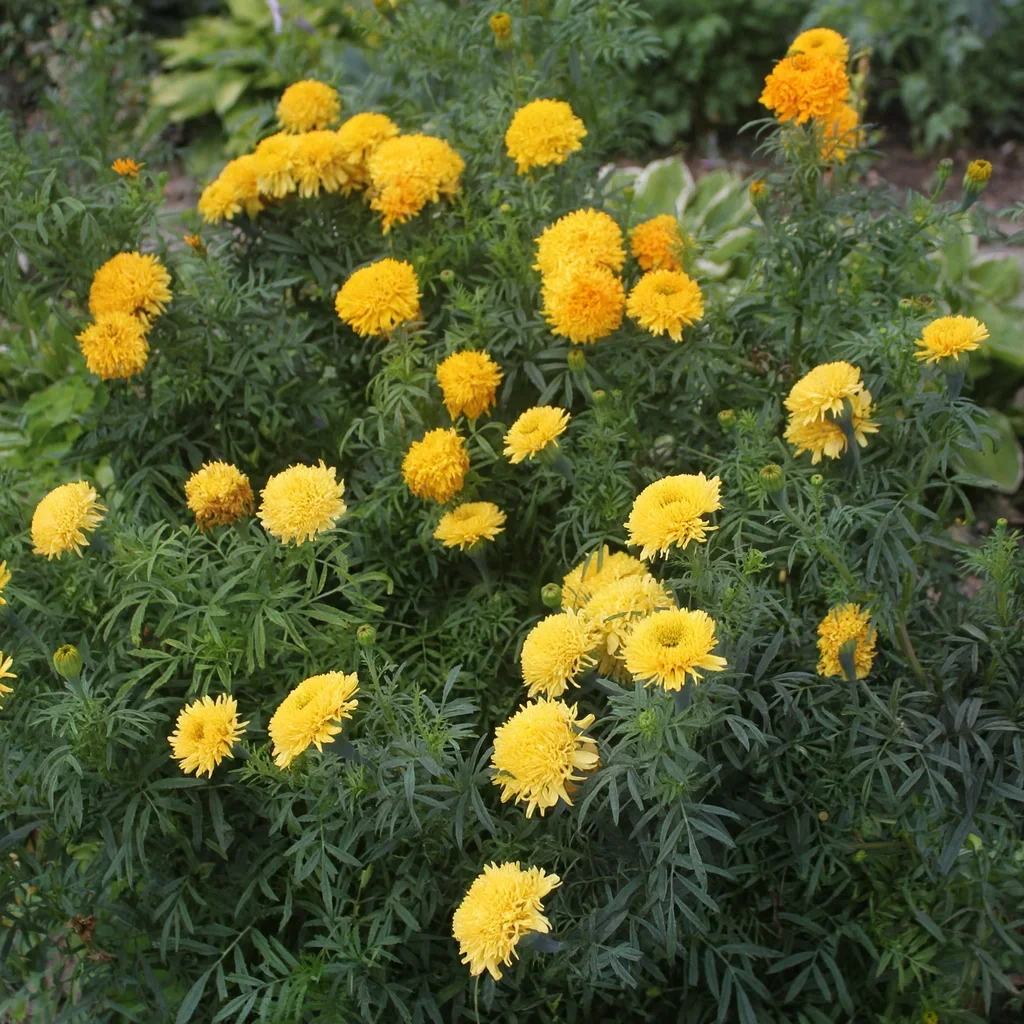
Villandry African Marigold
Tagetes erecta 'Villandry'
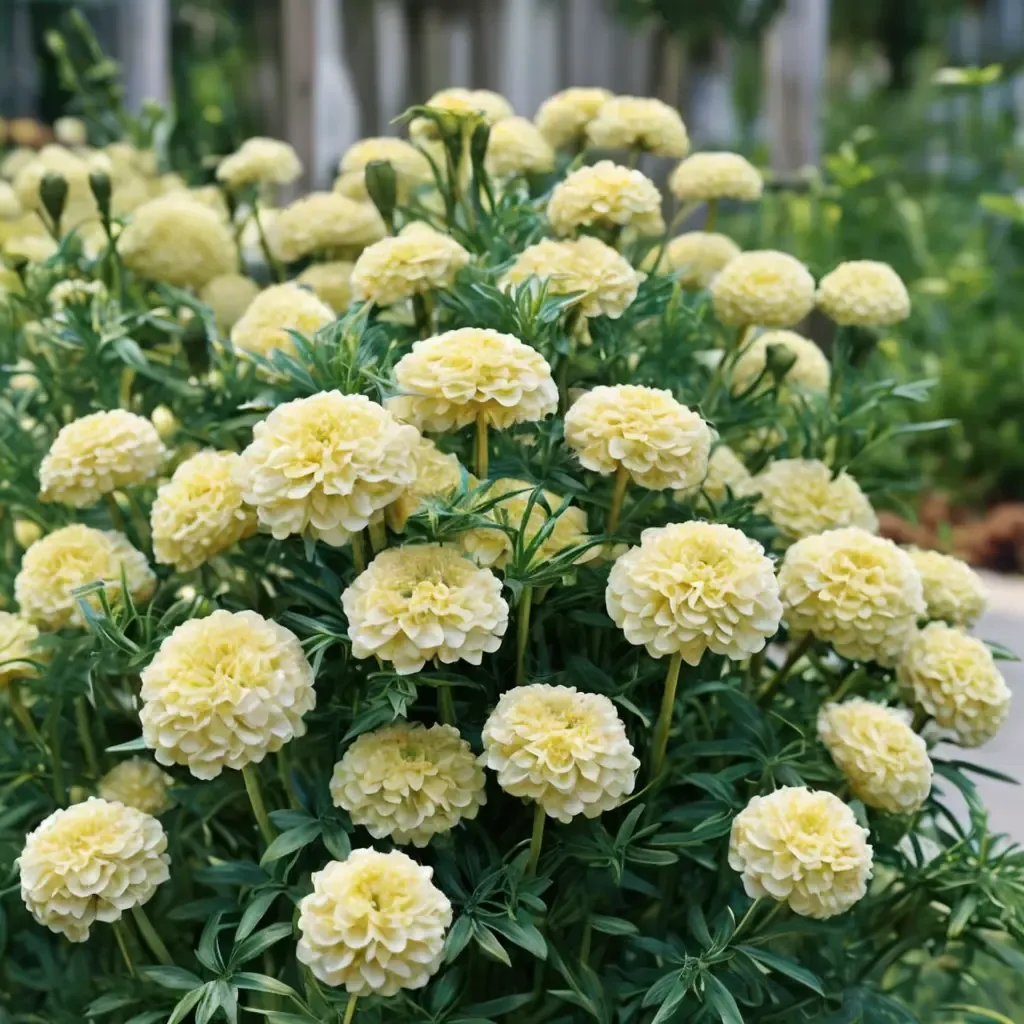
African Marigold 'White Swan'
Tagetes erecta 'White Swan'
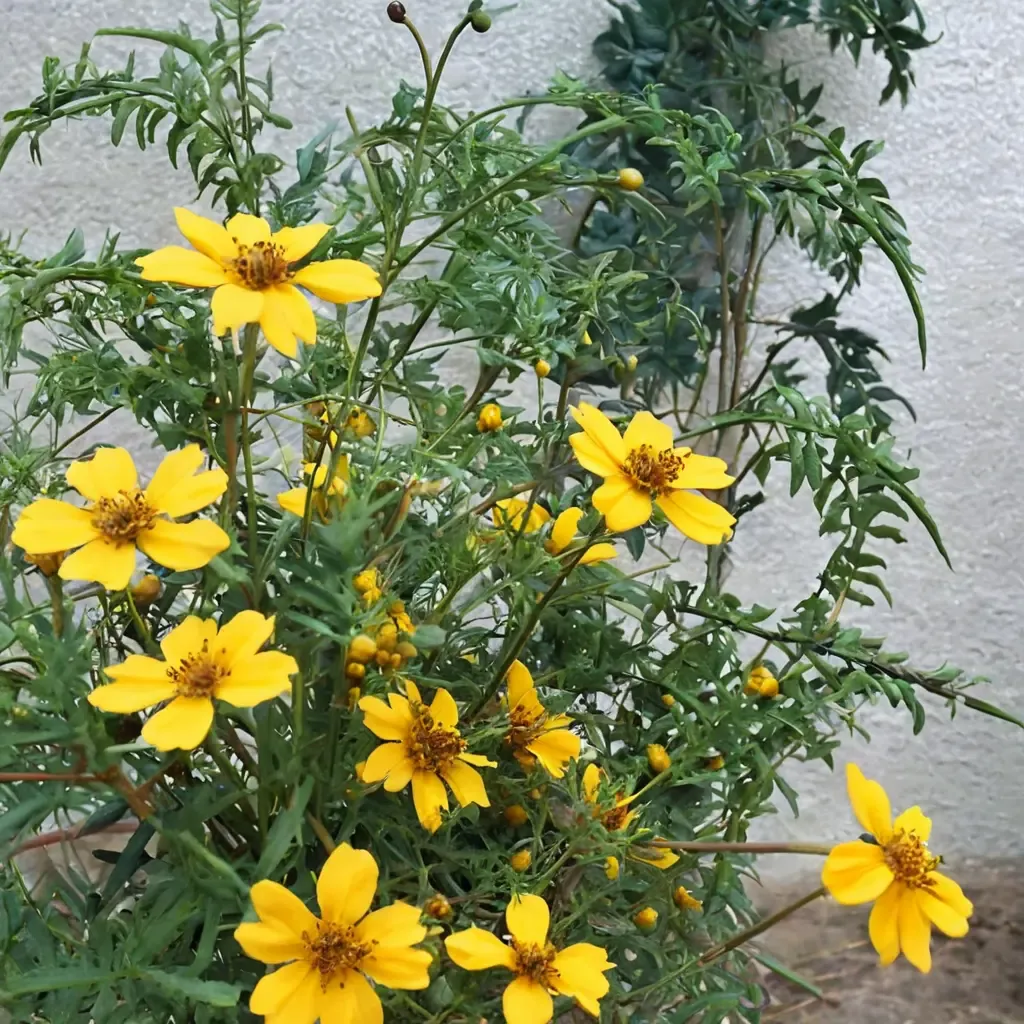
Mexican Marigold
Tagetes lemmonii
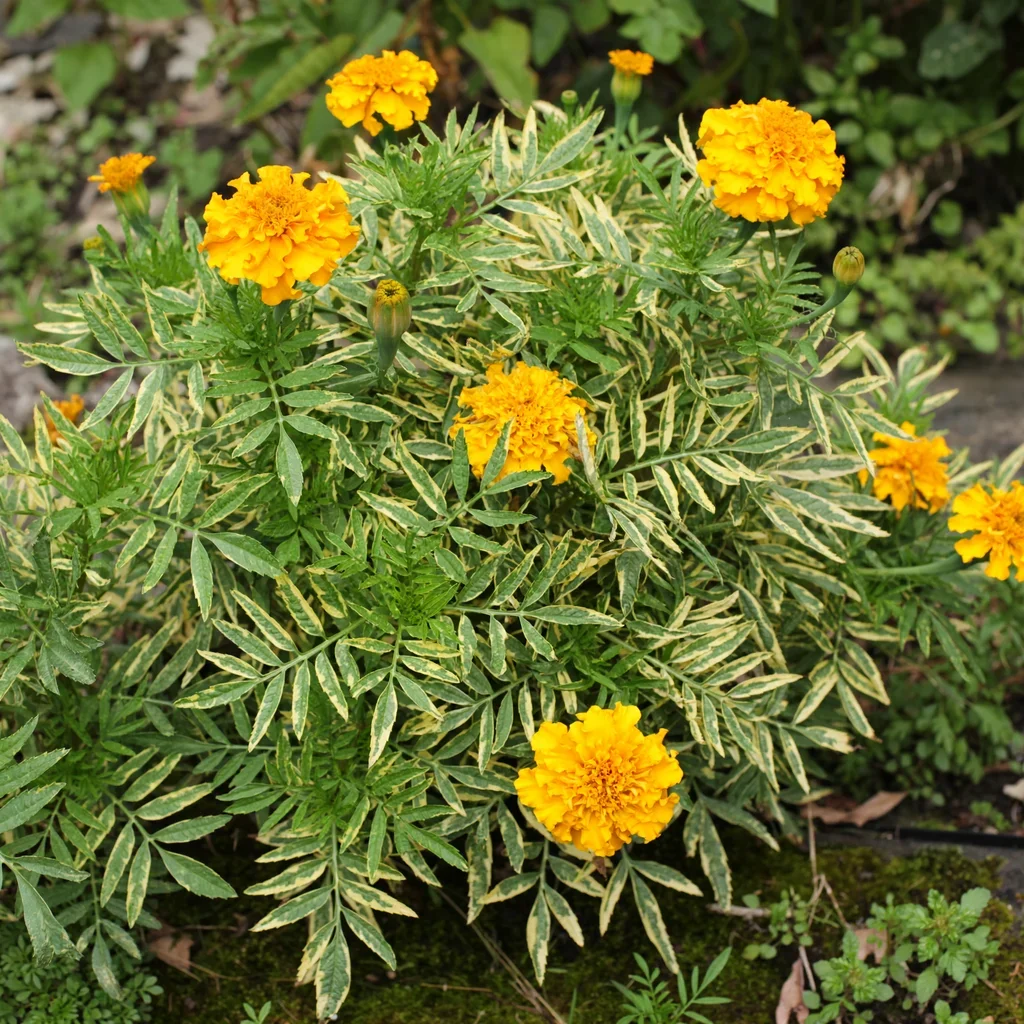
Dwarf African Marigold
Tagetes erecta 'Dwarf Jaguar'
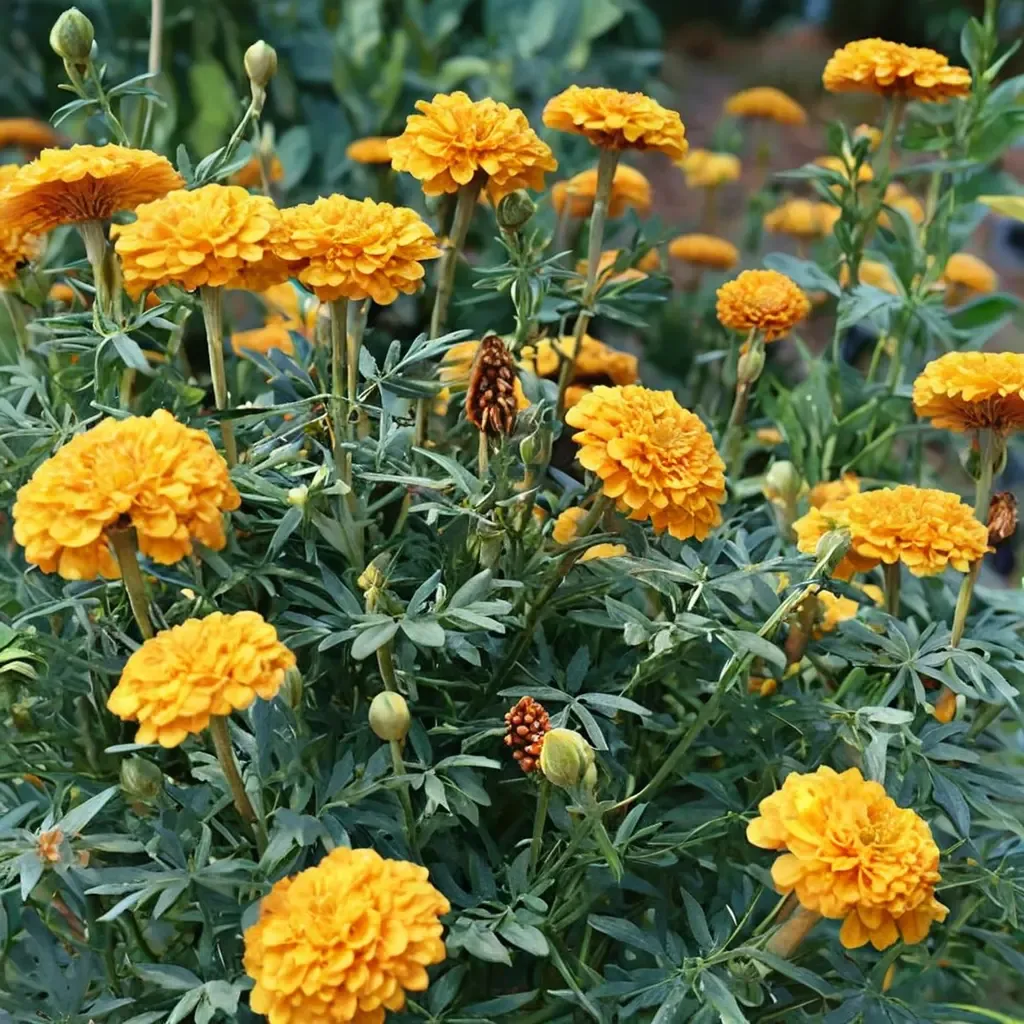
Hot Sun African Marigold
Tagetes erecta 'Hot Sun'
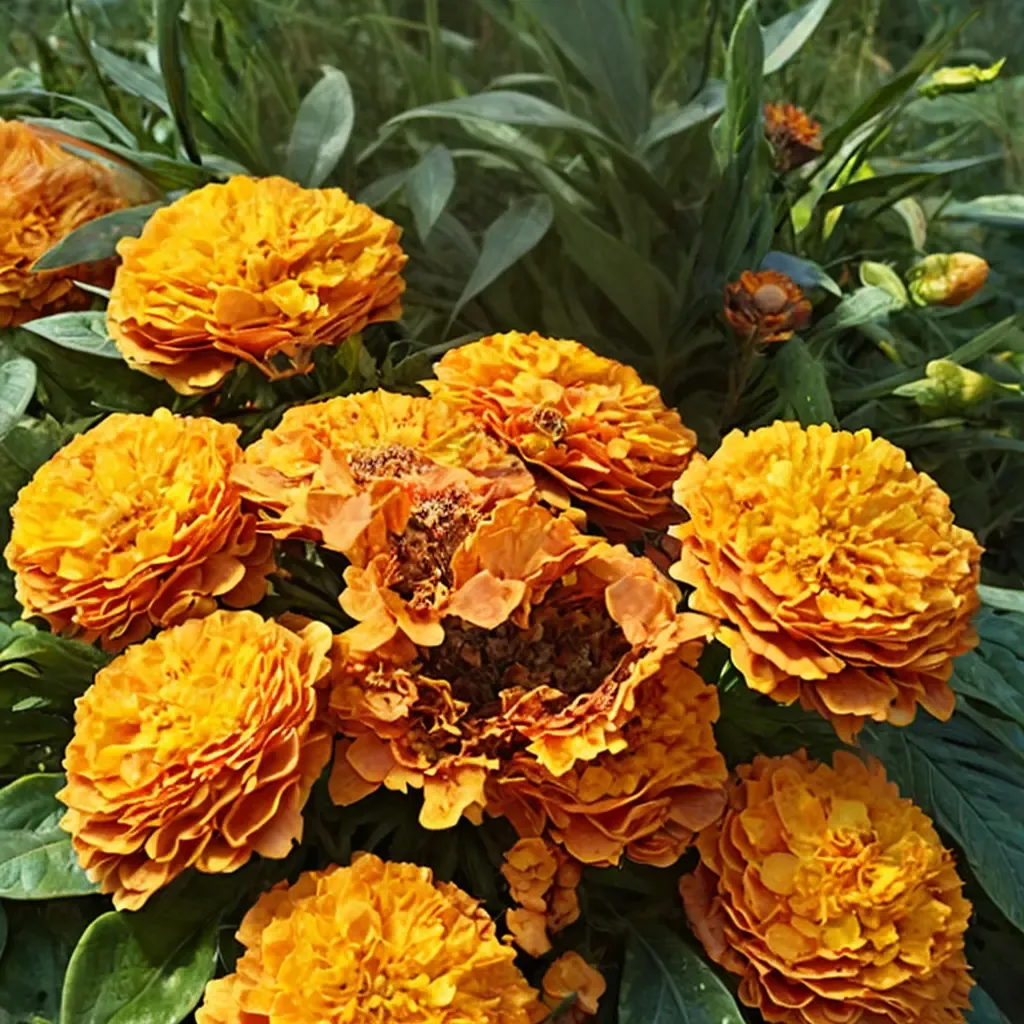
Day of the Dead Orange African Marigold
Tagetes erecta 'Day of the Dead Orange'
Keep exploring
Explore the genus
Hardy in your zone?
Grow African Marigold with confidence
See it in a design of your actual yard, get zone-matched care reminders, and track it season by season in your garden journal.