The Story
Plant Bio
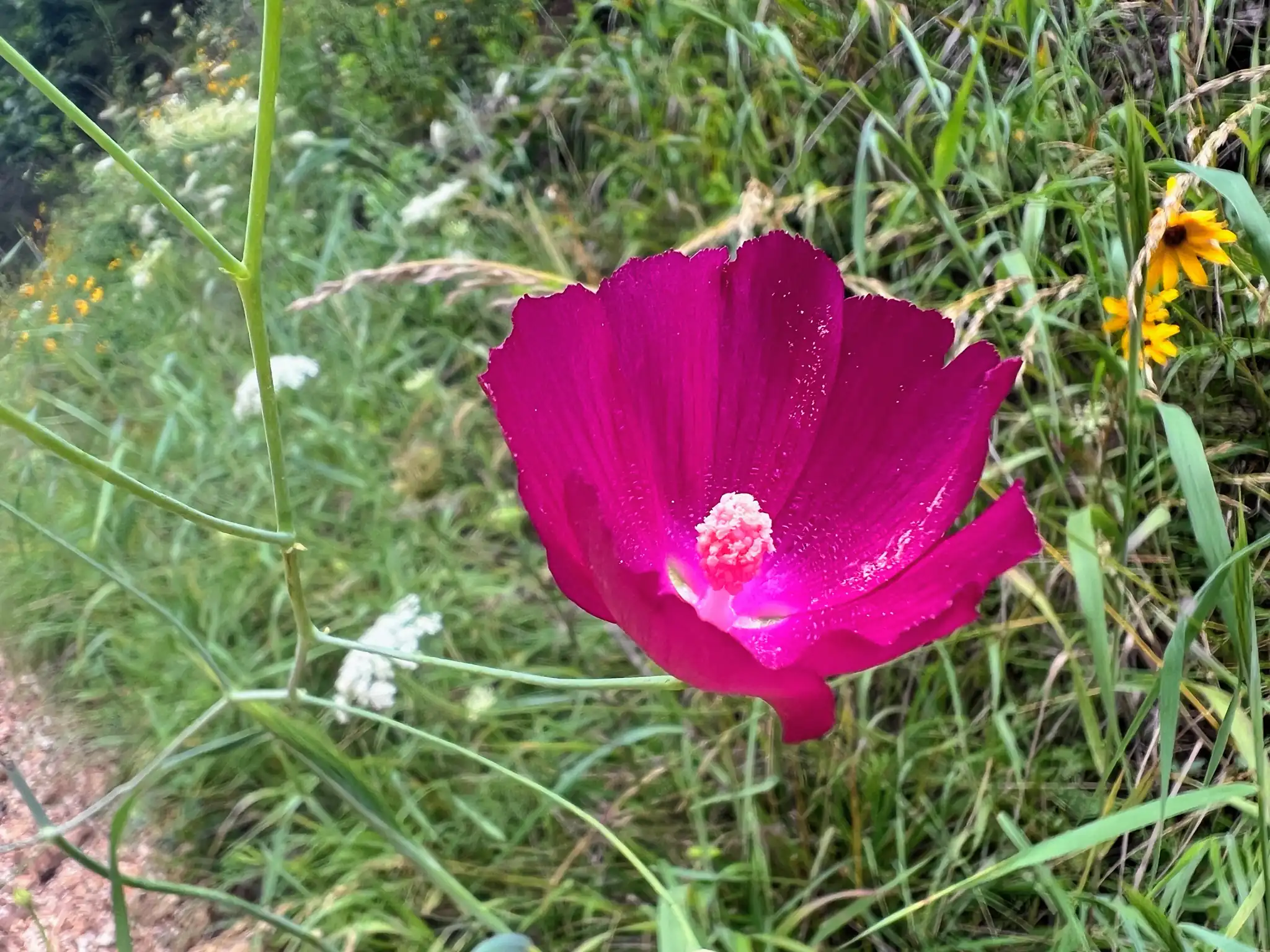
Callirhoe digitata, the fringed poppy mallow, is an upright herbaceous perennial native to the central United States, growing from a thick, tuberous taproot. It produces slender, branching, glaucous stems that are nearly leafless as they ascend, topped by cup-shaped, upward-facing purple-magenta flowers with distinctively fringed petals.
The foliage begins as a basal rosette of deeply divided, palmate leaves resembling open fingers. This species is exceptionally drought-tolerant once established but demands sharp drainage and open space, quickly failing if crowded by aggressive neighbors.
Uses & Benefits:
Essentials
At a Glance
Plant Type
Perennial
Height
48"
Width
24"
Light
Full Sun
Zones
5, 6, 7, 8
Water
Low
Humidity
Moderate
Lifespan
Perennial
Native To
Central United States
Toxicity
Non-toxic
Bloom period
Late spring – Late summer
In flower about 4 months of the year
Planting
How to Grow
- Select a planting site in full sun with gritty, sandy, or rocky soil that drains rapidly.
- Dig a deep planting hole to accommodate the long taproot without bending or crowding it.
- Water sparingly during the first season to help the taproot establish, then cease regular watering.
- Provide ample physical space around the crown to prevent competition from vigorous, spreading companion plants.
Pro Tip
Never attempt to transplant an established specimen, as the deep, fleshy taproot is highly sensitive to disturbance and rarely survives relocation.
Keep It Thriving
Care Guide
Do
- Deadhead spent blooms regularly to prolong the flowering season from spring into late summer.
- Cut the entire plant back to ground level in winter after the first hard frost.
- Grow in lean, nutrient-poor soils to maintain a sturdy, upright habit and prevent leggy growth.
Don't
- Do not apply heavy fertilizers, which cause the stems to become weak, floppy, and overly elongated.
- Do not plant in heavy, poorly drained clay or low spots where water pools.
- Do not attempt to divide or move mature plants once the taproot is established.
Seasonal Care Calendar
| Task | Jan | Feb | Mar | Apr | May | Jun | Jul | Aug | Sep | Oct | Nov | Dec |
|---|---|---|---|---|---|---|---|---|---|---|---|---|
| Deadhead | ||||||||||||
| Propagate | ||||||||||||
| Spring Cleanup | ||||||||||||
| Winter Prep |
Watch Out For
Pests & Diseases
Common Pests
Common Diseases
In the Garden
Landscape Uses & Companions
Landscape Uses
Companion Plants
Multiply
Propagation Methods
Good to Know
Common Questions
Fringed Poppy Mallow questions
What zones can Fringed Poppy Mallow grow in?
Fringed Poppy Mallow is hardy in USDA Zones 5–8. Inside that range it survives winter in the ground; outside it, grow it as an annual or a container plant you protect.
Is Fringed Poppy Mallow deer resistant?
Not reliably. Deer may browse Fringed Poppy Mallow, especially tender spring growth — plan on repellents or fencing where pressure is high.
When does Fringed Poppy Mallow bloom?
Fringed Poppy Mallow typically blooms in late spring through late summer. Exact timing shifts a week or two with your zone — Sow's bloom calendar maps it to your garden.
Does Fringed Poppy Mallow need full sun?
Fringed Poppy Mallow does best in full sun (6+ hours).
Is Fringed Poppy Mallow drought tolerant?
Yes — once established (usually after the first full season), Fringed Poppy Mallow handles dry spells with minimal watering. Water deeply its first year to build the root system that makes that possible.
More Callirhoe to compare
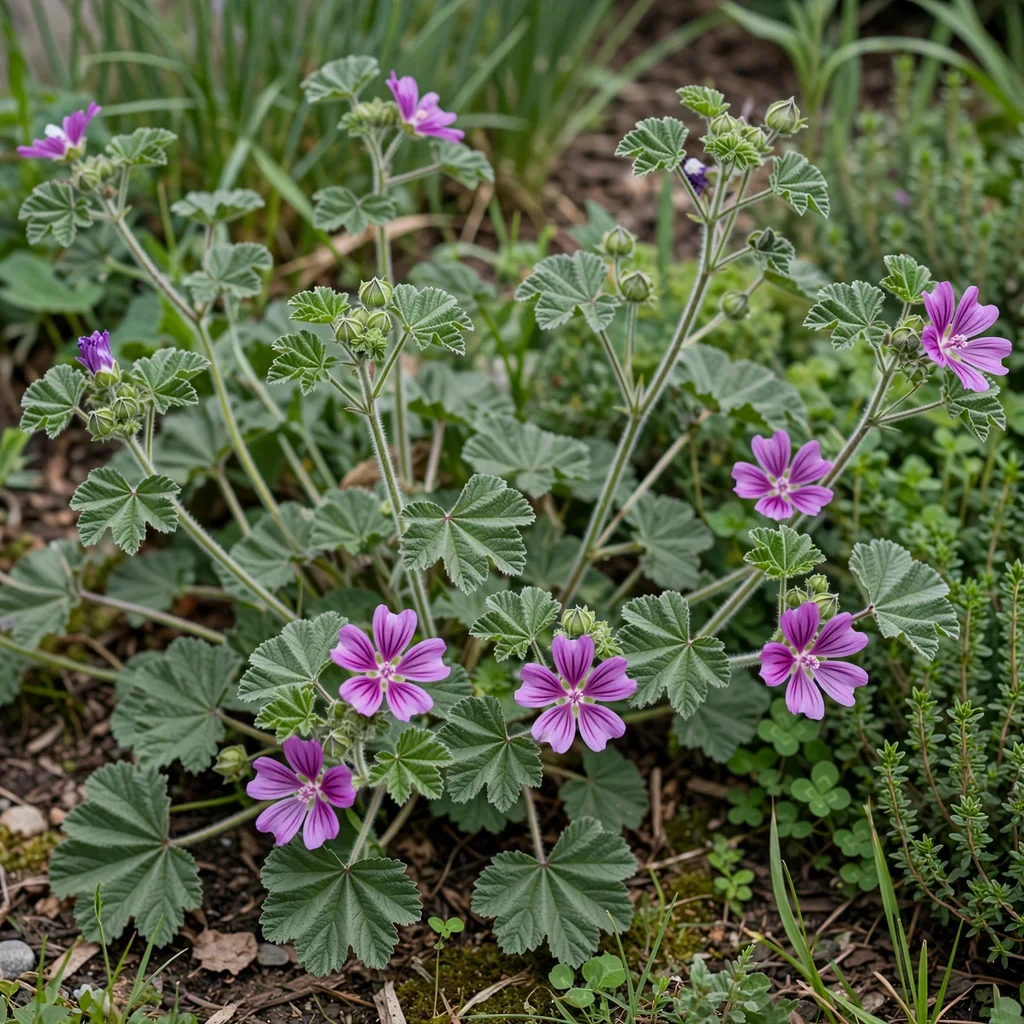
Purple Poppy Mallow
Callirhoe involucrata
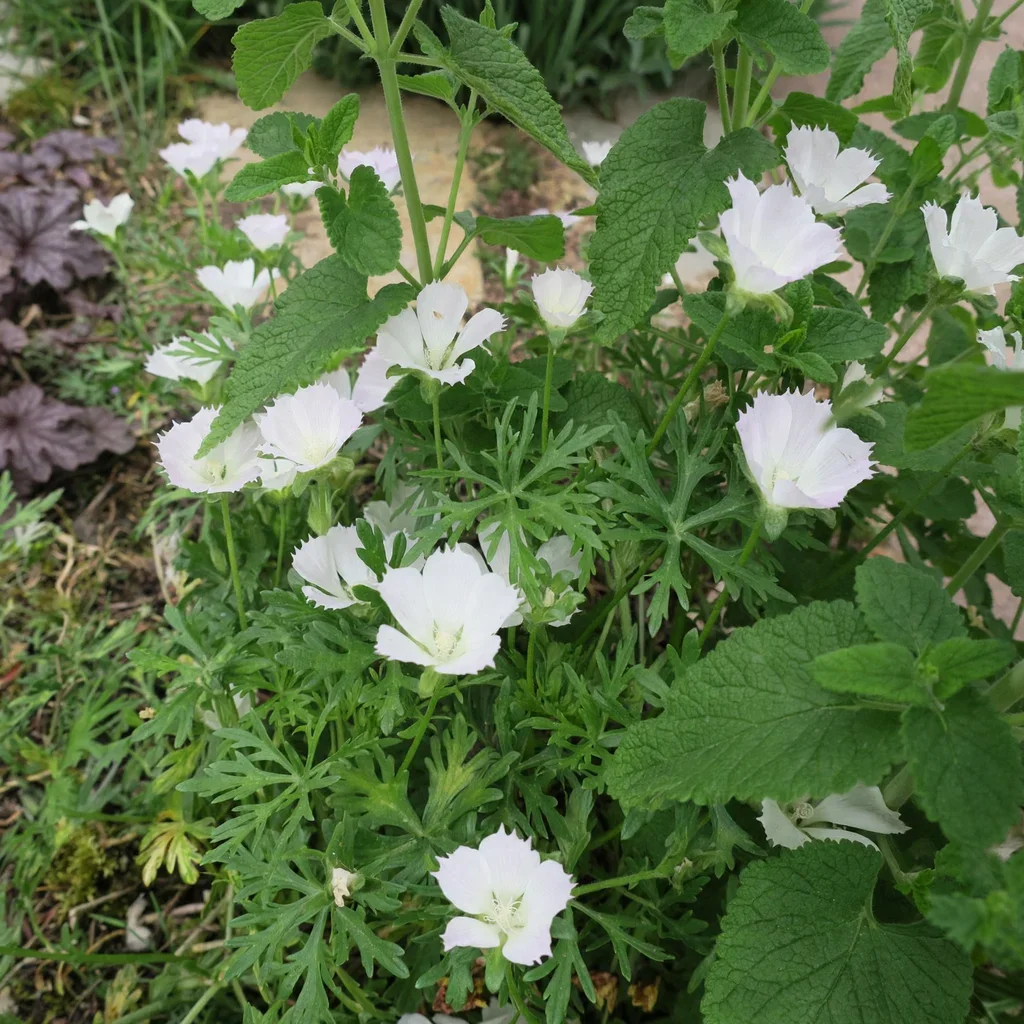
Pale Poppy Mallow
Callirhoe alcaeoides 'Logan Calhoun'
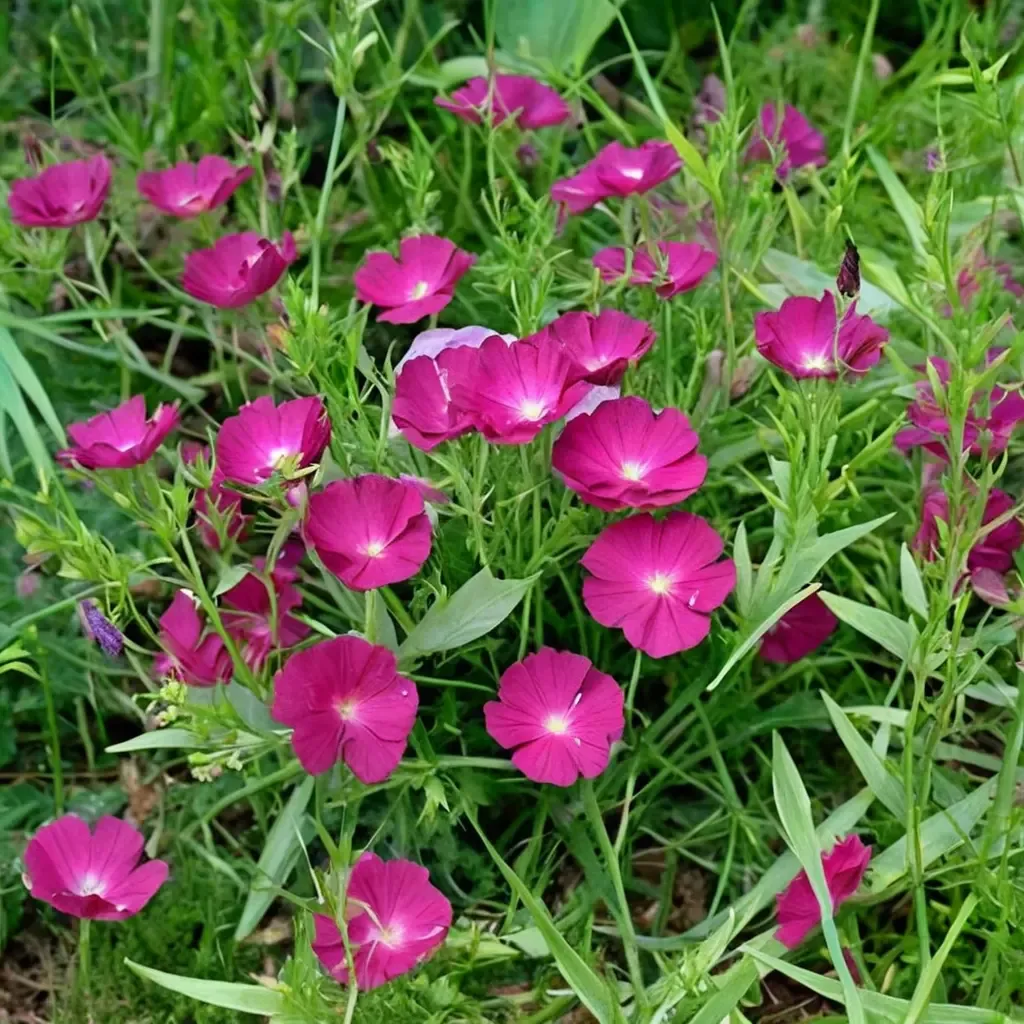
Bush's Poppy Mallow
Callirhoe bushii
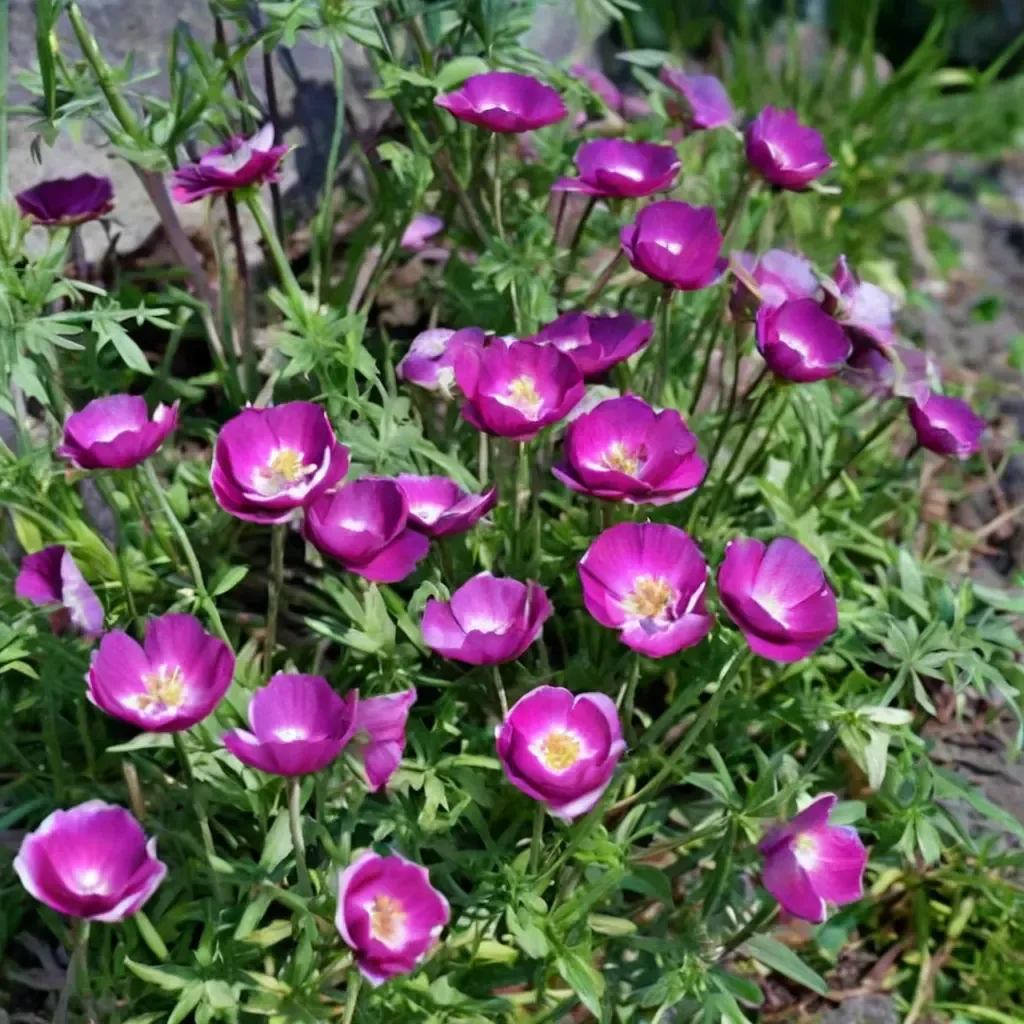
Wine Cups
Callirhoe involucrata 'Wine Cups'
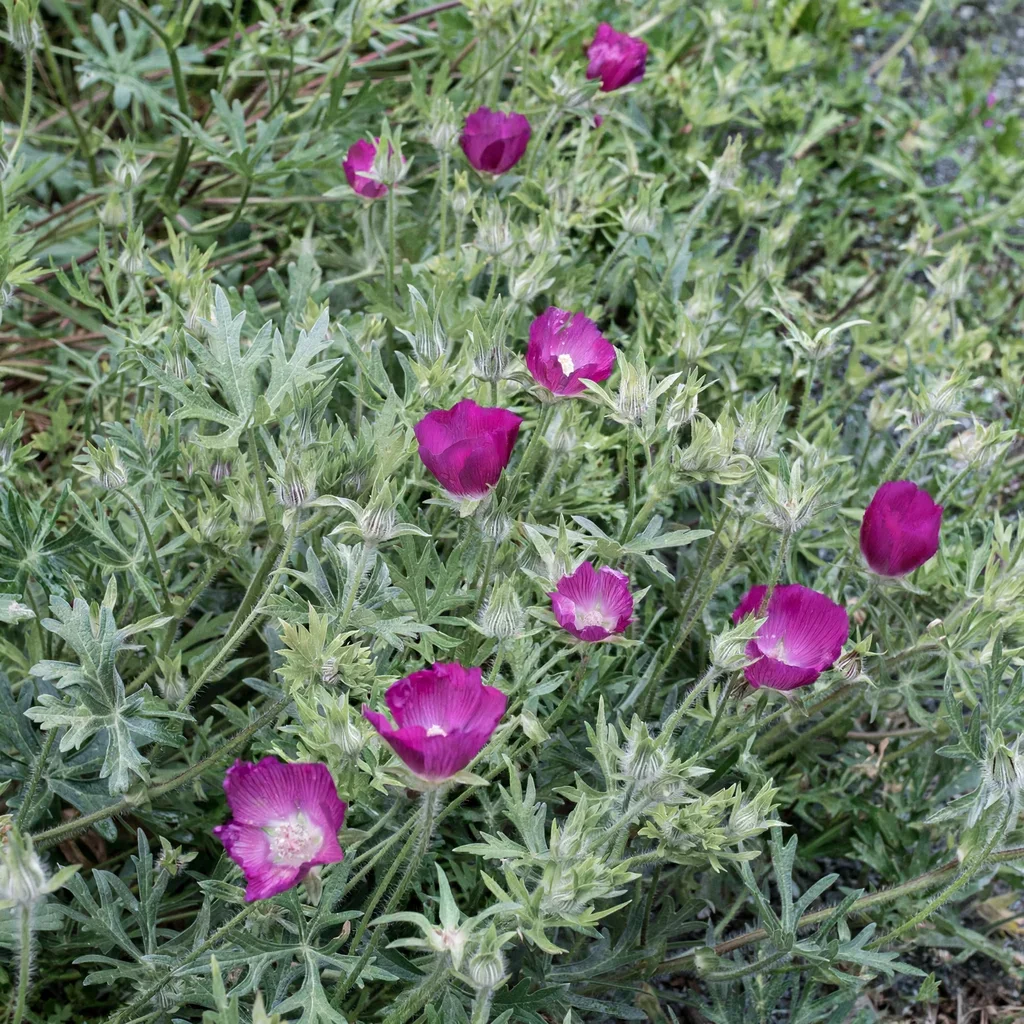
Woodland Poppy Mallow
Callirhoe papaver
Keep exploring
Explore the genus
Hardy in your zone?
Grow Fringed Poppy Mallow with confidence
See it in a design of your actual yard, get zone-matched care reminders, and track it season by season in your garden journal.