



The Story
Plant Bio
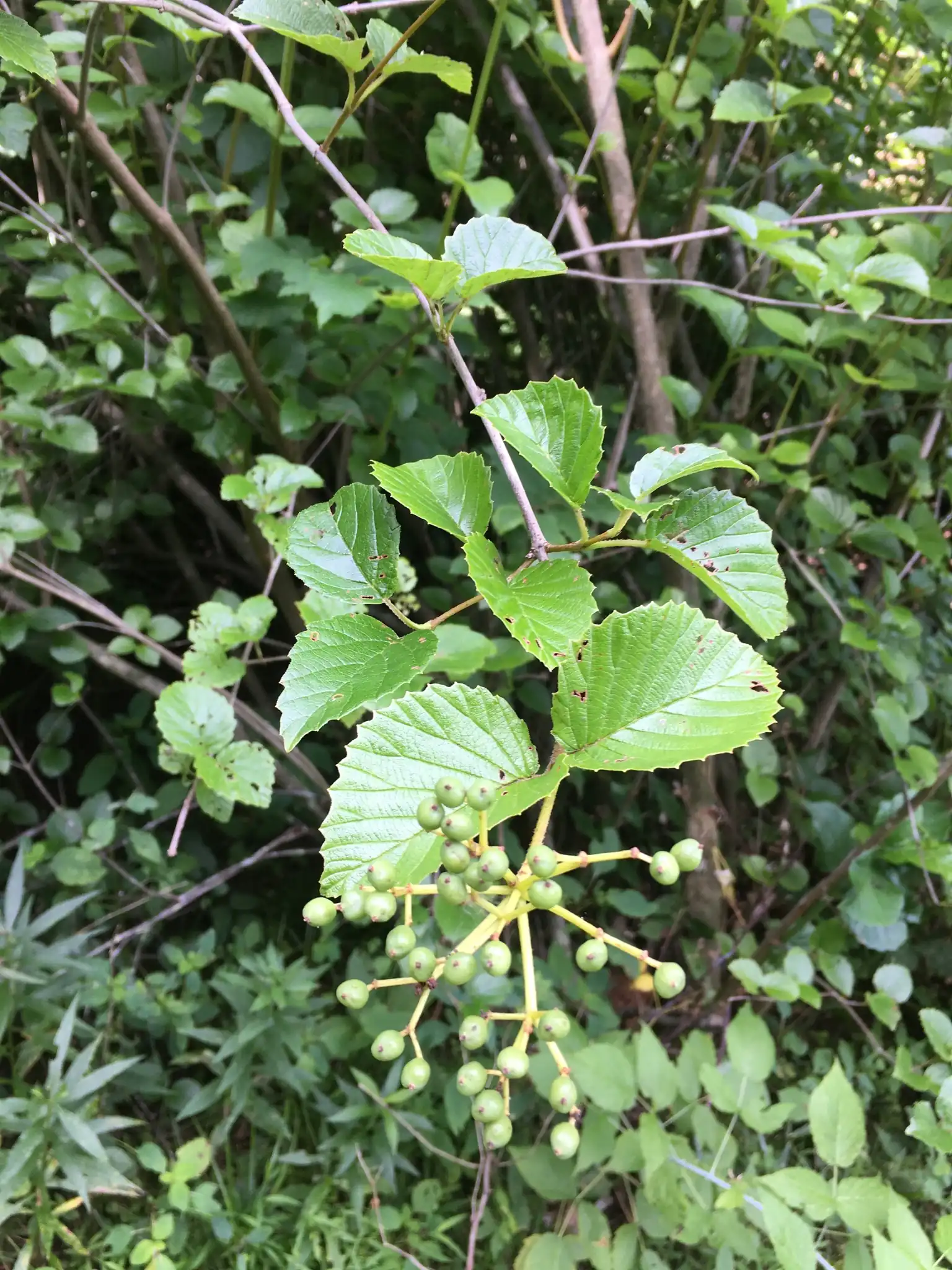
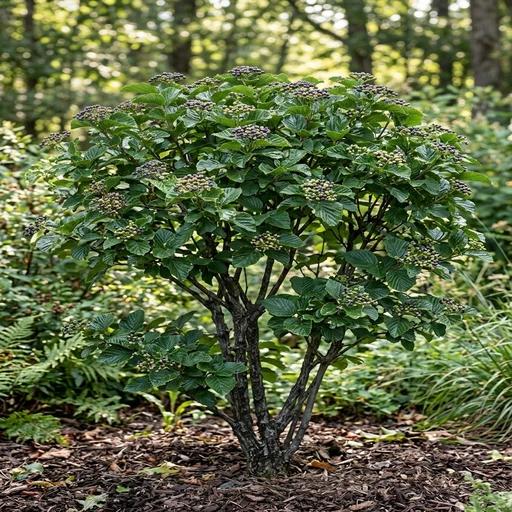
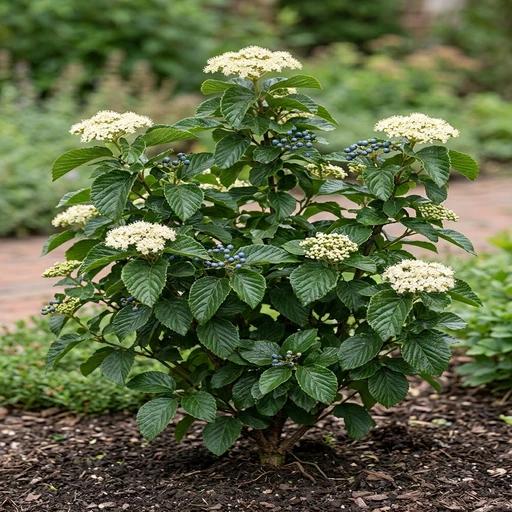
Viburnum dentatum, arrowwood viburnum, is a rounded multi-stemmed deciduous shrub native to eastern North America, reaching five to ten feet with a similar spread. Flat creamy-white flower clusters open in late spring above glossy, coarsely toothed leaves, and blue-black drupes follow in late summer. Autumn colour ranges from yellow through wine-red.
It is among the most adaptable native shrubs, taking sun or shade, wet or dry, and heavy clay without complaint. Straight young stems gave it its common name — they were used for arrow shafts — and the same habit makes it easy to renew by cutting the oldest canes out at the base.
Uses & Benefits:
Essentials
At a Glance
Plant Type
Shrub
Height
90"
Width
96"
Light
Full Sun, Partial Sun
Zones
4, 5, 6, 7, 8
Water
Moderate
Humidity
Moderate
Lifespan
Perennial
Native To
Eastern North America
Toxicity
Non-toxic
Marketplace
Where to Buy
Shipping costs Year-round shipping Free shipping
Planting
How to Grow
- Plant in spring or autumn in almost any soil.
- Choose full sun to partial shade.
- Allow six to ten feet of width.
- Water through the first season.
- Plant more than one for reliable fruit set.
- Renew by removing the oldest stems in late winter.
Pro Tip
Plant at least two different clones — arrowwood fruits poorly when pollinated by itself, and the berries are the main reason to grow it.
Keep It Thriving
Care Guide
Do
- Plant two or more for cross-pollination 🫐
- Renew old canes in late winter ✂️
- Use it in wet or dry sites alike 💧
- Let it form a broad multi-stemmed shrub 🌿
Don't
- Rely on a single plant for fruit ❌
- Shear it into a formal ball ❌
- Worry about soil type; it is unfussy ❌
Seasonal Care Calendar
| Task | Jan | Feb | Mar | Apr | May | Jun | Jul | Aug | Sep | Oct | Nov | Dec |
|---|---|---|---|---|---|---|---|---|---|---|---|---|
| Monitor | ||||||||||||
| Prune |
Watch Out For
Pests & Diseases
Common Pests
Common Diseases
In the Garden
Landscape Uses & Companions
Landscape Uses
Multiply
Propagation Methods
Good to Know
Common Questions
Arrowwood Viburnum questions
What zones can Arrowwood Viburnum grow in?
Arrowwood Viburnum is hardy in USDA Zones 4–8. Inside that range it survives winter in the ground; outside it, grow it as an annual or a container plant you protect.
Is Arrowwood Viburnum deer resistant?
Yes — Arrowwood Viburnum is rated deer-resistant. Deer typically pass it over, though extreme hunger can override any plant's defenses.
When does Arrowwood Viburnum bloom?
Arrowwood Viburnum typically blooms in late spring through early summer. Exact timing shifts a week or two with your zone — Sow's bloom calendar maps it to your garden.
Does Arrowwood Viburnum need full sun?
Arrowwood Viburnum does best in full sun to part shade. In hot climates, afternoon shade keeps blooms fresher longer.
Is Arrowwood Viburnum drought tolerant?
Yes — once established (usually after the first full season), Arrowwood Viburnum handles dry spells with minimal watering. Water deeply its first year to build the root system that makes that possible.
More Viburnum to compare
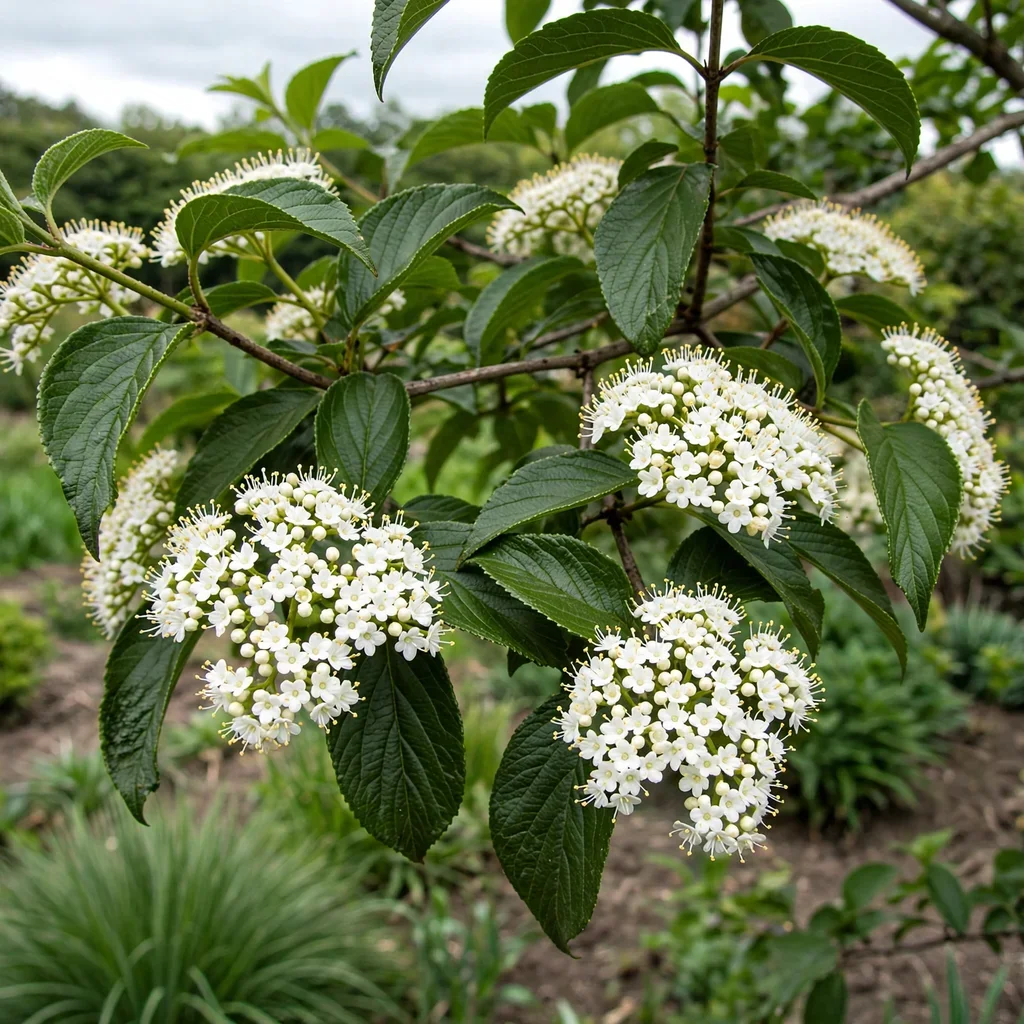
Nannyberry
Viburnum lentago
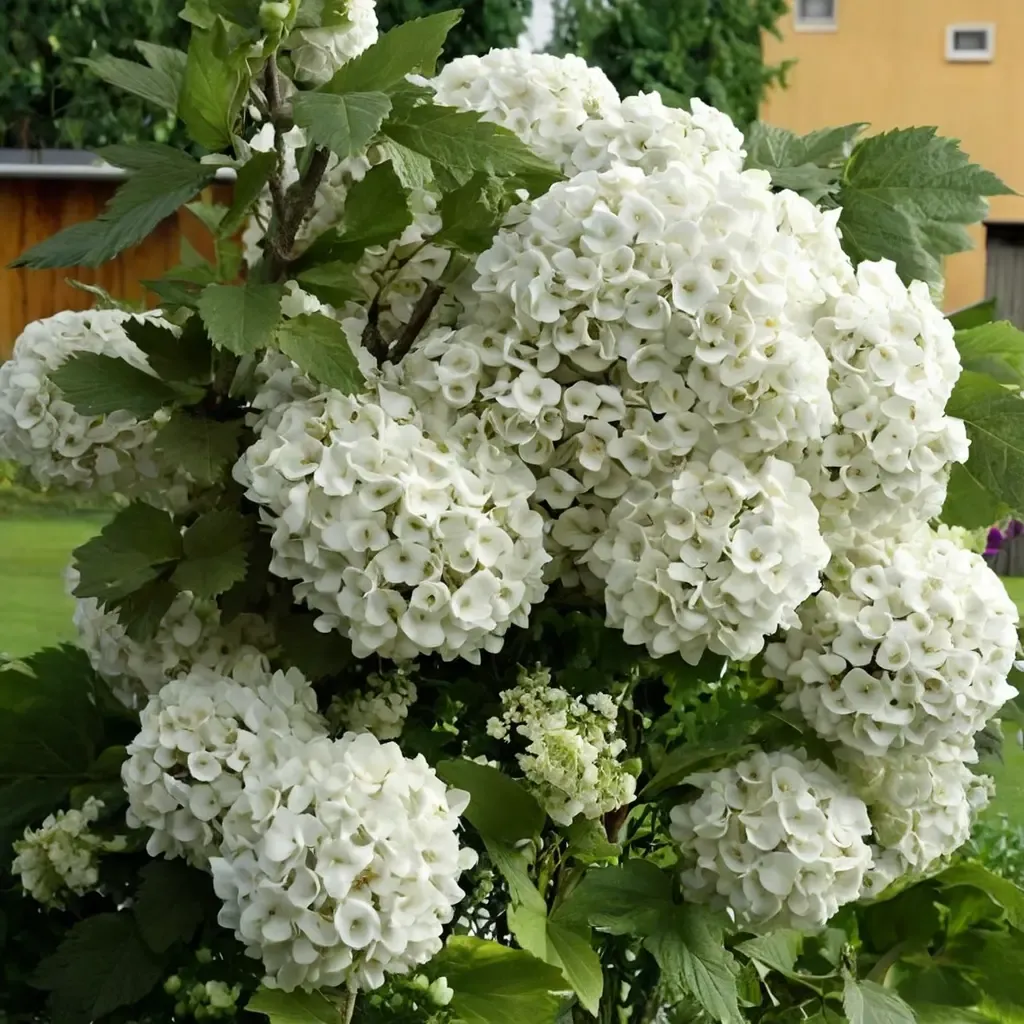
Snowball Viburnum
Viburnum opulus 'Sterile'
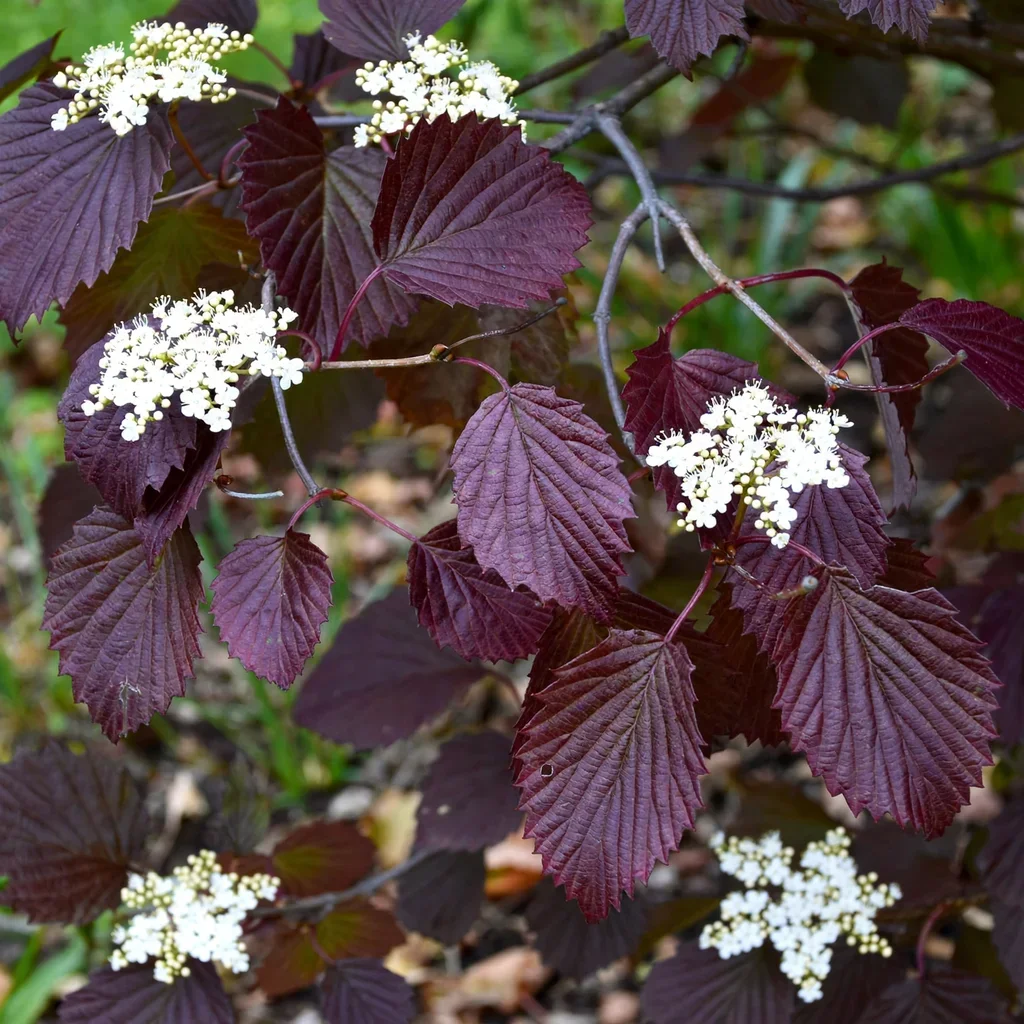
Autumn Jazz Arrowwood
Viburnum dentatum 'Autumn Jazz'
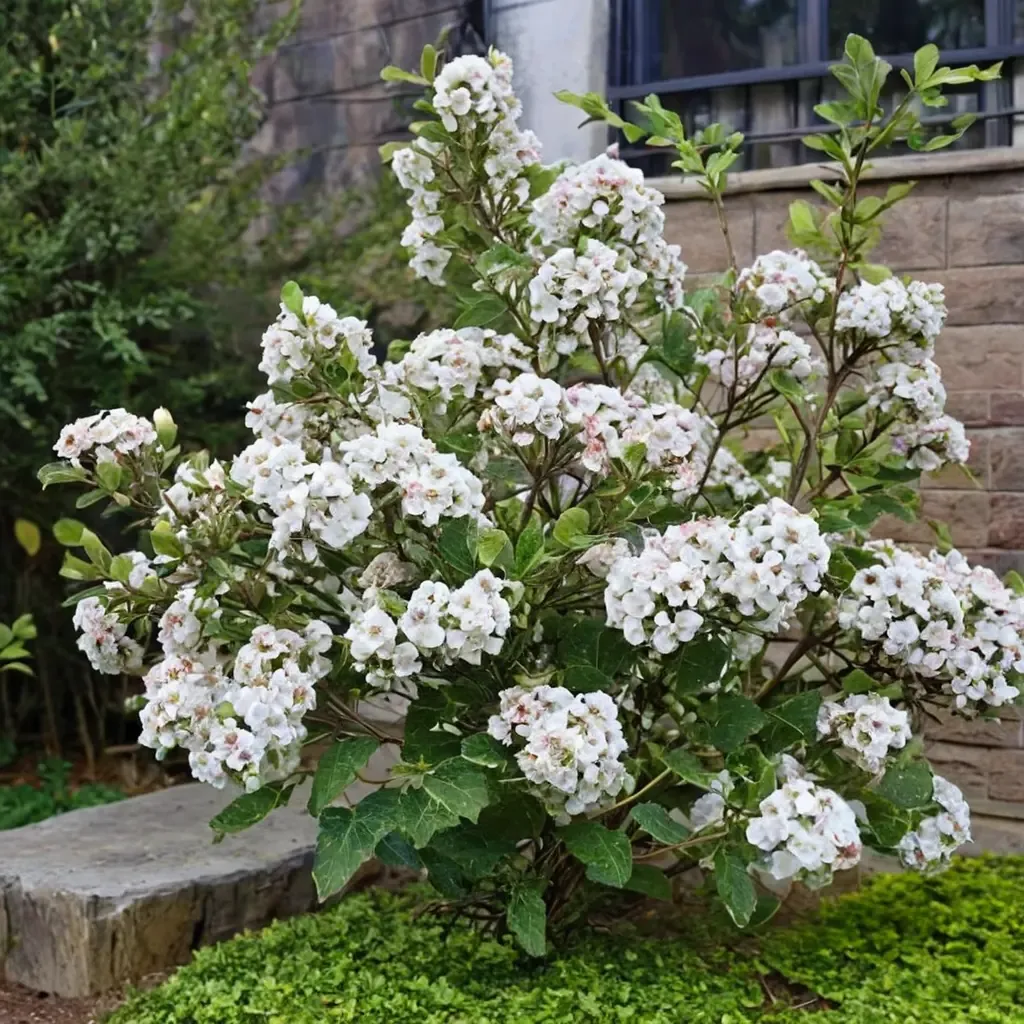
Korean spice viburnum
Viburnum carlesii
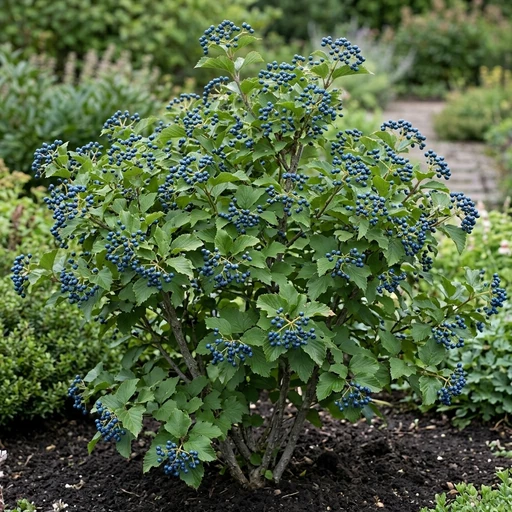
Blue Muffin Viburnum
Viburnum dentatum 'Christom'
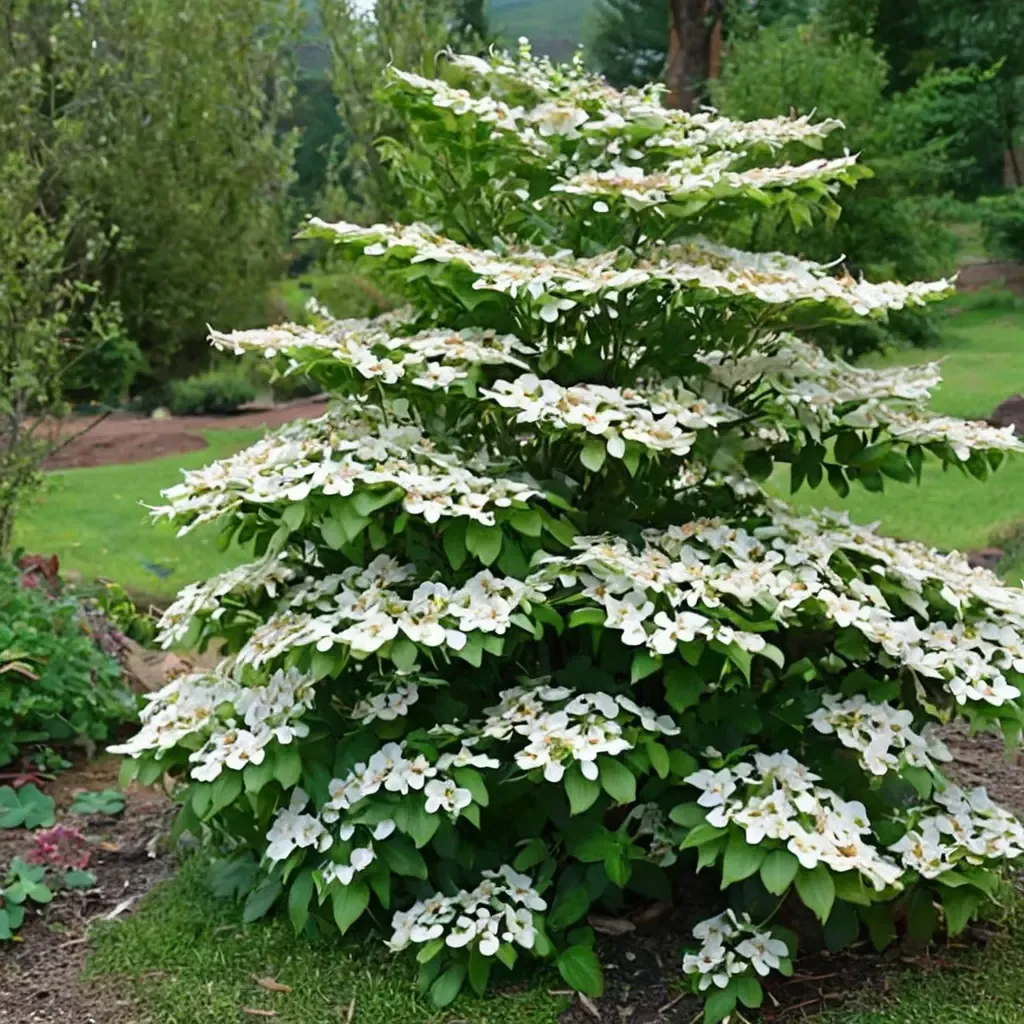
Mariesii Japanese Snowball
Viburnum plicatum 'Mariesii'
Keep exploring
Explore the genus
Hardy in your zone?
Grow Arrowwood Viburnum with confidence
See it in a design of your actual yard, get zone-matched care reminders, and track it season by season in your garden journal.