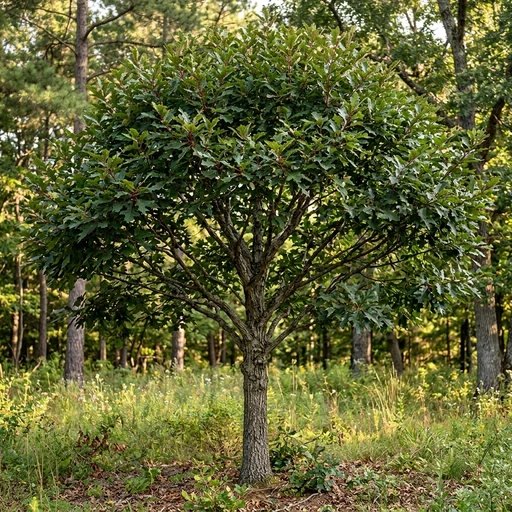
Garden hybrid
This is a garden hybrid, bred from more than one wild species, so it has no single species page of its own.
2 other cultivars


The Story
Plant Bio
Oaks are majestic, long-lived deciduous trees that serve as keystone species in their ecosystems, providing critical food and habitat for hundreds of species of wildlife.
'Scarlet Letter' is a hybrid oak selected for its exceptionally narrow, fastigiate form and reliable, brilliant scarlet-red fall color. Its tight, columnar habit makes it suitable for narrow spaces where a traditional oak would not fit.
Uses & Benefits:
Bred from more than one wild species, so it has no species page of its own.
Essentials
At a Glance
Plant Type
Tree
Height
480"
Width
180"
Light
Full Sun
Zones
4, 5, 6, 7, 8
Water
Low to moderate
Humidity
Adaptable
Lifespan
Very long-lived
Native To
Hybrid of North American and European species
Toxicity
Acorns are toxic to horses and cattle if eaten in quantity
Bloom period
Mid-spring – Late spring
In flower about 2 months of the year
Marketplace
Where to Buy
Shipping costs Year-round shipping Free shipping
Planting
How to Grow
- Choose a site with full sun and well-drained, acidic soil.
- Dig a planting hole two to three times wider than the root ball.
- Set the tree so the root flare is visible at the soil line.
- Backfill with the excavated soil, breaking up any large clumps.
- Water deeply and thoroughly to eliminate air pockets.
- Apply a 3-inch layer of mulch over the root zone, but not touching the trunk.
Pro Tip
Ensure good air circulation and avoid overhead watering to minimize the risk of powdery mildew, to which its parentage is susceptible.
Keep It Thriving
Care Guide
Do
- Provide full sun for best growth and fall color.
- Water deeply during the first few years to establish a strong root system.
- Stake only if necessary in very windy sites, and remove stakes after one year.
- Allow ample vertical space for it to reach its mature height.
Don't
- Do not plant in alkaline soils, which can cause chlorosis.
- Avoid planting in poorly drained or constantly wet locations.
- Don't fertilize unless a soil test indicates a specific deficiency.
- Refrain from pruning live branches unless absolutely necessary.
Seasonal Care Calendar
| Task | Jan | Feb | Mar | Apr | May | Jun | Jul | Aug | Sep | Oct | Nov | Dec |
|---|---|---|---|---|---|---|---|---|---|---|---|---|
| Plant | ||||||||||||
| Prune |
Watch Out For
Pests & Diseases
Common Pests
Common Diseases
In the Garden
Landscape Uses & Companions
Landscape Uses
Multiply
Propagation Methods
Good to Know
Common Questions
Scarlet Letter Oak questions
What zones can Scarlet Letter Oak grow in?
Scarlet Letter Oak is hardy in USDA Zones 4–8. Inside that range it survives winter in the ground; outside it, grow it as an annual or a container plant you protect.
Is Scarlet Letter Oak deer resistant?
Yes — Scarlet Letter Oak is rated deer-resistant. Deer typically pass it over, though extreme hunger can override any plant's defenses.
When does Scarlet Letter Oak bloom?
Scarlet Letter Oak typically blooms in mid-spring through late spring. Exact timing shifts a week or two with your zone — Sow's bloom calendar maps it to your garden.
Does Scarlet Letter Oak need full sun?
Scarlet Letter Oak does best in full sun (6+ hours).
Is Scarlet Letter Oak drought tolerant?
Yes — once established (usually after the first full season), Scarlet Letter Oak handles dry spells with minimal watering. Water deeply its first year to build the root system that makes that possible.
More Quercus to compare
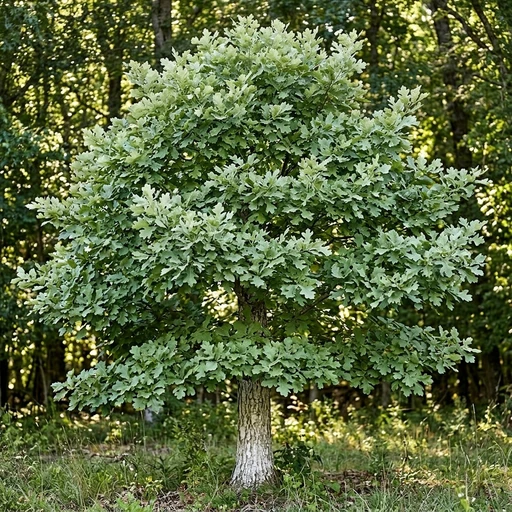
White Oak
Quercus alba
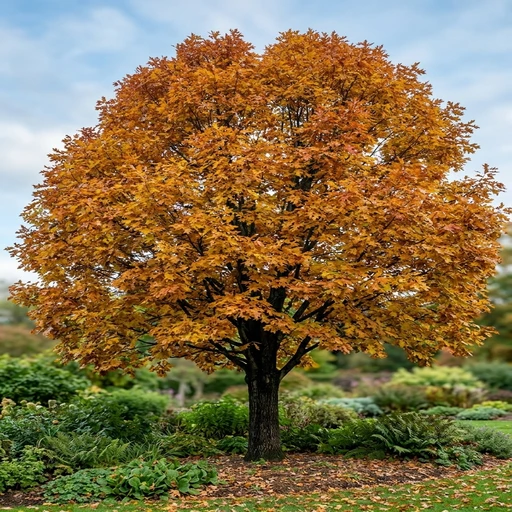
Black Oak
Quercus velutina
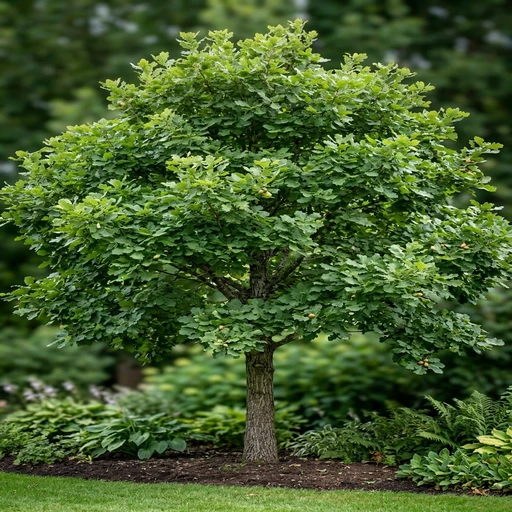
English Oak
Quercus robur
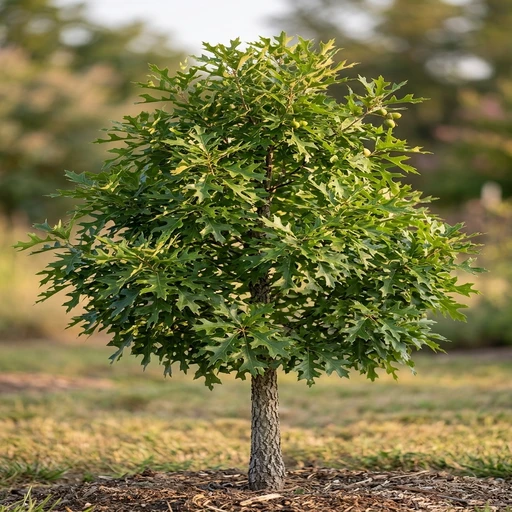
Nuttall Oak
Quercus texana
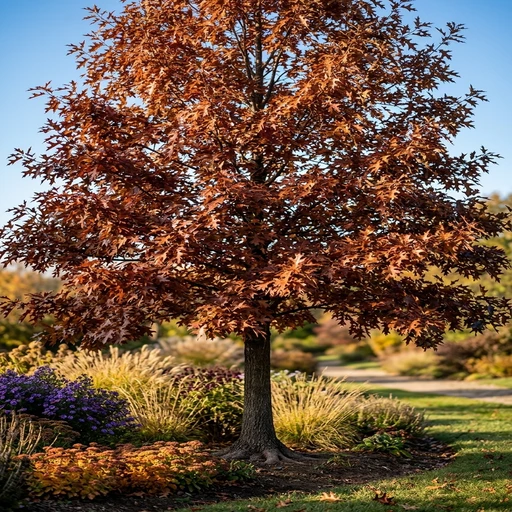
Pin Oak
Quercus palustris
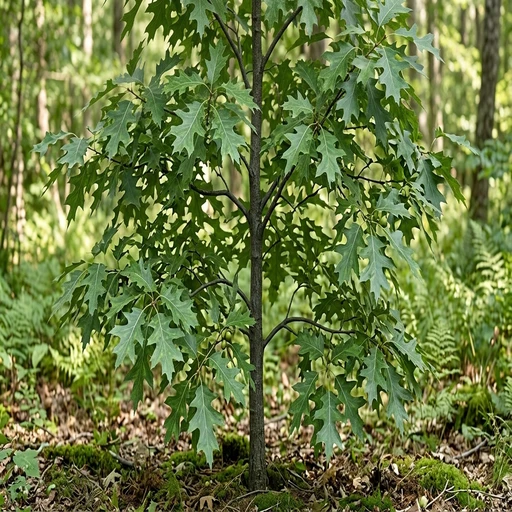
Scarlet Oak
Quercus coccinea
Keep exploring
Explore the genus
Hardy in your zone?
Grow Scarlet Letter Oak with confidence
See it in a design of your actual yard, get zone-matched care reminders, and track it season by season in your garden journal.