The Story
Plant Bio
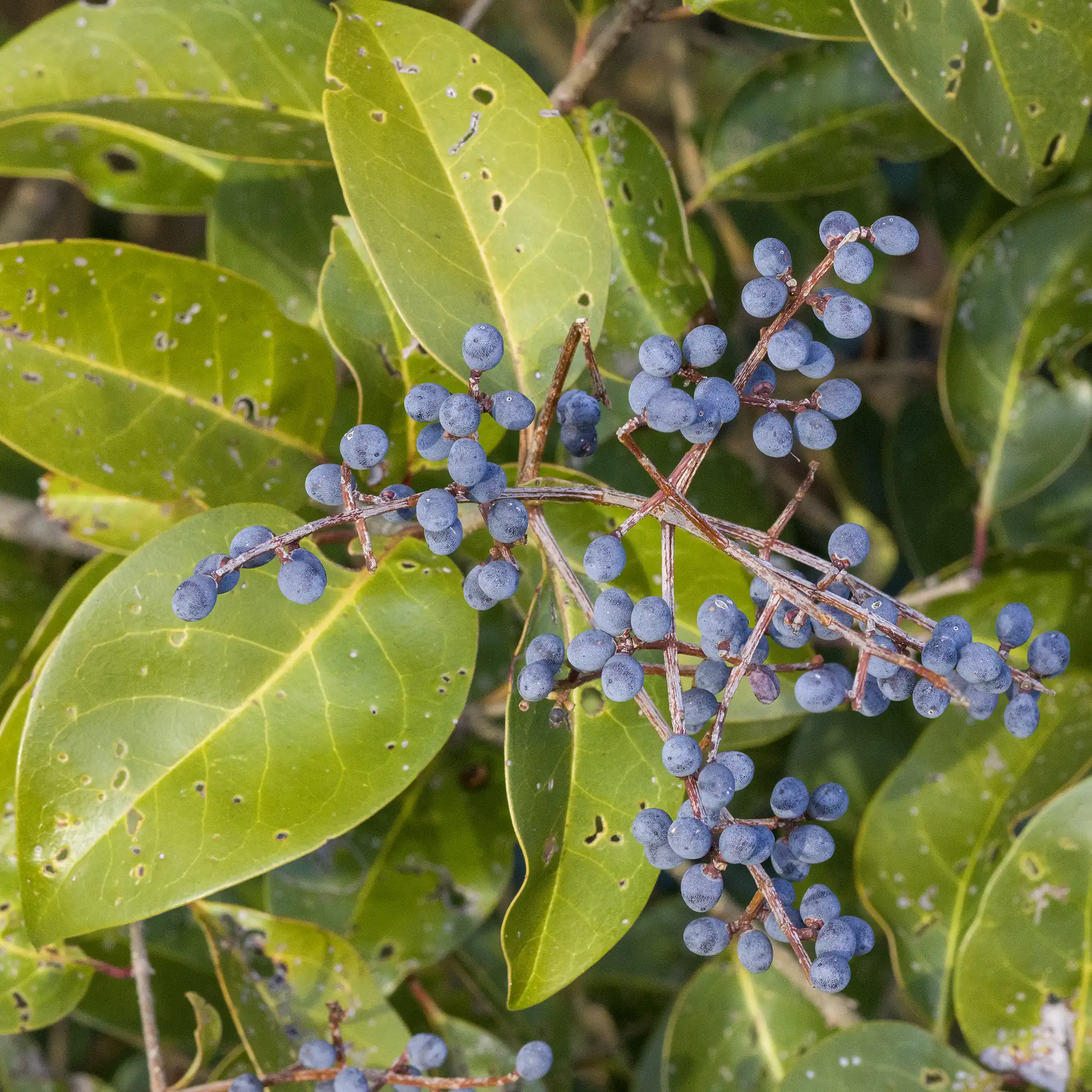
Ligustrum lucidum is a large evergreen shrub or small tree forming a dense, rounded canopy of glossy, leathery leaves. In spring and summer, it produces large, pyramidal clusters of small, strongly fragrant white flowers followed by dark blue-black berries.
This species is highly adaptable to poor soils, urban pollution, and drought, making it a tough choice for challenging sites. However, its prolific seeding and rapid growth have led to its classification as an invasive weed in several southern states.
Uses & Benefits:
Essentials
At a Glance
Plant Type
Shrub
Height
394"
Width
354"
Light
Full Sun, Partial Sun
Zones
8, 9, 10
Water
Low to Medium
Humidity
High
Lifespan
Perennial
Native To
Asia
Toxicity
Toxic if Ingested
Bloom period
Spring – Summer
In flower about 6 months of the year
Marketplace
Where to Buy
Shipping costs Year-round shipping Free shipping
Planting
How to Grow
- Select a site in full sun to partial shade with well-drained soil of any type.
- Dig a hole twice the width of the root ball and set the plant at its original container depth.
- Water deeply to settle the soil and maintain regular moisture until the root system is established.
- Apply a balanced slow-release fertilizer in spring only if growth appears sluggish.
Pro Tip
Pruning should be done immediately after flowering to prevent seed set and limit unwanted bird-dispersed spread into nearby natural areas.
Keep It Thriving
Care Guide
Do
- Prune annually to maintain a dense hedge or shape into a clean multi-stemmed tree.
- Monitor for root suckers at the base and remove them promptly to prevent spreading.
- Check local invasive species lists before planting near natural woodlands.
Don't
- Do not overwater once established, as the plant is highly drought-tolerant and prone to root rot in soggy soil.
- Do not allow the plant to fruit freely if located near sensitive natural waterways or forests.
- Avoid pruning heavily into old, completely leafless wood unless rejuvenating the entire shrub.
Seasonal Care Calendar
| Task | Jan | Feb | Mar | Apr | May | Jun | Jul | Aug | Sep | Oct | Nov | Dec |
|---|---|---|---|---|---|---|---|---|---|---|---|---|
| Fertilize | ||||||||||||
| Pest Check | ||||||||||||
| Propagate | ||||||||||||
| Prune |
Watch Out For
Pests & Diseases
Common Pests
Common Diseases
In the Garden
Landscape Uses & Companions
Landscape Uses
Companion Plants
Multiply
Propagation Methods
Good to Know
Common Questions
Glossy Privet questions
What zones can Glossy Privet grow in?
Glossy Privet is hardy in USDA Zones 8–10. Inside that range it survives winter in the ground; outside it, grow it as an annual or a container plant you protect.
When does Glossy Privet bloom?
Glossy Privet typically blooms in spring through summer. Exact timing shifts a week or two with your zone — Sow's bloom calendar maps it to your garden.
Does Glossy Privet need full sun?
Glossy Privet does best in full sun to part shade. In hot climates, afternoon shade keeps blooms fresher longer.
Is Glossy Privet drought tolerant?
Yes — once established (usually after the first full season), Glossy Privet handles dry spells with minimal watering. Water deeply its first year to build the root system that makes that possible.
More Ligustrum to compare
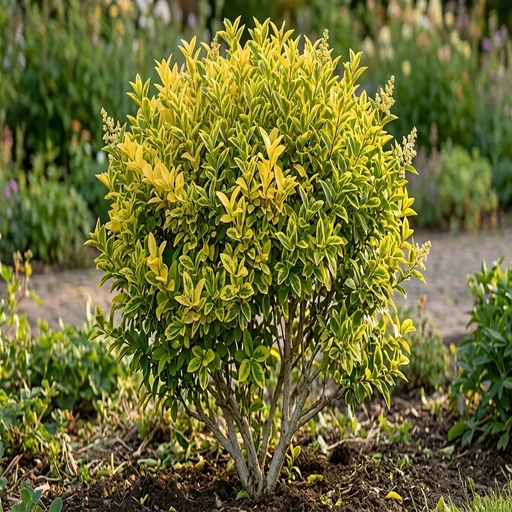
Golden Privet
Ligustrum vicaryi
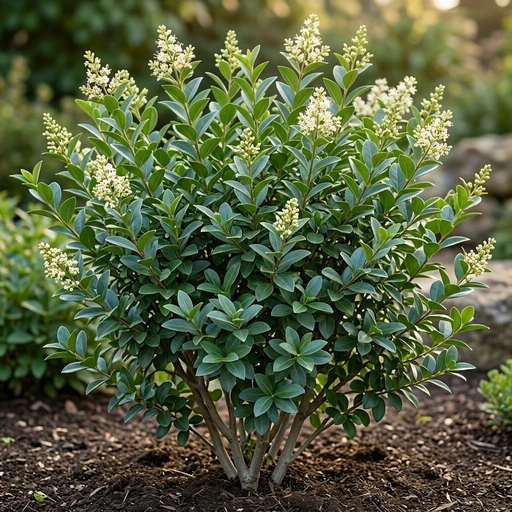
California Privet
Ligustrum ovalifolium
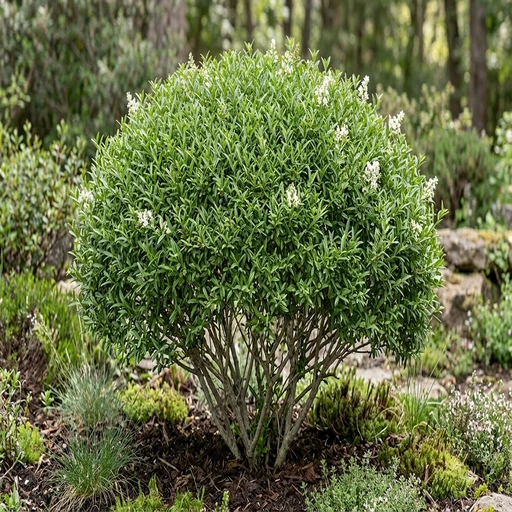
Lodense European Privet
Ligustrum vulgare 'Lodense'
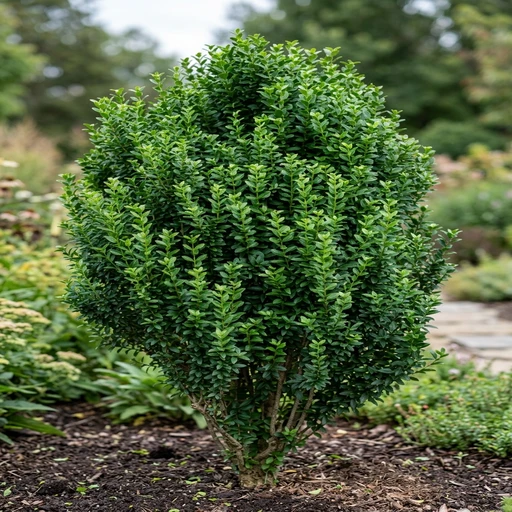
Straight Talk Privet
Ligustrum vulgare 'Straight Talk'
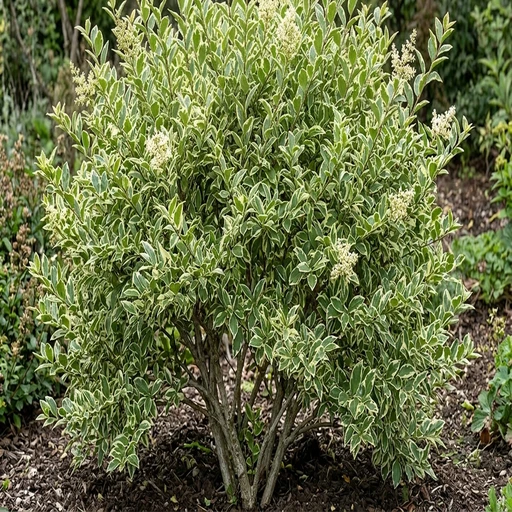
Variegated Chinese Privet
Ligustrum sinense 'Variegatum'
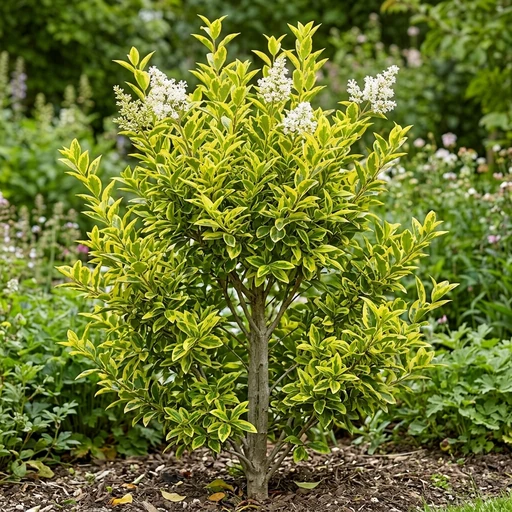
Howard's Ligustrum
Ligustrum japonicum 'Howardi'
Keep exploring
Explore the genus
Hardy in your zone?
Grow Glossy Privet with confidence
See it in a design of your actual yard, get zone-matched care reminders, and track it season by season in your garden journal.