56 saves
Distylium
We track 10 varieties; the ones most used by real gardeners.
The 9 most-saved Distylium varieties
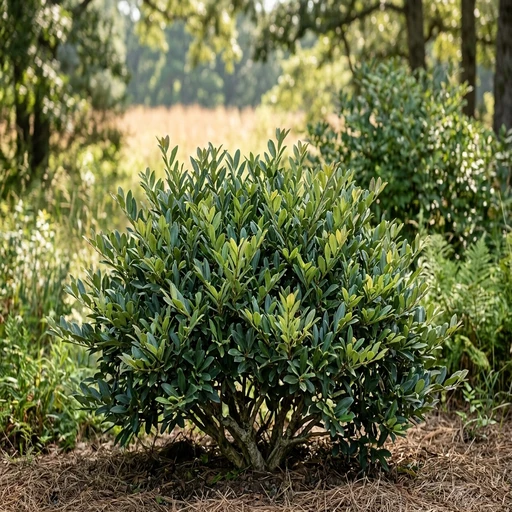
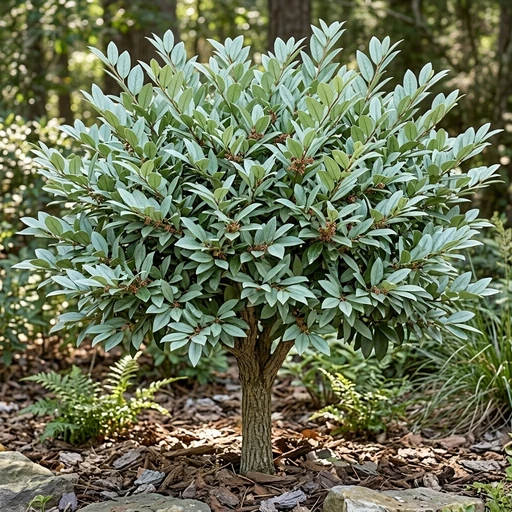
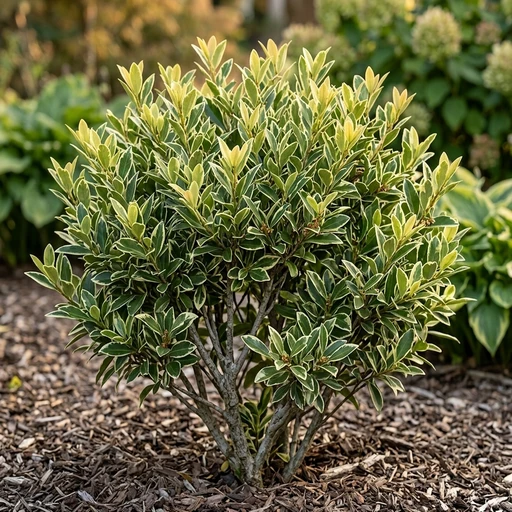
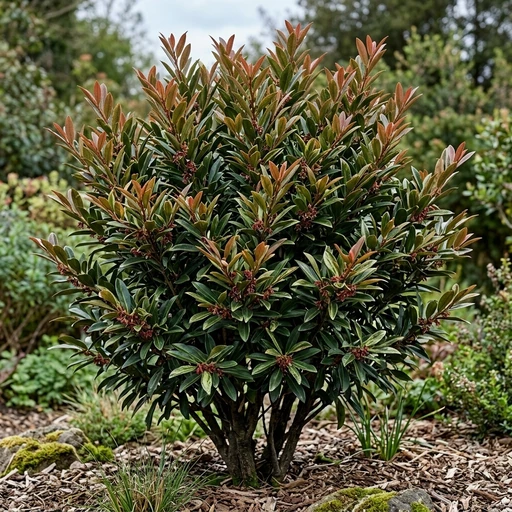
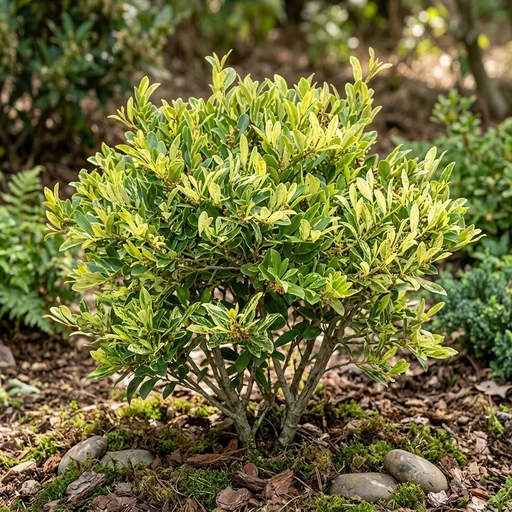
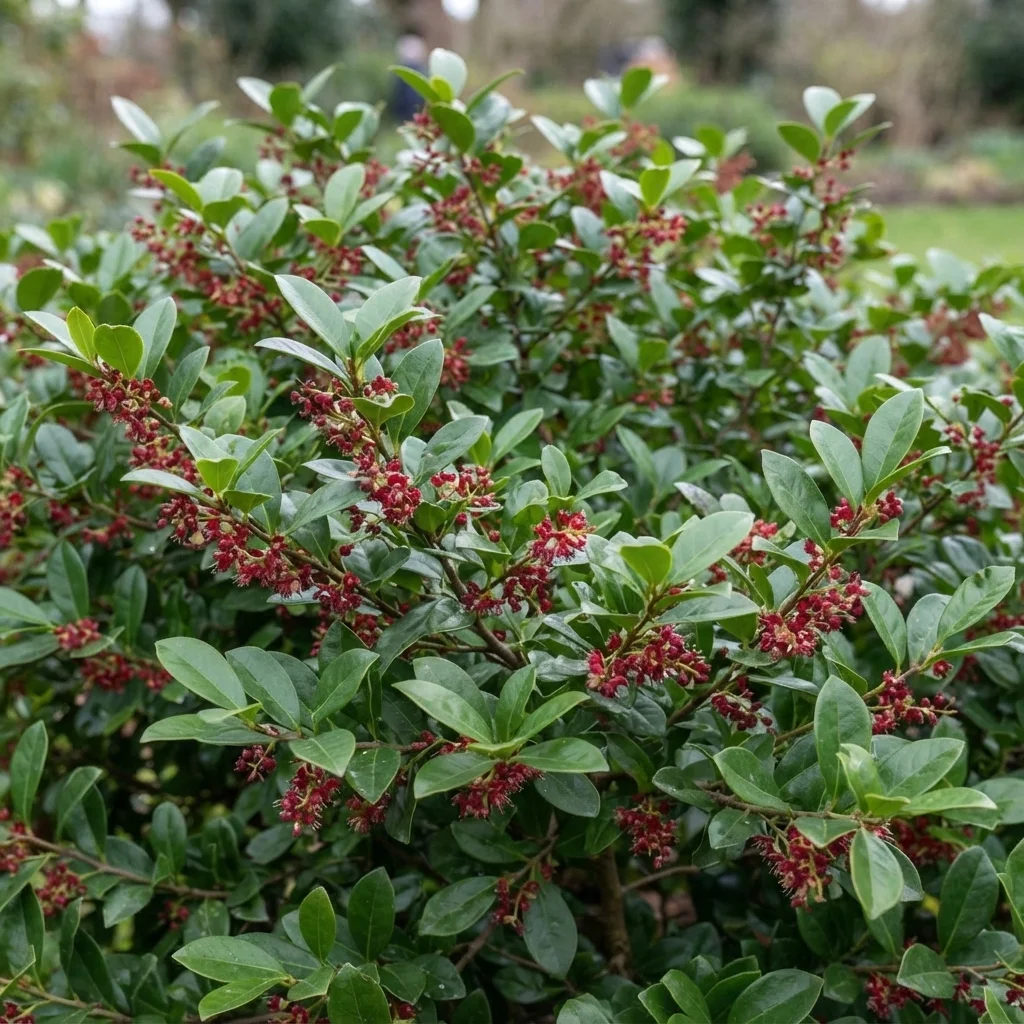
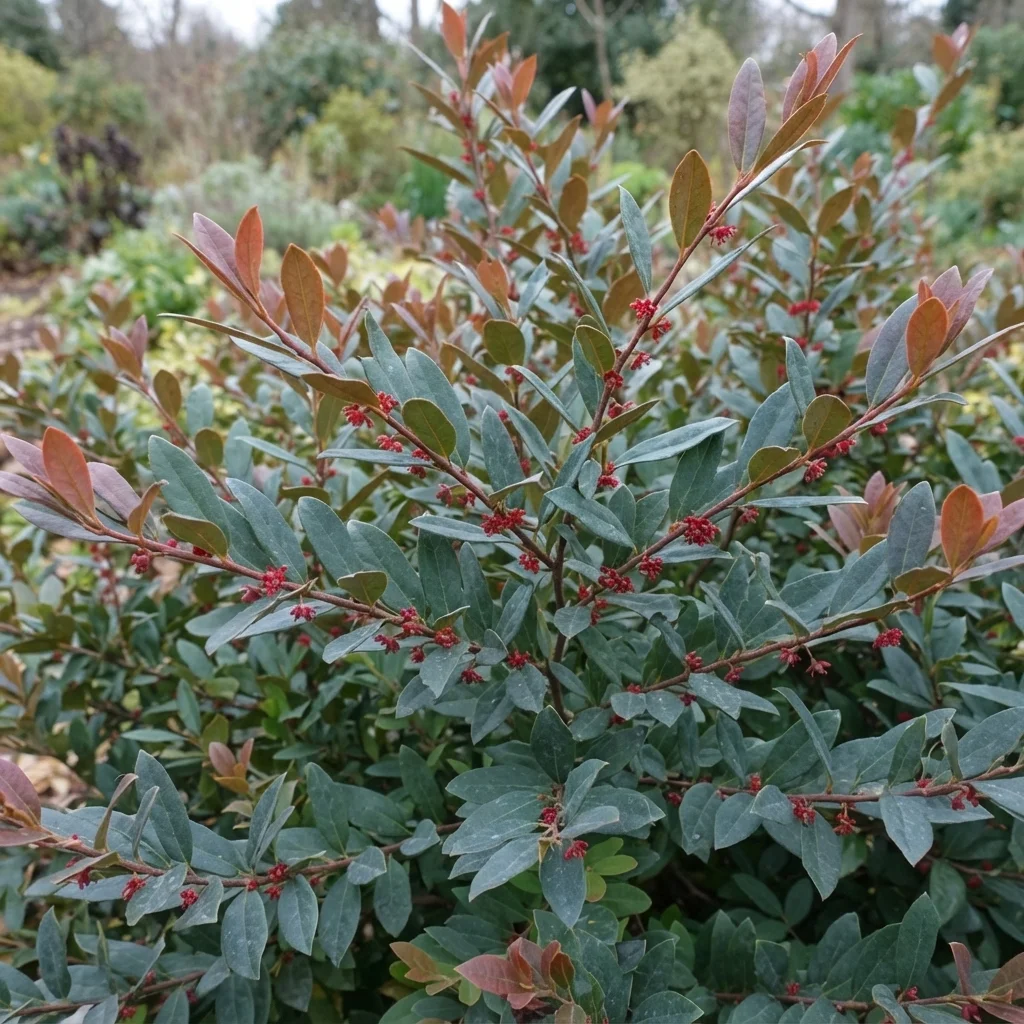
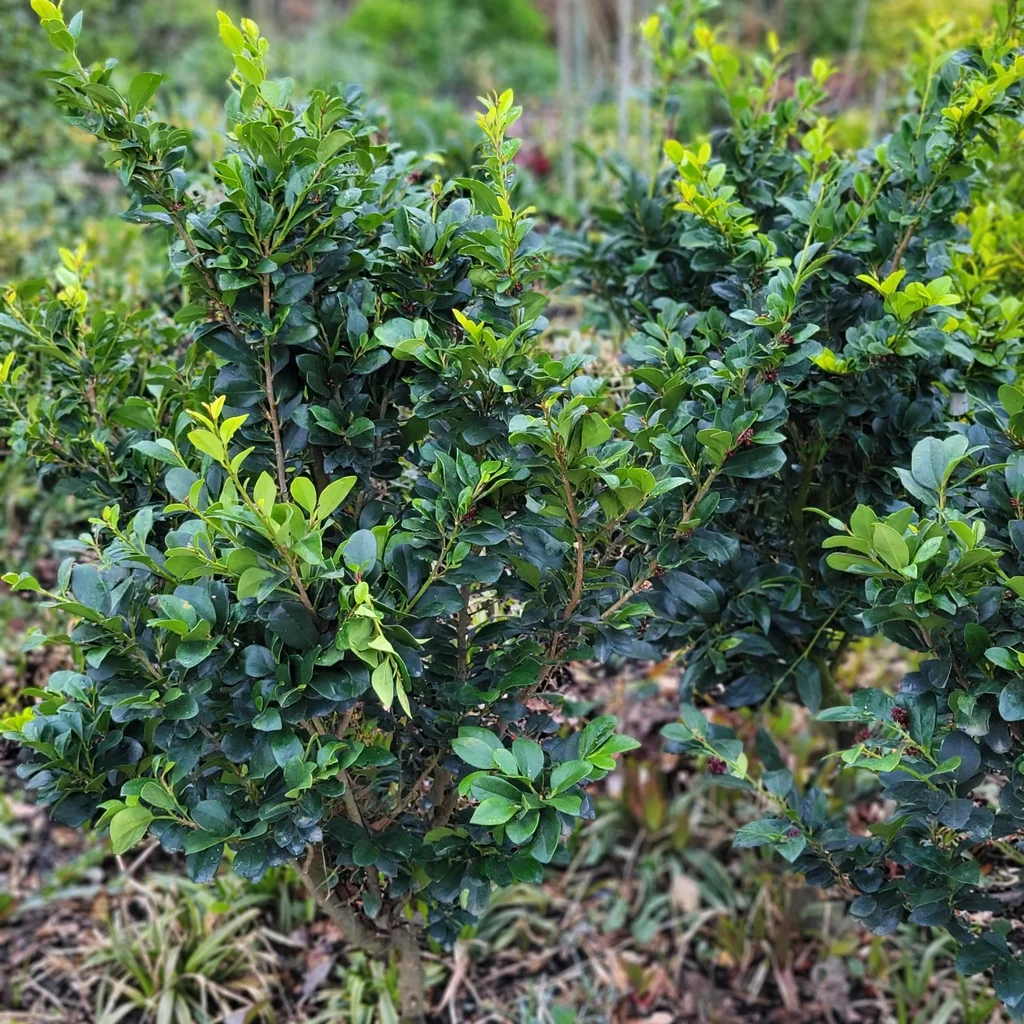
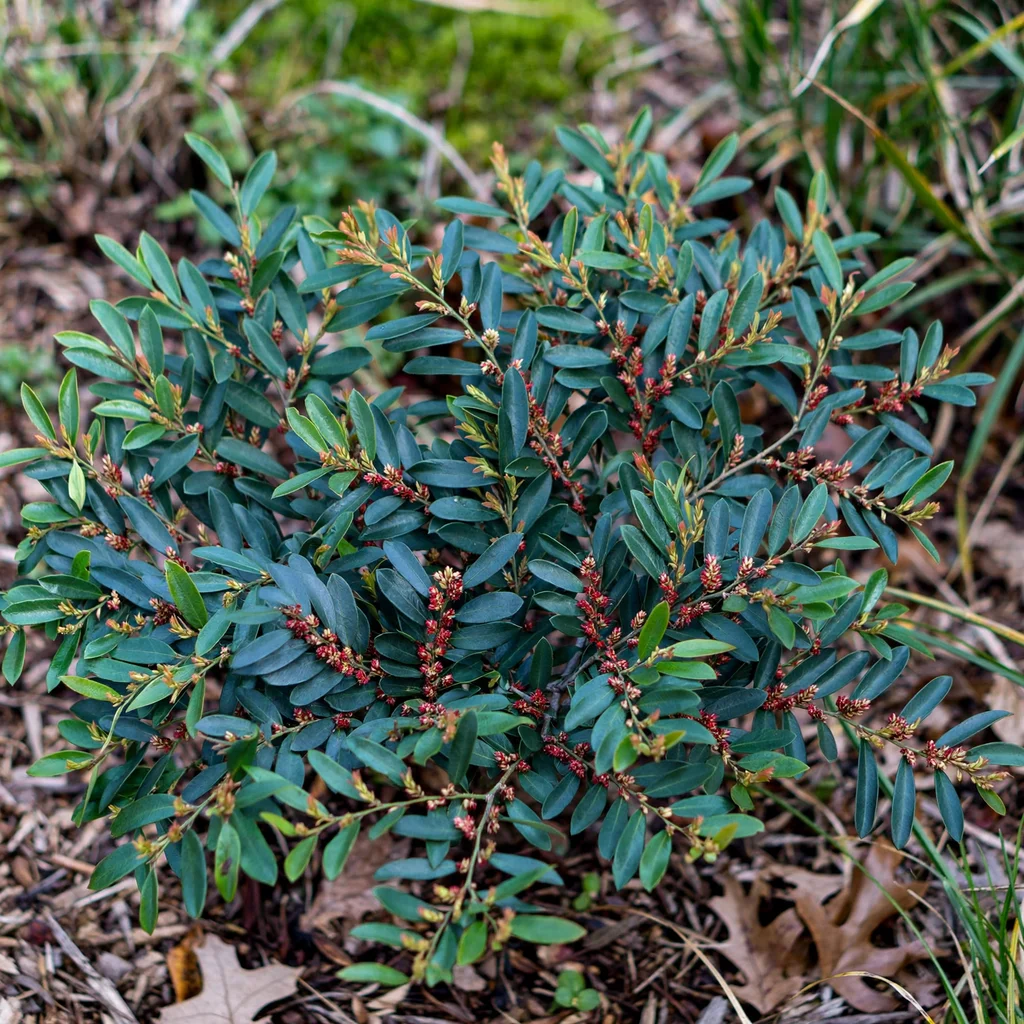
Browse all 10 Distylium varieties →
2 species of Distylium
Each one is a parent of the varieties above.
Track your Distylium in Sow
Save the Distylium you grow and get care reminders timed to your zone.
How to grow Distylium
Whats common across all Distylium varieties in our catalog — drawn from the care records of the 10 most-grown of them.
The Distylium year
- PruneApril–June100% of varieties
Prune or shear to shape after flowering in spring.
- FertilizeMarch and April100% of varieties
Apply a slow-release fertilizer in spring if needed; generally not required.
- Check for PestsJune and July50% of varieties
Inspect foliage for spider mites or scale during hot, dry summer periods.
- PlantMarch, April, May, October, November and December40% of varieties
Plant anytime in fall, winter, or spring in mild climates.
- MulchMarch, October and November40% of varieties
Apply a fresh layer of organic mulch to protect roots and retain moisture through winter.


Do
- Water regularly during the first growing season until established.
- Plant in a sunny spot for the best foliage color.
- Water regularly during the first year to get established.
- Prune after flowering to maintain a tidy shape.
- Use as a tough, problem-free alternative to other common hedge plants.
Avoid
- Don't worry about pests or diseases; it is highly resistant.
- Do not plant in deep shade, which can lead to sparse growth.
- Avoid constantly soggy or poorly drained soil.
- Do not over-fertilize, as this can cause weak, floppy growth.
What goes wrong with Distylium
| Problem | What you'll see | What to do |
|---|---|---|
| Spider mites | Fine stippling on the upper leaf surfaces and delicate webbing on the undersides of foliage during hot, dry weather. | Blast the foliage with a strong stream of water to dislodge mites, or apply insecticidal soap to the undersides of leaves. |
| None | This plant is virtually pest-free. | No action is typically required. |
| None significant | This plant is known for its excellent resistance to pests. | Monitor for common garden pests, but treatment is rarely, if ever, needed. |
| Generalist beetles | Minor feeding damage and chewing holes on foliage. | Handpick beetles from the branches or apply insecticidal soap if a significant outbreak occurs. |
| Phytophthora root rot | Foliage wilts, turns yellow or bronze, and branches die back, accompanied by dark, decayed roots. | Improve soil drainage, avoid overwatering, and plant in raised beds if local soils are heavy and poorly drained. |
| Root Rot | Yellowing leaves, wilting, and plant decline in overly wet or poorly drained soils. | Ensure proper drainage at planting. Water only when necessary. There is no cure once rot is advanced. |
| None | Distylium is known for being virtually disease-free. Root rot can occur in extremely waterlogged sites. | Ensure proper site selection with adequate drainage. |
Making more Distylium
Semi-hardwood cuttings
- Take 4- to 6-inch cuttings of semi-hardwood in mid to late summer.
- Remove the lower leaves and dip the cut end in rooting hormone.
- Insert the cuttings into a moist, well-draining medium of perlite and peat.
- Keep under high humidity or mist until roots establish, then pot up.
Semi-hardwood Cuttings
- Take 4-6 inch cuttings in mid-summer from firm new growth.
- Remove lower leaves and dip the base in rooting hormone.
- Insert into a sterile, moist medium like peat and perlite.
- Cover to maintain high humidity; roots should form in 8-10 weeks.
Distylium questions
How many types of Distylium are there?
The Sow catalog tracks 10 distinct Distylium varieties. The most popular — ranked by 56 real gardeners — are shown first above.
What zones does Distylium grow in?
Across its varieties, Distylium covers USDA Zones 6–9. Individual varieties differ — each plant page lists its exact range, and Sow filters the catalog to your zone automatically.
When does Distylium bloom?
Most Distylium varieties bloom in late winter, winter. Staggering early, mid, and late varieties extends the genus's season in one bed.
Which Distylium should I choose?
Start from the most-saved varieties above — popularity across thousands of gardens is a strong signal of reliability — then filter by your zone and sun. In the Sow app you can preview any of them in a photo of your actual yard before you buy.