The Story
Plant Bio
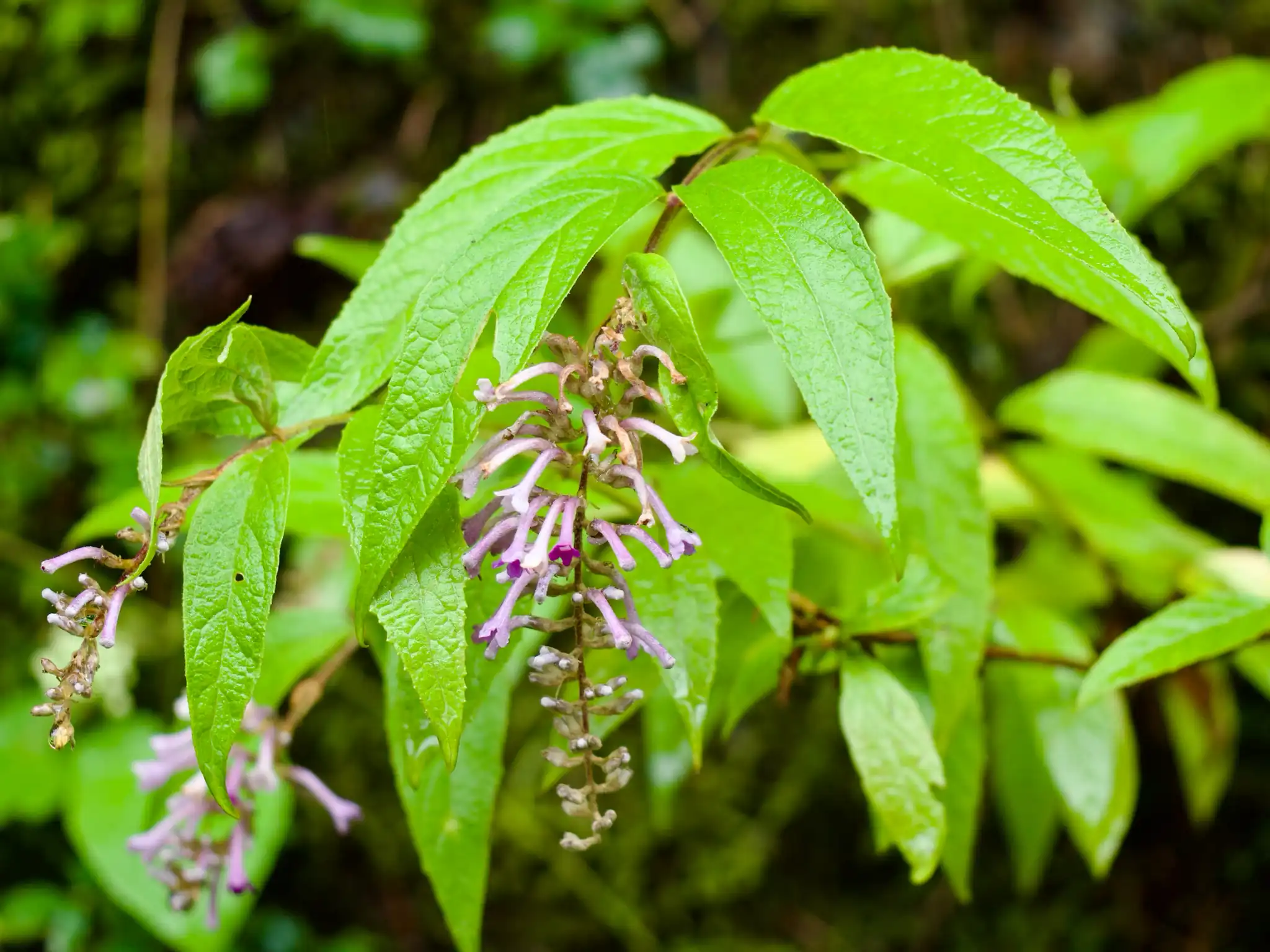
Buddleja japonica, the Japanese butterfly bush, is a deciduous, upright shrub native to mountain slopes in Japan, characterized by distinctively four-winged, quadrangular stems. The narrowly lanceolate leaves grow up to eight inches long, featuring dark green, smooth upper surfaces and densely felted, pale undersides.
This species is distinguished by its dense, drooping terminal panicles of tubular, pale lilac to pink flowers that bloom from summer into fall. Unlike the more common Buddleja davidii, it maintains a sparser, more sprawling or arching habit in the garden.
Uses & Benefits:
Essentials
At a Glance
Plant Type
Shrub
Height
118"
Width
59"
Light
Full Sun, Partial Sun
Zones
7, 8, 9, 10
Water
Moderate
Humidity
Moderate
Lifespan
Perennial
Native To
Japan
Toxicity
Non-toxic
Bloom period
Summer – Fall
In flower about 6 months of the year
Planting
How to Grow
- Select a planting site in full sun with excellent drainage to prevent root rot.
- Amend heavy clay soils with organic matter to improve structure and aeration.
- Apply a thin layer of compost around the base each spring to provide sufficient nutrients.
- Prune stems back to the ground in late winter or early spring to stimulate vigorous new flowering wood.
Pro Tip
Plant in exceptionally well-drained soil and prune the entire shrub back close to the ground in late winter; leaving old woody stems unpruned results in a weak, bare-legged habit with minimal flower production.
Keep It Thriving
Care Guide
Do
- Prune hard annually to maintain a dense, compact form.
- Deadhead spent flower spikes regularly to prolong the blooming season.
- Ensure the soil dries out slightly between waterings once established.
Don't
- Do not plant in low-lying areas or heavy clay without structural amendments.
- Avoid overwatering or allowing the roots to sit in soggy soil.
- Do not apply heavy synthetic fertilizers, which decrease flowering.
Seasonal Care Calendar
| Task | Jan | Feb | Mar | Apr | May | Jun | Jul | Aug | Sep | Oct | Nov | Dec |
|---|---|---|---|---|---|---|---|---|---|---|---|---|
| Deadhead | ||||||||||||
| Fertilize | ||||||||||||
| Pest Check | ||||||||||||
| Prune |
Watch Out For
Pests & Diseases
Common Pests
Common Diseases
In the Garden
Landscape Uses & Companions
Landscape Uses
Companion Plants
Multiply
Propagation Methods
Good to Know
Common Questions
Japanese Butterfly Bush questions
What zones can Japanese Butterfly Bush grow in?
Japanese Butterfly Bush is hardy in USDA Zones 7–10. Inside that range it survives winter in the ground; outside it, grow it as an annual or a container plant you protect.
Is Japanese Butterfly Bush deer resistant?
Yes — Japanese Butterfly Bush is rated deer-resistant. Deer typically pass it over, though extreme hunger can override any plant's defenses.
When does Japanese Butterfly Bush bloom?
Japanese Butterfly Bush typically blooms in summer through fall. Exact timing shifts a week or two with your zone — Sow's bloom calendar maps it to your garden.
Does Japanese Butterfly Bush need full sun?
Japanese Butterfly Bush does best in full sun to part shade. In hot climates, afternoon shade keeps blooms fresher longer.
Is Japanese Butterfly Bush drought tolerant?
Yes — once established (usually after the first full season), Japanese Butterfly Bush handles dry spells with minimal watering. Water deeply its first year to build the root system that makes that possible.
More Buddleja to compare
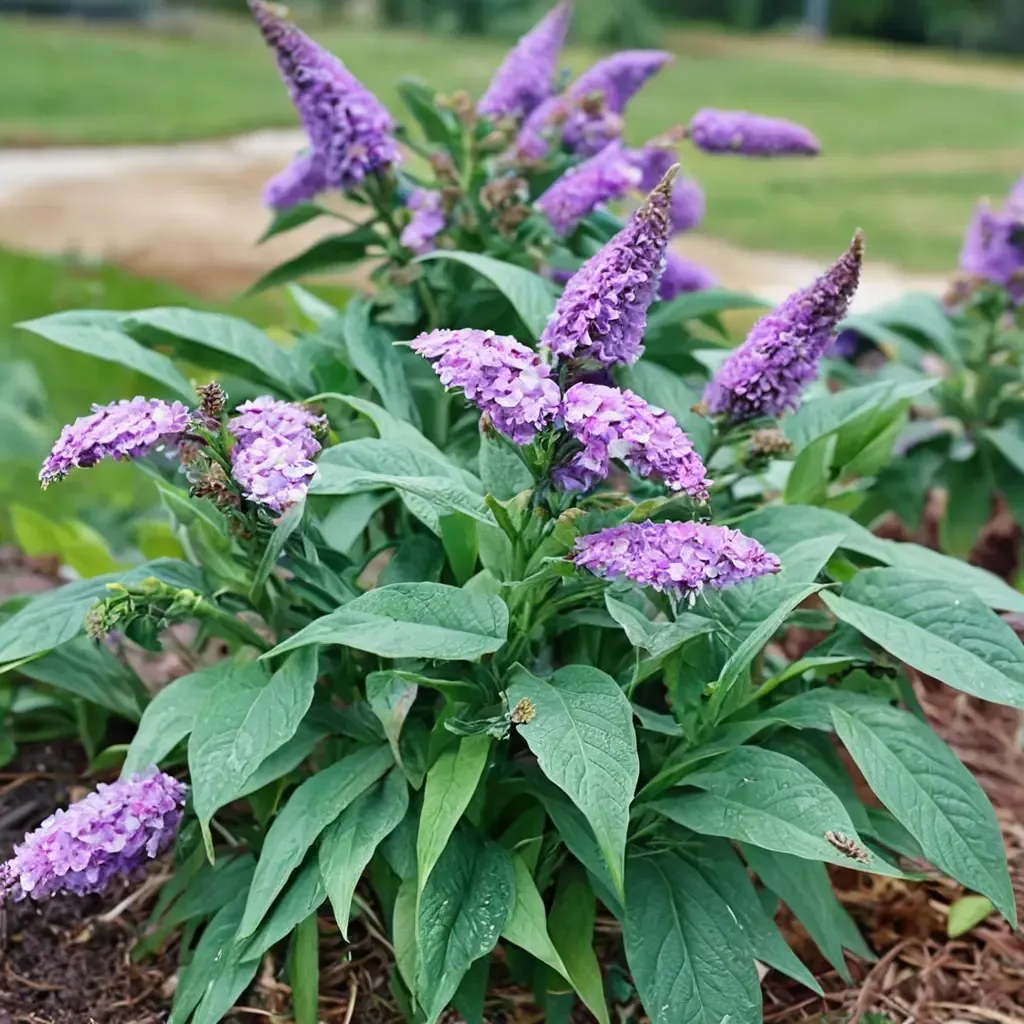
Pugster Amethyst Butterfly Bush
Buddleja davidii 'Pugster Amethyst'
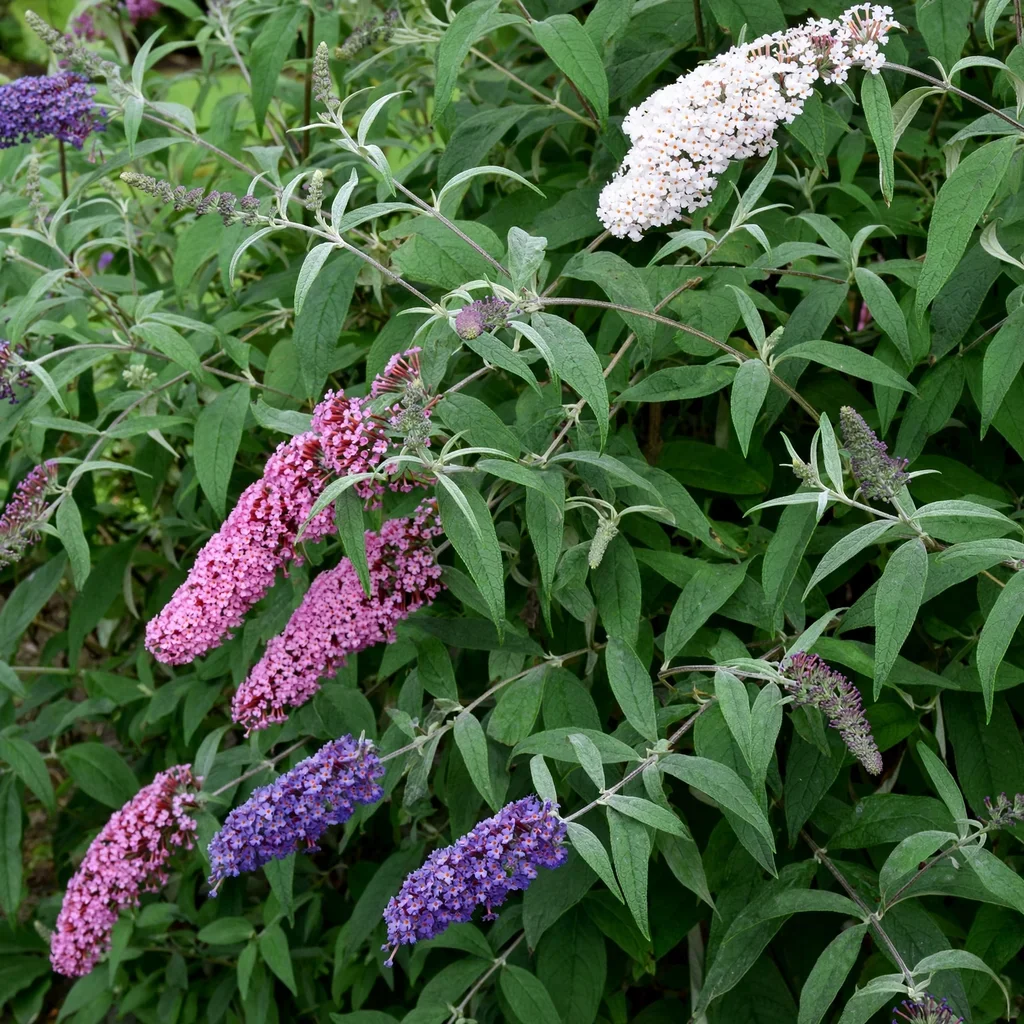
Trio Butterfly Bush
Buddleja davidii 'Trio'
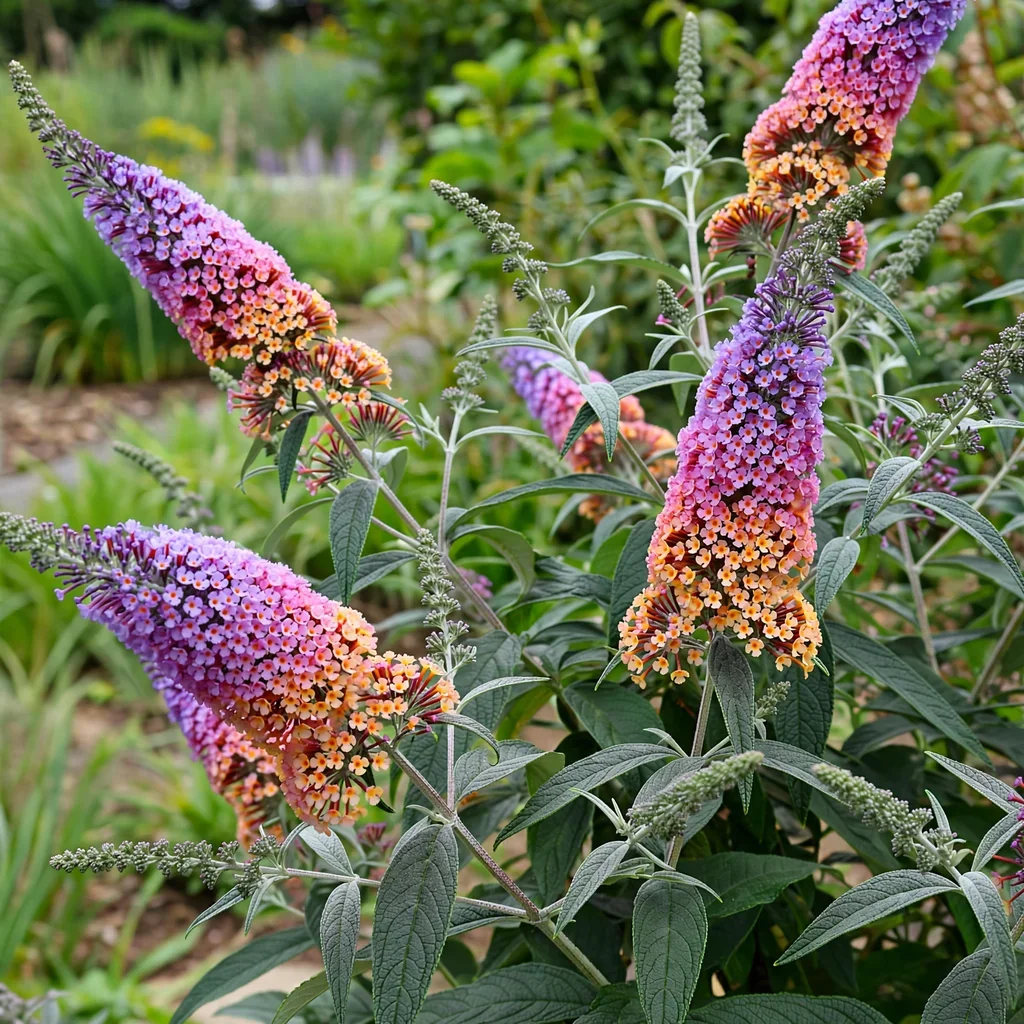
Bicolor Butterfly Bush
Buddleja davidii 'Bicolor'
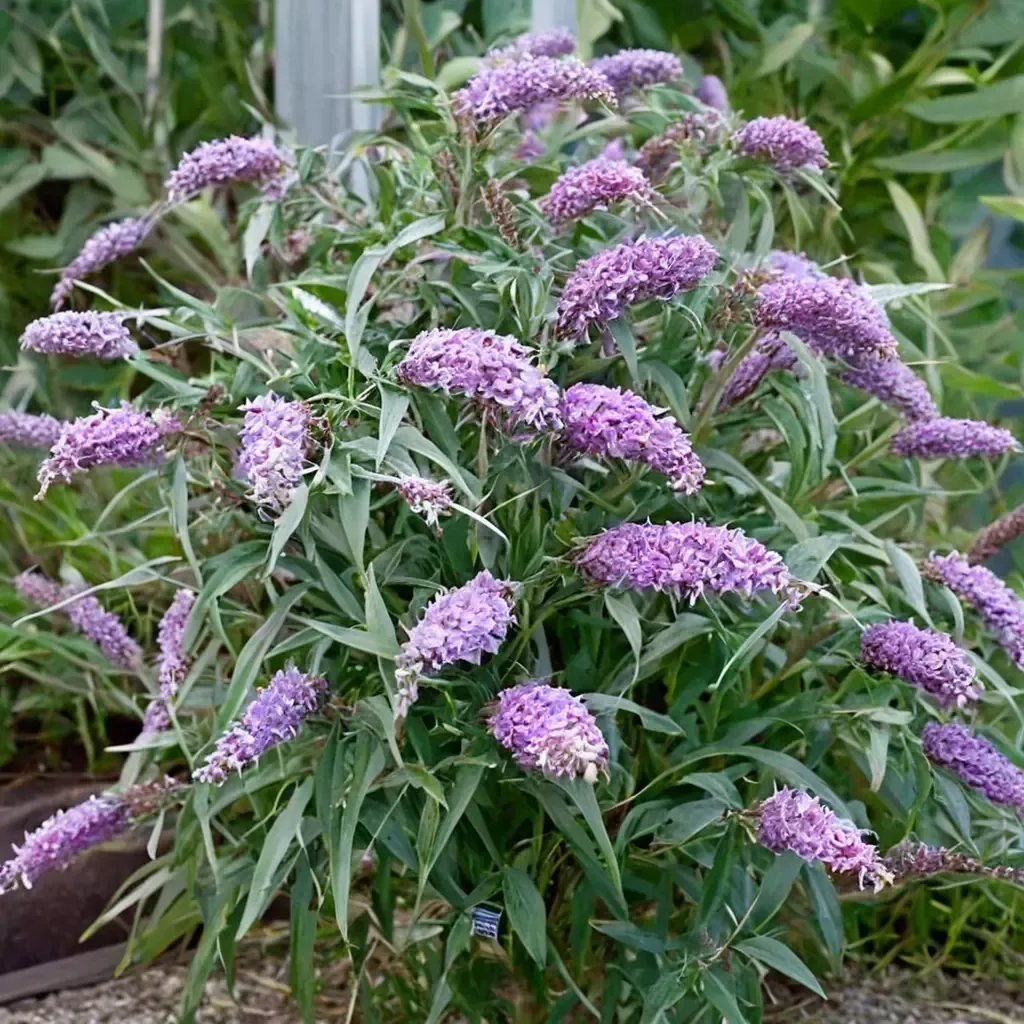
Butterfly Bush
Buddleja davidii
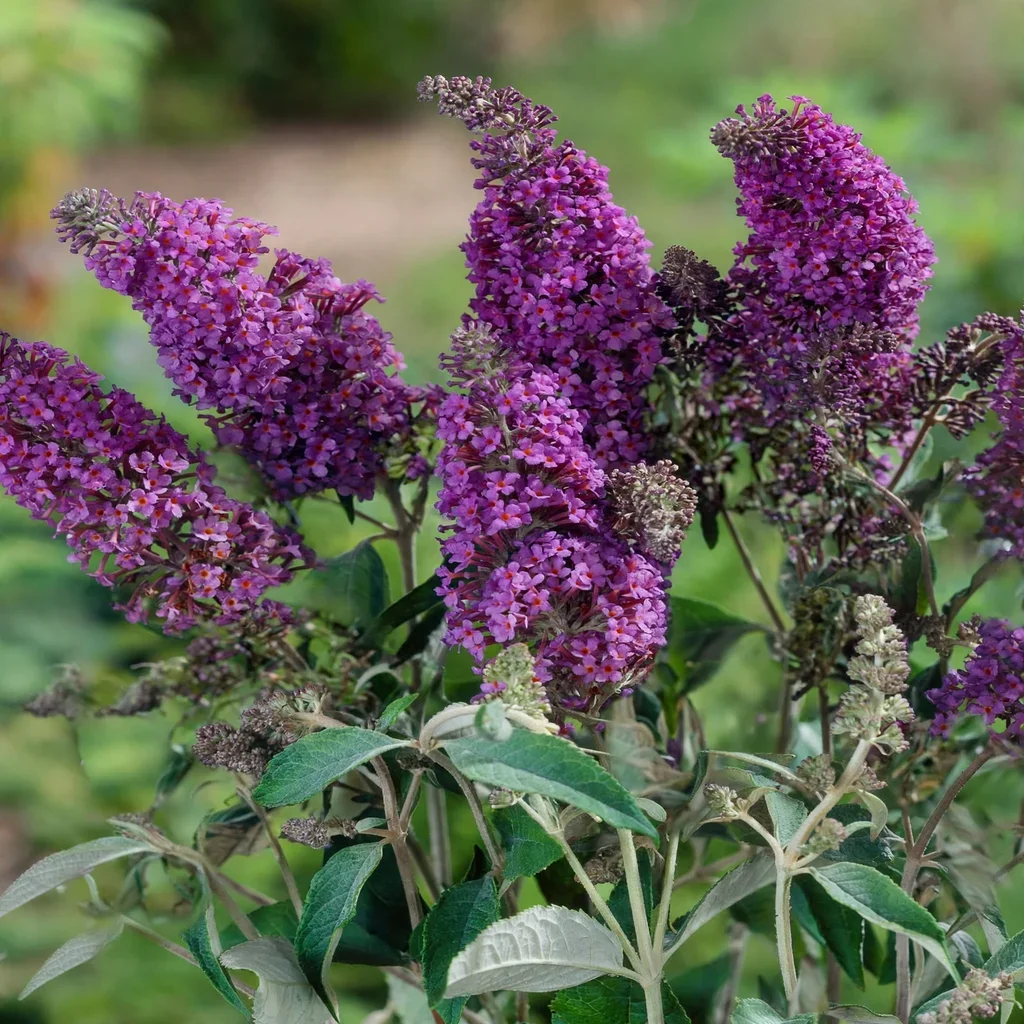
Butterfly Bush Purple Prince
Buddleja davidii 'Purple Prince'
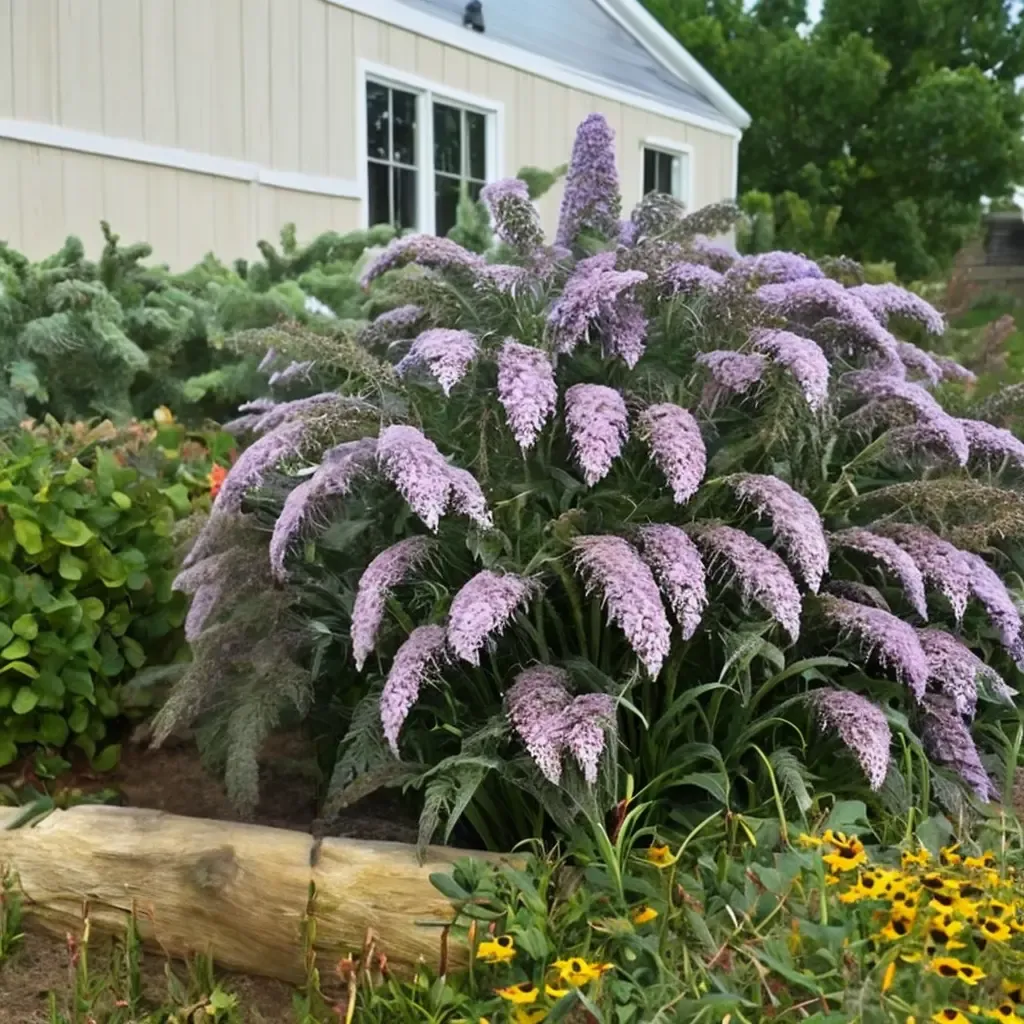
Grand Cascade Butterfly Bush
Buddleja davidii 'Grand Cascade'
Keep exploring
Explore the genus
Hardy in your zone?
Grow Japanese Butterfly Bush with confidence
See it in a design of your actual yard, get zone-matched care reminders, and track it season by season in your garden journal.